Key Takeaways
- Boerboels are loyal, protective, and require consistent training and socialization.
- Adoption involves legal considerations, such as understanding breed-specific legislation.
- Boerboels need ample space, exercise, and mental stimulation to thrive.
- They can be good with children but require supervision due to their size.
- Choosing a reputable rescue or shelter is crucial for a successful adoption.
Boerboel Dog Breed Adoption and Rescue Essentials
Adopting a Boerboel is a rewarding journey filled with love and companionship. This majestic breed, known for its loyalty and protective nature, requires careful consideration and preparation. Whether you’re a seasoned dog owner or exploring the idea for the first time, understanding the essentials of Boerboel adoption can set the stage for a successful relationship with your new furry friend.
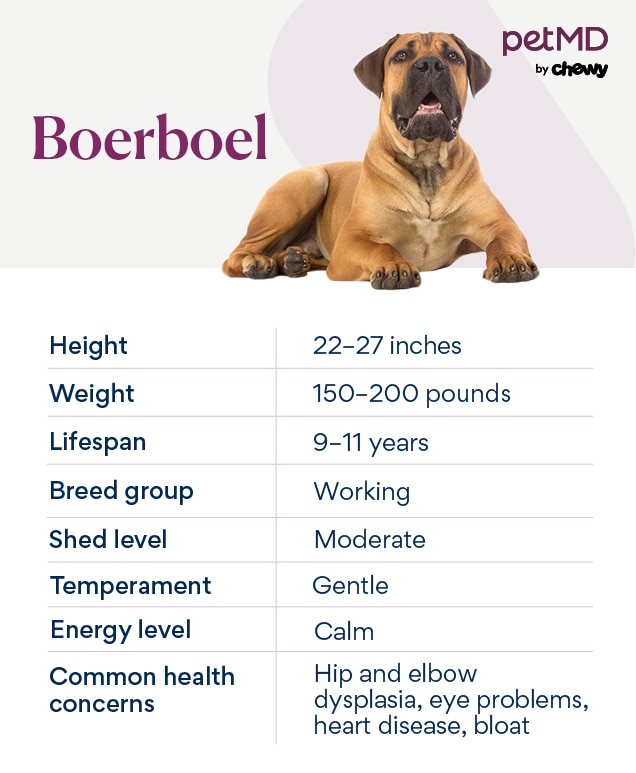
“South African Mastiff) Dog Breed …” from www.petmd.com and used with no modifications.
Legal Aspects of Adopting a Boerboel
Before you bring a Boerboel into your home, it’s essential to understand the legal requirements involved in adopting this breed. Some regions have breed-specific legislation due to the Boerboel’s size and protective instincts. It’s crucial to check local laws and regulations to ensure compliance. This might include obtaining special permits or adhering to specific containment requirements.
Additionally, when adopting from a rescue or shelter, you may need to complete certain paperwork. This often includes adoption agreements, health records, and proof of spaying or neutering. These documents ensure that the adoption process is transparent and that both you and the rescue organization are on the same page regarding the dog’s care and well-being.
Advantages vs. Disadvantages of Boerboel Adoption
Adopting a Boerboel comes with its own set of pros and cons. Understanding these can help you make an informed decision.
Advantages:
- Boerboels are fiercely loyal and protective, making them excellent guard dogs.
- They form strong bonds with their families, providing companionship and love.
- Adopting a Boerboel from a shelter often means giving a dog a second chance at a loving home.
Disadvantages:
- Boerboels require consistent training and socialization to manage their protective instincts.
- Their large size and strength can be challenging for first-time dog owners.
- Potential health issues, such as hip dysplasia, can require significant veterinary care.
Finding a Reputable Rescue or Shelter
Choosing the right rescue or shelter is crucial in the adoption process. A reputable organization will prioritize the health and well-being of their dogs, ensuring they are well cared for and socialized before adoption. Look for rescues that provide comprehensive health checks, vaccinations, and behavioral assessments.
“A good rescue will match you with a dog that fits your lifestyle and experience level, ensuring a harmonious adoption experience.”
When researching potential rescues, consider reaching out to past adopters for their experiences. Their insights can provide valuable information about the organization’s reputation and the quality of care provided to the animals. For more guidance, check out these best practices for pet rescue organizations.
Is a Boerboel Right for Your Family?
Deciding if a Boerboel is the right fit for your family involves understanding their temperament and how they integrate into a home environment. These dogs are known for their strong, confident demeanor, which can be both a blessing and a challenge.
Understanding Boerboel Temperament
Boerboels are naturally protective and confident dogs. They are known for their strong guarding instincts, making them excellent watchdogs. However, this protective nature requires proper training and socialization to ensure they can distinguish between friend and foe. For those considering adopting a Boerboel, it’s important to be aware of pet adoption myths that might influence your decision.
- Boerboels thrive in environments where they have a clear role and purpose.
- They are intelligent and respond well to consistent training and positive reinforcement.
- Early socialization is key to developing a well-rounded Boerboel.
Because of their size and strength, Boerboels need owners who can confidently establish themselves as leaders. This helps prevent behavioral issues and ensures the dog understands its place within the family hierarchy.
Living with Boerboels: Family Dynamics
Incorporating a Boerboel into your family dynamic requires careful planning and consideration. These dogs are known for their affectionate nature towards family members, including children. However, due to their size, supervision is necessary to prevent accidental injuries during playtime. For those interested in understanding how Boerboels compare with other breeds, this comparison with Cane Corsos might be insightful.
Boerboels often form strong bonds with their families, becoming deeply attached to their human companions. This attachment can lead to separation anxiety if they are left alone for extended periods. Therefore, it’s important to ensure they have plenty of companionship and mental stimulation.
Most importantly, creating a routine that includes regular exercise, training, and socialization can help integrate a Boerboel into your family smoothly. Establishing rules and boundaries from the start will aid in developing a well-behaved and balanced pet. For more insights, explore the physical and mental health benefits of adopting a pet.
Home and Lifestyle Compatibility
When considering a Boerboel, it’s vital to evaluate your home and lifestyle to ensure compatibility. Boerboels are large dogs that thrive in environments where they have ample space to move and play. They aren’t typically suited for apartment living unless you can provide frequent exercise and outdoor time.
These dogs need a home where they can roam and explore. A secure, fenced yard is ideal to allow them the freedom to stretch their legs while ensuring their safety. Without enough space, a Boerboel may become restless or develop behavioral issues.
Besides physical space, consider your lifestyle. Boerboels require significant time and attention. They aren’t the best fit for those with hectic schedules that keep them away from home for long periods. If you enjoy outdoor activities like hiking or jogging, a Boerboel might be the perfect companion.
“Boerboels are happiest in homes where they are considered a part of the family and included in daily activities.”
Before adopting, assess if you can provide the time, space, and attention a Boerboel needs to live a fulfilled life.
Housing Needs: Space and Environment
Boerboels need a living environment that accommodates their size and energy level. A house with a yard is preferable, as it gives them the room to play and patrol. Ensure the yard is securely fenced to prevent them from wandering off, as their protective nature might drive them to investigate perceived threats. Learn more about pet adoption journeys and how to provide a suitable home for your new companion.
Exercise and Mental Stimulation Requirements
Exercise is a critical component of a Boerboel’s daily routine. Without it, they may become bored and develop destructive behaviors. Daily walks, play sessions, and mental challenges are necessary to keep them happy and healthy.
- Engage them in interactive games like fetch or tug-of-war.
- Provide puzzle toys that challenge their intelligence.
- Consider agility training to harness their physical prowess.
Regular exercise not only keeps them fit but also strengthens the bond between you and your Boerboel. It provides an opportunity for training and reinforces their role as a valued family member. Learn about the physical and mental health benefits of adopting a pet.
Besides that, mental stimulation is just as important as physical activity. Boerboels are intelligent dogs that thrive on mental challenges. Incorporate training sessions into your daily routine to keep their minds sharp and engaged. For more information on how Boerboels compare to other breeds, check out this comparison with Cane Corso.
Feeding and Nutrition: What & How Much Boerboels Eat
Feeding a Boerboel involves more than just providing food; it requires understanding their nutritional needs to maintain optimal health. Boerboels need a balanced diet rich in protein to support their muscular build. For those considering pet adoption, understanding the health benefits of adopting a pet can also play a role in the decision-making process.
High-quality commercial dog food formulated for large breeds is a good starting point. It ensures they receive the necessary nutrients, vitamins, and minerals. However, the amount of food can vary based on their age, weight, and activity level.
As a general guideline, an adult Boerboel may consume 4-6 cups of dry food per day, divided into two meals. Puppies and younger dogs might require more frequent feedings to support their growth and energy needs.
Handling Boerboel Behavior and Temperament
Understanding and managing a Boerboel’s behavior is key to a harmonious relationship. These dogs are known for their loyalty and protective instincts, which can be both an asset and a challenge. For those considering adopting a Boerboel, it’s important to be aware of the pet adoption myths that often surround this breed.
Training and socialization from a young age are crucial. Establishing yourself as the leader through consistent, positive reinforcement techniques helps manage their strong-willed nature. Early socialization with other dogs and people helps prevent aggressive tendencies and ensures they are well-adjusted adults. For more insights on how to effectively train and socialize your pet, check out these best practices for pet rescue organizations.
Loyalty and Protective Instincts
Boerboels are renowned for their loyalty. They form deep attachments to their families and are known to be incredibly protective. This trait makes them excellent watchdogs, always alert and ready to defend their loved ones.
However, this protective nature requires careful management. Training should focus on teaching them to differentiate between normal and threatening situations. Reinforcing positive interactions with strangers and other animals is essential to prevent overprotectiveness.
Socialization with Other Pets
Introducing a Boerboel to other pets requires patience and strategy. While they can coexist peacefully with other animals, early socialization is vital. Begin introductions in a controlled environment, allowing them to interact under supervision.
Gradually increase their exposure to different animals, rewarding positive behavior and calm interactions. Consistency and patience are key to ensuring a harmonious multi-pet household.
Most importantly, remember that each Boerboel is unique. Some may adapt quickly, while others may need more time to adjust. Pay attention to their cues and proceed at a pace that ensures their comfort and safety.
Recognizing & Addressing Signs of Potential Aggression
A Boerboel’s protective instincts can sometimes manifest as aggression. Recognizing early signs of aggression, such as growling, snapping, or territorial behavior, is crucial for intervention.
Addressing these behaviors involves reinforcing training and seeking professional guidance if necessary. A dog trainer experienced with large breeds can provide valuable strategies for managing and redirecting aggressive tendencies.
Boerboel Health and Lifespan
Ensuring a Boerboel’s health involves understanding common health concerns and implementing preventative care. These dogs are generally healthy but can be prone to certain conditions due to their size.
Common Health Concerns
Boerboels may face health issues such as hip dysplasia, heart problems, and bloat. Regular veterinary check-ups are essential to monitor their health and catch any potential issues early. For those considering adoption, it’s important to understand the rescue pet adoption journey to ensure a healthy and happy transition for both the pet and owner.
|
Health Concern |
Description |
|---|---|
|
Hip Dysplasia |
A genetic condition affecting the hip joint, causing pain and mobility issues. |
|
Heart Problems |
Conditions like dilated cardiomyopathy can affect their heart function. |
|
Bloat |
A life-threatening condition where the stomach fills with gas and twists. |
Being proactive in their care, including maintaining a healthy diet and regular exercise, can help mitigate these risks. Additionally, choosing a reputable breeder or rescue organization that prioritizes health screening can make a significant difference.
Preventative care, including vaccinations, flea and tick prevention, and dental care, plays a vital role in ensuring a Boerboel’s long-term health. Establishing a routine with your veterinarian will help keep your Boerboel in top condition. For more information on the Boerboel breed, you can compare it with other breeds like the Cane Corso.
Most importantly, understanding the unique needs of Boerboels allows you to provide the best care possible, ensuring they live long, healthy lives. For those interested in comparing these magnificent dogs to others, here’s a detailed comparison of the Cane Corso vs Boerboel.
Preventative Care and Regular Vet Visits
Regular veterinary visits are crucial for maintaining your Boerboel’s health. These visits allow your vet to monitor your dog’s overall health and catch any potential issues early. A typical visit includes a physical examination, vaccinations, and discussions about your dog’s diet and lifestyle.
In addition to routine check-ups, preventative care should include heartworm prevention, flea and tick control, and regular deworming. These measures protect your Boerboel from common parasites and diseases that can affect their health.
- Schedule vet visits every 6-12 months for comprehensive health assessments.
- Keep vaccinations up-to-date to prevent diseases like rabies and distemper.
- Discuss dietary needs with your vet to ensure a balanced diet.
Most importantly, building a strong relationship with your veterinarian ensures you have a trusted partner in your dog’s healthcare journey. This partnership is invaluable in providing the best possible care for your Boerboel.
Lifespan and Promoting Longevity
The average lifespan of a Boerboel is between 9 to 11 years. However, with proper care, some Boerboels can live even longer. Promoting longevity involves maintaining a healthy lifestyle that includes a balanced diet, regular exercise, and mental stimulation.
Ensuring your Boerboel has a safe and loving environment also contributes to their well-being. Minimizing stress and providing plenty of social interaction helps keep them happy and healthy. By understanding their needs and providing consistent care, you can help your Boerboel live a long, fulfilling life.
Final Thoughts on Boerboel Ownership
Owning a Boerboel is a commitment that comes with both challenges and rewards. Their loyalty, intelligence, and protective nature make them exceptional companions for the right family. However, their size and energy level require a dedicated owner who can meet their needs. If you’re considering bringing a Boerboel into your home, it’s important to understand the preparation needed for a rescue pet to ensure a smooth transition.
Before deciding to adopt, consider whether you have the time, resources, and experience to care for a Boerboel. These dogs thrive in environments where they are considered part of the family and included in daily activities. They need owners who can provide consistent training and socialization to ensure they are well-behaved and balanced pets.
- Boerboels are best suited for experienced dog owners.
- They require ample space and regular exercise.
- Early socialization and training are crucial for managing their protective instincts.
Ultimately, Boerboels offer a unique blend of loyalty and protection that can enrich your life in countless ways. With the right preparation and commitment, they can become cherished members of your family.
Summary of Ownership Considerations
In summary, owning a Boerboel requires careful consideration of their needs and your ability to meet them. They need a home with ample space, regular exercise, and mental stimulation. Their protective nature requires consistent training and socialization to ensure they are well-adjusted family members.
It’s also important to be prepared for the financial commitment of owning a large breed dog. This includes costs for food, veterinary care, and training. By understanding these considerations, you can make an informed decision about whether a Boerboel is the right fit for your family.
Making an Informed Decision
Deciding to adopt a Boerboel is a significant decision that should not be taken lightly. Consider your lifestyle, experience, and resources before making a commitment. If you have the time and dedication to meet their needs, a Boerboel can be a loyal and loving companion. For a comparison with other breeds, you can explore the Cane Corso vs Boerboel article.
Researching the breed, talking to current owners, and consulting with breeders or rescue organizations can provide valuable insights into whether a Boerboel is the right choice for you. By taking the time to understand their needs and characteristics, you can ensure a successful and fulfilling adoption experience.
Frequently Asked Questions (FAQ)
Here are some common questions potential Boerboel owners often ask:
Are Boerboels good with children?
Boerboels can be good with children, especially if they are raised together. Their protective nature makes them attentive guardians. However, due to their size, supervision is necessary to prevent accidental injuries during play.
How much exercise does a Boerboel need daily?
Boerboels require at least 60 minutes of exercise daily. This can include walks, playtime, and mental stimulation activities. Regular exercise is crucial to prevent boredom and maintain their physical health.
What are the most common health problems in Boerboels?
Common health issues in Boerboels include hip dysplasia, heart problems, and bloat. Regular veterinary check-ups and preventative care can help manage these risks and ensure your Boerboel stays healthy.
Can a Boerboel adapt to living in an apartment?
While Boerboels are large dogs that prefer homes with ample space, they can adapt to apartment living if they receive sufficient exercise and mental stimulation. Daily walks and play sessions are essential to keep them happy and healthy in a smaller living environment.