Oriental cats are captivating creatures that bring joy and excitement into any home. If you’re considering adopting one, this guide will provide you with everything you need to know, from their unique characteristics to the joys and challenges of owning them.
Key Takeaways
- Oriental cats are known for their diverse coat colors and patterns, making them visually striking pets.
- They are highly energetic and social, requiring interactive play and companionship.
- Adoption costs for Oriental cats typically range from $75 to $200, depending on the rescue or shelter.
- Orientals can be a good fit for families, including those with children or individuals on the autism spectrum.
- Regular grooming is necessary to manage shedding, especially for the longhair variety.
Why Choose an Oriental Cat?
Adopting an Oriental cat can be a rewarding experience. These cats are not only beautiful but also have personalities that are hard to resist. Their energetic nature makes them perfect for those who enjoy interactive play and a lively home environment. Besides their playful demeanor, Orientals are known for their vocal communication, often engaging in “conversations” with their owners. This makes them not just pets, but true companions.
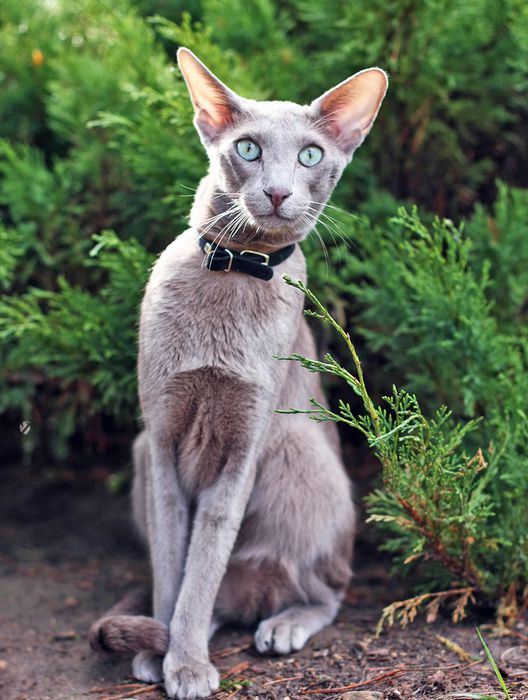
“Oriental Shorthair Cat Breed …” from www.dailypaws.com and used with no modifications.
“Oriental cats are the perfect blend of beauty and brains. They keep you entertained with their antics and warm your heart with their affection.”
Most importantly, Orientals are highly adaptable and can thrive in various living conditions, whether in a bustling family home or a quiet apartment. Their intelligence and curiosity make them quick learners, often mastering tricks and commands with ease.
What Makes Oriental Cats Unique
The Oriental cat stands out due to its striking appearance and diverse range of coat colors and patterns. Unlike many other breeds, Orientals come in over 300 different color and pattern combinations. This means no two Oriental cats are quite the same, giving each one a unique look and personality.
A Brief History of the Oriental Breed
The Oriental breed is a fascinating evolution of the Siamese cat. Originally developed in the 1950s, breeders sought to create a cat that shared the Siamese’s sleek body but offered a wider variety of colors and patterns. The result was the Oriental cat, which quickly gained popularity for its stunning appearance and charming personality.
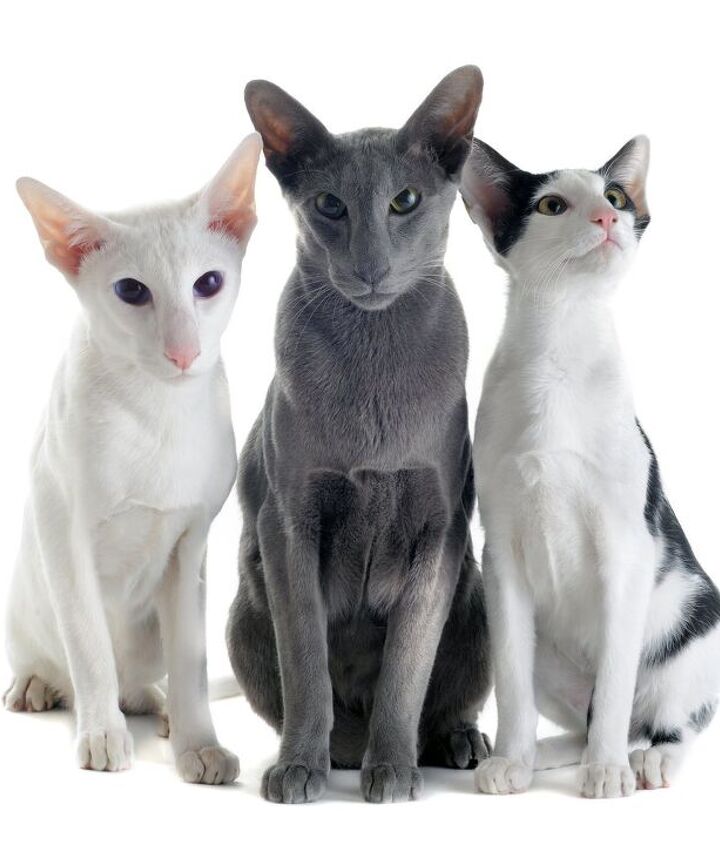
Oriental Cat Breed Information and …” from www.petguide.com and used with no modifications.
Characteristics of Oriental Cats
Oriental cats are known for their elegant, slender bodies and almond-shaped eyes, which give them an exotic look. Their coat can be either short or long, with the short-haired variety being more common. Regardless of coat length, all Orientals have a sleek, athletic build that reflects their active nature.
Different Names and Variations
When discussing Oriental cats, it’s essential to recognize the different names and variations within the breed. The short-haired variety is commonly referred to as the “Oriental Shorthair,” while the long-haired version is known as the “Oriental Longhair.” Despite these differences in coat length, both types share the same vibrant personality and elegant appearance.
Size, Activity Levels, and Popularity
Oriental cats are medium-sized, typically weighing between 6 to 12 pounds. They are highly active and require plenty of mental and physical stimulation to stay happy and healthy. Their energetic nature makes them popular among families and individuals who enjoy an interactive and engaging pet. For a comparison, you might want to check out the differences between Colorpoint Shorthair and Siamese cats.
Affectionate Nature and Holding Comfort
One of the most endearing traits of Oriental cats is their affectionate nature. They form strong bonds with their owners and enjoy being held and cuddled. This makes them excellent companions for those seeking a loving and interactive pet. However, it’s important to handle them gently, as their slender bodies can be more delicate than other breeds.
In conclusion, Oriental cats are a delightful choice for anyone looking to add a lively and loving pet to their home. With their striking appearance and charming personalities, they are sure to win the hearts of their owners.
Common Health Issues
Like all breeds, Oriental cats have their share of health concerns. While generally healthy, they can be prone to certain genetic conditions. One such issue is Amyloidosis, a disease that affects the liver and other organs. It’s important to watch for signs like lethargy or loss of appetite and consult a vet if you suspect any health problems. For more information on choosing an Oriental cat, visit PetPlace.
Dental issues are another concern. Regular dental care, including brushing and professional cleanings, can help prevent problems. Keeping an eye on their weight is also crucial, as Oriental cats can be prone to obesity if not given enough exercise.
Pros and Cons of Owning an Oriental Cat
Owning an Oriental cat can be a joyful experience, but it comes with its own set of advantages and challenges. Understanding these can help you decide if this breed is right for you. For more insights on cat breeds, you might find this guide on calico cats useful.
Advantages of the Breed
Oriental cats are known for their affectionate nature and strong bonds with their owners. Their playful and energetic demeanor makes them great companions for families and individuals who enjoy active pets. Additionally, their intelligence allows them to learn tricks and commands easily, adding to their charm.
Their diverse coat colors and patterns make them visually striking, offering a unique appearance that stands out among other breeds. Their vocal nature also means they communicate well with their owners, creating a more interactive relationship.
Potential Challenges
Despite their many positives, Oriental cats can present some challenges. Their high energy levels require regular play and mental stimulation, which might be demanding for some owners. They can also be sensitive to changes in their environment, leading to stress or anxiety.
Moreover, their vocal nature, while endearing to some, might be too much for those who prefer quieter pets. Prospective owners should consider these factors before bringing an Oriental cat into their home.
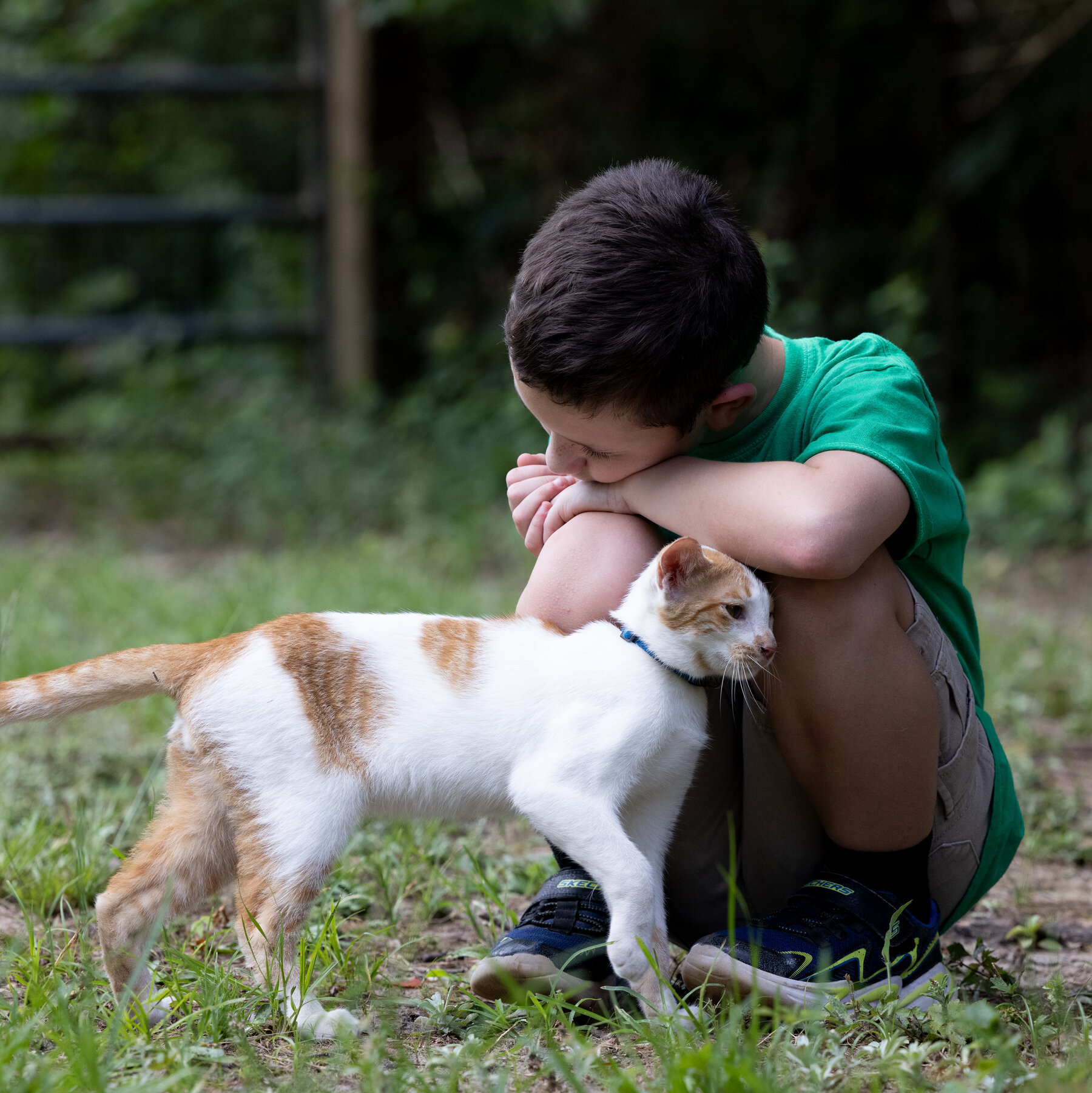
“Nature as a Salve for Children With …” from www.nytimes.com and used with no modifications.
Oriental Cats in Families with Autism
- Oriental cats can provide companionship and comfort to individuals with autism.
- Their interactive nature encourages engagement and socialization.
- They can adapt well to structured environments, making them suitable for autistic households.
Oriental cats can play a significant role in families with autism. Their affectionate and interactive nature can provide comfort and companionship, which is beneficial for individuals on the autism spectrum. These cats often respond well to structured environments, making them a good fit for such households. For those interested in other cuddly cat breeds, the Cornish Rex cat is another affectionate option to consider.
Besides that, their playful demeanor can encourage engagement and interaction, helping individuals with autism develop social skills. Their consistent routines can also provide a sense of stability and predictability, which is often appreciated in autistic households. For more insights, you might consider reading about the Cornish Rex cat’s characteristics and how they can be a good fit for various family dynamics.
The Role of Oriental Cats in Autistic Households
In autistic households, Oriental cats can serve as both companions and therapy animals. Their ability to form strong bonds with their owners allows them to offer emotional support and comfort. This can be especially valuable for individuals with autism, who may benefit from the calming presence of a pet.
Compatibility and Socialization
Oriental cats are generally compatible with children and other pets, making them a versatile addition to many households. Early socialization is key to ensuring they adapt well to their environment and develop positive relationships with family members.
Introducing them gradually to new people and pets can help ease the transition and prevent stress. Their social nature often leads to quick adaptation, allowing them to become beloved members of the family.
Comparing Oriental Shorthair and Longhair
Oriental cats come in two main varieties: Shorthair and Longhair. While they share many characteristics, there are some differences that potential owners should consider.
The Shorthair variety is more common and requires less grooming, making them a low-maintenance option for busy owners. Their coat is sleek and close-lying, which minimizes shedding and keeps their appearance neat.
Coat and Grooming Differences
Oriental Longhairs, on the other hand, have a medium-length coat that requires regular grooming to prevent matting and manage shedding. Their silky fur is beautiful but demands more attention, which should be factored into your decision, especially when considering maintenance costs.
Popularity and Preferences
While both varieties are beloved, the Shorthair is generally more popular due to its low-maintenance coat. However, those who appreciate the elegance of a longer coat may prefer the Longhair. Ultimately, the choice between the two depends on your lifestyle and grooming preferences.
In conclusion, both Shorthair and Longhair Orientals offer unique traits and beauty, making them a wonderful addition to any home. Understanding their differences can help you choose the variety that best fits your lifestyle.
Comparing Oriental Cats to Similar Breeds
Oriental cats often draw comparisons to several other breeds due to their striking looks and vibrant personalities. Understanding these similarities and differences can help potential adopters make informed decisions.
Oriental vs. Javanese
Javanese cats are essentially a long-haired version of the Siamese, sharing many features with the Oriental breed. Both breeds boast a sleek, elegant appearance and a playful, vocal personality. However, Javanese cats typically have a slightly longer coat compared to Oriental Shorthairs, which can mean more grooming.
Despite these differences, both breeds are known for their intelligence and affectionate nature. They thrive in interactive environments where they can engage with their owners and other pets. If you’re looking for a cat with a bit more fluff but similar personality traits, a Javanese might be a suitable alternative.
Both breeds can form strong bonds with their families and are known for being highly social and engaging companions. However, the Javanese’s longer coat may require more grooming attention than the Oriental’s shorter or medium-length coat.
|
Feature |
Oriental |
Javanese |
|---|---|---|
|
Coat Length |
Short to Medium |
Long |
|
Grooming Needs |
Low to Moderate |
Moderate to High |
|
Personality |
Vocal, Playful |
Vocal, Playful |
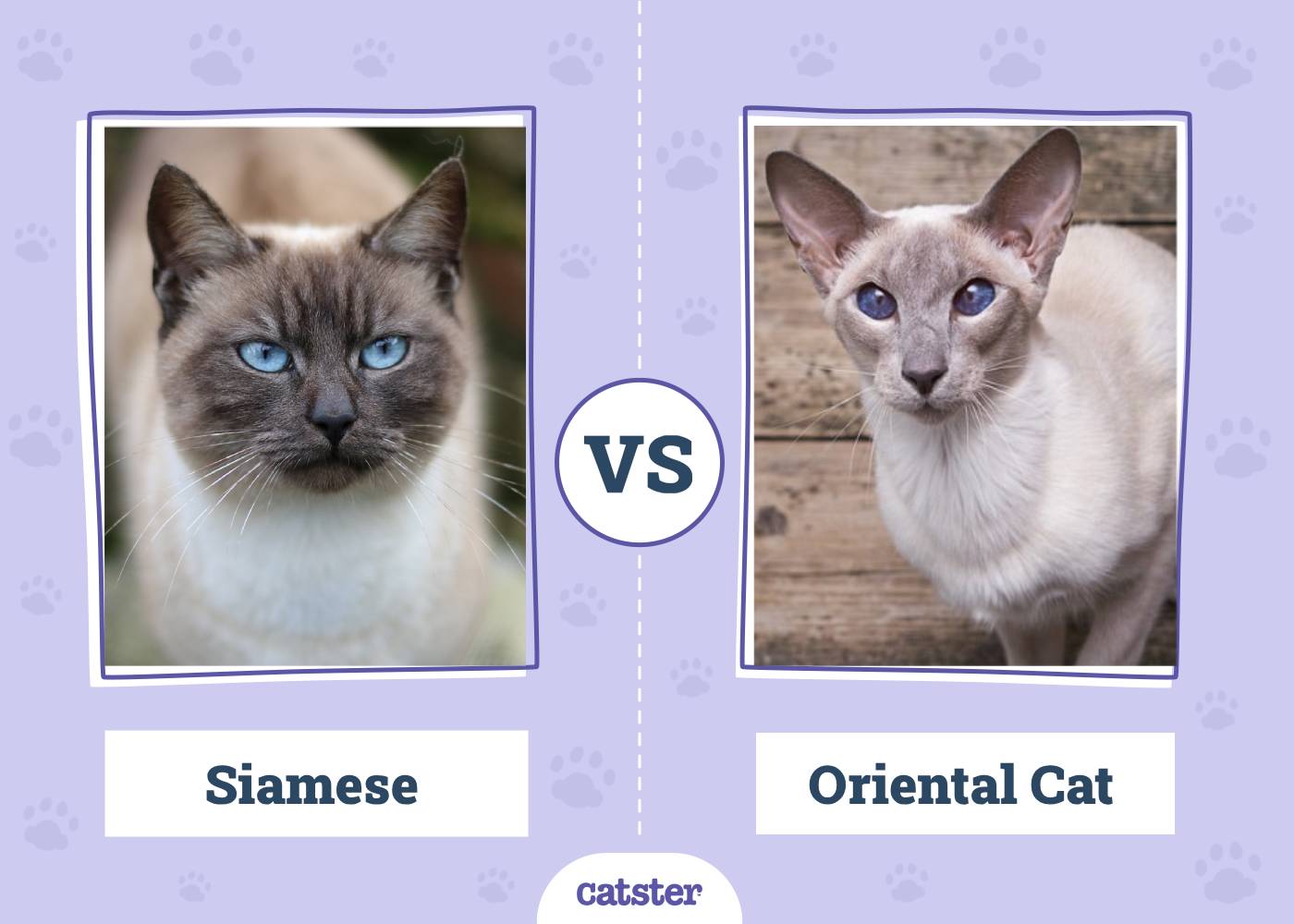
“Siamese Cat vs. Oriental Shorthair Cat …” from www.catster.com and used with no modifications.
Oriental vs. Siamese
Oriental cats and Siamese cats share a common ancestry, which explains their similar body structure and vocal tendencies. However, Orientals come in a wide range of colors and patterns, whereas Siamese are known for their distinct color points. This diversity in appearance makes Orientals a popular choice for those seeking variety.
Considerations Regarding Seychellois
The Seychellois cat is another breed that shares similarities with the Oriental and Siamese. It features the elegant build and playful nature common to these breeds. However, Seychellois cats are less common and may be harder to find for adoption. They offer a unique blend of features, including striking blue eyes and a gentle demeanor.
Final Thoughts on Adopting an Oriental Cat
Oriental cats make delightful companions, offering a unique blend of beauty, intelligence, and affection. Their playful nature and engaging personalities make them a joy to have around, and their diverse appearance adds to their charm.
Why They Make Great Pets
Orientals are highly social and thrive in environments where they can interact with their owners and other pets. Their intelligence and curiosity make them quick learners, and their affectionate nature ensures they form strong bonds with their families.
Considerations for Potential Owners
While Oriental cats are wonderful pets, they do require attention and engagement. Their high energy levels mean they need plenty of playtime and mental stimulation. Owners should be prepared to provide an interactive environment that meets these needs. For those considering other pets with unique traits, you might want to explore the Basenji dog breed known for its non-barking traits.
Additionally, potential owners should consider the grooming requirements, especially for the Longhair variety. Regular brushing and dental care are essential to keep them healthy and happy.
Lastly, consider the potential health issues and be proactive in providing regular veterinary care. This ensures that your Oriental cat remains a healthy and lively member of your family.
“Adopting an Oriental cat means welcoming a vibrant and affectionate companion into your life. With the right care and attention, they can bring endless joy and love to your home.”
Frequently Asked Questions
Prospective adopters often have questions about Oriental cats. For those interested in understanding the differences between Siamese and Colorpoint Shorthair cats, here are some common inquiries and their answers.
How much does it cost to adopt an Oriental cat?
Adoption costs for Oriental cats typically range from $75 to $200. The price can vary depending on the rescue or shelter, the cat’s age, and whether it has been spayed or neutered. Some breeders may charge more, but adopting from a shelter is often more affordable and supports animal rescue efforts.
Additionally, consider the ongoing costs of owning a cat, such as food, litter, and veterinary care, which are essential for maintaining their health and well-being.
Are Oriental cats good with children?
Yes, Oriental cats are generally good with children. Their playful and affectionate nature makes them suitable companions for families. They enjoy interactive play and can form strong bonds with children, providing both companionship and entertainment.
It’s important to teach children how to handle cats gently and respectfully to ensure a positive relationship. With proper socialization and care, Oriental cats can thrive in family environments, similar to how Beagle dogs adapt well to family settings.
In summary, Oriental cats are a delightful choice for anyone looking for an engaging and affectionate pet. Their unique characteristics and vibrant personalities make them a cherished addition to any home.
Oriental cats are known for their affectionate nature and are often compared to other breeds like the Siamese. If you’re considering adopting an Oriental cat, you might also want to explore the differences between this breed and others such as the Colorpoint Shorthair. Understanding these differences can help you make an informed decision about which breed might be the best fit for your family.