Key Takeaways
- Lionhead rabbits have a distinctive mane of fur around their heads, resembling a lion’s mane, and are typically friendly and social pets.
- They require regular grooming due to their long fur, and their diet should consist mainly of hay, fresh vegetables, and a small number of pellets.
- These rabbits thrive in environments where they can interact with humans or other rabbits, making them excellent companions.
- Lionhead rabbits generally live for 7-9 years, making them a long-term commitment for any potential pet owner.
- When considering adoption, ensure you have the space and resources to meet their care needs, including a spacious enclosure and regular veterinary check-ups.
Adopting a pet is a big decision and choosing the right one for your family is crucial. If you’re considering a rabbit, the Lionhead breed might just capture your heart with its unique appearance and delightful personality. But before you rush to the nearest adoption center, let’s dive into understanding what makes the Lionhead rabbit such a special pet.
Understanding the Lionhead Rabbit
Lionhead rabbits stand out due to their distinctive mane of fur encircling their heads, much like a lion’s mane. This feature isn’t just for show—it requires a bit of extra care and attention. These rabbits are generally small, with a compact body and a curious, friendly demeanor. They are known for their playful nature and can form strong bonds with their human companions.
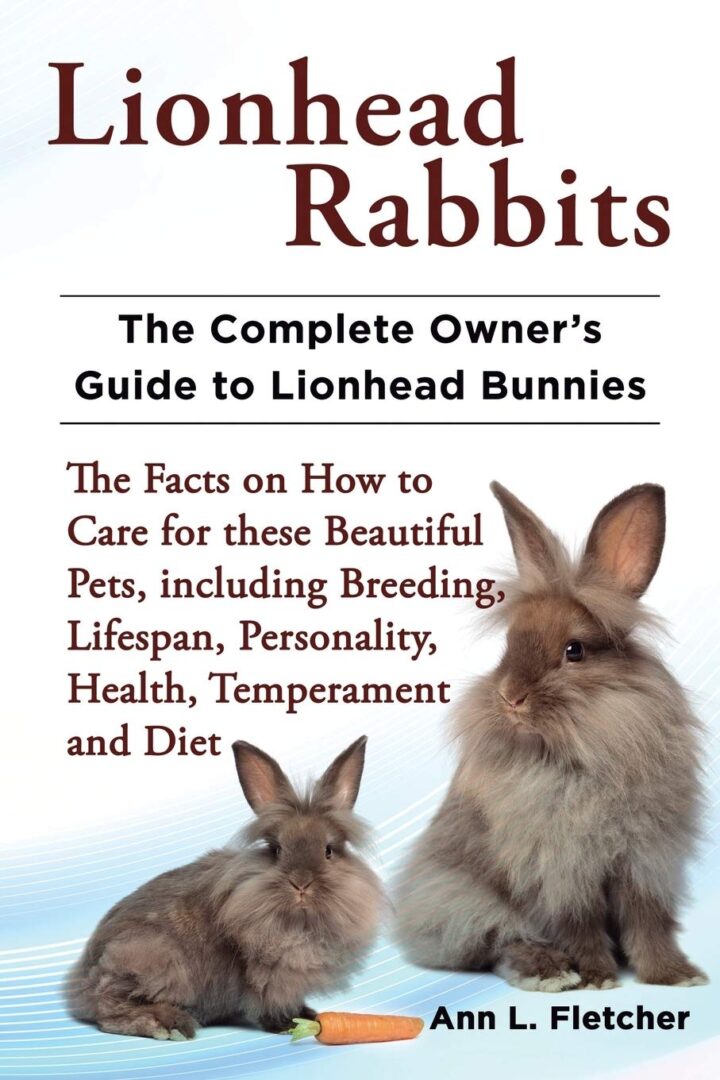
“Lionhead Rabbits The Complete Owner’s …” from www.amazon.com and used with no modifications..
Unique Characteristics and Appearance
The Lionhead rabbit’s most noticeable feature is its fluffy mane, which is a result of a genetic mutation known as the “mane gene.” This gene gives them a unique look, but it also means they require regular grooming to prevent matting and tangles. Their ears are relatively short, and they have a compact, upright body, which makes them quite adorable.
For instance, single-maned Lionheads have a mane encircling their head when young, but it may be wispy and usually diminishes as they age. Double-maned Lionheads, however, retain a fuller mane throughout their lives. If you are interested in exploring different rabbit types to adopt, understanding their characteristics can be quite insightful.
Besides their mane, Lionhead rabbits have a charming personality. They are often described as friendly, social, and even a bit cheeky. These rabbits are intelligent and can be trained to use a litter box, making them easier to care for in a household setting.
Lionhead Rabbit Origins and History
- The Lionhead rabbit originated from breeding a Swiss Fox rabbit with a Netherland Dwarf rabbit.
- This breeding resulted in the “mane gene,” giving rise to the Lionhead’s distinctive fur around the head.
- The American Rabbit Breeders Association (ARBA) officially recognized the breed in 2013.
- Since then, they have gained popularity due to their unique appearance and charming nature.
Understanding the origins of the Lionhead rabbit helps us appreciate their unique features and the care they require. This breed’s history is relatively recent, yet they have quickly become a beloved choice for rabbit enthusiasts worldwide.
As we continue, we’ll explore the size and physical attributes of the Lionhead rabbit, providing further insight into what makes them such appealing pets.
Size and Physical Attributes
Lionhead rabbits are one of the smaller rabbit breeds, making them suitable for families with limited space. They typically weigh between 2.5 to 3.75 pounds and measure about 8 to 10 inches in length. Despite their small size, they are full of energy and require adequate space to hop around and explore.
These rabbits have a high head mount and a compact body, which adds to their endearing appearance. Their ears are short, usually between 2 to 3.5 inches long, which complements their overall look. Understanding these physical attributes helps potential owners prepare for the care and space requirements of a Lionhead rabbit.
Next, we’ll delve into the essential aspects of caring for a Lionhead rabbit, ensuring they lead a healthy and happy life in your home.

“lionhead rabbit grooming – grooming …” from www.youtube.com and used with no modifications.
Lionhead Rabbit Care and Maintenance
Taking care of a Lionhead rabbit involves understanding their specific needs in terms of habitat, diet, grooming, and health. Proper care ensures they thrive and remain a joyful part of your family.
Living Space and Habitat Requirements
Lionhead rabbits need a spacious and safe environment to live in. Their enclosure should be large enough to allow them to hop around freely, with a minimum size of 18 x 24 inches. It’s essential to provide a habitat where they can stand upright and stretch comfortably. For those considering different rabbit breeds, you might find it helpful to explore the best rabbit types to adopt to ensure you choose the right pet for your space.
In addition to space, ensure the enclosure has a solid floor and is equipped with soft bedding. This helps prevent sores on their feet and provides a comfortable resting area. Don’t forget to include a litter box, as these intelligent rabbits can be trained to use one, making cleaning much more manageable. For those interested in learning about different rabbit breeds, the best rabbit types to adopt can provide valuable insights.
Diet and Nutrition Essentials
The diet of a Lionhead rabbit is crucial to their health and well-being. Their primary food source should be hay, which aids in digestion and keeps their teeth in good condition. Fresh vegetables and a small number of pellets should complement their diet, providing essential nutrients. For those considering different types of rabbits, you can explore the best rabbit types to adopt to find the perfect pet for your home.
When selecting vegetables, opt for leafy greens such as kale, romaine lettuce, and parsley. Avoid feeding them iceberg lettuce or cabbage, as these can cause digestive issues. Introduce new foods gradually to monitor any adverse reactions.
Besides that, always ensure fresh water is available. A water bottle or a heavy bowl that can’t be easily tipped over works well. Regularly check and refill their water supply to keep them hydrated. For more tips on rabbit care, check out this guide on Mini Lop Rabbit care.
In the next part, we’ll explore the grooming needs, health considerations, and common issues that Lionhead rabbits may face.
Pet Owner Responsibilities
Owning a Lionhead rabbit is a rewarding experience, but it comes with responsibilities that ensure the rabbit’s health and happiness. As a pet owner, you need to be committed to providing the best care possible. This includes understanding their specific needs, such as diet, grooming, and social interaction. It’s essential to be prepared for the time and effort required to care for these delightful creatures.
Lionhead rabbits thrive in environments where they receive ample attention and interaction. They are social animals and enjoy being part of the family. Therefore, make sure you have enough time each day to spend with your rabbit, whether it’s through play, grooming, or simply being present in their space.
Time Commitment and Daily Care Routine
Caring for a Lionhead rabbit involves a daily routine that ensures their well-being. This routine includes feeding, cleaning, grooming, and playtime. Each aspect of care requires time and attention to detail.
Feeding should be done twice a day, providing fresh hay, vegetables, and a small portion of pellets. Cleaning their enclosure and litter box should be a daily task to maintain hygiene and prevent any health issues. Regular grooming is also necessary to keep their mane and fur free from tangles and mats, similar to the care needed for rare pet birds.
Additionally, allocate time for play and interaction. Lionhead rabbits are active and enjoy exploring their surroundings. Providing toys and safe spaces to roam can keep them mentally and physically stimulated.
Cost Factors in Rabbit Ownership
Before adopting a Lionhead rabbit, it’s important to consider the financial aspects of their care. The initial cost of adoption may vary, but ongoing expenses should be factored into your budget. For those interested in exploring other rabbit breeds, this guide on the best rabbit types to adopt provides valuable insights.
Regular expenses include food, bedding, and grooming supplies. Additionally, veterinary check-ups and potential medical treatments can add to the cost. Be prepared for unexpected expenses, such as emergency vet visits or specialized diets if your rabbit has specific health needs.
Training and Behavior Management
Training a Lionhead rabbit can be a fun and rewarding experience. These rabbits are intelligent and respond well to positive reinforcement techniques. Start with basic litter box training, as this is an essential skill for indoor rabbits.
Use treats and praise to encourage desired behaviors, such as using the litter box or responding to their name. Patience and consistency are key, as rabbits may take time to learn new commands or tricks. For those interested in rabbit adoption, you can explore the best rabbit types to adopt to find the perfect companion.
- Begin with short training sessions to maintain their interest and prevent stress.
- Use gentle handling and avoid sudden movements that might startle them.
- Gradually introduce new challenges as they become more comfortable with training.

“1,348 Lionhead Rabbit Images, Stock …” from www.shutterstock.com and used with no modifications
Lionhead Rabbit Personality
The personality of a Lionhead rabbit is one of their most endearing traits. These rabbits are known for their friendly and social nature, making them excellent companions for both adults and children. However, like all pets, they have unique personalities and may exhibit different behaviors.
Friendly Traits and Social Behavior
Lionhead rabbits are generally friendly and enjoy interacting with their human family members. They are curious creatures and often seek out attention and affection. This social nature makes them great pets for families who can provide regular interaction.
They also tend to get along well with other rabbits, provided they are properly introduced and given time to bond. Their playful nature means they enjoy toys and activities that challenge their minds and keep them engaged. For more on rabbit adoption, check out this guide on adopting dwarf papillon rabbits.
Potential Temperament Challenges
While Lionhead rabbits are typically friendly, they can sometimes exhibit challenging behaviors. Some rabbits may be shy or skittish, especially in new environments or around unfamiliar people. It’s important to be patient and give them time to adjust.
In some cases, rabbits may display territorial behaviors, such as marking their space with droppings. This can often be managed through training and by providing them with their own designated area in the home. For those interested in understanding similar behaviors in other pets, consider reading about the interactive nature of green-cheeked conures.
Most importantly, understanding and respecting their boundaries is crucial. Avoid forcing interactions and allow them to come to you when they are comfortable. For more information on rabbit behavior, you can explore this Mini Lop Rabbit guide.
Comparisons to Mini Lop Rabbits
When comparing Lionhead rabbits to Mini Lop rabbits, there are several differences to consider. While both breeds are known for their friendly nature, their physical characteristics and grooming needs differ significantly.
Lionhead rabbits have a unique mane that requires regular grooming, whereas Mini Lops have a more standard lop-eared appearance with a soft, fluffy coat. In terms of temperament, both breeds are social and enjoy human interaction, but individual personalities can vary.
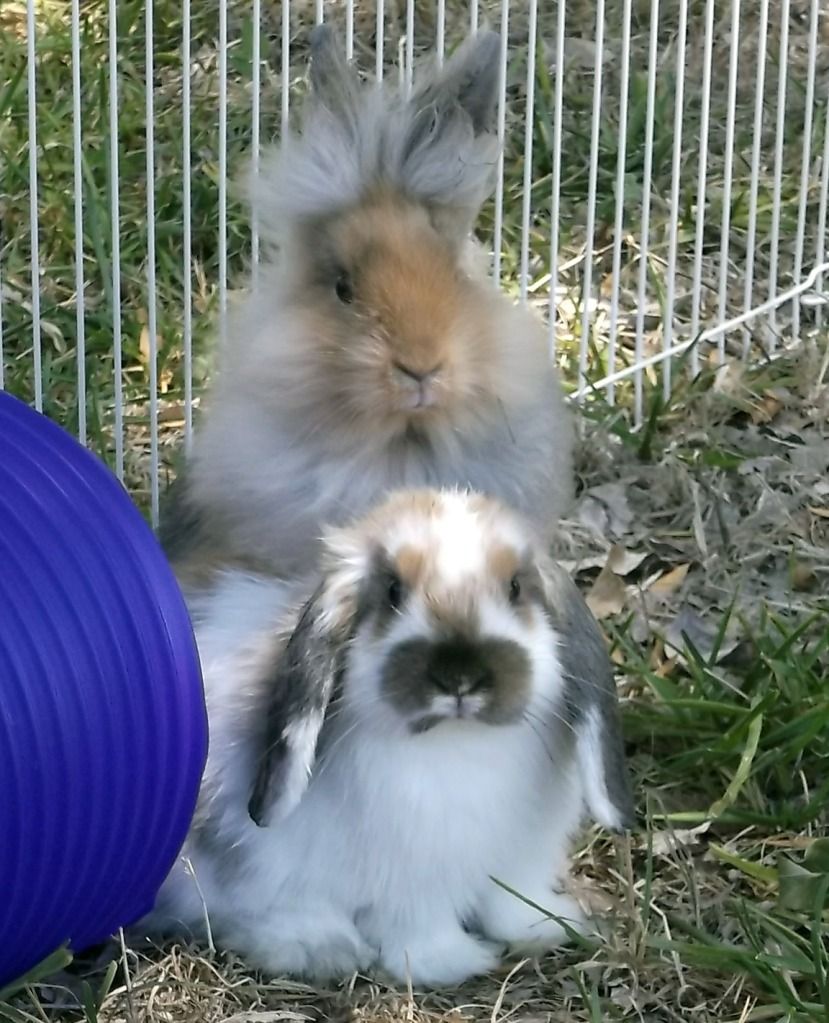
“Mini Lops or Lionheads | Rabbits Online …” from www.rabbitsonline.net and used with no modifications.
Compatibility and Bonding with Mini Lops
Many rabbit owners consider having more than one rabbit to provide companionship and prevent loneliness. If you’re thinking about adding a Mini Lop to your household with a Lionhead, it’s important to understand the factors that influence compatibility and bonding.
Both Lionhead and Mini Lop rabbits are social breeds that can generally coexist peacefully if introduced correctly. However, their success in bonding largely depends on their individual personalities and the environment they are in.
- Ensure both rabbits are neutered or spayed to reduce territorial behaviors and increase the likelihood of successful bonding.
- Start introductions in a neutral space to prevent territorial disputes.
- Observe their interactions closely and separate them if any aggressive behavior occurs.
By taking these steps, you can create a harmonious environment for both rabbits, allowing them to thrive in each other’s company. For more tips on rabbit care, check out our Dwarf Papillon Rabbit Adoption Guide.
Factors Influencing Rabbit Compatibility
Several factors can influence the compatibility between Lionhead and Mini Lop rabbits. Age, sex, and temperament play significant roles in how well they will get along. Young rabbits often adapt more easily to new companions, while older rabbits may require more time to adjust.
It’s also essential to consider the individual personalities of each rabbit. Some may be more dominant, while others are more submissive. Understanding these dynamics can help you manage their interactions and foster a positive relationship. For more information on choosing the right rabbit, check out the best rabbit types to adopt.
In the final part, we’ll discuss the best environment and lifestyle suitability for Lionhead rabbits and how to make an informed adoption decision.
Introduction Techniques for Bonding
Introducing two rabbits can be a delicate process, especially when bringing a Lionhead and a Mini Lop together. It’s essential to take a slow and steady approach to ensure both rabbits feel comfortable and secure. Start by placing them in separate enclosures close enough that they can see and smell each other without direct contact. This allows them to become familiar with each other’s presence without feeling threatened.
After a few days, you can begin supervised interactions in a neutral area. This space should be unfamiliar to both rabbits, reducing the likelihood of territorial behavior. Observe their body language closely. Positive signs include mutual grooming and relaxed postures, while signs of aggression, such as biting or chasing, should be addressed by separating them and trying again later. For more information on rabbit behavior and types, check out the best rabbit types to adopt.
Neutering and Behavioral Impact
Neutering plays a crucial role in the behavior and compatibility of rabbits. It reduces hormonal-driven behaviors such as aggression and territorial marking, making it easier for rabbits to bond with each other. Both Lionhead and Mini Lop rabbits benefit from being neutered or spayed, as it promotes a calmer and more sociable demeanor. For those considering different rabbit types, you might find this guide on the best rabbit types to adopt useful.
Besides that, neutering has health benefits, including reducing the risk of reproductive cancers. Consult with a veterinarian experienced in rabbit care to discuss the best time for the procedure, usually recommended around 4 to 6 months of age. This proactive step can significantly enhance the quality of life for your rabbits and improve their interactions with one another.
Final Considerations for Prospective Owners
Adopting a Lionhead rabbit is a rewarding decision, but it’s important to ensure you’re fully prepared for the commitment. These rabbits require dedicated care, including regular grooming, a balanced diet, and ample social interaction. Before bringing a Lionhead rabbit into your home, assess whether you have the time, space, and resources to meet their needs.
Consider the long-term nature of rabbit ownership. Lionhead rabbits can live 7 to 9 years, requiring consistent care throughout their lives. It’s essential to be ready for this commitment and to provide a loving and enriching environment for your new furry friend.
Best Environment and Lifestyle Suitability
Lionhead rabbits thrive in environments where they have space to explore and interact. An indoor setup with a spacious enclosure is ideal, allowing them to roam freely under supervision. Ensure their living area is rabbit-proofed to prevent any accidents or chewing on hazardous items.
These rabbits are social creatures, so consider having more than one if possible. Companionship with another rabbit can prevent loneliness and promote happiness. Additionally, regular interaction with human family members keeps them engaged and satisfied. A household that can provide daily attention and care is best suited for a Lionhead rabbit.
Making an Informed Adoption Decision
Before adopting a Lionhead rabbit, do thorough research and consider visiting a local shelter or rescue organization. These places often have knowledgeable staff who can guide you in selecting the right rabbit for your home. Adoption not only gives a rabbit a second chance but also supports responsible pet ownership.
Ask about the rabbit’s background, health history, and any specific needs they may have. Ensure you have all the necessary supplies, including a suitable enclosure, food, and grooming tools, ready before bringing your new pet home. By making an informed decision, you can provide a loving and stable environment for your Lionhead rabbit to flourish.
Frequently Asked Questions (FAQ)
Understanding the needs and characteristics of Lionhead rabbits can help potential owners make informed decisions. Here are some common questions about these unique rabbits:
What is the typical lifespan of a Lionhead rabbit?
Lionhead rabbits typically live for 7 to 9 years, although some may live longer with proper care. Regular veterinary check-ups and a healthy diet contribute to their longevity.
How much space does a Lionhead rabbit need?
A Lionhead rabbit requires a spacious enclosure with a minimum size of 18 x 24 inches. This space should allow them to stand upright, hop around, and explore comfortably. Additionally, providing a safe area outside their enclosure for supervised playtime is beneficial. For more information on different rabbit breeds, check out this guide on rabbit types to adopt.
Do Lionhead rabbits get along with other pets?
Lionhead rabbits can get along with other pets, but introductions should be handled with care. It’s important to supervise interactions and ensure the other pets are calm and non-aggressive. Rabbits are prey animals, so they may feel threatened by larger animals.
For example, introducing a Lionhead rabbit to a dog should be done gradually and in a controlled environment. Start by allowing them to see and smell each other from a distance, gradually decreasing the space as they become more comfortable.
What are common health issues in Lionhead rabbits?
Common health issues in Lionhead rabbits include dental problems, hairball obstructions, and respiratory infections. Regular grooming helps prevent fur-related issues, while a balanced diet rich in hay supports dental health.
Regular veterinary visits are crucial to monitor their health and catch any potential problems early. Being attentive to changes in behavior, appetite, or litter box habits can also help identify health issues before they become serious. For more information on rabbit care, consider reading about the best rabbit types to adopt.