Key Takeaways
- Cavalier King Charles Spaniels are known for their gentle and affectionate nature, making them excellent family pets.
- Adopting a Cavalier King Charles Spaniel can save you money compared to buying from a breeder, with adoption fees typically ranging from $100 to $300.
- These dogs are prone to specific health issues, such as mitral valve disease and syringomyelia, requiring regular veterinary check-ups.
- Due to their friendly demeanor, Cavaliers are generally suitable for first-time dog owners, but they do require consistent training and socialization.
- Understanding the differences between Cavaliers and other breeds, like Chihuahuas and Yorkies, can help you decide if this breed fits your lifestyle.
Discovering Cavalier King Charles Spaniel Adoption
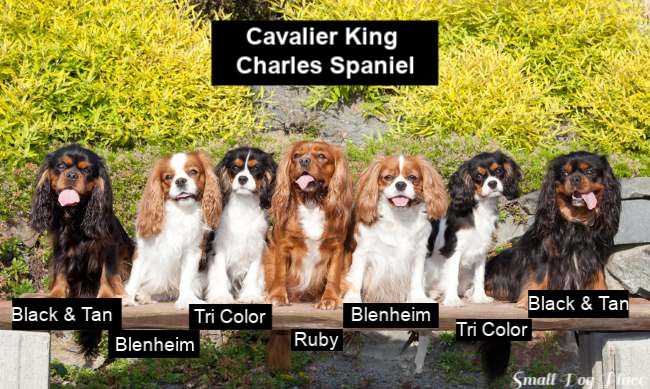
Adopting a Cavalier King Charles Spaniel can be a rewarding experience for any pet lover. These charming dogs, known for their affectionate and gentle nature, can bring joy and companionship into your life. However, before diving into the adoption process, it’s essential to understand the unique characteristics and needs of this breed. Let’s explore what makes Cavaliers so appealing and what you should consider before bringing one into your home.
“Cavalier King Charles Spaniel-Complete …” from www.smalldogplace.com and used with no modifications.
Understanding Their Appeal
Cavalier King Charles Spaniels are adored for their expressive eyes, silky coats, and loving personalities. They thrive on human interaction and are known to form strong bonds with their families. This breed is often described as the perfect lap dog, always eager to snuggle and be close to their owners. Besides that, their adaptable nature makes them suitable for various living situations, from apartments to larger homes.
Common Considerations Before Adopting
While their affectionate nature is a significant draw, potential adopters should be aware of the responsibilities that come with owning a Cavalier. These dogs require regular grooming to maintain their coat’s health and appearance. Moreover, they need daily exercise to keep them mentally and physically stimulated. Adopters should also be prepared for potential health issues that are common in the breed.
Pros and Cons of Adopting a Cavalier King Charles Spaniel
Like any breed, Cavaliers come with their own set of advantages and challenges. It’s crucial to weigh these factors carefully to ensure that a Cavalier King Charles Spaniel is the right fit for your home and lifestyle.
Advantages of Adoption
One of the most significant benefits of adopting a Cavalier King Charles Spaniel is the opportunity to provide a loving home to a dog in need. Many of these dogs end up in rescues due to no fault of their own, and adoption can give them a second chance at a happy life. Additionally, adopting from a rescue often includes initial vet checks and vaccinations, which can save you money compared to purchasing a puppy from a breeder.
Another advantage is the companionship and love that Cavaliers offer. Their affectionate nature makes them wonderful therapy dogs, providing emotional support and comfort to their owners. Moreover, their small size and gentle demeanor make them excellent companions for families with children or seniors looking for a pet.
Challenges to Consider
Despite their many positive traits, adopting a Cavalier King Charles Spaniel does come with some challenges. One primary concern is their health. Cavaliers are prone to several genetic health issues, such as mitral valve disease and syringomyelia. These conditions require regular veterinary care and can be costly to manage over time.
Furthermore, Cavaliers can be prone to separation anxiety due to their strong attachment to their owners. They may become distressed when left alone for extended periods, leading to destructive behavior if not addressed properly. It’s important to consider your lifestyle and whether you can provide the time and attention these dogs need.
Temperament and Behavior Traits
Understanding the temperament and behavior traits of Cavalier King Charles Spaniels is crucial for potential adopters. Their gentle and friendly nature makes them popular pets, but it’s essential to know how they might fit into your home environment.
General Personality and Suitability for Families
Cavaliers are known for their friendly and outgoing personalities. They generally get along well with children, other dogs, and even cats, making them a versatile choice for many families. Their playful yet gentle nature means they can be both a child’s playmate and a lap dog for adults.
Barking Tendencies and How to Manage Them
While Cavaliers are not known to be excessive barkers, they may alert you to strangers or unusual noises. It’s important to address any barking issues early on to prevent them from becoming a habit. Consistent training and socialization can help manage barking tendencies effectively.
“Cavaliers have a sweet disposition, but they can be a bit vocal if not properly trained. Early socialization and positive reinforcement go a long way in curbing unnecessary barking.” – Dog Behavior Specialist
Health Considerations in Cavaliers
Health is a significant factor to consider when adopting a Cavalier King Charles Spaniel. These dogs are prone to certain genetic conditions, so being informed can help you provide the best care possible.
One of the most common health issues in Cavaliers is mitral valve disease, a heart condition that can lead to heart failure if not monitored and treated. Regular vet check-ups are crucial for early detection and management of this disease.
Another condition to be aware of is syringomyelia, a neurological disorder that can cause pain and discomfort. Symptoms may include sensitivity around the neck and head, scratching, and difficulty walking. Regular veterinary care and, in some cases, medication can help manage these symptoms and improve your dog’s quality of life.
Common Health Issues in the Breed
Cavalier King Charles Spaniels are adorable, but like many purebred dogs, they are predisposed to specific health issues. One of the most prevalent conditions is mitral valve disease, a heart disorder that can lead to congestive heart failure if left untreated. It’s crucial to monitor your Cavalier’s heart health regularly to catch any early signs of trouble.
Another common issue is syringomyelia, a serious neurological condition caused by a malformation of the skull. This can result in symptoms like excessive scratching, sensitivity to touch, and in severe cases, pain and discomfort. Regular veterinary check-ups are essential to managing these conditions and ensuring your dog remains comfortable and healthy.
Importance of Regular Vet Checks
Regular veterinary visits are non-negotiable when it comes to owning a Cavalier King Charles Spaniel. These check-ups are vital for early detection of health issues, particularly those that Cavaliers are prone to. By catching problems early, you can often manage them more effectively, reducing the impact on your dog’s quality of life.
During these visits, your vet will likely recommend routine heart and neurological exams to monitor for any signs of mitral valve disease or syringomyelia. Additionally, keeping up with vaccinations, dental care, and weight management will help keep your Cavalier in top shape. For those considering other pets, here’s a guide on Diamond Dove adoption and care.
Cavaliers as a First-Time Owner’s Pet
Many first-time dog owners are drawn to Cavalier King Charles Spaniels due to their friendly and affectionate nature. These dogs are generally easygoing and adaptable, making them a popular choice for novices.
Why They’re Ideal for Novice Owners
Cavaliers are known for their gentle disposition and eagerness to please, which makes training relatively straightforward. They respond well to positive reinforcement and are quick learners, making them ideal for first-time owners who might be less experienced with dog training.
Moreover, their size is a bonus for those living in apartments or smaller homes. Cavaliers don’t require as much space as larger breeds, yet they are active enough to enjoy playtime and walks, making them a versatile choice for various living situations.
Potential Drawbacks for Beginners
While Cavaliers are generally great for first-time owners, there are some potential drawbacks to consider. Their predisposition to health issues can be overwhelming for someone new to dog ownership. The costs and emotional toll of managing these conditions may be more than a novice is prepared for, as can be the case with other breeds like the Bergamasco.
Additionally, Cavaliers crave companionship and can suffer from separation anxiety if left alone for long periods. First-time owners must be ready to invest time in training and socializing their Cavalier to prevent anxiety-related behaviors.
Care and Behavior: Cavaliers vs. Other Spaniels
Understanding how Cavaliers compare to other spaniel breeds can help you decide if they’re the right fit for your family. Let’s explore how they stack up against some popular spaniel cousins.
“Cavalier King Charles Spaniel vs Cocker …” from www.dogster.com and used with no modifications.
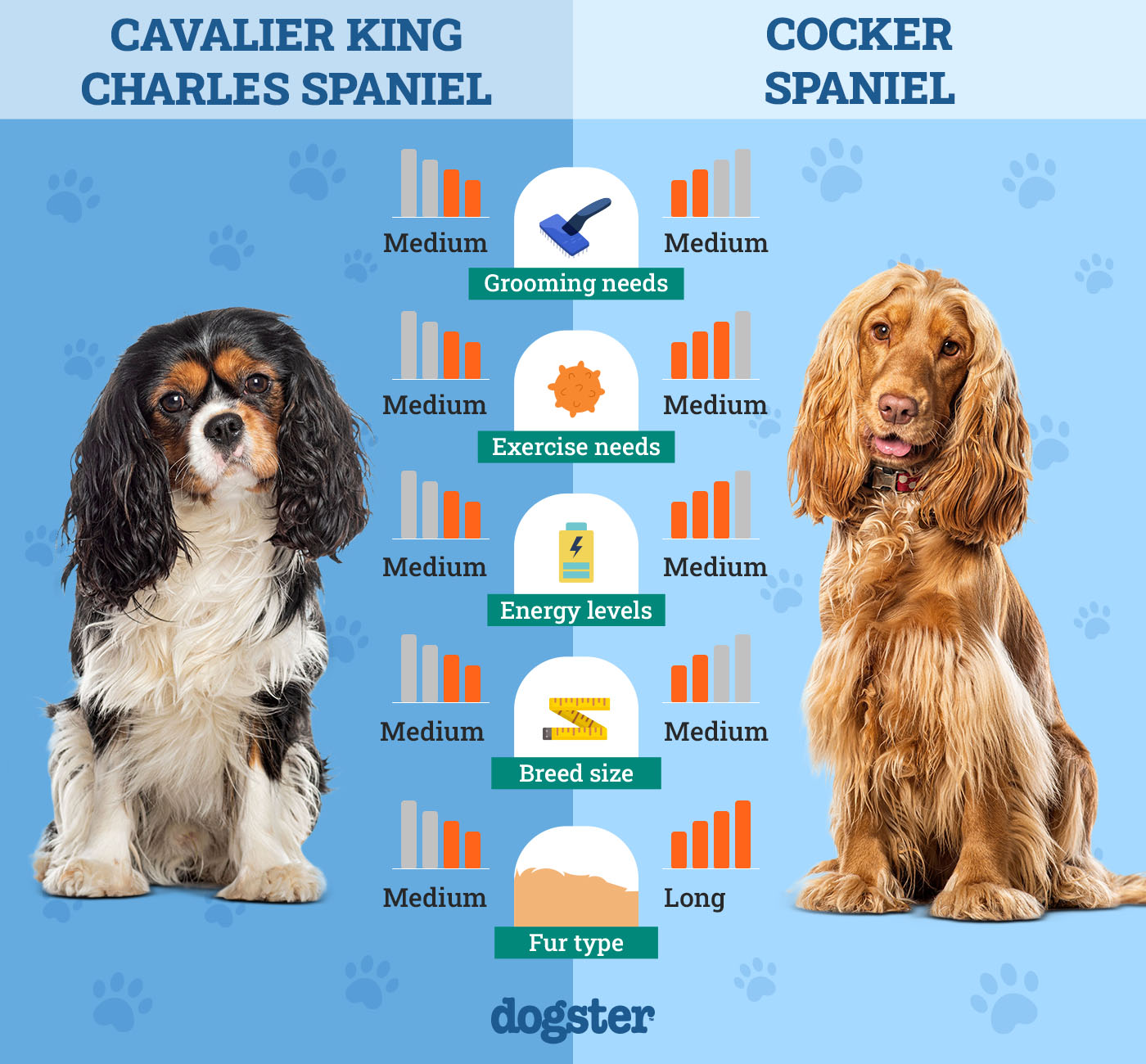
Comparison with Cocker Spaniels
Cocker Spaniels and Cavalier King Charles Spaniels share a gentle temperament, but there are notable differences. Cockers tend to be more energetic and require more exercise than Cavaliers. This makes Cockers a better fit for active families who can provide plenty of playtime and outdoor adventures, similar to the energy levels seen in Belgian Sheepdogs.
On the grooming front, both breeds need regular attention to maintain their coats, but Cockers may require more frequent grooming due to their thicker fur. In terms of health, Cockers can also suffer from ear infections and eye problems, similar to Cavaliers.
|
Trait |
Cavalier King Charles Spaniel |
Cocker Spaniel |
|---|---|---|
|
Energy Level |
Moderate |
High |
|
Grooming Needs |
Moderate |
High |
|
Common Health Issues |
Heart & Neurological |
Ears & Eyes |
Comparison with English Toy Spaniels
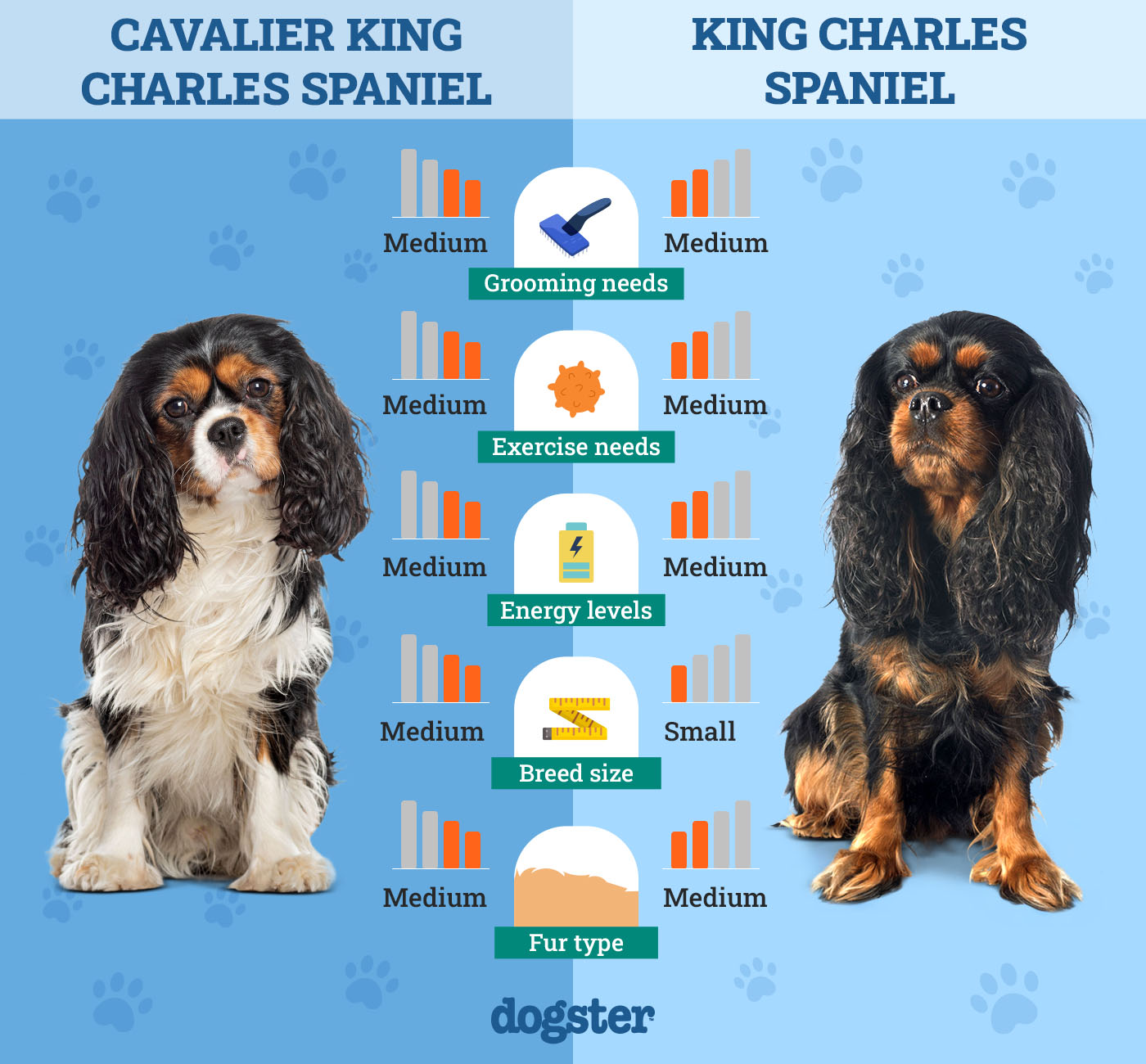
English Toy Spaniels, often confused with Cavaliers due to their similar appearance, are slightly more reserved. They tend to be less energetic and more laid-back, making them suitable for quieter households. While both breeds are affectionate, English Toys may be less outgoing with strangers compared to Cavaliers.
“Cavalier King Charles Spaniel vs. King …” from www.dogster.com and used with no modifications.
Comparison Pure vs Mix: Cavapoo
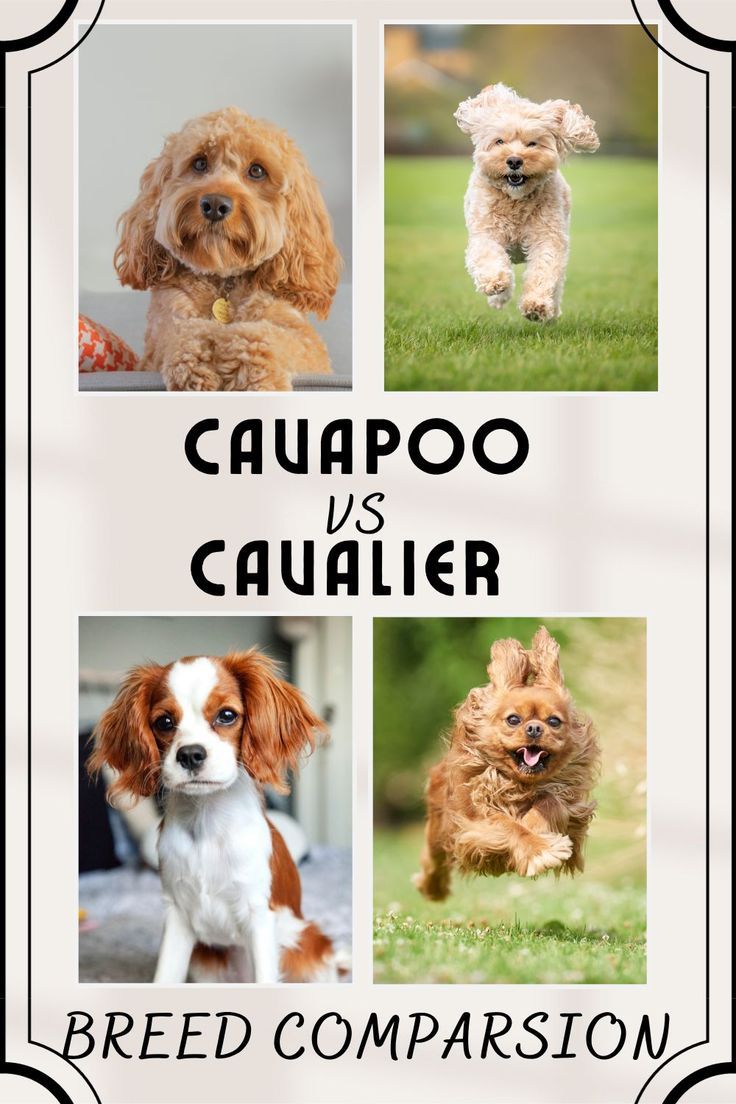
Cavapoos, a mix between Cavaliers and Poodles, inherit traits from both parent breeds. They often have the Cavalier’s affectionate nature and the Poodle’s intelligence, making them highly trainable. Cavapoos also tend to have fewer health issues due to their mixed lineage, which can be a plus for potential owners.
“Cavapoo vs Cavalier (Similarities and …” from www.pinterest.com and used with no modifications.
- Cavapoos often have a hypoallergenic coat, thanks to their Poodle heritage, which can be a deciding factor for allergy sufferers.
- They may require more grooming than purebred Cavaliers due to their curly fur.
- Like Cavaliers, Cavapoos enjoy companionship and can experience separation anxiety if left alone too long.
In choosing between a purebred Cavalier and a Cavapoo, consider your lifestyle and any allergies you or your family may have. Both make excellent companions, but their care requirements can differ significantly.
Key Behavioral Differences
When comparing Cavaliers to other spaniels, the key behavioral differences often come down to energy levels and socialization needs. Cavaliers are more adaptable and less demanding in terms of exercise compared to breeds like Cocker Spaniels. This makes them suitable for owners who prefer a more relaxed lifestyle, similar to the Flemish Giant Rabbit, which is known for its calm demeanor.
However, their strong attachment to their owners means they need plenty of social interaction. Failing to provide this can lead to anxiety and behavioral issues. Therefore, understanding these needs is crucial for a harmonious relationship with your Cavalier.
Physical and Personality Traits: Cavaliers vs. Other Toy Breeds
Cavalier King Charles Spaniels stand out among toy breeds for their friendly and affectionate nature. However, it’s helpful to compare them to other popular toy breeds to see where they shine and where they might face competition. For instance, you can explore how their personality traits differ from those of the English Lop, another beloved small breed.
Chihuahuas, for example, are known for their bold and feisty personality, often displaying more independence than Cavaliers. While both breeds are small and can adapt to apartment living, Cavaliers are typically more sociable and less prone to aggressive behavior.
Comparison with Chihuahuas
Chihuahuas and Cavalier King Charles Spaniels are both beloved toy breeds, but they differ significantly in temperament and care requirements. Chihuahuas are known for their bold and sometimes feisty nature. They are fiercely loyal to their owners and can be wary of strangers. This makes them excellent watchdogs despite their small size. For more insights on different pet temperaments, check out this comparison of Belgian Sheepdog varieties.
In contrast, Cavaliers are generally more sociable and eager to make new friends. They are less likely to display aggressive behavior and tend to be more adaptable in social situations. While Chihuahuas may need more firm training to manage their independence, Cavaliers usually respond well to positive reinforcement and are eager to please their owners.
Comparison with Papillons
Papillons, with their distinctive butterfly-like ears, are another popular toy breed. They are known for their intelligence and agility, often excelling in obedience and agility competitions. Like Cavaliers, Papillons are friendly and enjoy being part of the family. However, they may be slightly more energetic and require more mental stimulation to prevent boredom.
Comparison with Yorkies
Yorkshire Terriers, or Yorkies, are small dogs with big personalities. They are often described as adventurous and confident, traits that can sometimes lead to stubbornness. While both Yorkies and Cavaliers enjoy being pampered, Yorkies might require a firmer hand in training due to their independent streak.
In terms of grooming, Yorkies have a long, silky coat that requires regular maintenance, similar to Cavaliers. However, Yorkies may have more demanding grooming needs due to their specific coat texture and style preferences. Despite these differences, both breeds make affectionate and devoted companions.
Demeanor and Living Space Requirements
Cavaliers are known for their adaptable nature, making them suitable for various living environments, from city apartments to country homes. They are generally low-maintenance when it comes to space, as long as they receive adequate exercise and companionship. Their gentle demeanor means they can thrive in households with children, seniors, or other pets.
While Cavaliers enjoy outdoor activities, they are equally content curling up on the couch with their owners. This flexibility makes them a great choice for families with varying activity levels and lifestyles.
Final Thoughts on Adopting a Cavalier King Charles Spaniel
Adopting a Cavalier King Charles Spaniel can bring immense joy and companionship to your life. Their affectionate nature and gentle temperament make them ideal pets for many families. However, it’s important to be prepared for the responsibilities that come with owning this breed, particularly in terms of health care and emotional needs.
Before adopting, consider your lifestyle and whether you can provide the time, attention, and resources that a Cavalier requires. If you can meet these needs, you’ll be rewarded with a loyal and loving companion who will enrich your life in countless ways.
Frequently Asked Questions
Adopting a Cavalier King Charles Spaniel comes with many considerations. Here are some frequently asked questions to help guide your decision-making process.
Understanding these aspects can help you prepare for a successful adoption experience and a happy life with your new furry friend.
- What are the main health concerns for Cavaliers?
- Are Cavaliers good with young children?
- How much exercise does a Cavalier need daily?
- What should I consider before adopting a Cavalier?
- How do Cavaliers compare to other toy breeds in terms of care & maintenance level?
What are the main health concerns for Cavaliers?
Cavaliers are prone to specific health issues, including mitral valve disease, syringomyelia, and hip dysplasia. Regular veterinary check-ups are essential to monitor and manage these conditions effectively. Early detection can significantly improve your Cavalier’s quality of life. For more detailed information on Cavalier King Charles Spaniel health and care, visit PetMD.
Are Cavaliers good with young children?
Yes, Cavaliers are generally excellent with young children. Their gentle and patient nature makes them ideal companions for families. However, it’s important to supervise interactions between young children and dogs to ensure safety and mutual respect.
How much exercise does a Cavalier need daily?
Cavaliers require moderate exercise, typically around 30 minutes to an hour of activity each day. This can include walks, playtime, and mental stimulation through training or puzzle toys. Regular exercise helps keep them healthy and prevents behavioral issues.
“Cavaliers thrive on human interaction and enjoy a mix of physical and mental activities. A well-exercised Cavalier is a happy and well-behaved companion.” – Dog Trainer
What should I consider before adopting a Cavalier?
Before adopting, consider your ability to meet a Cavalier’s emotional and physical needs. They require companionship, regular grooming, and consistent training. Additionally, be prepared for potential health-related expenses and the time commitment involved in caring for this breed.
It’s also beneficial to research and connect with reputable rescue organizations to find a Cavalier that matches your lifestyle and preferences.
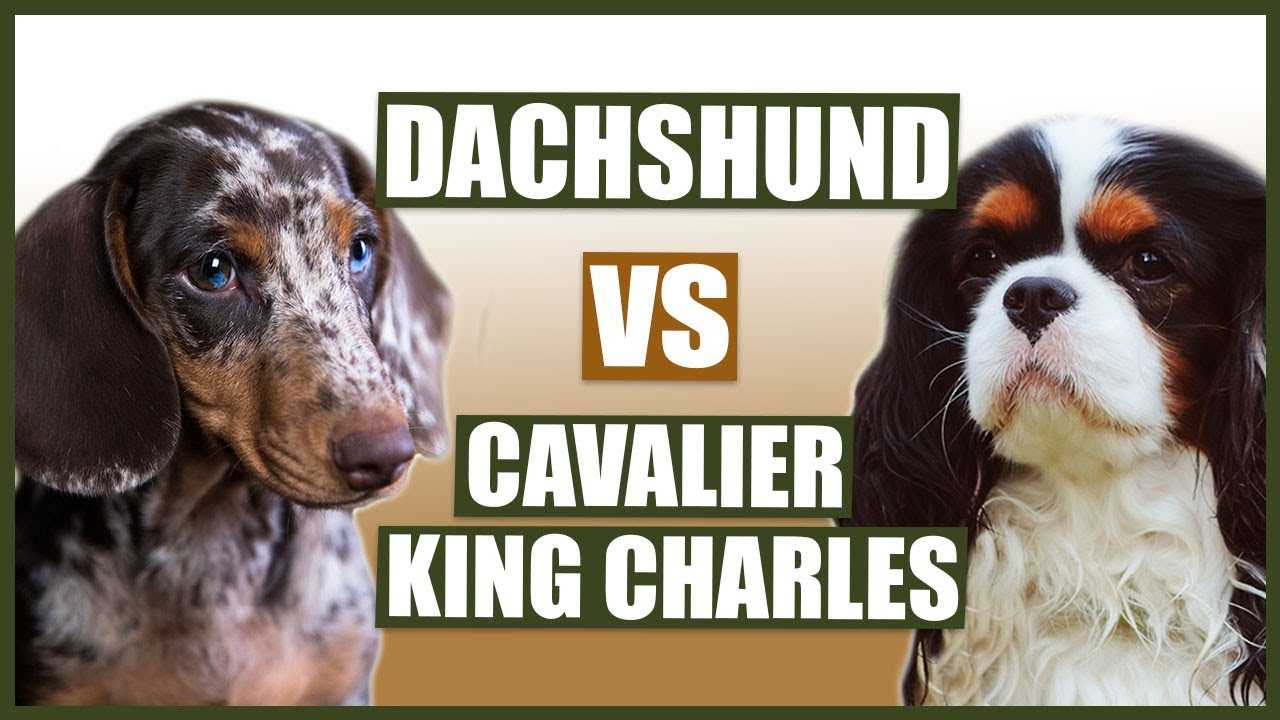
“DACHSHUND vs CAVALIER KING CHARLES …” from www.youtube.com and used with no modifications.
How do Cavaliers compare to other toy breeds in terms of care & maintenance level?
Cavaliers are relatively low-maintenance compared to some toy breeds, but they do require regular grooming to maintain their coat. Their sociable nature means they need plenty of interaction and training to thrive. Compared to more independent toy breeds, Cavaliers may demand more time and attention from their owners, similar to the Bergamasco dog breed.
Understanding these needs will help you provide a loving and supportive environment for your Cavalier, ensuring a long and happy life together.
By considering all these factors, you can make an informed decision about whether a Cavalier King Charles Spaniel is the right fit for your home. If you choose to adopt, you’ll be gaining a loyal and loving companion who will bring joy and warmth to your life.
Compared to other spaniels, Cavalier King Charles Spaniels are generally known for their friendly and affectionate nature. They make excellent companions and are often considered good house pets. For those interested in learning more about the health and care of Cavalier King Charles Spaniels, they are a breed that requires regular grooming and attention to their health needs. Their temperament is usually gentle, making them suitable for first-time owners. However, like all breeds, they have their own set of advantages and disadvantages that potential owners should consider.