Key Takeaways
- Rhinelander rabbits are known for their striking color patterns and lively personalities, making them unique pets.
- Originating in Germany, Rhinelander rabbits have a rich history and have been recognized as a breed in the U.S. since the 1920s.
- These rabbits require ample space to exercise and a balanced diet to thrive, making them a commitment for potential adopters.
- Identifying pure Rhinelander rabbits involves recognizing specific physical characteristics and color markings.
- Although considered rare, Rhinelander rabbits can be found through reputable breeders and adoption centers.
Introduction to Rhinelander Rabbits as Pets
Have you ever seen a rabbit with a coat so striking it stops you in your tracks? That might just be a Rhinelander rabbit. Known for their eye-catching patterns and lively disposition, these rabbits make for delightful companions. But before you rush to adopt one, it’s essential to understand what makes them unique and what they require to thrive in a home environment.
Rhinelander rabbits are not just pretty faces; they have personalities to match. They are active, social, and love to play, which makes them perfect for families who can provide them with plenty of attention and space. If you’re thinking about adopting a Rhinelander, you’re in for a rewarding experience. But first, let’s delve deeper into their history and what makes them stand out.
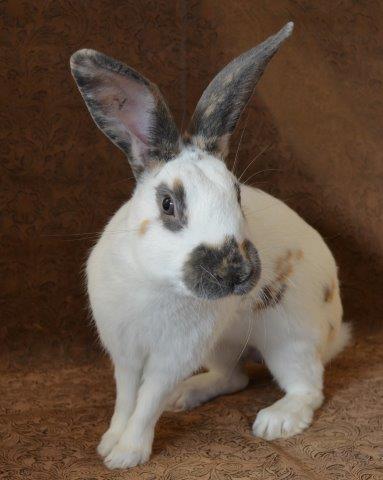
“Rhinelander Rabbit – The Livestock …” from livestockconservancy.org and used with no modifications.
Distinctive Features and Appeal
The Rhinelander rabbit is easily recognizable by its unique coat pattern. These rabbits have a white base with patches of color, typically orange and black, arranged in a distinct pattern. This is not just a random assortment; the markings follow a specific pattern that breeders and rabbit enthusiasts look for when identifying a true Rhinelander.
Besides their beautiful coats, Rhinelanders have a full-arch body type, giving them a sleek and athletic appearance. They are medium-sized, usually weighing between 6.5 to 10 pounds, making them a manageable size for most households. Their friendly and curious nature makes them great companions, especially for those who enjoy interacting with their pets. For a comparison of different temperaments, check out the Belgian Sheepdog temperament guide.
Popularity and Adoption Considerations
Rhinelander rabbits have gained popularity among rabbit enthusiasts due to their distinct looks and engaging personalities. However, their unique traits come with specific care requirements. Before adopting, consider whether you have the time, space, and resources to meet their needs.
- Ensure you have enough space for them to exercise and play.
- Be prepared to provide a balanced diet and regular veterinary care.
- Consider their social nature; they thrive with companionship and interaction.
Adopting a Rhinelander rabbit is a long-term commitment. They typically live for 5 to 8 years, so it’s essential to plan for their care throughout their lifespan. Understanding their needs and ensuring you can meet them is crucial before making the decision to bring one home.
History and Origins of Rhinelander Rabbits
The Rhinelander rabbit’s history is as colorful as its coat. Originating in Germany, this breed was developed in the early 20th century. The aim was to create a rabbit with a striking appearance and a pleasant temperament. The result was the Rhinelander, which quickly gained attention for its unique looks and lively personality.
Development of the Breed in Germany
In Germany, breeders began experimenting with different rabbit breeds to create the Rhinelander. They wanted a rabbit that not only looked beautiful but also had a friendly and active nature. The combination of Harlequin and Checkered Giant rabbits played a significant role in the development of the Rhinelander’s distinct characteristics.
By 1902, the Rhinelander was officially recognized as a breed in Germany. Its unique appearance and engaging nature made it popular among rabbit enthusiasts. Soon, the breed’s fame spread beyond Germany, capturing the interest of breeders and pet lovers worldwide.
Understanding Genetic Lineage
“The Rhinelander rabbit’s unique markings are a result of careful breeding, combining the best traits of the Harlequin and Checkered Giant breeds.”
To truly appreciate the Rhinelander rabbit, one must understand its genetic lineage. The distinctive coat patterns and lively temperament are not mere accidents of nature but the result of intentional breeding. The Harlequin breed contributed its vibrant color patterns, while the Checkered Giant added size and structure, resulting in the Rhinelander’s signature look.
Genetics play a crucial role in maintaining the breed’s standards. Breeders must be knowledgeable about the lineage of their rabbits to ensure that the offspring retain the desired traits. This involves selecting rabbits with strong genetic backgrounds, free of health issues and with the correct markings.
Potential adopters should be aware of the importance of these genetic factors. When considering a Rhinelander, it’s beneficial to inquire about the rabbit’s lineage and ask for documentation if available. This helps ensure that you’re adopting a healthy rabbit that meets the breed’s standards.
Breeders typically follow a stringent selection process to maintain the breed’s integrity. This involves not only the physical characteristics but also the temperament and health of the rabbits. By choosing a reputable breeder, you can be more confident in the quality and authenticity of your Rhinelander rabbit.
Rarity of Rhinelander Rabbits
Despite their captivating appearance, Rhinelander rabbits are considered rare, particularly in the United States. Their rarity adds to their allure, making them a prized choice among rabbit enthusiasts. However, this also means that finding a purebred Rhinelander can be more challenging.
The rarity of Rhinelanders is partly due to their specific breeding requirements. Maintaining the breed’s unique characteristics requires careful selection and breeding practices, which limits the number of rabbits available. Additionally, their popularity in rabbit shows and as pets has increased demand.
For those interested in adopting a Rhinelander, patience is key. It’s important to take the time to find a reputable breeder or adoption center that specializes in this breed. This ensures that you are getting a true Rhinelander and supports responsible breeding practices.
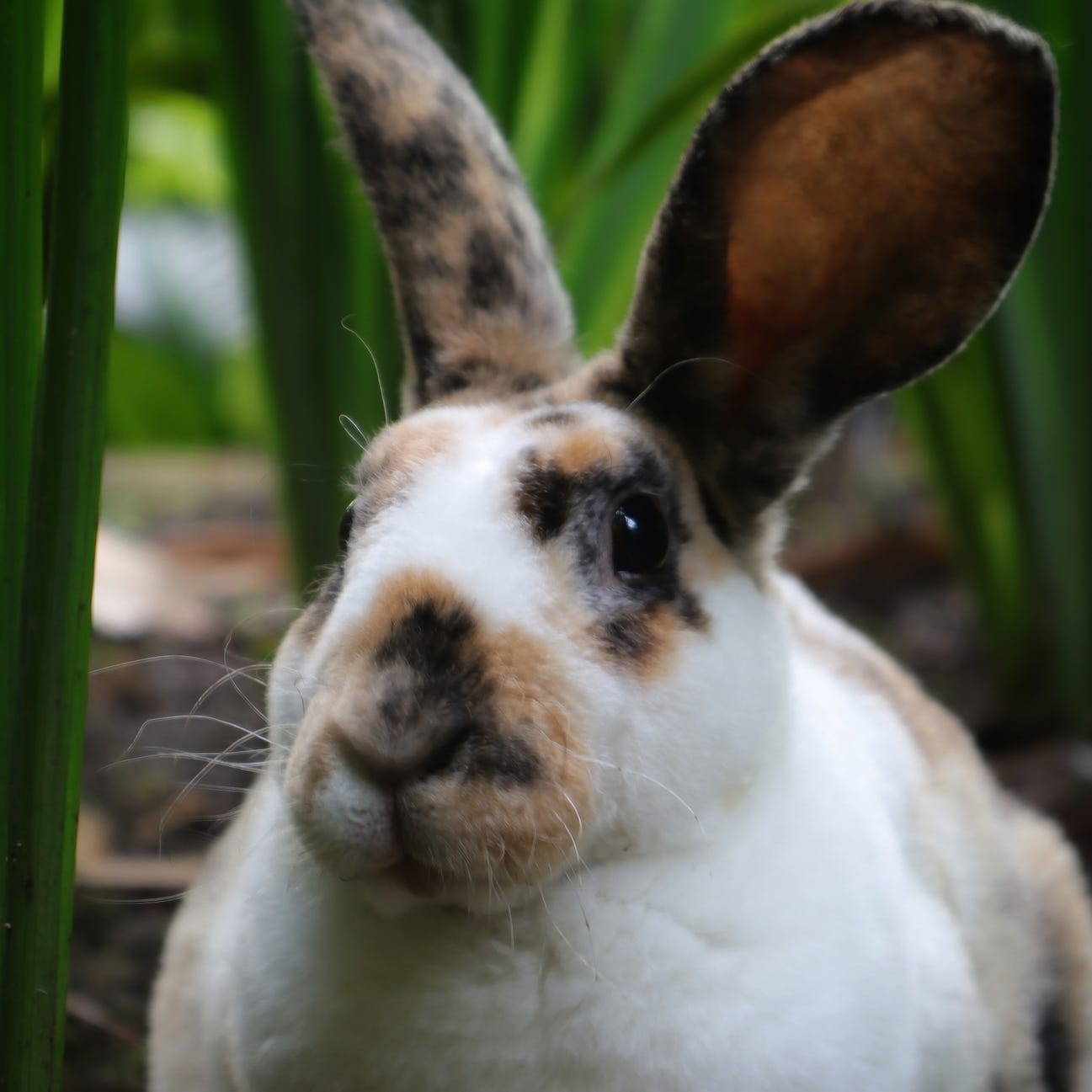
“Which Rabbit Breeds Make the Best Pets …” from www.womansday.com and used with no modifications.
Current Population Status
The current population of Rhinelander rabbits is relatively small, especially compared to more common breeds. In the U.S., they are primarily found through dedicated breeders and at rabbit shows. This limited population means that each Rhinelander is valuable for maintaining the breed’s standards.
While the breed is more prevalent in Europe, efforts are being made to increase their numbers in other parts of the world. Rabbit clubs and organizations play a vital role in promoting the breed and supporting breeders in their efforts to preserve the Rhinelander’s unique traits.
Adopting a Rhinelander rabbit not only provides a wonderful pet but also contributes to the preservation of this rare breed. By choosing a Rhinelander, you’re helping ensure that future generations can enjoy these beautiful and lively rabbits.
Conservation Efforts and Organizations
Several organizations are dedicated to the conservation and promotion of the Rhinelander rabbit. These groups work tirelessly to educate the public about the breed and support breeders in their efforts to maintain the breed’s integrity.
The American Rabbit Breeders Association (ARBA) is one such organization that plays a crucial role in promoting responsible breeding practices. They provide resources and support for breeders and enthusiasts, helping to ensure that the Rhinelander rabbit continues to thrive.
Size and Living Requirements for Rhinelander Rabbits
When it comes to choosing a pet, understanding their living requirements is essential. Rhinelander rabbits are medium-sized, typically weighing between 6.5 to 10 pounds. This size makes them suitable for indoor living, provided their space needs are met. If you are interested in other rabbit breeds, you might want to learn about Flemish Giant rabbits and their unique requirements.
Rhinelanders are active rabbits that require ample space to exercise and explore. They thrive in environments where they can hop, run, and play, making it crucial to provide them with a safe and spacious area. This not only ensures their physical health but also their mental well-being.
Physical Size and Space Needs
Given their medium size, Rhinelander rabbits need a habitat that allows them to move freely. A large cage or pen with plenty of room for toys and enrichment activities is ideal. They should have enough space to stretch out, hop around, and engage in natural behaviors. For those interested in larger rabbit breeds, you might want to explore the Flemish Giant rabbit adoption guide to understand their specific needs and care requirements.
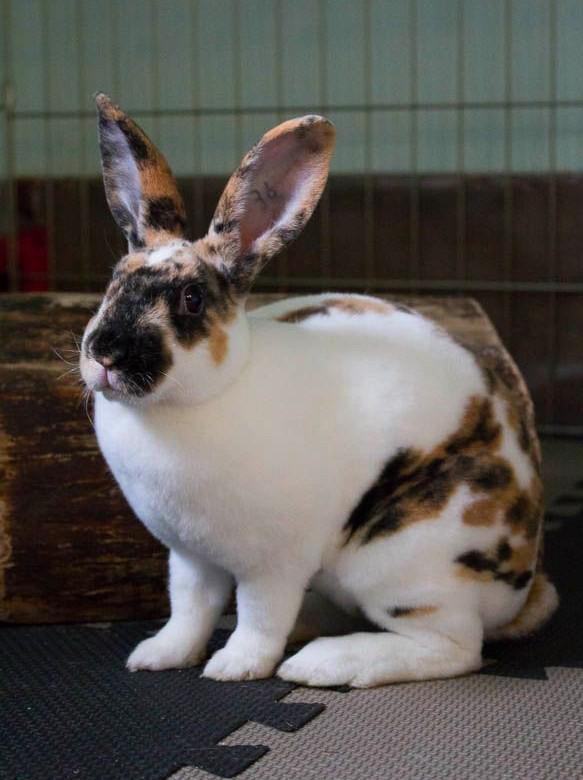
“This Rhinelander Rabbit 🐇 : r/Bunnies” from www.reddit.com and used with no modifications.
Appropriate Housing and Setup
Creating the right setup for your Rhinelander rabbit involves more than just a spacious cage. Ensure that the enclosure is secure, with no sharp edges or small gaps that could pose a danger. Provide bedding material that is soft and absorbent to keep them comfortable and clean. For more detailed information, check out this Rhinelander Rabbit Breed Information.

“Blair is available for adoption!” from www.indianahrs.org and used with no modifications.
Ideal Diet and Nutrition
A balanced diet is crucial for the health of your Rhinelander rabbit. Their diet should primarily consist of high-quality hay, which aids in digestion and provides essential nutrients. Fresh vegetables and a small amount of pellets can supplement their diet, ensuring they receive all the necessary vitamins and minerals.
Always provide fresh water and avoid feeding them foods that are high in sugar or starch, as these can lead to health issues. Regularly consult with a veterinarian to ensure your rabbit’s dietary needs are being met, and adjust their diet as needed based on their health and activity level.
Suitability as Indoor House Pets
Rhinelander rabbits make excellent indoor pets due to their friendly and social nature. They enjoy interacting with their human companions and can form strong bonds with their owners. Their manageable size and lively personalities make them a delightful addition to any home. If you are interested in other rabbit breeds, consider reading about the Flemish Giant rabbit for more insights.
However, it’s important to consider their need for space and social interaction. Providing a safe environment where they can explore and play is essential. Additionally, spending time with your rabbit each day helps strengthen your bond and ensures they receive the attention they crave.
- Ensure they have a safe space to roam and explore indoors.
- Interact with them daily to keep them mentally stimulated.
- Provide toys and enrichment activities to prevent boredom.
By understanding their needs and creating a supportive environment, Rhinelander rabbits can thrive as indoor pets. They offer companionship and joy, rewarding their owners with affection and playful antics.
Most importantly, adopting a Rhinelander rabbit requires a commitment to their care and well-being. With the right setup and attention, these beautiful rabbits can become cherished members of your family.
Temperament and Social Behavior
Rhinelander rabbits are known for their friendly and curious nature. They enjoy interacting with people and can be quite playful, making them a joy to have around. Their social behavior means they thrive in environments where they receive plenty of attention and interaction. For more on caring for rabbits, you might find this guide on Flemish Giant rabbits helpful.
Understanding their temperament is key to providing the best care. They are generally gentle and can be a good fit for families with children, provided they are handled with care and respect. Their active nature also means they enjoy exploring and playing, so providing them with a stimulating environment is crucial. For a deeper understanding of different temperaments, you can explore various resources available online.

“Moorad Choudhry …” from www.linkedin.com and used with no modifications.
Interaction with Humans and Other Pets
- Introduce them gradually to other pets to ensure a peaceful coexistence.
- Spend time each day playing and interacting with your rabbit.
- Be patient and gentle when handling them to build trust and confidence.
Rhinelander rabbits can coexist with other pets, but it’s important to monitor interactions to ensure safety. With the right introduction and supervision, they can form bonds with other animals and become a beloved part of a multi-pet household.
By understanding and meeting their social needs, Rhinelander rabbits can thrive in a home environment. They offer companionship and joy, making them a wonderful addition to any family willing to invest in their care and happiness.
In conclusion, adopting a Rhinelander rabbit is a rewarding experience that requires dedication and understanding. Their unique characteristics and engaging personalities make them a joy to have, provided their needs are met. By offering them a loving home, you can enjoy the companionship of these beautiful and lively rabbits for years to come.
Exercise and Enrichment Needs
Rhinelander rabbits are lively and active creatures that require ample exercise to maintain their health and happiness. Providing a safe, enclosed space where they can run, hop, and explore is essential. This not only keeps them physically fit but also stimulates their curious minds. For those interested in other rabbit breeds, the Flemish Giant rabbit is another fascinating option to consider.
To keep your Rhinelander engaged, introduce toys and enrichment activities. Chew toys, tunnels, and puzzles can offer hours of entertainment and help prevent boredom. Regular playtime with your rabbit will strengthen your bond and ensure they remain a happy, healthy member of your household.
Adopting a Rhinelander Rabbit
Deciding to adopt a Rhinelander rabbit is a commitment to providing a loving and supportive environment for these unique animals. It’s important to consider their specific needs and ensure you can meet them before bringing one home.
Rhinelanders are social creatures that thrive on interaction, so be prepared to spend time each day engaging with your new pet. Whether you’re a first-time rabbit owner or adding to your existing family of pets, understanding what Rhinelanders require will help ensure a successful adoption experience.

“Rhinelander rabbit – Wikipedia” from en.wikipedia.org and used with no modifications.
Where to Find Rhinelander Rabbits for Adoption
Finding a Rhinelander rabbit may require some patience, as they are considered a rare breed. Start by contacting reputable breeders who specialize in Rhinelanders. Attending rabbit shows and events can also provide opportunities to meet breeders and see the rabbits firsthand.
Additionally, consider checking with local animal shelters and rabbit rescue organizations. While Rhinelanders are less common, you may be fortunate enough to find one in need of a home. Adoption not only gives a rabbit a second chance but also supports efforts to reduce the number of animals in shelters. For more information on adopting rare pets, you can explore our guide on English Lop adoption.
Key Questions to Ask Before Adoption
Before adopting a Rhinelander rabbit, it’s important to ask the right questions to ensure you’re prepared for their care. For instance, understanding the differences in rabbit breeds can help you make an informed decision. Here are some key questions to consider:
- What is the rabbit’s age and health status?
- Has the rabbit been socialized with people and other animals?
- What type of diet has the rabbit been on, and are there any dietary restrictions?
- Is there any documentation of the rabbit’s lineage or breeding history?
Initial Setup and Care Tips
Preparing your home for a Rhinelander rabbit involves setting up a safe and comfortable living space. Choose a spacious cage or pen with plenty of room for your rabbit to move around. Line the floor with soft, absorbent bedding and provide a variety of toys and enrichment activities.
Ensure your rabbit has access to fresh hay, clean water, and a balanced diet of vegetables and pellets. Regularly clean their living area to maintain a healthy environment. By creating a welcoming space, you’ll help your Rhinelander rabbit feel secure and content in their new home. For more detailed guidance, you can refer to how to care for Rhinelander rabbits.
Conclusion and Inspiring Pet Enthusiasm
Adopting a Rhinelander rabbit can be a joyful and fulfilling experience. Their unique appearance and playful nature make them a delightful addition to any family willing to invest time and care. By understanding their needs and providing a supportive environment, you can enjoy a loving companionship that lasts for years.
Rhinelanders offer more than just companionship; they bring joy and excitement to your daily life. Watching them explore, play, and interact is a rewarding experience that enriches your home. Embrace the journey of rabbit ownership, and you’ll find yourself inspired by these beautiful creatures. For more insights on rabbit breeds, check out this Flemish Giant rabbit adoption guide.
“Adopting a Rhinelander rabbit means welcoming a lively and unique companion into your life, one that will bring joy and fulfillment with their engaging personality.”
Frequently Asked Questions (FAQ)
As you consider adopting a Rhinelander rabbit, you may have some questions about their care and characteristics. Here are some frequently asked questions to help you better understand this remarkable breed.
What makes Rhinelander rabbits unique compared to other breeds?
Rhinelander rabbits stand out due to their distinct coat pattern, featuring a white base with vibrant orange and black markings. Their full-arch body type and lively personalities further set them apart, making them a favorite among rabbit enthusiasts.
Are Rhinelander rabbits suitable for families with young children?
Yes, Rhinelander rabbits can make excellent pets for families with children, provided they are handled gently and respectfully. Their friendly and social nature allows them to form strong bonds with family members, making them a wonderful addition to a loving home.
How often do Rhinelander rabbits need grooming?
Rhinelander rabbits have short, dense fur that requires minimal grooming. Regular brushing helps remove loose fur and reduces the risk of hairballs. Grooming also provides an opportunity to bond with your rabbit and check for any health issues.
In addition to brushing, regular nail trims and ear checks are essential to maintain your rabbit’s health and comfort. By incorporating grooming into your routine, you can ensure your Rhinelander remains clean and healthy.
What is the average lifespan of a Rhinelander rabbit?
Rhinelander rabbits typically live for 5 to 8 years, though with proper care, some may live longer. Providing a balanced diet, regular veterinary care, and a safe, enriching environment can help ensure your rabbit enjoys a long and healthy life.