Key Takeaways on Chinese Crested Dog Breed Rescue
- Chinese Crested dogs are known for their unique appearance and affectionate nature, making them a popular choice for adoption.
- There are two types of Chinese Crested dogs: Hairless and Powderpuff, each with distinct grooming needs.
- Adoption should be done through reputable rescue organizations to ensure the well-being of the dog.
- These dogs require regular grooming and health checkups due to potential skin and dental issues.
- Despite their high maintenance, Chinese Crested dogs are energetic and make excellent companions.
Meet the Eye-Catching Chinese Crested Dog
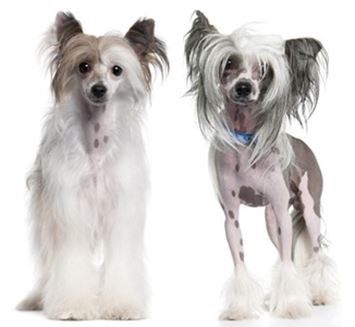
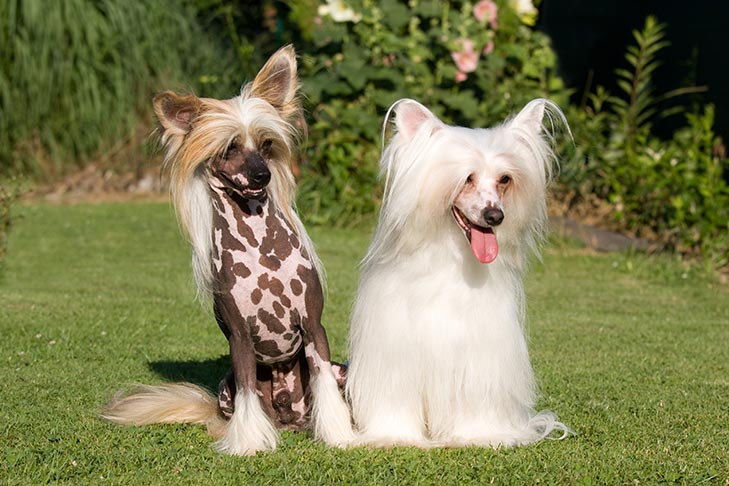
The Chinese Crested dog is a breed that stands out in the canine world. With their unique appearance, they often turn heads and spark conversations. There are two types of Chinese Crested dogs: the Hairless and the Powderpuff. The Hairless variety is known for its smooth skin with tufts of hair on the head, paws, and tail. On the other hand, the Powderpuff is covered with a soft, silky coat, making it look entirely different from its Hairless counterpart.
“Chinese Crested Dog Breed Information …” from ckcusa.com and used with no modifications.
Unique Physical Traits
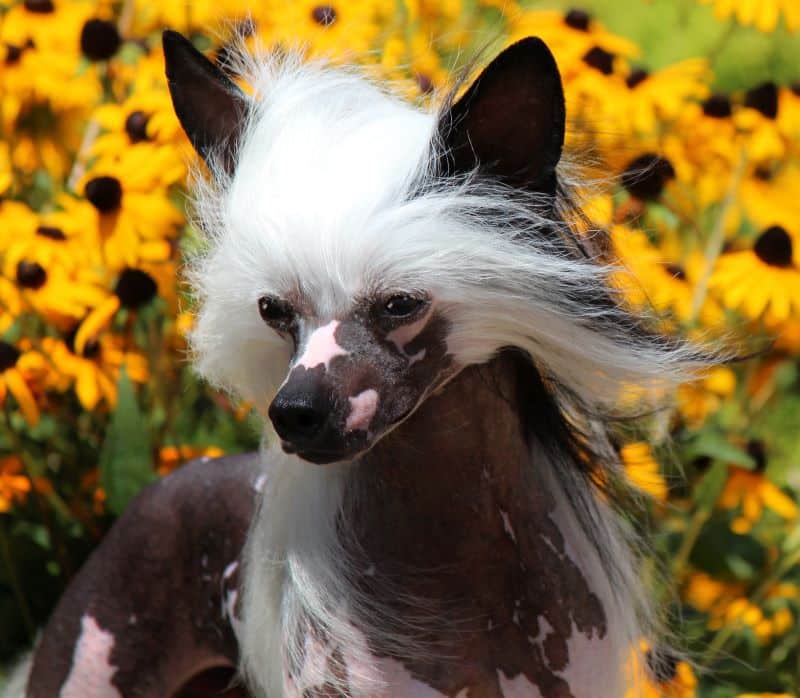
One of the most fascinating aspects of the Chinese Crested dog is its distinct physical traits. The Hairless type has a sleek, almost otherworldly look with its exposed skin, while the Powderpuff appears fluffy and cuddly. Both types share a graceful posture and a lively expression that captures the hearts of many dog lovers. It’s important to note that the Hairless variety can be more prone to skin issues, requiring diligent care and protection from the elements.
Endearing Personality Qualities
Beyond their striking appearance, Chinese Crested dogs are cherished for their endearing personality qualities. They are known to be affectionate, playful, and incredibly loyal to their families. These dogs thrive on human interaction and are often described as “velcro dogs” because they love to be close to their owners. Their playful nature makes them a great fit for families with children, as they enjoy engaging in fun activities and games.
“Chinese Crested dogs are like little shadows, always wanting to be near you and involved in whatever you’re doing. They’re incredibly affectionate and make wonderful companions.” – A Chinese Crested owner
Their sociable nature also means they generally get along well with other pets, provided they are properly socialized from a young age. This makes them a versatile choice for households that already have furry family members.
Adopting a Chinese Crested: What You Need to Know
Adopting a Chinese Crested dog is a rewarding experience, but it requires careful consideration and preparation. These dogs have specific needs that must be met to ensure they live a happy and healthy life. Before you bring one home, it’s crucial to understand what adopting a Chinese Crested entails.
Identifying Reputable Breed Rescue Orgs
When considering adoption, it’s essential to find reputable rescue organizations that specialize in Chinese Crested dogs. These organizations are dedicated to the welfare of the breed and have extensive knowledge about their specific needs. They can provide valuable insights and support throughout the adoption process.
Look for organizations with a strong track record of successful adoptions and positive reviews from previous adopters. It’s also important to ensure that the rescue conducts thorough health and temperament assessments of the dogs in their care. This helps ensure that you are bringing home a healthy and well-adjusted pet.
“Judging The Chinese Crested Breed …” from showsightmagazine.com and used with no modifications.
Understanding Their Care Needs
Caring for a Chinese Crested dog involves regular grooming, especially for the Hairless variety. Their exposed skin requires protection from sunburn and cold weather, so it’s essential to apply sunscreen or dress them in appropriate clothing when necessary. Additionally, their skin should be moisturized regularly to prevent dryness and irritation.
“Grooming a Chinese Crested, especially the Hairless variety, is not just about keeping them looking good. It’s crucial for their health and comfort.” – A professional dog groomer
Dental care is another important aspect of their grooming routine. Both types of Chinese Crested dogs can be prone to dental issues, so regular brushing and dental checkups are necessary to maintain their oral health.
Understanding and meeting these care needs will ensure that your Chinese Crested dog remains healthy and happy throughout its life. For more insights on dog adoption, you might find this Border Terrier adoption guide helpful.
Socialization and Compatibility with Families
Socialization is key to ensuring that your Chinese Crested dog becomes a well-behaved and confident companion. Introduce them to various environments, people, and other animals from an early age. This will help them develop into a well-rounded pet that is comfortable in different situations.
Chinese Crested dogs are generally compatible with families, including those with children and other pets. Their playful and affectionate nature makes them a joy to have around. However, it’s important to supervise interactions with young children to ensure that both the dog and the child are safe and comfortable.
With proper socialization and care, a Chinese Crested dog can become a cherished member of your family, bringing joy and companionship to your household.
Why Chinese Crested Dogs Are Rare and Costly
The rarity and cost of Chinese Crested dogs can be attributed to several factors. Understanding these factors will give you insight into why this breed is often considered a premium choice among dog lovers.
Factors Contributing to Their Rarity
Chinese Crested dogs are not as common as some other breeds, which contributes to their rarity. One reason for this is the selective breeding practices that focus on maintaining their unique traits and characteristics. Breeders often have limited litters to ensure the health and quality of the puppies, which can result in fewer Chinese Crested dogs being available for adoption.
Additionally, the specific care requirements of this breed can deter some potential owners, leading to a smaller pool of interested adopters. This, in turn, affects the demand and availability of Chinese Crested dogs.
Why the Breed is Expensive
The cost of adopting a Chinese Crested dog can be higher than that of other breeds due to several reasons. First, the specialized breeding practices and limited availability contribute to their higher price tag. Breeders invest significant time and resources into ensuring the health and well-being of their dogs, which is reflected in the cost.
Moreover, the unique care needs of Chinese Crested dogs, particularly the Hairless variety, can also influence their cost. Potential adopters should be prepared for the ongoing expenses associated with grooming, skincare, and regular veterinary visits. For a deeper understanding of these expenses, check out this guide on Chinese Crested Dog Price.
Despite the higher cost, many dog lovers find that the joy and companionship a Chinese Crested dog brings to their lives are well worth the investment.
Living with a Chinese Crested: Energetic but High Maintenance
Owning a Chinese Crested dog is a delightful experience, but it does come with its own set of challenges. These dogs are known for their energetic nature and affectionate personality, making them wonderful companions for those who can meet their needs. However, potential owners should be aware that these dogs can be high maintenance, particularly when it comes to grooming and skin care.
Ideal Home Environment for These Energetic Pets
Chinese Crested dogs thrive in homes where they receive plenty of attention and interaction. They are not the type of dogs that can be left alone for long periods, as they crave companionship and can become anxious if left isolated. Therefore, they are best suited for households where someone is usually present, whether it’s a family with children or an individual who works from home.
These dogs enjoy playtime and activities that stimulate their minds and bodies. Regular walks, play sessions, and interactive toys can help keep them happy and healthy. A home with a secure yard is ideal, but they can also adapt well to apartment living as long as they receive enough exercise and mental stimulation. For more information on how different dog breeds adapt to various living conditions, you might find this comparison of herding dogs helpful.
“Chinese Crested Dog Breed Information” from www.akc.org and used with no modifications.
Grooming and Skin Care Essentials
Grooming a Chinese Crested dog, especially the Hairless variety, requires diligence and care. The Hairless type needs regular skin care to prevent issues such as dryness, sunburn, and irritation. It’s important to apply sunscreen when they are exposed to the sun and to keep their skin moisturized with suitable products.
The Powderpuff variety, with its full coat, also requires regular grooming to prevent matting and tangles. Brushing several times a week and regular baths are necessary to maintain their coat’s health and appearance. Both types benefit from regular nail trimming and ear cleaning to prevent infections.
Regular Vet Checkups and Health Concerns
Chinese Crested dogs are generally healthy, but they can be prone to certain health issues. Regular veterinary checkups are essential to catch any potential problems early and to keep them in optimal health. Common concerns include dental issues, particularly in the Hairless variety, and skin conditions that may require medical attention.
It’s important to work with a veterinarian who is familiar with the breed and can provide guidance on their specific health needs. Preventive care, including vaccinations and parasite control, is crucial to ensuring a long and healthy life for your Chinese Crested dog.
Training Your Chinese Crested: Start Early
Training a Chinese Crested dog should begin as early as possible. These dogs are intelligent and eager to please, making them relatively easy to train with the right approach. Consistent, positive reinforcement methods work best, as they respond well to praise and rewards.
Socialization is a critical part of their training, as it helps them become well-adjusted and confident in different environments. Introducing them to a variety of people, animals, and experiences from a young age will set the foundation for a well-behaved adult dog.
Effective Training Techniques
When training your Chinese Crested, focus on building a strong bond through trust and respect. Use positive reinforcement techniques such as treats, praise, and play to encourage good behavior. Consistency is key, so establish clear rules and boundaries from the start.
Basic obedience commands such as sit, stay, and come are essential for their safety and well-being. Incorporate training into daily activities and keep sessions short and engaging to maintain their interest and enthusiasm. For those interested in herding breeds, you might find it useful to explore Border Collie training tips for additional insights.
Skill Building and Mental Stimulation
Chinese Crested dogs thrive on mental stimulation, so it’s important to provide activities that challenge their minds. Puzzle toys, interactive games, and training exercises can help keep them mentally sharp and prevent boredom.
“Chinese Crested dogs are quick learners and love to show off their skills. Keep training fun and varied to keep them engaged.” – A dog trainer
Consider enrolling them in dog sports or activities such as agility, obedience, or rally, which can provide both physical and mental challenges. These activities not only improve their skills but also strengthen the bond between you and your dog.
Hairless Breeds Compared: Chinese Crested vs. Others considering Key Differences in Care Requirements, Personality & Temperament
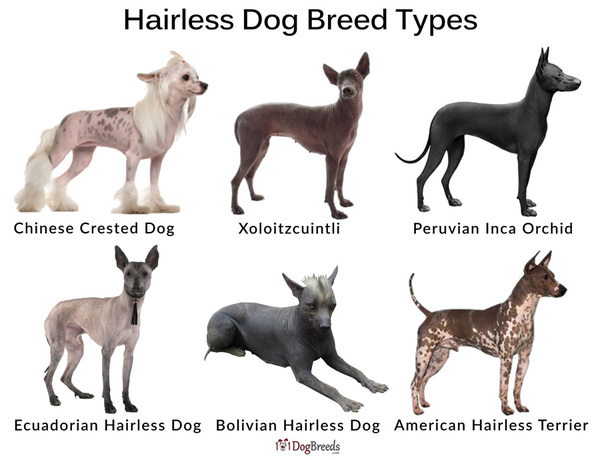
When it comes to hairless breeds, the Chinese Crested is not alone. There are several other hairless breeds that share some similarities but also have distinct differences in terms of care requirements, personality, and temperament. Understanding these differences can help you decide which breed is the best fit for your lifestyle. For instance, if you’re interested in learning about the Korat cat’s personality, you might find some parallels in temperament with certain hairless dog breeds.
Let’s take a closer look at how the Chinese Crested compares to other hairless breeds:
Chinese Crested vs. Xoloitzcuintli
The Xoloitzcuintli, also known as the Mexican Hairless Dog, is another popular hairless breed. While both breeds share a lack of fur, the Xoloitzcuintli is generally larger and more robust than the Chinese Crested. The Xoloitzcuintli has a calm and composed temperament, making it a good choice for those seeking a more laid-back companion. In contrast, the Chinese Crested is more energetic and playful, requiring more interaction and engagement.
“hairless dog | Gransnet” from www.gransnet.com and used with no modifications.
Chinese Crested vs. Peruvian Inca Orchid
- The Peruvian Inca Orchid is known for its elegant and graceful appearance, similar to the Chinese Crested.
- Both breeds require diligent skin care, but the Peruvian Inca Orchid may have fewer skin issues due to its thicker skin.
- In terms of temperament, the Peruvian Inca Orchid is typically more reserved, while the Chinese Crested is outgoing and sociable.
Choosing between these two breeds depends on your preference for personality and activity level. The Chinese Crested’s sociable nature makes it a great choice for families, while the Peruvian Inca Orchid may be better suited for quieter households.
Chinese Crested vs. American Hairless Terrier
The American Hairless Terrier is another hairless breed that shares some similarities with the Chinese Crested. Both breeds are small, energetic, and affectionate, making them excellent companions. However, the American Hairless Terrier is known for its terrier-like traits, such as being more independent and having a higher prey drive.
In terms of care, the American Hairless Terrier may have fewer skin issues compared to the Hairless Chinese Crested, but both require regular grooming and skin protection. When deciding between these breeds, consider your lifestyle and whether you prefer a more independent or a more sociable companion.
By understanding the differences between these hairless breeds, you can make an informed decision about which one aligns best with your lifestyle and preferences.
Chinese Crested vs. Argentine Pila
The Argentine Pila is another unique hairless breed, native to Argentina. While both the Chinese Crested and Argentine Pila share the hairless trait, they differ significantly in size and temperament. The Argentine Pila is typically larger and has a more reserved demeanor compared to the lively and sociable Chinese Crested. Both breeds require similar skincare routines due to their lack of fur, but the Argentine Pila’s thicker skin can be slightly more resilient to environmental factors.
When considering which breed suits your lifestyle, think about the energy levels and social needs of the Chinese Crested compared to the more independent nature of the Argentine Pila. Each has its charm, and the choice largely depends on personal preference and the environment you can provide.
“The Argentine Pila is a quiet and loyal companion, perfect for those who prefer a more relaxed pet.” – An Argentine Pila enthusiast
Overall, both breeds offer unique companionship, but their differences in temperament and size should guide your decision.
Chinese Crested vs. Bolivian Khala
The Bolivian Khala, another hairless breed, shares some similarities with the Chinese Crested but is generally less well-known. This breed is typically larger and has a more reserved nature. In terms of care, the Bolivian Khala, like the Chinese Crested, requires regular skin care to prevent issues like sunburn and dryness.
Chinese Crested vs. Jonangi
The Jonangi is an Indian breed known for its short coat, which can sometimes appear hairless. Unlike the Chinese Crested, the Jonangi is bred primarily for herding and hunting, which gives it a different energy level and set of instincts.
While both breeds are relatively low-maintenance in terms of grooming, the Jonangi’s active nature may require more physical exercise than the typically playful but less demanding Chinese Crested.
- The Jonangi is more independent, whereas the Chinese Crested thrives on companionship.
- Both breeds are known for their loyalty, but their roles as pets can differ based on their backgrounds and instincts.
When choosing between these breeds, consider your lifestyle and how much time you can dedicate to exercise and companionship.
Chinese Crested vs. African Abyssinian Sand Terrier
The African Abyssinian Sand Terrier is another hairless breed with a unique appearance. While similar in size to the Chinese Crested, the Sand Terrier is often more reserved and less playful. Both breeds require diligent skincare, but the Sand Terrier may have fewer skin issues due to its tougher skin.
Chinese Crested vs. Ecuadorian Hairless
The Ecuadorian Hairless is a rare breed, known for its sleek appearance and unique temperament. It shares the hairless trait with the Chinese Crested but is generally larger and more robust. Both breeds require careful skin protection, but the Ecuadorian Hairless may be more independent and less sociable than the Chinese Crested.
Frequently Asked Questions (FAQ)
When considering a Chinese Crested dog, it’s natural to have questions about their care, behavior, and suitability as a pet. Here are some common questions and answers to help you make an informed decision.
“Chinese Crested dogs are known for their affectionate nature, but they do require specific care to keep them healthy and happy.” – A Chinese Crested expert
Understanding these aspects can help ensure a successful adoption and a fulfilling relationship with your new pet.
Are Chinese Crested dogs good for first-time pet owners?
Yes, Chinese Crested dogs can be great for first-time pet owners due to their affectionate and sociable nature. However, potential owners should be prepared for the grooming and skincare requirements, especially for the Hairless variety. With proper care and attention, they can make wonderful companions for new dog owners.
What are the common health issues in Chinese Crested dogs?
Chinese Crested dogs can be prone to certain health issues, including dental problems, skin conditions, and allergies. Regular veterinary checkups, a balanced diet, and diligent grooming can help manage these concerns and keep your dog healthy. For those interested in exploring other breeds, consider learning about the Borzoi Russian Wolfhound and their unique traits.
How often should I groom my Chinese Crested dog?
Grooming frequency depends on the type of Chinese Crested. The Hairless variety requires regular skincare, including moisturizing and sunscreen application, while the Powderpuff needs frequent brushing to prevent matting. Both types benefit from regular dental care and nail trimming.
It’s important to establish a consistent grooming routine to maintain your dog’s health and appearance.
Here are some grooming tips:
- Brush Powderpuff coats several times a week to prevent tangles.
- Moisturize Hairless skin regularly to prevent dryness.
- Use dog-safe sunscreen on Hairless dogs when outdoors.
- Brush teeth regularly to prevent dental issues.
Do they get along with other pets?
Yes, Chinese Crested dogs generally get along well with other pets, especially when socialized from a young age. Their friendly and playful nature makes them a great addition to multi-pet households. However, supervision is recommended during initial introductions to ensure harmony.
Can Chinese Crested dogs be left alone for long periods?
- Chinese Crested dogs thrive on companionship and may become anxious if left alone for extended periods.
- They are best suited for households where someone is often present or where arrangements can be made for their care during absences.
If you must leave your Chinese Crested alone, consider providing interactive toys or arranging for a pet sitter to keep them company.