Key Points to Know about English Springer Spaniel Adoption
- English Springer Spaniels are known for their affectionate and energetic nature, making them great companions for active families.
- Adopting from a rescue organization requires careful consideration of the dog’s background and specific needs.
- These dogs need regular exercise and mental stimulation to prevent behavioral issues.
- Springer Spaniels are generally good with children and other pets, but early socialization is key.
- They have a lifespan of 12-15 years and may be prone to certain health issues, which should be monitored.
Why Consider Rescuing an English Springer Spaniel?
Rescuing an English Springer Spaniel can be a rewarding experience for both you and the dog. These dogs often end up in shelters due to no fault of their own. Sometimes it’s because their previous owners underestimated the care and energy needs of the breed. By adopting, you’re not just giving a dog a second chance at life; you’re also making room for more animals in need.
Most importantly, rescue organizations often provide valuable insights into the dog’s personality and behavior, as they have been evaluated by professionals. This can help ensure a good match between the dog and your family. Additionally, many rescue organizations offer support and resources for new adopters, helping to ease the transition.

“English Springer Spaniel Club” from englishspringer.org and used with no modifications.
Understanding the Breed’s Background
English Springer Spaniels were originally bred as hunting dogs in England. They are part of the sporting group and were primarily used for flushing and retrieving game. Over time, their friendly and adaptable nature made them popular as family pets. They are known for their intelligence, obedience, and playful demeanor.
Because of their hunting background, English Springer Spaniels possess a strong work instinct and require ample physical and mental stimulation. This breed is highly trainable and excels in various dog sports, including agility and obedience competitions. Understanding their background can help potential adopters prepare for the responsibilities of owning such an active and intelligent breed.
Adoption from Rescue Org: Critical Considerations
When adopting an English Springer Spaniel from a rescue organization, it’s crucial to consider the dog’s history and specific needs. Some dogs may have been surrendered due to behavioral issues, while others may have been abandoned or lost. It’s important to ask the rescue about the dog’s background, including any known health issues or past experiences that could affect their behavior.
Besides that, consider the resources and support that the rescue organization provides. Some rescues offer training classes or behavioral consultations to help new owners address any challenges. Be prepared to invest time and effort into training and socializing your new dog, as this will help them adjust to their new environment and prevent potential behavioral problems.
English Springer Spaniel Personality and Energy
English Springer Spaniels are known for their lively and affectionate personalities. They are social dogs that thrive on human interaction and love being part of a family. These dogs are eager to please and respond well to positive reinforcement training methods.
Traits that Define the Springer Spaniel
One of the defining traits of the English Springer Spaniel is their boundless energy. They require regular exercise to keep them happy and healthy. A typical day for a Springer Spaniel should include a long walk, playtime in a secure area, and mental stimulation through training or puzzle toys. They are also known for their playful and mischievous nature, which can be both endearing and challenging for owners.
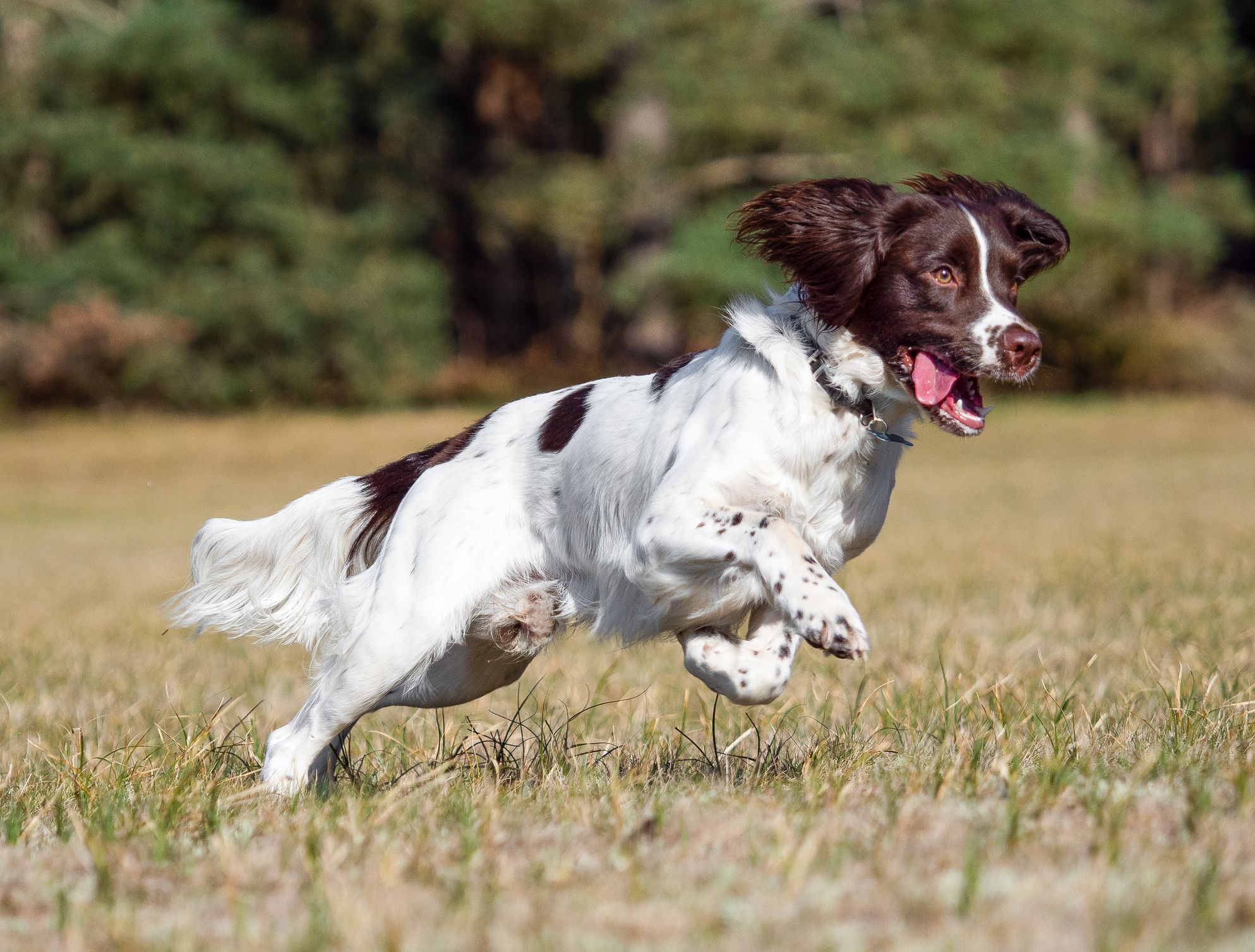
“English Springer Spaniel: Breed …” from www.thesprucepets.com and used with no modifications.
Activity Levels: What to Expect
Springer Spaniels are high-energy dogs that need consistent physical and mental activity. Without adequate exercise, they can become bored and develop behavioral issues such as excessive barking or destructive chewing. To keep your Springer Spaniel content, aim for at least one to two hours of exercise each day.
- Long walks or jogs
- Interactive play sessions
- Agility or obedience training
- Puzzle toys or games
By providing plenty of opportunities for exercise and mental stimulation, you’ll help your Springer Spaniel lead a happy and fulfilling life.
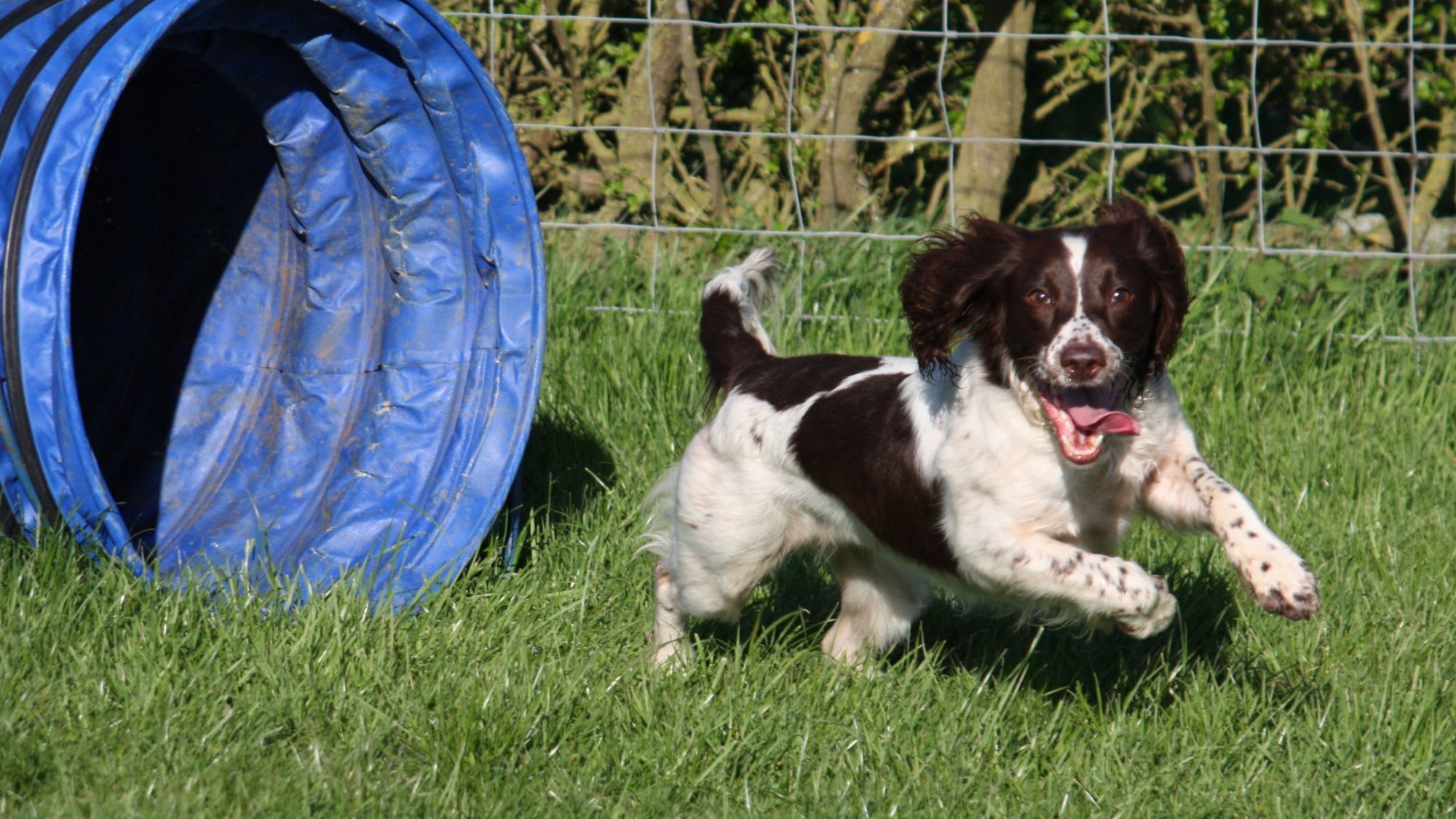
“English Springer Spaniels: Breed …” from pethelpful.com and used with no modifications.
Pros and Cons of Owning an English Springer Spaniel
Like any breed, English Springer Spaniels come with their own set of advantages and challenges. Understanding these can help you decide if this breed is the right fit for your lifestyle.

“English Springer Spaniels: The Good …” from figopetinsurance.com and used with no modifications.
Advantages of the Breed
English Springer Spaniels are highly affectionate and loyal dogs. They form strong bonds with their families and are known for their friendly and sociable nature. Their intelligence and eagerness to please make them highly trainable, and they excel in various dog sports and activities. Additionally, their medium size makes them suitable for many living situations, provided they receive adequate exercise.
Challenges You Might Face
Despite their many positive traits, English Springer Spaniels can present some challenges. Their high energy levels require a significant time commitment for exercise and mental stimulation. Without this, they may develop behavioral problems such as excessive barking or destructive behavior. Additionally, their intelligence and curiosity can sometimes lead to mischief if not properly managed. For a comparison of similar high-energy breeds, you might consider reading about Border Collie adoption.
Another potential challenge is their grooming needs. English Springer Spaniels have a medium-length coat that requires regular brushing to prevent matting and reduce shedding. They may also be prone to certain health issues, which should be monitored with regular veterinary care.
Training and Bonding Essentials
Training and bonding with your English Springer Spaniel are crucial steps in ensuring a harmonious relationship. These dogs are eager learners and thrive on positive reinforcement techniques. The key is consistency and patience, allowing them to understand what is expected of them while also building trust and affection.
Effective Training Techniques
When it comes to training an English Springer Spaniel, start with basic commands such as sit, stay, and come. These form the foundation of good behavior and can be built upon as your dog progresses. Use treats, praise, and play as rewards to reinforce positive behavior. For more insights on training, check out these training tips for Border Collies, which can be adapted for your Spaniel.
It’s also important to socialize your Springer Spaniel early. Expose them to various environments, people, and other animals to help them become well-adjusted and confident. This exposure will reduce anxiety and fear-based behaviors as they grow.
Another effective technique is clicker training, which uses a clicker to mark the exact moment your dog performs the desired behavior. This method is especially useful for complex tasks and can speed up the learning process.
- Start with short training sessions to maintain your dog’s interest.
- Use positive reinforcement consistently.
- Introduce new commands gradually.
- Be patient and adjust your methods as needed.
Remember, every dog is unique, and what works for one may not work for another. Pay attention to your dog’s responses and adapt your approach to suit their needs.

“English Springer Spaniel Training Book …” from www.amazon.com and used with no modifications.
Building a Strong Bond
Building a strong bond with your English Springer Spaniel goes beyond training. Spend quality time with your dog through regular play and interaction. This not only strengthens your relationship but also fulfills their need for companionship and attention.
Engage in activities that both you and your dog enjoy. Whether it’s a game of fetch, a hike, or simply lounging together, these moments create a lasting connection. Consistency in your interactions and care will reinforce their trust in you, leading to a happy and loyal companion.
Addressing Behavioral Problems and Barking
Despite their friendly nature, English Springer Spaniels can develop behavioral problems if their needs aren’t met. These issues often arise from boredom, lack of exercise, or insufficient training. Addressing these problems early is essential to prevent them from becoming ingrained habits.
Common Behavioral Issues
Some common behavioral issues in Springer Spaniels include excessive barking, chewing, and separation anxiety. These behaviors can be frustrating for owners but are often a sign that the dog needs more mental and physical stimulation. For first-time dog owners, understanding these behavioral challenges can be crucial to ensuring a happy and healthy pet.
Excessive barking, for example, might indicate boredom or a lack of exercise. Providing more opportunities for play and interaction can help reduce this behavior. Chewing can be managed by offering appropriate chew toys and ensuring your dog is not left alone for extended periods.
- Provide plenty of physical and mental exercise.
- Use puzzle toys to keep their minds engaged.
- Establish a routine to give them a sense of security.
- Consider professional training if issues persist.
Addressing these behaviors requires patience and understanding. By meeting your dog’s needs and setting clear boundaries, you can minimize these issues and enjoy a more harmonious relationship.

“English Springer Spaniel Jigsaw Puzzles …” from www.amazon.com and used with no modifications.
Handling Excessive Barking
Excessive barking is a common concern for many dog owners. With English Springer Spaniels, this behavior can be managed through training and lifestyle adjustments. First, identify the cause of the barking. Is it due to boredom, anxiety, or an environmental trigger?
Once you’ve pinpointed the cause, address it directly. For instance, if your dog barks when left alone, gradually increase their alone time while providing distractions like toys or background noise. Consistent training and rewarding quiet behavior can also help curb excessive barking. For more information on training and care, you might find this article on Border Collie adoption and training useful.
A Closer Look at Springer Spaniel Syndrome
Springer Spaniel Syndrome, also known as “rage syndrome,” is a rare condition that can occur in this breed. It’s characterized by sudden, intense aggression that seems to come out of nowhere. While it’s not common, it’s important for potential owners to be aware of it.
What is Springer Spaniel Syndrome?
Springer Spaniel Syndrome is a genetic disorder that affects a small percentage of the breed. It can manifest as sudden, unprovoked aggression, often with no apparent trigger. These episodes can be frightening and challenging to manage.
The exact cause of the syndrome is not well understood, but it’s believed to be linked to neurological issues. It’s important to note that not all aggressive behavior in Springer Spaniels is due to this syndrome. Other factors, such as fear or poor socialization, can also contribute to aggression. For those considering adopting a herding breed, understanding potential behavioral challenges is crucial. Learn more about the pros and cons of adopting a Border Collie, another intelligent and active breed.
If you suspect your dog may have Springer Spaniel Syndrome, consult a veterinarian or a behavior specialist for a proper diagnosis and guidance on managing the condition.
Symptoms and Prevention Strategies
Symptoms of Springer Spaniel Syndrome include sudden, intense aggression, often directed at familiar people or animals. These episodes can be brief and are usually followed by a period of calm, as if nothing happened.
Preventing the syndrome involves responsible breeding practices and early socialization. Choose a reputable breeder who screens for genetic issues and prioritizes temperament. Additionally, provide your dog with a stable and nurturing environment to reduce stress and anxiety.
Understanding Lifespan and Health Concerns
English Springer Spaniels typically have a lifespan of 12-15 years. With proper care and regular veterinary check-ups, they can lead long and healthy lives. However, like all breeds, they are prone to certain health issues that owners should be aware of.
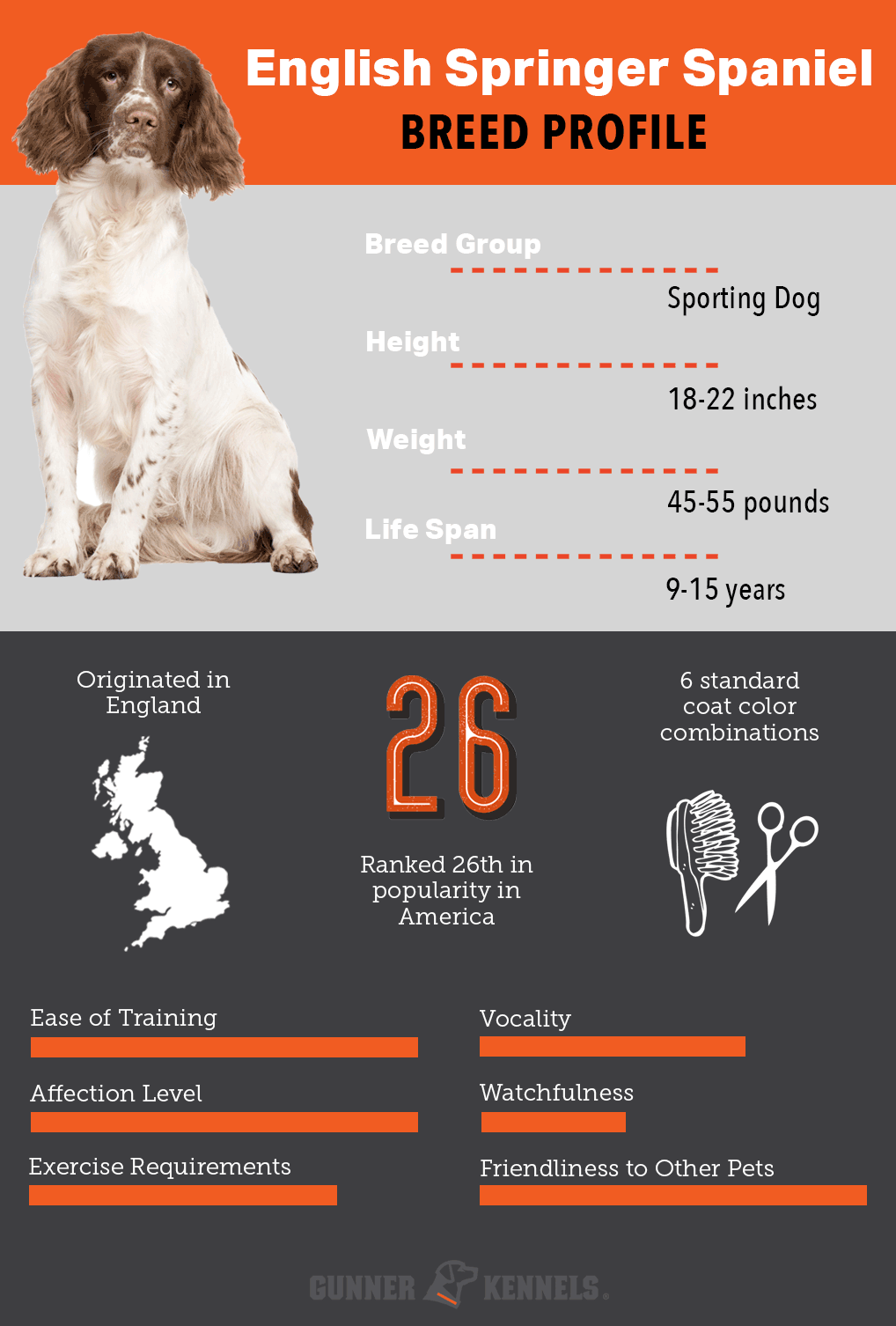
“English Springer Spaniels: Breed Profile” from gunner.com and used with no modifications.
Average Lifespan
The average lifespan of an English Springer Spaniel is between 12 and 15 years. This can vary depending on factors such as genetics, diet, and overall care. Providing a balanced diet, regular exercise, and routine veterinary care can help maximize your dog’s lifespan.
Common Health Issues and Causes of Death Closer Look at Springer Spaniel Syndrome
Some common health issues in English Springer Spaniels include hip dysplasia, ear infections, and eye problems. Regular veterinary check-ups can help detect these conditions early and provide appropriate treatment. For more insights on adopting and caring for different breeds, you might find this guide on Border Terrier adoption interesting.
Another health concern is obesity, which can lead to other complications such as diabetes and joint problems. Maintaining a healthy weight through a balanced diet and regular exercise is crucial. If you’re considering a new pet, understanding the pros and cons of adopting a Border Collie can also help you make informed decisions about pet care and health management.
It’s also important to be aware of the potential for Springer Spaniel Syndrome, although it’s rare. Understanding these health concerns and taking proactive measures can help ensure your Springer Spaniel lives a long and happy life.
Housing: Suitable for Apartment Living?
English Springer Spaniels can adapt to apartment living, but it’s essential to meet their exercise and mental stimulation needs. While they are medium-sized dogs, their high energy levels require regular outlets to prevent boredom and potential behavioral issues.
Adapting to Apartment Life
Adapting an English Springer Spaniel to apartment life involves creating a structured routine that includes daily exercise and mental challenges. Morning and evening walks are crucial, along with playtime in a safe, enclosed area where they can run and explore.
In addition to physical exercise, mental stimulation is vital. Interactive toys, puzzle feeders, and training sessions can keep their minds engaged. Socialization is also important, so consider regular trips to a dog park where they can interact with other dogs and people. For more insights on training and care, you might find this Border Collie adoption guide helpful.
Essential Space and Exercise Requirements
Even in an apartment, it’s important to designate a space for your Springer Spaniel where they can relax and feel secure. This can be a cozy corner with their bed and toys. Ensure they have access to fresh water and a comfortable resting area. If you’re considering other breeds, you might want to explore the traits and training of Border Terriers as well.
Exercise requirements for an English Springer Spaniel include at least one to two hours of physical activity daily. This can be split into multiple sessions throughout the day to fit your schedule. Remember, a tired dog is a happy dog, and meeting their exercise needs is key to preventing unwanted behaviors.
The First-Time Dog Owner’s Guide
For first-time dog owners, adopting an English Springer Spaniel can be a rewarding experience, but it’s important to be prepared for the responsibilities involved. These dogs are affectionate and loyal companions but require time and effort to meet their needs.
Is a Springer Spaniel Right for You?
Before adopting a Springer Spaniel, consider your lifestyle and ability to provide the necessary exercise and attention. These dogs thrive in active households where they can participate in family activities. If you enjoy outdoor adventures and have the time to dedicate to training and socialization, a Springer Spaniel might be the perfect fit.
Tips for First-Time Owners
As a first-time owner, here are some tips to help you get started:
- Research the breed thoroughly to understand their characteristics and needs.
- Establish a consistent routine for feeding, exercise, and training.
- Invest in quality training classes to build a strong foundation for behavior.
- Provide plenty of mental stimulation through toys and interactive games.
- Stay patient and positive; building a bond takes time.
FAQs
Here are some frequently asked questions about English Springer Spaniels:
Do English Springer Spaniels Shed a Lot?
Yes, English Springer Spaniels do shed, particularly during seasonal changes. Regular grooming, including brushing several times a week, can help manage shedding and keep their coat healthy.
Are Springer Spaniels Good with Cats?
Springer Spaniels can coexist with cats, especially if they are introduced at a young age. Early socialization and training are crucial to ensure they understand boundaries and can interact peacefully.

“Springer Spaniels & Cats: Tips for a …” from mollypawsup.com and used with no modifications.
How Much Exercise Does a Springer Spaniel Need Daily?
English Springer Spaniels need at least one to two hours of exercise each day. This can include walks, playtime, and mental stimulation through training or interactive toys.
Can Springer Spaniels Be Left Alone at Home?
While Springer Spaniels can be left alone for short periods, they thrive on human interaction and can develop separation anxiety if left alone for too long. Gradually acclimate them to being alone and provide toys to keep them occupied.
What Dietary Needs Should Be Met for Springer Spaniels?
Springer Spaniels require a balanced diet that supports their active lifestyle. Choose high-quality dog food that meets their nutritional needs and adjust portion sizes based on their age, weight, and activity level. Regular veterinary check-ups can help ensure they maintain a healthy weight. If you’re considering another breed, explore the dietary needs of Border Terriers for comparison.
Consider incorporating omega-3 fatty acids for coat health and joint supplements if recommended by your vet. Always provide fresh water and monitor their food intake to prevent obesity.
By understanding and meeting these dietary needs, you’ll help your English Springer Spaniel maintain optimal health and vitality throughout their life.