Key Takeaways
- English Foxhounds are energetic and require ample exercise daily to stay happy and healthy.
- They are known for their vocal nature, especially their distinctive baying, which can be managed with proper training.
- Training and socialization from a young age are crucial for a well-behaved English Foxhound.
- English Foxhounds are scent hounds, making them excellent for tracking and hunting activities.
- When comparing breeds, English Foxhounds are larger than Beagles and have different hunting styles than Greyhounds.
English Foxhound Adoption: What to Expect
Adopting an English Foxhound can be a rewarding experience for the right owner. These dogs are known for their energetic nature and need for regular exercise. As a scent hound, the English Foxhound has a strong instinct to follow its nose, which means they love to explore and are happiest when they have plenty of space to roam. Before adopting, it’s essential to consider whether your lifestyle can accommodate an active dog like the English Foxhound.
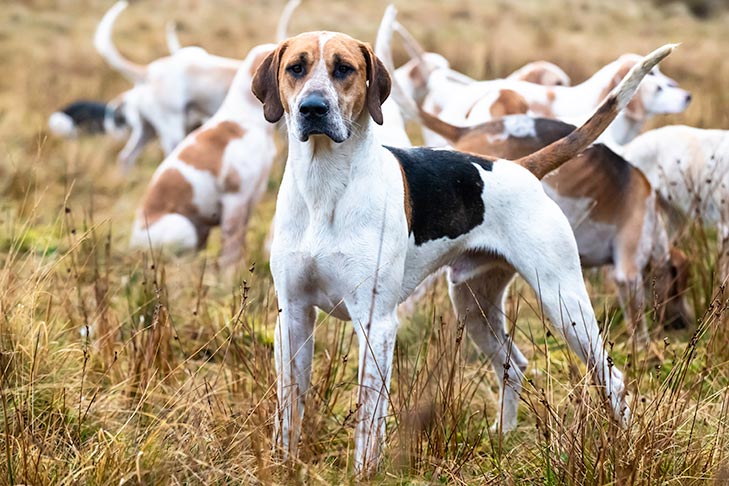
“English Foxhound Dog Breed Information” from www.akc.org and used with no modifications.
Understanding the English Foxhound’s Energetic Nature
English Foxhounds are bred for hunting and have a natural drive to stay active. They thrive in environments where they can run and play freely. If you have a large, fenced yard or access to open spaces, this breed could be an excellent fit for you. Regular walks, playtime, and mental stimulation are crucial to prevent boredom, which can lead to destructive behavior.
Challenges of Owning an English Foxhound
- Vocalization: English Foxhounds are known for their distinctive baying, which can be quite loud. This trait is something to consider if you have close neighbors or live in an apartment.
- Prey Drive: Their instinct to chase can make them challenging to handle off-leash, especially in areas with wildlife or other small animals.
- Training Needs: Due to their independent nature, consistent and patient training is necessary to ensure they respond well to commands.
Despite these challenges, English Foxhounds can make loving and loyal companions. Their friendly nature and eagerness to please often outweigh the hurdles, especially when they receive the proper care and attention.
Training and Socializing Your English Foxhound
Training and socialization are vital components of raising a well-adjusted English Foxhound. These dogs are intelligent and eager to learn, but their independent streak can sometimes make training a bit challenging. Starting early with positive reinforcement techniques will set the foundation for a well-behaved pet. For insights on training similar breeds, explore our guide on Border Terrier training and traits.
“English Foxhounds are not the easiest breed to train, but with patience and consistency, they can learn to follow commands and be excellent companions.”
Using treats and praise as rewards will motivate your Foxhound to learn new commands and behaviors. It’s essential to keep training sessions short and engaging to maintain their interest and prevent frustration. For more insights on training techniques, you might find this guide on Border Collie training helpful as it shares similar principles applicable to Foxhounds.
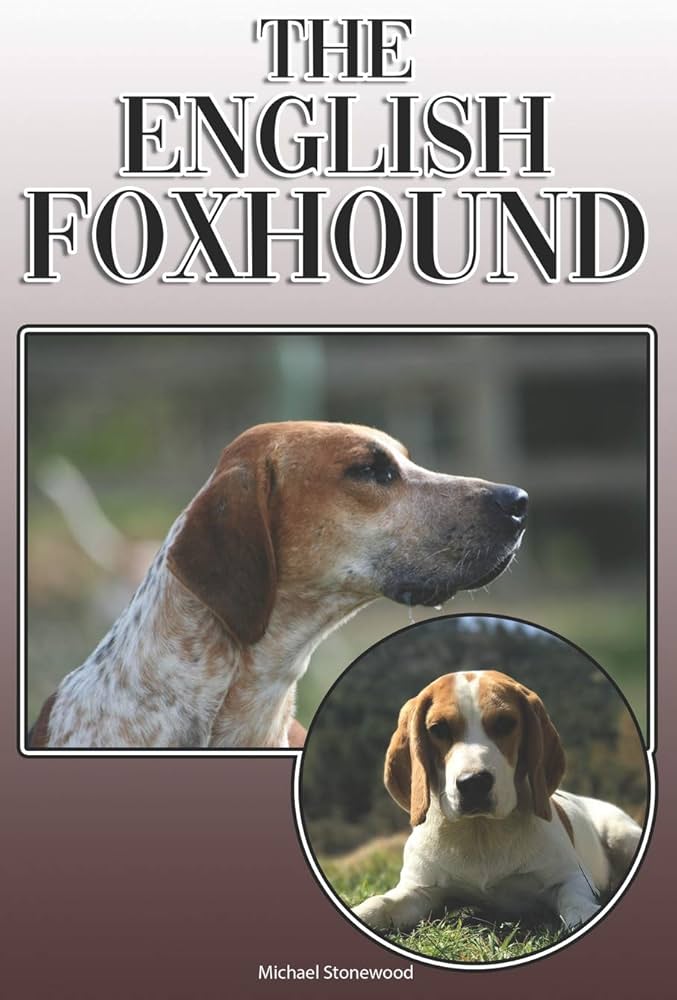
“The English Foxhound: A Complete and …” from www.amazon.com and used with no modifications.
Training Strategies to Reduce Excessive Barking
Managing the vocal tendencies of an English Foxhound requires a strategic approach. Their baying is an inherent trait, but with consistent training, it can be managed effectively. Start by identifying triggers that cause excessive barking, such as strangers, other animals, or boredom. Once identified, use positive reinforcement to encourage quieter behavior.
For instance, when your Foxhound begins to bark, calmly redirect their attention to a more appropriate behavior, like sitting or fetching a toy. Reward them with treats and praise when they comply. Over time, they’ll associate quiet behavior with positive outcomes, which can help reduce unnecessary barking.
Comparing English Foxhounds with Other Breeds
When considering an English Foxhound, it’s beneficial to compare them with other breeds to ensure they’re the right fit for your lifestyle. Each breed has unique characteristics that might appeal to different types of pet owners.
English Foxhound vs Beagle
English Foxhounds and Beagles share a similar lineage as scent hounds, but they differ significantly in size and energy levels. English Foxhounds are larger and more robust, typically standing 24 to 26 inches tall, whereas Beagles are smaller, generally around 13 to 15 inches. This size difference translates into varying exercise needs, with Foxhounds requiring more space and activity.
Beagles are known for their friendly and curious nature, making them great family pets. English Foxhounds, on the other hand, are more suited to active owners who can provide ample exercise and mental stimulation. Both breeds are vocal, but Foxhounds tend to have a more pronounced baying. For those interested in other similar breeds, consider learning about the Borzoi Russian Wolfhound as a potential alternative.

“Beagle vs. Foxhound: Which is Better …” from www.youtube.com and used with no modifications.
Key Differences Between English Foxhound and Welsh Foxhound
While both breeds are used for hunting, English Foxhounds and Welsh Foxhounds have distinct differences. English Foxhounds are bred for speed and endurance, making them excellent for long-distance tracking. In contrast, Welsh Foxhounds are generally more compact and agile, better suited for the rough terrain of Wales.
Welsh Foxhounds tend to have a more relaxed temperament, whereas English Foxhounds are often more energetic and driven. When choosing between the two, consider your environment and activity level to ensure the best match. For a detailed comparison, you might find it helpful to explore our guide on the Borzoi Russian Wolfhound, which offers insights into temperament and suitability for different lifestyles.

“English Foxhound vs American Foxhound …” from a-z-animals.com and used with no modifications.
English Foxhound vs American Foxhound Attributes
English and American Foxhounds share many similarities, but there are key distinctions that set them apart. English Foxhounds are generally more robust and built for stamina, whereas American Foxhounds are slightly taller and leaner, bred for speed over long distances.
American Foxhounds are often more independent, which can make training a bit more challenging. English Foxhounds, while still independent, are typically more sociable and easier to train with consistent reinforcement. Both breeds require plenty of exercise and thrive in active households.
Attribute
English Foxhound
American Foxhound
Size
24-26 inches
21-25 inches
Build
Robust and muscular
Lean and athletic
Temperament
Sociable and friendly
Independent and reserved
Comparing English Foxhound and Harrier Characteristics
Both English Foxhounds and Harriers are pack hounds, but they have different roles in hunting. English Foxhounds are bred for long chases, following a scent trail for miles. Harriers, slightly smaller, are more agile and excel in shorter hunts.
In terms of temperament, Harriers are often more playful and adaptable, making them suitable for families with children. English Foxhounds, while friendly, require more exercise and space, which may not be ideal for everyone.

“Vintage Dog Print, English Foxhound …” from www.etsy.com and used with no modifications.
English Foxhound versus Scottish Deerhound
English Foxhounds and Scottish Deerhounds differ significantly in their hunting styles and physical attributes. English Foxhounds are scent hounds, relying on their noses to track prey, while Scottish Deerhounds are sight hounds, using their keen vision to chase down their quarry. For those considering adding a Deerhound to their family, this guide on Borzoi adoption provides insights into adopting a similar sight hound breed.
Physically, Scottish Deerhounds are larger and more imposing, bred for hunting large game like deer. In contrast, English Foxhounds are smaller but have greater endurance, making them better suited for long-distance pursuits. When choosing between the two, consider whether you prefer a scent or sight hound and the type of activities you plan to do with your dog. If you’re interested in other herding dogs, you might want to explore Border Collie adoption for a comparison.
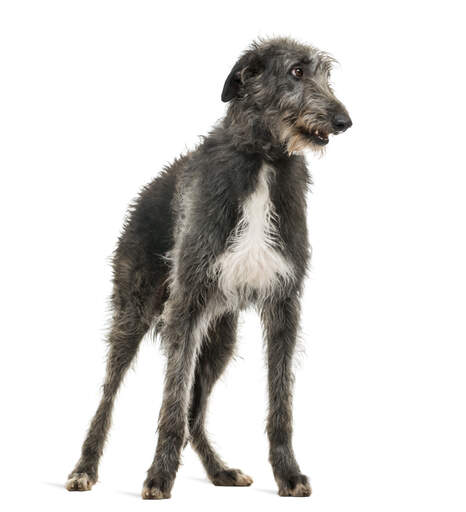
“Scottish Deerhound Dogs | Dog Breeds” from www.omlet.us and used with no modifications.
English Foxhound vs Greyhound: Traits and Preferences
Greyhounds and English Foxhounds are both athletic breeds, but they have different strengths. Greyhounds are known for their incredible speed and are often used in racing. They are sight hounds, which means they rely on their eyes rather than their noses to hunt.
English Foxhounds, on the other hand, are built for endurance rather than speed. They excel in activities that require stamina and are better suited for owners who enjoy long walks or runs. Greyhounds tend to be more laid-back and are content with shorter bursts of activity, making them a good choice for less active households.
Ultimately, the choice between an English Foxhound and a Greyhound depends on your lifestyle and preferences. If you enjoy long hikes and outdoor adventures, a Foxhound might be the better fit. However, if you prefer a more relaxed companion, a Greyhound could be ideal.

“Greyhound | Dog Racing History, Size …” from www.britannica.com and used with no modifications.
Conclusion
Adopting an English Foxhound can be a fulfilling experience for those who understand and embrace their unique characteristics. These dogs are energetic, social, and loyal companions, but they require a specific environment and lifestyle to thrive. Their natural instincts as scent hounds make them excellent for families or individuals who enjoy outdoor activities and have the time to dedicate to training and exercise. For more information on how they compare to other breeds, check out this comparison of the English Foxhound and other similar breeds.
Final Thoughts on English Foxhound Adoption
When considering an English Foxhound, it’s crucial to evaluate your living situation and activity level. These dogs are not suited for everyone, especially those who live in small apartments or have limited time for exercise and training. However, for active families or individuals who can provide the right environment, an English Foxhound can be a loving and rewarding addition to the household.
Before making a decision, it’s beneficial to visit a rescue organization or speak with current owners to gain firsthand insight into the breed’s temperament and needs. This preparation ensures a smooth transition and a happy life for both the dog and the owner.
Frequently Asked Questions (FAQ)
Many potential adopters have questions about English Foxhounds, especially regarding their behavior, care needs, and suitability for different living situations. Here are some common inquiries and their answers to help you make an informed decision.
Are English Foxhounds good with children under 12?
Yes, English Foxhounds are generally good with children. They are friendly and sociable dogs that enjoy being part of a family. However, due to their energetic nature, supervision is recommended during interactions with young children to ensure safe and positive experiences for both the dog and the child.
How much exercise does an English Foxhound need daily?
English Foxhounds require at least one to two hours of exercise each day. This can include long walks, playtime in a secure yard, or other activities that allow them to burn off energy. Regular exercise is crucial to prevent boredom and destructive behaviors.
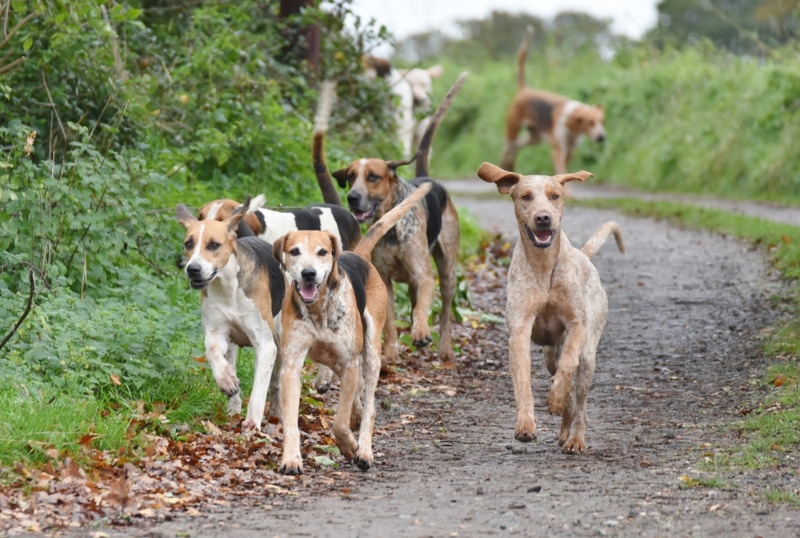
“English Foxhound Dog Breed: Info …” from www.dogster.com and used with no modifications.
What should I feed my English Foxhound?
Feeding your English Foxhound a balanced diet is essential for their health and well-being. Choose high-quality dog food that meets their nutritional needs, considering their age, weight, and activity level. It’s always best to consult with a veterinarian to determine the appropriate portion sizes and dietary requirements for your specific dog. For more information on different Foxhound breeds, you can explore various comparisons available online.
- Feed them twice a day to maintain energy levels.
- Ensure fresh water is available at all times.
- Avoid feeding table scraps or foods high in fat.
How do I handle separation anxiety in my English Foxhound?
Separation anxiety can be a concern for English Foxhounds, given their social nature. To manage this, gradually accustom your dog to being alone by starting with short absences and gradually increasing the duration. Providing toys and mental stimulation can help distract them during your absence. Additionally, maintaining a consistent routine can help alleviate anxiety. For more insights, you can explore comparison of the English Foxhound with other breeds.
Can English Foxhounds live in apartments?
While it’s possible for English Foxhounds to live in apartments, it’s not ideal due to their size and exercise needs. If you live in an apartment, ensure you have access to nearby parks or open spaces where your dog can run and play. Regular exercise and mental stimulation are critical to prevent restlessness and ensure their happiness in a smaller living environment.
In conclusion, English Foxhounds are wonderful pets for the right owner. By understanding their needs and characteristics, you can provide a loving home that allows them to thrive. With the right care, training, and environment, an English Foxhound can be a loyal and delightful companion.
The English Foxhound is a dog breed known for its hunting prowess and friendly nature. They are often compared to other breeds such as the Beagle and the Welsh Foxhound. While they are not as popular as some other breeds, they make excellent pets for those who can provide the necessary training and socialization. If you’re considering adopting an English Foxhound, you might also be interested in learning about the Borzoi, also known as the Russian Wolfhound, which shares some similarities in terms of hunting abilities and temperament.