Key Takeaways
- Finnish Lapphunds were originally bred by the Sami people for herding reindeer in the harsh Arctic climates.
- They possess a unique startle reflex that helps them in their herding duties.
- The breed is known for its thick double coat, making them highly weather-resistant.
- Finnish Lapphunds are friendly and cuddly but can be high-maintenance due to their barking tendencies.
- While popular in Nordic countries, Finnish Lapphunds are rare globally, and they require a dedicated owner for training and care.
Understanding Finnish Lapphunds: A Versatile and Ancient Breed
The Finnish Lapphund is a remarkable breed with a rich history intertwined with the lives of the Sami people of Lapland. Known for their herding capabilities, these dogs are more than just working animals; they are part of a cultural heritage. Understanding the Finnish Lapphund requires delving into their history, physical traits, and behavioral characteristics.
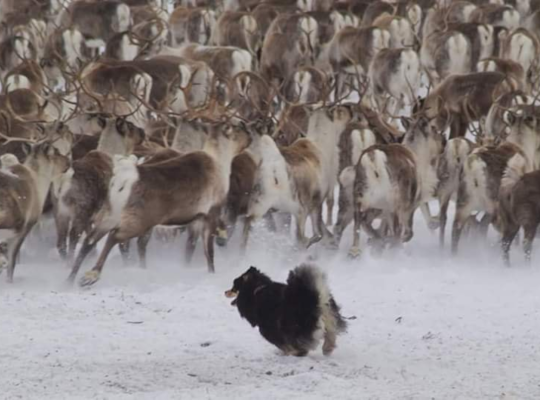
“About The Breed | Lumikoira Lapphunds” from www.lumikoiralapphunds.com and used with no modifications.
The Heritage of Reindeer Herding
For centuries, Finnish Lapphunds have been the loyal companions of the Sami people, a semi-nomadic group residing in the Arctic regions of Finland, Sweden, and Russia. These dogs were primarily bred for herding reindeer, a task that required intelligence, agility, and a unique set of skills. The relationship between the Sami people and their dogs was symbiotic; the dogs provided protection and assistance, while the people offered shelter and sustenance.
The harsh Arctic environment demanded that the Finnish Lapphunds be resilient. They needed to withstand freezing temperatures and navigate snowy terrains. As a result, the breed developed a thick, weather-resistant coat and a robust constitution. Their ability to adapt to these conditions made them invaluable to the Sami people, who relied heavily on reindeer for their livelihood.
“Finnish Lapphunds are not just herders; they are guardians and companions, woven into the very fabric of the Sami culture.”
Their herding duties involved more than just moving the reindeer from one place to another. Finnish Lapphunds had to be vigilant and protective, ensuring that the herd remained safe from predators. They also needed to be gentle yet assertive, maintaining control over the reindeer without causing them stress or harm.
Origins and Background of the Finnish Lapphund
The Role of the Sami People in Development
The development of the Finnish Lapphund is closely tied to the Sami people, who have inhabited the Lapland region for thousands of years. These indigenous people were among the first to domesticate dogs for specific tasks, with herding being one of the most critical. The Sami’s semi-nomadic lifestyle required a dog that could travel long distances, work tirelessly, and withstand extreme weather conditions.
Through selective breeding, the Sami people enhanced the traits they needed most in their dogs. Intelligence, endurance, and a strong herding instinct were prioritized, resulting in a breed perfectly suited for their needs. The Finnish Lapphund became an integral part of Sami life, not just as a working dog but as a family member and cultural symbol.
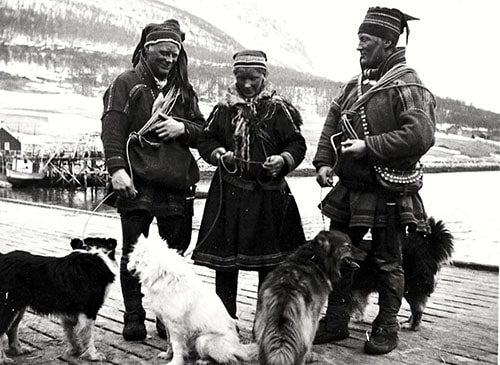
“History – ARMAHANI FINNISH LAPPHUNDS” from www.armahani.com and used with no modifications.
Initial Purpose as Reindeer Herders
Herding reindeer is no easy task. It requires a dog that is both brave and cautious, able to manage large herds while avoiding unnecessary confrontations. Finnish Lapphunds excelled in this role due to their innate ability to understand and anticipate the movements of the reindeer. They used their barking strategically, guiding the herd with precision and care.
Their role extended beyond herding. Finnish Lapphunds also served as protectors, warding off predators like wolves and bears. Their presence was a deterrent, and their courage ensured the safety of both the reindeer and their human companions.
Adaptations for Arctic Climates
Surviving in the Arctic requires more than just a thick coat. Finnish Lapphunds have developed several adaptations that make them perfectly suited for cold climates. Their double-layered coat is not only thick but also water-repellent, providing insulation against snow and rain. Their compact, muscular build allows them to move swiftly through deep snow, maintaining agility and speed.
Moreover, their paws are designed to grip icy surfaces, preventing slips and falls. This combination of physical traits makes the Finnish Lapphund an exceptional breed for Arctic conditions, capable of enduring the challenges posed by such an unforgiving environment.
The Startle Reflex: A Unique Trait
One of the most intriguing traits of the Finnish Lapphund is their startle reflex. This reflex is not a sign of fear but rather a survival mechanism. It allows the dog to react quickly to sudden changes in their environment, an essential skill when herding reindeer. The startle reflex helps them avoid potential dangers and maintain control over the herd. If you’re interested in learning about other herding breeds, check out this comparison with the Border Collie.
This reflex also contributes to their alertness and vigilance, making them excellent watchdogs. While they are generally calm and friendly, Finnish Lapphunds remain ever-watchful, ready to respond to any perceived threat. This combination of gentleness and alertness makes them both loving companions and effective protectors. If you’re considering adopting a Finnish Lapphund, you might also want to explore Borzoi adoption for a similar protective and gentle breed.
Physical Characteristics and Temperament
Coat and Weather Resistance
The Finnish Lapphund’s coat is one of its most distinctive features. It consists of a dense undercoat and a longer, harsher outer coat. This double-layered structure provides exceptional protection against cold and wet conditions, ensuring the dog remains warm and dry even in the harshest weather.
Regular grooming is essential to maintain the coat’s health and appearance. Brushing helps remove loose hair and prevent matting, while also distributing natural oils that keep the coat shiny and healthy. Despite their thick fur, Finnish Lapphunds do not require excessive grooming, making them relatively low-maintenance in this regard.
Their coat colors vary, with shades ranging from black and brown to cream and white. This variety adds to their visual appeal, making each Finnish Lapphund unique in appearance. For those interested in exploring other unique breeds, consider the Korat cat, known for its rarity and distinct characteristics.
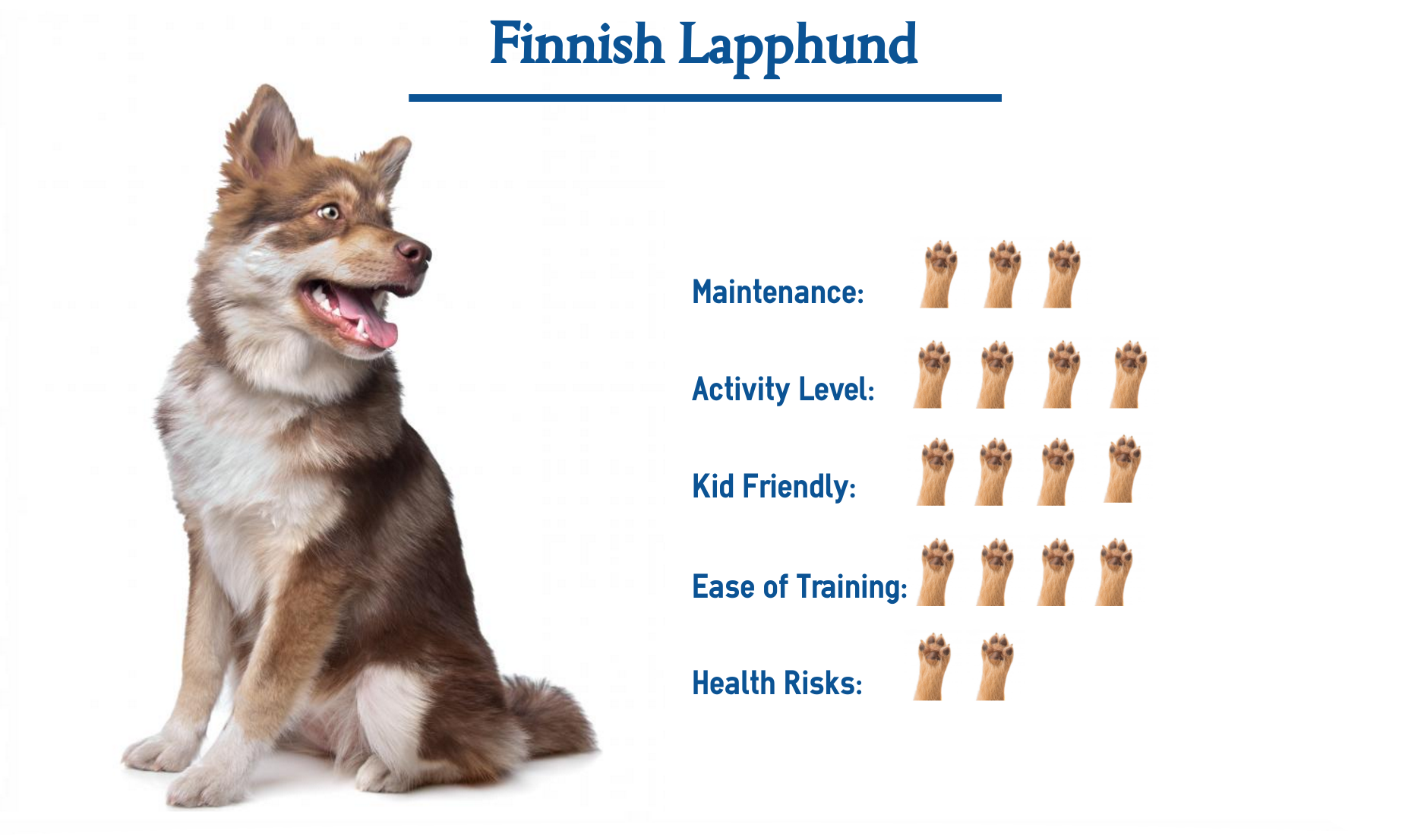
“Finnish Lapphund Dog Breed… Everything …” from indulgeyourpet.com and used with no modifications.
Behavioral Traits and Temperament
Finnish Lapphunds are known for their friendly and gentle nature. They form strong bonds with their families and are particularly good with children. Their patience and tolerance make them ideal family pets, capable of adapting to various household dynamics. For more information on their characteristics, you can explore this Finnish Lapphund dog breed guide.
However, their herding instincts can sometimes manifest in household behavior. They may attempt to herd small children or other pets, a behavior that can be managed with proper training and socialization. Their intelligence and eagerness to please make them highly trainable, responding well to positive reinforcement techniques.
While generally calm, Finnish Lapphunds are also known for their barking tendencies. This trait stems from their herding background, where barking was an essential tool for guiding and controlling the herd. While this can be managed through training, potential owners should be prepared for a vocal dog.
“A well-trained Finnish Lapphund is a joy to have around, offering both companionship and protection.”
Barking Tendency and Herding Instincts
Finnish Lapphunds are known for their barking tendencies, a trait deeply rooted in their herding background. Barking was an essential tool for these dogs when managing reindeer herds, helping them to communicate with the animals and guide them effectively. While this trait can be endearing, it can also be a challenge for owners unprepared for a vocal pet. If you’re considering other herding breeds, you might want to explore the Border Collie adoption guide for a comparison.
To manage their barking, it’s crucial to provide Finnish Lapphunds with plenty of mental and physical stimulation. Training and socialization from an early age can help channel their natural instincts into more desirable behaviors. Consistent routines and positive reinforcement are key to reducing excessive barking and ensuring a well-behaved companion.
Comparisons to Wolves in Appearance
Finnish Lapphunds bear a striking resemblance to wolves, a characteristic that adds to their allure. Their thick double coat, pointed ears, and bushy tail are reminiscent of their wild ancestors. This resemblance is not just superficial; it speaks to the breed’s ancient lineage and adaptability to harsh environments.
Their wolf-like appearance is complemented by their keen senses and alert demeanor. Finnish Lapphunds are highly observant, constantly aware of their surroundings, much like their wild counterparts. This vigilance makes them excellent watchdogs, always ready to alert their owners to any potential threats.
Despite their wolf-like appearance, Finnish Lapphunds are incredibly gentle and friendly. They form strong bonds with their families and are known for their loyalty and affection. This combination of wild beauty and domestic devotion makes them a unique and captivating breed. For more detailed information on their health and care, you can refer to PetMD’s guide on Finnish Lapphunds.
- Thick, double-layered coat similar to wolves.
- Pointed ears and bushy tail enhance their wild appearance.
- Keen senses and alert demeanor reflect their ancient lineage.
Comparison to Similar Breeds
When comparing Finnish Lapphunds to similar breeds, it’s essential to understand both the differences and commonalities. This helps potential owners make informed decisions and appreciate the unique qualities of each breed.
Differences and Commonalities with Chow Chows
Chow Chows and Finnish Lapphunds share some physical traits, such as a thick coat and a sturdy build. However, their temperaments differ significantly. Chow Chows tend to be more reserved and independent, while Finnish Lapphunds are known for their friendly and sociable nature. This difference in temperament makes Finnish Lapphunds more suitable for families with children or other pets.
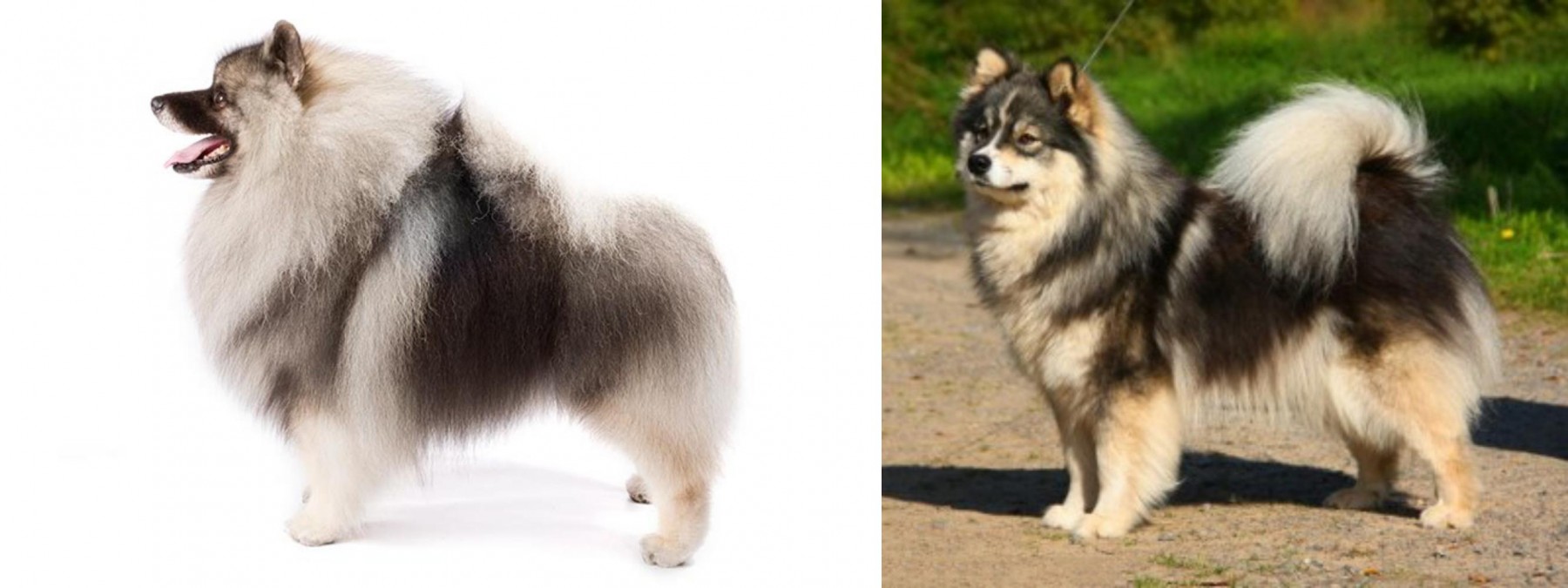
“Keeshond vs Finnish Lapphund – Breed …” from www.mydogbreeds.com and used with no modifications.
Contrasting with Keeshonds
Keeshonds and Finnish Lapphunds both belong to the Spitz family, sharing traits like a fluffy coat and a curled tail. However, Keeshonds are often more energetic and require more exercise to keep them happy and healthy. Finnish Lapphunds, on the other hand, are slightly more laid-back, making them a better fit for owners seeking a calmer companion.
Both breeds are highly intelligent and trainable, but Finnish Lapphunds may require more attention to manage their herding instincts. Owners of Keeshonds and Finnish Lapphunds should be prepared for regular grooming to maintain their coats in top condition.
“While both Keeshonds and Finnish Lapphunds are loving and loyal, the latter may be better suited for families seeking a more relaxed yet attentive pet.”
When choosing between these breeds, consider your lifestyle and the level of activity you can provide. Both breeds thrive in environments where they receive plenty of attention and stimulation. If you’re interested in exploring other herding breeds, check out this guide on Border Collie adoption and care.
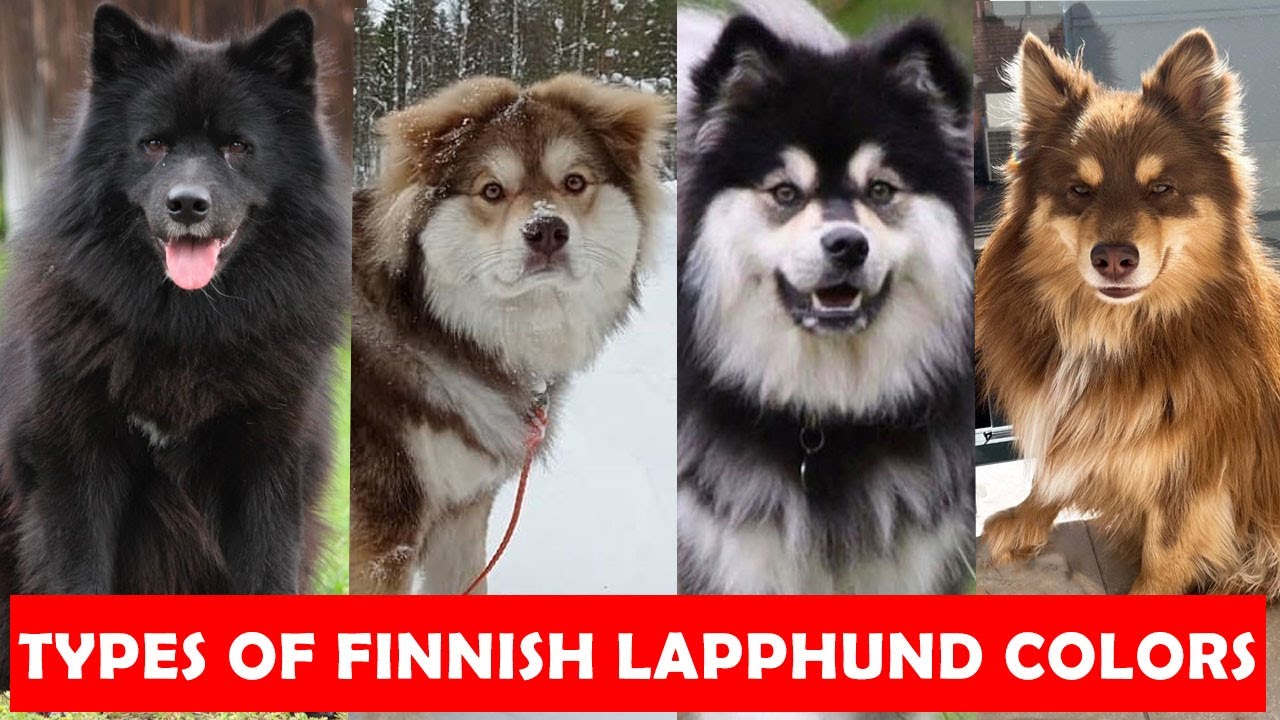
“Finnish Lapphund Colors …” from www.youtube.com and used with no modifications.
Comparison with Euasiers
- Euasiers and Finnish Lapphunds both have thick, luxurious coats.
- Euasiers are generally more reserved compared to the outgoing Finnish Lapphunds.
- Both breeds are known for their loyalty and make excellent family pets.
Euasiers, like Finnish Lapphunds, require regular grooming to keep their coats healthy. They are also intelligent and trainable, responding well to positive reinforcement. However, Finnish Lapphunds may be more vocal, requiring owners to manage their barking tendencies effectively.
Ultimately, both breeds are excellent companions, but Finnish Lapphunds may be better suited for families looking for a more interactive and engaging pet.
Training and Maintenance
Training and maintaining a Finnish Lapphund requires dedication and consistency. These dogs are intelligent and eager to learn, making them highly trainable with the right approach.
Tips for Effective Training
Start training your Finnish Lapphund as early as possible. Puppy training classes are an excellent way to begin, providing socialization and basic obedience skills. Use positive reinforcement techniques, such as treats and praise, to encourage desired behaviors. Consistency is key, so establish a routine and stick to it.
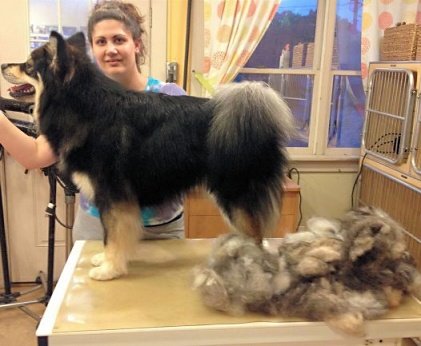
“Lapphund Grooming — Finnish Lapphund …” from www.finnishlapphund.org and used with no modifications.
Grooming Requirements
Finnish Lapphunds have a dense double coat that requires regular grooming to prevent matting and maintain its health. Brush their coat at least once a week, more often during shedding seasons. Regular grooming helps reduce shedding and keeps your home cleaner. For more detailed care tips, you can refer to this Finnish Lapphund health and care guide.
- Brush the coat weekly to prevent matting.
- Increase grooming frequency during shedding seasons.
- Check ears and trim nails regularly to maintain overall health.
In addition to brushing, check your Finnish Lapphund’s ears regularly for signs of infection and trim their nails as needed. Regular grooming not only keeps your dog looking their best but also promotes good health and hygiene.
Proper grooming is essential for Finnish Lapphunds, as their thick coat can become uncomfortable if not maintained. Regular grooming sessions also provide an opportunity to bond with your dog and reinforce positive behaviors.
Exercise Needs and Activities
Finnish Lapphunds are moderately active dogs that require daily exercise to stay healthy and happy. Aim for at least an hour of physical activity each day, which can include walks, playtime, or dog sports. These activities help channel their energy and prevent boredom-related behaviors.
Popularity and Rarity
- Highly popular in Nordic countries, especially Finland.
- Recognized by the American Kennel Club in 2011.
- Considered rare outside of their native regions.
While Finnish Lapphunds are beloved in their native Nordic countries, they remain relatively rare elsewhere. Their unique traits and history make them a fascinating breed for enthusiasts, but their rarity can make finding a reputable breeder challenging.
Despite their rarity, Finnish Lapphunds have gained recognition from major kennel clubs, including the American Kennel Club, which accepted the breed in 2011. This recognition has helped increase their popularity among dog lovers seeking a distinctive and loyal companion.
For those interested in owning a Finnish Lapphund, it’s essential to research breeders carefully and ensure you’re prepared for the responsibilities of caring for this unique and engaging breed. If you’re a first-time owner, you might find this guide for first-time owners helpful in understanding the commitment involved.
Popularity in Nordic Countries
In Nordic countries, the Finnish Lapphund enjoys significant popularity, particularly in Finland. Here, the breed is cherished not only for its working capabilities but also for its role as a family companion. The Finnish Lapphund is seen as a symbol of cultural heritage, with its history deeply rooted in the traditions of the Sami people.
These dogs are highly regarded for their versatility and adaptability, making them suitable for various lifestyles and environments. Their friendly demeanor and gentle nature have made them a favorite among families, especially those with children. The Finnish Lapphund’s ability to form strong bonds with its human companions has further cemented its status as a beloved breed in the region.
Despite their popularity in Nordic countries, Finnish Lapphunds remain relatively unknown outside these areas. This is partly due to their specific breeding history and the unique environmental conditions they were developed to thrive in. However, as awareness of the breed grows, so too does interest from dog enthusiasts around the world.
- Highly valued in Finland for cultural and historical significance.
- Known for adaptability and suitability as family pets.
- Growing international interest despite regional popularity.
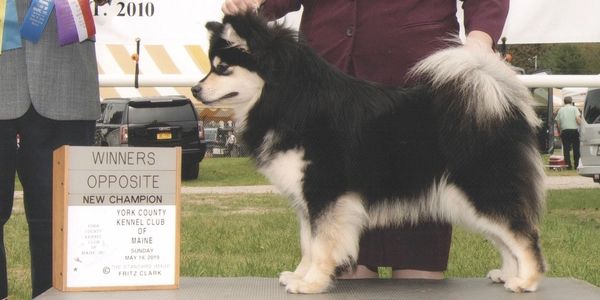
“Our Lapphunds” from midnightwhitesiberians.com and used with no modifications.
Acceptance by Kennel Clubs and Global Rarity
The Finnish Lapphund was recognized by the American Kennel Club (AKC) in 2011, a milestone that has helped increase the breed’s visibility and appeal to dog lovers worldwide. This recognition signifies the breed’s adherence to specific standards and highlights its unique qualities, such as its intelligence, loyalty, and herding abilities.
Globally, Finnish Lapphunds are considered rare, which can make finding a reputable breeder a challenge for potential owners. This rarity, however, adds to the allure of the breed, attracting those who appreciate its history and distinct characteristics. Prospective owners should conduct thorough research and ensure they are prepared for the responsibilities that come with owning such a unique dog.
Suitability for Novice Owners
For novice dog owners, the Finnish Lapphund can be both a rewarding and challenging choice. On one hand, their friendly and gentle nature makes them excellent companions, particularly for families with children. They are known for their loyalty and ability to form strong bonds with their human companions.
On the other hand, Finnish Lapphunds require consistent training and socialization to manage their natural herding instincts and barking tendencies. Novice owners must be prepared to invest time and effort into training, ensuring their dog becomes a well-behaved and well-adjusted member of the family.
Considerations for First-Time Dog Owners
First-time dog owners considering a Finnish Lapphund should evaluate their lifestyle and ability to meet the breed’s needs. These dogs thrive in environments where they receive plenty of mental and physical stimulation. Regular exercise, training sessions, and socialization opportunities are essential for their well-being.
It’s also important for new owners to understand the grooming requirements of a Finnish Lapphund. While not overly demanding, regular brushing is necessary to maintain their coat’s health and appearance. Being prepared for these responsibilities can help ensure a positive experience for both the owner and the dog.
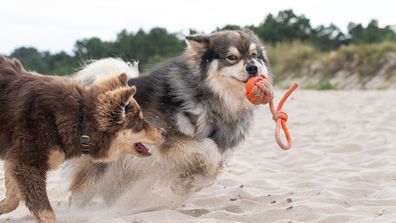
“Finnish Lapphund dogs …” from honey.nine.com.au and used with no modifications.
Balancing High Energy and Friendliness
Finnish Lapphunds are energetic dogs that require daily exercise to stay healthy and happy. Balancing their high energy levels with their friendly and sociable nature is key to ensuring they thrive in a home environment. Activities like walks, playtime, and dog sports provide the physical and mental stimulation they need.
Engaging in these activities not only keeps Finnish Lapphunds physically fit but also strengthens the bond between the dog and its owner. By understanding and meeting their needs, owners can enjoy a rewarding relationship with their Finnish Lapphund.
Frequently Asked Questions (FAQ)
Here are some common questions about Finnish Lapphunds, providing insights into their behavior, care, and suitability as pets.
Are Finnish Lapphunds good with children?
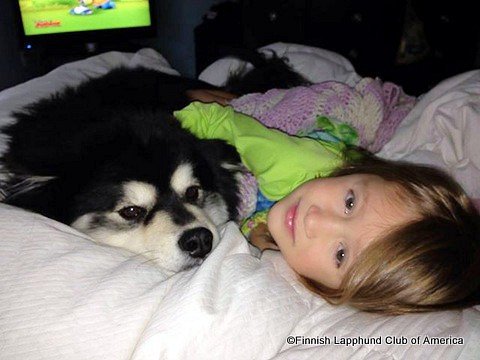
Yes, Finnish Lapphunds are known for their gentle and friendly nature, making them excellent companions for children. They are patient and tolerant, which helps them interact well with kids. However, as with any dog breed, it’s important to supervise interactions between dogs and young children to ensure safety and mutual respect.
Training and socialization from an early age can further enhance a Finnish Lapphund’s ability to get along with children, making them a wonderful addition to family life.
“Living with a Lappy — Finnish Lapphund …” from www.finnishlapphund.org and used with no modifications.
How much exercise does a Finnish Lapphund need daily?
Finnish Lapphunds require at least an hour of exercise each day to maintain their physical and mental well-being. This can include walks, playtime, or participation in dog sports. Regular exercise helps prevent boredom and associated behavioral issues, ensuring a happy and healthy dog.
What type of environment is suitable for a Finnish Lapphund?
Finnish Lapphunds are adaptable and can thrive in various environments, provided they receive adequate exercise and mental stimulation. They do well in homes with access to a yard where they can play and explore. However, they can also adapt to apartment living if their exercise needs are met through regular walks and activities.
Can a Finnish Lapphund live in warmer climates?
While Finnish Lapphunds are bred for cold climates, they can adapt to warmer environments with proper care. It’s important to provide them with access to shade and fresh water, especially during hot weather. Regular grooming helps manage their thick coat and prevent overheating.
Owners should monitor their dog’s behavior during hot weather and avoid strenuous activities during peak temperatures to ensure their comfort and safety. For those interested in learning more about specific breeds and their behavior, you might find the Borzoi’s history and training particularly fascinating.
How does their herding instinct affect household behavior?
The herding instinct of Finnish Lapphunds can sometimes manifest in household behavior, such as attempting to herd children or other pets. This behavior is a natural part of their instinct but can be managed through training and socialization.
By providing clear boundaries and consistent training, owners can channel their dog’s herding instincts into positive behaviors. Engaging in activities that simulate herding, like agility courses or obedience training, can help satisfy their natural drive.
Overall, Finnish Lapphunds are a unique and captivating breed, offering a blend of loyalty, intelligence, and cultural heritage. With the right care and training, they make wonderful companions for families and individuals alike.