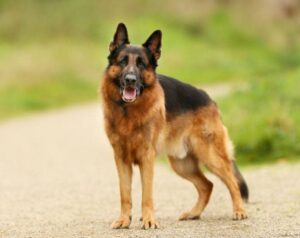
Key Takeaways on Harrier Dog Breed
- Harriers originated as scent hounds for hunting hares, boasting a rich history dating back to medieval times.
- The breed is known for its exceptional stamina, making it a great fit for active families.
- While not as popular as other breeds, Harriers are cherished for their friendly and outgoing nature.
- Training Harriers requires consistency and patience, but they are generally easy to train due to their intelligence.
- Harriers are suitable for first-time dog owners, but they need plenty of exercise and mental stimulation.
The Fascinating World of Harriers
Harriers are a breed of dog that captivates with their rich history and unique characteristics. They are not just any dogs; they are a blend of intelligence, stamina, and friendliness. These traits make them a beloved choice for those who understand and appreciate their needs. Let me guide you through the intriguing world of Harriers, unraveling their origins, purpose, and how they can be the perfect addition to your family.
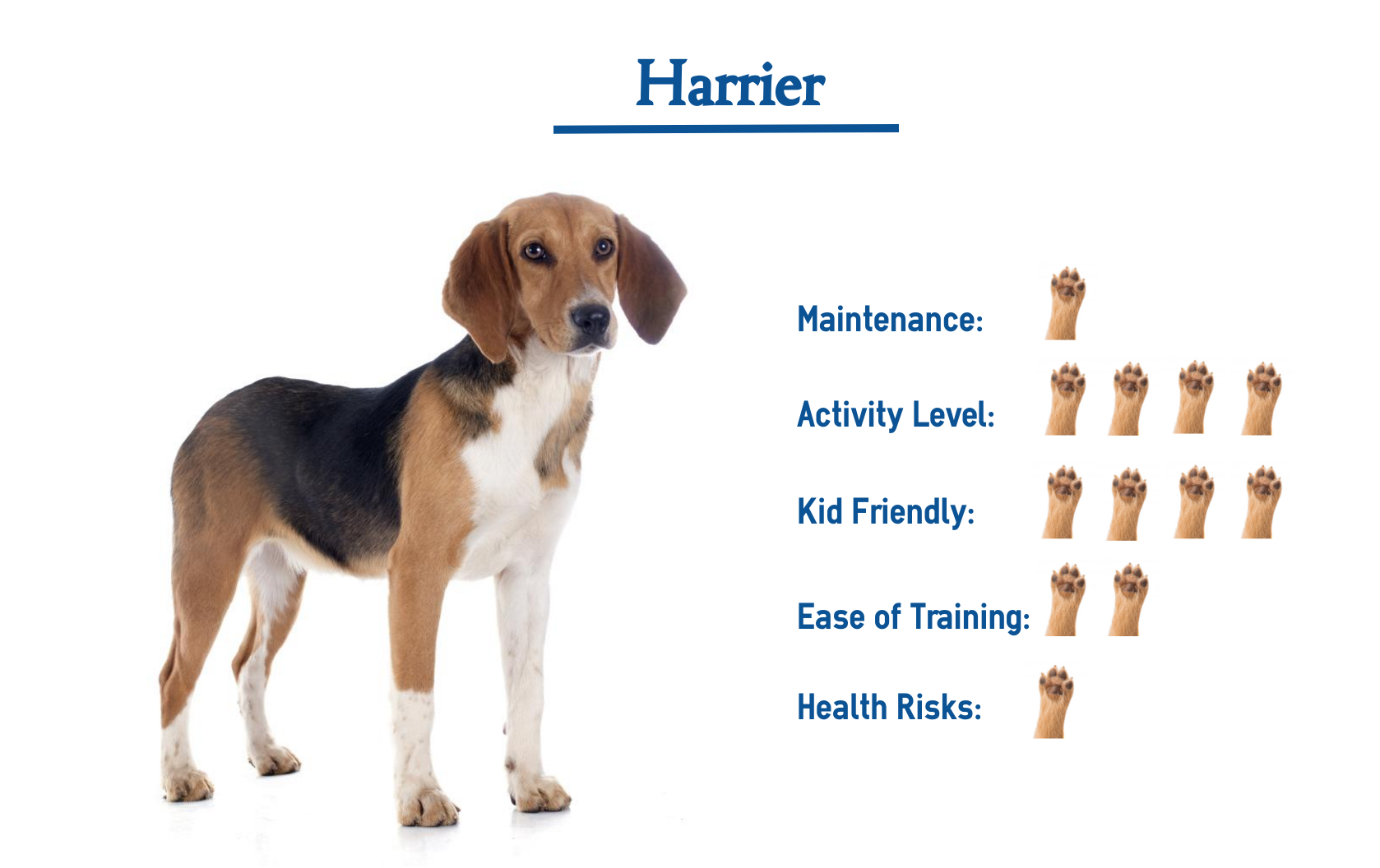
“Harrier Dog Breed Information …” from dogtime.com and used with no modifications.
Overview of Harrier’s Unique Traits
The Harrier is a medium-sized dog that resembles a large Beagle. They are known for their keen sense of smell and remarkable endurance. This breed is incredibly energetic, requiring plenty of physical activity to keep them happy and healthy. Their short, dense coat is easy to maintain, which is a plus for those who prefer low-maintenance grooming.
How Harriers Fit Into a Modern Home
In today’s fast-paced world, Harriers can be a perfect fit for active families who enjoy spending time outdoors. Their playful nature and affectionate demeanor make them excellent companions for children and adults alike. However, they do have some specific needs that must be met to ensure they thrive in a home environment.
- Daily exercise is a must. Consider activities like hiking, running, or playing fetch to keep them engaged.
- Provide mental stimulation through puzzle toys or training sessions to prevent boredom.
- Ensure a secure yard as Harriers have a strong instinct to wander and explore.
By meeting these needs, you can ensure your Harrier remains a happy and well-adjusted member of the family.
Origins and Historical Purpose of Harriers
The history of the Harrier is as fascinating as the breed itself. These dogs were originally bred for hunting hares, a task they excelled at due to their acute sense of smell and boundless energy. The breed’s development can be traced back to medieval England, where they were highly valued for their hunting prowess.
Ancient Beginnings and Development
The Harrier’s ancestry is believed to include a mix of Bloodhounds, Foxhounds, and possibly Greyhounds. This combination resulted in a dog with exceptional tracking abilities and a robust physique. Over the centuries, Harriers have maintained their status as skilled hunters, though today they are more commonly found as loyal family pets.
:strip_icc()/GettyImages-961478094-875c94e494dd4dd4b21fc7c18639fa03.jpg)
“Harrier: Dog Breed Characteristics & Care” from www.thesprucepets.com and used with no modifications.
The Role of Harriers in Hunting
Harriers were specifically bred to hunt hares by scent, often working in packs to track and chase their quarry. Their stamina and determination made them invaluable to hunters, and their ability to work well with other dogs only added to their appeal. This hunting heritage is still evident in their behavior today, as they often exhibit a strong prey drive and a love for exploring.
The Evolution of the Breed Over Centuries
Throughout history, the Harrier has evolved to adapt to changing roles and environments. While they are no longer primarily used for hunting, their traits have made them versatile companions in various settings. Their enduring appeal lies in their friendly nature, intelligence, and adaptability, making them a cherished breed among dog enthusiasts.
Naming and Significance of the Harrier
The name “Harrier” is steeped in history and significance, reflecting the breed’s original purpose and enduring legacy. Understanding the etymology and cultural importance of the name provides insight into why these dogs continue to be respected and admired.
Etymology of “Harrier”
The term “Harrier” is derived from the word “hare,” highlighting the breed’s primary function as a hare hunter. This straightforward yet evocative name has stood the test of time, continuing to evoke the breed’s hunting prowess and historical roots.
Cultural and Historical Importance of the Name
Beyond its etymological roots, the name “Harrier” carries cultural and historical significance. It speaks to the breed’s esteemed role in hunting circles and its reputation as a dedicated and reliable working dog. Even as their role has shifted over the years, Harriers remain a symbol of resilience and skill.
Popularity vs. Rarity
Despite their many appealing qualities, Harriers are not as commonly found as some other breeds. This rarity can be attributed to several factors, including their specific needs and the niche nature of their original purpose. However, for those who appreciate the breed, Harriers are a hidden gem.
Current Popularity of Harriers Worldwide
Harriers are most popular in regions where hunting with hounds remains a tradition. In countries like the United Kingdom and the United States, they are cherished by those who understand and can meet their needs. However, their popularity is not as widespread as breeds like the Bouvier des Flandres or German Shepherd.
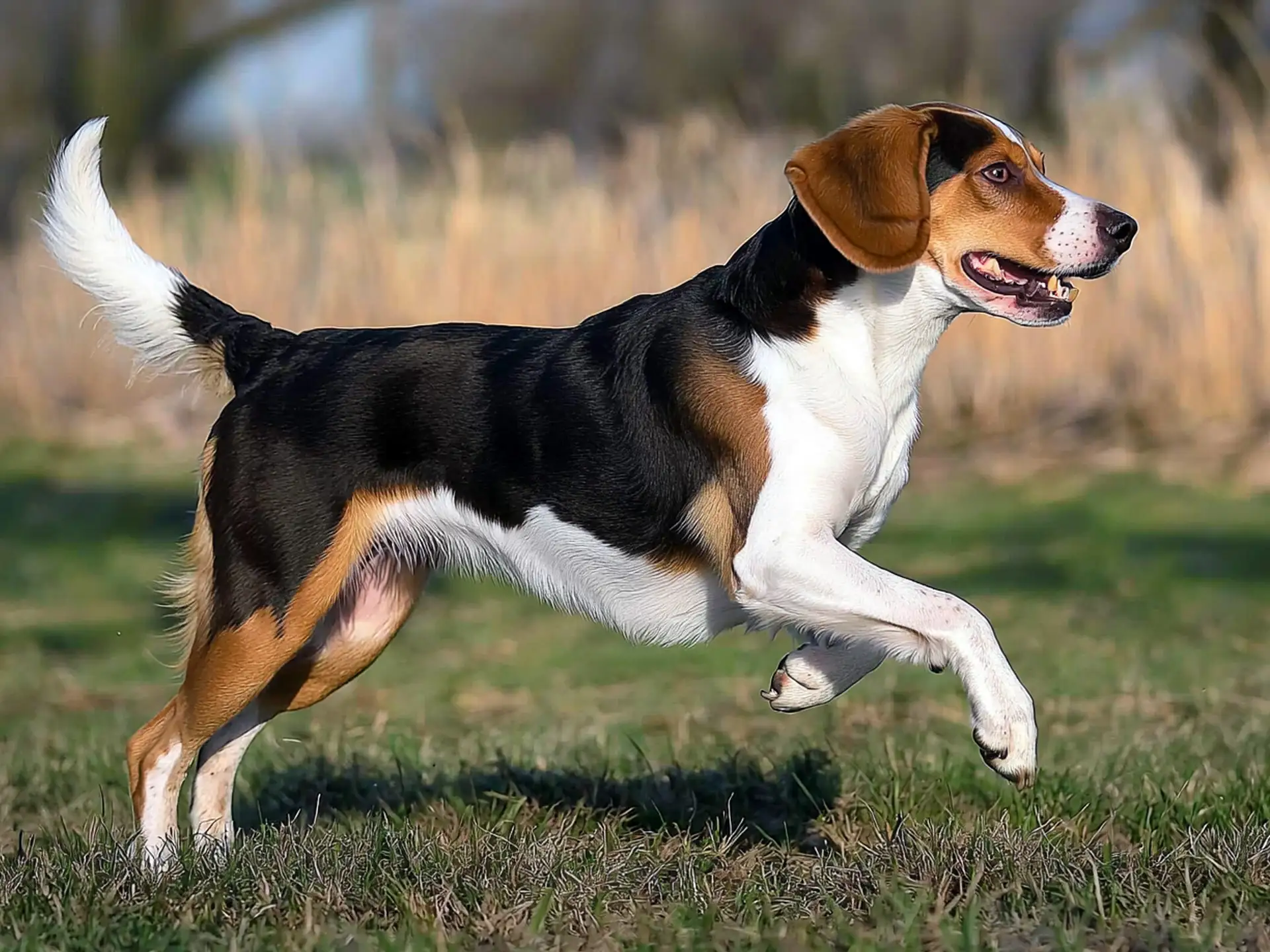
“Hound for Hunters” from www.dogpackapp.com and used with no modifications.
Reasons for Rarity in Some Regions
Despite their admirable traits, Harriers are not as commonly seen as some other breeds. One reason for this rarity is their specific exercise and space needs, which may not suit urban living. Harriers thrive in environments where they can explore and expend their energy, making them less ideal for apartment dwellers.
Additionally, Harriers’ strong hunting instincts can pose challenges in households with smaller pets. This trait, while beneficial in their original role, may require careful management and training in a domestic setting. Therefore, potential owners must be prepared to invest time in training and providing appropriate outlets for their instincts.
Another factor contributing to their rarity is the limited awareness and understanding of the breed. Unlike more popular breeds, Harriers often fly under the radar, which can lead to misconceptions about their temperament and care requirements. As a result, they are more likely to be found in niche communities that appreciate their unique qualities.
Public Perception and Awareness
Public perception plays a significant role in the popularity of dog breeds. Unfortunately, Harriers are often overshadowed by their more famous relatives, such as Beagles and Foxhounds. This lack of visibility can lead to misconceptions about their behavior and suitability as pets.
Raising awareness about Harriers’ friendly and adaptable nature is essential to changing public perception. By highlighting their positive traits and addressing potential concerns, enthusiasts can help more people discover the joys of owning a Harrier. This can be achieved through community outreach, breed-specific events, and sharing personal stories of Harrier ownership.
Training Your Harrier
Training is a crucial aspect of owning a Harrier, as it helps channel their energy and intelligence in positive ways. With the right approach, training can be an enjoyable and rewarding experience for both the dog and the owner. Consistency and patience are key to success, as Harriers respond well to positive reinforcement and structured routines. If you’re interested in other breeds with similar training needs, consider exploring the Boykin Spaniel for comparison.
Training Techniques for Harrier Puppies
Starting training early is vital for Harrier puppies. Basic obedience training should begin as soon as they join your family, focusing on commands like “sit,” “stay,” and “come.” Positive reinforcement, such as treats and praise, works wonders in encouraging desired behaviors.
Socialization is equally important, as it helps Harrier puppies become well-rounded adults. Exposing them to various environments, people, and other animals will build their confidence and reduce the likelihood of behavioral issues later on. Puppy classes can be an excellent way to combine socialization with training.
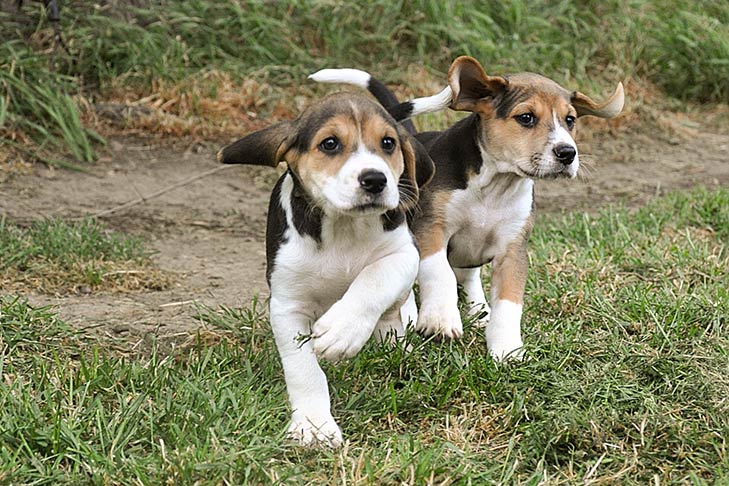
“Harrier Dog Breed Information” from www.akc.org and used with no modifications.
Overcoming Common Behavioral Challenges
Like any breed, Harriers may present specific behavioral challenges. Their strong prey drive can lead to chasing behaviors, which may require management and redirection. Teaching a reliable recall command is essential to ensure their safety when off-leash.
Harriers are also known for their vocal nature, which can be managed through training and providing ample physical and mental stimulation. Boredom can lead to excessive barking, so it’s crucial to keep them engaged with activities that challenge their minds and bodies.
Importance of Consistent Training
Consistency in training is crucial for maintaining a well-behaved Harrier. Regular training sessions help reinforce learned behaviors and prevent the development of bad habits. It’s essential to remain patient and persistent, as Harriers may occasionally test boundaries. For those considering a new pet, understanding the traits of different breeds can be beneficial.
Incorporating training into daily routines can be beneficial. Short, frequent sessions are more effective than long, sporadic ones. By making training a part of everyday life, you can ensure your Harrier remains a well-mannered and happy companion.
Are Harriers Good Pets?
Harriers make excellent pets for the right families. Their friendly and outgoing nature makes them a joy to be around, and their intelligence and playfulness provide endless entertainment. However, prospective owners must be prepared to meet their exercise and mental stimulation needs to ensure a harmonious household.
Family Suitability and Social Traits
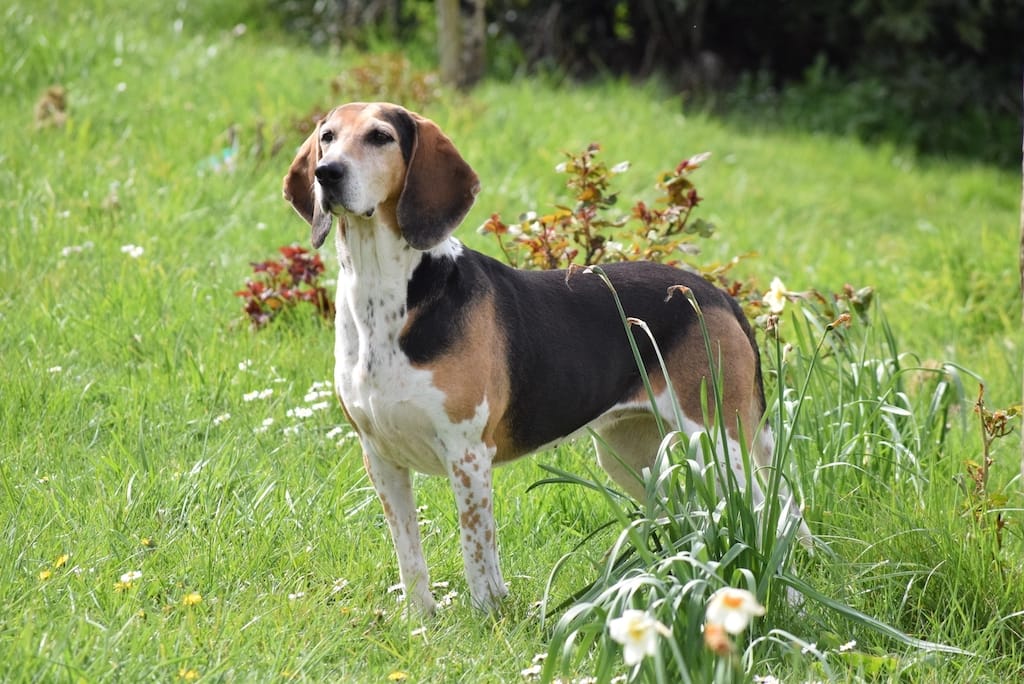
Harriers are known for their affectionate and friendly disposition, making them great companions for families with children. They are generally tolerant and patient, though supervision is always recommended during interactions with young kids. Their playful nature ensures they quickly become a beloved member of the family.
Besides that, Harriers are social animals that thrive on companionship. They enjoy being part of family activities and are happiest when included in daily life. Their pack-oriented nature means they often get along well with other dogs, though careful introductions are essential.
“Harrier: A Versatile and Engaging Breed” from dogo.app and used with no modifications.
Living Situations Best for a Harrier
Harriers are best suited to homes with ample space for them to roam and play. A secure, fenced yard is ideal, as it provides a safe environment for them to explore without the risk of wandering off. Rural or suburban settings are often more suitable than urban environments, where space can be limited.
However, with the right commitment, Harriers can adapt to various living situations. Regular exercise and mental stimulation are key to keeping them content, regardless of their living environment. Prospective owners should be prepared to dedicate time and energy to meet these needs, similar to the Bouvier des Flandres.
Ensuring Happiness and Well-being
To ensure a Harrier’s happiness and well-being, it’s crucial to provide a balanced lifestyle that includes physical activity, mental challenges, and social interaction. Regular veterinary care and a nutritious diet are also essential components of their overall health. For a comparison of different breeds, you might find this breed comparison helpful.
Most importantly, a loving and attentive home environment is key to a Harrier’s happiness. By understanding and meeting their needs, you can ensure your Harrier thrives and becomes a cherished member of your family. If you’re considering other breeds, you might want to explore the Boykin Spaniel’s traits as well.
First-Time Owners and Harriers
Harriers can be a great choice for first-time dog owners, provided they are prepared to meet the breed’s specific needs. Their friendly and adaptable nature makes them easy to bond with, and their intelligence makes training a rewarding experience. However, potential owners should be aware of the commitment required to ensure a happy and healthy Harrier.
First-time owners should consider the following:
- Be prepared to invest time in training and socialization to prevent behavioral issues.
- Ensure a secure environment to prevent wandering and chasing behaviors.
- Provide ample exercise and mental stimulation to keep them engaged and content.
By understanding these requirements, first-time owners can successfully welcome a Harrier into their home and enjoy a fulfilling relationship with their new furry friend.

“Harrier Dog Advantages …” from m.youtube.com and used with no modifications.
Pros and Cons for New Dog Owners
There are several pros and cons to consider when deciding if a Harrier is the right choice for a new dog owner. On the positive side, their friendly nature and adaptability make them easy to bond with. They are also intelligent and responsive to training, which can be a rewarding experience for novice owners.
However, their high energy levels and exercise needs can be challenging for those unprepared to meet them. Additionally, their strong prey drive may require extra management, particularly in homes with smaller pets. By carefully considering these factors, new dog owners can make an informed decision about whether a Harrier is the right fit for their lifestyle.
Veteran Owners’ Insights
Veteran Harrier owners often emphasize the importance of understanding the breed’s unique needs and characteristics. Many share stories of how their Harriers brought joy and excitement to their lives, thanks to their playful and affectionate nature. Experienced owners recommend investing time in training and socialization to ensure a well-rounded dog. For those interested in exploring other breeds with similar affectionate traits, consider learning about the Brussels Griffon.
It’s also common for veteran owners to highlight the importance of exercise and mental stimulation. They often share tips on how to keep Harriers engaged, such as incorporating agility courses or scent work into their routine. These activities not only challenge their minds but also provide a healthy outlet for their energy.
Getting Started with Harrier Ownership
If you’re considering bringing a Harrier into your home, there are a few key steps to get started on the right foot. First, research the breed thoroughly to understand their needs and temperament. This will help you determine if a Harrier is the right fit for your lifestyle.
Next, prepare your home for your new furry friend. Ensure you have a secure yard and consider investing in interactive toys and puzzles to keep them entertained. Establish a routine that includes regular exercise and training sessions to set the foundation for a well-behaved and happy Harrier.
Similar Breeds: Mistaken Identities
Harriers are often confused with other breeds due to their physical appearance and hunting heritage. Understanding the differences between these breeds can help potential owners make informed decisions and avoid common misconceptions.
Two breeds commonly mistaken for Harriers are Beagles and Foxhounds. While they share some similarities, there are distinct differences that set them apart.
Beagle vs. Harrier Differences
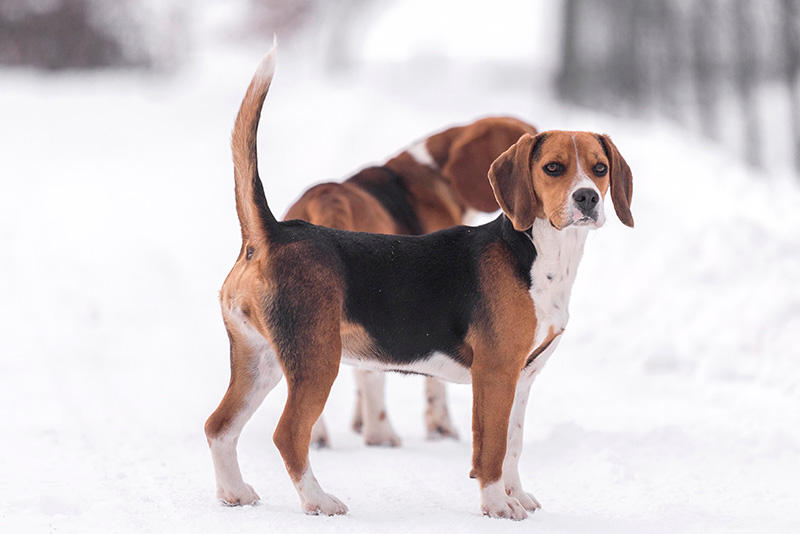
Beagles and Harriers share a similar appearance, but there are key differences to note. Harriers are generally larger and more robust than Beagles, with a height range of 19 to 21 inches compared to the Beagle’s 13 to 15 inches. This size difference is one of the most noticeable distinctions between the two breeds.
In terms of temperament, both breeds are friendly and outgoing, but Harriers tend to have a higher energy level and require more exercise. Their hunting instincts are also more pronounced, which can influence their behavior and training needs.

“Beagle 🆚 Harrier 🐶 Unveiling Diffs …” from www.youtube.com and used with no modifications.
Foxhound vs. Harrier Quick Guide
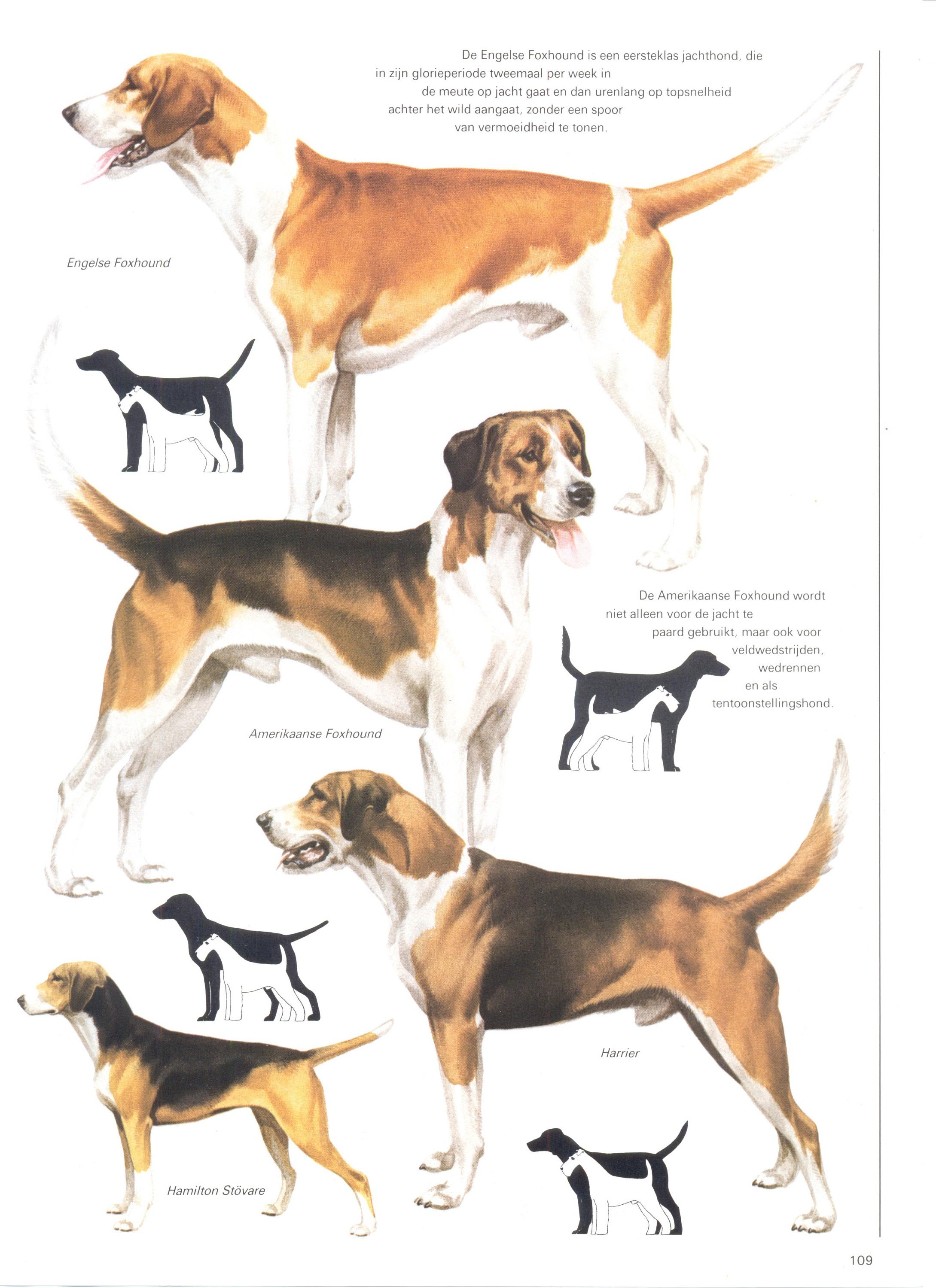
Foxhounds and Harriers are often compared due to their shared hunting backgrounds. While they are similar in size, Foxhounds are typically taller and leaner, with a more refined appearance. Harriers, on the other hand, have a more muscular build, reflecting their endurance and strength.
“Vintage Dog Print, English Foxhound …” from www.etsy.com and used with no modifications.
Visual and Behavioral Distinctions
Visually, Harriers have a broader head and shorter ears compared to Foxhounds. Behaviorally, Harriers are known for their sociable nature and adaptability, making them more suited to family life. Foxhounds, while friendly, may be more independent and less inclined to seek constant companionship. For those considering different breeds, it’s worth exploring the traits of Boykin Spaniels as they are often compared to other family-friendly breeds.
Understanding these distinctions can help potential owners choose the breed that best aligns with their lifestyle and preferences.
FAQs
For those considering a Harrier, several common questions often arise. These FAQs aim to provide clear and concise answers to help you make an informed decision. If you’re interested in exploring other breeds, you might want to read about the Brussels Griffon for comparison.
Here are some frequently asked questions about Harriers:
What is the origin of the Harrier breed?
The Harrier breed originated in England, with a history dating back to medieval times. They were developed as scent hounds specifically for hunting hares, a task they excelled at due to their keen sense of smell and stamina. Their lineage includes a mix of Bloodhounds, Foxhounds, and possibly Greyhounds, resulting in a dog with exceptional tracking abilities.
- Harriers were bred to hunt in packs, showcasing their ability to work well with other dogs.
- Their name is derived from “hare,” reflecting their original purpose.
- Over time, they have evolved into loyal family companions while retaining their hunting instincts.
How does a Harrier differ from a Beagle or other similar hounds?
- Harriers are larger and more robust than Beagles, with a height range of 19 to 21 inches.
- They require more exercise and mental stimulation due to their higher energy levels.
- Harriers have a stronger hunting instinct, which may influence their behavior and training needs.
While similar in appearance, Harriers are more muscular and have a broader head compared to Foxhounds.
Behaviorally, Harriers are known for their sociable and adaptable nature, making them well-suited to family life. For those considering a family-friendly dog breed, the Bouvier des Flandres is another excellent option.
“Harrier Dog Breed: Profile, Personality …” from bowwowinsurance.com.au and used with no modifications.
Are Harriers good for first-time dog owners?
Yes, Harriers can be a good choice for first-time dog owners, provided they are prepared to meet the breed’s specific needs. Their friendly and adaptable nature makes them easy to bond with, and their intelligence makes training a rewarding experience. However, potential owners should be aware of the commitment required to ensure a happy and healthy Harrier.
What are the exercise needs of a Harrier?
Harriers have high exercise needs due to their energetic nature and hunting heritage. They require daily physical activity, such as long walks, runs, or play sessions, to keep them happy and healthy. Providing mental stimulation through puzzle toys or training exercises is also essential to prevent boredom and destructive behaviors.
Are Harriers prone to any specific health issues?
Harriers are generally healthy dogs, but like all breeds, they can be prone to certain health issues. Common concerns include hip dysplasia, ear infections, and hypothyroidism. Regular veterinary check-ups and a balanced diet can help manage these risks and ensure a long, healthy life for your Harrier. If you’re interested in learning about other breeds with similar health considerations, you might find the Bouvier des Flandres insightful.