Key Takeaways
- The Leonberger breed originated in Germany and was developed by crossing Newfoundlands, St. Bernards, and Pyrenean Mountain Dogs.
- Owning a Leonberger can cost between $1,000 and $3,000 initially, with annual expenses around $1,500 to $2,500.
- Leonbergers are gentle, family-friendly dogs but require ample space and regular grooming due to their large size and thick coat.
- Proper socialization and training from a young age are crucial for Leonbergers to become well-behaved protective family dogs.
- Leonbergers thrive in cool climates but require special care in hot weather to prevent overheating.
All About Leonbergers: An Overview
The Leonberger is a majestic and noble breed, known for its gentle temperament and impressive size. Developed in Germany, these dogs were bred to be both working dogs and loving family companions. If you’re considering bringing a Leonberger into your home, it’s essential to understand their history, characteristics, and needs to ensure a happy and healthy life together.
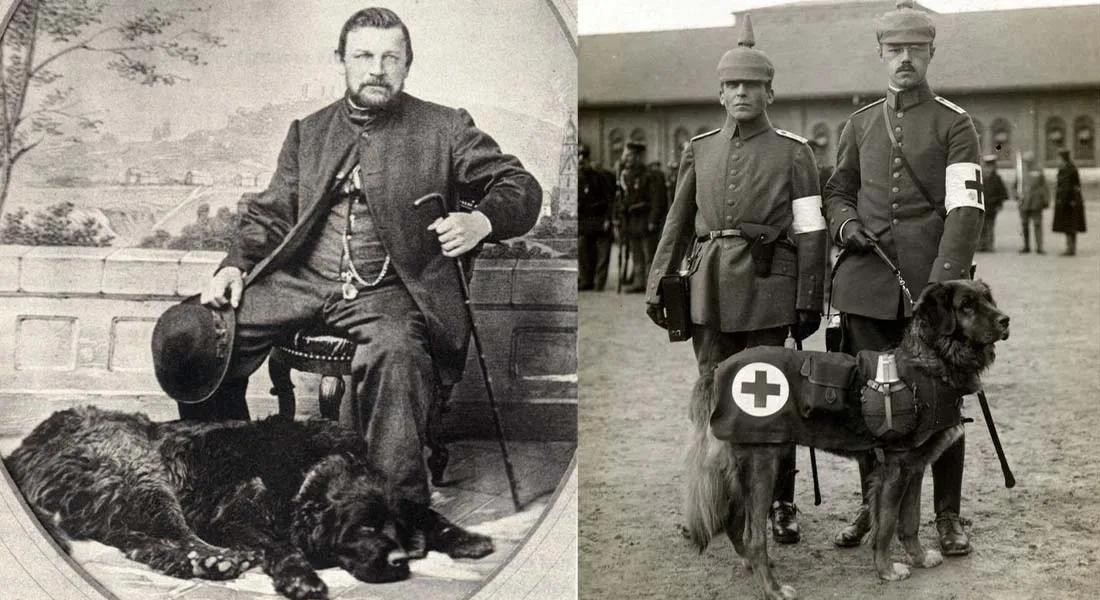
“A Brief History of the Leonberger …” from leonbergerclubofamerica.com and used with no modifications.
Historical Origins and Breed Development
The Leonberger breed traces its roots back to the mid-19th century in the town of Leonberg, Germany. Heinrich Essig, a prominent politician and dog breeder, sought to create a breed that embodied the grandeur of a lion. By crossing Newfoundlands, St. Bernards, and Pyrenean Mountain Dogs, Essig succeeded in developing the Leonberger, which quickly became popular among European royalty.

“What is a Leonberger? – Leonberger Life” from leonbergerlife.com and used with no modifications.
Specific Breeds Crossed to Create Leonbergers
The Leonberger’s impressive lineage includes the Newfoundland, St. Bernard, and Pyrenean Mountain Dog. These breeds were chosen for their size, strength, and gentle nature. The Newfoundland contributed its love for water and excellent swimming abilities, while the St. Bernard added its protective instincts and loyalty. The Pyrenean Mountain Dog brought a majestic coat and a calm demeanor, resulting in the perfect blend of traits that define the Leonberger today.
Leonberger’s Role As a Companion and Working Dog
Leonbergers were initially bred to be versatile working dogs, capable of performing various tasks such as cart pulling, water rescue, and guarding livestock. Over time, their gentle and affectionate nature made them popular family companions. Today, Leonbergers continue to excel in these roles, providing both companionship and protection to their families.
Cost Considerations for Leonberger Ownership
Owning a Leonberger comes with its financial responsibilities. From initial costs to ongoing expenses, it’s crucial to be prepared for the financial commitment involved in caring for these gentle giants.
Budgeting for Supplies and Initial Costs
When bringing a Leonberger puppy home, expect to spend between $1,000 and $3,000 for the initial purchase price from a reputable breeder or closer to $500 from a breed rescue group. Additionally, you’ll need to budget for essential supplies such as a crate, bed, food and water bowls, leash, collar, and toys. These initial expenses can add up to another $500 to $1,000.
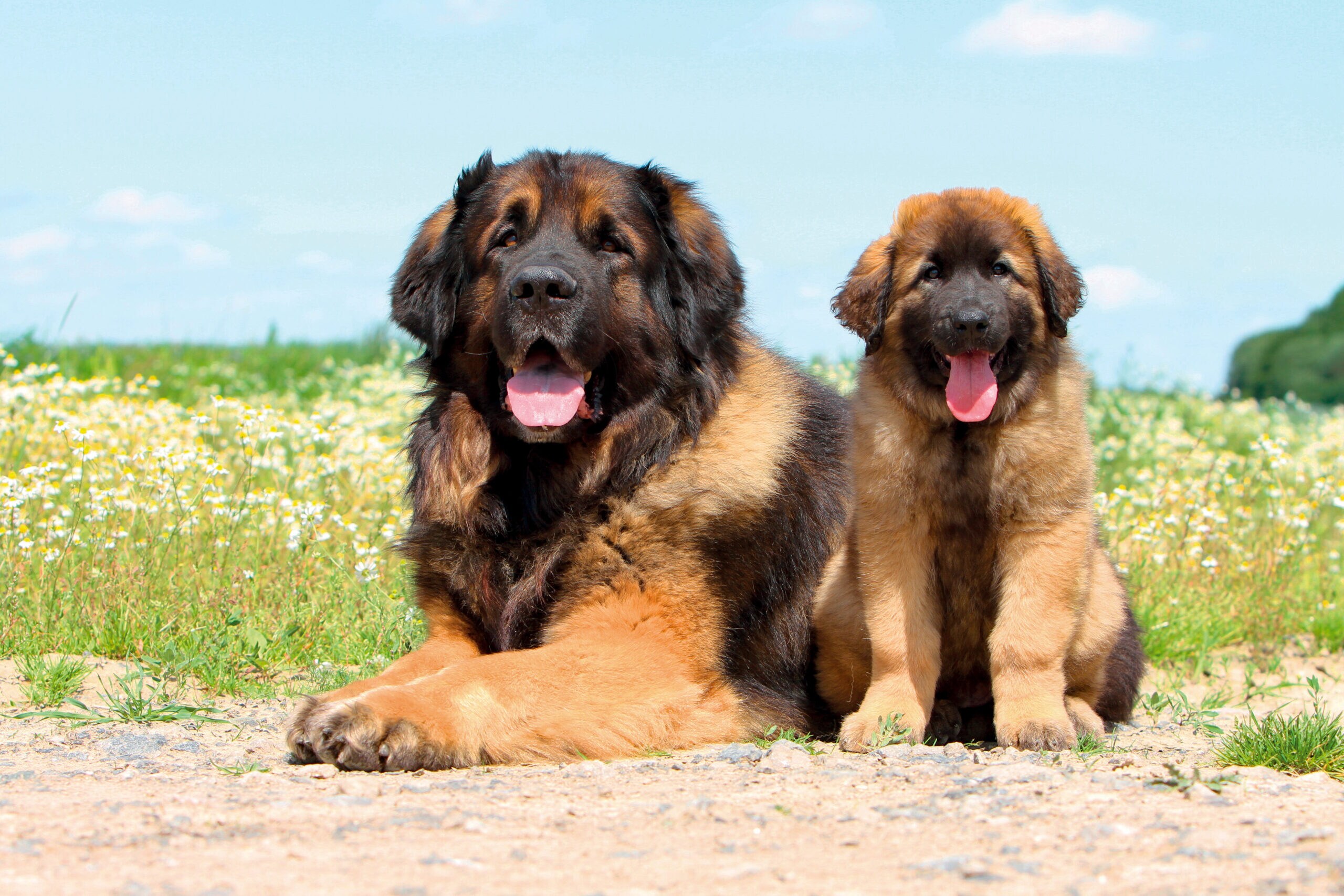
“Leonberger Breed: Characteristics, Care …” from www.chewy.com and used with no modifications.
Ongoing Costs: Food, Health Care, and More
The ongoing costs of owning a Leonberger can range from $1,500 to $2,500 annually. This includes food, regular veterinary check-ups, vaccinations, grooming, and pet insurance. Leonbergers require a high-quality diet to maintain their health and energy levels, which can be a significant portion of your annual expenses. Regular grooming is also essential due to their thick double coat, which requires frequent brushing and occasional professional grooming sessions.
Benefits and Challenges of Owning a Leonberger
Leonbergers are known for their gentle and loving nature, making them excellent family companions. However, their large size and specific needs can present challenges for potential owners. Understanding both the advantages and drawbacks of owning a Leonberger will help you make an informed decision.
:strip_icc()/breed-profile-leonberger-1117922-9bbe3ed6148f4c1480ee6632ff533614.jpg)
“Leonberger (Leo): Dog Breed …” from www.thesprucepets.com and used with no modifications.
Advantages: Family-Friendly and Loyal Companions
One of the most significant benefits of owning a Leonberger is their family-friendly nature. These dogs are known for being gentle with children and protective of their families. Their loyalty and affectionate demeanor make them excellent companions for households of all sizes. Additionally, their intelligence and eagerness to please make them relatively easy to train, provided you start early and remain consistent. For more insights on training family-friendly breeds, you might find this Briard adoption guide helpful.
Basic Obedience Training Techniques
Training a Leonberger starts with basic obedience, which lays the foundation for a well-behaved dog. Begin with simple commands like “sit,” “stay,” “come,” and “down.” Consistency is key, so practice these commands daily and reinforce them with treats and praise. Positive reinforcement helps Leonbergers associate good behavior with rewards, making them more eager to learn.
Use short, focused training sessions of about 10 to 15 minutes to keep your Leonberger engaged. Gradually increase the complexity of commands as they master the basics. Remember, patience and consistency are crucial. If your Leonberger seems frustrated or disinterested, take a break and try again later.
Integration and Socialization with Family and Other Pets
Socialization is vital for Leonbergers to become well-rounded family members. Start by introducing your puppy to various environments, people, and other animals. This exposure helps them develop confidence and adaptability. Arrange playdates with other dogs and visit dog-friendly parks to encourage positive interactions. For those considering other breeds, the Briard adoption guide offers insights on family-friendly traits and socialization tips.
When introducing your Leonberger to other pets, supervise their interactions closely. Use positive reinforcement to reward calm and friendly behavior. Over time, your Leonberger will learn to coexist peacefully with other animals, reducing the likelihood of aggression or fearfulness.
Training a Protective Yet Gentle Family Dog
Leonbergers have natural protective instincts, making them excellent family guardians. However, it’s essential to balance this protective nature with gentleness and obedience. Reinforce basic obedience commands to ensure your Leonberger responds promptly to your instructions, even in protective situations.
Encourage your Leonberger to remain calm and composed when encountering strangers or unfamiliar situations. Use positive reinforcement to reward non-aggressive behavior and discourage overprotectiveness. With proper training, your Leonberger will become a reliable and gentle protector for your family.
Climate Compatibility and Living Conditions
Leonbergers are well-suited for specific climates and living conditions. Understanding their needs will help you create a comfortable and safe environment for your furry companion.
Ideal Climate for Leonbergers: Cool to Cold Weather
Leonbergers thrive in cool to cold climates due to their thick double coat, which provides excellent insulation against the cold. These dogs enjoy outdoor activities in cooler weather and can tolerate snowy conditions with ease. If you live in a region with cold winters, your Leonberger will likely feel right at home. For more insights on adopting large dog breeds, consider reading about the Briard’s adoption guide.
However, it’s essential to provide a warm and comfortable indoor space for your Leonberger during extreme cold weather. Ensure they have access to a cozy bed and avoid leaving them outside for extended periods without proper shelter.

“best breeds for cold temperatures …” from www.reddit.com and used with no modifications.
Managing Hot Weather for Your Leonberger
Hot weather can pose challenges for Leonbergers, as their thick coat makes them prone to overheating. To keep your Leonberger comfortable during warmer months, limit outdoor activities during the hottest parts of the day. Provide plenty of fresh water and shade to help them stay cool.
Consider investing in a kiddie pool or sprinkler for your Leonberger to play in, as they love water and will appreciate the opportunity to cool off. Additionally, monitor your Leonberger closely for signs of heat exhaustion, such as excessive panting or lethargy, and take immediate action if you suspect they are overheating. For more information on maintaining your dog’s health, you might find this Boxer maintenance guide helpful.
Grooming and Maintenance of the Leonberger’s Double Coat
The Leonberger’s double coat requires regular grooming to maintain its health and appearance. A consistent grooming routine will help reduce shedding, prevent matting, and keep your Leonberger looking their best.
Routine Brushing and Coat Care Tips
Brush your Leonberger’s coat at least once or twice a week to remove loose hair and prevent tangles. Use a slicker brush or undercoat rake to reach the dense undercoat, and pay special attention to areas prone to matting, such as behind the ears and under the legs. Regular brushing not only keeps the coat healthy but also strengthens the bond between you and your Leonberger.
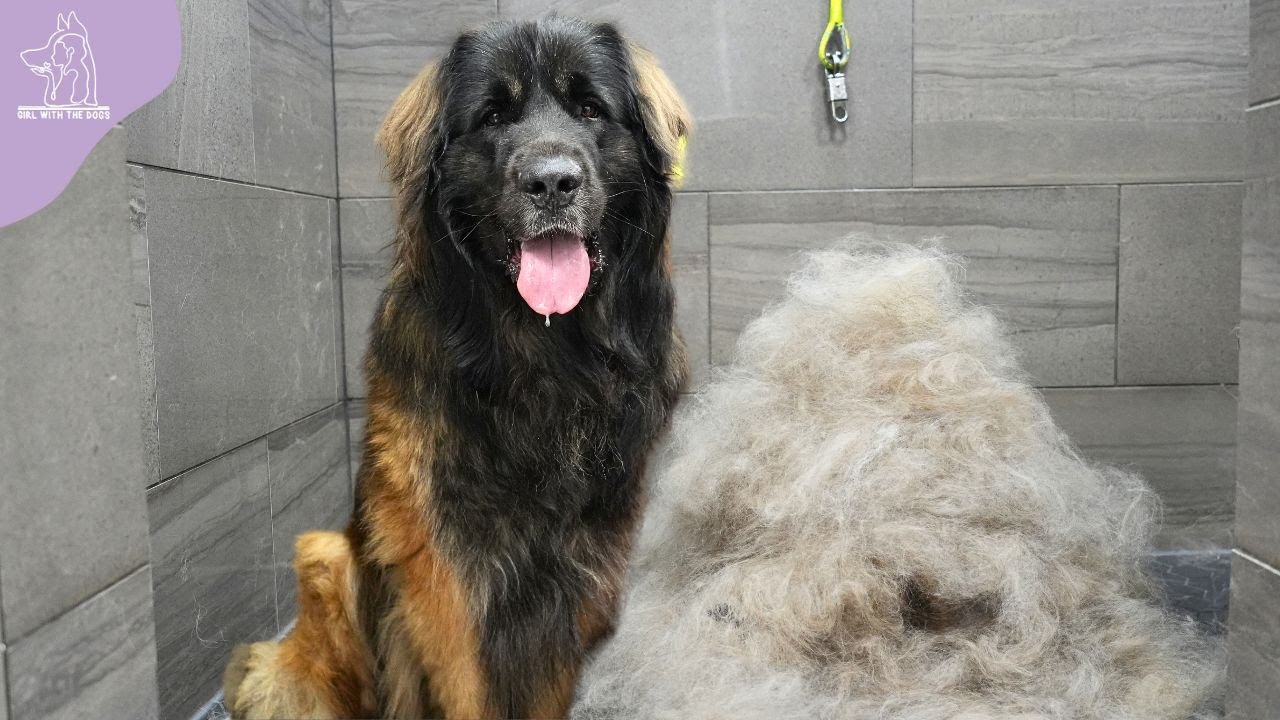
“Giant Leonberger Dog …” from www.youtube.com and used with no modifications.
Handling Seasonal Shedding: What to Expect
Leonbergers experience seasonal shedding, particularly in the spring and fall. During these times, you may notice an increase in loose hair around your home. To manage shedding, brush your Leonberger more frequently and consider using a de-shedding tool to remove excess undercoat.
Regular grooming during shedding seasons will help keep your home clean and reduce the risk of matting. Additionally, a healthy diet rich in omega-3 fatty acids can support skin and coat health, minimizing excessive shedding.
Overall Hygiene: Nail Trimming and Ear Cleaning
In addition to coat care, regular nail trimming and ear cleaning are essential for your Leonberger’s overall hygiene. Trim your Leonberger’s nails every 3 to 4 weeks to prevent overgrowth and discomfort. Use a nail clipper or grinder designed for large breeds, and be cautious not to cut too close to the quick.
Check your Leonberger’s ears weekly for signs of dirt, wax buildup, or infection. Use a gentle ear cleaner and cotton balls to clean their ears, avoiding the use of cotton swabs, which can damage the ear canal. Regular ear cleaning helps prevent infections and keeps your Leonberger comfortable. For more grooming tips, you can explore this guide on Briard grooming.
Lifestyle Compatibility with Smaller Pets
Leonbergers can coexist peacefully with smaller pets, provided they are properly socialized and trained. Their gentle nature and intelligence make them capable of forming harmonious relationships with other animals.
Socializing Leonbergers with Cats and Smaller Animals
When introducing your Leonberger to smaller pets, such as rabbits or cats, it’s essential to supervise their interactions closely. Begin by allowing them to observe each other from a distance, gradually decreasing the distance as they become more comfortable.
Use positive reinforcement to reward calm and gentle behavior, and be patient as your Leonberger learns to coexist with their smaller companions. Over time, your Leonberger will learn to respect the boundaries of other pets and form positive relationships with them.

“9 Reasons Why Leonbergers Are Totally …” from www.akc.org and used with no modifications.
Ensuring Safe Interactions: Tips for Supervision
When introducing your Leonberger to other pets, especially smaller ones, it’s crucial to supervise their interactions closely. Although Leonbergers are typically gentle giants, their size can be intimidating to smaller animals, and accidents can happen. For example, if you’re considering adding a giant chinchilla rabbit to your family, be mindful of their interactions with larger dogs.
Begin by allowing your Leonberger and the smaller pet to observe each other from a safe distance. Use a leash if necessary to maintain control. Gradually decrease the distance as both animals become more comfortable. Always reward your Leonberger with treats and praise for calm and gentle behavior.
It’s important to be patient and consistent during these introductions. If any signs of aggression or fear arise, separate the animals and try again later. With time and positive reinforcement, your Leonberger can learn to coexist peacefully with smaller pets.
“When introducing a new Leonberger to your household, patience and supervision are key to fostering a harmonious environment for all pets involved.” – Dog Training Expert
Leonberger Versus Other Breeds
Leonbergers are often compared to other large dog breeds, and understanding these differences can help you decide if a Leonberger is the right fit for your family. Let’s explore how they stack up against some popular breeds.
Each breed has its unique characteristics, and knowing these can guide you in making an informed decision about which breed suits your lifestyle best. For example, understanding the traits of a Boykin Spaniel can help you determine if this breed aligns with your needs.
Comparison with Mastiffs
Leonbergers and Mastiffs both share a reputation for being gentle giants. However, Leonbergers are generally more active and require more exercise compared to the often more laid-back Mastiff. Both breeds are excellent with families, but Leonbergers tend to be more social and eager to participate in family activities. For more insights into family-friendly breeds, check out this Briard adoption guide.
Mastiffs, on the other hand, are known for their protective instincts and make excellent guard dogs. If you prefer a more sedentary companion, a Mastiff might be a better fit, whereas a Leonberger is ideal for an active household.
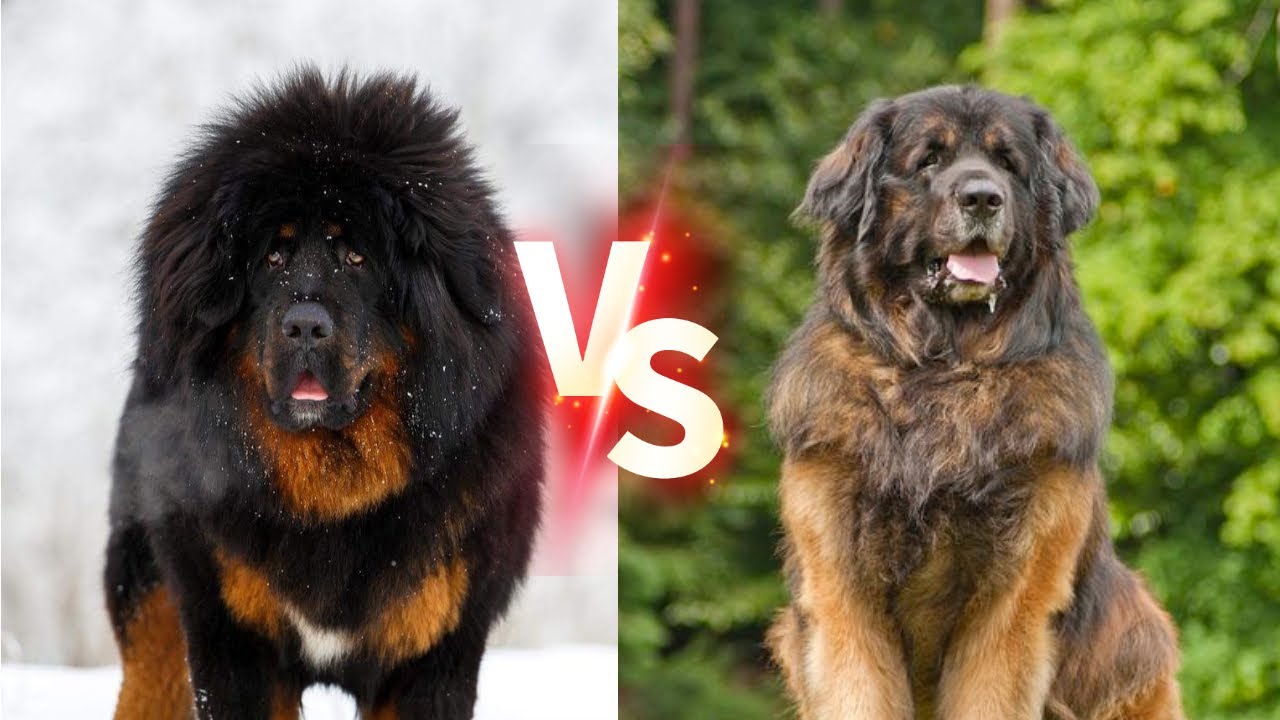
“Tibetan Mastiff vs. Leonberger – Which …” from www.youtube.com and used with no modifications.
Comparing Bernese Mountain Dogs to Leonbergers
Both Bernese Mountain Dogs and Leonbergers hail from working backgrounds and are known for their friendly dispositions. Bernese Mountain Dogs are slightly smaller and may be more manageable for those with limited space. However, they share similar grooming needs due to their thick coats.
Leonbergers are typically more outgoing and may require more social interaction and exercise. If you enjoy outdoor activities and have the space, a Leonberger might be the better choice. Both breeds are great with children and make wonderful family pets. For those considering a different breed, the Briard also makes a great family pet and might be worth exploring.
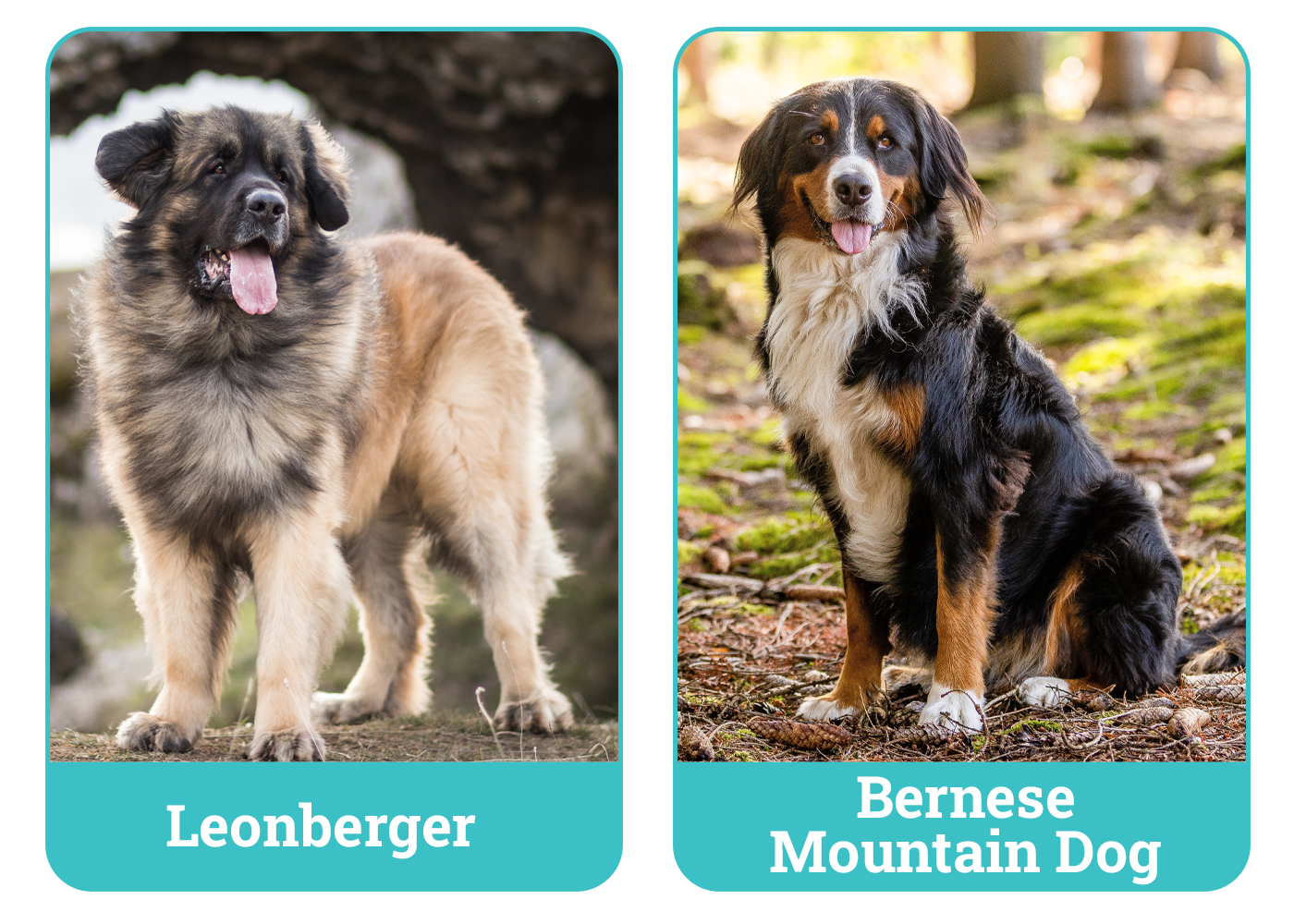
“Leonberger vs Bernese Mountain Dog: Key …” from www.dogster.com and used with no modifications.
How do Newfoundlands and Leonbergers Differ?
Newfoundlands and Leonbergers share a love for water and have similar grooming requirements. Newfoundlands are often more laid-back and are known for their exceptional swimming abilities. They are slightly smaller than Leonbergers and may be easier to manage in a household setting.
Leonbergers, however, are more energetic and require more exercise and mental stimulation. If you live near water and enjoy activities like swimming, both breeds could be an excellent choice, but Leonbergers may offer a bit more energy for outdoor adventures.
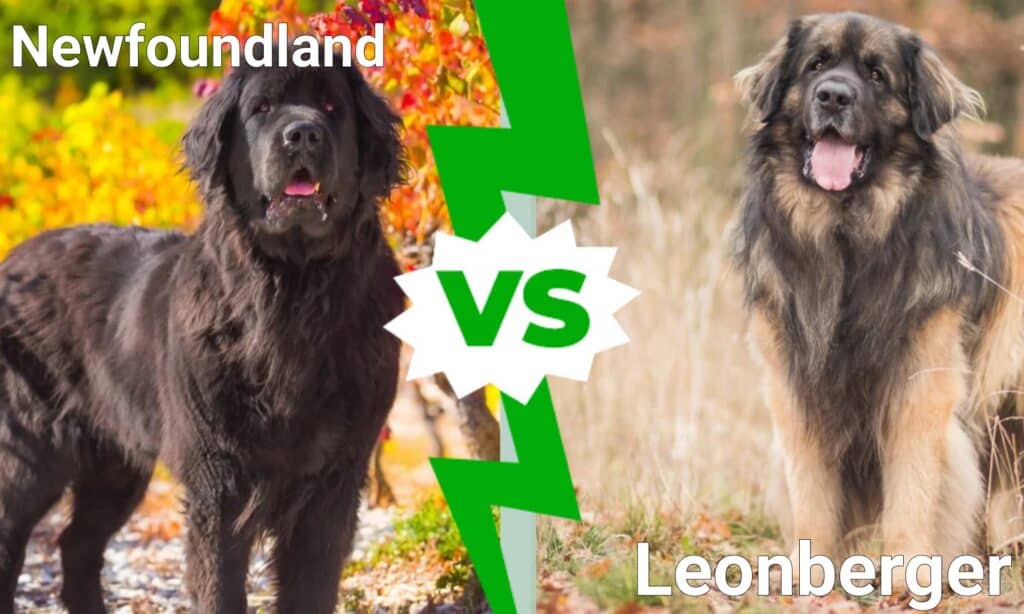
“Leonberger vs Newfoundland: 5 Key …” from a-z-animals.com and used with no modifications.
Differences Between Collies and Leonbergers
Collies and Leonbergers differ significantly in size and energy levels. Collies are more agile and require less space, making them suitable for smaller homes. They are known for their intelligence and herding instincts, which can be channeled into various activities.
Leonbergers, with their larger size, require more space and are better suited for homes with ample outdoor areas. Both breeds are loyal and family-friendly, but if you’re looking for a more manageable size, a Collie might be a better fit.

“Zevik (rough collie 10 months) playing …” from www.reddit.com and used with no modifications.
Frequently Asked Questions (FAQ)
Owning a Leonberger comes with its share of questions and concerns. Here are some common queries prospective owners might have.
What are the exercise requirements for a Leonberger?
Leonbergers are energetic dogs that require regular exercise to stay healthy and happy. Aim for at least one to two hours of physical activity each day, which can include walks, playtime, or even swimming. Regular exercise helps maintain their weight and prevent boredom-related behaviors.
Are Leonbergers good with children?
Yes, Leonbergers are known for their gentle and patient nature, making them excellent companions for children. They are protective yet tolerant, which makes them ideal family dogs. However, due to their size, it’s essential to supervise interactions with small children to prevent accidental knocks or bumps. For those considering other breeds, you might also want to explore the Boxer adoption history and characteristics.
Leonbergers thrive on companionship and enjoy being part of family activities. Teaching children how to interact respectfully with their furry friend will help foster a positive relationship.
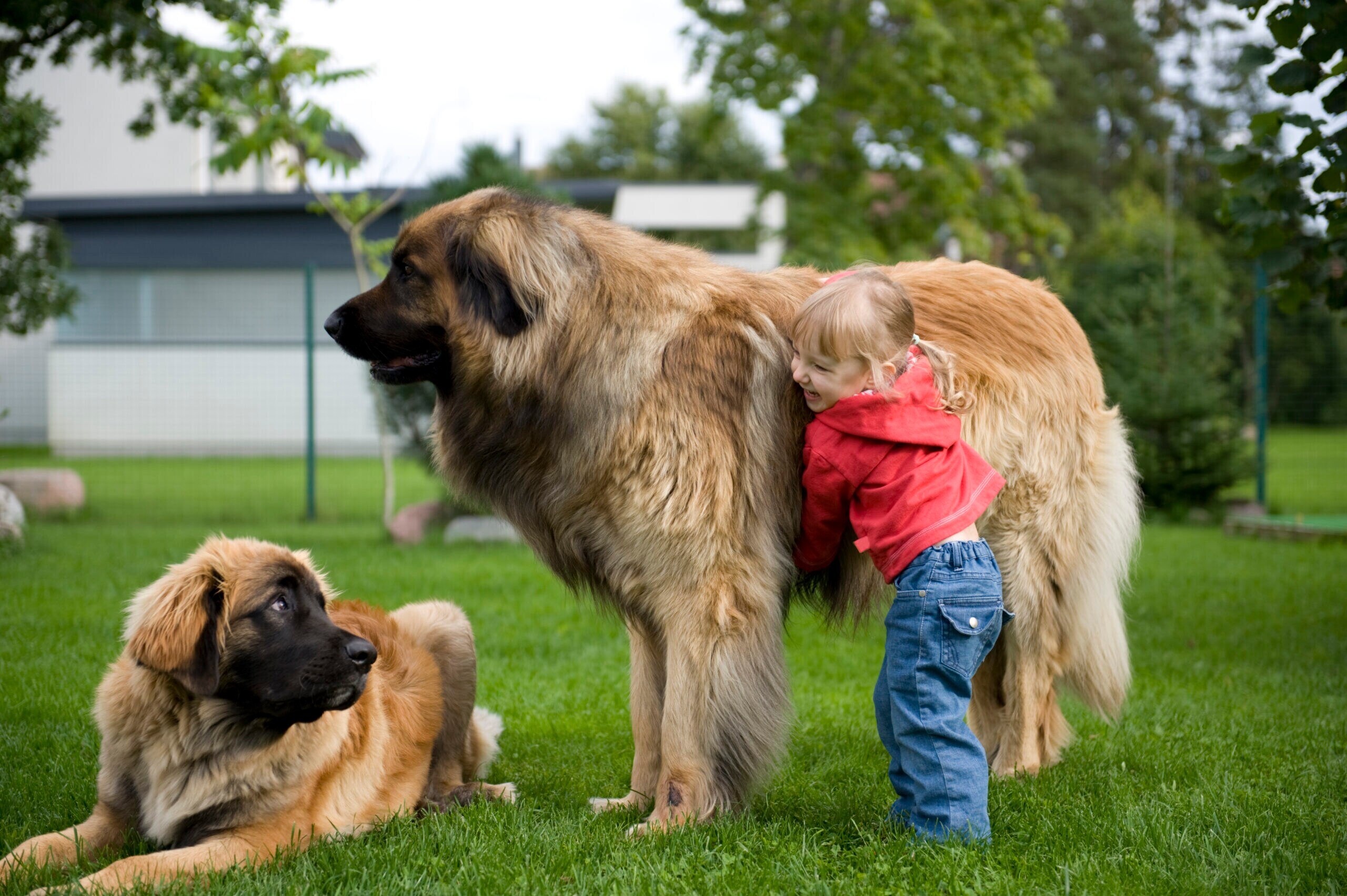
“Leonberger Breed: Characteristics, Care …” from www.chewy.com and used with no modifications.
How can I manage my Leonberger’s “suckyberger” drooling?
Leonbergers are known for their drooling, especially after eating or drinking. To manage this, keep a towel handy to wipe their mouths as needed. Regular grooming around the mouth area can also help reduce drool accumulation.
Consider placing mats or towels under water bowls to catch any drips, and clean their feeding area regularly. Embracing the drool is part of owning a Leonberger, but these tips can help keep your home clean.
What are common health issues in Leonbergers?
Leonbergers are prone to certain health issues, including hip and elbow dysplasia, heart conditions, and bloat. Regular veterinary check-ups and maintaining a healthy diet and exercise routine can help manage these risks.
It’s essential to be aware of the signs of bloat, a life-threatening condition, and seek immediate veterinary care if you suspect your Leonberger is affected. Additionally, maintaining a healthy weight through diet and exercise can reduce the risk of joint issues.
“Regular check-ups and a balanced diet are key to ensuring your Leonberger’s long-term health and well-being.” – Veterinarian. For more on maintaining pet health, explore our Briard adoption guide.
Being proactive about your Leonberger’s health can prevent many common issues and ensure a happy, healthy life for your furry companion.
How much does it cost to own a Leonberger annually?
Owning a Leonberger can cost between $1,500 and $2,500 annually, covering expenses such as food, grooming, veterinary care, and pet insurance. High-quality food and regular grooming are significant portions of this budget, given the breed’s size and coat requirements.
Pet insurance is recommended to help manage unexpected veterinary expenses, and regular check-ups can prevent costly health issues. Budgeting for these expenses ensures you can provide the best care for your Leonberger.
By understanding the financial commitment involved, you can make informed decisions about owning and caring for a Leonberger, ensuring a fulfilling and rewarding experience for both you and your furry friend.
The Leonberger is a majestic breed known for its impressive size and gentle temperament. These dogs are excellent family companions, offering protection and loyalty. When considering a Leonberger, it’s essential to understand the breed’s grooming needs, especially their double coat, which requires regular maintenance. For those interested in how the Leonberger compares to other breeds, such as the Bernese Mountain Dog or the Newfoundland, it’s helpful to explore detailed breed comparisons. For instance, the Briard is another breed with unique characteristics worth considering.