Key Takeaways
- Newfoundland dogs originated in Canada and were historically used for water rescues and working alongside fishermen.
- These gentle giants are known for their intelligence, adaptability, and friendly nature, making them excellent companions.
- Owning a Newfoundland can be costly, with expenses for food, grooming, and healthcare averaging between $1,500 to $2,500 annually.
- Newfoundlands are generally good with children and other pets, but they require regular grooming and can be prone to drooling.
- Ideal owners are those with enough space, time for regular exercise, and a commitment to grooming and healthcare.
Quick Facts About Newfoundland Dogs
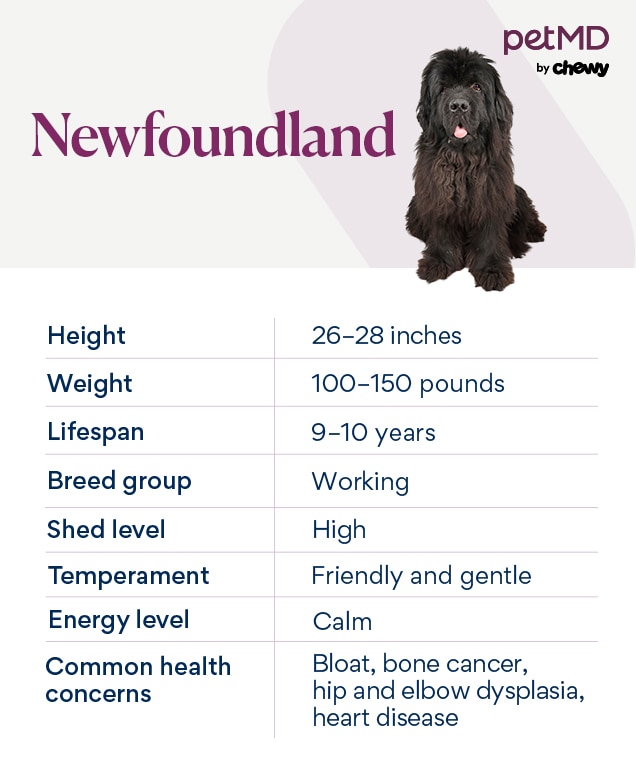
The Newfoundland dog, often affectionately called the “Newfie,” is a large and powerful working breed with a heart as big as its size. Known for their swimming prowess, these dogs have webbed feet that make them excellent swimmers. They are truly gentle giants, weighing anywhere between 100 to 150 pounds, and standing at a height of 25 to 28 inches.
Newfoundlands have a thick, water-resistant double coat, which is essential for their historical role in cold-water rescues. This breed typically comes in colors such as black, brown, gray, and Landseer (white with black markings).
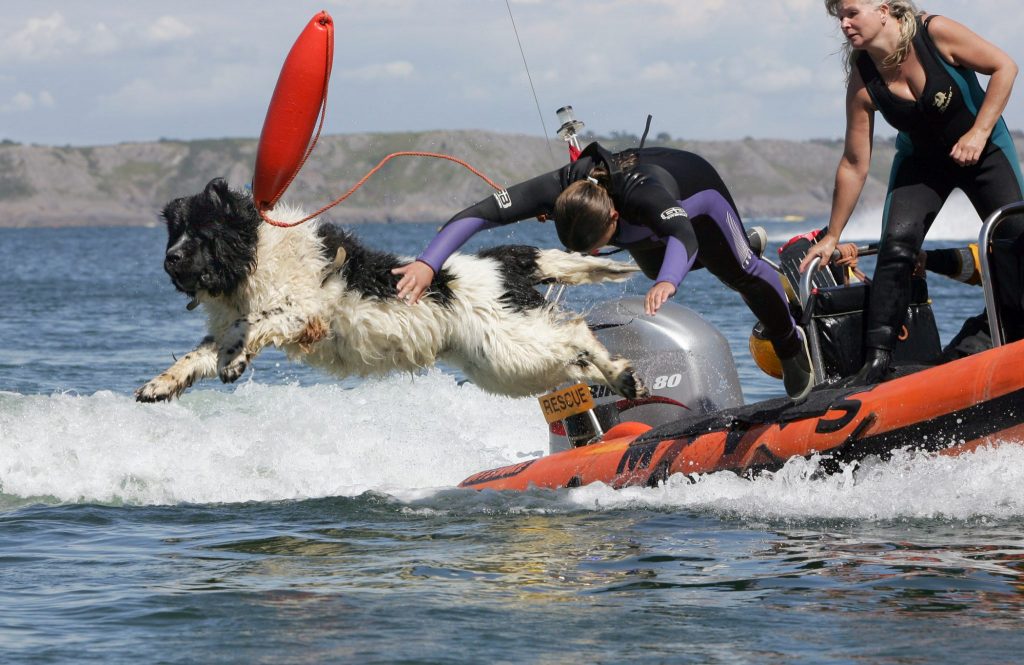
“lifesaving Newfie – Dogs …” from dogsmonthly.co.uk and used with no modifications.
Exploring the Origins and History of the Newfoundland Breed
The Newfoundland breed boasts a rich history that intertwines with the maritime culture of its namesake province in Canada. These dogs were originally bred to assist fishermen in their daily tasks and rescue people from the icy waters of the North Atlantic.
Roots in Newfoundland, Canada
As their name suggests, Newfoundland dogs hail from the island of Newfoundland, Canada. This region’s rugged coastline and harsh weather conditions necessitated a breed that was strong, reliable, and capable of withstanding cold temperatures. The Newfie’s thick coat and muscular build were perfect for the task.
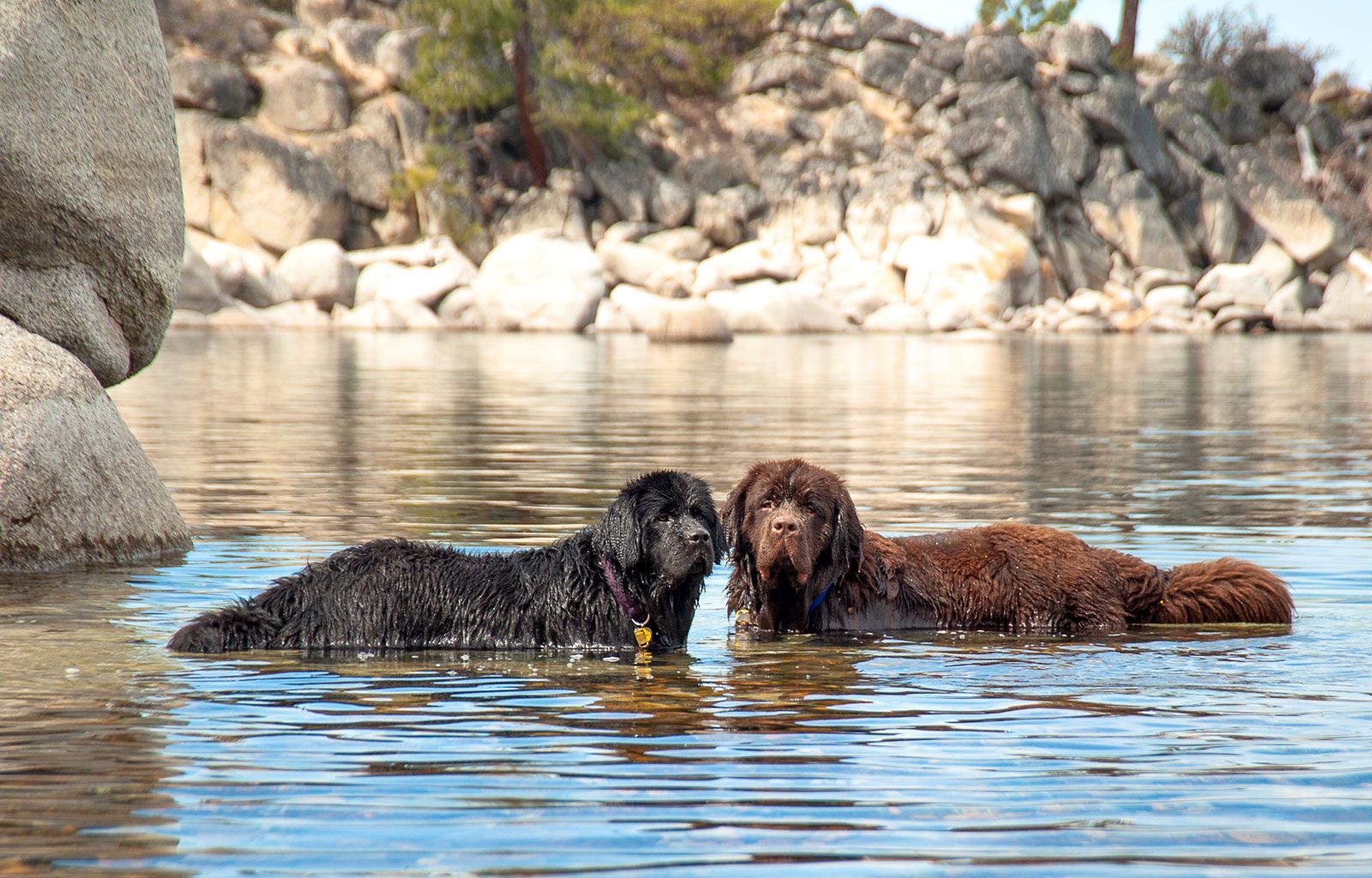
“Newfoundland | Dog, Size, Lifespan …” from www.britannica.com and used with no modifications.
Historical Roles and Significance
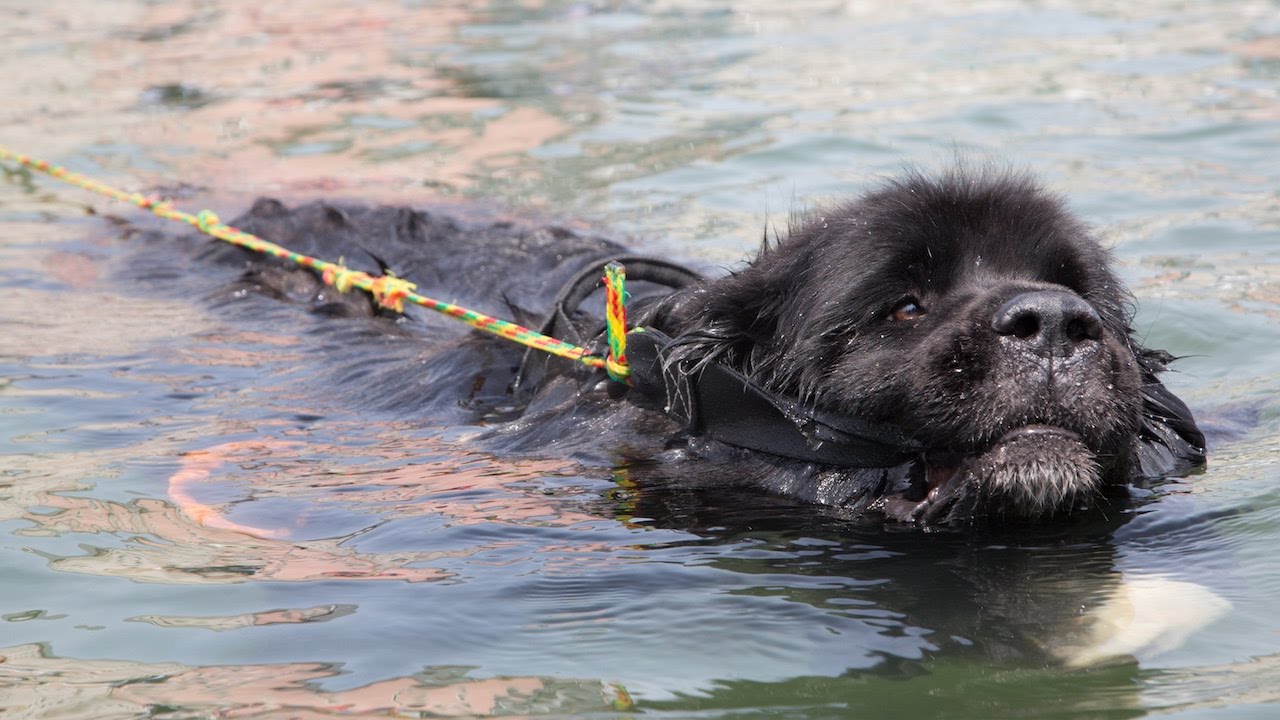
Historically, Newfoundlands played a crucial role in the lives of fishermen. They would haul nets, pull carts, and even carry messages between boats. Most importantly, their exceptional swimming ability made them invaluable in water rescues. Many tales exist of Newfoundlands saving lives by pulling people from the sea, similar to how other breeds have been celebrated for their unique skills.
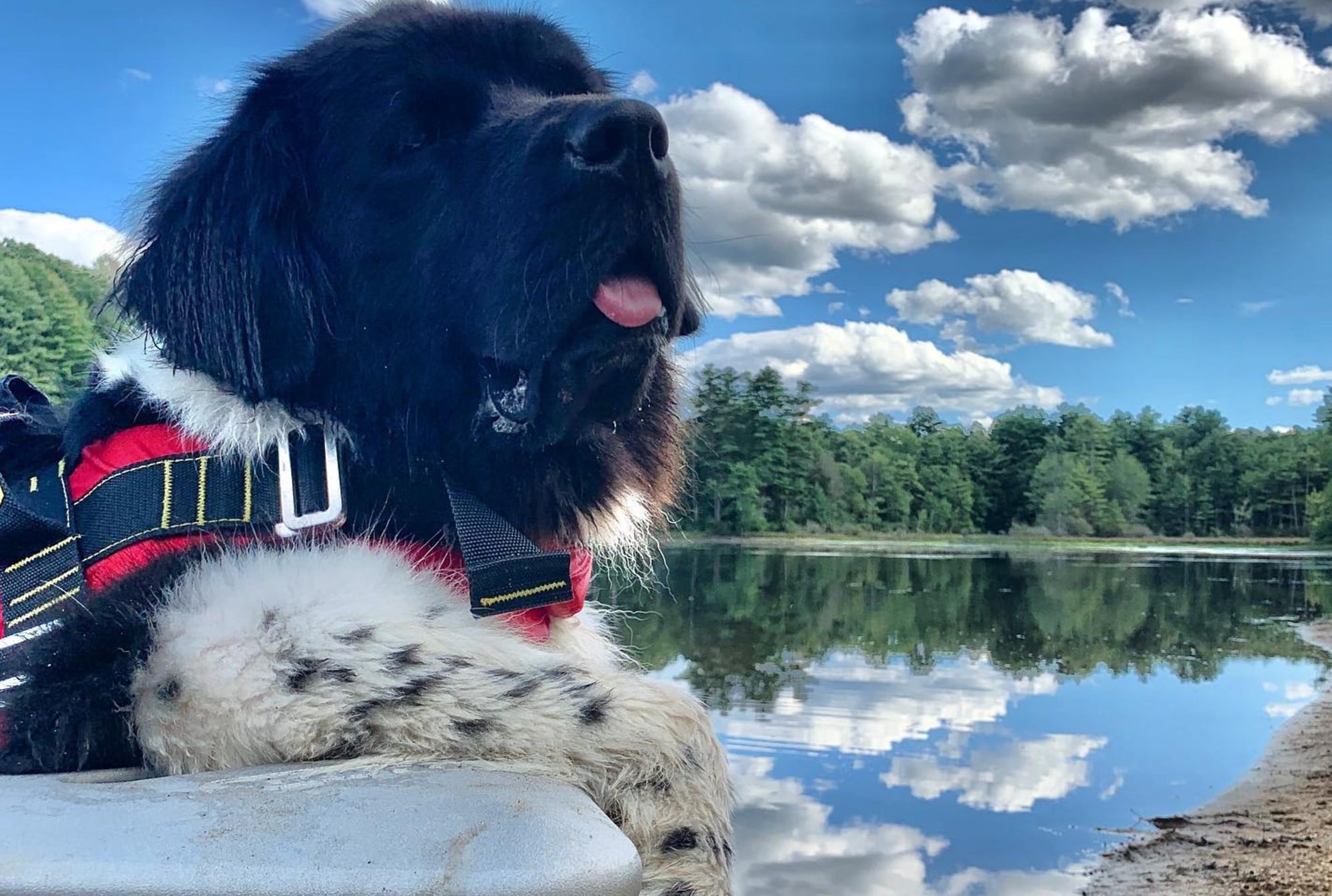
“Making Waves as a Water Rescue Dog …” from www.thisdogslife.co and used with no modifications.
Evolution to Modern Roles
While their traditional roles have evolved, Newfoundlands continue to serve in various capacities today. They are often used in search and rescue operations, therapy work, and as loving family companions. Their gentle nature and intelligence make them adaptable to various modern roles.
Newfoundland Dogs in Today’s World
Today, Newfoundlands are cherished for their friendly demeanor and loyalty. They are excellent companions for those who appreciate a large, affectionate dog. Despite their size, they are known for being gentle with children and getting along well with other pets.
Their adaptability and eagerness to please make them suitable for various environments, provided they have enough space to move and exercise.
“Newfoundlands are known for their calm and devoted nature. Many Newfie owners love this breed for their gentle and affectionate demeanor.” – Dogster
“Super Swimmer Dogs Save Lives …” from www.youtube.com and used with no modifications.
Current Uses and Purposes
Newfoundlands continue to be valued for their working abilities. They are often employed in water rescue operations due to their strength and swimming skills. Additionally, they make excellent therapy dogs, bringing comfort and joy to those in need.
These dogs are also popular as family pets, thanks to their friendly and protective nature. They thrive in environments where they can be part of the family and participate in various activities.
Physical Characteristics and Traits
Newfoundlands are large, muscular dogs with a distinct appearance. Their thick double coat protects them from cold water and harsh weather, while their webbed feet aid in swimming. Their expressive eyes and gentle expression often endear them to anyone who meets them.

“Making Waves as a Water Rescue Dog …” from www.thisdogslife.co and used with no modifications.
Common Colors vs Rarities
Newfoundlands come in several colors, with black being the most common. Other colors include brown, gray, and the striking Landseer pattern. While these colors are standard, finding a Newfoundland in a rare color can be a delightful surprise for enthusiasts.
Weighing the Costs and Benefits of Owning a Newfoundland
Owning a Newfoundland is a rewarding experience, but it’s important to weigh the costs and benefits before making a decision. These gentle giants are known for their loyalty and affectionate nature, but they come with their own set of responsibilities and financial commitments.
Financial Considerations
Newfoundlands are not a low-cost breed to own. The initial purchase price for a Newfoundland puppy can range from $1,000 to $3,000, depending on the breeder and the puppy’s lineage. Besides that, annual expenses for food, grooming, and healthcare can add up quickly. Expect to spend between $1,500 and $2,500 per year, similar to the Cesky Terrier.
Grooming is a significant part of the cost, as Newfoundlands have a thick double coat that requires regular maintenance. Professional grooming sessions can cost between $50 and $100 each, and these dogs typically need grooming every 6 to 8 weeks.
Pros of Owning a Newfoundland
Despite the costs, owning a Newfoundland comes with numerous benefits. These dogs are known for their gentle and affectionate nature, making them excellent family pets. They are loyal companions and often form strong bonds with their owners.
Newfoundlands are also highly intelligent and eager to please, which makes training them relatively straightforward. Their calm demeanor and patience make them great with children, and they often act as protective yet gentle guardians.
“Newfoundland Dog Breed Health and Care …” from www.petmd.com and used with no modifications.
Cons and Challenges
However, owning a Newfoundland does come with its challenges. Their large size means they require ample space to move and exercise. A small apartment is not an ideal environment for these dogs. Additionally, they are prone to drooling and shedding, which can be a concern for some potential owners.
Newfoundlands are also predisposed to certain health issues, such as hip dysplasia and heart conditions. Regular veterinary check-ups and a healthy diet are crucial to keeping them in good health. Therefore, potential owners should be prepared for the time and financial commitment involved in caring for a Newfoundland.
Is a Newfoundland a Good Family Pet?
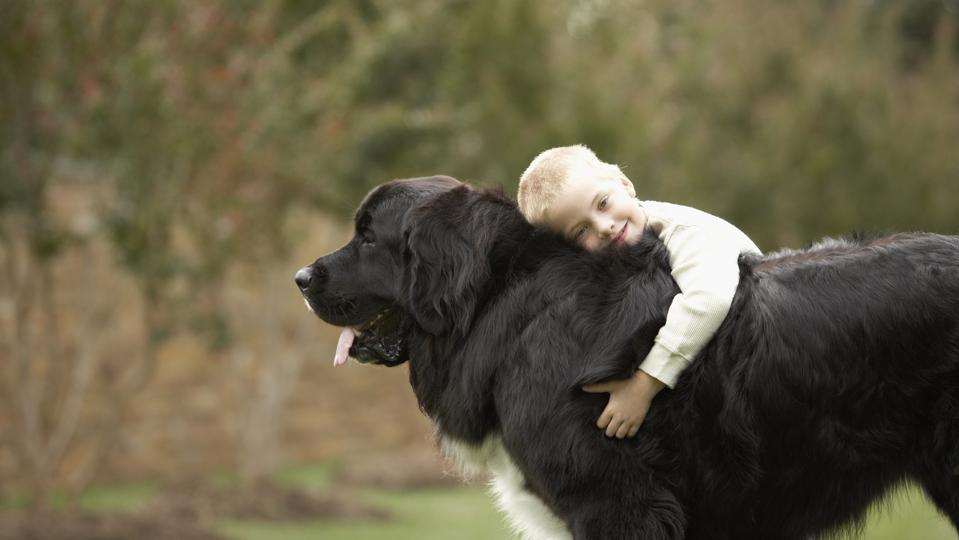
Newfoundlands are often described as “gentle giants,” and for good reason. Their friendly and calm nature makes them excellent family pets, especially for families with children. They are known for their patience and protective instincts, which make them reliable companions.
However, their large size and strength mean they should be supervised around small children to prevent accidental injuries. It’s important to teach children how to interact safely and respectfully with such a large dog.
- Ensure you have enough space for a large dog to move and play.
- Be prepared for regular grooming and maintenance.
- Consider the financial commitment of owning a Newfoundland.
- Evaluate if you have the time to provide regular exercise and training.
Newfoundlands are known for their compatibility with children and their ability to form strong bonds with family members. Their calm demeanor makes them less likely to become agitated or aggressive, even in chaotic environments. For those considering different breeds, you might also explore the Australian Shepherd’s compatibility with families.
“How Big Does A Newfoundland Get …” from www.forbes.com and used with no modifications.
Compatibility with Children
One of the standout qualities of Newfoundlands is their compatibility with children. These dogs are incredibly patient and gentle, making them excellent companions for kids of all ages. They often take on a protective role, ensuring the safety of the children they live with.
It’s important, however, to teach children how to interact appropriately with such a large dog. This includes respecting the dog’s space and understanding how to play safely. Supervision is key, especially with very young children, to ensure both the dog and the child have positive interactions.
Interaction with Other Pets
Newfoundlands generally get along well with other pets, thanks to their friendly and sociable nature. They are not typically aggressive and can coexist peacefully with other dogs and even cats. Early socialization is important to ensure they develop good relationships with other animals.
Level of Maintenance Needed
Owning a Newfoundland requires a commitment to regular grooming and maintenance. Their thick coat needs frequent brushing to prevent matting and to control shedding. Regular grooming also helps keep their skin healthy and reduces the risk of skin infections.
Besides grooming, Newfoundlands need regular exercise to maintain a healthy weight and prevent boredom. Daily walks and playtime are essential to keep them physically and mentally stimulated. It’s also important to provide them with a balanced diet and regular veterinary care to address any health issues promptly.
Newfoundland Ownership: Ideal Matches
Newfoundlands are best suited for families or individuals who have the space and time to accommodate their needs. They thrive in environments where they can be part of the family and participate in daily activities. Ideal owners are those who appreciate the companionship of a large dog and are willing to invest in their care and well-being. If you’re considering adopting a different breed, you might want to explore the Ibizan Hound for comparison.
While Newfoundlands are generally good for first-time dog owners, it’s important to understand the responsibilities involved. Prospective owners should be prepared for the financial and time commitments required to keep these gentle giants happy and healthy.
First-Time Dog Owners: Yay or Nay?
Newfoundlands can be a great choice for first-time dog owners, but it’s important to consider a few key factors. Their gentle and friendly nature makes them easy to train, especially for those who are new to dog ownership. However, their size and grooming needs might be overwhelming for some.
Before deciding on a Newfoundland, evaluate whether you have the time, space, and resources to meet their needs. They require regular grooming and exercise, as well as a commitment to training and socialization. If you’re prepared for these responsibilities, a Newfoundland could be a wonderful addition to your family.
“Newfoundland – Training Course on …” from www.trainpetdog.com and used with no modifications.
Lifestyle Considerations for Potential Owners
Potential Newfoundland owners should consider their lifestyle and living situation before bringing one of these gentle giants home. Newfoundlands thrive in environments where they have space to move and play. A house with a yard is ideal, but they can adapt to apartment living if given enough exercise. For more information on the Newfoundland dog breed, including their characteristics and care needs, visit DogTime.
These dogs are social animals and prefer to be with their family. If you work long hours or travel frequently, a Newfoundland may not be the best fit. They do best in homes where someone is around for most of the day to provide companionship and care.
Characteristics of Ideal Owners
Ideal Newfoundland owners are those who appreciate the companionship of a large, affectionate dog. They should be willing to invest time in grooming, training, and exercise. Patience and consistency are key when training a Newfoundland, as they can be strong-willed at times. For more detailed information, you can check out this Newfoundland dog breed guide.
Families with children or other pets can also be a good match for Newfoundlands, as they are known for their gentle and friendly nature. Ultimately, the best owners are those who are committed to providing a loving and supportive environment for their Newfoundland.
Frequently Asked Questions
Newfoundlands are a unique breed with specific needs and characteristics. Here are some common questions potential owners often have:
How much exercise does a Newfoundland need daily? Newfoundlands require moderate exercise to stay healthy and happy. A daily walk of 30 to 60 minutes, combined with playtime, is usually sufficient. They enjoy swimming and other activities that engage their minds and bodies.
Are Newfoundlands safe around small children? Yes, Newfoundlands are generally safe around small children. Their gentle and patient nature makes them excellent companions for kids. However, it’s important to supervise interactions to ensure both the dog and child are safe and comfortable.
- Teach children how to approach and interact with a Newfoundland.
- Always supervise playtime to prevent accidental injuries.
- Encourage positive interactions and reward good behavior.
What health issues are common in this breed?
Newfoundlands are prone to certain health issues, including hip dysplasia, heart conditions, and bloat. Regular veterinary check-ups and a healthy diet can help manage these risks. It’s important to be aware of the signs of these conditions and seek veterinary care promptly if needed. For more insights on managing health issues in family-friendly breeds, consider exploring the Australian Shepherd’s health and compatibility with families.
How often should a Newfoundland be groomed?
Newfoundlands require regular grooming to keep their coat healthy and free of mats. Brushing several times a week is recommended, with more frequent grooming during shedding season. Professional grooming every 6 to 8 weeks can help manage their coat and keep them looking their best.
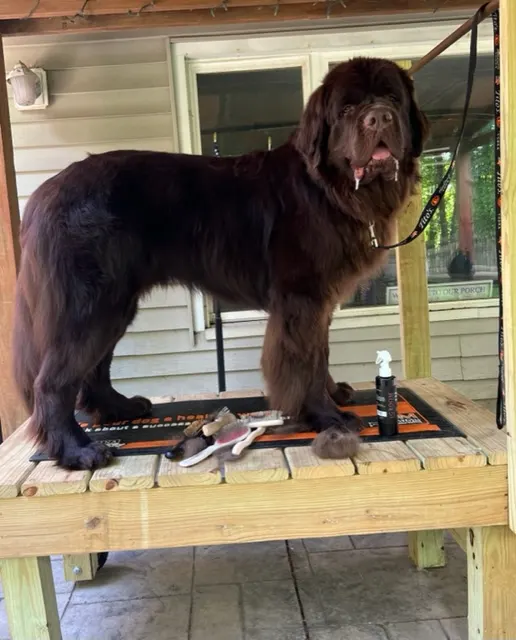
“8 Newfoundland Dog Cons: Is This Breed …” from www.perplexity.ai and used with no modifications.
Are Newfoundlands good for first-time dog owners?
While Newfoundlands can be suitable for first-time dog owners, it’s important to be prepared for their size and grooming needs. They require a commitment to regular exercise and training. If you’re ready for these responsibilities, a Newfoundland can be a loyal and loving companion. For those considering other breeds, you might want to explore the pros and cons of Australian Shepherds as well.
Ultimately, the decision to bring a Newfoundland into your home should be based on your ability to meet their needs and provide a supportive environment. With the right preparation and commitment, a Newfoundland can be a wonderful addition to your family.