Owning a dog is a rewarding experience, but choosing the right breed can make all the difference. If you’re considering a Miniature Schnauzer, you’re in for a treat. These dogs are known for their spirited personality and charming looks. However, like any breed, they come with their own set of pros and cons. Let’s dive into the world of Miniature Schnauzers and see if they’re the right fit for you.
Key Takeaways
- Miniature Schnauzers are small, sturdy dogs with a lifespan of 12-15 years, making them a long-term commitment.
- They are highly trainable and eager to please, but can sometimes be stubborn.
- These dogs are hypoallergenic, making them a good choice for allergy sufferers, but they require regular grooming.
- Miniature Schnauzers have a high energy level and need daily exercise to stay happy and healthy.
- They can adapt to apartment living, but they thrive in homes where they have space to play.
Miniature Schnauzer Overview
The Miniature Schnauzer is a small dog breed known for its distinctive appearance and lively personality. Originating from Germany, they were initially bred as farm dogs to keep pests like rats at bay. Today, they are cherished family companions all around the world.
Breed Origin and History
Miniature Schnauzers were developed in the late 19th century by crossing Standard Schnauzers with smaller breeds such as the Affenpinscher and possibly the Poodle. The goal was to create a smaller version of the Schnauzer that could work on farms as a ratter while also serving as a companion. Their name, “Schnauzer,” comes from the German word for “snout,” highlighting their distinct facial features.
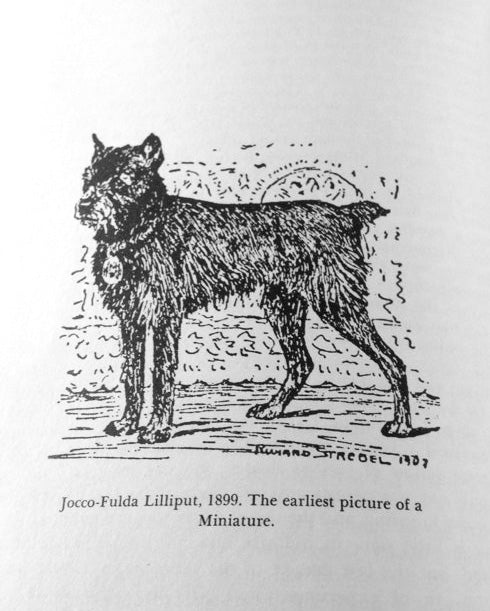
“SCHNAUZER BREEDS …” from www.moomooandbear.co.uk and used with no modifications.
Physical Characteristics
Despite their small size, Miniature Schnauzers are robust and sturdy dogs. They typically weigh between 11 to 20 pounds and stand about 12 to 14 inches tall at the shoulder. Their coat is one of their most defining features, with a wiry topcoat and a soft undercoat. Common coat colors include salt and pepper, black, and black and silver.
- Size: 12-14 inches tall
- Weight: 11-20 pounds
- Coat: Double coat with a wiry outer layer
- Colors: Salt and pepper, black, black and silver
Typical Personality Traits
Miniature Schnauzers are known for their lively and friendly disposition. They are intelligent, alert, and often described as having a “big dog” personality in a small body. Their loyalty and affection make them excellent companions for families, singles, and seniors alike. However, they can also be quite vocal, using their bark to communicate and alert their owners to any perceived threats.
Despite their spirited nature, Miniature Schnauzers are also known for their obedience and trainability. They thrive on mental stimulation and enjoy activities that challenge their intellect. However, they can be somewhat stubborn, so consistent training and positive reinforcement are key to managing their behavior effectively.
Pros and Cons of Owning a Miniature Schnauzer
Before bringing a Miniature Schnauzer into your home, it’s essential to weigh the pros and cons. Understanding both the advantages and potential challenges can help you make an informed decision and ensure that this breed is the right fit for your lifestyle. For those considering other breeds, you might also want to explore the pros and cons of owning an Australian Shepherd.
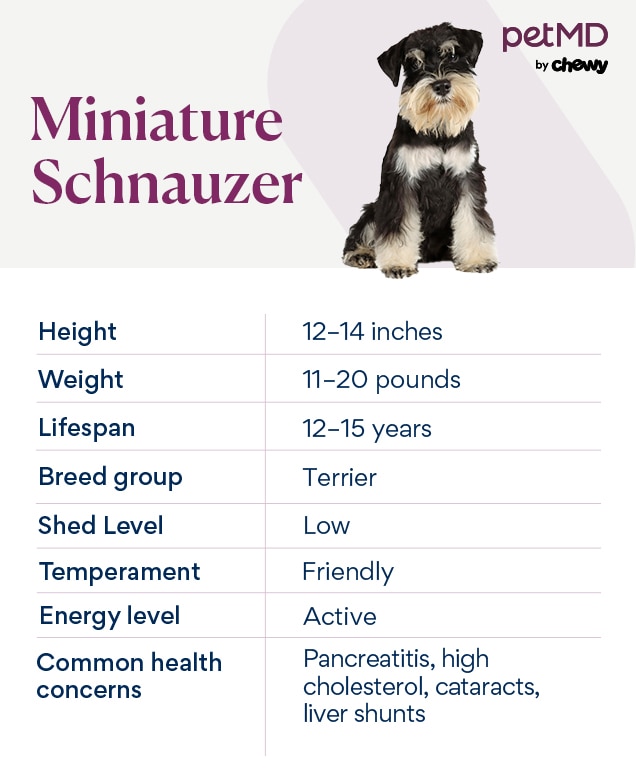
“Miniature Schnauzer Dog Breed Health …” from www.petmd.com and used with no modifications.
Advantages
One of the primary advantages of owning a Miniature Schnauzer is their hypoallergenic coat. This makes them an excellent choice for individuals with allergies, as they shed minimally and produce less dander. Additionally, their small size and adaptability make them suitable for apartment living, provided they receive enough exercise. For more information, check out this guide on Miniature Schnauzer pros and cons.
Disadvantages
On the flip side, Miniature Schnauzers require regular grooming to keep their coat in top condition. This can be a time-consuming and sometimes costly endeavor. Moreover, their high energy levels mean they need daily exercise and mental stimulation to prevent boredom and destructive behavior.
Personality and Care
Understanding the personality and care needs of a Miniature Schnauzer is crucial for ensuring their well-being and happiness. These dogs thrive on attention and interaction, making them ideal for families and individuals who can dedicate time to their care. For those considering other breeds, exploring the pros and cons of an Australian Shepherd might also be worthwhile.
Adaptability in Different Living Conditions
Miniature Schnauzers are adaptable dogs that can thrive in various living conditions. Whether you live in a bustling city apartment or a spacious suburban home, they can adjust as long as their exercise needs are met. It’s important to provide them with enough physical activity and mental challenges to keep them engaged and content.
:strip_icc()/miniature-schnauzer-dog-breed-profile-1117982_FINAL_NEW-14150645ceb84e8a84be0f62bc4151e9.jpg)
“Miniature Schnauzer: Dog Breed …” from www.thesprucepets.com and used with no modifications.
Grooming Needs
Regular grooming is essential for maintaining the Miniature Schnauzer’s distinctive appearance. Their double coat requires regular brushing to prevent matting, and many owners opt for professional grooming every 4 to 6 weeks to keep their coat in top shape. Additionally, their facial hair, including their iconic beard, needs regular cleaning to avoid debris buildup.
Health Considerations
When considering a Miniature Schnauzer, it’s important to be aware of their health needs. This breed is generally healthy, but like all dogs, they are prone to certain health conditions. Regular vet check-ups and a healthy diet are essential to keep them in good shape. Common health issues include pancreatitis, cataracts, and hyperlipidemia. Therefore, it’s crucial to monitor their diet and avoid foods high in fat to prevent these conditions.
Additionally, Miniature Schnauzers can be prone to obesity if not exercised properly. Regular walks, playtime, and mental stimulation are vital to maintain a healthy weight and overall well-being. Keeping their teeth clean is also important, as dental issues can arise if not addressed. Regular brushing and dental check-ups will help maintain their oral health.
Training and Socialization
Training and socialization are key components of raising a well-behaved Miniature Schnauzer. These dogs are intelligent and eager to please, making them highly trainable. However, their occasional stubbornness requires a patient and consistent approach. Start training early to instill good habits and prevent unwanted behaviors.
Positive reinforcement is the most effective training method for Miniature Schnauzers. Rewarding them with treats, praise, and playtime encourages them to repeat desired behaviors. Consistency is crucial, so establish a routine and stick to it. Training sessions should be short and engaging to keep their attention focused. For more insights on training methods, you might want to explore training techniques for different breeds.
Socialization is equally important. Exposing your Miniature Schnauzer to different environments, people, and other animals helps them become well-adjusted and confident. This reduces the likelihood of fear-based behaviors and excessive barking.
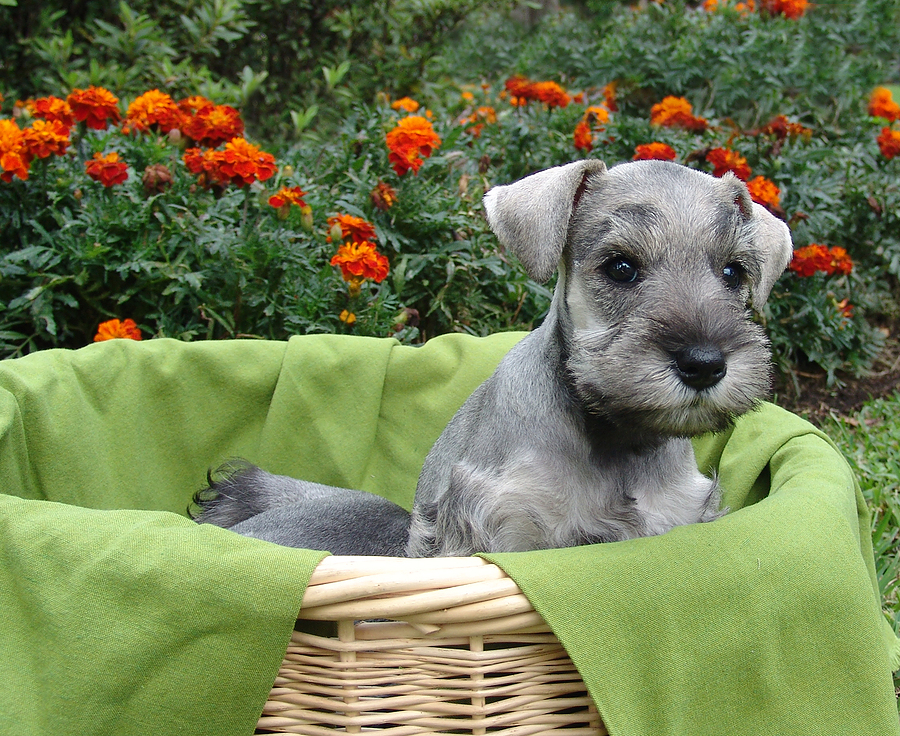
“Caring For A Miniature Schnauzer” from www.mini-schnauzer-secrets.com and used with no modifications.
“Start socializing your Miniature Schnauzer from a young age to ensure they grow up to be friendly and well-mannered dogs.”
Effective Training Techniques
When training a Miniature Schnauzer, it’s important to use techniques that leverage their intelligence and eagerness to learn. Here are a few effective strategies:
- Clicker Training: Use a clicker to mark desired behaviors, followed by a treat. This helps your dog understand which actions are rewarded.
- Obedience Classes: Enroll your Miniature Schnauzer in a local obedience class to reinforce training and socialize them with other dogs.
- Interactive Toys: Use puzzle toys to challenge their minds and prevent boredom, which can lead to destructive behavior.
Socialization Tips
Socializing your Miniature Schnauzer is crucial for their development. Here are some tips to help them become well-rounded dogs:
- Start Early: Begin socialization during puppyhood, as early experiences shape their behavior.
- Expose to Different Environments: Take your dog on walks in various settings, such as parks, city streets, and pet-friendly stores.
- Introduce to Other Animals: Arrange playdates with other dogs and introduce them to other pets in a controlled environment.
- Positive Reinforcement: Reward calm and friendly interactions with treats and praise.
Remember, socialization is an ongoing process. Continue exposing your Miniature Schnauzer to new experiences throughout their life to maintain their sociability.
Is Miniature Schnauzer a Good First Dog?
For those new to dog ownership, Miniature Schnauzers can be a great choice. Their small size and adaptability make them suitable for various living situations, and their intelligence makes training relatively straightforward. However, potential owners should be prepared for their grooming needs and high energy levels.
Suitability for New Dog Owners
“Miniature Schnauzers are a fantastic option for first-time dog owners who are committed to providing the attention and exercise these lively dogs require.”
These dogs are known for their loyalty and affectionate nature, which makes them excellent companions. Their eagerness to please and quick learning ability make training manageable, even for beginners. However, it’s important to be aware of their vocal nature, as they may bark more than some other breeds.
To ensure a successful experience with a Miniature Schnauzer, first-time owners should consider comparing them with other breeds, such as the Cesky Terrier, to understand their unique needs and characteristics.
- Commit to regular grooming and brushing.
- Provide daily exercise and mental stimulation.
- Invest time in training and socialization.
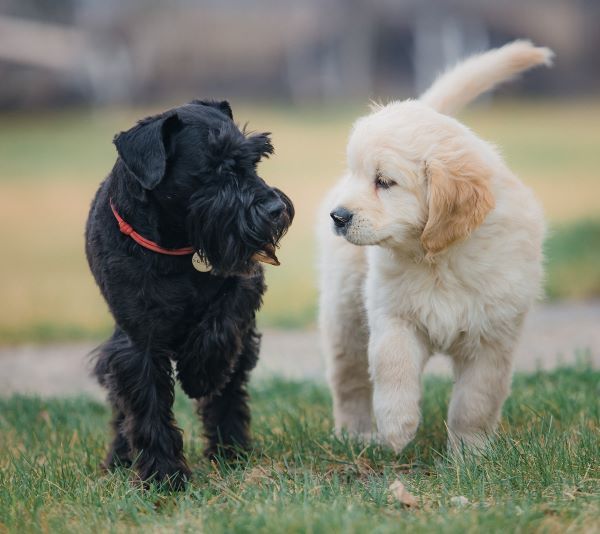
“Miniature Schnauzer Dog Breed: Profile …” from bowwowinsurance.com.au and used with no modifications.
Match with Various Lifestyles
Miniature Schnauzers can fit into a variety of lifestyles, but they thrive in environments where they receive ample attention and activity. Here are some considerations for different living situations:
- Families with Children: Miniature Schnauzers are generally good with children, especially if raised with them. Supervision is recommended to ensure gentle interactions.
- Active Singles: Their high energy levels make them great companions for active individuals who enjoy outdoor activities like hiking or jogging.
- Apartment Dwellers: They can adapt to apartment living, provided they receive enough exercise and mental stimulation.
- Seniors: Miniature Schnauzers can be excellent companions for seniors, but it’s important to consider their exercise needs and ensure they receive enough activity.
Ultimately, the key to a successful relationship with a Miniature Schnauzer is understanding and meeting their needs for exercise, grooming, and companionship.
Comparison with Other Schnauzers
When considering a Schnauzer, it’s helpful to understand how Miniature Schnauzers compare to their larger counterparts, the Standard and Giant Schnauzers. While all three share certain characteristics, there are notable differences that may influence your choice.
Similarities and Differences
All Schnauzers share a similar appearance, with their distinctive beards and eyebrows. They are intelligent, loyal, and protective, making them excellent watchdogs. However, their size and energy levels vary significantly.
Miniature Schnauzers are the smallest of the three, making them more suitable for smaller living spaces. They also tend to be more adaptable and less demanding in terms of exercise compared to the larger Schnauzers.
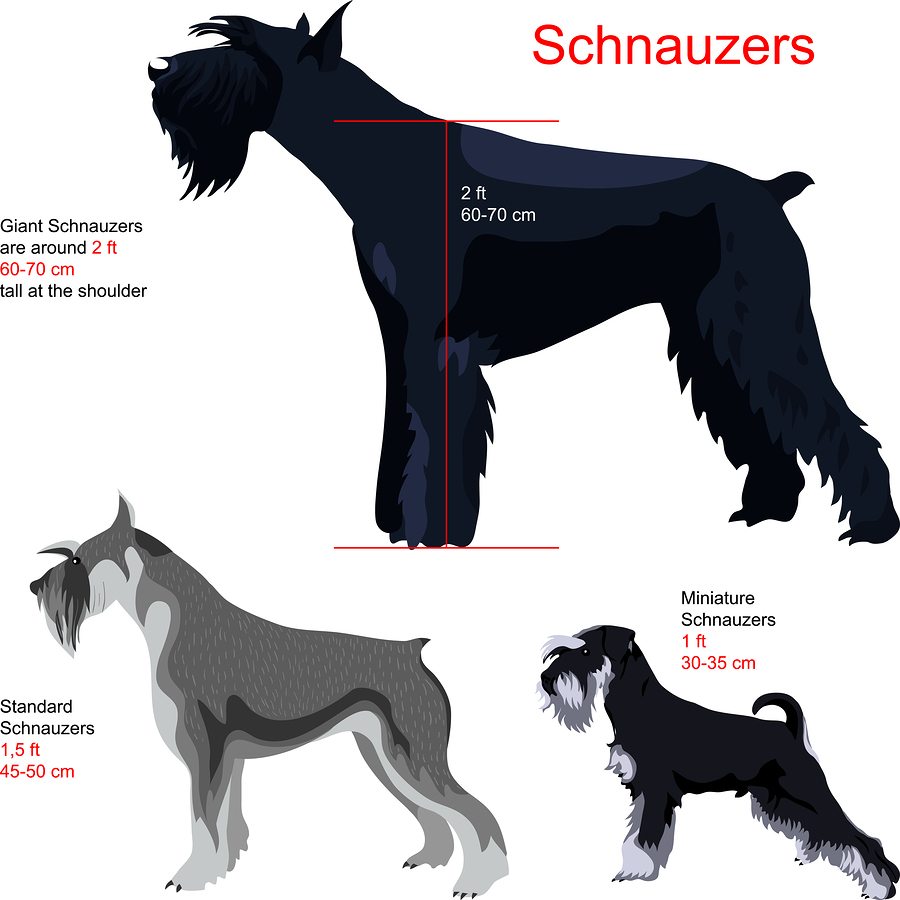
“The Dog of All Dogs – Sparkling …” from www.sparklingschnauzers.com and used with no modifications.
Size and Activity Level
The size and activity level of a Schnauzer can greatly impact their suitability for different lifestyles. For a detailed comparison, you might want to explore how they measure up against other terriers.
|
Schnauzer Type |
Size |
Activity Level |
|---|---|---|
|
Miniature Schnauzer |
11-20 pounds, 12-14 inches |
Moderate |
|
Standard Schnauzer |
30-50 pounds, 17-20 inches |
High |
|
Giant Schnauzer |
55-85 pounds, 23-27 inches |
Very High |
Miniature Schnauzers require less space and exercise than their larger relatives, making them more manageable for many households. However, if you have the space and energy to accommodate a larger Schnauzer, they can be equally rewarding companions.
Comparison with Other Terriers
Miniature Schnauzers are often compared to other terrier breeds, as they share similar characteristics such as intelligence and energy. However, there are some differences that set them apart. For more details, check out this Miniature Schnauzer guide.
Unlike some terriers, Miniature Schnauzers are generally more affectionate and eager to please. They also have a lower prey drive, which means they are less likely to chase small animals. This can make them a better fit for households with other pets.
Additionally, their hypoallergenic coat is a unique advantage over many other terriers, which tend to shed more. This makes Miniature Schnauzers a preferred choice for allergy sufferers who still want the lively personality of a terrier. For more details, check out this Miniature Schnauzer pros and cons guide.
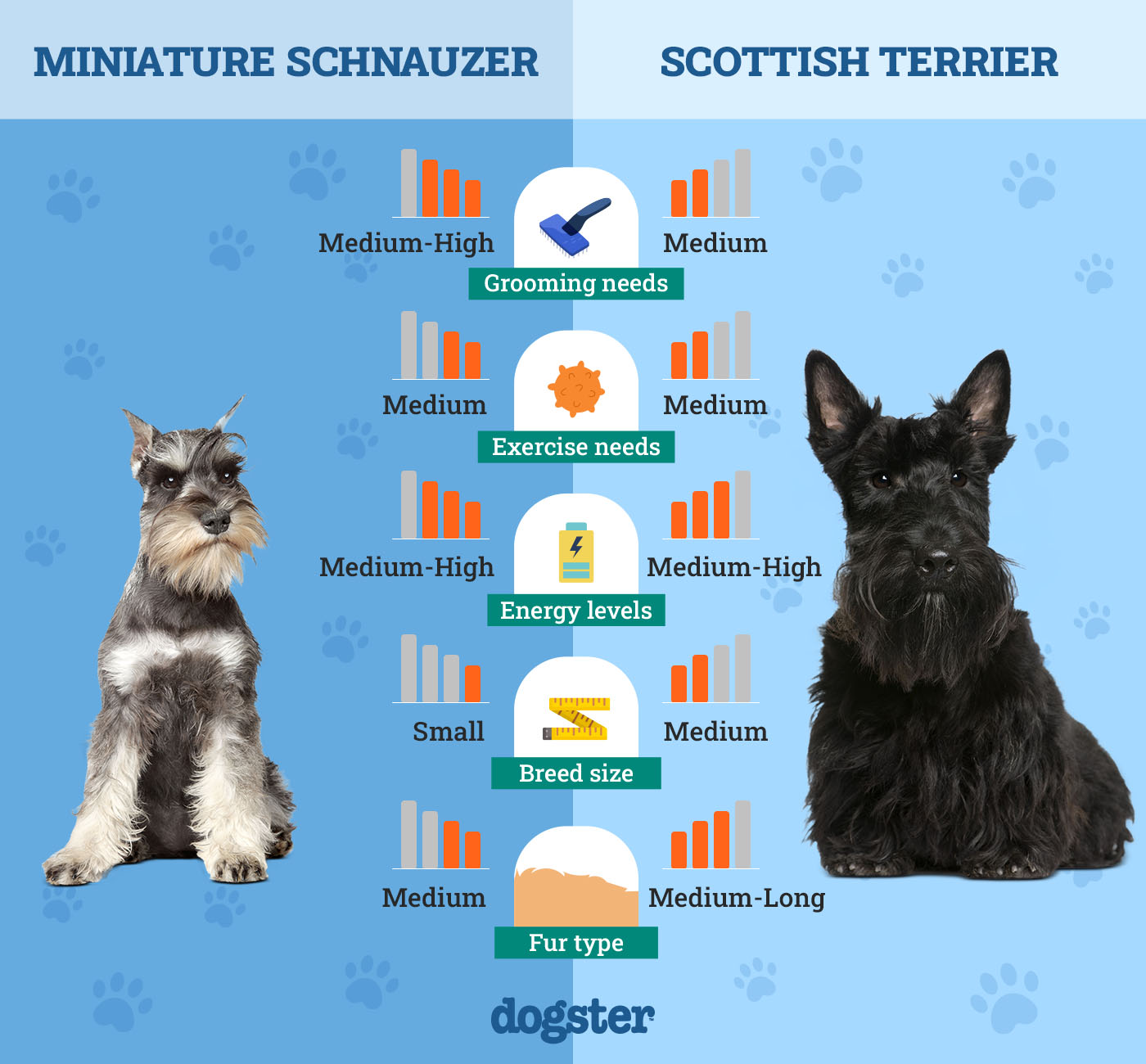
“Miniature Schnauzer vs. Scottish …” from www.dogster.com and used with no modifications.
Temperament Differences
Miniature Schnauzers stand out among other terriers due to their unique temperament. They are incredibly affectionate and thrive on human interaction, which makes them excellent companions. Unlike some terriers, which can be more independent, Miniature Schnauzers crave companionship and will often follow their owners around the house.
One of the most endearing traits of the Miniature Schnauzer is their playful and spirited nature. They enjoy engaging in games and activities with their family members, making them perfect for households with children. However, their protective instincts can sometimes lead to excessive barking, especially if they feel their home is being threatened.
While they are generally friendly, early socialization is crucial to ensure they grow up to be well-mannered dogs. Introducing them to different environments, people, and animals from a young age helps curb any tendencies towards shyness or aggression.
- Affectionate and loyal
- Playful and energetic
- Protective and alert
- Prone to barking if not properly trained
Overall, their temperament makes them ideal for families who can provide the attention and interaction they crave. With the right training and socialization, Miniature Schnauzers can be delightful additions to any household.
Energy and Exercise Needs
Miniature Schnauzers are high-energy dogs that require regular exercise to keep them healthy and happy. Daily walks and play sessions are essential to burn off their energy and prevent boredom. A well-exercised Miniature Schnauzer is less likely to develop behavioral issues such as excessive barking or destructive chewing.
Ideal Owner and Lifestyle
Choosing the right breed is crucial, and Miniature Schnauzers are best suited for owners who can meet their specific needs. They thrive in environments where they receive ample attention, mental stimulation, and exercise. Therefore, they are perfect for active families, singles, or seniors who enjoy spending time with their pets.
These dogs can adapt to various living situations, including apartments, as long as they get enough exercise. Their hypoallergenic coat also makes them a good choice for individuals with allergies, although regular grooming is necessary to maintain their coat.
Family and Children Compatibility
Miniature Schnauzers are generally great with children, especially if they grow up together. Their playful and affectionate nature makes them ideal companions for kids, and they often form strong bonds with their young family members. However, supervision is recommended to ensure gentle interactions, particularly with younger children who may not understand how to handle dogs properly. If you’re considering adding a Miniature Schnauzer to your family, you might also be interested in learning about the Brussels Griffon, another small breed known for its charming personality.
Because of their protective instincts, Miniature Schnauzers can be wary of strangers, making them excellent watchdogs. They will alert you to any unusual activity around the house, but proper training is necessary to prevent excessive barking.
Overall, their compatibility with children and protective nature make them a wonderful choice for families seeking a loyal and loving pet. For those interested in exploring other family-friendly breeds, the Cesky Terrier is another option to consider.
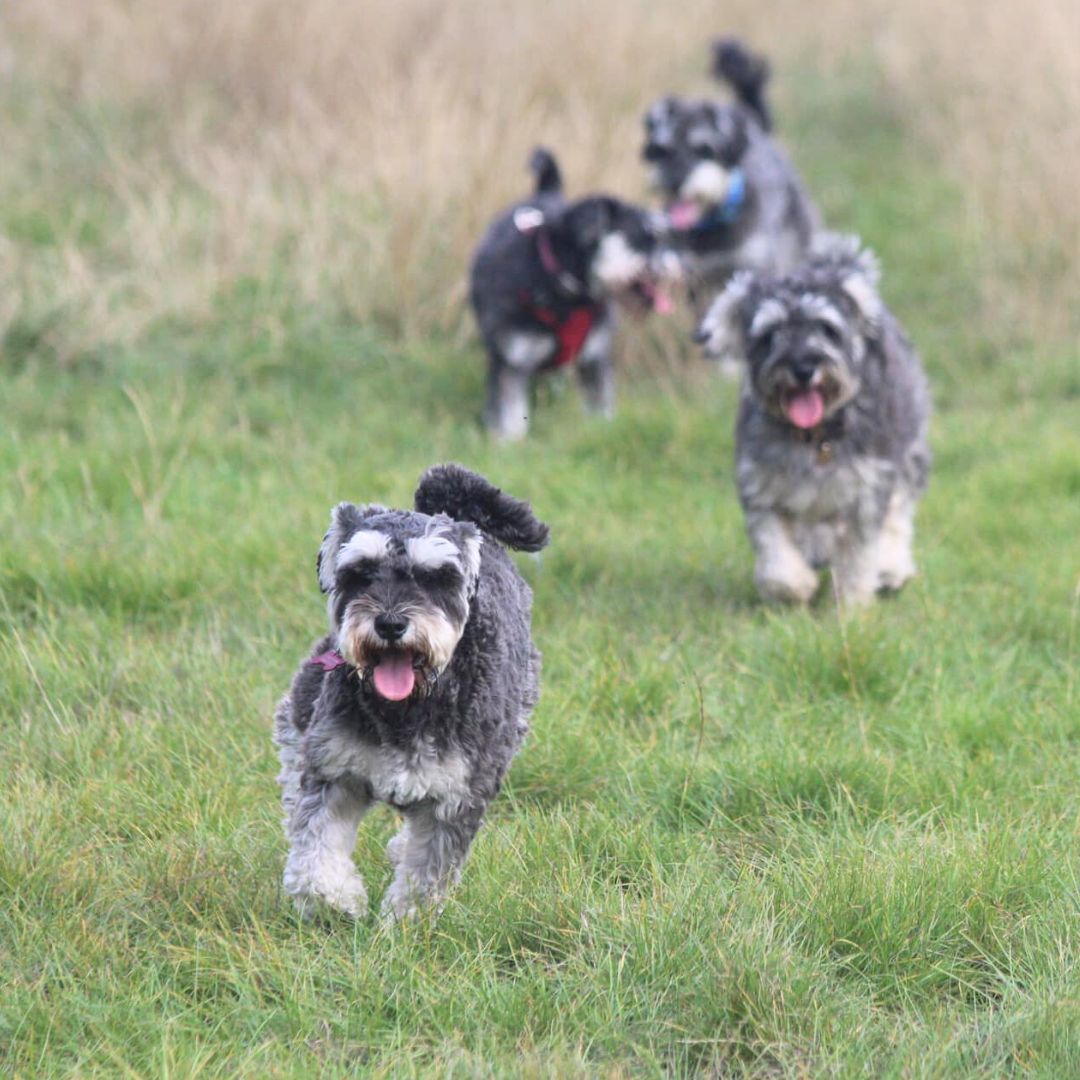
“Schnauzer Club Play Sessions at Dogs …” from dogscountryclub.co.uk and used with no modifications.
Exercise and Activity Requirements
To keep your Miniature Schnauzer happy and healthy, regular exercise is a must. They require at least 30 to 60 minutes of physical activity each day. This can include walks, playtime in the yard, or interactive games like fetch. For those interested in other small, energetic breeds, the Brussels Griffon is also known for its lively personality and exercise needs.
In addition to physical exercise, mental stimulation is crucial for this intelligent breed. Puzzle toys, obedience training, and agility courses are excellent ways to challenge their minds and keep them engaged.
Frequently Asked Questions (FAQ)
Here are some common questions potential Miniature Schnauzer owners often have:
How much exercise do Miniature Schnauzers need?
Miniature Schnauzers need at least 30 to 60 minutes of exercise daily. This can be achieved through walks, playtime, or activities like agility training. Regular exercise helps prevent obesity and keeps them mentally stimulated.
It’s important to tailor the exercise routine to your dog’s age and energy level. Puppies and young dogs may require more frequent, shorter play sessions, while older dogs might enjoy longer, leisurely walks.
Remember, a tired Miniature Schnauzer is a happy and well-behaved one!
Are Miniature Schnauzers hypoallergenic?
Yes, Miniature Schnauzers are considered hypoallergenic because they shed minimally and produce less dander. This makes them a great choice for allergy sufferers. However, regular grooming is necessary to keep their coat in top condition and reduce allergens.
What is the average lifespan of a Miniature Schnauzer?
The average lifespan of a Miniature Schnauzer is between 12 to 15 years. With proper care, including a balanced diet, regular exercise, and routine vet check-ups, they can live long and healthy lives.
Providing your Miniature Schnauzer with a loving home and meeting their physical and mental needs will contribute to their longevity and quality of life.
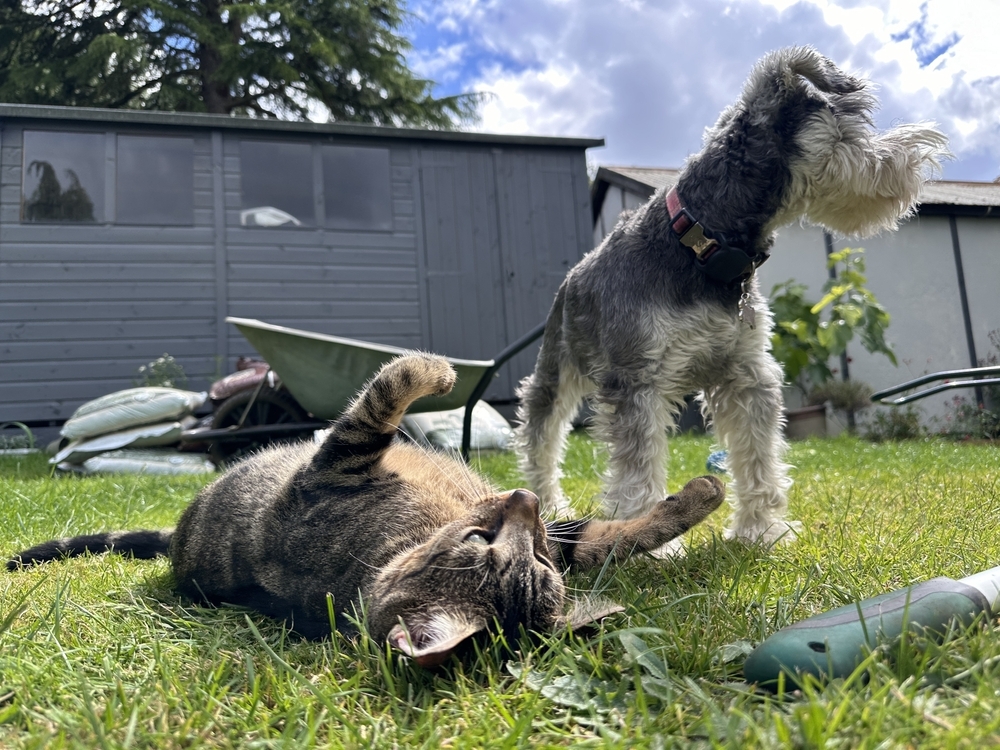
“Are Miniature Schnauzers Good With Cats …” from www.dogster.com and used with no modifications.
Do Miniature Schnauzers get along with other pets including cats?
Miniature Schnauzers can get along well with other pets, including cats, especially if they are raised together. Early socialization is key to fostering positive relationships with other animals.
It’s important to supervise interactions between your Miniature Schnauzer and other pets to ensure they are safe and harmonious. With patience and training, they can coexist peacefully with other furry family members. For insights into training and personality, you might want to explore the Australian Shepherd’s compatibility with family as a comparison.
How often should I groom my Miniature Schnauzer?
Regular grooming is essential for Miniature Schnauzers to maintain their coat and appearance. They should be brushed at least a few times a week to prevent matting and tangles.
Professional grooming every 4 to 6 weeks is recommended to keep their coat trimmed and neat. Additionally, regular cleaning of their facial hair, especially around the eyes and beard, is necessary to avoid debris buildup. For more detailed information on grooming and care, you can visit the Miniature Schnauzer Information and Pictures page on PetGuide.
Miniature Schnauzers are known for their friendly and outgoing personality, making them great companions for families and individuals alike. They require regular grooming to maintain their distinctive coat and are considered relatively easy to train. However, potential owners should be aware that they can be quite vocal. If you’re interested in how they compare to other breeds, you might want to explore the comparison with other terriers to see how they stack up in terms of temperament and care needs.