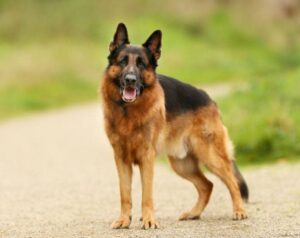
Are you considering adding a German Wirehaired Pointer (GWP) to your family? This unique breed, known for its versatility and distinctive appearance, can be a wonderful addition to an active household. Before you make your decision, let’s dive into what makes this breed so special and what you need to know to care for one properly.
Article-at-a-Glance
- The German Wirehaired Pointer (GWP) is known for its unique wiry coat and versatile hunting abilities.
- They require plenty of exercise and mental stimulation to stay happy and healthy.
- Training should start early, focusing on basic obedience and socialization.
- Regular grooming is essential to maintain their coat and overall health.
- These dogs are generally good with children and other pets, but supervision is advised.
Key Characteristics of the German Wirehaired Pointer
The German Wirehaired Pointer is a breed that combines intelligence, energy, and loyalty. These dogs are not only striking in appearance but also excel in various activities, making them a favorite among hunters and active families alike.
Breed Origins and History
The German Wirehaired Pointer originated in Germany in the late 19th century. Breeders aimed to create a versatile hunting dog capable of working in various terrains and climates. By crossing breeds like the German Shorthaired Pointer, the Wirehaired Pointing Griffon, and the Pudelpointer, they developed a dog that could hunt on land and water. This breed’s history as a hunter is evident in its keen sense of smell and strong prey drive.
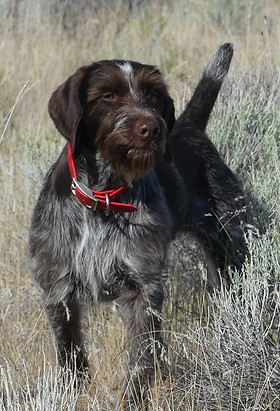
“Wireswest GWP German Wirehaired Pointer …” from www.wireswest.com and used with no modifications.
“German Wirehaired Pointer Standard …” from claddaghkennel.com and used with no modifications.
Physical Traits and Appearance
One of the most distinctive features of the German Wirehaired Pointer is its wiry coat. This coat is not only weather-resistant but also serves as protection against rough terrain and underbrush. Typically, their coat comes in liver and white or solid liver colors. Their muscular build and athletic stance give them a commanding presence.
Personality and Temperament
German Wirehaired Pointers are known for their friendly and outgoing nature. They are intelligent, eager to please, and can be quite affectionate with their families. However, they are also independent thinkers, which can sometimes translate to stubbornness. Early training and socialization are crucial to help them grow into well-behaved adults. For more insights on living with this breed, you can read about the experience of living with a German Wirehaired Pointer.
Preparation Before Owning a German Wirehaired Pointer
Before bringing a German Wirehaired Pointer into your home, it’s important to understand what they require to thrive. These dogs are not for everyone, and their needs should align with your lifestyle.
- They thrive in active households where they can participate in various activities.
- Access to a large, secure yard is ideal for burning off energy.
- Potential owners should be prepared for regular grooming and maintenance.
Considerations for Potential Owners
If you’re considering a German Wirehaired Pointer, assess your living situation and daily routine. These dogs are best suited for active families who enjoy outdoor activities. If you lead a sedentary lifestyle, this breed might not be the best fit.
Understanding Energy and Exercise Needs
German Wirehaired Pointers are high-energy dogs that require ample exercise to stay healthy and happy. Daily walks, runs, or play sessions are essential. Engaging in activities like agility, obedience, or hunting can provide both physical and mental stimulation.

“German Wirehaired Pointer Health Issues …” from articles.hepper.com and used with no modifications.
Health Considerations and Common Issues
While generally healthy, German Wirehaired Pointers can be prone to certain health issues. Regular veterinary check-ups are important to catch any potential problems early. Common concerns include hip dysplasia, eye disorders, and skin conditions.
Maintaining a healthy diet and providing regular exercise can help mitigate some of these health risks. It’s also crucial to purchase from reputable breeders who screen for genetic conditions.
Training and Managing Behavior
Training a German Wirehaired Pointer requires patience and consistency. These intelligent dogs can excel in obedience training, but their independent nature means they might test boundaries. Start training early to establish a strong foundation, similar to the approach used in Catahoula Leopard Dog training.
Basic Training and Obedience
Focus on positive reinforcement techniques, using treats and praise to reward good behavior. Consistency is key; make sure all family members are on the same page with training commands and rules. Enroll in a puppy class or hire a professional trainer if needed.
Addressing and Managing Aggression Towards Other Dogs
Managing aggression in German Wirehaired Pointers can be crucial, especially since they are strong-willed and energetic. Aggression might stem from fear, dominance, or lack of socialization. Therefore, it is essential to identify the root cause to address it effectively. Early socialization is the key. Introduce your dog to various environments, people, and other dogs from a young age to build confidence and reduce fear-induced aggression.
In cases where aggression is already present, consider consulting a professional dog trainer or behaviorist. They can provide personalized strategies and training methods to curb aggressive behavior. Consistency in training and reinforcing positive behavior is crucial. Avoid situations that may trigger aggression until your dog is better managed. Remember, patience and understanding are vital components in this process.
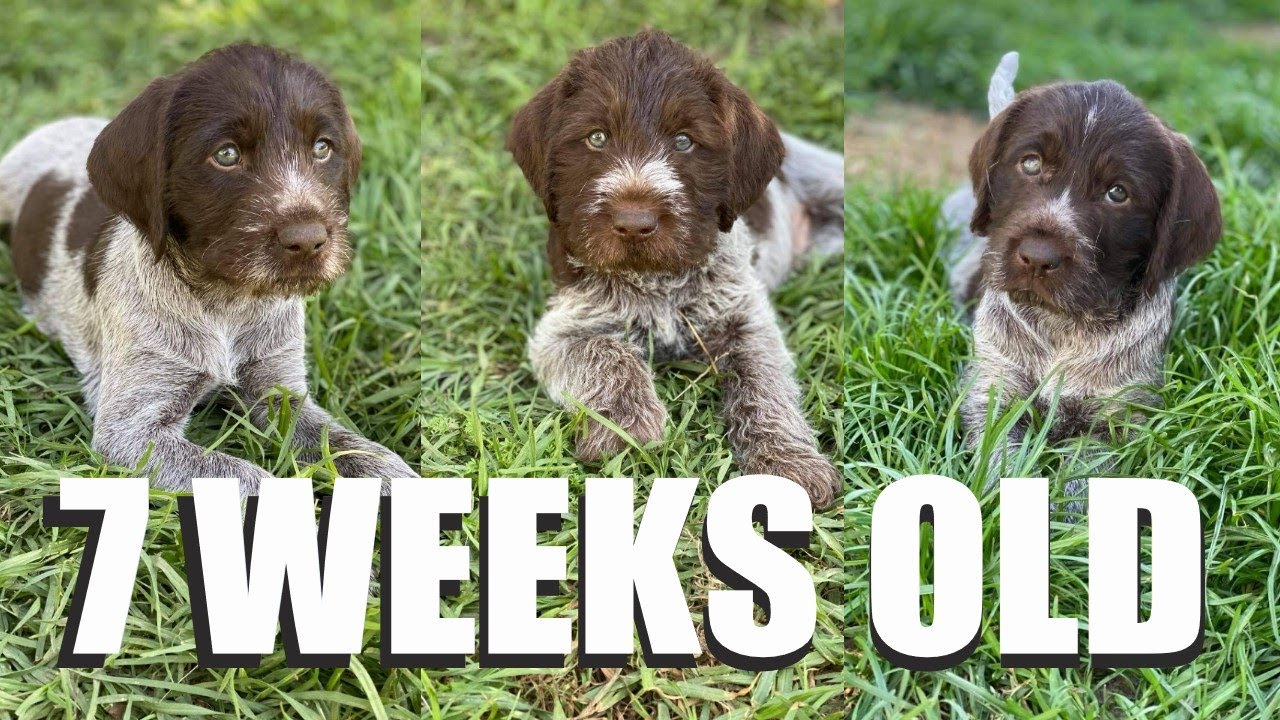
“7 Week Old GWP PUPPIES – YouTube” from www.youtube.com and used with no modifications.
Interaction with Other Pets and Children
German Wirehaired Pointers generally get along well with children and can be great family dogs. However, due to their high energy levels, supervision is recommended during interactions with young children. Teach kids how to approach and play with the dog respectfully to prevent accidents. For families considering other breeds, the Australian Shepherd is another option that may suit family life.
When it comes to other pets, especially smaller animals, caution is advised. Due to their hunting instincts, German Wirehaired Pointers may view smaller animals as prey. Gradual introductions and supervised interactions can help foster peaceful coexistence. Using positive reinforcement to reward calm behavior around other pets can also be beneficial.
Coat Care and Maintenance
The distinctive wiry coat of the German Wirehaired Pointer requires regular grooming to keep it in top condition. This breed does not shed excessively, but routine grooming helps manage any loose hair and maintain a healthy coat.
Regular brushing, at least once a week, is recommended to prevent matting and tangling. A slicker brush or a metal comb can be effective tools for this purpose. Bathing should be done as needed, depending on the dog’s activities and exposure to dirt and mud.
Shedding Patterns and Grooming Requirements
German Wirehaired Pointers have a low to moderate shedding pattern. Despite their wiry coat, they do shed, particularly during seasonal changes. Regular grooming can help manage shedding and keep your home cleaner. Besides regular brushing, hand-stripping the coat several times a year can help maintain its texture and appearance.
Hand-stripping involves removing dead hair from the coat by hand rather than cutting it with clippers. This process helps maintain the coat’s natural water-resistant properties and prevents it from becoming too soft or fluffy.
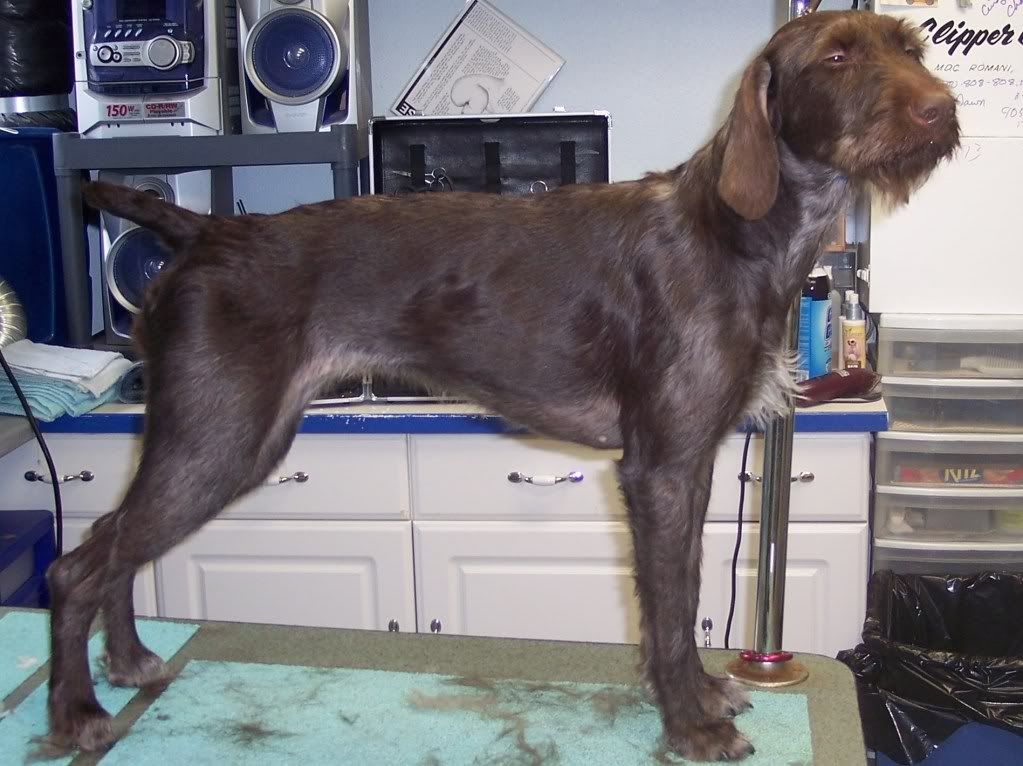
“German Wirehaired Pointer …” from www.showdog.com and used with no modifications.
Tools and Techniques for Effective Grooming
Effective grooming requires the right tools. Invest in a good quality slicker brush and a metal comb to tackle tangles and mats. A stripping knife can be useful for hand-stripping the coat. Regular grooming sessions are not just about maintaining appearance; they also provide an opportunity to check for skin issues or parasites. For more detailed grooming tips, you might find this Cesky Terrier grooming guide helpful.
During grooming, pay attention to the ears, as German Wirehaired Pointers are prone to ear infections. Clean the ears regularly and ensure they are dry after swimming or baths. Additionally, keep the nails trimmed to prevent discomfort or injury. For more detailed insights on living with this breed, check out this article on Living With A German Wirehaired Pointer.
Natural Resilience Against Predators
German Wirehaired Pointers are known for their resilience and toughness, traits that make them formidable against common predators. Their protective coat and sturdy build offer some defense against environmental hazards and potential threats.
Survival Instincts of German Wirehaired Pointers
This breed possesses strong survival instincts, a trait honed through their history as versatile hunting dogs. They are alert and aware of their surroundings, making them excellent watchdogs. Their intelligence and keen senses allow them to detect potential threats early and react accordingly.
In rural settings, these instincts can help them navigate encounters with wildlife. However, it is important to remember that they are not invincible and should not be left unattended in areas with known predator activity. For more insights on living with these dogs, check out this article on living with a German Wirehaired Pointer.
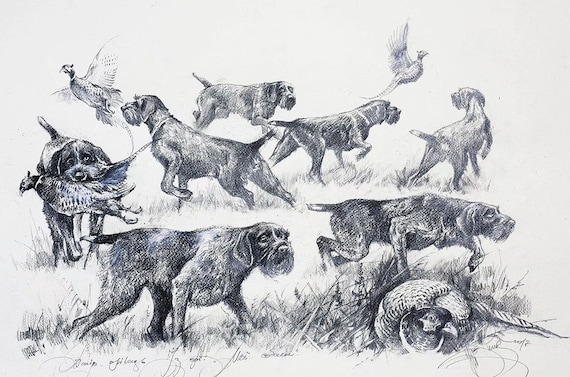
“Gwp Pointer, Dog Art …” from www.etsy.com and used with no modifications.
Threat Level from Coyotes and Raccoons
Coyotes and raccoons can pose a threat to pets, especially in rural or suburban areas. German Wirehaired Pointers, with their size and strength, are better equipped than smaller breeds to handle such encounters. However, prevention is always better than confrontation.
To protect your dog, supervise outdoor activities and ensure your yard is secure. Install proper fencing and avoid leaving food outside that may attract wildlife. In the event of an encounter, recall training can be invaluable to quickly bring your dog back to safety.
Aptitude for Search and Rescue Operations
The German Wirehaired Pointer’s intelligence, stamina, and keen sense of smell make them well-suited for search and rescue operations. Their ability to work in various terrains and climates enhances their effectiveness in these roles.
Training for Search and Rescue Tasks
Training a German Wirehaired Pointer for search and rescue involves specialized instruction. Begin with basic obedience and gradually introduce search tasks. Scent training, where the dog learns to track specific scents, is a critical component. If you’re interested in learning about other breeds with unique training needs, check out the Catahoula Leopard Dog.
Working with professional trainers or organizations specializing in search and rescue can provide structured guidance. Regular practice and exposure to different environments will enhance their skills and readiness for real-world scenarios.

“The German Wirehaired Pointer as an …” from www.emotionalpetsupport.com and used with no modifications.
Real-life Applications and Success Stories
German Wirehaired Pointers have been successfully used in search and rescue missions, showcasing their capabilities. Their determination and work ethic make them reliable partners in finding missing persons or locating individuals in disaster-stricken areas.
For example, a German Wirehaired Pointer named Max was instrumental in locating a lost hiker in a dense forest. His ability to track scents over long distances and rough terrain played a crucial role in the rescue operation. Such stories highlight the breed’s potential and the importance of proper training.
Comparison with the German Shorthaired Pointer
German Wirehaired Pointers (GWPs) and German Shorthaired Pointers (GSPs) are closely related breeds, both originating from Germany and bred for hunting. However, they possess distinct differences that can influence which breed might be better suited to your lifestyle.
Differences in Size and Build
While both breeds are medium to large-sized dogs, the GWP tends to have a slightly more robust build compared to the GSP. The GWP’s body is well-muscled, designed for endurance and versatility in the field, whereas the GSP often appears sleeker and more streamlined. This difference in build can affect their performance in different environments and tasks.
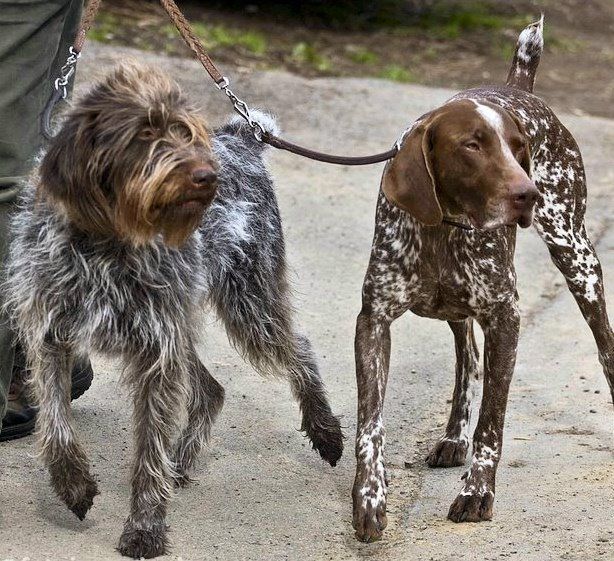
“GWP and GSP just like my two. They get …” from www.pinterest.com and used with no modifications.
Variations in Coat and Grooming
- German Wirehaired Pointer: The GWP has a distinctive wiry, weather-resistant coat that requires regular grooming, including brushing and hand-stripping.
- German Shorthaired Pointer: The GSP has a short, dense coat that is easier to maintain and requires less frequent grooming.
The GWP’s coat provides better protection against harsh weather and rough terrain, making them more suitable for rugged outdoor activities. However, this also means more grooming effort is required to keep their coat in good condition.
In contrast, the GSP’s coat is low-maintenance, ideal for owners who prefer less grooming but still want an active, outdoor-loving companion.
Energy Levels and Exercise Needs
Both breeds are highly energetic and require ample exercise to stay healthy and content. However, GWPs may have slightly higher endurance, making them more suited for long hunting trips or extended outdoor adventures. GSPs, while equally active, may be more adaptable to a variety of family activities.
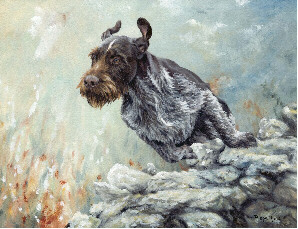
“GWP and GSP: Differences?” from nationalpurebreddogday.com and used with no modifications.
Similarities and Differences in Temperament
Both breeds are intelligent, eager to please, and make excellent companions for active families. However, the GWP may exhibit a more independent streak, requiring firm and consistent training. They are often more reserved with strangers but form strong bonds with their families.
GSPs are typically more outgoing and sociable, making them easier to introduce to new people and environments. Their friendly nature and adaptability make them excellent family dogs.
FAQ
Here are some frequently asked questions about German Wirehaired Pointers to help you better understand this remarkable breed.
What makes the German Wirehaired Pointer versatile?
The GWP’s versatility stems from its breeding as a hunting dog capable of working in various terrains and weather conditions. Their intelligence, endurance, and keen senses make them suitable for a range of activities, from hunting to search and rescue operations.
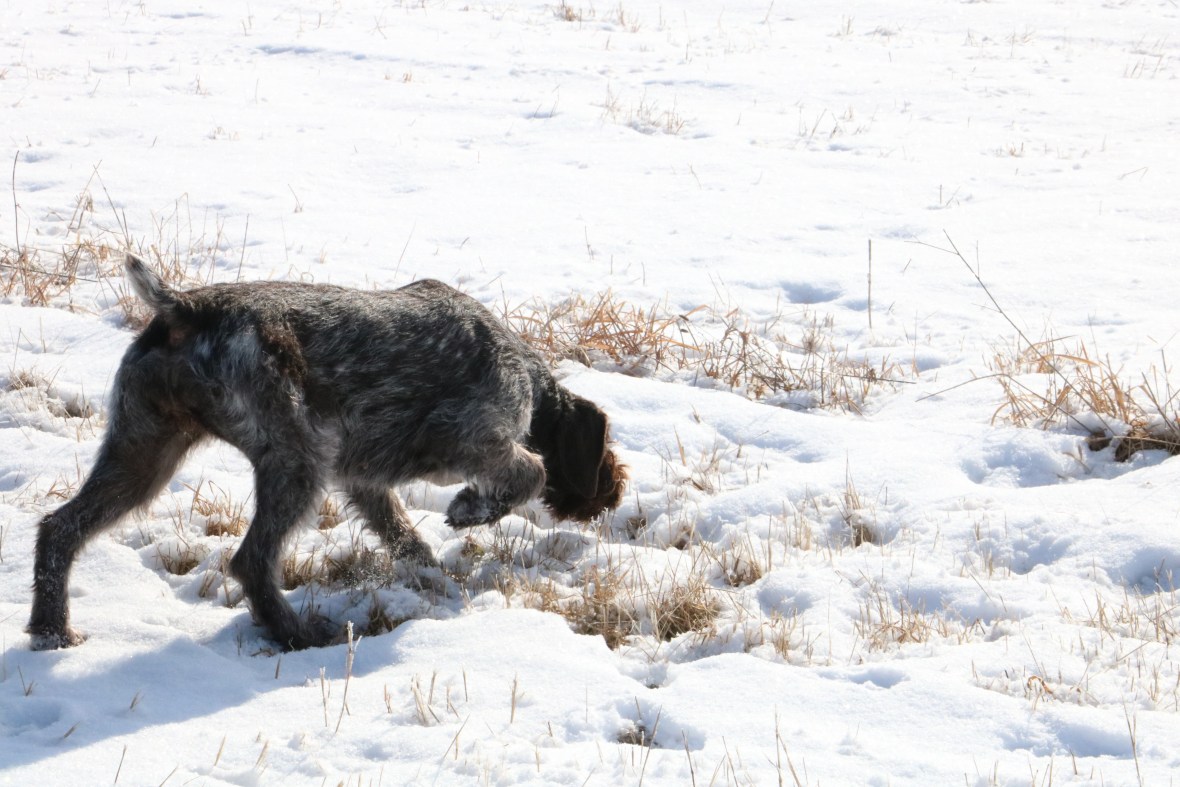
“German Wirehaired Pointer Club of America” from gwpca.com and used with no modifications.
How does this breed get along with children and cats?
German Wirehaired Pointers are generally good with children, especially when raised together. Their playful nature and loyalty make them excellent companions for active kids. However, supervision is recommended to ensure safe interactions.
When it comes to cats, GWPs can coexist peacefully if properly socialized from a young age. Their strong prey drive means introductions should be gradual and monitored to ensure harmonious relationships.
What are the grooming needs of a German Wirehaired Pointer?
GWPs require regular grooming to maintain their distinctive coat. Weekly brushing helps prevent matting and tangling, while hand-stripping several times a year keeps the coat’s texture intact. Regular ear cleaning and nail trimming are also important for overall health.
How effective are they as guard or watch dogs?
“German Wirehaired Pointers are excellent watchdogs due to their alertness and protective instincts. They will bark to alert their owners of any potential threats, making them reliable guardians for their homes.”
While they are not typically aggressive, their presence and bark can deter intruders, providing an added layer of security for your household.
How do GWPs compare with GSPs?
“Both the German Wirehaired Pointer and the German Shorthaired Pointer excel in hunting and make great family pets. However, the GWP’s wiry coat and slightly more reserved temperament set it apart, making it better suited for certain environments and owners who appreciate its unique characteristics.”
In summary, choosing between a GWP and a GSP depends on your lifestyle, grooming preferences, and the specific traits you desire in a companion. Both breeds offer loyalty, intelligence, and a zest for life, ensuring they bring joy and adventure to any household.