Key Takeaways
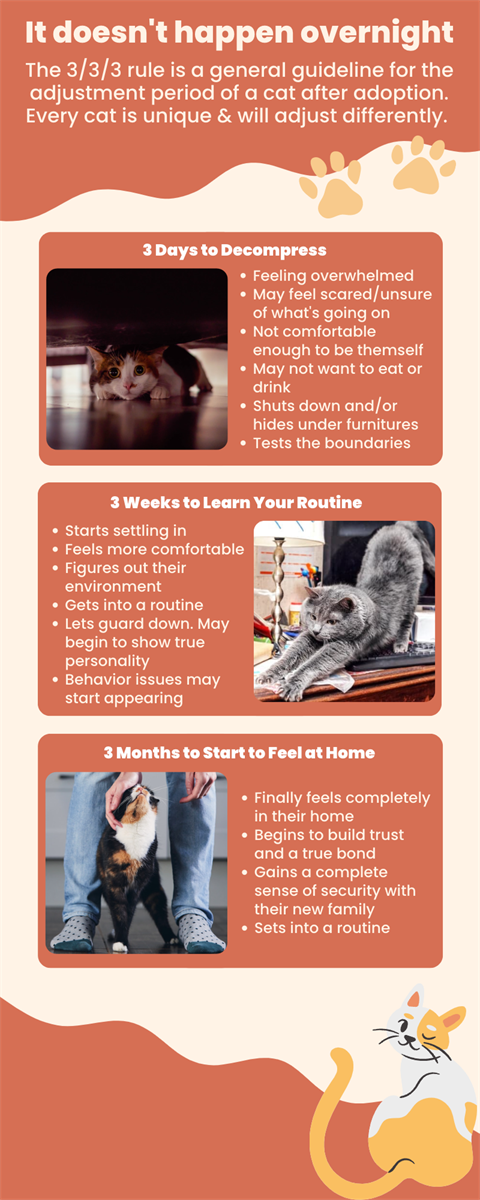
- The 3-3-3 rule outlines how rescue pets typically adjust over three distinct timeframes: 3 days (survival mode), 3 weeks (building trust), and 3 months (true personality emerges).
- Rescue volunteers and foster families provide invaluable insights about pets’ true personalities and can help match you with the perfect companion for your lifestyle.
- Different species—dogs, cats, rabbits, and birds—all follow similar adjustment patterns but with species-specific behaviors and needs during each phase.
- Creating safe spaces, establishing consistent routines, and respecting your new pet’s boundaries are critical for successful adjustment during the initial transition period.
- Some rescued animals, especially those with trauma histories or senior pets, may need additional time beyond the standard 3-3-3 timeframe to fully adjust to their new homes.
Bringing home a rescue pet changes two lives forever—yours and theirs. But the joyful homecoming you’ve imagined might look different in reality, especially during those crucial first days and weeks. Understanding the 3-3-3 rule of pet adoption can make all the difference between a smooth transition and unnecessary stress for everyone involved.
When you adopt from Figo Pet Insurance’s network of shelter partners, you’re giving a deserving animal a second chance while gaining a companion who will enrich your life immeasurably. The journey to building that bond requires patience, understanding, and realistic expectations—particularly during the adjustment period. The 3-3-3 rule provides a roadmap for what to expect as your new family member settles in.
Working With Rescue Volunteers To Find Your Perfect Match
Behind every successful adoption stands a network of dedicated rescue volunteers who have spent countless hours getting to know the animals in their care. These unsung heroes observe behaviors, preferences, and personalities that aren’t always apparent during a brief shelter visit. Their insights are gold when searching for your perfect companion.
Unlike buying from a breeder or pet store, adoption offers a unique advantage: access to people who have lived with your potential pet. Foster families especially can tell you whether a dog gets anxious during thunderstorms, if a cat prefers quiet evenings over busy households, or how a rabbit reacts to children. This real-world information helps ensure compatibility between your lifestyle and your new pet’s temperament.
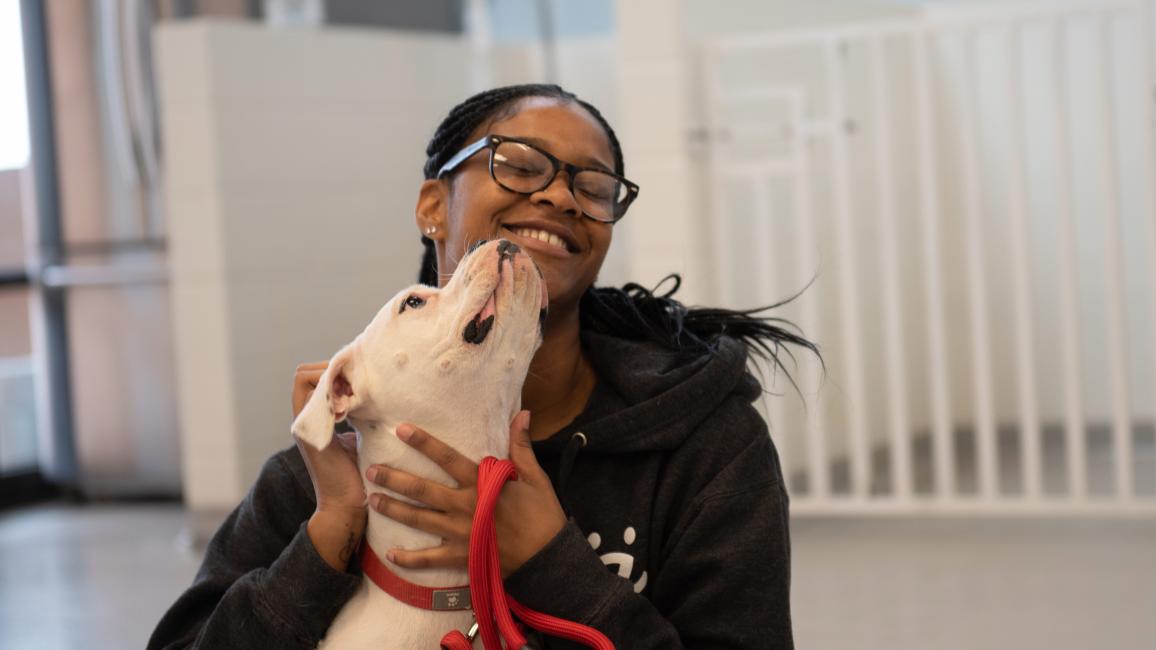
“Matchmaking, animal shelter style …” from bestfriends.org and used with no modifications.
Why Foster Families Know Best
Foster homes provide temporary sanctuary where animals can decompress from shelter stress and show their true personalities. In these environments, pets reveal behaviors that might never surface in a shelter setting. Foster parents can tell you if a dog is house-trained, how a cat interacts with other pets, or whether a bird becomes vocal at specific times of day.
These volunteers observe how animals handle different situations—from meeting strangers to encountering unusual noises. They’ve witnessed the pet’s sleeping habits, food preferences, and play styles. This comprehensive understanding helps match animals with families where they’ll truly thrive, not just survive.
When Jasmine, a three-year-old shepherd mix, came to her foster home, she appeared shy and withdrawn. After two weeks, her foster mom discovered Jasmine’s playful side emerged only after establishing trust. This crucial information helped match her with a patient family willing to give her the time she needed—resulting in a successful adoption that might have failed if her new owners expected an immediately outgoing pet.
Questions To Ask Before Adopting
Approaching adoption with thoughtful questions demonstrates your commitment to making a good match. Beyond basics like age and medical history, dig deeper into behavior patterns and personality traits. Ask specific questions that relate to your lifestyle and home environment.
Consider inquiring: “How does this pet behave when left alone?” “What situations cause stress or anxiety?” “How does this animal interact with strangers/children/other pets?” “What training has been started, and how does the pet respond?” “What daily routine seems to work best?” These questions reveal compatibility issues that might not be immediately obvious. For more insights, you can read about appreciating the pet rescue application process.
Document the answers and reflect on whether the pet’s needs align with what you can realistically provide. Remember that honesty works both ways—be transparent about your experience level, living situation, and expectations to ensure the match benefits everyone involved.
Red Flags vs. Manageable Challenges
Not every behavioral challenge indicates a poor match. Many adoption issues are completely manageable with proper support, training, and patience. The key is distinguishing between normal adjustment behaviors and serious red flags that suggest incompatibility.
Manageable challenges often include: shy behavior during initial meetings, minor house-training regression, temporary anxiety in new environments, or species-appropriate behaviors like scratching (cats) or chewing (rabbits) that can be redirected to appropriate outlets. These typically resolve during the 3-3-3 adjustment period with consistent handling.
Potential red flags require more careful consideration: aggression toward people or other pets, severe separation anxiety that doesn’t improve with intervention, or specific triggers that can’t be managed in your particular household (like a bird that becomes extremely stressed around children in a family with young kids). Being realistic about these challenges isn’t giving up—it’s ensuring the right fit for both you and the animal.
Setting Your New Pet Up For Success
The foundation for a smooth transition begins before your new companion ever crosses your threshold. Preparation isn’t just about gathering supplies—it’s about creating an environment that minimizes stress and supports adjustment during those critical first days and weeks.
Rescue animals have already experienced significant upheaval. Many have lost familiar surroundings, routines, and human connections they depended on. Your goal is to create stability from day one, establishing predictable patterns that help your new pet feel secure in their forever home.

“Helping Your Newly Adopted Dog Feel …” from www.ovrs.com and used with no modifications.
Signs Your New Pet Is Overwhelmed
Recognizing stress signals is crucial during those first critical days. Your new pet may exhibit physical signs like excessive panting, drooling, trembling, or a tucked tail. Behavioral indicators often include hiding, refusing food, excessive vocalization, or conversely, unusual silence. Some animals may display displacement behaviors such as excessive grooming, pacing, or destructive actions when feeling overwhelmed by their new surroundings.
How Dogs React During Initial Adjustment
Dogs typically display their stress more visibly than other species during the first three days. Many will pace restlessly, whine, or bark at unfamiliar sounds. Some may shadow your every move while others retreat to quiet corners. Sleep patterns often appear disrupted as they remain hypervigilant in the new environment. For tips on helping your dog adjust, you might find this guide on dog socialization useful.
Resource guarding can emerge even in dogs without previous issues—this might look like stiffening around food bowls or toys. Housetraining accidents are common regardless of previous training, as dogs may be too anxious to signal needs or unsure of where to eliminate in the new space. Remember that these behaviors reflect fear and uncertainty, not disobedience or spite.

“How to Introduce a New Cat to Your Home …” from www.youtube.com and used with no modifications.
Cat Behavior in the First 72 Hours
Cats prioritize security over social connection during initial adjustment, often seeking small, enclosed spaces where they can observe while feeling protected. Don’t be alarmed if your new cat disappears under furniture or into closets—this is normal self-protective behavior. Many cats will refuse food or use litter boxes only when the house is quiet. Respect their need for control by providing multiple hiding spots and approaching on their terms rather than forcing interaction.

“Here’s why Easter Is bad for bunnies …” from www.nationalgeographic.com and used with no modifications.
Special Considerations for Rabbits and Birds
Prey animals like rabbits experience heightened vulnerability during transitions. They may remain motionless for extended periods, refusing food when feeling observed. Rabbits particularly struggle with transport stress, sometimes taking several days before normal eating resumes. Provide fresh greens, familiar hay, and minimal handling during this critical period. For more tips on adopting pets, consider these successful pet adoption strategies.
Birds exhibit stress through subtle cues including fluffed feathers, perching in one spot, decreased vocalization, or conversely, excessive screaming. Their sensitive respiratory systems make them especially vulnerable to adjustment stress. Maintain consistent room temperature, cover cages partially to provide security, and speak softly when approaching. For all smaller species, minimizing environmental changes during the first week is paramount for successful adaptation.
5 Ways To Help Your Pet Feel Safe Immediately
Creating immediate safety begins with establishing a designated quiet space containing all essentials—appropriate bedding, food, water, and species-specific comfort items. Maintain consistent feeding times from day one, using the same food they received in their previous environment to prevent digestive upset during an already stressful time. Speak in calm, quiet tones around your new pet, avoiding the temptation to introduce them to friends and family right away.

“How to Help Adopted Dogs Adjust and …” from thecottagemarket.com and used with no modifications.
Resist the urge to correct minor behavioral issues during this survival phase—training can begin after basic security is established. Finally, provide appropriate comfort items with familiar scents; ask the rescue for a blanket or toy from their previous environment, or use synthetic calming pheromones designed for your specific species. These simple steps create the foundation for trust that will develop over the coming weeks.
The 3-Week Mark: Building Trust
By the three-week milestone, most rescue animals begin showing signs of genuine adaptation. The survival instincts of those first days gradually transform into curiosity about their new environment and cautious engagement with family members. This period marks the beginning of authentic relationship-building as your pet starts to understand that this home and these people represent their new normal.
During this phase, you’ll likely witness your first glimpses of your pet’s true personality. Playful behaviors emerge, sleep becomes deeper and more regular, and species-appropriate social interactions increase. While still adjusting, your new companion begins testing the waters of trust, perhaps seeking attention or initiating interaction for the first time. This delicate stage requires consistent responses that reinforce security while gently introducing normal household routines.
“The 3/3/3 rule, every dog is different …” from www.reddit.com and used with no modifications.
Normal Behavior Changes You’ll Notice
The most notable shift during weeks 2-3 involves increasing environmental confidence. Animals that previously startled at every sound may begin investigating new rooms or objects. Appetite typically stabilizes as stress hormones decrease, and normal elimination patterns establish. You’ll observe more relaxed body language—ears in neutral positions, loose body posture during rest, and decreased vigilance behaviors like constant scanning or flinching. For more insights, check out these tips for adopting your pet.
Species-Specific Progress Signs
Dogs show trust development through subtle body language shifts—a softening around the eyes, loose wagging tails, and the first signs of play behaviors like play bows or bringing toys. Cats demonstrate increasing comfort by selecting sleeping spots in communal areas rather than hiding places, engaging in self-grooming in your presence, and possibly initiating gentle contact like brushing against legs. Rabbits may begin “binkying” (jumping with joy) or exploring beyond their safe zone, while birds might start singing, preening comfortably, or accepting treats from your hand—all powerful indicators that security is taking root.
When Rescue Animals Test Boundaries
As security increases, many pets begin testing household boundaries around week three. This natural behavior indicates growing comfort rather than defiance. Dogs may check what happens if they jump on furniture or bark for attention. Cats might explore countertops or scratch new surfaces. Rather than interpreting these as problems, recognize them as opportunities to establish gentle, consistent boundaries that help your pet understand household expectations while maintaining the trust you’ve begun building.
3 Months Later: True Personalities Emerge
- Behavioral patterns stabilize as animals fully integrate into family routines
- Authentic play styles, energy levels, and social preferences become apparent
- Confidence increases significantly, with most fears and anxiety responses diminishing
- Bond with family members deepens, with species-appropriate attachment behaviors emerging
- Individual quirks and preferences clearly demonstrate your pet’s unique personality
The three-month milestone represents a transformation from “new rescue” to “family member.” Cortisol levels have typically normalized, allowing your pet’s genuine temperament to shine through without the filter of stress or fear. This period often brings delightful surprises as hidden talents and charming quirks emerge. The dog who seemed reserved might reveal a playful streak; the timid cat may suddenly claim favorite sitting spots with confidence. For those interested in feline behavior, understanding the pros and cons of indoor cats can provide additional insights into your pet’s evolving personality.
For many adopters, this phase brings confirmation that the patience invested during those challenging early weeks has paid extraordinary dividends. The relationship deepens as communication patterns establish and mutual understanding grows. Your pet now recognizes not just the routine but the subtle nuances of household dynamics—from the sound of your car in the driveway to weekend schedule changes.
This three-month marker also represents the point where most animals have fully transferred their primary attachment from previous environments to their new home. The cognitive and emotional shift from “temporary place” to “my home” completes, allowing genuine security to develop. For adopters, this transition often feels like crossing an invisible threshold where the animal truly becomes “yours” in the deepest sense.
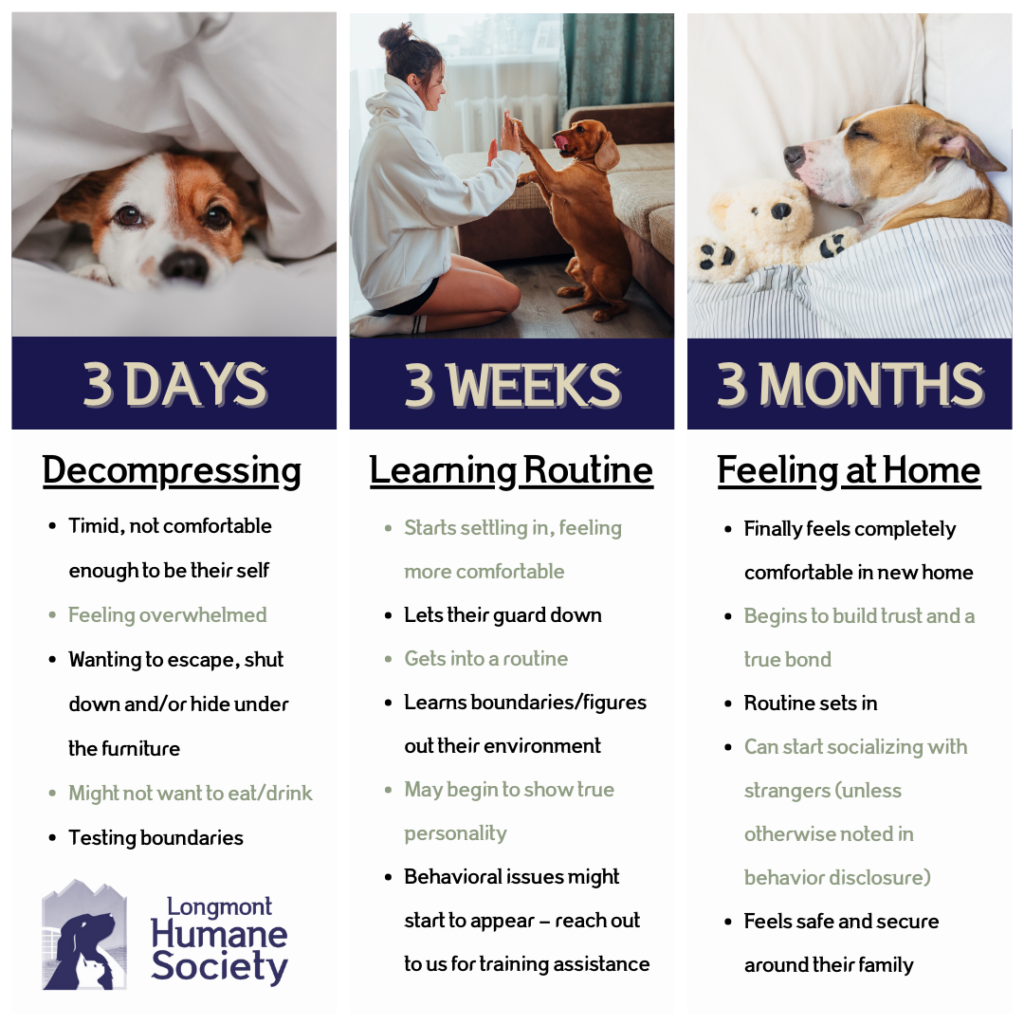
“The 3-3-3 Rule for Dog Adoptions …” from www.longmonthumane.org and used with no modifications.
What Complete Adjustment Looks Like
Full adjustment manifests through consistent behavioral patterns that indicate comfort and security. Your pet maintains stable eating, sleeping, and elimination routines with minimal variation. Stress-related behaviors like hiding, hypervigilance, or defensive reactions significantly decrease or disappear entirely. Social engagement increases, with appropriate species-specific behaviors like seeking affection, initiating play, or comfortably coexisting during family activities.
Perhaps most importantly, a fully adjusted pet demonstrates appropriate recovery from occasional stresses. Rather than regressing to early fearful behaviors when startled, they bounce back quickly to baseline comfort. This resilience indicates genuine security rather than merely the absence of stressors. You’ll also notice your pet appropriately seeking comfort from family members during unavoidable stressful events like thunderstorms or vet visits—a powerful indicator of trust.
“Animal Welfare Professionals – Maddie’s …” from forum.maddiesfund.org and used with no modifications.
Differences Between Dogs, Cats, Rabbits, and Birds
While the 3-3-3 timeline applies broadly across species, complete adjustment manifests differently according to species-specific behavior patterns. Fully adjusted dogs integrate into family social structures, recognizing household routines and their place within them. They develop appropriate play relationships with family members and other pets, and demonstrate reliable responses to established household rules. Cats, being more independent, show adjustment through territorial confidence—claiming favorite perches, establishing routines that intersect with human activities, and displaying relaxed body language even during household commotion.

“3-3-3 Bunny adoption rule #shorts …” from www.youtube.com and used with no modifications.
Rabbits demonstrate complete adjustment through confident exploration, regular binky jumps (signs of rabbit joy), and willingness to interact with trusted humans on their own terms. Fully adjusted birds maintain healthy vocalization patterns, engage with environmental enrichment, and show appropriate flock behaviors with human family members. For all species, the hallmark of complete adjustment is the animal’s ability to be authentically themselves—expressing natural behaviors appropriate to their species while successfully integrating into human household patterns.
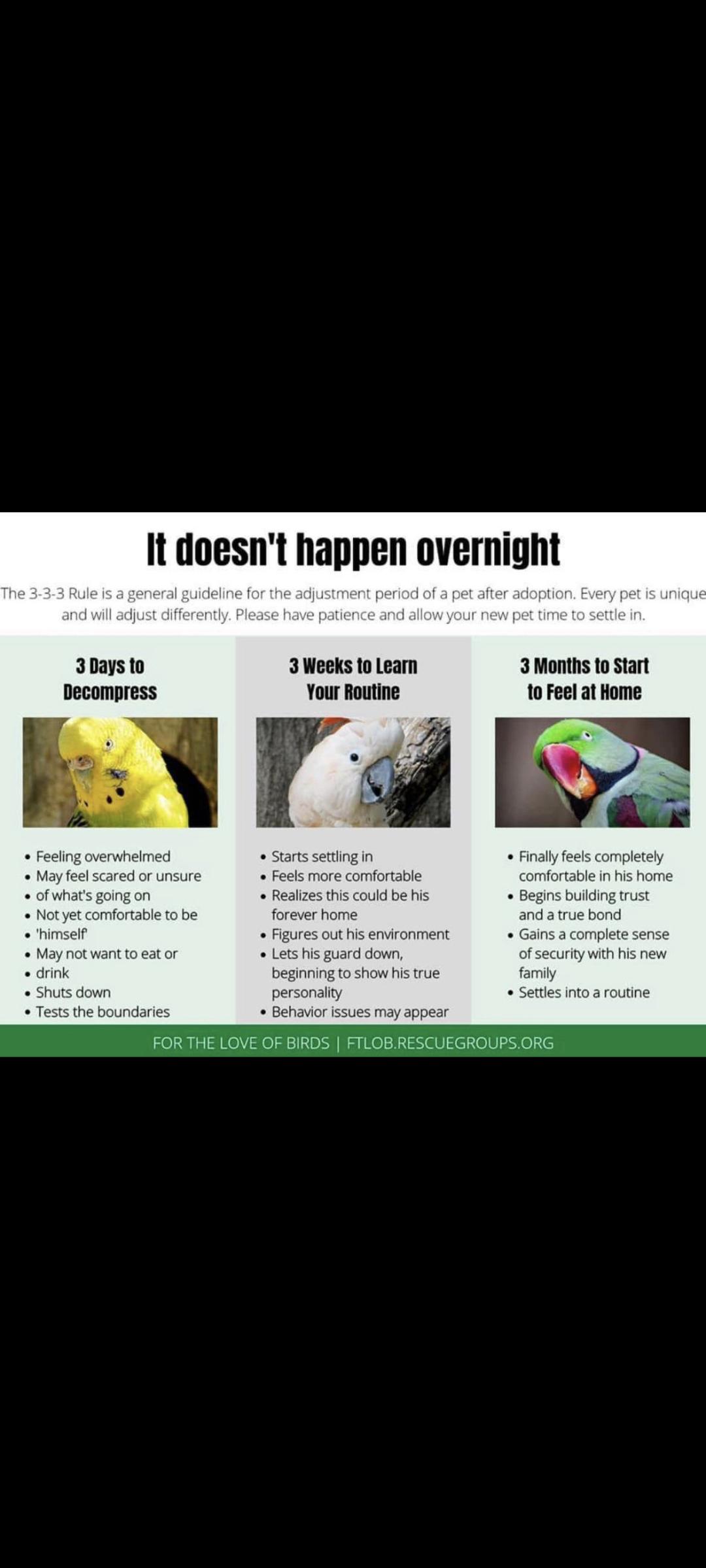
“r/Conures” from www.reddit.com and used with no modifications.
Celebrating Milestones in Your Pet’s Journey
Acknowledging progress reinforces the bond with your new companion while reminding yourself of how far you’ve come together. Consider keeping a simple journal noting breakthrough moments: the first play session, first time sleeping through the night, first display of trust with a new person, or first demonstration of a unique personality trait. These records become precious reminders of your shared journey and help maintain perspective during any setbacks. Celebrate three-month “adoption birthdays” with appropriate species-specific treats or activities that acknowledge this significant transition milestone.
Beyond the 3-3-3 Rule: Every Pet Is Different
While the 3-3-3 framework provides valuable guidance, individual animals may progress at different rates based on temperament, history, and specific circumstances. Some highly resilient pets adjust more quickly, while others—particularly those with trauma histories—may need significantly longer at each stage. Rather than viewing the timeframes as rigid expectations, consider them minimum waiting periods before making any major judgments about your pet’s adjustment process.
Age, previous experiences, and inherent temperament all influence adaptation timelines. Senior pets often take longer to adjust as they leave behind years of established routines. Animals from neglect situations or with limited socialization history may need extended time to develop basic trust. Certain breeds or individual temperaments naturally process change more cautiously. By recognizing these factors, you can adjust your expectations accordingly, giving each unique animal the specific support they need during their transition journey.
When Animals Need Extra Time
Some rescue animals require adjustment periods that extend well beyond the standard 3-3-3 timeline. Animals who have experienced multiple rehomings may develop prolonged trust issues, requiring months or even a year before fully settling in. These pets have learned that attachments are temporary, making them hesitant to invest emotionally in new relationships.
Environmental factors can also extend adjustment timelines. Animals from rural shelters may need additional time to acclimate to busy urban environments with unfamiliar noises and stimuli. Similarly, pets accustomed to quiet homes may struggle in households with young children or multiple pets, requiring longer adaptation periods as they learn to navigate these complex social dynamics.
Rather than viewing extended adjustment as a problem, consider it an opportunity to develop deeper understanding of your pet’s unique needs. The animals requiring more patience often form the strongest bonds once trust is established, as they’ve learned to truly value security and consistent care. Their progress, while slower, frequently results in extraordinary loyalty and connection that rewards your extended investment.
Trauma and Abuse Survivors: Special Timelines
Animals with documented abuse or neglect histories follow their own timelines that often extend significantly beyond the typical 3-3-3 framework. These pets may exhibit trauma responses including heightened startle reflexes, specific trigger reactions, or defensive behaviors that require specialized handling approaches. Their journey toward trust involves not just adapting to a new environment but rewriting their understanding of human relationships. Progress often follows a nonlinear pattern with apparent breakthroughs followed by temporary regressions—each representing important processing of past experiences.
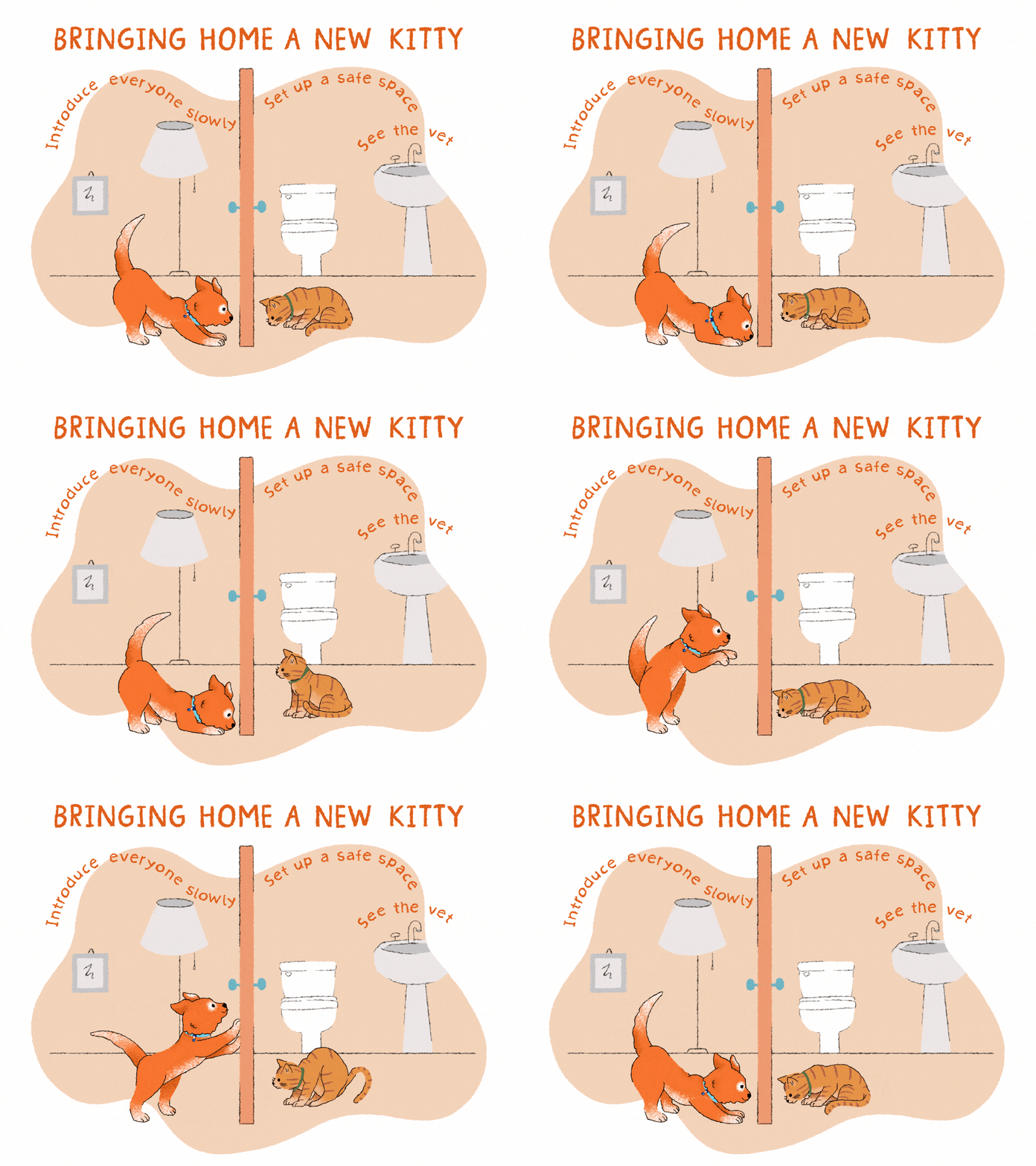
“Safely intro a kitten to your dog” from www.banfield.com and used with no modifications.
Senior Pets vs. Young Animals
Age significantly impacts adjustment timelines across all species. Senior pets typically take longer to adapt, having spent years in established routines and environments. Their cognitive flexibility may be reduced, making environmental changes more disorienting. However, their mature temperaments often mean fewer behavioral challenges once adjustment occurs. Young animals generally adapt more quickly but require more intensive training and boundary-setting during the process. Puppies and kittens form attachments rapidly but need consistent guidance to develop appropriate behaviors, while adolescent animals may test boundaries more persistently during the trust-building phase. For more insights on successful pet adoption, check out this guide on pet adoption.
When To Seek Professional Help
While most adoption adjustment challenges resolve within the 3-3-3 timeframe, certain situations warrant professional intervention. If your pet shows persistent severe anxiety, aggression, destructive behaviors that don’t improve with consistent management, or concerning physical symptoms like refusing food for multiple days, it’s time to consult experts. Early intervention often prevents minor issues from developing into entrenched patterns and demonstrates your commitment to supporting your new companion through difficulties rather than giving up when challenges arise. For instance, understanding the pros and cons of indoor cats can be crucial in managing their environment and behavior effectively.
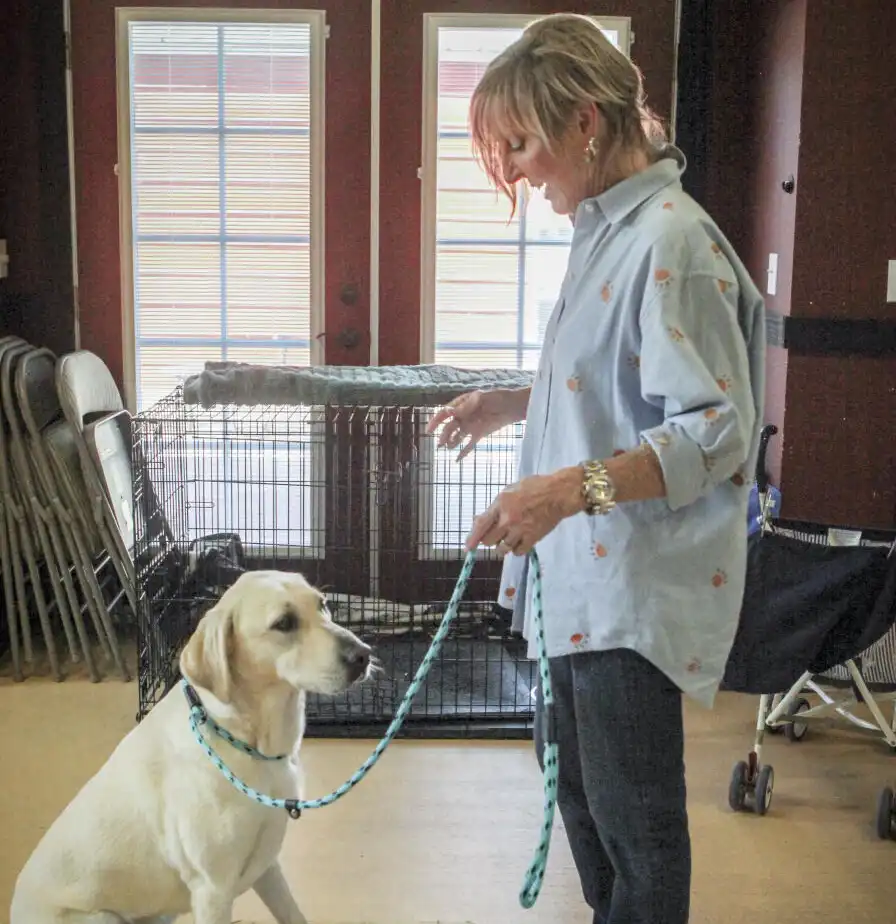
“Petaluma dog trainer: Personality is …” from www.dairydell.com and used with no modifications.
Behavior Issues That Need Intervention
Certain behaviors require professional guidance beyond normal adjustment support. Resource guarding that escalates despite management, separation anxiety that prevents necessary absences, or aggression toward family members should prompt immediate consultation with a qualified animal behaviorist. Fear-based behaviors that significantly impact quality of life—like inability to walk outside or extreme reactivity to normal household activities—also benefit from expert assessment. For more insights on pet behavior, consider reading about senior dog socialization and its benefits.
Physical symptoms accompanying behavioral changes warrant veterinary evaluation to rule out medical causes before assuming they’re purely adjustment-related. Persistent gastrointestinal issues, changes in elimination patterns, or sudden behavior shifts might indicate underlying health concerns that exacerbate adjustment difficulties. For instance, understanding conditions like Manx Syndrome can provide insight into specific health challenges faced by certain breeds.
- Aggressive behaviors toward people or other pets that persist beyond initial adjustment period
- Self-harming behaviors like excessive grooming leading to skin damage
- Persistent elimination problems despite appropriate training approaches
- Extreme fear responses that don’t diminish with gentle exposure
- Destructive behaviors that continue despite appropriate enrichment and exercise
When selecting professional help, prioritize credentials and methodology. Certified Applied Animal Behaviorists (CAAB) and veterinary behaviorists offer science-based approaches for complex issues. For less severe problems, certified professional dog trainers (CPDT) or species-specific specialists provide valuable support. Always choose professionals using positive reinforcement rather than punishment-based methods, which can damage the fragile trust you’re working to build.
Remember that seeking help isn’t an admission of failure but rather a commitment to providing your pet with the specific support they need. Many behavior challenges stem from previous environments or experiences beyond your control. Professional guidance equips you with targeted strategies to address these issues while strengthening your relationship with your new companion.
Finding Pet-Friendly Support Resources
Beyond individual consultations, numerous resources support the adoption adjustment process. Many shelters and rescues offer post-adoption counseling services, behavior hotlines, or alumni groups where adopters share experiences and solutions. Online resources from organizations like the ASPCA, Humane Society, and Fear Free Pets provide evidence-based guidance for common adjustment challenges. Species-specific organizations offer specialized information for birds, rabbits, and other less common companion animals. Local veterinary practices often maintain referral lists for reputable trainers and behaviorists in your area, helping you find qualified professionals when needed.
Your Patience Will Be Rewarded
The journey through the 3-3-3 adjustment period ultimately leads to one of life’s most rewarding relationships. The rescued animal who gradually unfolds their true personality in your home offers a unique kind of companionship—one built on mutual growth and earned trust. Unlike relationships that begin without challenges, the bond formed through patient navigation of the adjustment period often develops exceptional depth and resilience. The day your formerly fearful rescue curls contentedly in your lap, greets you enthusiastically at the door, or displays their first playful antics represents not just a behavioral milestone but the beginning of a profound connection that transforms both your lives. By understanding and honoring your new pet’s adjustment needs, you create the foundation for years of shared joy, mutual understanding, and unconditional love.
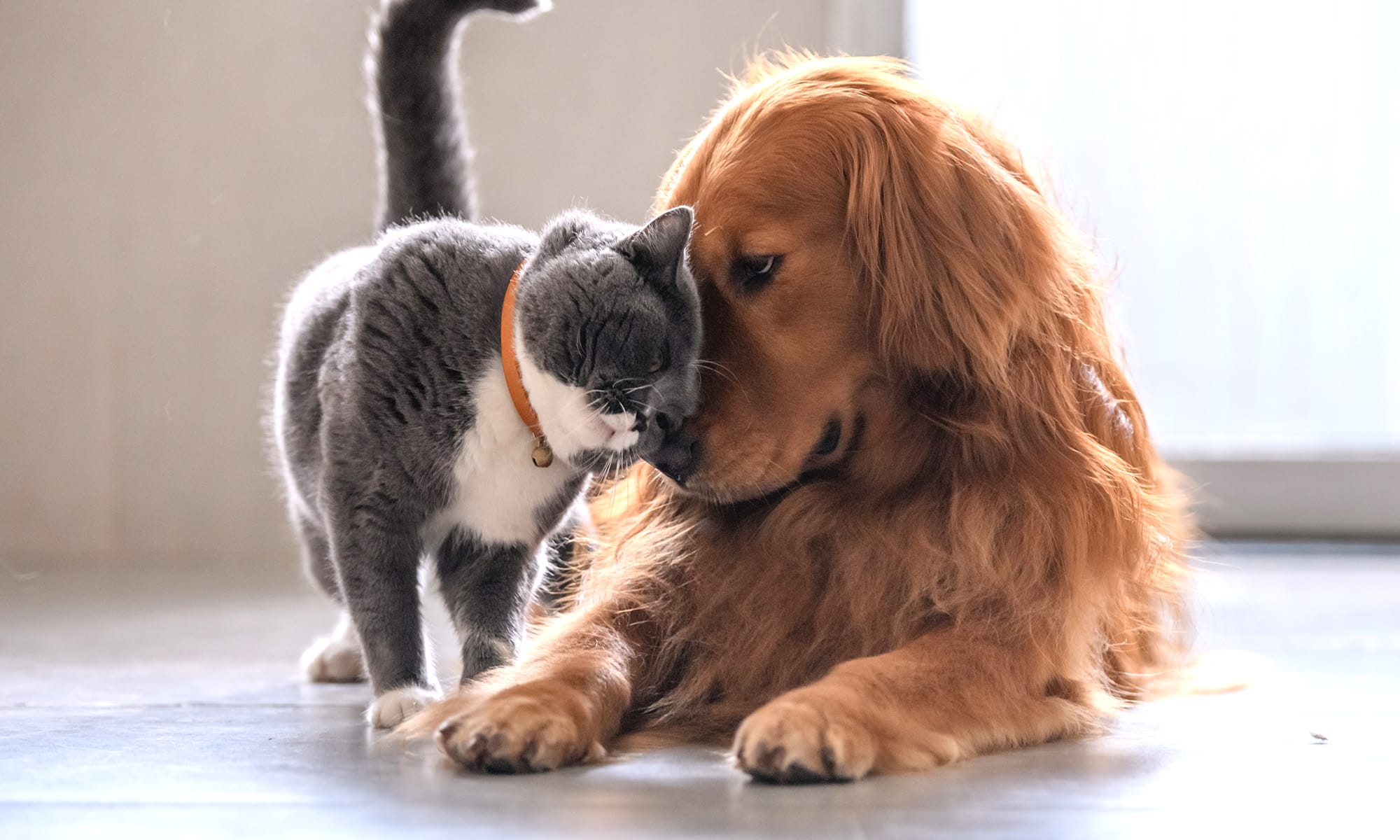
“New Cat or Kitten to Your Dog …” from www.paws.org and used with no modifications.
Frequently Asked Questions
Many adopters share common concerns during the adjustment period. Understanding that your challenges aren’t unique can provide reassurance during difficult moments. The following questions address the most frequent worries expressed by new pet parents navigating the 3-3-3 process.
While each adoption story unfolds differently, certain patterns emerge across species and situations. These shared experiences create a valuable knowledge base that can guide you through uncertainty. Remember that thousands of adopters have successfully navigated similar challenges, transforming initially cautious or fearful animals into confident, loving companions. For example, understanding the socialization of senior dogs can be crucial in helping them adapt to a new home.
If your specific concern isn’t addressed here, don’t hesitate to reach out to your adoption counselor, veterinarian, or local rescue organization. Most maintain post-adoption support resources specifically designed to help new pet parents through the critical adjustment period.
- Is regression normal during the adjustment process?
- How long should I wait before introducing my new pet to friends and family?
- Should I maintain the same food and schedule as the shelter or foster home?
- What if my resident pets don’t accept the new addition right away?
- How can I tell if my pet is making progress if the changes are subtle?
These questions reflect normal concerns during the adoption journey. Patience and consistent application of the principles outlined in the 3-3-3 rule typically resolve most issues without additional intervention. For persistent problems, don’t hesitate to consult with professionals who specialize in adoption transitions.
Can I speed up the adjustment period for my rescue pet?
While you can’t rush your pet’s emotional journey, you can create optimal conditions for adjustment. Consistency in routine, respect for boundaries, positive reinforcement for desired behaviors, and appropriate environmental management all support faster adaptation. Avoid the temptation to overwhelm with affection or experiences before your pet is ready. Counterintuitively, giving space often accelerates trust development more effectively than pushing interaction. Remember that the goal isn’t to skip necessary adjustment phases but to support your pet through them with appropriate understanding and patience. For more insights on improving your pet’s well-being, explore senior dog socialization strategies.
Should I adopt multiple animals at once or space them out?
For most households, especially those new to pet ownership, introducing one animal at a time allows proper focus on each individual’s adjustment needs. Multiple simultaneous adoptions can complicate assessment of behavior issues and make it difficult to establish appropriate training and boundaries. However, in specific circumstances—like bonded pairs that have already established relationships—adopting together maintains important social connections that support adjustment. If considering multiple adoptions, consult with rescue professionals about the specific animals’ histories and compatibility before making your decision.
How do I know if my pet is unhappy versus still adjusting?
Distinguishing between normal adjustment behaviors and genuine unhappiness requires careful observation of patterns over time. Adjustment typically follows a trajectory of gradual improvement with occasional setbacks, while persistent unhappiness shows consistent stress signals without progress. Normal adjustment behaviors decrease in frequency and intensity as your pet becomes more comfortable, while happiness issues maintain or escalate despite appropriate support.
Physical indicators can provide valuable insights. Improving appetite, normalized elimination patterns, increasingly relaxed body language, and emerging play behaviors suggest positive adjustment progress. Conversely, persistent appetite loss, digestive issues, deteriorating coat condition, or increasing withdrawal behaviors may indicate more serious concerns requiring intervention. For example, understanding specific breed characteristics, such as those of the Keeshond dog breed, can help identify normal versus concerning behaviors.
The timing of behaviors also offers important context. Stress signals are expected during the early weeks but should gradually diminish. If these behaviors intensify after the initial adjustment period or emerge after previous improvement, consult with adoption counselors or veterinary professionals to evaluate potential underlying causes and appropriate next steps.
What if my rescue pet seems afraid of certain objects or people?
Specific fears are common in rescue animals and often relate to previous negative experiences. Address these with gradual, positive counter-conditioning rather than forced exposure. Create positive associations by pairing the feared stimulus with high-value treats or pleasant experiences at a distance where your pet remains comfortable. Gradually decrease distance as fear responses diminish, always working at your pet’s pace rather than pushing beyond their comfort threshold.
For severe specific phobias that significantly impact quality of life, consult with a certified animal behaviorist who can develop a customized desensitization protocol. Never punish fear responses, which only confirms your pet’s perception that the trigger is threatening. Instead, remain calm and matter-of-fact, providing gentle guidance toward appropriate alternatives while respecting emotional limitations during the learning process. For more insights on managing pet health issues, consider reading about Manx syndrome and genetic health.
Is the 3-3-3 rule different for animals with previous owners versus strays?
Animals’ previous living situations significantly impact their adjustment patterns within the 3-3-3 framework. Pets surrendered from homes often experience more pronounced grief responses, sometimes appearing depressed during the initial weeks as they process the loss of previous attachments. They may look for former owners or attempt to return to familiar locations if opportunities arise. Their adjustment involves not just adapting to new environments but processing the absence of established relationships.
Stray animals typically display different adjustment patterns, often focusing more on basic security needs before forming social attachments. They may show stronger resource-guarding tendencies, heightened vigilance, or independent behaviors developed for survival. These animals sometimes adapt more quickly to environmental aspects while taking longer to develop trust in human relationships. Their progress through the 3-3-3 stages may appear uneven, with environmental comfort developing before social confidence.
Both paths lead to successful adjustment with appropriate support, but recognizing these different starting points helps set realistic expectations for your specific pet’s journey. Understanding your new companion’s background story—whether from a previous home, shelter environment, or life as a stray—provides valuable context for interpreting behaviors and developing appropriate support strategies during each phase of the 3-3-3 process. Figo Pet Insurance partners with shelters nationwide to ensure every adopted pet gets the support they need during this critical transition period.