Key Takeaways
- Australian Terriers are small but sturdy dogs weighing 15-20 pounds with a distinctive harsh double coat that comes in blue and tan, sandy, or red colorations.
- These intelligent, affectionate companions balance their terrier spunk with surprising cuddle tendencies, making them versatile family pets that form strong bonds with their owners.
- Despite their small size, Aussie Terriers have moderate exercise needs (30 minutes daily) and are suitable for both apartment living and homes with yards when properly exercised.
- While typically good with well-behaved children and trainable around other pets, their strong prey drive means early socialization is essential for harmonious multi-pet households.
- HolistaPet offers comprehensive resources for understanding these fascinating terriers, including specific health and nutritional recommendations to maximize their 12-14 year lifespan.
The Australian Terrier packs a remarkable amount of personality into its compact frame. These small but mighty dogs have captivated dog lovers worldwide with their combination of working-dog toughness and devoted companionship. Before you fall for those alert, intelligent eyes and that confident strut, it’s worth understanding what makes these terriers tick. As HolistaPet’s canine behavior specialists explain, Australian Terriers offer a unique blend of affection, intelligence, and spirited energy that sets them apart from many other small breeds.
Originally developed to tackle the harsh Australian outback conditions, these dogs bring centuries of practical breeding into your living room. Their physical traits, behavioral tendencies, and compatibility with different lifestyles all stem from this purposeful heritage. Let’s explore what makes the Australian Terrier such a distinctive and cherished companion.
Meet the Australian Terrier: The Pocket-Sized Powerhouse
Australian Terriers might be small in stature, but they carry themselves with the confidence of a much larger dog. Standing 10-11 inches at the shoulder and weighing between 15-20 pounds, these compact canines possess a self-assured demeanor that often surprises first-time observers. Their alert expression and purposeful movement reveal their working heritage, demonstrating that these are dogs built for action rather than mere ornamentation.
“History of the Australian Terrier – ATCA” from australianterrier.org and used with no modifications.
Origins Dating Back to the 1800s
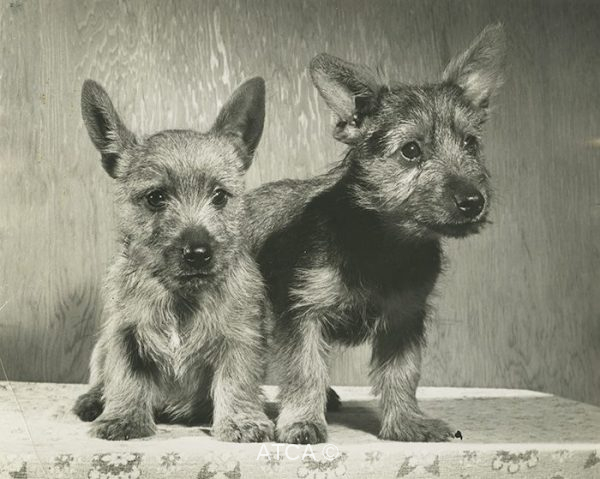
The Australian Terrier’s story begins in the early 19th century when British settlers brought various terrier breeds to Australia. These included the rough-coated terriers from Great Britain that would become the foundation for the breed we know today. The harsh Australian climate and unique pest challenges required a special kind of working dog, leading to selective breeding that emphasized hardiness, intelligence, and versatility. By combining the best traits of ancestors like the Yorkshire, Cairn, and Norwich Terriers, early breeders created a dog uniquely suited to Australian conditions.
This deliberate development process focused on creating a multi-purpose farm dog that could handle everything from rodent control to livestock guarding. Unlike many modern breeds developed primarily for appearance, the Australian Terrier’s evolution was driven by practical needs, resulting in a dog with both working abilities and companionable traits. This practical heritage still influences the breed’s temperament and capabilities today.
Why These Dogs Were Bred for Australian Conditions
Australia’s challenging environment demanded a dog with specific adaptations. The rough, harsh coat that characterizes the breed provided protection against both weather extremes and brush encounters during hunting expeditions. Their compact, sturdy build allowed them to navigate difficult terrain while pursuing prey, while their alert nature made them excellent watchdogs for remote homesteads.
“The Australian Terrier was developed to be an all-purpose farm dog – tough enough to kill snakes and rodents, alert enough to serve as watchdogs, and adaptable enough to thrive in varied conditions from the outback to city homes.” – Australian Terrier Club of America
These dogs needed to be independent thinkers capable of working without constant human direction, yet loyal enough to form strong bonds with their handlers. This combination of traits resulted in a breed that shows both the typical terrier determination and a surprising level of affection toward their family members. The rigorous demands of frontier life effectively eliminated dogs lacking the physical hardiness or mental resilience needed for survival.
Recognition as Australia’s First Native Breed
Though developed from imported terriers, the Australian Terrier holds the distinction of being Australia’s first officially recognized native dog breed. This recognition came in 1892 when the breed’s name was officially changed from “rough-coated terrier” to “Australian Terrier,” acknowledging its unique development and characteristics. This milestone marked the breed’s evolution from a collection of working terriers into a distinctive breed with standardized traits.
The breed made its way to other countries in the early 20th century, with recognition by the American Kennel Club following in 1960. Despite this international recognition, Australian Terriers remain relatively uncommon compared to other terrier breeds, making them something of a hidden gem in the dog world. Their unique history as working dogs shaped specifically for Australian conditions gives them a distinctive place among terrier breeds, combining elements of their British ancestors with adaptations for a completely different environment.
Physical Traits That Define the Aussie Terrier
The Australian Terrier’s appearance reflects its working heritage, with every physical trait serving a practical purpose. From their weather-resistant coat to their sturdy bone structure, these dogs were built for function rather than fashion. Their distinctive look combines toughness with a certain rough-hewn charm that appeals to those who appreciate authenticity over flashiness. For those interested in learning more about the Brussels Griffon dog breed, which also boasts a unique appearance, expert insights are available.
Size Specifications: How Big Do They Really Get?
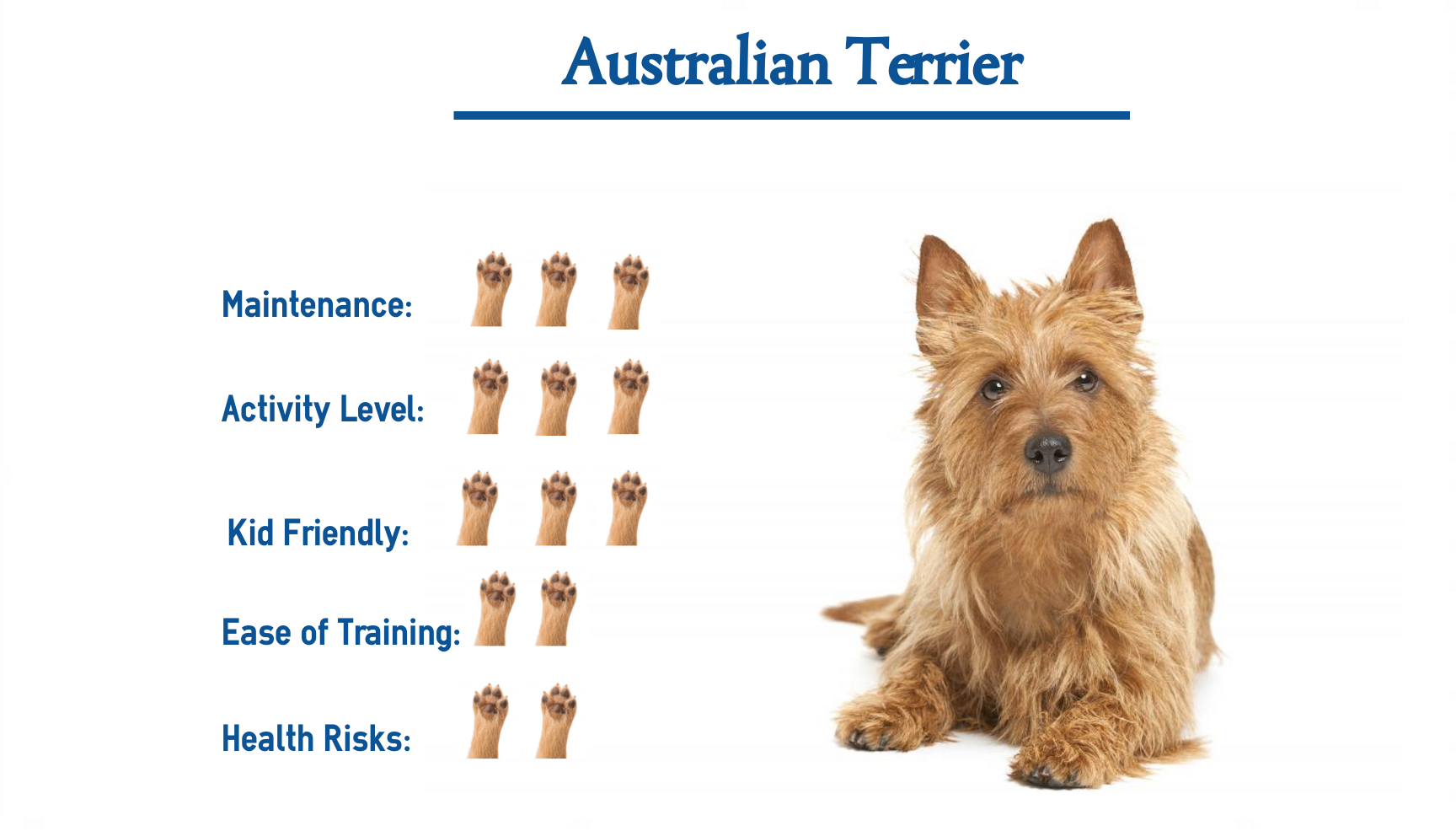
Australian Terriers are classified as small dogs, but they have a substantial feel that belies their modest dimensions. Males typically stand about 10-11 inches at the shoulder, while females may be slightly smaller. Weight ranges from 15-20 pounds for a healthy adult, making them substantially larger than their Yorkshire Terrier cousins despite their shared ancestry. This size makes them small enough for apartment living while still being sturdy enough for active play and work.
“Australian Terrier… Everything You …” from indulgeyourpet.com and used with no modifications.
Distinctive Coat Colors and Textures
The Australian Terrier’s coat is one of its most distinctive features, designed to protect against harsh weather and rough terrain. It consists of a harsh, straight outer coat approximately 2-3 inches long, covering a shorter, softer undercoat. This double-layer system provides insulation against both heat and cold, while the coarse texture of the topcoat repels dirt and water. The fur around the neck and shoulders forms a distinctive ruff, while longer hair on the legs creates a “skirt” effect. For more insights on similar breeds, check out this expert interview on the Ibizan Hound.
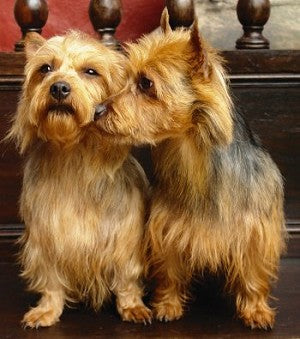
Color variations include blue and tan (a steel-blue or dark gray body with tan markings), solid sandy, and solid red. The tan markings typically appear on the face, ears, chest, legs, and under the tail, creating a striking contrast with the blue body color. While all color variations are equally valid according to breed standards, the blue and tan combination is perhaps the most instantly recognizable to breed enthusiasts.
Facial Features and Body Structure
Australian Terriers have a distinctive head shape with a long, strong muzzle that’s proportionate to their skull. Their small, dark eyes convey intelligence and alertness, while their V-shaped ears stand erect, giving them an eternally attentive expression. The overall impression is of a dog that’s constantly ready for action. Their body structure reflects their working heritage, with a level topline, deep chest, and strong, straight legs that provide the strength and agility needed for hunting and farm work.
One of the most charming aspects of their appearance is their naturally docked tail, which is carried upright and adds to their jaunty, confident appearance. Their compact frame is well-muscled without being bulky, allowing for quick movement and surprising strength for their size. Every aspect of their physical structure serves a practical purpose, from their weather-resistant coat to their sturdy bone structure.
Lifespan and Health Considerations
Australian Terriers are generally hardy dogs with a respectable lifespan of 12-14 years. This longevity reflects their development as working dogs, where health and stamina were essential traits. However, like all purebred dogs, they do have some breed-specific health concerns. These include diabetes, thyroid issues, and certain skin conditions. Responsible breeding practices have helped minimize these concerns, but potential owners should always inquire about health testing when considering a puppy.
Despite their robustness, Australian Terriers can be prone to dental issues common in small breeds, making regular dental care an important aspect of their health maintenance. They may also develop patellar luxation (slipped kneecaps) or Legg-Calvé-Perthes disease, which affects the hip joints. With proper care, regular veterinary check-ups, and attention to weight management, most Australian Terriers remain active and healthy well into their senior years.
Aussie Terrier Personality: More Than Meets the Eye
Behind that alert, confident expression lies a complex personality that balances typical terrier traits with surprising sensitivity. Australian Terriers combine the spirited determination of their working heritage with a deep attachment to their human families. Understanding this unique temperament is key to building a successful relationship with these charismatic little dogs. For those interested in learning more about dog breeds, you might find this expert interview on the Brittany dog breed insightful.
Intelligence Level and Trainability
Australian Terriers possess remarkable intelligence, ranking high among small breeds for their problem-solving abilities and quick learning. This intelligence served them well in their original roles as vermin hunters and farm helpers, where independent thinking was essential. Today, it makes them highly trainable when approached with the right methods. However, their intelligence comes with a characteristic terrier independence that can sometimes be mistaken for stubbornness.
Training an Australian Terrier requires consistency, positive reinforcement, and engaging methods that prevent boredom. They respond exceptionally well to training that incorporates play or treats, but quickly lose interest in repetitive drills. Their intelligence means they can learn a wide variety of commands and tricks, often surprising owners with their ability to understand complex instructions. Early socialization is particularly important to channel their natural confidence in positive directions.
Unlike some terrier breeds that can be challenging to train, Australian Terriers typically want to please their owners, making them more receptive to direction. This combination of intelligence and willingness to work with humans makes them suitable for dog sports like agility, rally, and even tracking, where their natural hunting instincts can shine. The key is understanding that their intelligence is paired with independent thinking—they need to see the purpose in what they’re being asked to do.
“Australian Terrier – Fun Facts and …” from www.petcratesdirect.com and used with no modifications.
Affection Factor: Are They Good Cuddle Buddies?
One of the most endearing traits of Australian Terriers is their balance between independence and affection. While they maintain the self-reliant nature typical of working terriers, they also form exceptionally strong bonds with their families. Many owners are surprised to discover that their tough little terrier transforms into a devoted lap dog during quiet evenings at home. This dual nature—working dog by day, loving companion by night—makes them versatile pets that adapt to various household dynamics.
Australian Terriers typically choose one family member as their primary person, though they’re friendly with the entire household. Their affection is demonstrated through loyalty and attentiveness rather than demanding constant physical contact. They’re happy to curl up beside you on the couch but equally content to relax nearby, keeping a watchful eye on their favorite humans. This moderate level of clinginess makes them suitable for families where someone is home regularly but not necessarily constantly.
Energy Levels and Exercise Requirements
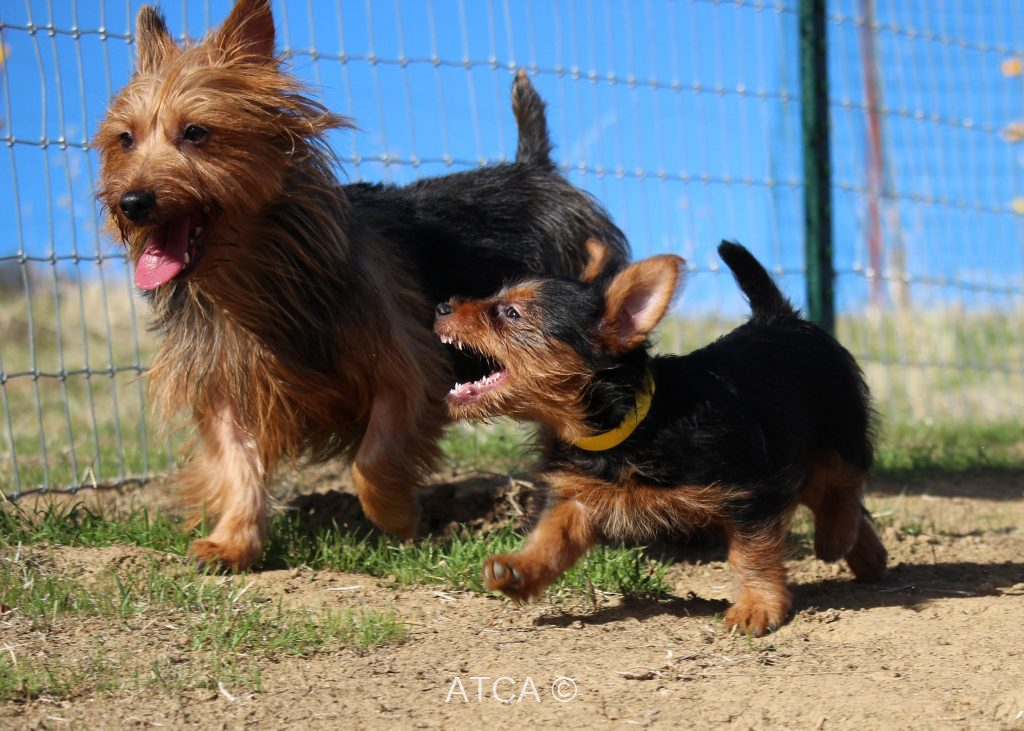
Despite their small size, Australian Terriers have moderate to high energy levels that reflect their working background. They require regular exercise to maintain physical health and mental well-being, typically needing about 30 minutes of activity daily. This can include walks, play sessions, or yard time exploring under supervision. Without adequate exercise, they may channel their energy into less desirable behaviors like digging or excessive barking.
The good news for busy households is that Australian Terriers are adaptable when it comes to exercise. They’re equally happy with a brisk neighborhood walk or an energetic play session in a fenced yard. Their exercise needs can be met in apartments provided they receive daily walks and mental stimulation. Unlike some high-energy breeds that require hours of activity, Australian Terriers can adjust to their owners’ lifestyles as long as their basic exercise needs are consistently met.
“About Australian Terriers – ATCA” from australianterrier.org and used with no modifications.
Barking Habits: Vocal or Quiet Companions?
When it comes to vocalization, Australian Terriers fall somewhere in the middle of the spectrum. They’re naturally alert and were bred to sound the alarm when something unusual occurs, making them effective watchdogs. This means they will bark to announce visitors or unusual activities around their territory. However, they don’t typically engage in the constant, reactive barking seen in some small breeds.
With proper training and socialization, Australian Terriers can learn when barking is appropriate and when it’s excessive. They’re intelligent enough to distinguish between genuine concerns and routine events, particularly when guided by consistent training. While they’ll never be silent dogs—that would run counter to their watchdog heritage—they can learn to moderate their barking to acceptable levels. Owners who value a dog that will alert them to visitors while not barking continuously at every passing sound will appreciate this balanced approach to vocalization.
Family Compatibility of Australian Terriers
Australian Terriers make excellent family pets in the right environment, bringing loyalty, protection, and playful energy to household dynamics. Their adaptable nature allows them to thrive in various family configurations, from single owners to large households. Understanding how they typically interact with different family members helps potential owners determine if an Australian Terrier would be a good match for their specific situation.
How They Behave Around Children
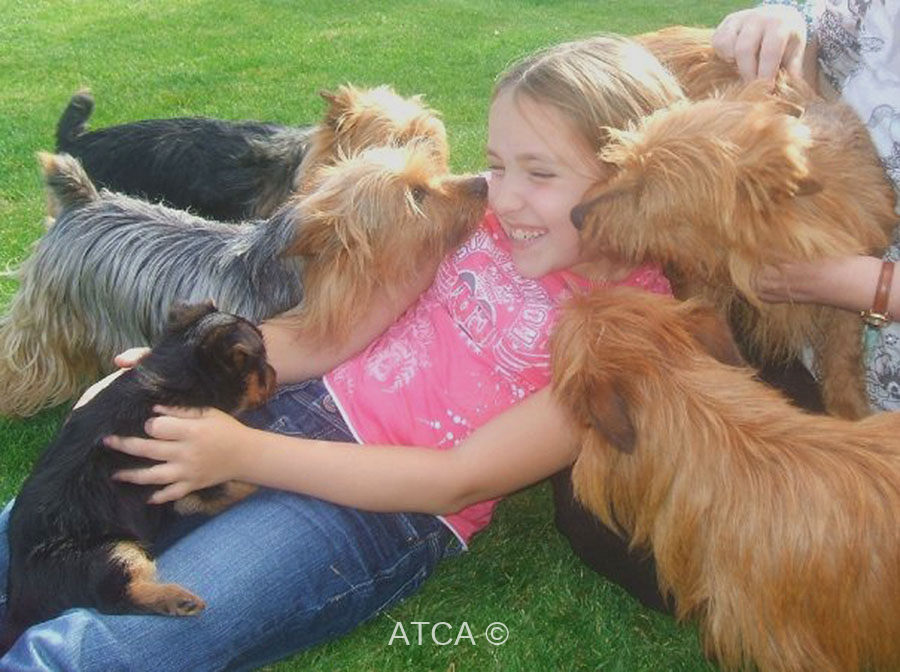
Australian Terriers generally do well with children, especially when raised with them from puppyhood. Their sturdy build means they can withstand the sometimes clumsy handling of younger kids better than more delicate toy breeds. They typically enjoy the energy and playfulness that children bring to the household, often becoming devoted playmates and protectors. For more detailed information on their characteristics, check out this full profile on Australian Terriers.
However, as with any dog breed, supervision is essential, particularly with very young children who may not understand appropriate ways to interact with dogs. Australian Terriers have a relatively high tolerance for the noise and activity levels of children, but they do have limits. They’re small enough that rough handling could hurt them, making it important to teach children proper respect and gentle interaction.
Families with older, well-behaved children often find Australian Terriers to be ideal companions. The dogs’ playful nature and moderate exercise needs align well with family activities, while their alert watchdog tendencies add an extra layer of security. Their loyalty extends to all family members, though they may form particularly strong bonds with those who feed them and participate in their daily care and exercise.
“About Australian Terriers – ATCA” from australianterrier.org and used with no modifications.
Interactions with Cats and Other Pets
The Australian Terrier’s hunting background does influence their relationships with other animals, particularly smaller pets. Their prey drive, while not as intense as some terrier breeds, can trigger chasing behaviors toward cats, small mammals, and birds. Early socialization is key to fostering peaceful multi-pet households, with the best results typically coming when Australian Terriers are raised alongside other pets from puppyhood.
With proper introduction and training, many Australian Terriers learn to accept cats as family members rather than prey, especially when the cat is already established in the household when the puppy arrives. Their adaptability and intelligence allow them to learn appropriate behavior boundaries, though supervision during initial interactions is always prudent. For those interested in keeping cats indoors, there are several pros and cons to consider. Other dogs are generally accepted well, particularly when proper introductions are made, though some male Australian Terriers may show dominance toward other male dogs regardless of size difference.
“While Australian Terriers were bred to hunt small prey, their adaptability means many can live harmoniously with cats and other pets when properly socialized. The key is early, positive exposure and consistent reinforcement of appropriate behavior.”
Territorial Tendencies and Stranger Awareness
Australian Terriers take their watchdog duties seriously, maintaining a vigilant awareness of their surroundings and alerting to anything unusual. They typically greet family friends warmly once introduced but remain naturally reserved with strangers until they’ve determined there’s no threat. This protective instinct makes them excellent alert systems without crossing into inappropriate aggression when properly socialized.
Their territorial nature means they’ll announce visitors with authoritative barking that seems disproportionate to their small size. Once the owner has welcomed the visitor, most Australian Terriers settle down quickly, though they may continue monitoring the situation from a slight distance. This balance of protective alertness without excessive aggression makes them ideal for families seeking a small dog with natural guarding instincts.
Terrier Trio: Australian vs. Yorkshire vs. Silky
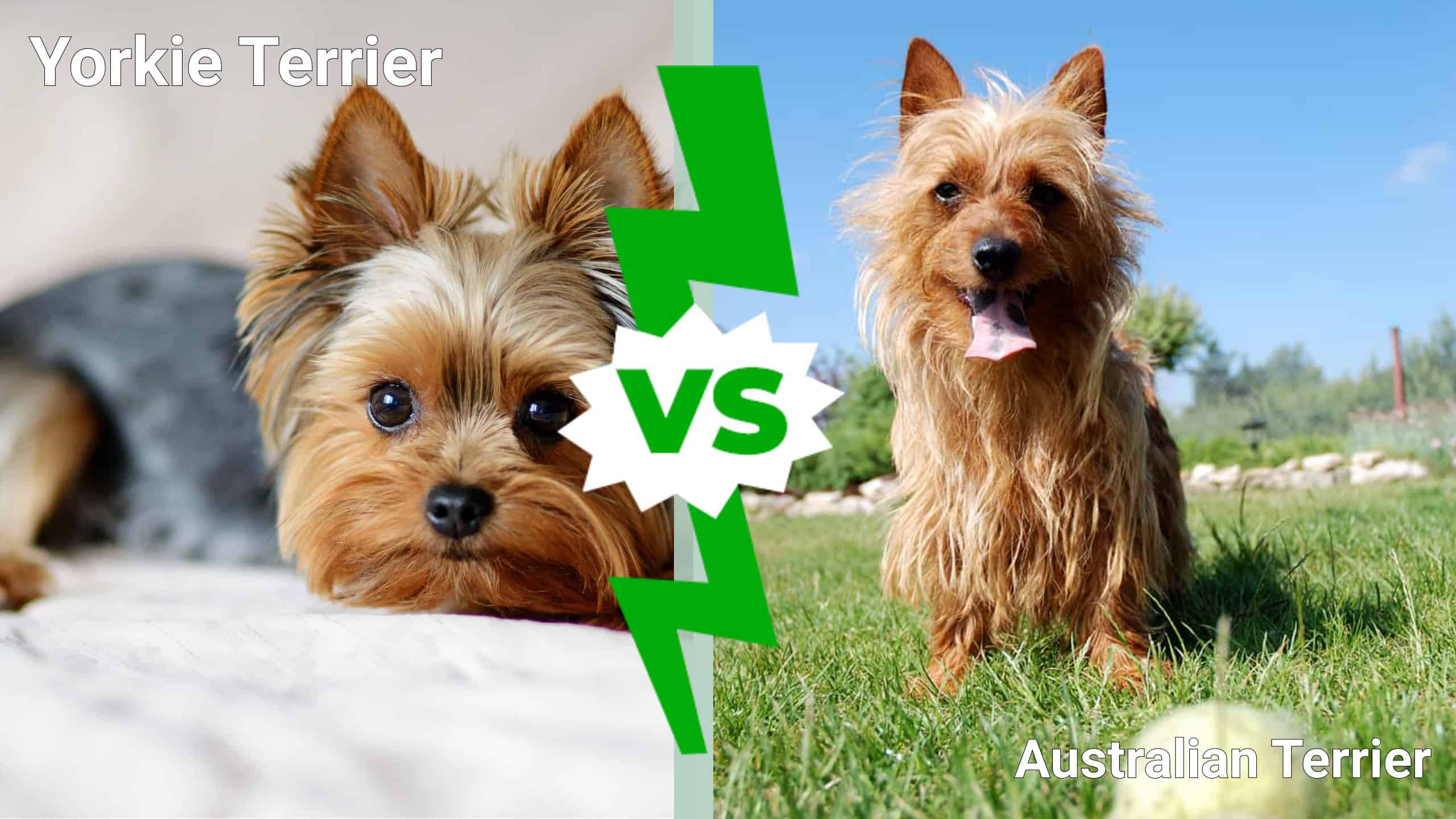
The Australian, Yorkshire, and Silky Terriers share significant ancestral connections despite their distinct modern appearances and temperaments. Understanding these relationships and differences helps potential owners choose the terrier that best matches their lifestyle and preferences. Each breed has developed unique characteristics while retaining certain foundational terrier traits.
“Australian Terrier vs. Yorkshire …” from a-z-animals.com and used with no modifications.
Shared Ancestry and Historical Connections
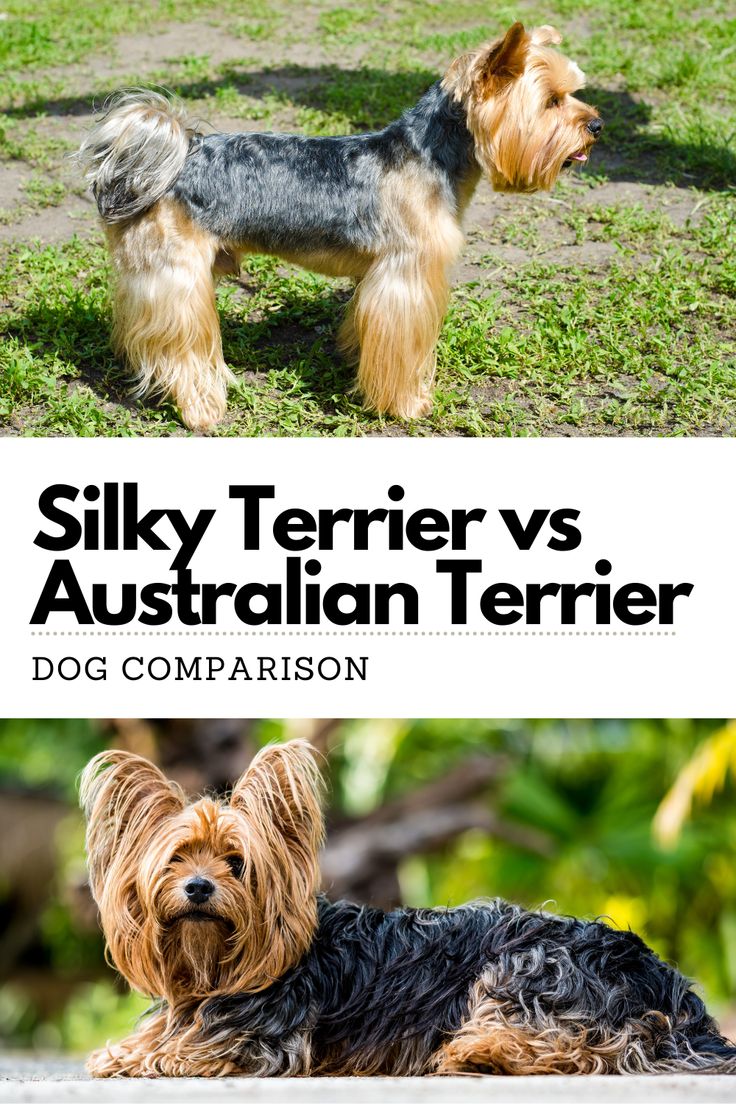
All three breeds trace their lineage to the working terriers of Great Britain, with their developmental paths diverging in the 19th century. The Yorkshire Terrier was developed in England as a ratter for textile mills and mines, eventually transitioning to a companion role. The Australian Terrier emerged when British settlers brought various terriers to Australia and selectively bred them for working capabilities in harsh conditions. The Silky Terrier (known as the Australian Silky Terrier in its homeland) resulted from crosses between Australian Terriers and Yorkshire Terriers in Australia, combining elements of both parent breeds.
This shared heritage explains certain similarities in appearance and temperament, though each breed has been selectively bred for different purposes and environments. The Yorkshire Terrier evolved toward smaller size and longer, silkier coats as it transitioned to companion status, while the Australian Terrier maintained its working characteristics including its harsh, weather-resistant coat and sturdy build. The Silky Terrier represents something of a middle ground, with more refined features than the Australian Terrier but a more substantial build than the Yorkshire.
“Silky Terrier vs Australian Terrier …” from www.pinterest.com and used with no modifications.
Size and Appearance Differences
The most immediately obvious difference between these three breeds is size. Australian Terriers are the largest at 10-11 inches tall and 15-20 pounds, making them substantially more robust than their cousins. Silky Terriers occupy the middle ground at 9-10 inches and 8-10 pounds, while Yorkshire Terriers are the smallest at just 7-8 inches tall and rarely exceeding 7 pounds. This size difference significantly impacts their physical capabilities and exercise requirements.
Coat type and maintenance requirements also differ dramatically. Australian Terriers have harsh, straight double coats requiring minimal grooming beyond weekly brushing and occasional stripping. Yorkshire Terriers possess flowing, silky, human-like hair that grows continuously and requires daily brushing and regular professional grooming. Silky Terriers, true to their name, have silky but slightly more manageable coats than Yorkies, requiring frequent brushing but with somewhat less intensive maintenance needs.
|
Breed |
Height |
Weight |
Coat Type |
Grooming Needs |
|---|---|---|---|---|
|
Australian Terrier |
10-11 inches |
15-20 pounds |
Harsh double coat |
Moderate (weekly) |
|
Silky Terrier |
9-10 inches |
8-10 pounds |
Silky single coat |
High (daily) |
|
Yorkshire Terrier |
7-8 inches |
4-7 pounds |
Fine silky hair |
Very High (daily+professional) |
Temperament Variations Between the Three Breeds
While all three breeds display classic terrier traits like alertness, confidence, and intelligence, there are notable differences in their typical temperaments. Australian Terriers tend to be the most balanced, combining working dog practicality with companion dog affection. They’re generally more adaptable and less reactive than their smaller cousins, making them suitable for a wider range of households.
Yorkshire Terriers often display more delicate sensitivities despite their bold personalities, sometimes developing stronger attachments to a single person and showing less tolerance for rough handling or loud environments. Their companion breeding has emphasized traits that make them excellent lapdogs, sometimes at the expense of the hardiness seen in working terriers. Silky Terriers blend elements of both breeds, typically showing more refinement than Australian Terriers but more robustness than Yorkies, with particularly high energy levels that can surprise owners expecting a quiet lapdog.
Which Breed Suits Different Lifestyle Needs
Choosing between these three related terriers often comes down to lifestyle compatibility. Australian Terriers typically make the best choice for active families, households with well-behaved children, or those seeking a small dog with traditional terrier hardiness and adaptability. Their moderate exercise needs and relatively easy maintenance make them accessible to a wide range of owners, while their sturdy build holds up well to active lifestyles.
Yorkshire Terriers better suit owners looking for a true lapdog with minimal exercise requirements, those willing to commit to significant grooming efforts, or individuals living in very small spaces where a tiny dog is advantageous. Silky Terriers often appeal to those seeking a compromise between the two extremes—more refined than an Australian Terrier but more robust than a Yorkie. All three breeds require training and socialization to manage typical terrier traits like barking and prey drive, but their intelligence makes them responsive to consistent, positive training methods.
Australian Terrier vs. Other Australian Dog Breeds
Australia has produced several distinctive dog breeds adapted to its unique environmental challenges, with the Australian Terrier being just one example. Comparing this terrier to other Australian breeds highlights the diversity of the country’s canine contributions and helps potential owners understand the Australian Terrier’s particular niche in the dog world.
Popularity Rankings in Australia and Worldwide
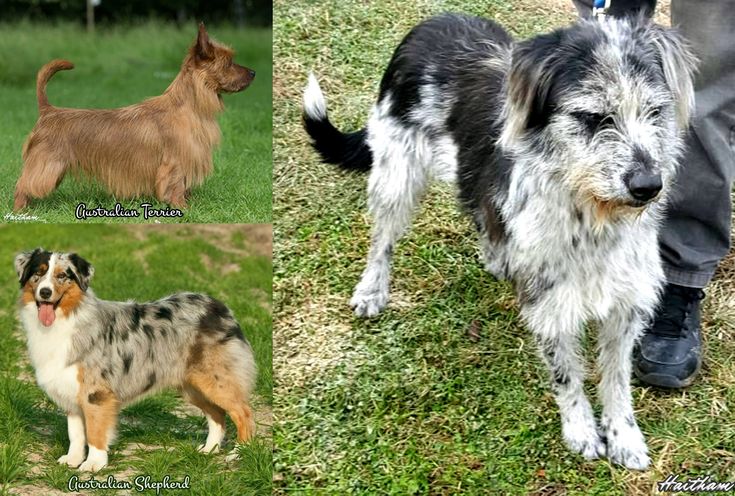
Despite being Australia’s first native breed, Australian Terriers don’t rank among the country’s most popular dogs today. They typically place in the middle range of breed popularity lists, overshadowed by larger Australian breeds like the Australian Shepherd and Australian Cattle Dog. In the United States, they rank even lower in popularity, placing around 140th out of 200 recognized breeds in recent American Kennel Club statistics.
This relative obscurity compared to other terriers and Australian breeds makes them something of a hidden gem for dog enthusiasts. Their modest popularity has helped maintain their working characteristics and health, as they haven’t been subjected to the extreme breeding pressures that sometimes affect highly popular breeds. For owners who appreciate their unique qualities, this lower profile is often seen as an advantage, allowing the breed to retain its authentic character and purpose.
“Australian Terrier Australian Shepherd Mix” from www.pinterest.com and used with no modifications.
How They Compare to Australian Shepherds
Despite sharing “Australian” in their names, Australian Terriers and Australian Shepherds have little in common beyond their country connection. Australian Shepherds are actually an American-developed herding breed (despite the misleading name) and are substantially larger at 18-23 inches tall and 40-65 pounds. Their herding background gives them extremely high energy levels and exercise requirements far exceeding those of Australian Terriers, making them suitable for very different household situations. If you’re curious about other breeds, check out this expert interview on Setter dog breeds.
Australian Shepherds require extensive daily exercise and mental stimulation, thrive with jobs to perform, and typically need experienced handlers who understand herding breeds. Australian Terriers, while energetic for their size, have much more moderate needs that can be met with regular walks and play sessions. The shepherd’s herding instincts can lead to chasing or nipping behaviors requiring specific training, while the terrier’s hunting background creates different training considerations around small animals and digging.

“5 Australian Dog Breeds that Have …” from www.vetsupply.com.au and used with no modifications.
Differences from Australian Cattle Dogs
Australian Cattle Dogs represent another distinctly different approach to breeding for Australian conditions. Developed for controlling cattle over vast distances, these medium-sized dogs (30-35 pounds) possess extraordinary stamina, independence, and work drive that make them challenging pets for casual dog owners. Their physical toughness and endurance far exceed what’s found in Australian Terriers, as does their need for physical activity and mental challenges.
While both breeds show the intelligence and problem-solving abilities prized in working dogs, Australian Cattle Dogs typically require more experienced handling and significantly more exercise. Their herding background can manifest as controlling behaviors toward children or other pets if not properly channeled, while Australian Terriers’ hunting background creates different behavioral considerations. Australian Terriers generally adapt more readily to companion life and moderate exercise routines than their cattle-driving countrymen.
Rarity Factor: Finding an Australian Terrier
The relative rarity of Australian Terriers means potential owners may need patience and research to find one. Reputable breeders typically have waiting lists, with puppies often spoken for well before birth. The breed’s moderate popularity can actually benefit serious owners by reducing impulse purchases and encouraging thorough research. Expect to pay between $1,500-$2,500 for a well-bred puppy from health-tested parents, with prices varying by region and breeder reputation.
Rescue options exist but aren’t abundant, as the breed’s relative rarity and devoted owners mean fewer end up in shelters. Breed-specific rescue organizations occasionally have adult Australian Terriers available, often from situations where owners could no longer care for them rather than because of behavioral issues. These adult dogs can make excellent pets for the right homes, often coming with basic training and established personalities that help ensure good matches.
Daily Life with an Australian Terrier
Living with an Australian Terrier means embracing their distinctive blend of independence and affection, energy and adaptability. Their daily routines reflect both their working heritage and their evolution as companion animals, creating a lifestyle that balances activity with relaxation. Understanding what everyday life entails helps potential owners prepare for the realities of Australian Terrier ownership.
Grooming Needs and Shedding Level
One of the Australian Terrier’s practical advantages is their relatively low-maintenance coat. Unlike many small breeds that require professional grooming, Australian Terriers need only weekly brushing to remove loose hair and prevent mats. Their harsh double coat naturally repels dirt and sheds minimally compared to many breeds. Most owners find that a thorough brushing session once or twice weekly, combined with occasional hand-stripping to remove dead hair, keeps their Australian Terrier looking tidy.
Bathing is needed only when the dog is visibly dirty, as frequent bathing can strip the natural oils that protect their weather-resistant coat. Other routine care includes regular nail trimming, ear cleaning to prevent infections in their upright ears, and dental care to address the dental issues common in small breeds. The modest grooming requirements make Australian Terriers suitable for owners who appreciate a natural-looking dog without the time commitment and expense of breeds requiring professional grooming every few weeks.
“Australian Terrier Breed …” from www.chewy.com and used with no modifications.
Exercise Requirements and Activity Ideas
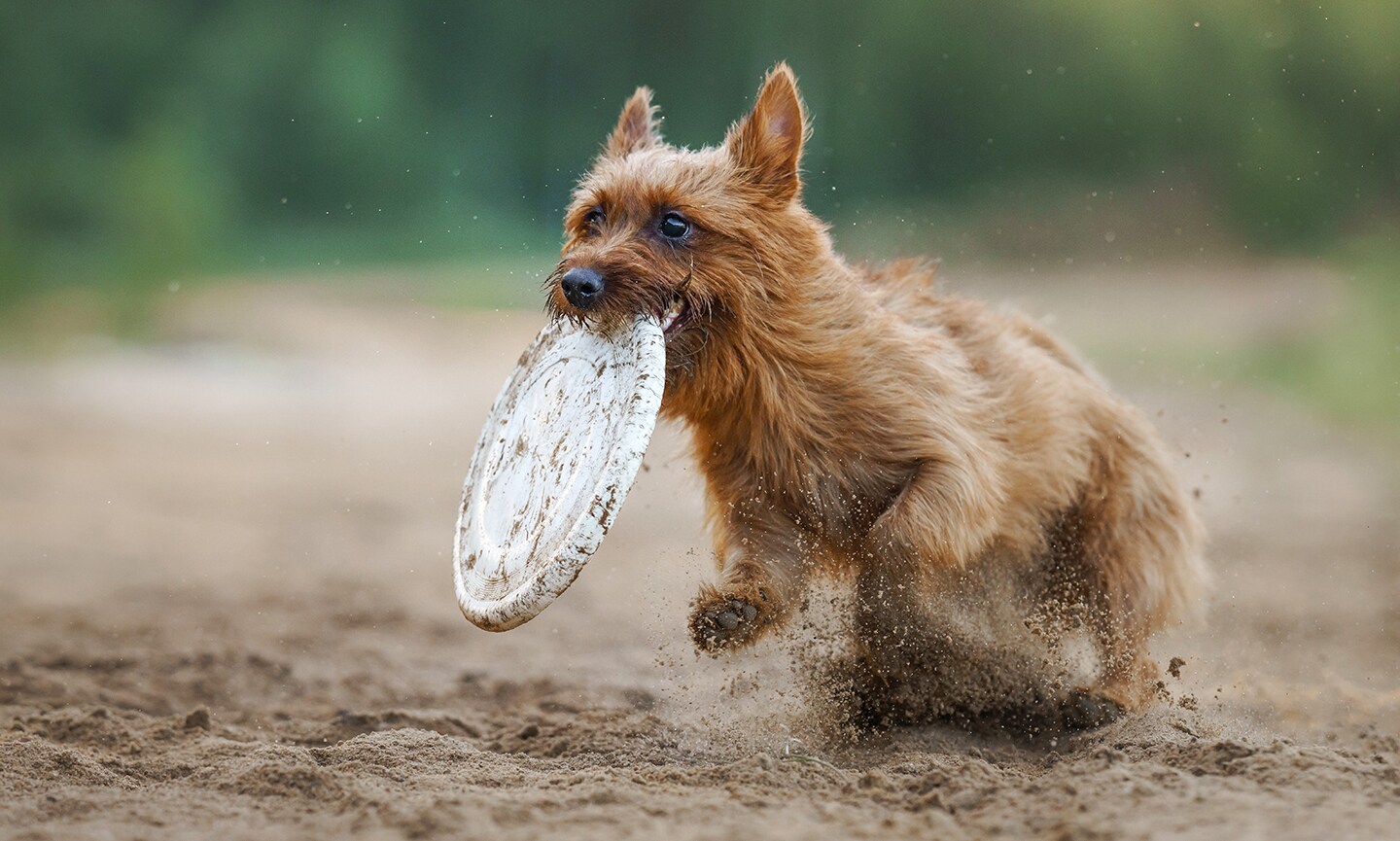
Australian Terriers need moderate daily exercise to maintain physical health and mental well-being. Most thrive with 30 minutes of activity daily, which can be divided between walks and play sessions. Their adaptable nature means they adjust to their owner’s lifestyle, becoming more active when engaged but settling down when indoor calm is required. This flexibility makes them suitable for various household situations, from apartments with regular walks to homes with fenced yards for supervised exploration.
Engaging their intelligent minds is as important as physical exercise. Australian Terriers enjoy problem-solving toys, short training sessions, and games that challenge their thinking. Their natural digging instinct can be channeled into designated digging areas or sandbox activities rather than suppressed entirely. Many excel at dog sports like agility, rally, and earthdog trials, which provide excellent physical and mental stimulation while strengthening the bond between dog and owner.
- Daily 20-30 minute walks combined with play sessions
- Interactive toys that challenge problem-solving abilities
- Supervised yard time for exploring and monitored digging
- Training games that engage their intelligence
- Dog sports like agility or rally for more active households
Training Approach for Best Results
Australian Terriers respond best to positive, consistent training methods that respect their intelligence while providing clear boundaries. Their quick minds grasp concepts rapidly, but their independent terrier nature means they may question why they should comply unless properly motivated. Training sessions should be kept short, engaging, and varied to prevent the boredom that can lead to stubborn behavior. For insights into another unique breed, check out this Brussels Griffon dog breed expert interview.
Early socialization is particularly important for developing well-rounded Australian Terriers. Exposing puppies to various people, animals, environments, and situations during their formative months helps prevent the wariness or reactivity that can develop in under-socialized terriers. Their natural alertness and protective instincts need channeling through proper training to distinguish between genuine threats and normal activities.
“Australian Terriers thrive with training that engages their problem-solving abilities while respecting their independent nature. They want to know not just what to do, but why it matters—making them respond best to training that builds partnership rather than demanding blind obedience.”
Consistency is key with these intelligent dogs, as they quickly identify and exploit inconsistencies in rules or expectations. All family members should use the same commands and enforce the same boundaries to prevent confusion. When properly trained, Australian Terriers become remarkably responsive companions who understand household routines and expectations while maintaining their distinctive terrier personality. For more insights on dog breeds, check out this expert interview on Keeshond dogs.
The Ideal Australian Terrier Owner
Not every dog breed suits every lifestyle, and Australian Terriers have specific needs and preferences that make them better matches for certain types of owners. Their unique combination of terrier traits and companion qualities creates a distinct profile of the ideal owner who will bring out the best in these spirited little dogs while appreciating their natural tendencies.
Living Situations That Work Best
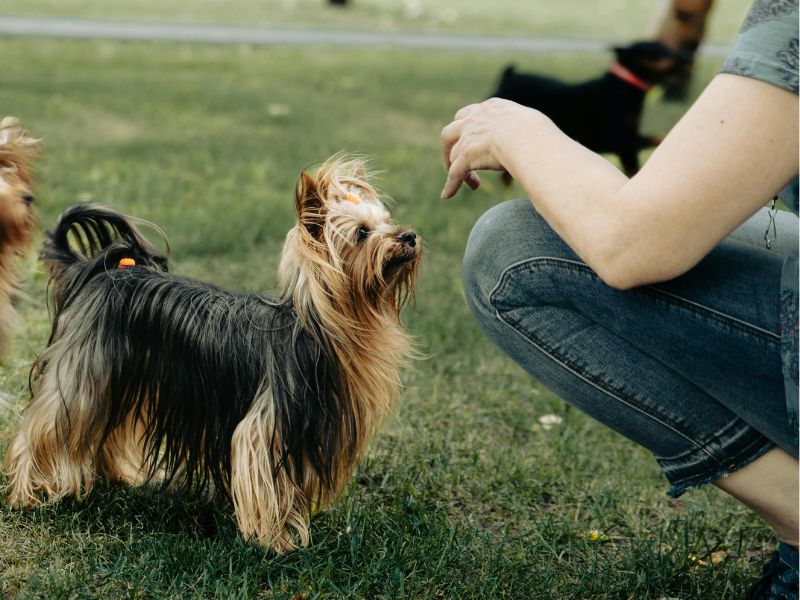
Australian Terriers adapt well to various living arrangements provided their basic needs for exercise, companionship, and mental stimulation are met. They thrive in both suburban homes with small yards and urban apartments with regular walking routines. Their moderate size and exercise requirements make them more flexible than many breeds regarding living space, though they do appreciate some outdoor access for exploration and play.
“Australian Terrier Breed Guide …” from www.holistapet.com and used with no modifications.
Activity Level Compatibility
The ideal owner maintains a moderately active lifestyle that includes daily walks and play sessions. Australian Terriers match well with owners who enjoy regular but not extreme outdoor activities—they make excellent companions for daily neighborhood walks, weekend hikes, or casual outdoor adventures. They typically don’t require the intensive exercise regimen needed by sporting or herding breeds, making them accessible to a wider range of activity levels.
While they can adapt to less active households if necessary, Australian Terriers do best with consistent daily activity to prevent boredom-related behaviors like excessive barking or digging. Their energy levels are higher than many companion breeds but lower than high-drive working dogs, placing them in a comfortable middle ground that suits active seniors, busy professionals who make time for daily dog walks, or families with moderate activity levels.
Their intelligence requires mental as well as physical engagement, making them ideal for owners who enjoy interactive play, training activities, or dog sports at a recreational level. Australian Terriers appreciate owners who understand that a tired dog is a well-behaved dog, and who make both physical exercise and mental stimulation part of the daily routine. For more insights into dog breeds with similar needs, you might find this Brussels Griffon dog breed interview interesting.
- Moderately active individuals or families who enjoy daily walks
- People who work from home or have flexible schedules allowing regular interaction
- Those wanting a small dog with authentic terrier traits without extreme exercise needs
- Owners interested in casual participation in dog activities or sports
- Individuals seeking an alert watchdog in a small package
The most successful Australian Terrier owners appreciate the breed’s blend of independence and affection rather than seeking either a completely self-sufficient dog or a constant lapdog. They understand that the breed’s alert nature and territorial instincts require proper management through training and socialization rather than suppression.
Time Investment Required
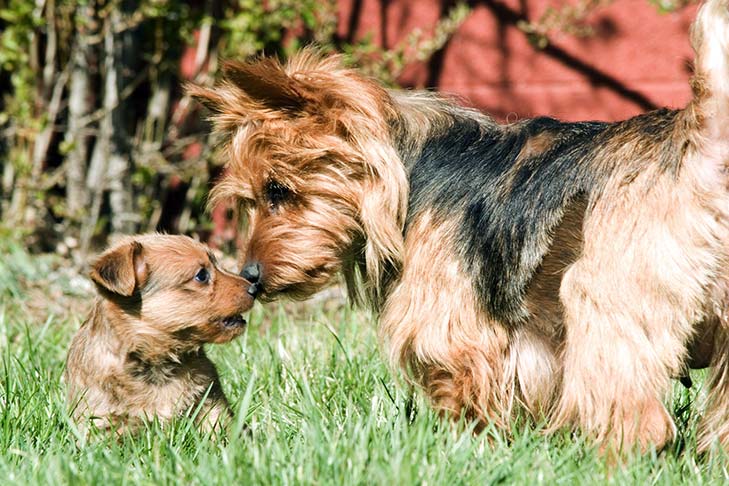
Australian Terriers form strong bonds with their owners and do best in households where they receive regular attention and interaction. While not as demanding of constant contact as some companion breeds, they do need daily engagement through walks, play sessions, and general inclusion in family activities. Their social nature makes them poor candidates for homes where they would be left alone for extended periods regularly, as this can lead to separation anxiety or destructive behaviors.
“Australian Terrier Dog Breed Information” from www.akc.org and used with no modifications.
Financial Considerations for Potential Owners
Owning an Australian Terrier represents a moderate financial commitment compared to many breeds. Their relatively good health and modest size keep veterinary and feeding costs lower than for larger breeds or those with numerous health issues. Grooming expenses remain minimal since most owners can handle routine coat care at home without professional services. Initial purchase price from reputable breeders typically ranges from $1,500-$2,500, reflecting their relative rarity and the care taken in responsible breeding programs.
Is an Australian Terrier Right for You?
After exploring the many facets of Australian Terrier traits and needs, potential owners should carefully evaluate whether this spirited, loyal breed aligns with their lifestyle, expectations, and capabilities. The right match between owner and dog creates a rewarding relationship that brings out the best in these distinctive terriers while avoiding the frustrations that can arise from mismatched expectations. For those interested in learning about other breeds, check out our Keeshond dog breed expert interview for more insights.
Pros and Cons Summary
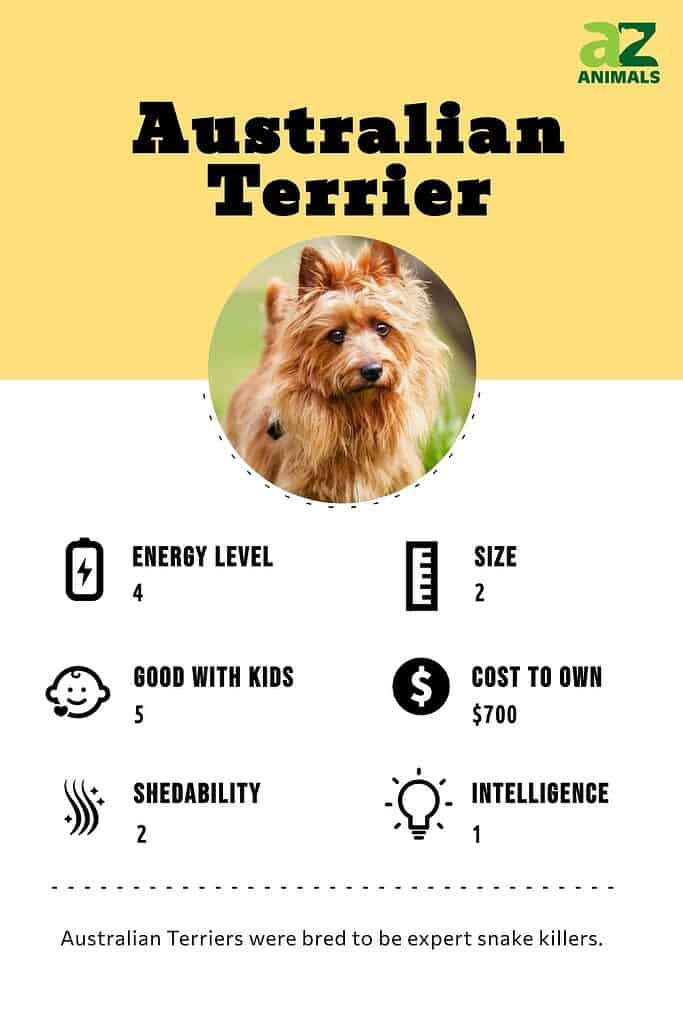
Australian Terriers offer a compelling package of positive traits including adaptability, moderate exercise needs, minimal grooming requirements, and a balanced temperament that combines independence with affection. Their alert nature makes them excellent watchdogs, while their intelligence supports successful training and problem-solving. However, potential owners should also consider the challenges, including their natural terrier tendencies toward barking, digging, and prey drive. Their need for consistent training, socialization, and daily attention makes them less suitable for extremely busy households or those seeking a completely low-maintenance pet.
“Australian Terrier Dog Breed Complete …” from a-z-animals.com and used with no modifications.
Questions to Ask Yourself Before Adopting
Before committing to an Australian Terrier, honest self-assessment helps prevent mismatched adoptions. Consider whether you can provide the daily exercise, consistent training, and regular companionship these dogs need. Evaluate whether your household’s activity level, living situation, and time availability align with the breed’s requirements. Think about your tolerance for typical terrier traits like alertness, occasional stubbornness, and territorial behaviors that require proper management through training rather than elimination.
Reflect on what you’re seeking in a canine companion and whether the Australian Terrier’s blend of independence and affection matches your expectations. Consider whether you appreciate a dog with character and personality that may occasionally challenge you, or if you’d prefer a more compliant breed with fewer independent tendencies. Assess whether your lifestyle can accommodate a 12-15 year commitment to a dog that will become deeply attached to you and your family.
Where to Find Reputable Breed Rescue Orgs
Those interested in adopting rather than purchasing from a breeder should connect with the Australian Terrier Rescue network, which coordinates rescue efforts throughout North America. The Australian Terrier Club of America maintains a rescue committee that can direct potential adopters to available dogs and provide education about the breed. Regional terrier rescue organizations sometimes have Australian Terriers or mixes available, offering another avenue for finding these dogs.
Regardless of whether you choose a puppy from a reputable breeder or an adult through rescue, taking the time to thoroughly research and understand the breed helps ensure a successful match. The Australian Terrier’s combination of spirited energy, intelligent problem-solving, and loyal affection creates a distinctive canine personality that brings joy and companionship to the right homes for 12-14 rewarding years.
Frequently Asked Questions
Throughout our exploration of Australian Terrier traits, certain questions consistently arise from potential owners considering this distinctive breed. Addressing these common inquiries provides additional clarity for those evaluating whether an Australian Terrier would fit well into their lifestyle and household. For those interested in exploring other breeds, you might find the Keeshond dog breed to be an intriguing alternative.
The following responses draw on established breed knowledge and expert insights to offer practical guidance on the most frequently asked questions about Australian Terrier ownership and care.
How much daily exercise does an Australian Terrier need?
Australian Terriers require approximately 30 minutes of daily exercise to maintain physical health and mental well-being. This activity can be divided between walks and play sessions according to owner schedule and preference. Unlike high-energy working breeds that need hours of intensive exercise, Australian Terriers are satisfied with moderate activity that engages both body and mind. Their adaptable nature means they’ll enthusiastically join more active pursuits when offered but can adjust to quieter days when necessary. For insights on other breeds, check out this expert interview on the Brussels Griffon.
Mental stimulation is as important as physical exercise for these intelligent dogs. Incorporating training games, puzzle toys, or scent work into their routine helps prevent boredom and the problematic behaviors that can result. Many Australian Terrier owners find that a morning walk, midday play session, and evening training or play time creates an ideal schedule that keeps their dogs balanced and content.
Are Australian Terriers hypoallergenic?
While no dog is truly 100% hypoallergenic, Australian Terriers are often considered more suitable for allergy sufferers than many breeds. Their harsh, non-shedding coat produces less dander (the primary allergen) than soft-coated breeds that shed regularly. The minimal shedding and naturally clean nature of their coat reduce the spread of allergens throughout the home, making them a potential option for individuals with mild to moderate dog allergies. For those considering a pet with allergies in mind, it’s important to understand the pet rescue application process and how to prepare.
Can Australian Terriers live in apartments?
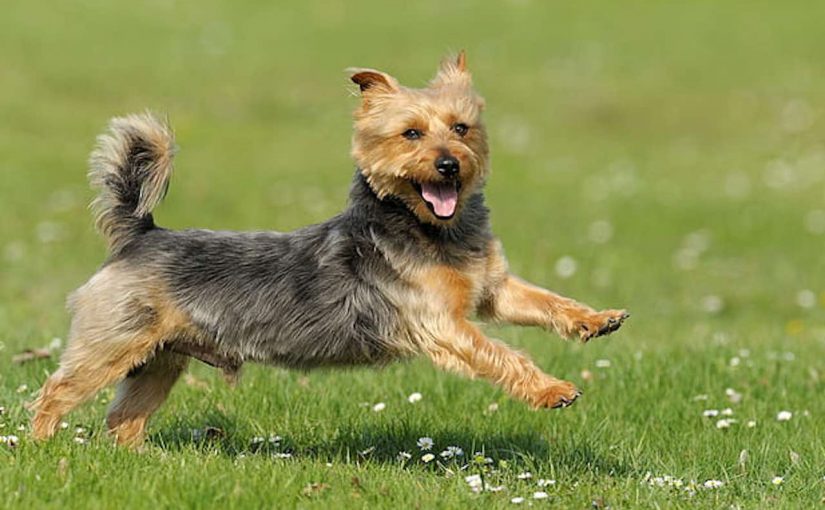
Australian Terriers adapt well to apartment living provided their exercise and mental stimulation needs are consistently met. Their moderate size and energy level make them more suitable for apartments than many larger or more active breeds. However, potential apartment dwellers should consider several factors before choosing an Australian Terrier:
- Their watchdog tendencies mean they will bark to alert to hallway noises or activities outside windows
- They require daily walks regardless of weather conditions
- Their terrier energy needs appropriate outlets to prevent destructive behaviors
- Building pet policies should be checked regarding weight limits and breed restrictions
With proper training to manage barking, regular exercise routines, and environmental enrichment through toys and activities, Australian Terriers can thrive in apartment settings. Many owners find that establishing a consistent schedule helps their dogs understand when to expect walks and playtime, reducing anxiety and excessive alerting behaviors. For more insights on indoor pet enrichment, explore the pros and cons of indoor cats and how similar strategies can be applied to dogs.
Their adaptability makes them more successful apartment dwellers than many breeds of similar size, particularly when owners are committed to meeting their physical and mental exercise requirements daily. The proximity of dog parks or walking paths can significantly enhance the apartment living experience for these active little dogs.
“Australian Terrier – Dog Breed Info …” from www.k9rl.com and used with no modifications.
What health issues are common in Australian Terriers?
Australian Terriers are generally hardy dogs with fewer health problems than many purebreds, but responsible owners should be aware of several conditions that appear with some frequency in the breed. Diabetes mellitus occurs at higher rates in Australian Terriers than many other breeds, making weight management and proper nutrition particularly important. Regular veterinary blood work can help catch early signs of diabetes and allow for prompt intervention.
Thyroid disorders, particularly hypothyroidism, also appear in the breed with some regularity. Symptoms include weight gain, lethargy, and coat changes, with treatment involving daily medication to restore proper hormone levels. Responsible breeders test breeding stock for thyroid function to reduce the incidence of these disorders.
Orthopedic issues such as patellar luxation (slipped kneecaps) and Legg-Calvé-Perthes disease can affect the breed, though at lower rates than many small breeds. Regular veterinary examinations help identify these issues early when intervention is most effective. Dental problems are common in small breeds including Australian Terriers, making dental care an important aspect of their health maintenance.
- Diabetes mellitus (higher than average incidence)
- Thyroid disorders (particularly hypothyroidism)
- Patellar luxation (slipped kneecaps)
- Legg-Calvé-Perthes disease (hip joint disorder)
- Dental issues (common in most small breeds)
With proper care, nutrition, regular veterinary check-ups, and attention to dental health, most Australian Terriers live active, healthy lives well into their senior years. Their 12-14 year average lifespan reflects their generally robust constitution and relatively low incidence of life-threatening genetic conditions.
How do Australian Terriers differ from other terrier breeds?
Australian Terriers distinguish themselves from other terrier breeds through several key characteristics. Their temperament tends to be more balanced than many terriers, combining the classic terrier alertness and confidence with a more adaptable, less reactive nature. While they maintain the terrier independence and occasional stubbornness, they typically form stronger bonds with their families and show more willingness to please than some of the more independent terrier breeds.
Physically, their harsh double coat requires less maintenance than the hand-stripped coats of many wire-haired terriers or the constantly growing coats of Yorkies and similar breeds. Their larger size compared to toy terriers gives them more sturdiness and resilience, while their smaller size compared to fox terriers or Airedales makes them more manageable in various living situations.
Their hunting style developed for Australian vermin control differs somewhat from the European terrier traditions. Rather than being specialized earth dogs designed to go to ground after prey, Australian Terriers were developed as more versatile farm dogs capable of both hunting vermin and serving as watchdogs and companions. This broader breeding purpose created a more adaptable temperament than seen in some highly specialized terrier breeds.
Australian Terriers typically show less dog-aggression than breeds like the Scottish Terrier or Jack Russell Terrier, though early socialization remains important. Their prey drive, while present, tends to be more manageable than in some terrier breeds bred specifically for hunting. These moderate terrier traits make them more accessible to first-time dog owners while still providing the spirited, confident personality that terrier enthusiasts appreciate.
For those seeking a dog with authentic terrier character without the extreme intensity sometimes found in the group, the Australian Terrier offers an appealing middle ground—combining the best terrier traits with surprising adaptability and affection. Their unique development for Australian conditions created a distinctive breed that carries terrier heritage while forging its own path in the canine world.