Article-At-A-Glance
- Parson Russell Terriers were officially recognized by the AKC in 1997, while Jack Russell Terriers remain unrecognized by the AKC but are registered with other organizations
- The key difference between these terrier varieties lies in their build and proportions: Parson Russell Terriers have longer legs and more square proportions compared to Jack Russells
- These energetic dogs make excellent companions for active families who can provide ample exercise and mental stimulation
- Parson Russell Terriers are known for their intelligence and trainability, but require consistent training to manage their natural hunting instincts
- When selecting a Parson Russell Terrier, working with reputable breeders who perform health screenings is essential to avoid common genetic issues
The Parson Russell Terrier’s history is as lively and interesting as the breed itself. These spirited, intelligent dogs have captured the hearts of terrier enthusiasts worldwide, but understanding their background helps explain their unique traits and needs.
Before diving into specifics, it’s important to clarify the confusion surrounding the different Russell terrier varieties. Many dog lovers use these terms interchangeably, but there are distinct differences in their recognition, physical characteristics, and history that set them apart.
Understanding the Parson Russell Terrier and Related Breeds
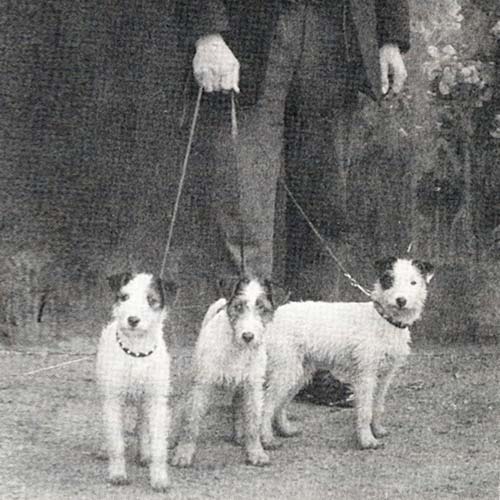
The story of the Parson Russell Terrier begins with one man: Reverend John “Parson” Russell, an English clergyman and hunting enthusiast born in 1795. His passion for fox hunting led him to develop a line of working terriers that could keep pace with horses and hounds during the hunt, yet be small and agile enough to pursue foxes underground when they went to ground.
These terriers needed to be tenacious without being overly aggressive, as their purpose was not to kill the fox but to drive it from its den so the hunt could continue. This selective breeding for specific working traits created the foundation for what would later become known as the Parson Russell Terrier.
Unlike many modern dog breeds that were developed for appearance, these terriers were bred purely for their working ability. This functional heritage explains many of their behavioral characteristics today, including their high energy, intelligence, and strong prey drive.
“Parson Russell Terrier Dog Breed …” from www.akc.org and used with no modifications.
AKC History and Recognition
The journey to official recognition for these terriers has been complex and somewhat controversial. The American Kennel Club (AKC) officially recognized the Parson Russell Terrier in 1997, but initially under the name “Jack Russell Terrier.” This caused considerable confusion and debate among breed enthusiasts.
In 2003, the AKC changed the breed’s name to “Parson Russell Terrier” to better distinguish it from the Jack Russell Terrier, which remains unrecognized by the AKC but is registered with other organizations such as the Jack Russell Terrier Club of America (JRTCA). This name change wasn’t merely semantic—it acknowledged that selective breeding had created dogs with different proportions and somewhat different purposes.
The Parson Russell Terrier Association of America (PRTAA) became the official AKC parent club for the breed, establishing a detailed breed standard that emphasizes the Parson’s square proportions and longer legs compared to other Russell terrier varieties. This standardization helped solidify the Parson Russell’s position as a distinct breed in the terrier group.

“Parson vs Jack Russell vs Russell …” from articles.hepper.com and used with no modifications.
Differences Between Jack Russell, Parson Russell, and Russell Terriers
Understanding the distinctions between these similar-looking terriers can be confusing for the average dog enthusiast. The primary differences lie in their build and proportions, though their temperaments share many similarities. For those interested in exploring other dog breeds, the Keeshond dog breed offers a fascinating alternative with its unique characteristics.
Russell Terrier Varieties Comparison
Parson Russell Terrier: Taller (12-14 inches), with a body that is nearly square (body length approximately equal to height). Recognized by the AKC since 1997.
Jack Russell Terrier: More variable in size (10-15 inches), often with shorter legs and a more rectangular body. Not recognized by the AKC but registered with the JRTCA.
Russell Terrier: The smallest of the three (8-12 inches), with the shortest legs and most rectangular body. Recognized by the AKC as a separate breed since 2012.
While they share a common ancestry, these three terrier types have been selectively bred for slightly different purposes and conformations. The Parson Russell, with its longer legs and more balanced proportions, was developed to excel at running alongside horses during fox hunts. The Jack Russell, with more variation in type, remained primarily a working terrier with less emphasis on conformation to a specific standard. The Russell Terrier, sometimes called the “Shorty Jack,” was developed in Australia as a smaller companion with the same spirited temperament.
“Parson Russell Terrier Dog Breed …” from www.akc.org and used with no modifications.
Origins and Development of the Breeds
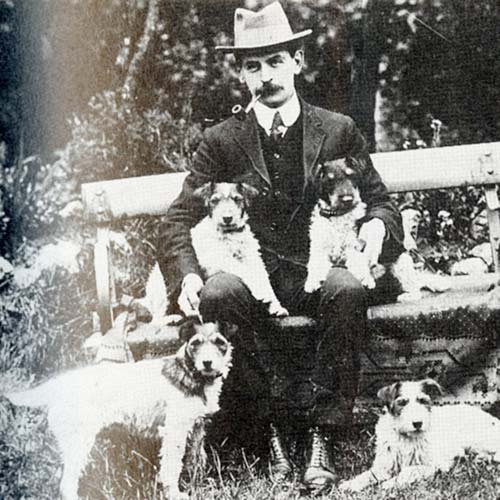
The foundation of all three varieties traces back to Reverend Russell’s original terriers in the 1800s. His most famous dog, a white terrier named Trump purchased from a milkman in 1819, is often cited as the foundation for the breed. Trump had the perfect combination of gameness (courage) and good temperament that Russell sought to reproduce in his breeding program.
After Parson Russell’s death in 1883, various breeders continued developing these working terriers, but with different priorities. Some emphasized working ability above all else, leading to the varied Jack Russell type. Others began to standardize the appearance while maintaining working ability, eventually resulting in the Parson Russell Terrier we know today.
The geographical spread of these terriers also influenced their development. While the original stock remained primarily in England, terriers of this type made their way to Australia and America, where they were further refined according to local preferences and working needs. This diaspora explains some of the variation we see in the different Russell terrier types today.
Pros and Cons of Owning a Parson Russell Terrier
When considering a Parson Russell Terrier as your next canine companion, it’s essential to weigh both the advantages and challenges this breed presents. These dogs offer remarkable intelligence and loyalty, but they come with specific needs that not every household can accommodate.
The decision to bring a Parson Russell into your home should be made with a clear understanding of what living with this spirited breed entails. Their working heritage significantly influences their behavior and requirements, making them ideal for some families but potentially overwhelming for others.
“Parson Russell Terrier Dog Breed …” from a-z-animals.com and used with no modifications.
Advantages of the Breed
Parson Russell Terriers possess exceptional intelligence that makes them highly trainable and capable of learning complex tasks. Their quick minds and problem-solving abilities enable them to excel in dog sports like agility, flyball, and obedience competitions, where they frequently outperform larger breeds.
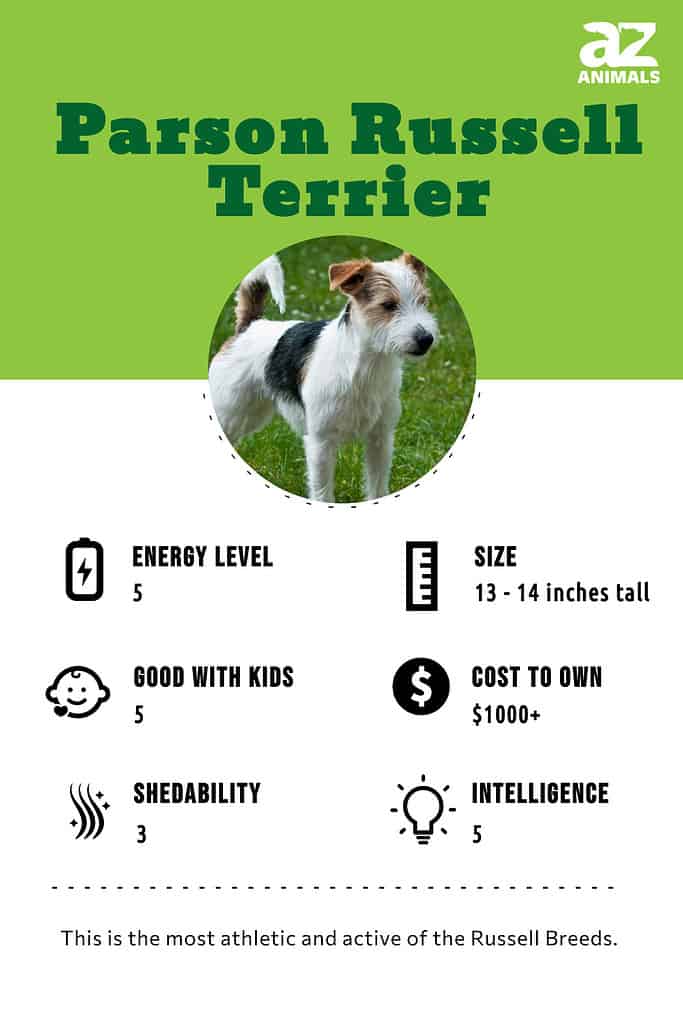
The compact size of the Parson Russell Terrier makes them adaptable to various living situations, provided they receive adequate exercise. At 12-14 inches tall and typically weighing between 13-17 pounds, they don’t require the space of larger dogs but still offer the robust energy and personality of a much bigger canine. For insights on another energetic breed, check out this Ibizan Hound expert interview.
Another significant advantage is their relatively low-maintenance coat. The breed’s dense, weatherproof double coat comes in smooth or broken varieties, both of which shed moderately but require minimal grooming compared to many other breeds. Weekly brushing and occasional hand-stripping for broken-coated individuals are usually sufficient to keep them looking their best.
- Exceptional longevity, with many living 13-15 years or longer
- Strong loyalty and devotion to their family members
- Excellent watchdogs with natural alertness
- Versatility in activities from hunting to therapy work
- Generally good health with fewer genetic issues than many purebreds
Challenges and Considerations
The same traits that make Parson Russell Terriers exceptional working dogs can present challenges in a family setting. Their high energy levels and strong prey drive mean these dogs require substantial daily exercise and mental stimulation. Without proper outlets, they may develop destructive behaviors like digging, chewing, or excessive barking. For those interested in understanding more about the cognitive health and emotional well-being of dogs, especially as they age, exploring senior dog socialization can provide valuable insights.
Training a Parson Russell Terrier demands consistency and patience. While intelligent, they possess an independent streak typical of terriers, sometimes described as “selective hearing” when their instincts take over. Their natural tenacity—a valuable trait for hunting—can translate to stubbornness if training methods don’t engage their interest and respect. For those considering different breeds, it’s worth exploring the Brussels Griffon as an alternative.
Prospective owners should also consider the breed’s strong prey drive. Parson Russells were bred to pursue small animals, making them potentially incompatible with households that have cats, rabbits, or other small pets. Even with socialization, their hunting instincts may emerge unexpectedly, particularly during outdoor activities.
“Owning a Parson Russell Terrier is like having a perpetual two-year-old child—curious, clever, occasionally mischievous, and always requiring supervision. They’re not for the faint of heart, but those willing to meet their needs are rewarded with an exceptional companion.” — Parson Russell Terrier Association of America
Parson Russell Terrier as a Family Dog
The Parson Russell Terrier can make an excellent family companion for the right household. These dogs typically form strong bonds with family members and show remarkable loyalty. Their playful nature and endless energy make them particularly good matches for active families with older children who understand how to interact appropriately with dogs.
Families considering this breed should evaluate their lifestyle honestly. Parson Russells thrive in environments where they receive plenty of attention and engagement. They’re not well-suited to households where they would be left alone for extended periods, as isolation can lead to anxiety and problem behaviors.

“Parson Russell Terrier Good with Kids …” from www.eachpaw.com and used with no modifications.
Temperament and Behavior with Families
Parson Russell Terriers typically display affection and devotion toward their family members. Their playful demeanor and enthusiasm for games make them entertaining companions, particularly for children who enjoy active play. However, their boisterous nature means supervision is essential with very young children, as these terriers don’t always recognize their own strength during excited play. For more details on their characteristics, you can read the Parson Russell Terrier breed profile.
While generally good with children, Parsons need proper socialization from puppyhood to develop appropriate behavior. Children, likewise, should be taught to respect the dog’s space and avoid rough handling. When these boundaries are established early, the relationship between Parsons and children can be exceptionally rewarding.
Contrary to some terrier stereotypes, many Parson Russells actually do well with other dogs, particularly when raised together. This social capacity stems from their history as pack hunters who needed to work alongside other dogs during fox hunts. However, same-sex aggression can sometimes occur, especially between unneutered males, so introductions should always be carefully managed.
Parson Russell Terrier Family Compatibility Factors:
- Active Families: Excellent match
- Families with Young Children: Moderate match (requires supervision)
- Multi-Pet Households: Challenging with small animals; moderate with other dogs
- Senior Households: Moderate match (depends on activity level)
- Apartment Living: Possible but challenging (needs substantial exercise)
Barking Tendencies and Solutions
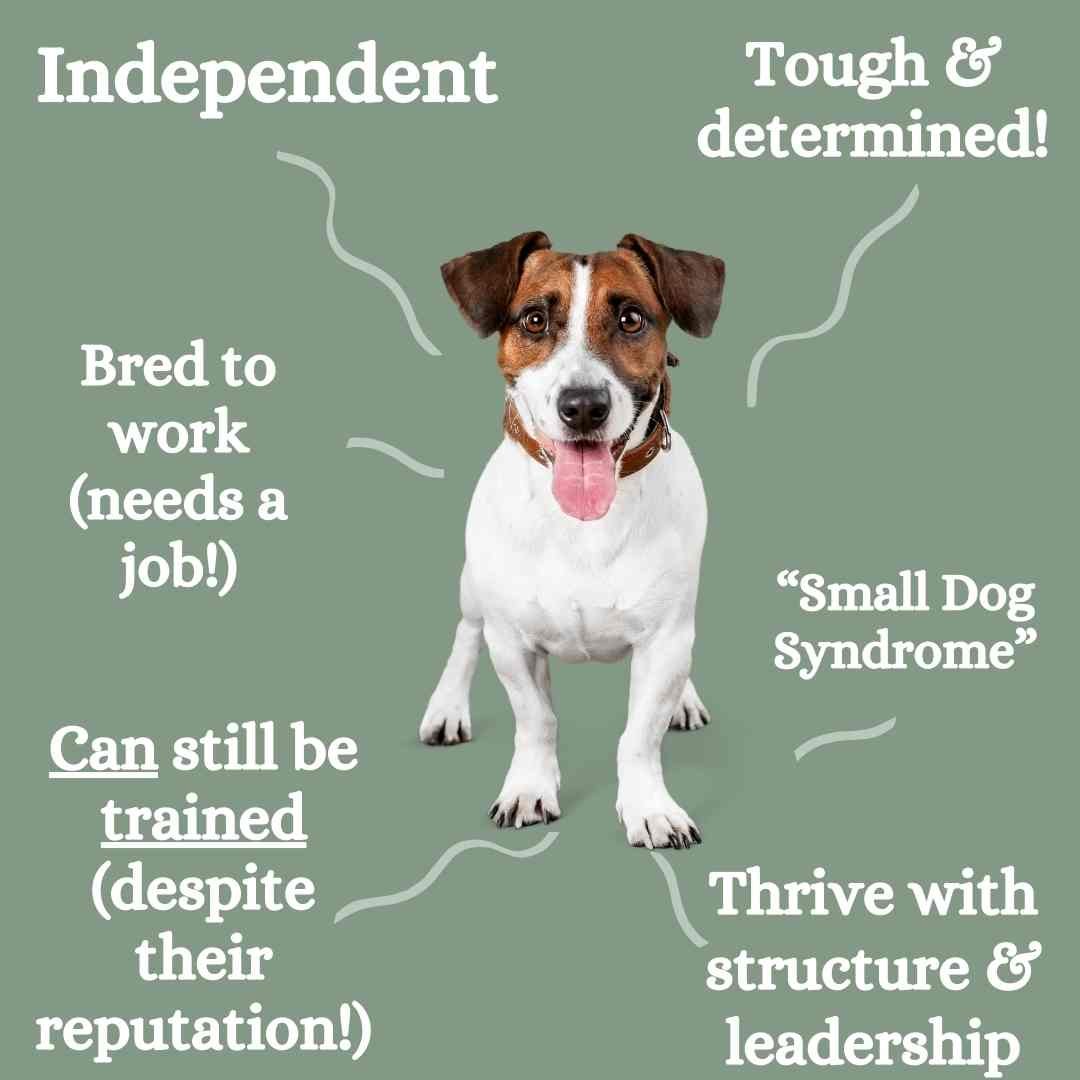
Parson Russell Terriers are vocal dogs by nature, using barking as communication and during moments of excitement or alertness. Their hunting background has reinforced this tendency, as barking was useful to alert hunters when prey was located underground. In a home environment, this can translate to frequent barking at visitors, unfamiliar sounds, or perceived threats.
“Dog Training …” from www.bestmatedogtraining.co.nz and used with no modifications.
Managing a Parson Russell’s barking requires understanding the triggers and implementing consistent training from an early age. Teaching commands like “quiet” using positive reinforcement techniques can be effective, especially when paired with rewards for calm behavior. Physical and mental exercise also plays a crucial role in reducing excessive barking, as a tired Parson is generally a quieter one.
Suitability for First-Time Dog Owners
For most first-time dog owners, the Parson Russell Terrier presents significant challenges that might be better approached after gaining experience with less demanding breeds. Their combination of high intelligence, strong will, and abundant energy requires an owner who understands canine behavior and can establish consistent leadership without resorting to harsh methods. For insights into another breed’s temperament, check out this Ibizan Hound expert interview.
However, dedicated first-time owners who are willing to educate themselves thoroughly, possibly work with a professional trainer, and commit substantial time to exercise and training can succeed with a Parson Russell. The key factors are realistic expectations and a willingness to adapt to the breed’s needs rather than expecting the dog to conform entirely to the owner’s lifestyle.
Training Needs and Tips for Beginners
Training a Parson Russell Terrier requires understanding their working heritage and adapting methods accordingly. These dogs respond best to positive reinforcement techniques that engage their intelligence and provide clear, consistent boundaries. Harsh corrections or punishment-based methods typically backfire, creating resistance rather than cooperation. For more detailed information on the breed, check out the Parson Russell Terrier: Breed Characteristics & Care.
Short, engaging training sessions yield better results than lengthy drills, as Parsons can become bored with repetition. Incorporating games, varied rewards, and an element of challenge helps maintain their interest and harness their problem-solving abilities. Beginning with basic obedience and gradually building to more complex behaviors establishes a foundation for ongoing learning.

“Breeds That Make The Best Running Dogs …” from www.purewow.com and used with no modifications.
Exercise and Stimulation Requirements
Parson Russell Terriers have extraordinary energy levels that require dedicated daily exercise. These dogs need a minimum of 1-2 hours of active exercise daily, ideally including both physical and mental components. Their endurance often surprises first-time owners, as these small dogs can easily outpace larger breeds during extended activities.
The exercise regimen for a Parson Russell should include varied activities to prevent boredom. A combination of walks, running in secure areas, playing fetch, and mentally stimulating games provides the comprehensive outlet these dogs need. Without sufficient exercise, they commonly develop problematic behaviors like excessive barking, digging, or destructive chewing.
First-time owners often underestimate the creativity required to keep a Parson Russell appropriately stimulated. Interactive toys, puzzle feeders, and training games can supplement physical exercise by challenging their intelligent minds. Many Parson Russell owners find that teaching new tricks or participating in dog sports provides an excellent outlet for their dog’s abundant energy and problem-solving abilities.
Comparing Parson Russell Terriers with Other Terriers
When considering a terrier, many prospective owners compare various breeds to find the best match for their lifestyle. Parson Russell Terriers share many characteristics with their terrier cousins, but distinct differences in temperament, energy levels, and trainability set them apart.
Understanding these nuances helps potential owners make informed decisions about which terrier variety best suits their household and expectations. While all terriers share certain traits—like determination and independence—the specific manifestations of these qualities vary significantly between breeds.

“Jack Russell Terrier vs. Miniature Fox …” from www.pinterest.com and used with no modifications.
Comparison with the Fox Terrier
The Fox Terrier, particularly the Wire Fox Terrier, is often confused with the Parson Russell Terrier due to similar appearances and historical functions. Both breeds were developed for fox hunting in England, but with somewhat different approaches to the sport. While Parson Russells were bred to bolt foxes from their dens, Fox Terriers were typically carried in saddlebags until needed.
Physically, Fox Terriers tend to have a more refined appearance with slightly longer muzzles and a more angular head shape compared to the Parson Russell’s broader skull. In temperament, many Fox Terrier owners report their dogs are slightly less intense than Parson Russells, though still highly energetic and requiring substantial exercise. For more insights on various dog breeds, you might find this Ibizan Hound expert interview interesting.
The grooming requirements differ significantly between these breeds. Wire Fox Terriers require professional hand-stripping several times yearly to maintain their distinctive coat texture, while Parson Russells—even those with broken coats—typically need less intensive grooming routines.
Traits and Characteristics Compared to Other Terriers
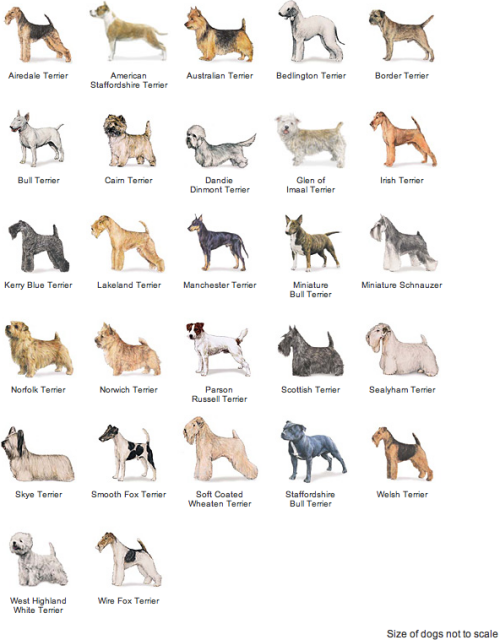
Among the terrier group, Parson Russell Terriers stand out for their exceptional athleticism and endurance. While many terriers are active, Parsons possess remarkable stamina that enables them to work or play for hours without tiring. This contrasts with breeds like the Scottish Terrier or West Highland White Terrier, which typically have more moderate exercise requirements. For those interested in understanding the exercise needs and characteristics of different breeds, you might find this guide on pet enrichment useful.
In terms of trainability, Parson Russells rank relatively high within the terrier group. Their intelligence and working background make them more responsive to training than some other terrier breeds, though they still possess the characteristic terrier independence. Border Terriers are often considered slightly more biddable, while breeds like the Airedale often match the Parson Russell’s training aptitude.
“Photos- Terriers” from www.groomingdalespetsalon.com and used with no modifications.
- Parson Russells typically have stronger prey drives than Wheaten Terriers or Bedlington Terriers
- They tend to be more sociable with other dogs than Bull Terriers or Scottish Terriers
- Their barking tendencies are moderate compared to more vocal breeds like Miniature Schnauzers
- Their digging instinct is particularly strong, even among terriers
- They generally have fewer grooming needs than Wire Fox Terriers or Kerry Blue Terriers
Identifying Healthy Breeding Practices
Selecting a healthy Parson Russell Terrier begins with identifying reputable breeding practices. Responsible breeders prioritize health, temperament, and adherence to breed standards over profit or appearance alone. Their commitment to the breed’s welfare manifests in comprehensive health testing, careful selection of breeding pairs, and lifetime support for the puppies they produce.
For prospective owners, learning to recognize the hallmarks of ethical breeding is essential to avoid supporting problematic operations and to increase the likelihood of bringing home a healthy, well-adjusted puppy. This knowledge also helps preserve the breed’s overall health and working capabilities for future generations.
Signs of Responsible Breeding
Responsible Parson Russell Terrier breeders conduct comprehensive health screenings on all breeding stock. At minimum, these include testing for inherited eye conditions, patellar luxation, and hearing issues through BAER (Brainstem Auditory Evoked Response) testing. Many also screen for less common conditions like primary lens luxation and degenerative myelopathy, providing certification from organizations like the Orthopedic Foundation for Animals (OFA).
Beyond health testing, ethical breeders demonstrate deep knowledge about the breed’s history, purpose, and standard. They can articulate why specific breeding pairs were selected and how these combinations aim to improve or maintain desirable traits. Their breeding programs focus on the whole dog—balancing physical attributes, temperament, health, and working ability rather than emphasizing a single characteristic. For more insights, you can explore this expert interview on dog breeds.
Responsible breeders limit the frequency of litters and the total number of litters a female produces during her lifetime. They provide appropriate socialization for puppies, typically keeping them until at least 8 weeks of age to ensure proper development. Most importantly, they remain available throughout the dog’s life to answer questions, provide guidance, and accept returns if necessary.

“Adoptable Pets” from petfriendsmagazine.wordpress.com and used with no modifications.
Avoiding Backyard Breeder Scams
Warning signs of problematic breeding operations include significantly below-market pricing, constant availability of puppies, and reluctance to allow visits to their facility. Legitimate Parson Russell breeders typically have waiting lists and carefully screen potential homes to ensure appropriate matches. Operations offering “rare” colors like merle (which is not naturally occurring in the breed) or marketing “teacup” sizes should be avoided, as these represent deviations from the breed standard often achieved through practices detrimental to health.
Backyard breeders and puppy mills frequently lack transparency about health testing or pedigrees. When requesting health clearances, vague responses or excuses should raise immediate concerns. Ethical breeders willingly provide documentation of health testing, registration information, and detailed medical records for puppies, including vaccination and deworming schedules.
Online purchasing without meeting the breeder or seeing the puppy’s living conditions presents significant risks. Remote transactions eliminate the opportunity to assess the breeding environment, meet the puppy’s parents, or observe interactions between the breeder and their dogs—all crucial elements in evaluating a breeding operation’s legitimacy and standards.
Frequently Asked Questions (FAQ)
The following questions address common inquiries about Parson Russell Terriers, providing concise information to help potential owners make informed decisions. These answers synthesize breed-specific knowledge that may not be readily available in general dog ownership resources.
What are the key differences between a Parson Russell and a Jack Russell Terrier?
The primary difference between Parson Russell and Jack Russell Terriers lies in their build and proportions. Parson Russells have longer legs and a more square body shape (height approximately equal to length), standing 12-14 inches at the withers. Jack Russells typically have shorter legs and a more rectangular body, with heights ranging from 10-15 inches. Additionally, Parson Russells are recognized by the AKC with a defined breed standard, while Jack Russells remain unrecognized by the AKC but are registered with the Jack Russell Terrier Club of America, which maintains a broader standard allowing for more variation.
Are Parson Russell Terriers suitable for apartment living?
Parson Russell Terriers can adapt to apartment living under specific conditions, though it presents challenges. These dogs require substantial daily exercise regardless of living space—typically 1-2 hours of active engagement. Apartment dwellers must commit to daily walks, runs, or play sessions outside the home. Additionally, their tendency to bark at unfamiliar sounds can create issues in close-quarters living situations.
- Regular outdoor exercise is non-negotiable, regardless of apartment size
- Training to manage barking becomes especially important in multi-unit buildings
- Mental stimulation through puzzle toys and training helps prevent destructive behaviors
- Access to secure outdoor areas for play is highly beneficial
- High-rise living requires special consideration for potty training and emergency evacuation
Success in apartment settings depends heavily on the owner’s commitment to meeting the breed’s exercise needs and addressing behavioral challenges through consistent training. Many urban Parson Russell owners find that dog sports, hiking excursions, or regular dog park visits help fulfill their dog’s activity requirements. For additional insights on keeping dogs active and healthy, check out this expert interview on senior dog socialization.
How can I ensure I’m buying from a reputable breed rescue?
Legitimate Parson Russell Terrier rescues typically have formal 501(c)(3) nonprofit status, maintain detailed adoption processes, and conduct thorough behavioral assessments of their dogs. Reputable organizations like the Parson Russell Terrier Association of America maintain lists of approved breed-specific rescues. These legitimate rescues require application processes that include reference checks, home visits, and adoption contracts specifying the return of the dog to the rescue if placement doesn’t work out.
How much exercise does a Parson Russell Terrier need daily?
Parson Russell Terriers require 1-2 hours of dedicated exercise daily, ideally divided between morning and evening sessions. This should include a combination of physical activities like walking, running, or playing fetch, along with mental stimulation through training, scent work, or puzzle toys. The exercise should be vigorous enough to properly tire these high-energy dogs—a casual stroll around the block is insufficient for their needs. Many owners find that allowing safe off-leash running in secure areas provides the most efficient way to meet their exercise requirements.
What is the life expectancy of a Parson Russell Terrier?
Parson Russell Terriers typically live 13-15 years, with many individuals reaching 16 or even 17 years with proper care. Their relatively long lifespan compared to many purebred dogs reflects their history as working dogs bred for function rather than extreme physical characteristics. Factors that influence longevity include genetics, diet, exercise, dental care, and preventative healthcare. Regular veterinary checkups, appropriate weight management, and maintaining an active lifestyle all contribute to maximizing a Parson Russell’s healthy years. For insights into other breeds, consider reading this Brussels Griffon expert interview.
Understanding the unique history and characteristics of the Parson Russell Terrier helps potential owners determine if this spirited, intelligent breed matches their lifestyle and expectations. While these dogs present certain challenges, their loyalty, cleverness, and enthusiasm make them exceptional companions for the right homes.
For those prepared to meet their considerable exercise needs and provide consistent training, Parson Russell Terriers offer remarkable companionship and versatility. Their working heritage has created a dog that excels not only in traditional terrier activities but also in modern dog sports and as devoted family members. For more insights on terrier breeds, check out this expert interview on Ibizan Hound dog breed.
If you’re interested in learning more about responsible breeding practices or finding a healthy Parson Russell Terrier, the Parson Russell Terrier Association of America offers resources to connect with reputable breeders committed to maintaining this extraordinary breed’s health and working capabilities. Additionally, understanding the pet rescue application process can also be beneficial for potential pet owners.
The Parson Russell Terrier is a lively and energetic breed, often compared to other terriers like the Fox Terrier. When considering this breed, it’s essential to weigh the pros and cons, such as their suitability as a family dog or their tendency to bark. First-time owners should be aware of these characteristics and also learn how to identify healthy breeding practices to avoid scams. For those interested in exploring other terrier breeds, expert interviews can provide valuable insights. For example, the Brussels Griffon dog breed offers a unique perspective on terrier-like traits.