Key Takeaways
- Pyrenean Shepherds are intelligent, high-energy herding dogs that require daily mental and physical stimulation to thrive
- They come in two distinct varieties: rough-faced and smooth-faced, each with unique coat characteristics and slightly different temperaments
- Unlike the larger Great Pyrenees guardian breed, Pyrenean Shepherds were developed specifically for agile herding in the French Pyrenees mountains
- With proper training and socialization, these dogs can live 15-17 years, making them one of the longer-lived purebred dog breeds
- While not recommended for first-time dog owners, these loyal companions excel with active owners who can match their energy and provide consistent training
The Pyrenean Shepherd (or “Pyr Shep”) stands as one of the most versatile yet underappreciated herding breeds in the canine world. These nimble, intelligent dogs have been working alongside shepherds in the Pyrenees Mountains for centuries, developing remarkable skills that make them exceptional working partners. With their quick minds and boundless energy, they represent a fascinating blend of working ability and companionship that deserves closer examination.
At Dog Academy, we’ve seen firsthand how these remarkable dogs thrive when paired with the right owners. Pyrenean Shepherds aren’t just working dogs – they’re complex, multifaceted companions with specific needs and extraordinary capabilities that set them apart from more common breeds. Understanding their unique characteristics is essential for anyone considering bringing one of these special dogs into their lives.
Spotlight on the Pyrenean Shepherd: Essential Highlights
Pyrenean Shepherds are small to medium-sized herding dogs, typically weighing between 15-30 pounds and standing 15-21 inches tall at the shoulder. Their compact size belies their tremendous athleticism and stamina – these dogs were built to work tirelessly in challenging mountain terrain. With a lifespan of 15-17 years, they’re notably long-lived compared to many purebred dogs, offering their owners an extended partnership when properly cared for.
Distinctive Breed Characteristics
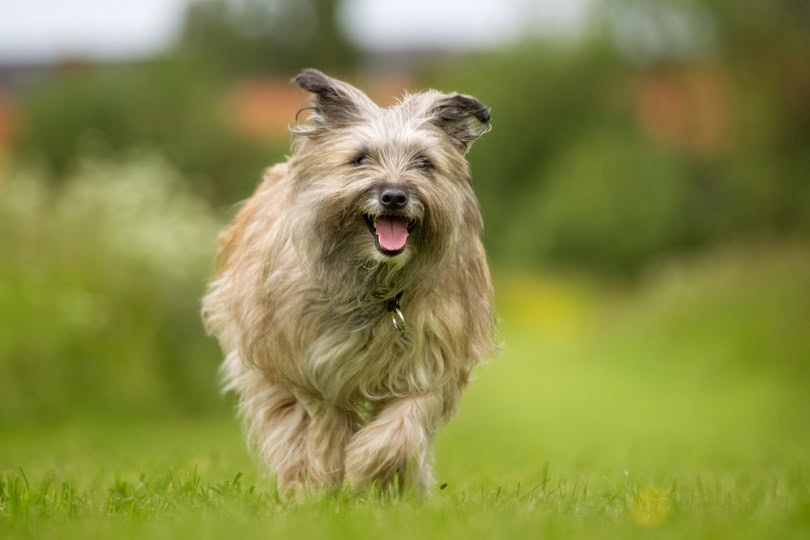
The Pyrenean Shepherd’s most immediately recognizable features include their fox-like expression, triangular ears that stand erect or semi-erect, and their distinctive movement. These dogs move with a characteristic floating gait that seems almost effortless, allowing them to cover rough mountain terrain with minimal energy expenditure. Their athletic build combines remarkable agility with surprising strength for their size, enabling them to control and move livestock many times their weight.
Temperamentally, they’re known for their intelligence, vigilance, and strong herding instincts. These are dogs that form intense bonds with their people, often showing exceptional loyalty to their primary handler while remaining somewhat reserved with strangers. Their energy levels are legendary among those familiar with the breed – a Pyrenean Shepherd with insufficient outlets for their physical and mental energy can quickly develop problematic behaviors. For more insights on similar breeds, you might find this Brittany dog breed expert interview interesting.
Roots, History and Origins
The Pyrenean Shepherd’s history stretches back at least 7,000 years, making them one of the oldest recognizable dog breeds still in existence. Archaeological evidence suggests these dogs were already established working partners to shepherds in the Pyrenees Mountains (spanning the border between France and Spain) during Neolithic times. Their development was shaped entirely by their function – these were working dogs first and foremost, with appearance being a distant secondary consideration to their herding ability.
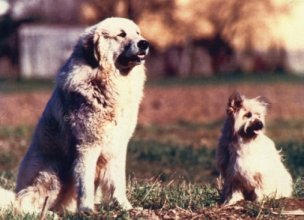
Through centuries of selective breeding focused on working capability, the Pyrenean Shepherd evolved into an exceptionally efficient herding dog perfectly adapted to the challenging mountain environment. They frequently worked in tandem with the larger Great Pyrenees, with the Shepherd actively herding the flocks while the Pyrenees provided protection against predators. This partnership proved remarkably effective, allowing shepherds to manage large flocks across difficult terrain.
“The Pyrenean Shepherd dog: All about …” from wamiz.co.uk and used with no modifications.
Breeds Mixed To Create
Unlike many modern breeds, the Pyrenean Shepherd wasn’t created through deliberate mixing of different established breeds. Rather, they developed through centuries of selective breeding of indigenous herding dogs in the isolated Pyrenees region. Their development followed a pattern common to many ancient breeds – local working dogs bred exclusively for function over hundreds of generations, with natural selection and human selection working in tandem to create a highly specialized working animal. For a deeper understanding of selective breeding in dogs, consider reading this expert interview on the Field Spaniel.
This isolation and purpose-driven breeding created a remarkably pure landrace breed with distinctive characteristics not found in other herding dogs. When formal breed recognition eventually came in the early 20th century, the Pyrenean Shepherd was already a well-established type with consistent traits and abilities, though with the natural variations typical of dogs bred primarily for working ability rather than standardized appearance.
Unique Breed Standards Defined
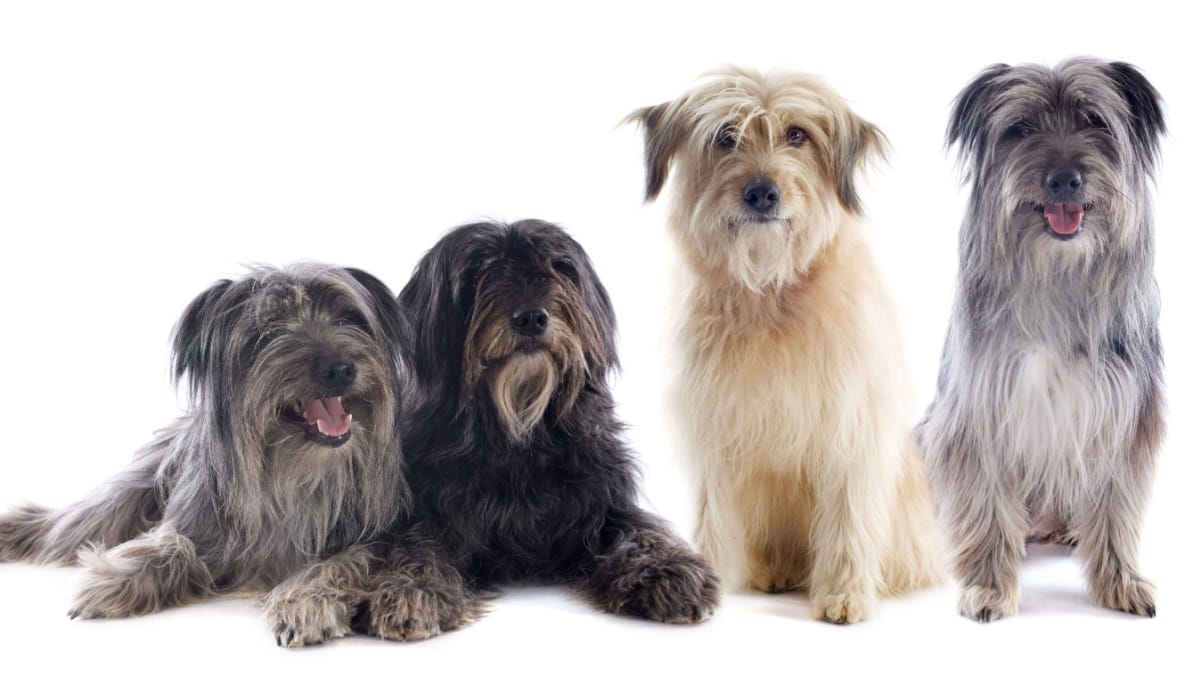
The Pyrenean Shepherd wasn’t formally recognized as a standardized breed until the early 20th century, when the first breed club was established in France in 1926. The initial breed standard acknowledged two distinct varieties: the rough-faced (Poil Long) with its longer, more abundant coat, and the smooth-faced (Face Rase) with its shorter facial fur and somewhat sleeker body coat. This distinction remains important today, with both varieties considered legitimate expressions of the same breed.
The American Kennel Club finally granted full recognition to the Pyrenean Shepherd in 2009, placing it in the Herding Group. Today’s breed standard emphasizes the athletic, balanced build that enables the breed’s remarkable agility and endurance, while allowing for the natural variations in coat type, size, and coloration that reflect the breed’s working heritage. The standard continues to prioritize the functional aspects that make the Pyrenean Shepherd an exceptional working dog – intelligence, agility, and endurance remain paramount. For insights on another herding breed, check out this Brittany dog breed expert interview.
Comparison with Great Pyrenees
Despite sharing the same mountainous homeland, the Pyrenean Shepherd and Great Pyrenees represent two distinct approaches to shepherding. Where the Great Pyrenees stands as a formidable guardian, the Pyrenean Shepherd serves as the quick, agile herder. This complementary relationship has historically allowed shepherds to manage large flocks efficiently across challenging terrain with these two breeds working in tandem.
The size difference between these breeds is immediately apparent. While the Pyrenean Shepherd typically weighs between 15-30 pounds and stands 15-21 inches tall, the Great Pyrenees is a true giant, often weighing 85-115 pounds and standing 25-32 inches at the shoulder. This dramatic difference reflects their distinct roles – the Shepherd needed agility and speed to control flocks, while the Pyrenees required size and strength to confront predators.
Energy levels and exercise requirements differ significantly as well. Pyrenean Shepherds possess seemingly boundless energy, requiring extensive daily physical and mental stimulation. Great Pyrenees, by contrast, are relatively low-energy dogs that conserve their strength for moments when protection is needed. They’re content with moderate daily exercise and often prefer to position themselves in strategic locations where they can observe their territory.
Training approaches must be tailored to each breed’s distinctive temperament. The quick-minded Pyrenean Shepherd thrives with varied, engaging training that challenges their intelligence, while becoming bored and potentially destructive with repetitive exercises. The more independent Great Pyrenees requires patient, consistent training that respects their autonomous nature, as they were bred to make independent decisions when guarding flocks without human guidance.
“La Brise: Pyr Shep History” from www.pyrs.net and used with no modifications.
Pyrenean Shepherd vs. Great Pyrenees: Key Differences
Size: Pyr Shep (15-30 lbs) vs Great Pyrenees (85-115+ lbs)
Function: Herding (Pyr Shep) vs Livestock Guardian (Great Pyrenees)
Energy Level: Very High (Pyr Shep) vs Moderate to Low (Great Pyrenees)
Coat Maintenance: Moderate (Pyr Shep) vs High (Great Pyrenees)
Trainability: Highly Responsive (Pyr Shep) vs Independent-minded (Great Pyrenees)
Similarities and Overlap: What They Share
Despite their differences, these two Pyrenean breeds share important qualities that reflect their shared heritage. Both display remarkable intelligence, though expressed differently – the Shepherd’s quick, responsive problem-solving versus the Pyrenees’ thoughtful independence. They also share strong protective instincts toward their families, though the Pyrenean Shepherd typically exhibits this through alert barking and vigilance rather than the more assertive protective approach of the Great Pyrenees. Both breeds also demonstrate exceptional loyalty to their families and significant weather resistance, having evolved in the harsh mountain climate of the Pyrenees. For more insights on the traits of mountain breeds, you can read this Brittany dog breed interview.
Differences: Why They Diverged
The divergence between these breeds stems directly from their specialized functions in traditional shepherding. The Great Pyrenees was developed specifically to deter and confront predators like wolves and bears, requiring size, strength, and independent judgment. The Pyrenean Shepherd, meanwhile, evolved to work in close partnership with human shepherds, moving and managing flocks with remarkable precision. This functional specialization led to dramatically different physical characteristics and temperaments, creating two breeds that complement each other perfectly in a working context but present very different experiences as companion animals.
Delving into Personality and Purpose
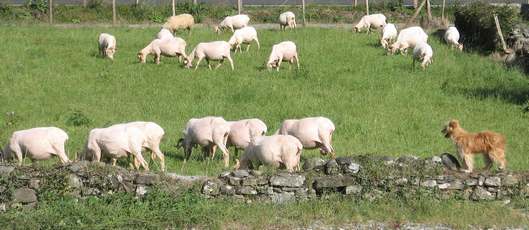
The Pyrenean Shepherd’s personality is inextricably linked to its heritage as a working partner to shepherds. These dogs possess remarkable focus and work drive, approaching their tasks with an intensity that can be startling to those unfamiliar with true working breeds. Their intelligence manifests not just in trainability but in their problem-solving abilities and capacity to make independent decisions when managing livestock.
Beyond their working abilities, Pyrenean Shepherds form extraordinarily strong bonds with their families. They’re often described as “velcro dogs” for their tendency to stay close to their chosen people, though this attachment doesn’t typically manifest as neediness or anxiety. Rather, they simply prefer to be where they can monitor and participate in family activities, always ready to engage or assist when needed.
Intelligence and Temperament
“pyrenean shepherd herding” from www.amblecroft.ca and used with no modifications.
Pyr Sheps ranks among the most intelligent dog breeds, with exceptional problem-solving abilities and quick learning capacity. This intelligence requires appropriate outlets – without sufficient mental stimulation, these dogs will find their own projects, often in ways owners might not appreciate. They excel at complex tasks and can master advanced training concepts with remarkable speed. Their temperament combines alertness, intensity, and a surprising sense of humor – many owners report that their Pyrenean Shepherds seem to enjoy making them laugh with playful antics and deliberate “jokes.”
Role as Herding and Guarding Animals
While primarily developed as herding dogs, Pyrenean Shepherds also possess significant protective instincts. Their approach to protection differs from guardian breeds, focusing on alerting and deterring through barking and vigilance rather than physical intervention. As herders, they excel at controlling livestock many times their size through intelligent movement, strategic positioning, and an innate understanding of flock behavior. Their herding style tends to be decisive and intense, using their agility and speed to maintain precise control over animal movements even in challenging terrain. For those interested in learning more about herding breeds, check out this Brittany dog breed expert interview.
Loyalty and Affection Towards Owners
Few breeds match the Pyrenean Shepherd’s devotion to their owners. These dogs form profound bonds with their families, displaying remarkable sensitivity to their humans’ emotions and needs. While generally affectionate with all family members, they often select a primary person with whom they form an especially deep connection. This loyalty translates to a strong desire to please their chosen people, though their independent streak means they may occasionally prioritize what they believe needs doing over direct commands – a quality that served them well when making split-second decisions while herding in the mountains. For insights into other breeds with similar traits, check out this Brittany dog breed interview.
This combination of intelligence, work drive, and devotion makes the Pyrenean Shepherd an exceptional partner for the right owner. They thrive in active households where they can participate fully in family life while receiving the mental and physical stimulation they require. For those willing to meet their needs, these dogs offer a level of partnership and connection that few other breeds can match. Learn more about the Pyrenean Shepherd and what makes them unique.
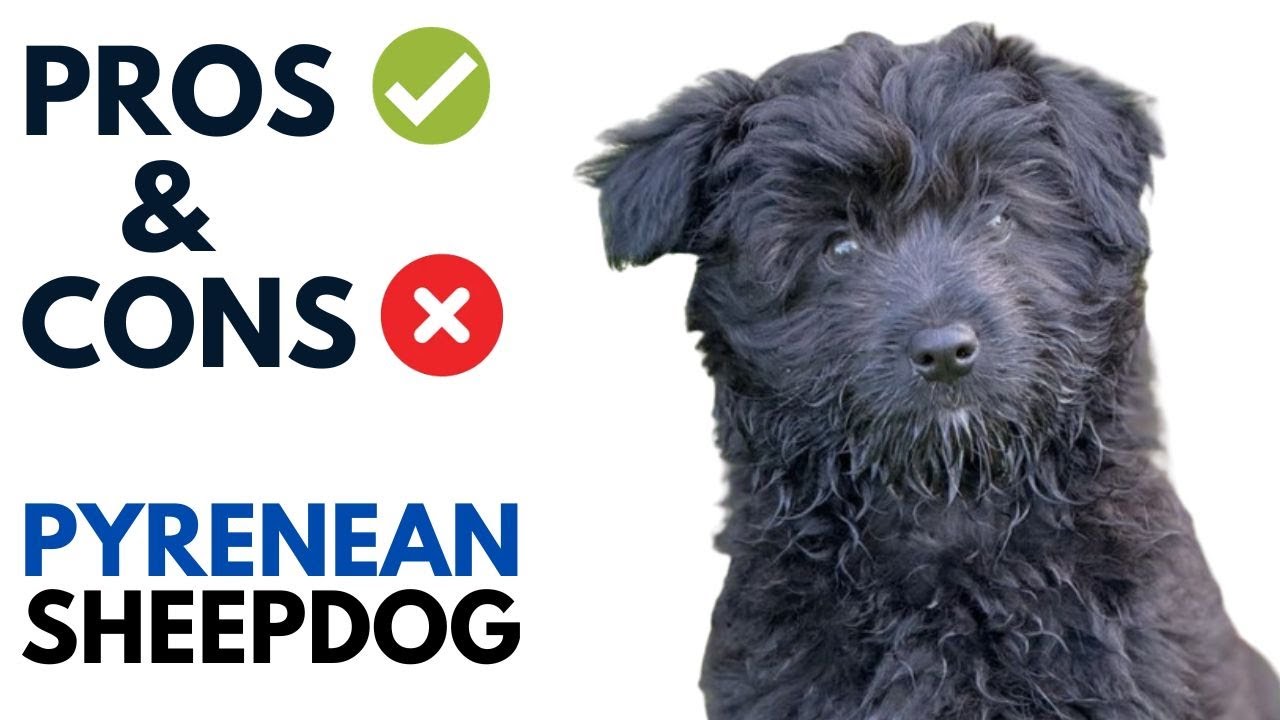
Evaluating the Pros and Cons of Ownership
Owning a Pyrenean Shepherd represents a significant commitment that brings both remarkable rewards and genuine challenges. These aren’t casual companion animals – they’re intelligent, high-energy working dogs that form intense bonds with their people and expect to be fully integrated into family activities. For the right owners, this engagement creates a deeply satisfying partnership, but those unprepared for the breed’s needs may find themselves overwhelmed.
Prospective owners should honestly assess whether their lifestyle, experience, and expectations align with what this breed requires. The Pyrenean Shepherd’s intelligence, trainability, and devotion make them exceptional companions for active, engaged owners, but these same qualities can become problematic in environments that don’t provide sufficient outlets for their energy and intelligence.
Advantages of Having a Pyrenean Shepherd
The Pyrenean Shepherd’s exceptional intelligence and trainability allow them to excel in various dog sports and working contexts. From agility and herding trials to obedience, rally, and even scent work, these versatile dogs can master virtually any activity that engages their minds and bodies. Their relatively small size makes them more manageable and economical than many working breeds, requiring less space and food while still offering impressive capabilities.
Their longevity represents another significant advantage, with healthy specimens routinely living 15-17 years. This extended lifespan allows for deeper bonds and more comprehensive training than possible with shorter-lived breeds. Their vigilance makes them excellent watchdogs who reliably alert to unusual situations without the aggression concerns that can accompany some guardian breeds. Perhaps most importantly, their deep capacity for bonding creates relationships of remarkable depth and communication – owners often describe feeling truly understood by their Pyrenean Shepherds in ways they haven’t experienced with other breeds.
“Pyrenean Sheepdog Pros and Cons | Chien …” from www.youtube.com and used with no modifications.
Potential Challenges in Ownership
The Pyrenean Shepherd’s high energy level presents perhaps the most significant challenge for many owners. These dogs require daily vigorous exercise combined with mental stimulation, without which they may develop problematic behaviors from frustration and boredom. Their intelligence, while impressive, means they quickly become bored with repetitive training and may find creative ways to entertain themselves – often at their owners’ expense.
Their strong herding instincts can manifest as chasing or nipping at moving objects, including children, other pets, or vehicles – behaviors that require careful management and redirection. Their alert nature translates to a tendency to bark at unusual sights and sounds, which may create issues in close living situations. Additionally, their strong bonds with their people can sometimes lead to separation issues if not properly managed from puppyhood. Despite these challenges, experienced owners who understand the breed’s needs find that the rewards of Pyrenean Shepherd ownership far outweigh the difficulties.
Suitability for First-Time Owners and Apartment Living
The Pyrenean Shepherd generally isn’t recommended for first-time dog owners due to their combination of high intelligence, energy, and strong herding instincts. These dogs require consistent, knowledgeable handling and training from an early age to channel their natural drives appropriately. A first-time owner may struggle to provide the structured guidance these dogs need, potentially resulting in a frustrated, under-stimulated dog and an overwhelmed owner.
That said, dedicated first-time owners who are willing to educate themselves thoroughly about the breed, commit to appropriate training classes, and potentially work with an experienced mentor can succeed with a Pyrenean Shepherd. The key factors are not necessarily prior dog ownership but rather a realistic understanding of the breed’s needs and a genuine commitment to meeting those needs consistently throughout the dog’s life. For insights on another breed, consider reading this Ibizan Hound dog breed expert interview.
Understanding Energy Levels and Space Needs
The Pyrenean Shepherd’s energy level cannot be overstated – these dogs were developed to work tirelessly in challenging mountain terrain for hours on end. They require a minimum of 1-2 hours of active exercise daily, ideally including both physical activity and mental challenges. Simply having a large yard is insufficient; these dogs need structured activity that engages both body and mind. Without adequate outlets for their energy, they commonly develop problematic behaviors including excessive barking, destructive chewing, digging, and various attention-seeking behaviors that can quickly overwhelm unprepared owners.
“Pyrenean Shepherd Dog Breed Guide …” from pangovet.com and used with no modifications.
Adaptability to Various Living Environments
Despite their high energy levels, Pyrenean Shepherds can adapt surprisingly well to apartment living with the right owner commitment. Their relatively small size works in their favor, and they tend to be calm indoors after sufficient exercise. Successful apartment living with this breed requires an owner who can provide extensive daily outdoor activity regardless of weather conditions, along with indoor mental stimulation through training, puzzle toys, and interactive games. The breed’s tendency toward alert barking presents the biggest challenge in apartments, though this can be managed through consistent training and ensuring the dog receives sufficient physical and mental exercise to prevent boredom-related vocalizations.
Family and Social Dynamics: Kids and Pets
Understanding how Pyrenean Shepherds interact with children and other animals is crucial for prospective owners. These energetic herding dogs bring distinctive social behaviors that stem directly from their working heritage. While they can be wonderful family companions, their herding instincts and high energy levels require proper management, especially in multi-pet households or homes with young children.
Interaction with Children
Pyrenean Shepherds can form strong, protective bonds with children they consider part of their “flock,” often becoming vigilant guardians. However, their herding instincts may lead them to nip at or attempt to “herd” running children, especially without proper training and socialization. This behavior isn’t aggressive but rather an expression of their natural working drive. Early, consistent training is essential to teach the dog appropriate ways to interact with children.
- Supervise all interactions between Pyrenean Shepherds and young children
- Teach children appropriate ways to play with the dog (avoiding rapid movements that trigger herding instincts)
- Provide structured play opportunities that satisfy the dog’s herding drives in appropriate ways
- Establish clear boundaries from puppyhood regarding acceptable interaction with children
- Consider this breed best suited for families with older, dog-savvy children
Families with children should focus on early socialization experiences that positively expose puppies to different types of child behavior – gentle handling, louder play, and the unpredictable movements typical of younger children. Teaching both the dog and the children respectful interaction guidelines helps prevent misunderstandings that could lead to negative experiences.
The ideal scenario involves children old enough to understand and respect the dog’s boundaries, participating in training and care under adult supervision. This approach helps develop a mutual respect between child and dog that can blossom into a remarkable bond. Many Pyrenean Shepherd owners report that their well-socialized dogs become exceptionally patient and protective with “their” children while maintaining appropriate boundaries.
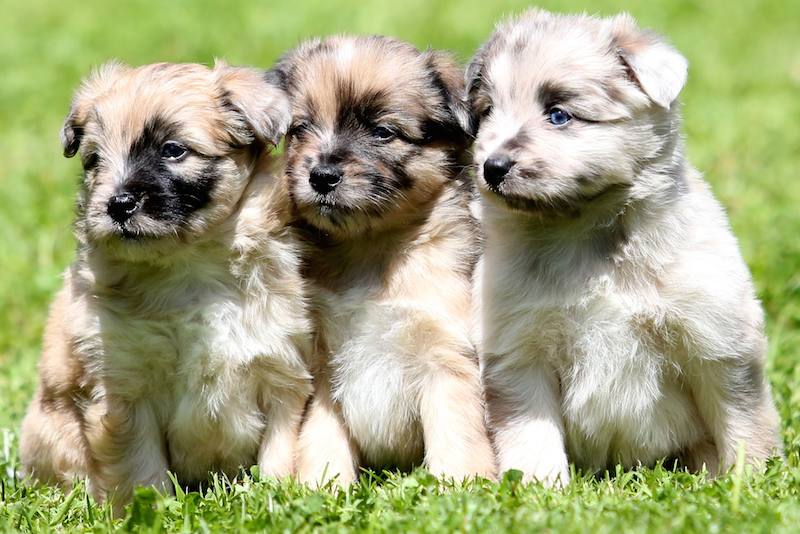
“Pyrenean Shepherd Dog – Berger des …” from www.k9rl.com and used with no modifications.
Compatibility with Other Smaller Animals
The Pyrenean Shepherd’s prey drive varies considerably between individuals, affecting their compatibility with smaller pets. Some display strong chasing instincts toward small moving animals, while others coexist peacefully with cats, rabbits, and other household pets. Early socialization makes an enormous difference – puppies raised with other animals typically learn to accept them as part of their “flock” rather than as prey. Adult dogs without this early experience may require more careful introduction and management around smaller animals. The breed’s herding background means they may attempt to control the movements of other pets, sometimes causing stress for animals unaccustomed to being “managed” by a dog.
Finding the Ideal Owner and Lifestyle Match
The perfect match between Pyrenean Shepherd and owner revolves around alignment between the breed’s needs and the owner’s lifestyle and expectations. These dogs thrive with active, engaged owners who appreciate their intelligence and working heritage. They form extraordinarily deep bonds with their people but require consistent guidance and appropriate outlets for their energy and intelligence. The most successful partnerships occur when owners understand and value the breed’s unique qualities rather than expecting them to behave like more common companion breeds.
Characteristics of an Ideal Owner
The ideal Pyrenean Shepherd owner possesses experience with high-energy working breeds and understands the importance of consistent training and boundaries. They’re physically active themselves, enjoying outdoor activities where their dog can participate – hiking, running, cycling, skiing, or organized dog sports provide excellent outlets for the breed’s energy. Patience and a sense of humor serve owners well, as these intelligent dogs will inevitably test boundaries and occasionally outsmart their people.
Successful owners typically demonstrate creativity in problem-solving and training approaches, adapting their methods to engage their dog’s remarkable intelligence. They understand that Pyrenean Shepherds aren’t simply pets but working partners seeking meaningful engagement and purpose. Perhaps most importantly, they’re willing to integrate their dog fully into their lifestyle rather than expecting the dog to adapt completely to human preferences. This give-and-take creates the foundation for the deep, satisfying partnership that makes Pyrenean Shepherd ownership so rewarding for the right person.
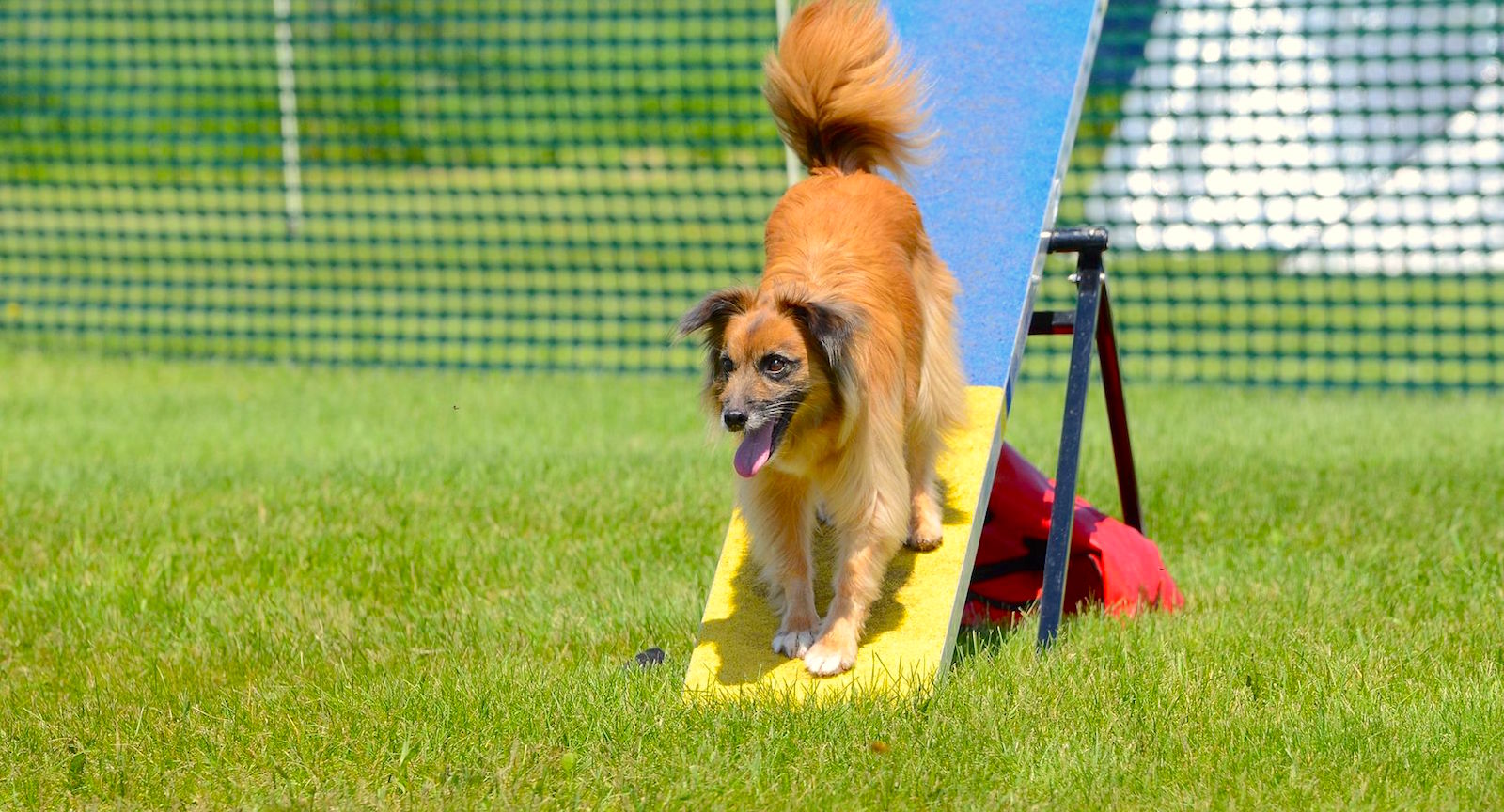
“Pyrenean Shepherd Breed Profile …” from www.petful.com and used with no modifications.
Lifestyle Preferences for Optimal Coexistence
The ideal lifestyle for a Pyrenean Shepherd features regular physical activity, mental challenges, and meaningful interaction with their people. These dogs thrive in homes where they can participate in daily activities rather than being relegated to the background of family life. Active rural or suburban environments typically offer more opportunities for appropriate exercise and exploration, though urban living can work with a committed owner. The breed adapts well to various climates thanks to their mountain heritage, though their thick coats may make very hot, humid environments challenging without appropriate management. Most importantly, they need a lifestyle that provides daily structure while allowing for their intelligence and problem-solving abilities to be utilized constructively – whether through formal work, dog sports, or carefully designed enrichment activities.
Frequently Asked Questions (FAQ)
Prospective and current Pyrenean Shepherd owners often have specific questions about this unique breed. The following addresses the most common inquiries we receive about these remarkable dogs, providing practical guidance for those considering adding a Pyrenean Shepherd to their family or seeking to better understand their current companion.
Quick Facts: Pyrenean Shepherd
Size: Small to medium (15-21 inches, 15-30 pounds)
Lifespan: 15-17 years
Exercise Needs: Very high (1-2+ hours daily)
Coat Types: Rough-faced or smooth-faced
Colors: Various – fawn, brindle, gray, black, merle (with or without white markings)
Trainability: High (intelligent but can be independent)
Recognition: AKC (Herding Group), FCI (Group 1, Section 1)
Understanding these breed basics provides a foundation, but the following questions delve deeper into specific aspects of Pyrenean Shepherd ownership that potential owners frequently ask about before committing to this unique breed.
It’s worth noting that while generalizations about breed characteristics are useful, individual dogs may vary considerably in temperament, energy level, and specific traits. Working with reputable breeders who focus on sound temperament and meeting adult dogs of the breed can help prospective owners determine whether a Pyrenean Shepherd is truly the right match for their situation.
Most breed-specific rescues and responsible breeders conduct thorough screening to ensure appropriate placements, recognizing that these special dogs thrive only in homes prepared to meet their particular needs.
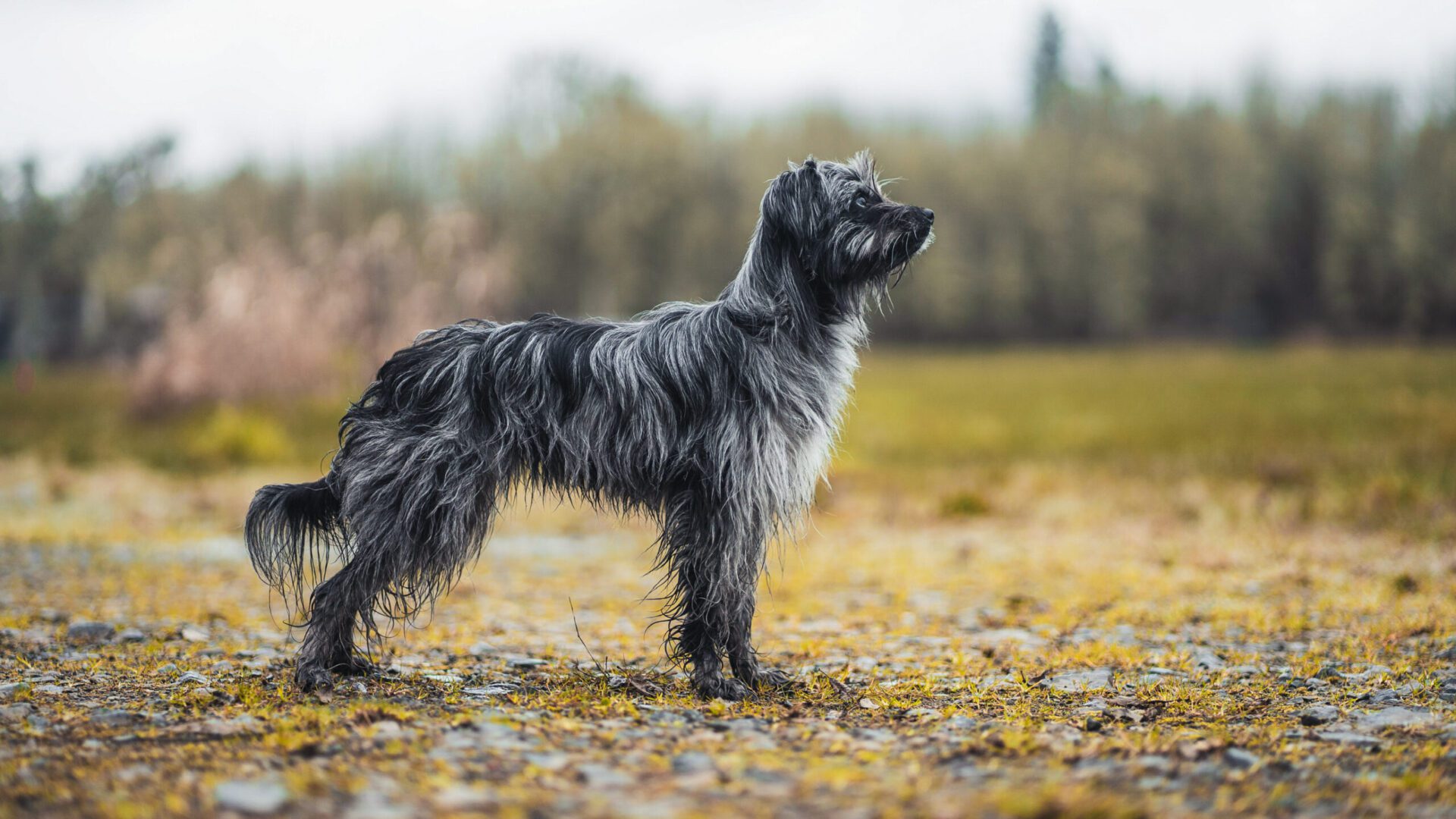
How can I identify a purebred Pyrenean Shepherd?
Identifying a purebred Pyrenean Shepherd involves looking for several distinctive characteristics. In the rough-faced variety, look for a moderately long, harsh-textured coat with denser fur around the neck and shoulders, forming a mane-like appearance, while the smooth-faced variety has shorter facial fur with a more moderate coat overall. Both varieties should display the breed’s characteristic triangular ears (either naturally upright or semi-erect), almond-shaped eyes with an intelligent, alert expression, and a lean, athletic body built for agility and endurance. The tail typically carries a distinctive “hook” at the end and may be either naturally short or longer and carried in a crook over the back when the dog is alert. For more insights into dog breeds, you might find this Field Spaniel dog breed expert interview interesting.
The most reliable method for confirming purebred status is through registration papers from recognized kennel clubs (AKC, UKC, FCI) and DNA testing from reputable genetic testing services that verify parentage. Given the breed’s relative rarity, particularly in North America, working with established breeders with verifiable breeding programs provides the best assurance of acquiring a genuine Pyrenean Shepherd with proper health testing and temperament.
What are the grooming needs of a Pyrenean Shepherd?
Grooming requirements vary significantly between the two coat varieties. Rough-faced Pyrenean Shepherds have moderately high maintenance coats requiring weekly thorough brushing to prevent matting, with more frequent attention during seasonal shedding periods. Their coat naturally resists dirt and rarely needs bathing unless the dog gets particularly dirty. Smooth-faced varieties require less maintenance, typically needing only occasional brushing to remove loose hair. Both varieties benefit from regular ear checking and cleaning to prevent infections, dental care to maintain oral health, and nail trimming as needed – typically every 3-4 weeks. Despite their impressive coats, Pyrenean Shepherds aren’t heavy shedders compared to many double-coated breeds, making them relatively clean housemates with moderate rather than excessive grooming needs. For more insights on grooming and care, you might find this expert interview on the Keeshond breed informative.
Are Pyrenean Shepherds good with other dogs?
Pyrenean Shepherds typically interact well with other dogs when properly socialized from puppyhood, though their strong personalities can sometimes lead to dominance issues without appropriate training. They often form strong bonds with household canine companions, particularly those they grow up with, and many enjoy the companionship of another active dog that can match their energy level. Their herding background can manifest as attempts to control other dogs’ movements during play, which some dogs may find irritating, though this behavior can be managed through training and socialization.
In public settings, they generally exhibit good dog-to-dog social skills when appropriately socialized, though some individuals may show reservation around unfamiliar dogs – particularly males may display same-sex selectivity. Early, positive exposure to diverse dog types and play styles helps develop a well-adjusted adult. Their intelligence allows them to read canine social cues effectively, usually helping them navigate dog interactions successfully once they understand appropriate boundaries.
What is the average cost to own a Pyrenean Shepherd?
Initial purchase prices for Pyrenean Shepherd puppies from reputable breeders typically range from $1,200 to $2,500, reflecting the breed’s relative rarity and the extensive health testing conducted by responsible breeders. Ongoing ownership costs include quality nutrition ($40-$60 monthly), routine veterinary care ($300-$500 annually), preventative medications, training classes, appropriate enrichment toys, and equipment for activities like agility or herding. While the breed is generally healthy with few breed-specific health concerns, maintaining an emergency fund for unexpected medical expenses is always prudent. Over their 15+ year lifespan, owners can expect total costs between $15,000 and $25,000, making them a significant long-term financial commitment despite their modest size.
How do I train and socialize a Pyrenean Shepherd effectively?
Effective training for Pyrenean Shepherds requires consistency, positive reinforcement methods, and mental stimulation that respects their intelligence. These quick-learning dogs become bored with repetitive exercises, so varied, engaging training sessions of 5-10 minutes several times daily produce better results than longer, monotonous sessions. Begin socialization immediately, exposing puppies positively to diverse environments, people, animals, and situations during their critical developmental period (8-16 weeks). Focus on building confidence rather than forcing interactions, allowing the puppy to approach new experiences at their own pace while providing positive associations. For more insights on socialization, check out this article on senior dog socialization and its benefits.
Advanced training that challenges their problem-solving abilities – such as agility, herding, rally, scent work, or trick training – helps satisfy their need for mental stimulation while strengthening your working partnership. Avoid harsh corrections, which can damage trust and motivation in this sensitive breed. Instead, use clear communication, appropriate management to prevent unwanted behaviors, and consistent reinforcement of desired responses. The Pyrenean Shepherd’s eagerness to work with their people makes training potentially one of the most rewarding aspects of ownership when approached as a collaborative partnership rather than strict obedience.
Training Tip: The 3-Second Rule
When training a Pyrenean Shepherd, implement the 3-second rule: if your dog doesn’t respond to a command within 3 seconds, they either don’t understand what you’re asking or are too distracted to comply. Rather than repeating the command (which teaches them to wait for multiple cues), reset the situation and try again with clearer communication or fewer distractions. This approach respects their intelligence while building reliable responses.
Remember that Pyrenean Shepherds are working dogs with strong natural instincts. Effective training channels these instincts appropriately rather than attempting to suppress them entirely. Herding instincts can be directed into formal herding activities or substitute activities like treibball. Protective instincts benefit from clear boundaries about appropriate alerting versus excessive reactivity. Their natural vigilance makes them excellent at sports requiring focus and attention to handler cues.
Training success with this breed comes from building a relationship of mutual respect and clear communication. They respond remarkably well to handlers who take the time to understand their perspective and work with their natural tendencies rather than against them. The effort invested in properly training a Pyrenean Shepherd returns dividends throughout your life together, creating a responsive, engaged companion capable of remarkable achievements.
For owners seeking a deeper connection with their dogs, few breeds offer the combination of intelligence, loyalty, and working partnership that defines the Pyrenean Shepherd. Their centuries-old heritage as true working partners to humans lives on in every aspect of their interaction with their chosen people. When matched with the right owner committed to meeting their needs, these extraordinary dogs represent one of the most rewarding canine companions available.