Key Takeaways
- The Pekingese breed has a royal history dating back to ancient China where stealing one was punishable by death, highlighting their sacred status within imperial courts.
- Originally bred for companionship rather than work, Pekingese dogs were carefully developed through selective breeding to achieve their distinctive appearance and temperament.
- Pekingese typically cost between $750-$3,000 depending on lineage, with show-quality dogs commanding higher prices at the top of this range.
- While loyal and affectionate with their owners, Pekingese have an independent streak that can manifest as stubbornness and territorial barking without proper training.
- Brachycephalic health issues are common in Pekingese, with breathing problems being a leading cause of health complications, requiring special care considerations.
The Royal History and Mystique of the Pekingese
Few dog breeds carry the weight of history and royal association quite like the Pekingese. These diminutive lions of the canine world have a fascinating backstory that spans millennia, connecting modern dog lovers to ancient Chinese imperial courts.
The Pekingese’s journey from sacred imperial companion to beloved family pet reveals much about how humans and canines have evolved together throughout civilization. Their story isn’t just about a breed’s development—it’s about cultural exchange, status symbols, and the enduring bond between humans and their canine companions.
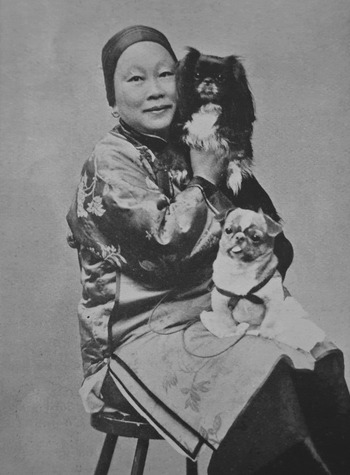
“The British Pekingese Dog and Nostalgia …” from www.cambridge.org and used with no modifications.
Imperial Origins and Royal Symbolism
The Pekingese breed traces its origins to ancient China, specifically to the imperial palace in Beijing (formerly Peking). Evidence suggests the breed has existed for over 2,000 years, with representations found in artwork dating back to the Tang Dynasty (618-907 CE). These dogs weren’t merely pets—they were sacred beings, believed to be miniature versions of the foo dogs (lion dogs) that guarded Buddhist temples.
Within the Imperial Court, Pekingese were considered sacred and were treated with extraordinary reverence. Their flat faces and prominent eyes were deliberately bred to resemble the lion, a creature associated with Buddha and symbolizing power and prosperity. The breed’s name itself connects to the ancient capital city, cementing their association with power and prestige. For more insights into similar breeds, check out this Brussels Griffon expert interview.
Only members of the Chinese imperial household were permitted to own these dogs, further elevating their status. They lived luxurious lives within palace walls, sometimes carried in the voluminous sleeves of royal garments or accompanied by servants assigned specifically to their care. Some imperial Pekingese even had their own servants and palace quarters, emphasizing their esteemed position in court hierarchy.
“The Pekingese was so revered in imperial China that they were considered to possess the souls of those who had wronged the emperor but had been forgiven. This belief reinforced the notion that to harm a Pekingese was to commit an offense against the emperor himself.”
Death Penalty for Stealing Pekingese: A Historical Perspective
The extreme protection afforded to the Pekingese breed reached its apex in the severe punishment for those who dared to steal or harm these royal companions. During the height of imperial China, particularly during the Ming and Qing dynasties, stealing a Pekingese was considered a capital offense punishable by death. This extraordinary measure demonstrates the sacred status these dogs held and their value beyond that of mere animals. For a deeper understanding of other dog breeds with historical significance, check out this Ibizan Hound dog breed interview.
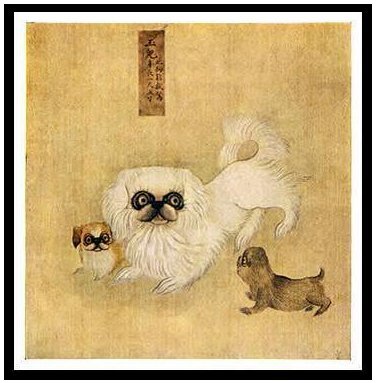
“PEKINGESE HISTORY – Pekingese Club of …” from pekingeseclubofamerica.com and used with no modifications.
This death penalty wasn’t merely symbolic—historical records indicate it was enforced with terrible consistency. The logic behind such harsh punishment stemmed from the belief that Pekingese were not ordinary dogs but sacred beings with spiritual significance. To steal one was tantamount to stealing from the emperor himself, an act of treason that demanded the ultimate punishment.
The restriction on ownership was strictly enforced until the fall of the Qing Dynasty in the early 20th century. For centuries, the breed remained exclusively within imperial circles, with bloodlines carefully controlled and monitored. This exclusivity helped preserve both their distinctive appearance and their mystique, making them perhaps the most protected dog breed in history.
- Theft of a Pekingese was considered an offense against the emperor personally
- The death penalty applied not only to thieves but sometimes to those who harmed these dogs accidentally
- Foreign diplomats and visitors were forbidden from acquiring the breed
- The restriction maintained the breed’s purity and royal association for centuries
- This protective policy didn’t end until the fall of imperial China
Elevating the Pekingese Through Breeding Practices
The physical characteristics that define the modern Pekingese didn’t occur by accident but through centuries of meticulous breeding. Imperial breeders developed specific techniques to cultivate the distinctive flat face, prominent eyes, and luxurious coat that characterize the breed. These efforts were directed by imperial mandate, with detailed records kept of bloodlines and breeding pairs.
The breeding program focused particularly on creating dogs with leonine features—the mane-like ruff around the neck, the flattened face, and the proud bearing all mimicked the appearance of lions in Chinese art. Size was also carefully controlled, with some lines bred specifically to be extremely small “sleeve dogs” that could be carried in the wide sleeves of imperial robes. Others were bred to be slightly larger but still maintain the compact body structure that allowed them to navigate the intricate palace environment.
Court breeders also selected for temperament traits that suited life in the imperial household. The ideal Pekingese combined dignity with devotion, independence with loyalty—qualities that reflected the complex social dynamics of court life. These breeding practices established not just the physical standard for the breed but its characteristic personality as well, traits that continue to define the Pekingese even centuries later.
Pekingese Composition and Breed Creation
Despite their ancient lineage, the precise origins of the Pekingese breed remain somewhat shrouded in mystery. Unlike many modern breeds with well-documented crossbreeding histories, the Pekingese’s development occurred largely in isolation within the walls of imperial China. Genetic studies suggest they’re one of the oldest dog breeds with minimal outside influence, developing through selective breeding rather than explicit crossbreeding with other established types.
Bred for Companionship: The Pekingese Purpose Breeds Bred to Create and Why
The Pekingese stands distinct among ancient dog breeds for its singular purpose: companionship. Unlike hunting dogs, herding breeds, or guardian types, the Pekingese was never intended to work in a traditional sense. Their role was to provide companionship, status, and spiritual protection to their imperial owners. This specialized purpose guided every aspect of their development, from their physical appearance to their distinctive temperament traits. The breeding focused on creating dogs with dignified bearing and independent yet loyal personalities that made them ideal companions for royalty. Their flat faces, large expressive eyes, and lion-like appearance were deliberately cultivated to inspire awe and admiration, making them living symbols of imperial prestige rather than functional working animals. For more insights into unique dog breeds, explore the Brussels Griffon breed.
:strip_icc()/pekingese-dog-breed-profile-4685682_FINAL-resized-3debafede0364de68e2a5e3f7328aa5a.png)
“Pekingese (Peke): Dog Breed …” from www.thesprucepets.com and used with no modifications.
Crossbreeds and Ancestry: Key Genetic Influences
While the Pekingese is considered one of the purest ancient breeds, some theories suggest limited crossbreeding may have occurred in its early development. Modern genetic research indicates possible contributions from Tibetan breeds like the Lhasa Apso and Tibetan Spaniel, particularly in developing the Pekingese’s distinctive coat and facial structure. The breed likely shares common ancestors with other East Asian breeds including the Japanese Chin and Shih Tzu, all evolving from the ancient East Asian wolf.
Particularly interesting is the debate surrounding the creation of the “sleeve Pekingese,” the smallest specimens of the breed. Some historical accounts suggest these miniature versions were developed by crossing Pekingese with even smaller Chinese breeds, while others maintain they were simply the result of selective breeding within the Pekingese population. Palace breeding records, many of which were lost during political upheavals, might have resolved these questions had they survived intact.
The modern Pekingese genome shows remarkable stability, suggesting a breed that was established early and maintained with minimal outside influence for centuries. This genetic isolation under imperial protection allowed the Pekingese to develop its distinctive characteristics through careful selection rather than outcrossing, making it one of the few ancient breeds to reach the modern era in a form relatively unchanged from its historical appearance.
Pekingese Cost and Affordability
The Pekingese, with its royal heritage and distinctive appearance, commands prices that reflect its historical prestige. Today’s prospective owners can expect to pay between $750 and $3,000 for a purebred Pekingese puppy from a reputable breeder. This price range varies significantly based on several factors, including geographical location, breeder reputation, and the dog’s lineage.
Premium prices often apply to puppies with championship bloodlines or those bred specifically for show purposes. These show-quality Pekingese, with their perfectly balanced proportions and exemplary coat quality, typically fetch prices at the upper end of the range, sometimes exceeding $3,000. Conversely, pet-quality Pekingese without show potential but still possessing excellent health and temperament generally cost between $750 and $1,500.

“2,500+ Pekingese Puppy Stock Photos …” from www.istockphoto.com and used with no modifications.
Factors Influencing Price
- Bloodline and pedigree quality (championship lineage commands premium prices)
- Breeder reputation and experience (established breeders with health guarantees charge more)
- Coat color and markings (rare colorations may increase price)
- Geographical location (prices tend to be higher in urban areas)
- Age of the puppy (younger puppies typically cost more than adolescent or adult dogs)
Beyond the initial purchase price, potential Pekingese owners should consider the substantial ongoing costs associated with this breed. The Pekingese’s luxurious double coat requires professional grooming every 6-8 weeks, costing between $50-$100 per session depending on location. Their predisposition to certain health conditions also means potentially higher veterinary expenses throughout their lifetime.
First-year expenses for a Pekingese typically range from $2,000 to $3,500, including initial veterinary care, supplies, training, and grooming. Annual costs thereafter average $1,000 to $2,000, with significant variation based on health status and quality of care provided. These figures make the Pekingese a moderate to high-maintenance breed from a financial perspective.
When considering total lifetime costs, prospective owners should budget for 12-14 years of care, as this represents the typical Pekingese lifespan. This long-term financial commitment of potentially $15,000-$25,000 over the dog’s lifetime makes careful consideration essential before bringing this royal companion into your home.
Considerations for Budgeting and Ownership
- Healthcare costs may be higher than average due to breed-specific conditions
- Professional grooming is necessary rather than optional for coat maintenance
- Climate control expenses may increase as Pekingese are sensitive to heat
- Quality food appropriate for small breeds with potential sensitivities
- Potential for emergency veterinary care related to breathing issues
Adoption from rescue organizations presents a more affordable alternative, with fees typically ranging from $200-$500. These dogs often come already spayed/neutered and with initial veterinary care completed, representing significant savings over purchasing a puppy. Additionally, many Pekingese rescues offer adult dogs with established personalities, allowing potential owners to better match a dog to their lifestyle.
When calculating affordability, prospective owners should consider not just their ability to purchase a Pekingese, but their capacity to provide appropriate lifelong care. The breed’s specialized needs, including climate-controlled environments, high-quality nutrition, and regular professional grooming, make them somewhat more expensive to maintain than many other small breeds.
Insurance for Pekingese tends to be more costly than for some other breeds due to their predisposition to certain health conditions. Monthly premiums typically range from $30-$80 depending on coverage level, the dog’s age, and geographical location. Many owners find this expense worthwhile given the potential for significant veterinary costs associated with the breed’s health challenges.
Pekingese Temperament and Suitability as Pets
The Pekingese personality reflects its imperial heritage in fascinating ways. These dogs carry themselves with a dignity and self-importance that seems almost comical given their small stature. Behind their regal exterior lies a complex temperament that combines loyalty, independence, and a surprising streak of stubbornness that can challenge even experienced dog owners.
Despite their small size, Pekingese possess an unmistakable confidence and fearlessness that often surprises those unfamiliar with the breed. This trait stems directly from their royal history—they were bred to be companions to emperors, not to cower or submit. This independent spirit makes them unique among toy breeds, many of which were developed primarily for docility and compliance.
Loyal Companions or Persistent Barkers?
- Extremely loyal and devoted to their chosen family members
- Naturally suspicious of strangers and new situations
- Alert barkers who take their role as watchdogs seriously
- Independent thinkers who may ignore commands they find unnecessary
- Sensitive to tone but resistant to harsh correction
The Pekingese forms profound bonds with their owners, displaying remarkable loyalty and affection within their family circle. This devotion, however, comes with a territorial instinct that makes them naturally suspicious of strangers. Without proper socialization, this wariness can manifest as excessive barking or even defensive behavior when encountering unfamiliar people or animals.
Their barking tendencies represent one of the primary temperament concerns for prospective owners, especially those living in apartments or dense neighborhoods. Pekingese are naturally alert and vocal, qualities that made them excellent palace watchdogs but can create challenges in modern living situations. Their distinctive bark—surprisingly loud for their size—serves as an announcement of potential intruders or simply changes in their environment they find noteworthy.
Intelligence characterizes the breed, though not always in ways that facilitate traditional obedience training. Pekingese possess a selective intelligence focused on achieving their own objectives rather than pleasing handlers. This isn’t to suggest they’re unintelligent—rather, they approach problems with an independent mindset that evaluates commands based on perceived necessity rather than blind compliance. For a deeper dive into another breed with unique traits, check out this Brussels Griffon expert interview.
With children, the Pekingese demonstrates a complex temperament that requires careful management. While capable of forming loving bonds with respectful children, their low tolerance for rough handling and natural dignity makes them better suited to homes with older children who understand appropriate interaction. Their small size also makes them vulnerable to accidental injury from enthusiastic young children, creating potential for negative interactions.

“Pekingese First-Time Dog Owners Guide …” from pekingesecentral.com and used with no modifications.
Training Tips for Aspiring Pekingese Owners
Successfully training a Pekingese requires understanding their unique psychology and royal heritage. Traditional obedience methods that work well with eager-to-please breeds often fall flat with the independent-minded Pekingese. Instead, successful training approaches focus on motivation through positive reinforcement, consistency, and respect for the dog’s dignity. Short, engaging sessions that maintain interest while offering appealing rewards yield the best results with this intelligent but sometimes stubborn breed.
Early socialization proves absolutely critical for developing a well-adjusted Pekingese. Exposure to various people, environments, and situations during the crucial developmental window (between 8-16 weeks) helps mitigate their natural suspicion of unfamiliar situations. Without this foundation, their protective instincts can develop into problematic fearfulness or aggression. Proper socialization creates a confident Pekingese that can distinguish between genuine threats and normal everyday encounters. For more insights on socialization, check out this guide on senior dog socialization.
Addressing barking requires particular attention with this breed. Teaching a “quiet” command using positive reinforcement techniques provides an essential tool for managing their vocal tendencies. Equally important is avoiding inadvertent reinforcement of barking behavior—owners who rush to investigate every alert or provide attention (even negative) when barking occurs may unintentionally strengthen the behavior. Consistent redirection and rewarding quiet behavior gradually shapes more acceptable communication patterns. For more insights, check out this expert interview on dog breeds.
Health Concerns and Longevity in Pekingese
The Pekingese typically enjoys a lifespan of 12-14 years, but their distinctive physical characteristics come with significant health considerations. Their flat facial structure, classified as brachycephalic, creates the breed’s iconic appearance but also contributes to their most serious health challenges. Understanding these inherent health vulnerabilities is essential for providing appropriate care and maximizing quality of life for these ancient companions.
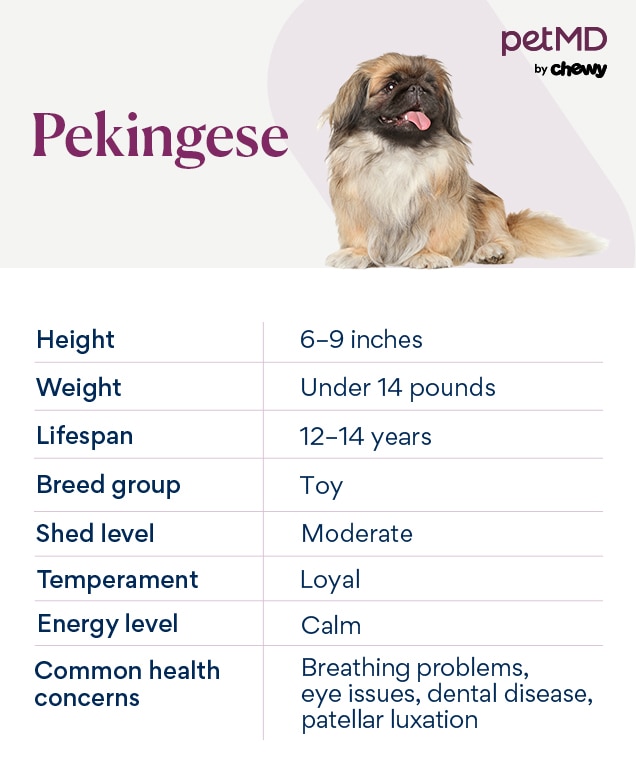
“Pekingese Dog Breed Health and Care | PetMD” from www.petmd.com and used with no modifications.
Common Health Issues
Brachycephalic Obstructive Airway Syndrome (BOAS) represents the most significant health concern for the Pekingese breed. Their shortened skull structure creates a compressed airway that can lead to breathing difficulties, especially during exercise or in hot weather. Signs include noisy breathing, snoring, exercise intolerance, and in severe cases, collapse or respiratory distress. Many Pekingese require surgical intervention to widen nostrils, remove excess soft palate tissue, or address other airway obstructions to improve breathing quality. For more insights on dog breeds and their health, you can read this expert interview on Keeshond dog breed.
Eye problems occur frequently due to the breed’s prominent eyes and shallow eye sockets. Conditions including corneal ulcers, dry eye (keratoconjunctivitis sicca), progressive retinal atrophy, and entropion (inward-rolling eyelids) affect many Pekingese throughout their lives. Their protruding eyes are also vulnerable to trauma from play or accidental bumps, sometimes resulting in proptosis—a medical emergency where the eye displaces from its socket requiring immediate veterinary care.
Intervertebral disc disease (IVDD) affects many Pekingese due to their long back relative to their leg length. This painful condition occurs when discs between vertebrae herniate or rupture, potentially causing pain, mobility issues, or even paralysis. The breed’s unique body structure combined with their fearless attitude (often jumping from furniture despite their physical limitations) increases risk for this serious condition that may require surgical intervention. For more insights into similar breeds, you might find the Brussels Griffon breed interview interesting.
- Respiratory problems due to brachycephalic structure
- Eye conditions including corneal ulcers and dry eye
- Intervertebral disc disease affecting the spine
- Patellar luxation (slipping kneecaps)
- Heart issues including mitral valve disease
- Skin fold dermatitis in facial wrinkles
Leading Causes of Death
Respiratory complications represent the leading cause of death in Pekingese, with many succumbing to progressive breathing difficulties as they age. The cumulative effects of their brachycephalic structure often worsen over time, leading to chronic oxygen deprivation, heart strain, and decreased quality of life. This respiratory vulnerability means heat stroke poses a particular danger, as Pekingese struggle to cool themselves effectively through panting. Even moderately warm environments can quickly become life-threatening for these dogs, with fatal heat stroke occurring at lower temperatures than in breeds with normal facial structure.
Cardiac disease, particularly mitral valve disease, claims many aging Pekingese. The breed shows genetic predisposition to degenerative valve changes that progressively impact heart function. This condition typically develops gradually, with symptoms including coughing, exercise intolerance, and eventually congestive heart failure. Regular cardiac monitoring becomes increasingly important as Pekingese enter their senior years, with management strategies focusing on medication to support heart function and improve quality of life.
Cancer affects Pekingese at rates similar to other purebred dogs, with mast cell tumors being particularly common. Older Pekingese frequently develop various tumor types, necessitating vigilant monitoring for unusual growths or changes in existing lumps. Early detection significantly improves treatment outcomes, making regular veterinary examinations crucial throughout the dog’s lifetime, with increased frequency for senior Pekingese.
Preventive Measures for Better Health
Maintaining healthy weight proves absolutely critical for Pekingese health, as excess pounds dramatically worsen breathing difficulties and increase strain on their skeletal structure. These dogs gain weight easily and lose it with difficulty, requiring careful portion control and appropriate food selection. Regular, gentle exercise helps maintain muscle tone and joint health while avoiding activities that trigger respiratory distress. Most Pekingese benefit from multiple short walks rather than extended exercise sessions, with careful monitoring for signs of breathing difficulty.
Climate control represents a non-negotiable aspect of Pekingese care, as their compromised airways make them exceptionally vulnerable to heat. Air conditioning during warm weather isn’t merely a comfort but a health necessity for this breed. Even on mild days, outdoor activities should be limited to cooler morning or evening hours, with constant access to shade and fresh water. Many owners find cooling mats and properly fitted cooling vests helpful additional precautions during warmer months. For more insights on maintaining your dog’s health, check out this guide on boosting cognitive health for senior dogs.
“The Pekingese requires an owner who understands that their distinctive appearance comes with special health needs. Their care isn’t necessarily more difficult than other breeds, but it is different—requiring specific knowledge about managing brachycephalic conditions and recognizing early warning signs of common health issues.”
Regular veterinary care tailored to breed-specific concerns provides the foundation for maintaining Pekingese health. Beyond annual examinations, these dogs benefit from periodic cardiac evaluations, eye examinations, and dental care to address their predisposition to dental disease. Reputable breeders conduct health testing for common genetic conditions, including patella evaluations, cardiac screening, and eye certifications, helping reduce the incidence of hereditary problems through selective breeding practices.
Comparison with Shih Tzu and Chinese Crested
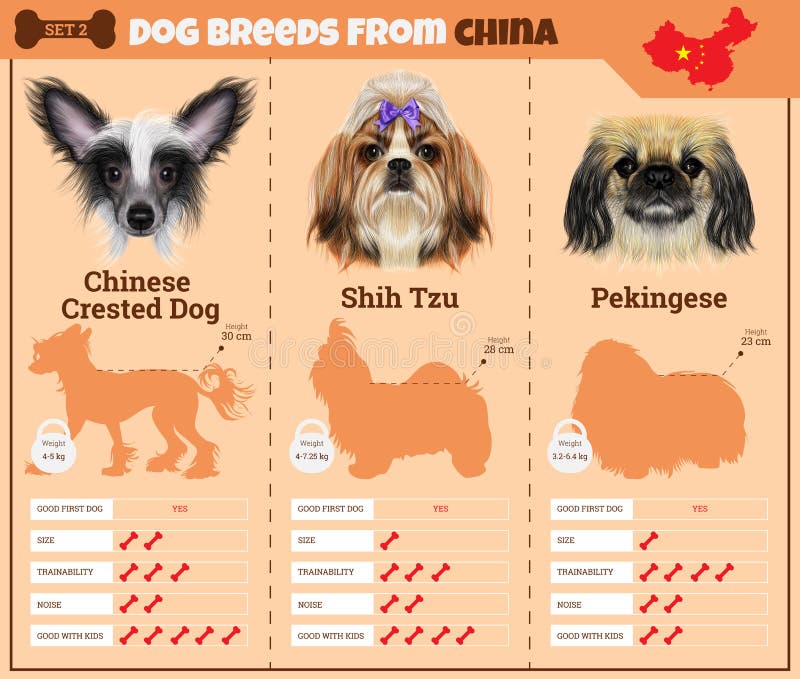
The Pekingese shares its ancient Chinese heritage with several other distinctive breeds, most notably the Shih Tzu and Chinese Crested. While these breeds emerged from the same geographical region and cultural context, they developed with different purposes and physical characteristics. Understanding these similarities and differences helps prospective owners determine which breed might best suit their lifestyle and preferences.
“Dogs Breed Infographics Types of Dog …” from www.dreamstime.com and used with no modifications.
Physical Characteristics: Comparisons and Contrasts
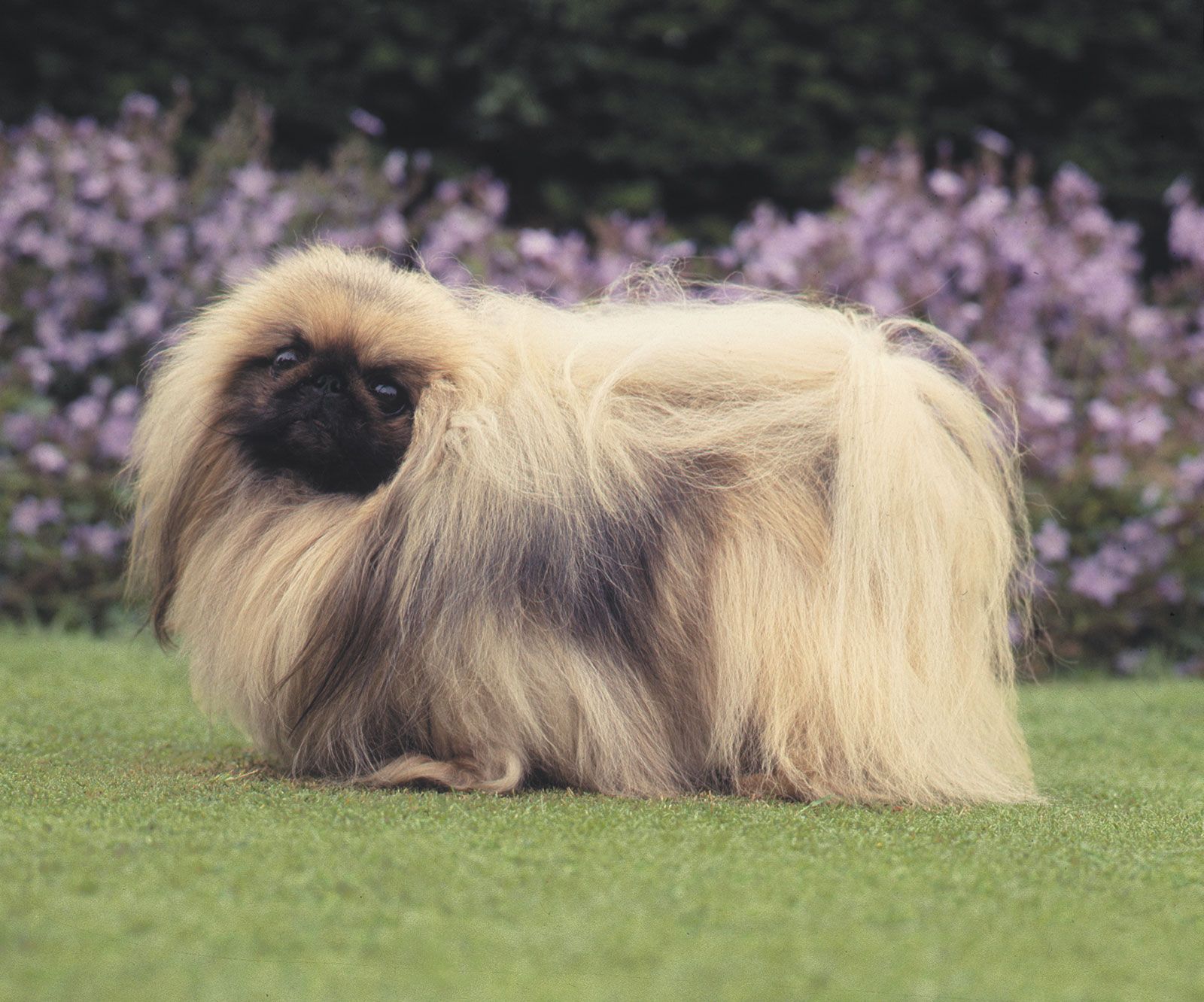
The Pekingese presents a distinctive silhouette with its lion-like mane, substantially built body, and relatively short legs. Weighing between 7-14 pounds with a height of 6-9 inches, the Pekingese has the most substantial bone structure of the three breeds. Their double coat features a profuse outer layer and dense undercoat, creating the iconic mane around the neck and shoulders. The flat facial structure (extreme brachycephaly) distinguishes them from both the Shih Tzu’s less extreme flat face and the Chinese Crested’s normal facial structure.
Shih Tzu possess a more balanced appearance with longer legs relative to body length, weighing 9-16 pounds and standing 9-10.5 inches tall. Their luxurious double coat grows continuously and flows to the ground when not trimmed, lacking the distinctive mane structure of the Pekingese. Facial features include a shorter muzzle than average dogs but less extreme than the Pekingese, with large round eyes that have a more forward-facing position. The Shih Tzu carries its tail high over the back, typically with an elegant curve rather than the Pekingese’s tighter curl.
Chinese Crested dogs present the most dramatic departure in appearance, existing in two varieties—the Hairless (with hair only on head, feet, and tail) and the Powderpuff (with a full soft double coat). Significantly more delicate in build than either the Pekingese or Shih Tzu, they weigh just 8-12 pounds with a taller, more elegant silhouette standing 11-13 inches high. Their facial structure features a normal muzzle length without brachycephalic traits, almond-shaped eyes, and large erect ears that contribute to their distinctive expression. For a deeper understanding of how different dog breeds compare, check out this expert interview on Brussels Griffon.
|
Characteristic |
Pekingese |
Shih Tzu |
Chinese Crested |
|---|---|---|---|
|
Weight |
7-14 pounds |
9-16 pounds |
8-12 pounds |
|
Height |
6-9 inches |
9-10.5 inches |
11-13 inches |
|
Facial Structure |
Extremely flat |
Moderately flat |
Normal muzzle |
|
Coat Type |
Double coat with mane |
Long flowing double coat |
Hairless or soft double coat |
|
Grooming Needs |
High |
Very High |
Moderate (varies by type) |
Temperament: How They Differ in Personality
The Pekingese carries itself with imperial dignity, displaying independence and self-assurance that can border on stubbornness. Their temperament reflects their history as companions to emperors—they expect respect and often display aloofness with strangers while forming strong bonds with chosen family members. This independent nature translates to training challenges, as Pekingese typically question why they should perform requested behaviors rather than automatically complying. Their watchdog tendencies manifest as alertness and territorial barking, traits developed during their palace guardian days.
Shih Tzu present a more consistently affable personality, bred specifically as friendly companions rather than dignified status symbols. Generally more outgoing and affectionate with both family and strangers, they typically display less territorial behavior than Pekingese. While still possessing an independent streak, Shih Tzu tend to be more amenable to training with positive methods and show greater eagerness to please. Their playful nature persists throughout adulthood, making them particularly suitable for families seeking an engaging, interactive pet without strong guarding instincts. For a deeper understanding of different breeds, consider reading this Brussels Griffon dog breed interview.
Health: Pros and Cons of Each Breed
Health profiles across these three breeds show significant differences despite their shared geographical origins. Pekingese face the most serious structural health challenges due to their extreme brachycephalic features, with breathing difficulties representing their primary health vulnerability. Shih Tzu experience similar but typically less severe respiratory issues, while Chinese Crested dogs avoid these breathing problems entirely with their normal facial structure. However, the Hairless variety of Chinese Crested introduces unique skin care requirements, including sunburn prevention and regular moisturizing. All three breeds share predispositions to certain eye problems, dental disease, and patellar luxation, though with varying frequencies and severity.
Closing Thoughts on the Pekingese Legacy
The Pekingese represents one of dogdom’s most remarkable living connections to ancient history. From their origins in imperial Chinese courts to their present status as beloved companions worldwide, these dogs have maintained their distinctive appearance and temperament across centuries of dramatic cultural change. Their journey from sacred imperial treasures—so valuable that stealing one meant death—to cherished family pets demonstrates both the enduring human-canine bond and the remarkable adaptability of this ancient breed.
“Pekingese | Lifespan, Health & Toy Dog …” from www.britannica.com and used with no modifications.
Today’s Pekingese owners participate in a living tradition spanning millennia, caring for dogs whose ancestors graced the laps of emperors and empresses. This historical connection adds a special dimension to Pekingese ownership, linking modern enthusiasts to ancient breeding practices and cultural traditions. While contemporary breeding focuses increasingly on health improvements—particularly addressing breathing difficulties associated with extreme brachycephaly—the essence of what makes a Pekingese distinctive remains remarkably consistent with historical descriptions.
“To understand the Pekingese is to appreciate that they were never bred to conform to human expectations. Unlike many breeds developed to serve human needs through work, the Pekingese was cultivated to embody dignity, independence, and imperial bearing—qualities that continue to define the breed centuries after the fall of the dynasties that created them.”
For the right owner—one who appreciates their unique combination of independence and loyalty, who understands their health needs, and who values their historical significance—the Pekingese offers a companion experience unlike any other breed. Their distinctive personality combines imperial dignity with genuine affection, creating a complex and rewarding relationship that explains their enduring popularity despite the special care requirements they present.
The Pekingese in Modern Times
Modern Pekingese enthusiasts focus increasingly on ethical breeding practices that preserve the breed’s distinctive appearance while improving health outcomes. Responsible breeders work to moderate the most extreme brachycephalic features without losing the essence of type that defines the Pekingese. This balanced approach acknowledges both the historical importance of the breed’s distinctive appearance and the ethical imperative to prioritize canine health and well-being. As public awareness of brachycephalic health issues grows, the Pekingese fancy faces the challenge of adapting breeding practices while honoring the breed’s ancient heritage—a delicate balance that will determine the future of this historic breed.
Frequently Asked Questions
The Pekingese generates numerous questions from prospective owners and breed enthusiasts, reflecting both their distinctive appearance and their unique care requirements. For more insights, you might consider reading an expert interview on the Brussels Griffon, another breed known for its distinctive appearance. Understanding these common inquiries helps potential owners make informed decisions about whether this ancient breed might suit their lifestyle and expectations.
Below we address the most frequently asked questions about the Pekingese, drawing on historical records, breed standards, and veterinary research to provide accurate and comprehensive answers.
How were Pekingese used by Chinese royalty?
Pekingese served multiple roles within the Chinese imperial court, functioning primarily as companions and status symbols for the imperial family. They were considered sacred animals with spiritual significance, believed by some to ward off evil spirits and bring good fortune to their owners. Palace records indicate that emperor’s favorite Pekingese received extraordinary privileges, including dedicated servants, specialized diets, and elaborate sleeping quarters, reflecting their elevated status within the court hierarchy.
Beyond companionship, some Pekingese fulfilled ceremonial functions during imperial rituals and court proceedings. The smallest specimens, known as “sleeve dogs,” were carried in the voluminous sleeves of imperial robes, serving as living hand warmers and conversation pieces during court functions. This practice gave rise to selective breeding for extremely small Pekingese, some weighing less than 5 pounds, specifically developed for this purpose. The imperial fascination with these dogs extended to creating elaborate artwork depicting them and including them in royal portraiture, cementing their cultural significance.
What breeds were mixed to create the Pekingese?
Unlike many modern dog breeds with documented crossbreeding histories, the Pekingese developed primarily through selective breeding within an isolated population rather than deliberate mixing of distinct breeds. Genetic research suggests the Pekingese represents one of the oldest distinct dog types, diverging from ancient East Asian wolf ancestors alongside other Asian breeds like the Shih Tzu and Japanese Chin. Their development occurred largely in isolation within imperial breeding programs, where selection focused on specific traits like flat faces, prominent eyes, and leonine appearance rather than outcrossing with other established breeds.
Some historical theories suggest limited influence from other ancient Chinese breeds, possibly including early Tibetan breeds like the Lhasa Apso, particularly in developing the Pekingese’s distinctive coat. However, imperial breeding records—many lost during political upheavals—indicate that the breed’s development focused primarily on selecting and refining traits within a closed population. This approach, maintained over centuries within the imperial palace, created a remarkably consistent type that has changed relatively little despite the eventual spread of the breed worldwide.
Is the Pekingese a good pet for families?
The Pekingese can make a wonderful family pet in the right household, but their suitability depends heavily on family composition and expectations. They typically form strong bonds with respectful older children and adults who understand their dignified nature, but may struggle in homes with very young children who cannot comprehend their physical limitations or need for gentle handling. Their small size combined with relatively delicate physical structure makes them vulnerable to injury during rough play, while their independent nature means they may remove themselves from uncomfortable situations rather than tolerating them. Families with reasonable expectations who appreciate the breed’s unique combination of loyalty, independence, and historical significance often find the Pekingese to be rewarding companions that bring distinctive personality and character to their households.
What are common health issues faced by the Pekingese?
Brachycephalic Obstructive Airway Syndrome represents the most significant health concern for Pekingese, causing breathing difficulties that range from noisy breathing to severe respiratory distress. Their flat facial structure creates multiple potential airway obstructions, including stenotic nares (narrowed nostrils), elongated soft palate, and collapsed trachea. Additional common health issues include eye problems (corneal ulcers, dry eye, entropion), intervertebral disc disease affecting the spine, patellar luxation (slipping kneecaps), skin fold dermatitis in facial wrinkles, and heart conditions like mitral valve disease. These health challenges require proactive management, including maintaining appropriate weight, avoiding heat exposure, regular veterinary monitoring, and in some cases, surgical intervention to improve quality of life.
How do Pekingese compare to Shih Tzu and Chinese Crested dogs?
While sharing ancient Chinese heritage, these three breeds differ significantly in appearance, temperament, and care requirements. Pekingese display the most extreme brachycephalic features with the most substantial bone structure despite their small size, requiring special attention to respiratory health and temperature regulation. Their independent, dignified temperament contrasts with the Shih Tzu’s more consistently friendly, outgoing nature and the Chinese Crested’s typically affectionate, somewhat needy personality. Grooming needs vary dramatically, with both Pekingese and Shih Tzu requiring significant coat maintenance, while the Hairless Chinese Crested needs skin care instead of coat care. Health profiles differ as well—Pekingese face the most serious breathing challenges, Shih Tzu experience moderate respiratory issues, and Chinese Crested avoid breathing problems entirely but may face unique skin and dental concerns.
|
Consideration |
Pekingese |
Shih Tzu |
Chinese Crested |
|---|---|---|---|
|
Best For |
Adults seeking dignified companion |
Families wanting friendly pet |
Those wanting affectionate shadow |
|
Exercise Needs |
Low |
Low to Moderate |
Moderate |
|
Trainability |
Challenging |
Moderate |
Good |
|
Temperature Sensitivity |
Extreme heat sensitivity |
Moderate heat sensitivity |
Cold sensitivity (Hairless) |
|
Barking Tendency |
High |
Moderate |
Variable |
The enduring appeal of the Pekingese lies in their extraordinary connection to history and their distinctive character. From imperial Chinese courts where stealing one meant death to modern living rooms worldwide, these dogs have maintained their essential nature through centuries of dramatic change. Their journey represents one of the most remarkable stories in the history of human-canine partnerships.
For those who appreciate their unique combination of dignity and devotion, who understand their special care requirements, and who value their historical significance, the Pekingese offers a companion experience unlike any other breed. Their distinctive personality continues to win devoted followers who find themselves joining a tradition spanning millennia—becoming the latest in a long line of humans privileged to share their lives with these extraordinary dogs.
Whether you’re drawn to their fascinating history, their distinctive appearance, or their complex personality, understanding the Pekingese means appreciating a living artifact that connects us directly to ancient imperial courts. These remarkable dogs continue to embody the spirit of their royal heritage while adapting to life as beloved companions in the modern world.
The Pekingese is a breed with a rich history, once considered so valuable that stealing one was punishable by death. This breed has royal origins, being favored by Chinese emperors. It is believed that the Pekingese was created by mixing with other breeds, although the exact combination remains a mystery. Originally, these dogs served as companions and symbols of status. Today, they are known for their distinctive personality, making them both good pets and potential barkers. Health-wise, Pekingese are prone to certain issues, with respiratory problems being a leading cause of death. In terms of relation and comparison, they are often discussed alongside other breeds like the Shih Tzu and the Chinese Crested.