Key Takeaways
- The Peruvian Inca Orchid dates back to pre-Columbian times, with pottery evidence from 750 A.D., making it one of the world’s oldest domesticated dog breeds.
- While primarily known as hairless, Peruvian Inca Orchids can actually have coated varieties, with three distinct size variations ranging from small to large.
- In 2001, Peru officially declared the Peruvian Inca Orchid as National Patrimony, protecting this ancient breed throughout the country.
- These intelligent, loyal dogs require specialized skin care including sunscreen application and regular moisturizing to prevent sunburn and dryness.
- Unlike many common assumptions, hairless dogs aren’t completely hypoallergenic, as they still produce dander and proteins that can trigger allergic reactions.
Peruvian Inca Orchid: An Ancient Breed with Modern Appeal
The Peruvian Inca Orchid stands as a living testament to ancient canine domestication. This elegant sighthound has traveled through time from pre-Columbian societies to modern homes, carrying with it a unique appearance and rich cultural significance. Despite their unusual appearance, these dogs possess a gentle temperament and deep loyalty that continues to win the hearts of dog enthusiasts worldwide.
Sometimes called “Perro Sin Pelo del Perú” (Peruvian Hairless Dog) or simply “Peruvian Hairless,” these dogs were highly valued by ancient Peruvian civilizations not just as companions but as spiritual guardians. Their hairless bodies were believed to emanate healing properties, offering warmth to those suffering from ailments. Modern enthusiasts appreciate their adaptability, alert nature, and affectionate disposition, making them increasingly popular despite their relative rarity outside Peru.
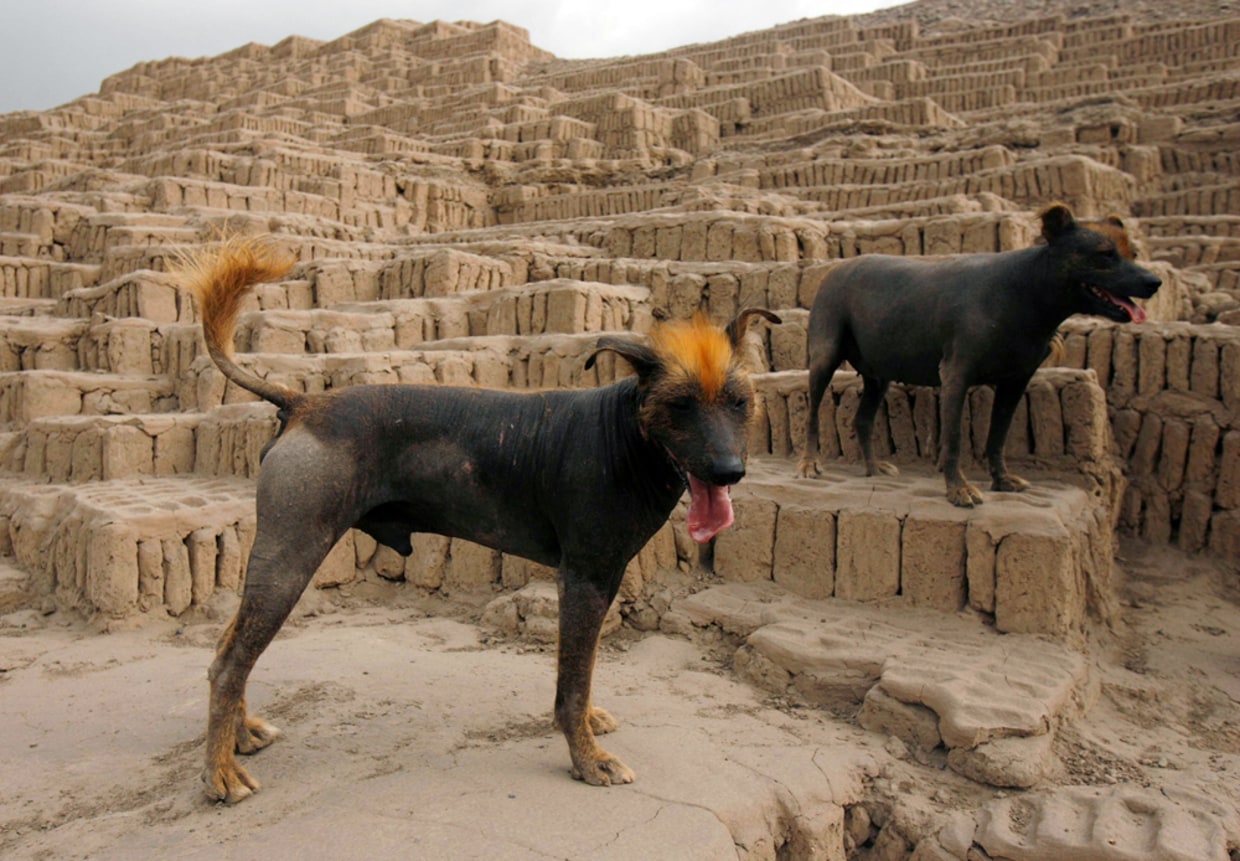
“New life for ridiculed dog species” from www.nbcnews.com and used with no modifications.
Incan History and Cultural Significance
The Peruvian Inca Orchid has roots that extend deep into South American history, predating even the mighty Incan Empire. Archaeological evidence suggests these dogs have been present in what is now Peru for over 3,000 years, making them one of the oldest domesticated dog breeds known to humankind. The earliest civilizations in the region, including the Chimú, Moche, and Chancay cultures, all depicted these distinctive dogs in their pottery and artwork long before the rise of the Incas.
When the Incan civilization rose to prominence in the 13th century, they adopted these hairless dogs as sacred animals. The Incas believed these dogs possessed mystical healing properties, particularly for alleviating arthritis and respiratory conditions. Their warm, hairless bodies were often used as living heating pads for the sick and elderly. This practice earned them the name “Viringo,” meaning “little naked one” in the indigenous Quechua language, highlighting their unique appearance and valued role in society. For more insights into dog breeds, check out this Ibizan Hound expert interview.
The Spanish conquest nearly drove these ancient dogs to extinction. When Francisco Pizarro and his conquistadors arrived in Peru in the 16th century, they viewed these unusual hairless dogs with suspicion and contempt. Many were killed during the conquest, and the breed might have disappeared entirely if not for rural communities that continued to keep and breed them in remote areas of Peru. Their survival represents a living connection to pre-Columbian American cultures that withstood European colonization.
Early Depictions in Pottery and Artifacts
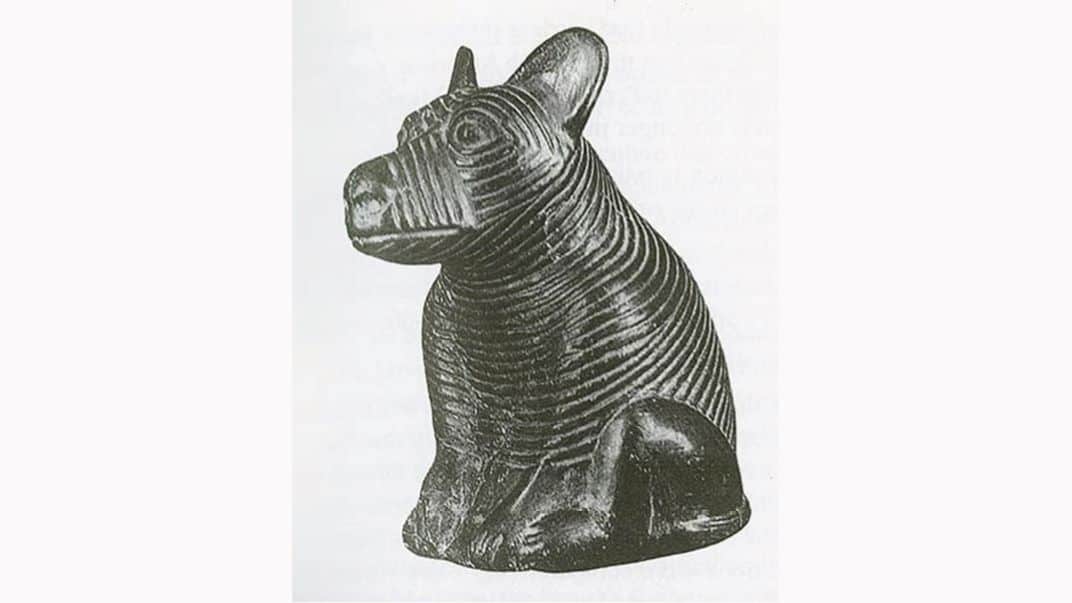
The earliest concrete evidence of the Peruvian Inca Orchid comes from pottery dating to approximately 750 A.D. These ceramic artifacts, created by pre-Incan civilizations, depict dogs with the distinctive slender build and hairless appearance that characterizes the breed today. The Moche civilization (100-700 A.D.) created particularly detailed ceramic vessels shaped like these dogs, often incorporating them into functional pieces used in daily life and religious ceremonies.
Archaeological excavations at Chancay and Chimú sites have unearthed numerous artifacts featuring these dogs, suggesting they held significant cultural importance. These artifacts show the dogs in various poses—sleeping, standing alert, and even participating in what appear to be ceremonial activities. The remarkable consistency in their depiction across different cultures and time periods indicates that the breed’s distinctive features have remained largely unchanged for over a millennium, a testament to their ancient lineage and cultural significance.
“The Peruvian Inca Orchid – A Brief …” from showsightmagazine.com and used with no modifications.
Role in Incan Society
Within Incan society, the Peruvian Inca Orchid held a privileged position that few other animals enjoyed. These dogs lived in royal households and were considered companions to nobility, with their ownership often restricted to the elite classes. Their hairless bodies made them particularly valuable in the cool highland regions where the Incan capital of Cusco was located, as they would sleep with their owners to provide warmth during cold Andean nights.
Beyond their role as companions and living heating pads, these dogs served important ceremonial functions. Some archaeological evidence suggests they may have been sacrificed during important religious ceremonies, particularly those related to healing and fertility. Despite this practice, they were generally treated with great respect and care, reflecting their high status within Incan culture.
The dogs also served practical purposes as hunters and guardians. Their keen sight and swift movement made them excellent for hunting small game in the varied Peruvian landscape, from coastal regions to highland valleys. Their alert nature and distinctive bark made them effective warning systems against intruders, protecting both noble households and common dwellings alike.
Physical Characteristics of the Peruvian Inca Orchid
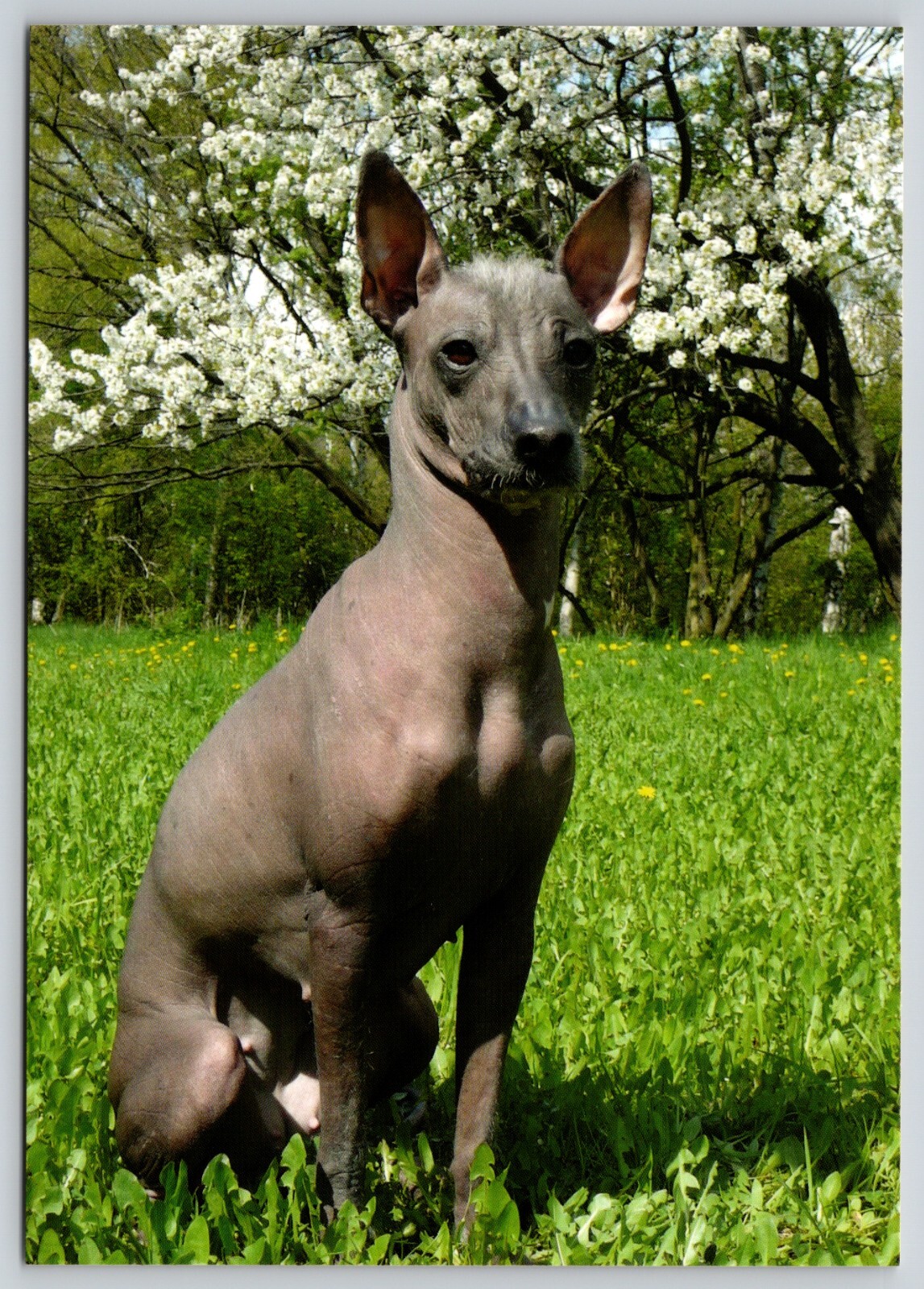
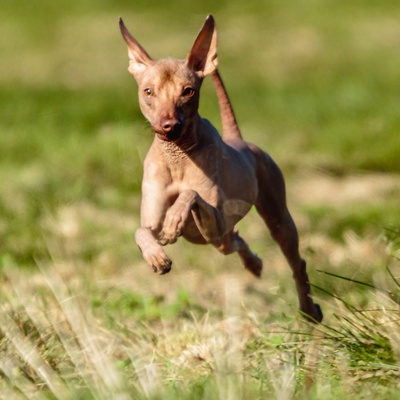
The Peruvian Inca Orchid presents a striking silhouette with its elegant, slender build reminiscent of sighthounds like Whippets and Greyhounds. Their athletic frame reflects their history as swift hunters, with long legs, a deep chest, and a tucked abdomen that speaks to their exceptional speed and agility. Despite their delicate appearance, these dogs possess surprising strength and endurance, characteristics that served them well in their historical roles as hunters and companions in varied Peruvian terrain. For more on similar breeds, check out this Ibizan Hound expert interview.
Perhaps most captivating is their expressive face, dominated by alert, almond-shaped eyes that convey an intelligence that owners consistently praise. Their ears stand erect when attentive, adding to their vigilant expression and enhancing their reputation as excellent watchdogs. The head is proportionate to the body with a slightly pointed muzzle that completes their distinctive profile. These features combine to create a dog of remarkable elegance and presence, despite—or perhaps because of—their unusual hairless condition.
“Postcard Peruvian Inca Orchid Hairless …” from www.ebay.com and used with no modifications.
Distinct Hairless Appearance
The most defining characteristic of the Peruvian Inca Orchid is, of course, its hairlessness, which results from a genetic mutation affecting the development of hair follicles. This trait is caused by a dominant gene, meaning that even when bred with fully coated dogs, approximately 50% of the offspring will inherit the hairless trait. The skin is remarkably soft and supple to the touch, often compared to warm leather or suede, creating a tactile experience quite different from petting a furred dog.
- Skin requires regular moisturizing to prevent dryness and cracking
- Susceptible to sunburn, requiring sunscreen application for outdoor activities
- More prone to temperature sensitivity than coated breeds
- May develop acne or other skin conditions requiring special care
- Small patches of hair may appear on the head, feet, and tail tip
Interestingly, while they’re celebrated for their hairlessness, many Peruvian Inca Orchids actually possess small tufts of hair on their heads, the tips of their tails, and sometimes on their feet. These patches, often referred to as “furnishings,” add to their distinctive appearance and can vary significantly between individuals. Some specimens have completely bare skin, while others may display these characteristic hair patches that contribute to their unique charm and individuality. For more on how genetics can affect physical traits, check out this comparison of genetic health in pets.
Variability in Size and Coat
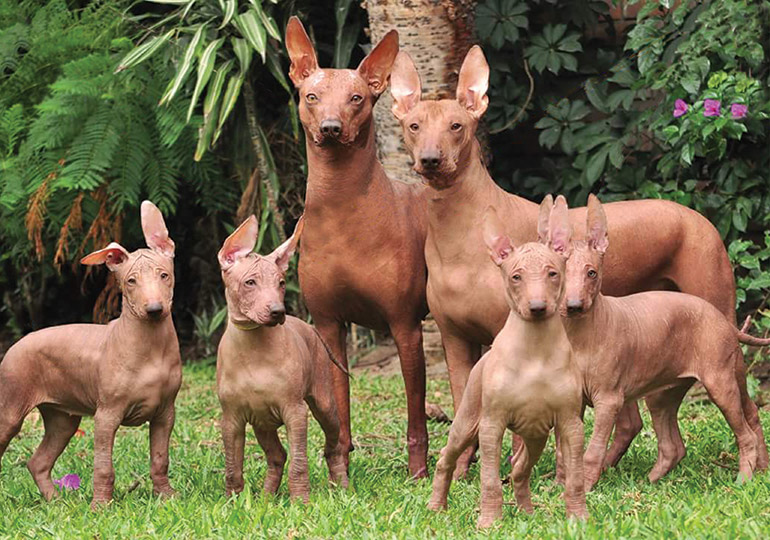
The Peruvian Inca Orchid comes in three distinct size varieties, making the breed adaptable to various living situations. The small variety stands 9.75-15.75 inches tall and weighs 8.5-17.5 pounds, perfect for apartment living. Medium-sized PIOs reach 15.75-19.75 inches and weigh 17.5-26.5 pounds, offering a balance between portability and substance. The large variety stands an impressive 19.75-25.75 inches tall and weighs 26.5-55 pounds, displaying the most pronounced sighthound characteristics with their longer legs and more muscular build.
Contrary to common belief, not all Peruvian Inca Orchids are hairless. The breed actually has two varieties: hairless and coated. The coated variety, sometimes called “powder puff,” possesses a short, smooth coat covering the entire body. These coated specimens appear in the same litters as hairless puppies due to the genetics governing the hairless trait. Breeders typically maintain these coated individuals in their programs since breeding two hairless dogs together can produce health complications in offspring, while the coated variety contributes to genetic diversity and health within the breed.
“Peruvian Hairless Dog (Small, Medium …” from www.dogsnsw.org.au and used with no modifications.
Common Skin Colors and Marks
Peruvian Inca Orchids display an astonishing variety of skin colors, ranging from solid black, slate gray, and chocolate brown to copper tones, mottled pink, and nearly white. This diversity of coloration offers potential owners considerable choice in appearance. Many specimens exhibit spotted or particolored patterns that create unique, individual markings that distinguish one dog from another, almost like a fingerprint. These natural pigmentation patterns contribute significantly to each dog’s distinctive appearance and charm. For more insights into dog breeds with unique appearances, you might find this Ibizan Hound expert interview interesting.
Beyond natural pigmentation, many Peruvian Inca Orchids develop freckle-like spots with age, particularly after sun exposure. Similar to how humans develop freckles, these markings can become more pronounced over time, especially in lighter-skinned individuals. The skin may also darken in areas of frequent friction, such as under collar lines or harness points, creating additional marking patterns unique to each dog’s lifestyle and activities.
Cost, Availability, and Rarity
Finding a Peruvian Inca Orchid requires patience and dedication, as these dogs remain relatively rare outside their native Peru. In North America and Europe, prospective owners often face waiting lists of several months to a year for puppies from reputable breeders. The limited number of breeding programs focused on this ancient breed contributes significantly to their scarcity in the global pet market. This rarity reflects both their historical confinement to Peru and the relatively recent international recognition they’ve received from major kennel clubs.
Factors Affecting Price
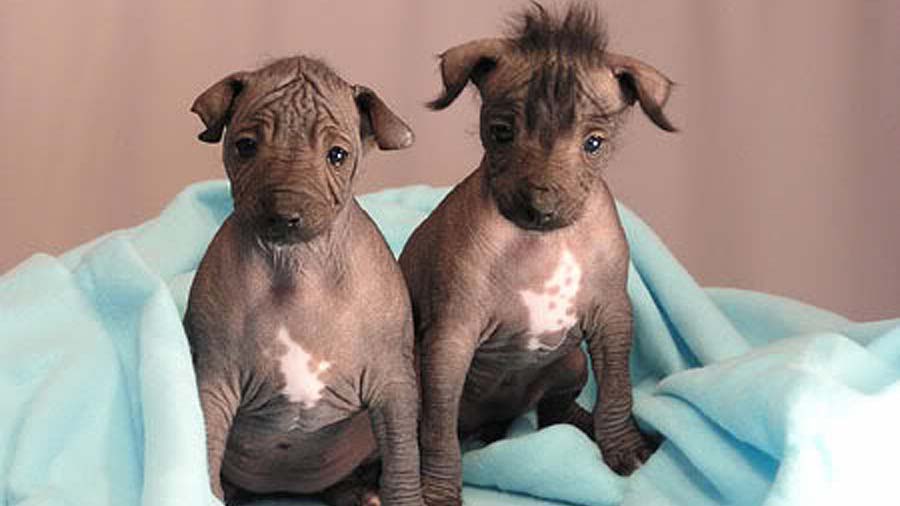
The cost of a Peruvian Inca Orchid puppy typically ranges from $2,000 to $3,500 in the United States, with prices varying based on several factors. Show-quality specimens with excellent conformation to breed standards command premium prices, often at the upper end of this range or higher. Dogs from championship bloodlines with proven performance in conformation shows or sport competitions likewise fetch higher prices due to their potential value in breeding programs and competitive events.
Size variant also influences price, with the small and medium varieties generally commanding higher prices due to their greater popularity for urban living situations. Coat variation plays a role as well, with the hairless variety typically more expensive than coated specimens due to their distinctive appearance and greater demand. Regional availability significantly impacts cost, with prices generally higher in areas where few breeders operate, reflecting the additional expenses potential owners might incur for transportation from distant breeders.
“Peruvian Inca Orchid – Price …” from www.dogbreedslist.info and used with no modifications.
Rarity and Popularity in Various Regions
In Peru, the breed’s homeland, the Peruvian Inca Orchid enjoys national treasure status, having been declared National Patrimony in 2001. This designation provides special protections and has elevated the breed’s profile domestically, where they’re celebrated as living connections to pre-Columbian heritage. Throughout Latin America, particularly in countries with strong cultural connections to ancient Andean civilizations, the breed maintains a modest but dedicated following among enthusiasts who appreciate both their historical significance and unique characteristics.
In North America and Europe, the Peruvian Inca Orchid remains a relatively uncommon sight, with small but growing communities of enthusiasts. The American Kennel Club (AKC) only recognized the breed in their Foundation Stock Service in 2011, reflecting their recent emergence on the international dog scene. While still considered exotic by many, their unique appearance and growing presence in dog shows have gradually increased awareness and interest. In Asia, these dogs are exceedingly rare, with very few breeding programs established, making them among the most uncommon of recognized dog breeds in countries like Japan and China. For those interested in exploring other unique breeds, the Ibizan Hound offers another fascinating option.
Pros and Cons of Owning a Peruvian Inca Orchid
- Pro: No shedding, making them cleaner indoor companions
- Pro: Highly intelligent and trainable with proper motivation
- Pro: Strong loyalty and bonding with their families
- Con: Sensitive skin requiring regular care and protection
- Con: Temperature sensitivity requiring wardrobe management
- Con: Strong prey drive that can challenge multi-pet households
- Con: Independent nature that may present training challenges
Ownership of this ancient breed brings distinct joys and challenges that prospective owners should carefully consider. Their clean, non-shedding nature makes them excellent companions for those with mild allergies or preferences for less household hair management. Their alert nature and protective instincts make them excellent watchdogs, quick to announce visitors or unusual activities around their homes. Many owners report these dogs possess an almost uncanny sensitivity to their human companions’ emotions, often providing comfort during times of stress or illness—a characteristic that may connect to their historical role as healing companions.
However, the breed’s independent streak can manifest as stubbornness during training sessions, requiring owners to employ creativity and positive reinforcement techniques. Their strong prey drive—inherited from their sighthound ancestry—means they may not be suitable for households with small pets like rabbits or hamsters. Their temperature sensitivity necessitates a wardrobe of protective clothing for cold or wet weather and vigilant sun protection during warmer months. These care requirements demand both financial investment and time commitment that exceeds what many common breeds require.
The Peruvian Inca Orchid’s rarity also presents practical challenges. Finding experienced veterinarians familiar with their specific health needs can prove difficult outside major metropolitan areas. Similarly, locating qualified groomers who understand their skin care requirements might require research and travel. Their exotic appearance attracts public attention, which can be either a welcome conversation starter or an unwanted intrusion depending on the owner’s personality and the dog’s temperament.
Advantages: Loyalty and Adaptability
Peruvian Inca Orchids form exceptionally strong bonds with their family members, often selecting one person as their primary attachment figure while remaining affectionate toward the entire household. This deep loyalty manifests in their attentive nature—they seem perpetually aware of their owners’ locations and activities, preferring to remain within sight of their favorite humans whenever possible. Their sensitivity extends to mood recognition, with many owners reporting their dogs respond to emotional changes with comforting behaviors. Despite their independent streak, these dogs thrive on human companionship and can suffer from separation anxiety if left alone for extended periods, demonstrating the depth of their attachment.
“The Peruvian Inca Orchid is an ancient …” from www.reddit.com and used with no modifications.
Challenges: Grooming Needs and Socialization
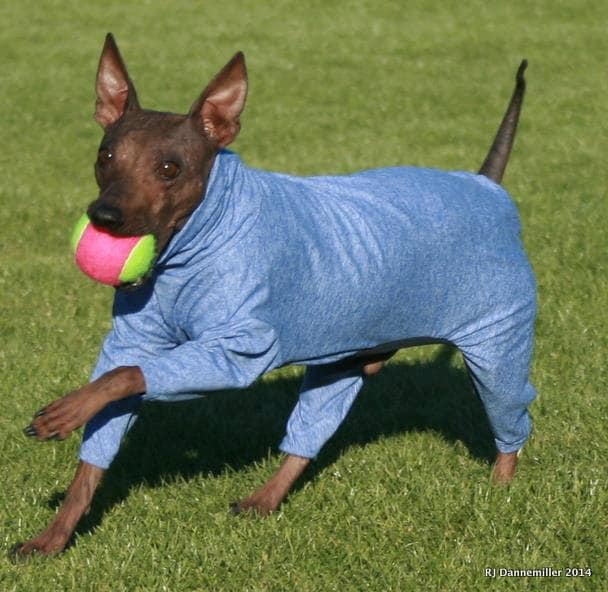
Caring for a hairless dog’s skin presents unique challenges that furry breed owners never encounter. Peruvian Inca Orchids require regular bathing—typically weekly—with mild, hypoallergenic shampoos to remove dirt and oils without stripping natural moisture. Following baths, application of dog-safe moisturizers helps prevent dry, flaky skin, particularly in low-humidity environments. Sun protection becomes essential during outdoor activities, requiring either protective clothing or application of dog-safe sunscreen to prevent painful burns and reduce skin cancer risk. In winter months, the challenge shifts to cold protection, necessitating a wardrobe of sweaters, coats, and even booties for walks in chilly conditions.
Socialization presents another significant challenge for Peruvian Inca Orchid owners. The breed’s natural reserve with strangers can develop into fearfulness or aggression without proper early exposure to various people, animals, and environments. Their sighthound heritage contributes to a strong prey drive that must be carefully managed around smaller animals. Successful integration into dog parks or multi-pet households requires deliberate, patient training beginning in puppyhood. Owners report that while socialization requires significant effort, well-socialized PIOs can become remarkably adaptable companions capable of navigating diverse social situations with appropriate confidence.
“Living with a Peruvian Inca Orchid is like having a piece of living history in your home. They connect us to ancient civilizations while providing all the love and companionship of a modern pet. Yes, they require special care, but the relationship you build with these incredible dogs makes every effort worthwhile.” — Dr. Elena Martínez, Peruvian Inca Orchid breeder and veterinarian
Comparison with Dogs with Fur
The differences between Peruvian Inca Orchids and furry dogs extend far beyond the obvious visual distinction. Without the insulating layer of fur, PIOs experience the environment more directly through their skin. This heightened sensitivity means they’re quicker to respond to temperature changes, often seeking warmth or shade before their furry counterparts realize the need. Their direct skin contact with surfaces also means they’re less likely to bring outdoor debris into the home, which many owners appreciate as a cleanliness benefit. For more insights on unique dog breeds, you might find this Ibizan Hound expert interview interesting.
The psychological impact of petting a hairless dog versus a furry one creates a different bonding experience. While many dog lovers enjoy burying their fingers in a plush coat, PIO enthusiasts develop an appreciation for the warm, smooth feel of their dogs’ skin. This tactile difference influences how owners physically interact with their pets, often leading to different types of physical affection like gentle massage rather than the vigorous scratching that furry dogs typically enjoy.
Temperature Regulation and Skin Care
Temperature regulation presents perhaps the most significant practical difference between Peruvian Inca Orchids and furry breeds. While dogs with coats have built-in insulation against both heat and cold, PIOs lack this natural protection and depend on environmental management and clothing to maintain comfort. In cold weather, they require sweaters, coats, and sometimes booties to venture outdoors safely, even for brief potty breaks. During hot weather, they need protection from direct sun exposure to prevent painful sunburns that can lead to more serious skin conditions over time. For more insights on maintaining your dog’s health, you might find this article on senior dog socialization helpful.
Skin care routines differ dramatically between furry and hairless breeds. While owners of furry dogs focus on brushing to remove loose hair and prevent matting, PIO owners establish regimens centered on cleanliness and moisture balance. Regular bathing with gentle cleansers helps remove environmental contaminants without stripping natural oils. Following baths, application of dog-safe moisturizers prevents dryness that can lead to flaking or cracking. This skincare routine more closely resembles human skin maintenance than traditional dog grooming, requiring products specifically formulated for canine skin pH balance.
Health monitoring also takes different forms. With furry dogs, owners often detect problems by noticing changes in coat quality or finding unusual bumps during grooming. For PIOs, the hairless body makes visual inspection much simpler, allowing early detection of skin issues, injuries, or unusual growths. This visibility can be a significant health advantage, enabling prompt veterinary intervention for conditions that might go unnoticed longer in furry breeds. However, this same visibility means PIOs can’t hide the normal signs of aging that fur might mask, such as age spots or skin laxity. For more insights on dog breeds, check out this expert interview on the Ibizan Hound.
“UPF50 Sun Protection Suit for American …” from www.etsy.com and used with no modifications.
Shedding and Maintenance
The most celebrated advantage of Peruvian Inca Orchids for many owners is the virtual elimination of shedding-related housekeeping. With no fur to leave behind on furniture, clothing, or floors, PIO owners escape the constant battle against dog hair that challenges owners of many popular breeds. This characteristic makes them particularly suitable for households where cleanliness is a priority or where residents have mild allergies to animal fur. The reduced cleaning requirements translate to practical benefits like less vacuuming, fewer lint rollers, and clothing that remains hair-free even after close contact with the dog.
However, what PIOs lack in shedding, they make up for in specialized care requirements. The absence of protective fur means their skin remains vulnerable to environmental damage that furry dogs naturally resist. Sun exposure requires application of dog-safe sunscreen or protective clothing when outdoors during daylight hours. Winter conditions necessitate a wardrobe of functional dog clothing that must be regularly washed and maintained. These requirements add both expense and time commitments that owners of non-shedding dogs might never consider.
Comparison with Other Hairless Dogs
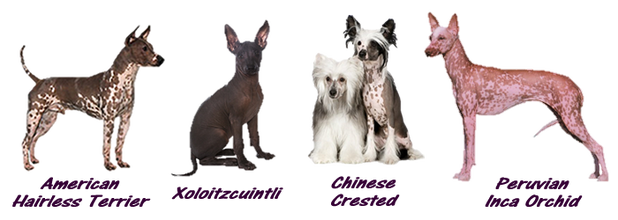
Among the world’s recognized hairless breeds, the Peruvian Inca Orchid stands distinguished by its elegant sighthound build, which contrasts markedly with the more compact structure of breeds like the Ibizan Hound and Xoloitzcuintli (Mexican Hairless). This slender, athletic build reflects the PIO’s historical role as a swift hunter and contributes to its graceful movement. While all hairless breeds share certain care requirements related to skin protection, the PIO’s larger body surface area can make temperature management and skin care more demanding compared to smaller hairless breeds.
Physical and Temperamental Differences
The Peruvian Inca Orchid’s sighthound lineage creates distinct behavioral differences from other hairless breeds. PIOs typically exhibit higher prey drive and greater running speed, making secure containment essential to prevent them from chasing small animals when outdoors. Their independent nature contrasts with the more overtly affectionate Chinese Crested, which generally displays greater eagerness to please and less reserve with strangers. The Ibizan Hound shares more temperamental similarities with the PIO, including alertness and loyalty, but typically shows greater calmness and less reactivity to environmental stimuli.
Size variation across hairless breeds creates practical differences in ownership experience. While Chinese Cresteds come primarily in toy and miniature sizes, making them adaptable to small living spaces, PIOs offer three distinct size varieties ranging from small to large. The Xoloitzcuintli similarly offers size variety but trends toward a more substantial, muscular build at each size level compared to the leaner PIO. These physical differences influence everything from appropriate housing arrangements to exercise requirements, with the athletic PIO generally needing more vigorous activity than other hairless breeds.
Geographic origin has influenced each hairless breed’s development in ways that affect modern specimens. The PIO’s adaptation to Peru’s varying climate zones, from coastal desert to high Andean regions, contributes to its remarkable adaptability. The Xoloitzcuintli, developed in Mexico’s more consistently warm climate, sometimes shows less tolerance for cold temperatures. The Chinese Crested, despite its name, was largely developed in Europe and America, resulting in a breed more adapted to indoor living and human preferences for companionship over working ability.
“Worldly Dogs’ Blog – Worldly Dogs” from www.worldlydogs.com and used with no modifications.
Common Characteristics Among Hairless Breeds
All recognized hairless dog breeds share certain genetic and physiological traits that create common care requirements. The hairless condition results from a dominant gene mutation that affects hair follicle development, though the specific genetic markers differ between breeds. This shared genetic foundation creates similar skin vulnerabilities, including susceptibility to sunburn, environmental irritants, and temperature extremes. Owners of any hairless breed must commit to regular skin inspection, appropriate protection from environmental hazards, and consistent maintenance routines regardless of which specific breed they choose.
Dental anomalies appear with unusual frequency across hairless breeds, suggesting a genetic link between the hairless trait and dental development. All three major hairless breeds—Peruvian Inca Orchid, Chinese Crested, and Xoloitzcuintli—commonly exhibit missing teeth, irregular tooth placement, or early tooth loss. This shared characteristic necessitates particular attention to dental care, including regular professional cleaning and daily home maintenance to preserve dental health. Prospective owners of any hairless breed should budget for potentially increased veterinary dental expenses compared to fully-furred breeds.
Allergy Considerations for Hairless Breeds
The relationship between hairless dogs and human allergies presents a more complex picture than many prospective owners initially assume. While Peruvian Inca Orchids and other hairless breeds eliminate the fur component that traps and distributes allergens throughout the home, they still produce the primary proteins responsible for most dog allergies. These proteins, primarily found in saliva, urine, and dander (dead skin cells), remain present regardless of a dog’s coat type. However, without fur to trap and spread these allergens, many allergy sufferers report reduced symptoms when interacting with hairless breeds compared to their experiences with furry dogs.
“Peruvian Hairless Dog: health …” from www.weenect.com and used with no modifications.
Are Hairless Dogs Hypoallergenic?
The term “hypoallergenic” often creates misunderstandings when applied to any dog breed, including hairless varieties. Strictly speaking, no dog is completely non-allergenic, as all produce the proteins that trigger allergic reactions in sensitive individuals. The primary allergen in dogs, Can f 1, is present in saliva and skin secretions regardless of whether a dog has fur. However, the practical experience of many allergy sufferers suggests that hairless breeds like the Peruvian Inca Orchid may present fewer problems because they lack the fur that typically collects and distributes allergens throughout the living environment. Without this fur as a vehicle, allergens remain more localized to the dog itself and spread less readily to furniture, clothing, and air.
Individual responses to hairless dogs vary significantly based on the specific nature of a person’s allergies. Some allergy sufferers who react strongly to dander carried by fur experience dramatic improvement with hairless breeds. Others, particularly those sensitive to saliva proteins, may continue to experience reactions after direct contact through licking or close physical interaction. Most allergists recommend that individuals with known dog allergies spend extended time with a hairless dog before committing to ownership to determine their specific reaction, as the variation between individual dogs and individual humans makes general predictions unreliable.
Practical Tips for Allergy Sufferers
Allergy sufferers considering a Peruvian Inca Orchid can implement several strategies to minimize potential reactions. Regular bathing of the dog—typically weekly—helps remove accumulated allergens from the skin surface before they can spread to the environment. Using allergen-reducing wipes between baths provides additional control by removing proteins from the skin and paws. Maintaining dedicated dog bedding that can be regularly washed in hot water creates safe zones in the home where allergen concentrations remain minimal. Some owners report success with specialized pet shampoos designed to neutralize allergens, though scientific evidence for their effectiveness varies.
Environmental management plays a crucial role in creating an allergy-friendly home with any dog, including hairless breeds. Installing high-efficiency air purifiers with HEPA filtration helps remove airborne allergen particles. Replacing carpeting with hard-surface flooring eliminates a major reservoir for pet allergens. Establishing dog-free zones, particularly in bedrooms, provides allergy sufferers with spaces for symptom relief. Regular cleaning of surfaces using microfiber cloths that trap particles rather than redistributing them can significantly reduce allergen levels throughout the home. For many with mild to moderate allergies, these combined approaches make successful ownership of a Peruvian Inca Orchid possible despite previous difficulties with furry breeds.
Frequently Asked Questions (FAQ)
Below are answers to some of the most common questions potential owners ask about the Peruvian Inca Orchid. These insights address fundamental aspects of the breed’s history, identification, family compatibility, unique characteristics, and special care requirements. While this information provides a solid foundation for understanding this ancient breed, prospective owners should conduct further research and connect with experienced breeders or rescue organizations for more specific guidance related to their individual circumstances.
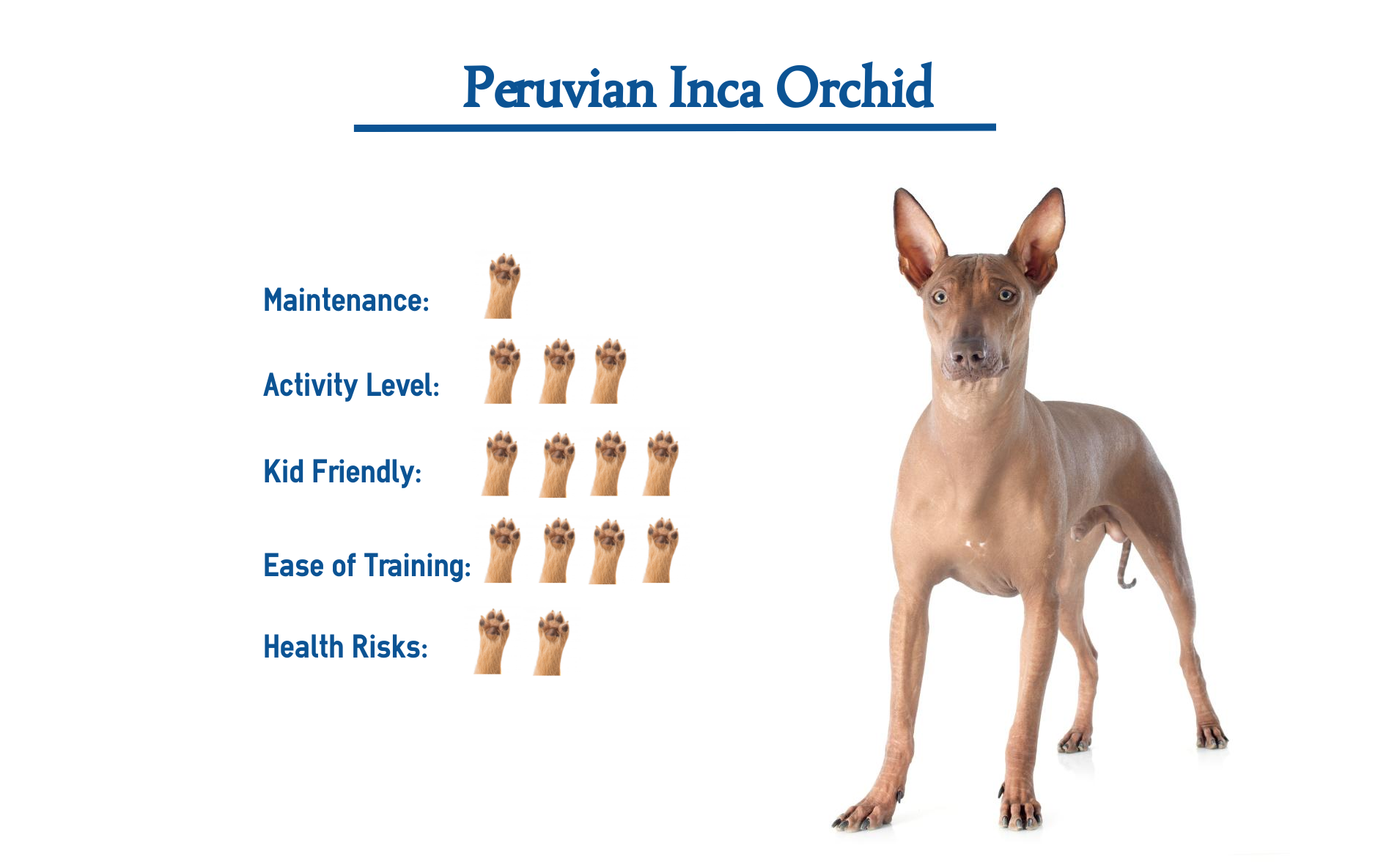
“Peruvian Inca Orchid Dog Breed …” from indulgeyourpet.com and used with no modifications.
What are the origins of the Peruvian Inca Orchid?
The Peruvian Inca Orchid originated in ancient Peru over 3,000 years ago, predating the Incan Empire itself. Archaeological evidence from pre-Incan civilizations including the Moche, Chimú, and Chancay cultures shows detailed depictions of these distinctive dogs on pottery and artifacts dating back to approximately 750 A.D. When the Incas rose to power around the 13th century, they adopted these dogs as valued companions, believing they possessed healing properties. The breed’s survival through the Spanish conquest represents a remarkable connection to pre-Columbian American heritage. In 2001, Peru officially recognized this historical significance by declaring the breed National Patrimony, providing special protections for these living cultural treasures.
How can I identify a purebred Peruvian Inca Orchid?
Authentic Peruvian Inca Orchids display several distinctive characteristics that help identify purebred specimens. The most obvious trait is their elegant sighthound build, featuring a slender body with long legs, deep chest, and tucked abdomen similar to Whippets and Greyhounds. Their head presents a moderate stop (the angle where the muzzle meets the forehead) with almond-shaped eyes that convey an alert, intelligent expression. Ear carriage varies, with many specimens showing erect ears when attentive and folded ears when relaxed. While primarily known for hairlessness, small tufts of hair on the head, tail tip, and feet (called “furnishings”) are acceptable and common in purebred individuals. The skin should feel soft and supple, appearing in any color or pattern including spotted or solid varieties.
Are Peruvian Inca Orchids suitable for families with children?
Peruvian Inca Orchids can thrive in family environments with proper training and supervision, though their suitability depends on several factors. These dogs typically form strong bonds with their entire household but may show particular attachment to one family member. Their sensitive nature means they respond best to gentle, consistent handling rather than rough play, making them more appropriate for families with older, respectful children who understand proper interaction with dogs. Early socialization proves essential for developing a PIO’s comfort with the unpredictable movements and sounds typical of younger children. Families should recognize that these dogs’ lack of protective fur makes them more vulnerable to accidental injury during enthusiastic play, necessitating supervision and education about appropriate interaction for both the dogs and children involved.
What makes hairless dogs different from those with fur?
The hairless condition in dogs like the Peruvian Inca Orchid results from a specific genetic mutation affecting hair follicle development. This fundamental difference creates numerous physiological consequences beyond mere appearance. Without fur’s insulating properties, hairless dogs experience more direct environmental interaction through their skin, making them more sensitive to temperature extremes in both directions. Their exposed skin requires protection from sun exposure to prevent burning and potential skin cancer development over time. Sweat gland function differs as well, with hairless breeds often exhibiting more active sweating—particularly visible on the paws—compared to fully-furred dogs that primarily regulate temperature through panting.
The absence of fur creates different sensory experiences for both dog and owner. Hairless breeds typically have heightened tactile sensitivity, responding more readily to touch and environmental textures. This sensitivity can manifest as greater awareness of ground conditions during walks, more reactivity to handling, and stronger preferences for comfortable resting surfaces. Without fur to trap body oils and environmental particles, hairless dogs generally produce less “dog odor” than many furry breeds, though their skin still requires regular cleaning to remove accumulated oils and debris that might cause irritation or unpleasant smells if neglected.
Do hairless dogs require special care due to their skin?
Hairless dogs, including Peruvian Inca Orchids, require specialized skin care regimens that more closely resemble human skincare than traditional dog grooming. Regular bathing with mild, dog-specific cleansers—typically weekly—helps remove environmental contaminants without stripping essential oils. Following baths, application of dog-safe moisturizers prevents dryness that can lead to flaking, cracking, or discomfort, particularly in low-humidity environments. Sun protection becomes essential during outdoor activities, requiring either application of dog-safe sunscreen or protective clothing to prevent painful burns and reduce skin cancer risk that hairless breeds face at higher rates than their furry counterparts.
Temperature management represents another critical aspect of hairless dog care. In cold weather, these dogs require appropriate clothing including sweaters, coats, and sometimes booties to venture outdoors comfortably and safely. During hot weather, they need access to shade and cooling options to prevent overheating, though their ability to sweat through their skin can provide some natural cooling advantage over heavily-coated breeds. Indoor climate control takes on greater importance for hairless dog owners, who often maintain more moderate home temperatures year-round to accommodate their pets’ comfort needs.
Peruvian Inca Orchids represent living connections to ancient civilizations while offering modern families loyal, intelligent companionship unlike any other breed. Their unique appearance, rich history, and distinctive care requirements create a specialized ownership experience that rewards committed enthusiasts with a truly extraordinary human-canine bond. For those willing to embrace their special needs and appreciate their ancient heritage, these remarkable dogs offer a glimpse into humanity’s earliest relationships with domesticated canines while providing all the love and companionship modern dog lovers seek.