Article-at-a-Glance
- The Polish Lowland Sheepdog (PON) is a versatile herding breed with ancient origins dating back to the Roman Empire, known for its shaggy coat and intelligent nature.
- PONs typically cost between $1,500-$3,000 from reputable breeders, with ongoing maintenance costs higher than average due to extensive grooming needs.
- While extremely popular in their native Poland, Polish Lowland Sheepdogs remain relatively rare in the United States, making them a unique choice for dog enthusiasts.
- Despite their sometimes stubborn reputation, properly trained PONs make excellent family companions with their loyal, protective, and affectionate temperament.
- These medium-sized working dogs thrive in active households with experienced owners who can provide mental stimulation, regular exercise, and consistent grooming.
Looking for a unique canine companion with a rich heritage and distinct appearance? The Polish Lowland Sheepdog might be your perfect match. This ancient herding breed combines intelligence, loyalty, and a distinctive shaggy coat that sets it apart from more common dog breeds. Our comprehensive guide explores everything from their fascinating history to daily care requirements.
Polish Lowland Sheepdogs, often affectionately called PONs (from their Polish name Polski Owczarek Nizinny), represent a fascinating combination of working ability and companionship qualities. These medium-sized, shaggy-coated dogs have been treasured in Poland for centuries but remain relatively unknown in many parts of the world. For those seeking a distinctive, intelligent, and devoted canine companion, the PON offers a blend of traits that many dog enthusiasts find irresistible.
Introduction to the Polish Lowland Sheepdog
The Polish Lowland Sheepdog stands as a testament to centuries of careful breeding for both function and companionship. These medium-sized, muscular dogs typically weigh between 30-50 pounds and stand 17-20 inches tall at the shoulder, with females generally being slightly smaller than males. Their most striking feature is undoubtedly their abundant double coat, which comes in various colors including gray, brown, black, or combinations with white markings. This distinctive coat doesn’t just contribute to their charming appearance—it once served the practical purpose of protecting them from harsh Polish winters while herding livestock.
Beneath their shaggy exterior lies a dog of remarkable intelligence and adaptability. Originally bred as working dogs to assist shepherds, PONs possess natural problem-solving abilities and an independent streak that served them well in their historical role. They approach life with confidence and purpose, displaying a vigilant nature that makes them excellent watchdogs while remaining affectionate and loyal to their families. For those interested in learning about other intelligent breeds, check out this Keeshond dog breed interview.
While their physical characteristics certainly make them stand out, it’s their balanced temperament that truly defines the breed. PONs typically combine alertness with a calm demeanor, showing boundless energy when working or playing but settling comfortably into family life when indoors. This versatility makes them suitable for various living situations, though they thrive best when given purpose and regular activity.
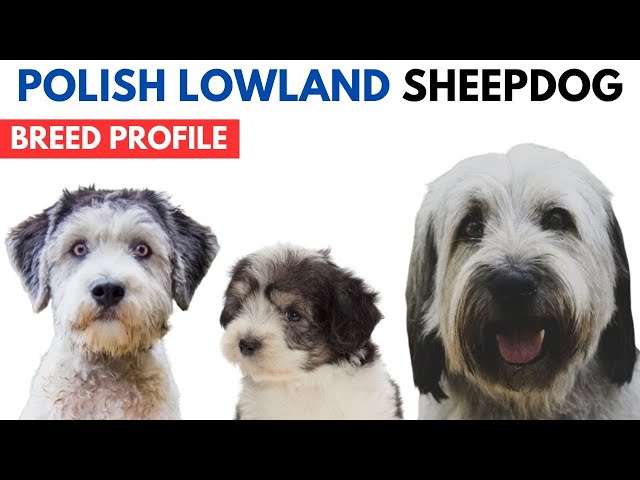
“Polish Lowland Sheepdog Dog Breed …” from www.youtube.com and used with no modifications.
Brief Overview of the Polish Lowland Sheepdog
The Polski Owczarek Nizinny (PON) represents one of Poland’s national treasures in the canine world. These medium-sized herding dogs possess a distinctive shaggy coat that often covers their eyes, giving them their characteristic appearance. Despite their somewhat imposing look, PONs are known for their balanced temperament—combining courage and vigilance with gentleness and affection toward their families. Their intelligence ranks among the highest in dog breeds, making them quick learners but occasionally stubborn when training methods don’t engage their problem-solving minds.
As working dogs, PONs were developed to be versatile and self-sufficient. Their history as herders required them to make independent decisions while managing livestock, a trait that persists in modern PONs. This heritage contributes to their confident nature and occasional willfulness, though proper training channels these tendencies into positive behaviors. These dogs form strong bonds with their families and typically remain devoted and protective throughout their 12-15 year lifespan.
Key Traits and Characteristics
Polish Lowland Sheepdogs stand out with their distinctive appearance and well-balanced temperament. Their medium-sized, muscular bodies (typically 35-50 pounds) support a remarkable double coat that can come in various colors, including gray, brown, black, or combinations with white markings. This abundant coat, which requires regular maintenance, serves as the breed’s most recognizable feature, often partially covering their expressive, almond-shaped eyes.
“The PON combines the intelligence of herding breeds with the loyalty of guardian dogs and the affection of companion animals—a truly versatile breed that excels in multiple roles when properly trained and socialized.” — American Polish Lowland Sheepdog Club
Temperamentally, PONs display a fascinating mix of traits that reflect their working heritage. They exhibit remarkable intelligence, ranking among the more trainable breeds when engaged properly, though they can show stubborn streaks when bored. Their herding background manifests in a natural watchfulness and protective nature toward their families, making them excellent alert dogs. Socially, well-raised PONs typically show reserved politeness with strangers while remaining deeply devoted to their family members, forming bonds that last throughout their 12-15 year lifespan.
History and Origins
The Polish Lowland Sheepdog’s story begins centuries ago, with roots that intertwine with the complex history of Central Europe. Historical records suggest that the breed’s ancestors likely arrived in Poland around the 13th century, brought by Asiatic nomads or through trade routes that connected Eastern Europe with Central Asia. Genetic studies and historical accounts point to connections with Tibetan dogs, particularly the Tibetan Terrier, as well as Hungarian herding breeds like the Puli. This diverse genetic heritage contributed to the PON’s adaptability and resilience.
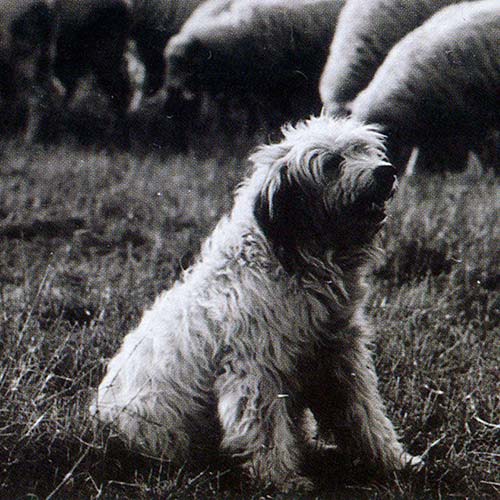
“Polish Lowland Sheepdog Dog Breed …” from www.akc.org and used with no modifications.
Early Beginnings and Development in Poland
The Polish Lowland Sheepdog’s lineage traces back to the ancient trading routes between Asia and Europe. Historical evidence suggests that the breed’s ancestors arrived in Poland during the migration of Central Asian nomadic tribes, possibly as early as the 4th century when the Huns invaded Europe. These early dogs interbred with local European herding breeds, creating the foundation for what would become the Polski Owczarek Nizinny. The breed’s development was particularly influenced by crosses between these Asian imports and local Polish herding dogs, resulting in an animal perfectly adapted to the region’s climate and working requirements.
|
Time Period |
Development Milestone |
|---|---|
|
4th-7th Century |
Ancestral dogs arrive with Central Asian nomads |
|
13th-16th Century |
Breed type becomes established in Polish lowlands |
|
19th Century |
Decline begins as sheep farming decreases |
|
1940s |
Near extinction during World War II |
|
1950s-1960s |
Breed revival led by Dr. Danuta Hryniewicz |
|
1979 |
First Polish Lowland Sheepdogs imported to the USA |
|
2001 |
Full AKC recognition achieved |
By the 16th century, the Polish Lowland Sheepdog had become an integral part of agricultural life throughout Poland’s lowland regions. Polish merchants and farmers valued these dogs for their versatility and intelligence. Their medium size made them ideal for controlling sheep and cattle while being economical to maintain compared to larger livestock guardian breeds. Throughout this period, the breed was developed not through formal breeding programs but through practical selection based on working ability, adaptability, and hardiness—traits that remain central to the breed’s character today. For more insights into dog breeds, check out this expert interview on the Keeshond dog breed.
Role in Herding and Livestock Management
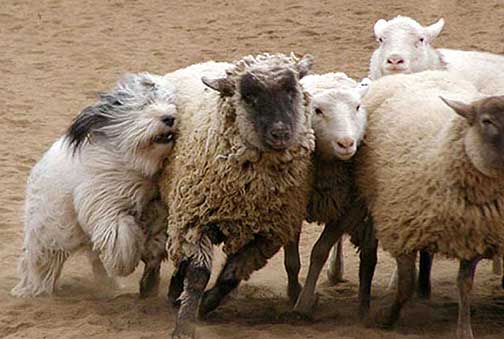
As their name suggests, Polish Lowland Sheepdogs excelled at herding and managing livestock across Poland’s pastoral landscapes. Unlike some herding breeds that primarily drive animals from behind, PONs developed a versatile working style that allowed them to both drive and gather livestock. Their medium size and agile movements made them particularly effective at maneuvering sheep through narrow passages and keeping flocks contained within designated grazing areas. Farmers valued these dogs for their remarkable problem-solving abilities and independent decision-making when managing livestock.
The PON’s working style reflects a balance between assertiveness and sensitivity. Rather than aggressively chasing or nipping at livestock, these dogs typically controlled their charges through positioning, eye contact, and selective pressure—a technique that required intelligence and restraint. This methodology allowed a single dog to effectively manage substantial flocks without causing undue stress to the animals. Additionally, their protective instincts made them excellent guardians against predators and thieves, serving the dual purpose of herder and protector.
Their thick, weather-resistant coat proved invaluable during Poland’s harsh winters, allowing them to work comfortably in challenging conditions that would sideline less hardy breeds. This adaptability, combined with their natural resourcefulness and moderate energy requirements, made PONs ideal working partners for Polish shepherds who needed reliable, low-maintenance assistance in remote pastoral settings.
Breed Survival Post-World War II
The story of the Polish Lowland Sheepdog’s survival through World War II stands as one of the most remarkable chapters in canine history. The devastation that swept through Poland during the 1940s nearly wiped out numerous native breeds, including the PON. Agricultural systems collapsed, rural communities were displaced, and maintaining purebred dogs became nearly impossible during this period of extreme hardship. By the war’s end, the breed stood at the brink of extinction, with only a handful of verifiable purebreds remaining in the country. For insights on another resilient breed, check out this Field Spaniel expert interview.
The breed’s salvation came primarily through the dedicated efforts of Dr. Danuta Hryniewicz, a Polish veterinarian who recognized the cultural and practical value of preserving this native treasure. Beginning in the 1950s, she meticulously located surviving examples of the breed and established a careful breeding program to rebuild the population while maintaining genetic diversity. Working with limited foundation stock, Dr. Hryniewicz focused on preserving both the physical characteristics and working temperament that defined the breed. Her efforts were supported by the Polish Kennel Club, which officially recognized the breed in 1959, providing crucial structure for continued preservation efforts.
By the 1960s, the breed had established enough stability to gain international recognition, with the Fédération Cynologique Internationale (FCI) accepting the breed standard in 1963. This international recognition marked a turning point, expanding breeding programs beyond Poland’s borders and securing the breed’s future. The survival and subsequent revival of the Polish Lowland Sheepdog represents not just the preservation of a dog breed but the reclamation of an important piece of Polish cultural heritage that might otherwise have been lost to history.
Nickname and Cultural Significance
The Polish Lowland Sheepdog carries significant cultural weight in its homeland, representing more than just a working dog breed. Throughout Polish history, these dogs have been woven into the fabric of rural life, appearing in folk art, literature, and agricultural traditions. Their resilience through the country’s turbulent history mirrors that of the Polish people themselves, perhaps explaining the deep affection and pride with which many Poles regard the breed. Today, they’re considered a living embodiment of Polish cultural heritage, celebrated for both their practical contributions to agricultural development and their symbolic representation of national identity.
Meaning Behind “Polski Owczarek Nizinny”
The full Polish name “Polski Owczarek Nizinny” perfectly captures the breed’s essence and origin. Breaking down the name reveals its precise meaning: “Polski” simply means Polish, identifying the country of origin; “Owczarek” translates to “shepherd” or “sheepdog,” highlighting the breed’s primary historical function; and “Nizinny” means “lowland,” distinguishing this breed from mountain-dwelling shepherd dogs. The abbreviated nickname “PON” derives from these initial letters and has become the affectionate shorthand used by breed enthusiasts worldwide.
This descriptive name speaks to the pragmatic approach Poles historically took toward working dogs—valuing function and regional adaptation over elaborate naming conventions. The emphasis on the breed’s lowland habitat is particularly significant, as it distinguishes the PON from the Polish Tatra Sheepdog (Polski Owczarek Podhalański), a larger livestock guardian breed developed in Poland’s mountainous regions. The lowland designation reflects the different environmental challenges these dogs faced and the specific working style they developed for more densely populated farming communities in Poland’s plains regions.
The pronunciation of Polski Owczarek Nizinny (poll-ski ov-cha-rek nee-zhin-nee) can be challenging for non-Polish speakers, which partly explains why the acronym “PON” has gained such widespread use among international breed enthusiasts. This shorthand not only simplifies communication about the breed but has developed its own cultural significance within the global community of Polish Lowland Sheepdog owners and breeders.
“BC Museum: Herding Dogs of Eastern …” from www.bordercolliemuseum.org and used with no modifications.
Position in Polish Culture and Society
The Polish Lowland Sheepdog holds an esteemed position in Polish cultural heritage, representing far more than just a canine breed. Throughout centuries of agricultural tradition, these dogs became integral to the success of Poland’s farming communities, creating a deep bond between the Polish people and the breed. This connection intensified during the post-World War II period when the breed’s near-extinction and subsequent revival paralleled Poland’s own national struggles and resilience. The intentional preservation of the PON during this era reflected a broader cultural movement to reclaim and protect distinctively Polish traditions and heritage.
In contemporary Poland, the Polski Owczarek Nizinny enjoys special status as one of the five officially recognized native Polish dog breeds, alongside the Polish Hound, Polish Hunting Dog, Tatra Sheepdog, and Chart Polski (Polish Greyhound). The breed regularly appears in Polish cultural expressions, from folk art to children’s literature, often symbolizing loyalty, resourcefulness, and national pride. Polish kennel clubs and breeding associations maintain particularly strict standards for PONs, reflecting the seriousness with which they approach preserving this living cultural artifact.
While modern urbanization has dramatically reduced the breed’s original working role, PONs have successfully transitioned to companion animals within Polish society without losing their cultural significance. They remain popular family pets throughout the country, especially among those who value connecting with traditional Polish rural heritage. The breed’s presence at national dog shows and cultural exhibitions further reinforces its status as a cherished symbol of Polish identity and agricultural history.
Cost and Acquisition
Acquiring a Polish Lowland Sheepdog requires both financial investment and careful consideration of breeding sources. As a relatively uncommon breed with specific health testing requirements, prospective owners should expect to navigate a more selective acquisition process than with more widely available breeds. The combination of limited availability and responsible breeding practices contributes to higher than average purchase prices, but these initial costs should be weighed against the benefits of obtaining a well-bred dog with sound health and temperament. Beyond purchase costs, potential owners must also factor in the ongoing expenses associated with this breed’s specific care requirements.
Initial Purchase Price
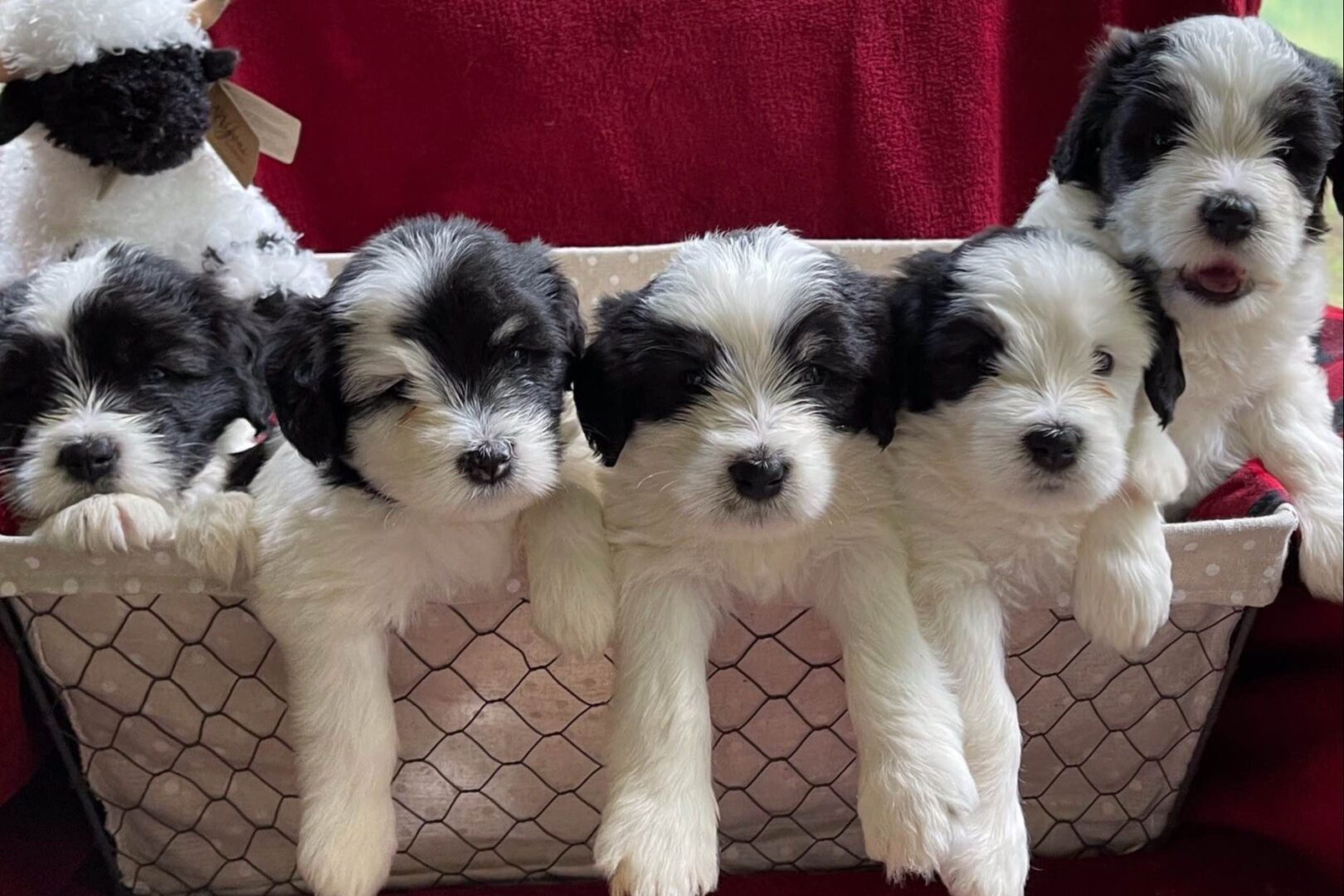
The initial cost of purchasing a Polish Lowland Sheepdog from a reputable breeder typically ranges from $1,500 to $3,000 in the United States, with prices sometimes reaching higher for puppies from championship bloodlines with extensive health testing. This price point reflects several factors: the breed’s relative rarity, the limited number of specialized breeders, and the significant investment responsible breeders make in health testing, proper prenatal care, and early socialization. Puppies from show-quality lineages with extensive championship titles in their pedigrees generally command prices at the upper end of this range, while companion-quality puppies may be available at somewhat lower costs.
It’s important to understand that the higher purchase price for a well-bred PON typically reflects quality rather than mere profit. Reputable breeders conduct comprehensive health screenings for conditions that can affect the breed, including hip dysplasia, eye disorders, and thyroid function—tests that can cost hundreds of dollars per breeding dog. Additionally, proper veterinary care for the mother and puppies, combined with the time investment required for early socialization and evaluation, represents significant expense and effort that is reflected in puppy prices. For more on the importance of early socialization, visit this expert article.
While adoption through rescue organizations presents an alternative acquisition path, the limited number of Polish Lowland Sheepdogs in most countries means that rescue opportunities are relatively rare. When available, adoption fees typically range from $300 to $800, depending on the organization and the dog’s age. The Polish Lowland Sheepdog Club of America occasionally coordinates breed-specific rescues, though prospective adopters should be prepared for potentially long waiting periods due to the breed’s scarcity in rescue situations.
“Polish Lowland Sheepdog Puppies For Sale” from marketplace.akc.org and used with no modifications.
Ongoing Costs of Ownership
Owning a Polish Lowland Sheepdog involves significant ongoing expenses beyond the initial purchase price. Monthly costs typically range from $150-$300, encompassing premium nutrition, routine veterinary care, grooming supplies, and preventative medications. The PON’s profuse double coat represents one of the most substantial maintenance expenses, as professional grooming sessions (recommended every 6-8 weeks) can cost between $80-$150 per visit, depending on coat condition and your location. Many owners eventually invest in professional-grade grooming equipment, which represents a significant upfront cost but provides long-term savings.
Healthcare costs deserve careful consideration when budgeting for a PON. While generally healthy, the breed does have predispositions to certain conditions that may require specialized veterinary care. Annual wellness examinations, vaccinations, heartworm and flea prevention typically cost $500-$800 yearly. Owners should also maintain an emergency fund of at least $1,500-$2,000 for unexpected medical situations. Pet insurance, ranging from $40-$100 monthly depending on coverage levels, provides another option for managing potential healthcare costs.
Quality nutrition appropriate for active, medium-sized dogs represents another ongoing expense. Polish Lowland Sheepdogs typically consume 2-3 cups of premium dog food daily, translating to approximately $50-$80 monthly. Additionally, training classes ($150-$300 per course), enrichment toys, bedding, and occasional boarding or pet-sitting services should be factored into the total cost of ownership. When all expenses are considered, prospective owners should budget between $1,800-$3,600 annually for the lifetime of their PON.
Popularity Versus Rarity
The Polish Lowland Sheepdog occupies a fascinating position in the canine world—beloved and respected in its homeland while remaining relatively unknown in many other countries. This contrast between regional popularity and international rarity creates a unique dynamic for the breed and those who champion it. Understanding the PON’s varying levels of recognition provides important context for potential owners considering this distinctive breed.
Popularity in Poland
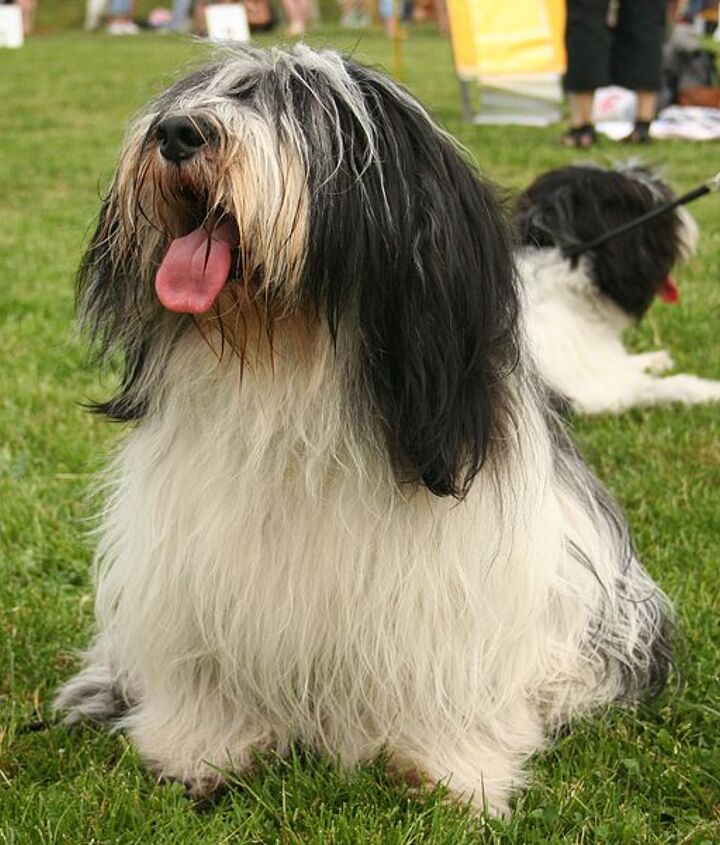
In Poland, the Polish Lowland Sheepdog holds a position of cultural significance and practical appreciation that far exceeds its international profile. As one of only five officially recognized native Polish dog breeds, the PON enjoys prominent visibility in its homeland, regularly appearing at national dog shows and cultural exhibitions. Polish kennel clubs maintain meticulous breed standards and registration practices for the Polski Owczarek Nizinny, reflecting the seriousness with which the country approaches preserving this living cultural heritage.
Within Poland’s domestic pet market, PONs maintain steady popularity, particularly among families seeking a connection to traditional rural heritage while living in contemporary settings. Polish breeders typically maintain waiting lists for their puppies, with many preferring to place dogs with owners who demonstrate understanding of the breed’s needs and characteristics. The breed’s recognition extends beyond dog enthusiasts to the general public, with PONs appearing in children’s books, folklore, and even occasionally in advertising that aims to evoke authentic Polish culture and tradition.
The breed’s enduring popularity in Poland stems largely from its successful transition from working farm dog to adaptable family companion. As agricultural practices modernized and traditional shepherding declined, the PON demonstrated remarkable versatility in adapting to companion roles while retaining the intelligence and loyal temperament that made it valuable on farms. This adaptability has ensured its continued relevance in contemporary Polish society, where it remains among the top twenty most registered purebred dogs despite competition from internationally popular breeds.
“Polish Lowland Sheepdog Information and …” from www.petguide.com and used with no modifications.
Prevalence in the United States
In the United States, the Polish Lowland Sheepdog remains a relatively rare breed despite gaining American Kennel Club recognition in 2001. Current AKC registration statistics place PONs consistently between 150th-160th in popularity among recognized breeds, highlighting their niche status. This limited presence means that many Americans have never encountered a Polish Lowland Sheepdog in person, with most breed awareness concentrated among serious dog enthusiasts and those with Polish heritage connections.
The American population of Polish Lowland Sheepdogs stems primarily from strategic imports beginning in the late 1970s, with the first documented PONs arriving in 1979. Growth has been intentionally measured, with dedicated breed enthusiasts prioritizing quality over quantity in breeding programs. The Polish Lowland Sheepdog Club of America, established in 1987, maintains approximately 200-300 active members nationwide, reflecting the breed’s small but dedicated following. Most reputable breeders produce only 1-2 litters annually, resulting in relatively limited availability of puppies.
“We don’t measure the success of our breed by popularity rankings or registration numbers, but by the quality and health of the dogs we produce and the satisfaction of carefully selected owners. The PON’s relative rarity is actually beneficial in preventing the breed-damaging effects of commercial breeding.” – Polish Lowland Sheepdog Club of America
This controlled approach to breed development in the U.S. has yielded both benefits and challenges. On the positive side, limited breeding by knowledgeable enthusiasts has helped maintain breed health and temperament standards. However, the scarcity of PONs means prospective owners often face waiting periods of 6-18 months to acquire a puppy from a reputable source. This limited availability contributes to the breed’s relatively low profile but also tends to ensure that those who do acquire Polish Lowland Sheepdogs are genuinely committed to the breed’s specific characteristics and needs.
Reputation Versus Reality
Like many distinctive breeds, the Polish Lowland Sheepdog has accumulated a mix of accurate observations and exaggerated stereotypes that don’t always align with the reality of living with these dogs. Separating breed mythology from genuine traits helps prospective owners develop realistic expectations and determine whether a PON truly fits their lifestyle. By examining common perceptions alongside factual characteristics, we can develop a more nuanced understanding of what makes these dogs both challenging and rewarding companions. For further insights, you might consider reading an expert interview on another breed to compare experiences.
Common Misconceptions
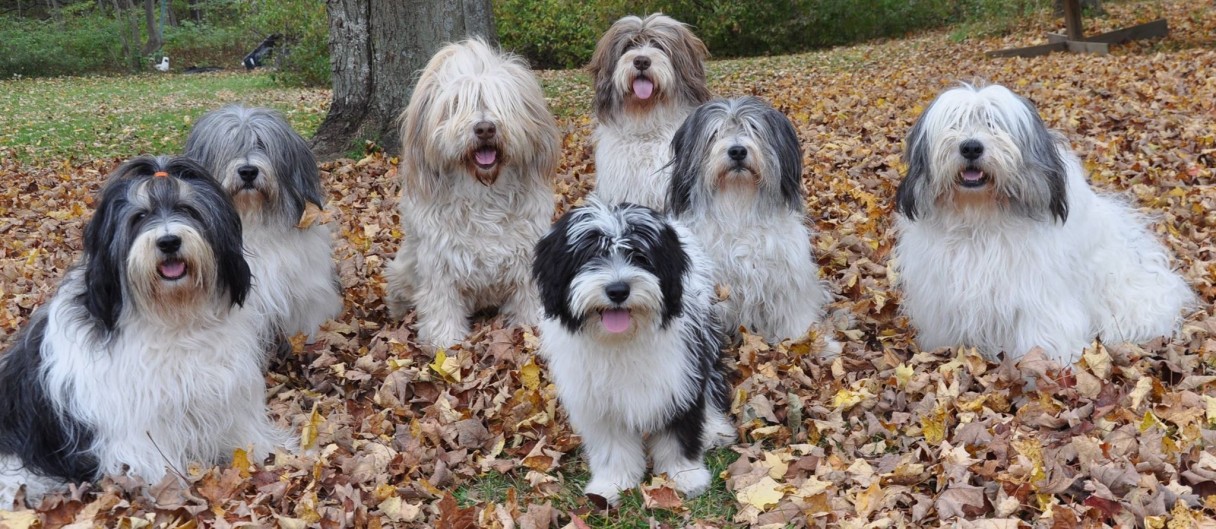
Perhaps the most persistent misconception about Polish Lowland Sheepdogs concerns their grooming requirements. While their distinctive shaggy coat certainly requires regular maintenance, many newcomers to the breed envision hours of daily brushing and professional grooming several times monthly. The reality is more manageable—most PON owners establish a weekly brushing routine of 1-2 hours, with professional grooming needed only every 6-8 weeks. With proper techniques and tools, many owners successfully maintain their dogs’ coats at home, though this still represents a significant time commitment compared to smooth-coated breeds.
Another common mischaracterization portrays PONs as stubbornly untrainable due to their independent herding heritage. While Polish Lowland Sheepdogs do possess an independent streak and problem-solving inclination that can manifest as selective listening, experienced owners recognize this as intelligence rather than disobedience. The breed responds exceptionally well to positive reinforcement methods that engage their cognitive abilities and natural desire to cooperate with their humans. Their intelligence actually makes them highly trainable when approached with consistency, creativity, and respect for their working heritage.
Some breed descriptions suggest Polish Lowland Sheepdogs are universally high-energy dogs requiring extensive daily exercise. In reality, PONs typically display more moderate energy levels than many herding breeds, with a notable ability to adjust their activity to match their environment. While they certainly require regular exercise and mental stimulation, most adapt well to 30-60 minutes of daily activity supplemented with interactive play and training. Their natural “off switch” in the home environment—a valuable trait from their farm heritage—means they can settle contentedly after appropriate exercise, unlike some working breeds that remain perpetually active.
“Polish Lowland Sheepdog …” from www.akc.org and used with no modifications.
Actual Experiences from Owners
Conversations with experienced Polish Lowland Sheepdog owners reveal nuanced perspectives that often differ from generalized breed descriptions. Most long-term owners describe their PONs as remarkably adaptable dogs that adjust well to diverse living situations provided their basic needs for exercise, mental stimulation, and companionship are met. They emphasize the breed’s exceptional awareness of household routines and their ability to distinguish between active and quiet times, making them more versatile companions than many assume. This adaptability extends to their interaction with various family members, with PONs often displaying different play styles and energy levels depending on who they’re engaging with.
Regarding the breed’s watchdog tendencies, experienced owners note significant variation between individual dogs. While breed profiles often emphasize the PON’s vocal alertness, actual barking tendencies range from minimal to considerable based on both genetics and training. Most successful owners implement early, consistent training around appropriate barking, teaching their dogs to alert to genuine concerns while limiting unnecessary vocalization. The breed’s natural discernment—their ability to distinguish between routine and unusual sounds—makes this training particularly effective when started early.
- Grooming experiences vary widely, with some owners reporting surprisingly easy coat maintenance and others confirming more demanding requirements
- Most owners describe moderate rather than excessive exercise needs, typically 30-60 minutes daily plus mental stimulation
- Consistent reports of exceptional problem-solving abilities that sometimes manifest as creative mischief when bored
- Strong consensus regarding exceptional family loyalty and natural protective instincts toward children
- Varied experiences with stranger interactions, from reserved acceptance to enthusiastic greeting, depending on early socialization
Perhaps most notably, experienced owners consistently highlight the breed’s emotional intelligence and sensitivity to human moods. PONs develop remarkable attunement to their families’ emotional states, often adjusting their behavior to provide comfort during stress or joining enthusiastically in celebrations. This emotional responsiveness creates deeper connections than many anticipate when first considering the breed, with many owners describing their PONs as uniquely perceptive companions rather than simply pets. This depth of relationship represents one of the most rewarding aspects of living with the breed, though it requires owners who value and nurture this connection.
Breed Standards
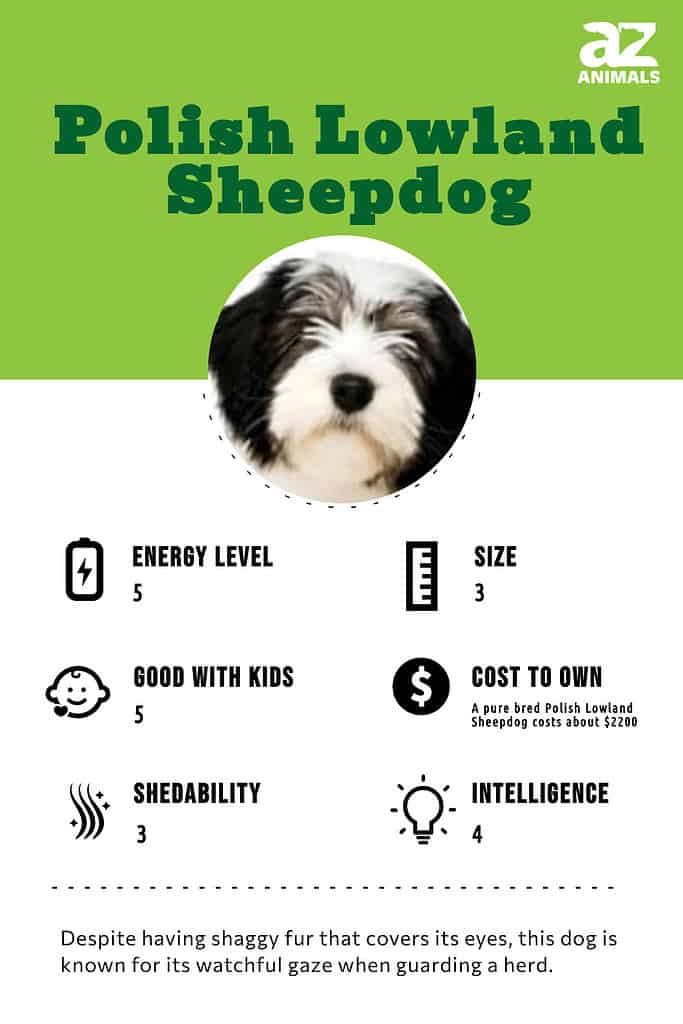
Official breed standards provide the framework for evaluating Polish Lowland Sheepdogs in conformation settings while offering prospective owners insights into the ideal physical and temperamental traits of these distinctive dogs. While slight variations exist between kennel club standards internationally, core characteristics remain consistent, reflecting the breed’s working heritage and unique attributes. Understanding these standards helps potential owners recognize quality examples of the breed and appreciate the intentional preservation of traits that make the PON both functional and appealing. For more insights into dog breeds, consider reading this Field Spaniel dog breed interview.
“Polish Lowland Sheepdog Dog Breed …” from a-z-animals.com and used with no modifications.
Physical Appearance and Size
The Polish Lowland Sheepdog presents a medium-sized, compact, and muscular body beneath its distinctive shaggy coat. Males typically stand 18-20 inches (45-50 cm) at the withers and weigh between 40-50 pounds (18-22 kg), while females measure slightly smaller at 17-19 inches (42-47 cm) and 30-40 pounds (14-18 kg). The breed’s overall silhouette should reflect balance and substance rather than exaggeration in any dimension, with proportions that suggest agility and endurance—qualities essential to their herding heritage.
The PON’s head features a moderate stop and medium-length muzzle, creating a nearly rectangular profile when viewed from the side. Eyes should be medium-sized and oval-shaped, set somewhat apart, with colors ranging from hazel to brown depending on coat color. The characteristic abundant facial hair often partially obscures the eyes but should not impede vision. Ears are heart-shaped, set moderately high, and covered with long hair that blends with the coat. The breed’s expression typically appears alert and intelligent, with a hint of the watchfulness that served them well as working dogs.
|
Feature |
Standard Description |
Functional Purpose |
|---|---|---|
|
Coat |
Dense double coat with harsh outer layer and soft undercoat |
Weather protection in varied conditions |
|
Body |
Rectangular, slightly longer than tall |
Balance for agility and endurance |
|
Head |
Medium-sized with moderate stop |
Strength without excess weight |
|
Tail |
Set low, can be naturally short or docked |
Visibility when working in tall grass |
|
Movement |
Smooth, ground-covering trot |
Efficient herding across varied terrain |
The breed’s most distinctive feature—its profuse, shaggy double coat—serves both practical and aesthetic functions. The outer coat consists of straight or slightly wavy hair with a coarse texture, while the undercoat provides insulation with its dense, soft structure. Accepted colors include various shades of gray, brown, or black, often with white markings, though solid white is not permitted under most standards. While coat patterns and colors hold secondary importance to structure and temperament, they contribute to the breed’s distinctive appearance and heritage identification.
Temperament and Behavior
The Polish Lowland Sheepdog standard emphasizes a balanced temperament that combines intelligence, confidence, and adaptability. These dogs should display natural alertness without excessive nervousness or aggression, reflecting their dual heritage as herders and farm companions. The ideal PON exhibits self-assured behavior in various situations while maintaining responsiveness to handler direction—a combination that served them well in their original working context. This balance between independence and partnership represents one of the breed’s most valued characteristics among enthusiasts.
Temperamentally, breed standards describe a dog that shows natural wariness with strangers without exhibiting fear or hostility. This reserved initial approach typically transitions to acceptance once properly introduced, though PONs generally maintain a distinction between family members and casual acquaintances. Within their family circle, these dogs should display pronounced loyalty and affection, often forming particularly strong bonds with their primary handlers while maintaining positive relationships with all household members. For more insights into dog breeds, check out this expert interview on Keeshond dogs.
Working aptitude remains an essential component of the PON’s temperament standard, even for dogs never intended for herding duties. This includes problem-solving ability, situational awareness, and appropriate energy management—traits that translate well to modern companion and performance contexts. In conformation evaluation, judges typically value signs of working capacity such as alert expression, responsive body language, and confident deportment alongside physical attributes. This holistic approach to breed evaluation helps preserve the Polish Lowland Sheepdog’s distinctive character through generations of primarily companion breeding.
The Polish Lowland Sheepdog as a Pet
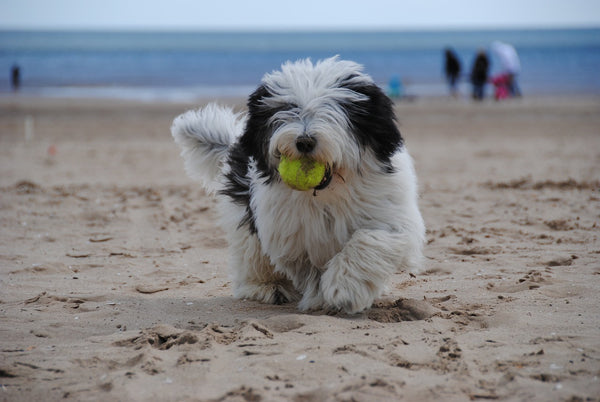
Beyond their working heritage and distinctive appearance, Polish Lowland Sheepdogs have earned devotion from their owners primarily through their qualities as companions. Their transition from farm workers to family members has been remarkably successful, highlighting the breed’s adaptability and inherent sociability. For households that can accommodate their moderate exercise needs and grooming requirements, PONs offer a blend of intelligence, loyalty, and characterful companionship that many find deeply rewarding. For more insights on similar breeds, consider reading about the Keeshond dog breed.
“Polish Lowland | Breed Guide | Scrumbles” from scrumbles.co.uk and used with no modifications.
Suitability as Companion Animals
Polish Lowland Sheepdogs excel as family companions for households prepared for their specific needs. Their intelligence and problem-solving abilities make them engaging daily companions, often surprising owners with their intuitive understanding of household routines and human emotions. Most PONs develop strong bonds with their entire family while typically forming a particularly close connection with their primary caregiver. This attachment manifests as loyalty rather than dependency, with most dogs maintaining confident independence while clearly preferring their family’s company.
In home environments, well-raised PONs typically display an admirable ability to self-regulate their energy levels. While they eagerly participate in active pursuits when invited, most settle contentedly during quiet periods—a valuable trait inherited from their farm heritage where working periods alternated with rest. This adaptability makes them more versatile house dogs than many high-drive working breeds that struggle to downshift from activity. However, this should not be mistaken for laziness; PONs require regular mental and physical engagement to prevent the development of problematic behaviors born from boredom.
Their natural watchfulness makes Polish Lowland Sheepdogs excellent alert dogs without the extreme reactivity some guard breeds display. Most develop an accurate sense of routine versus unusual occurrences, alerting to genuine disturbances while ignoring normal neighborhood activity after proper acclimation. This discernment, combined with their moderate size and generally measured responses, makes them well-suited to varied living situations including suburban neighborhoods where excessive barking or aggressive displays would create problems.
Interaction with Children and Other Pets
Polish Lowland Sheepdogs typically develop exceptional relationships with children when properly introduced and supervised. Their herding heritage has endowed them with protective instincts and remarkable patience, qualities that translate well to interactions with youngsters. Most PONs demonstrate an intuitive gentleness with smaller children while engaging more actively with older ones who can participate in play and training. Their natural vigilance often extends to watching over children, with many owners reporting their dogs positioning themselves strategically to monitor children’s activities—a behavior directly connected to their historical role as flock guardians.
“While inherently gentle with children they know, Polish Lowland Sheepdogs benefit from early, positive experiences with children of various ages. This socialization helps channel their protective instincts appropriately and teaches them to modulate their energy level based on a child’s size and behavior.” – Polish Lowland Sheepdog Club of America
Regarding other pets, Polish Lowland Sheepdogs generally coexist peacefully with household companions when properly introduced. Their herding background gives them a natural understanding of other animals, though this sometimes manifests as attempts to organize or control the movement of smaller pets. With household cats, most PONs develop respectful relationships when raised together, though their herding instincts may initially prompt them to chase unfamiliar cats. Fellow canines are usually readily accepted, especially when the PON has been well-socialized during puppyhood. Their moderate size and adaptable play style allow them to adjust their interaction approach based on their playmate’s size and temperament.
While generally cooperative with family pets, potential owners should note that Polish Lowland Sheepdogs may display stronger territorial behavior toward unfamiliar animals entering their perceived territory. This protective response typically manifests as alert barking rather than aggression but requires consistent training to establish appropriate boundaries. Early, positive experiences with diverse animals combined with clear guidance about acceptable interaction helps develop a well-adjusted adult dog capable of distinguishing between welcome animal visitors and potential threats.
Common Health Problems
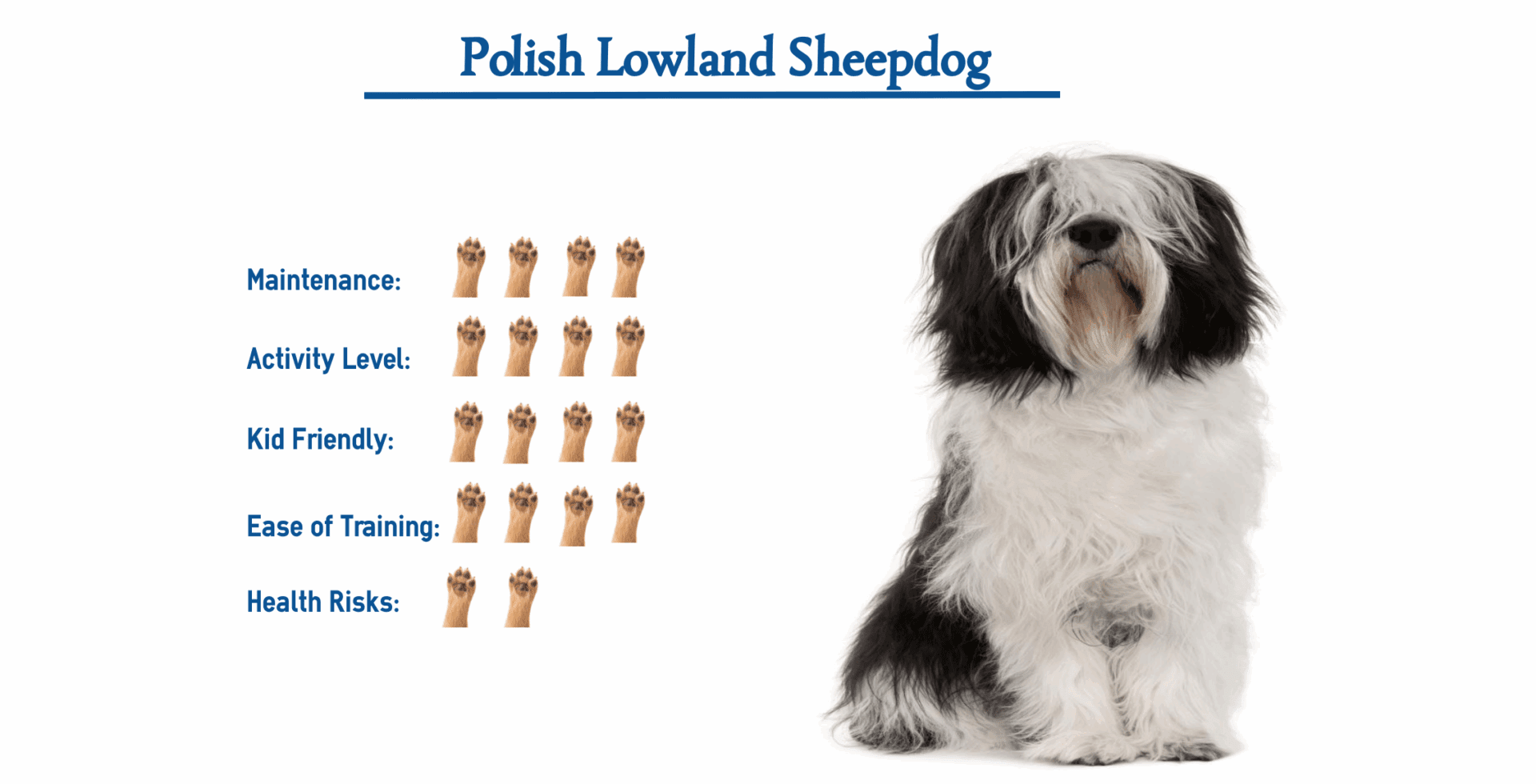
Like all purebred dogs, Polish Lowland Sheepdogs have certain genetic predispositions that prospective owners should understand. While generally considered a healthy breed with a lifespan averaging 12-14 years, responsible ownership includes awareness of potential health concerns. Fortunately, dedicated breeding practices focusing on health testing have helped reduce the incidence of many conditions, though vigilance remains important for maintaining the breed’s overall wellbeing.
Potential Genetic Conditions
Hip dysplasia represents one of the more significant health concerns in Polish Lowland Sheepdogs, though its prevalence has decreased through diligent screening programs. This developmental condition occurs when the hip joint forms improperly, leading to arthritis and mobility issues over time. Severity varies widely, with some dogs showing minimal symptoms while others require medical intervention. Environmental factors, including appropriate exercise during development and maintaining healthy weight, significantly influence the expression of this condition, even in genetically predisposed dogs.
Eye conditions deserve particular attention in the breed, with progressive retinal atrophy (PRA) and primary lens luxation (PLL) among the more serious concerns. PRA causes gradual deterioration of the retina, potentially leading to blindness, while PLL involves displacement of the eye’s lens, creating risk for secondary complications including glaucoma. Both conditions now have genetic tests available, allowing responsible breeders to identify carriers and plan breedings accordingly. Additionally, routine eye examinations by veterinary ophthalmologists help identify early signs of these and other ocular conditions before they progress significantly.
Thyroid dysfunction, particularly hypothyroidism, appears with somewhat higher frequency in Polish Lowland Sheepdogs than in the general canine population. This endocrine disorder results in insufficient thyroid hormone production, potentially causing symptoms including lethargy, weight gain, coat changes, and skin problems. Regular thyroid testing, particularly as dogs enter middle age when the condition most commonly develops, allows for early intervention with hormone replacement therapy, which typically manages the condition effectively. Prospective owners should verify that breeding dogs have undergone thyroid screening as part of comprehensive health testing protocols.
“Polish Lowland Sheepdog… Everything …” from indulgeyourpet.com and used with no modifications.
Preventative Care and Management
Proactive health management for Polish Lowland Sheepdogs begins with selecting puppies from health-tested parents and continues throughout life with appropriate preventative care. Establishing a relationship with a veterinarian familiar with the breed helps ensure that routine care addresses breed-specific concerns while providing general wellness support. Regular veterinary examinations—biannually for adult dogs and quarterly for seniors—facilitate early detection of developing issues, particularly important for conditions like hypothyroidism where subtle symptoms might otherwise be overlooked. For more insights on maintaining senior dogs’ health, consider reading about senior dog socialization to boost cognitive health and emotional well-being.
Maintaining appropriate weight proves especially crucial for Polish Lowland Sheepdogs predisposed to orthopedic conditions. The breed’s moderate appetite combined with their thick coat (which can obscure developing weight issues) requires owners to monitor body condition carefully and adjust nutrition accordingly. Regular exercise tailored to the dog’s age and physical condition supports joint health while preventing obesity, with particular attention to appropriate activity levels during puppyhood when skeletal development occurs. Most veterinarians recommend avoiding high-impact activities like jumping from heights until skeletal maturity at approximately 18-24 months. For insights into other breeds with specific care requirements, consider reading the Field Spaniel expert interview.
Dental care deserves special attention in the breed, as their facial structure and coat can predispose them to dental issues if neglected. Establishing regular tooth brushing (ideally daily, but minimally several times weekly) helps prevent periodontal disease and associated systemic health problems. Additionally, the PON’s distinctive coat requires regular inspection of skin condition, as their thick fur can conceal developing hot spots, parasites, or other dermatological issues. Incorporating skin and coat checks into grooming routines ensures early detection of potential problems before they escalate into serious conditions requiring extensive treatment. For more insights on grooming and care, consider this expert interview on Keeshond grooming.
Ideal Lifestyle and Owner
The Polish Lowland Sheepdog thrives in environments that honor both their working heritage and their adaptable nature. Finding the right match between this distinctive breed and potential owners requires honest assessment of lifestyle compatibility and commitment level. While PONs can adjust to various living situations, they do have specific needs that influence their wellbeing and behavior. For insights into similar breeds, consider reading an expert interview on the Keeshond dog breed. Understanding these requirements helps ensure successful placements and fulfilling relationships between these remarkable dogs and their humans.
Best Living Environment
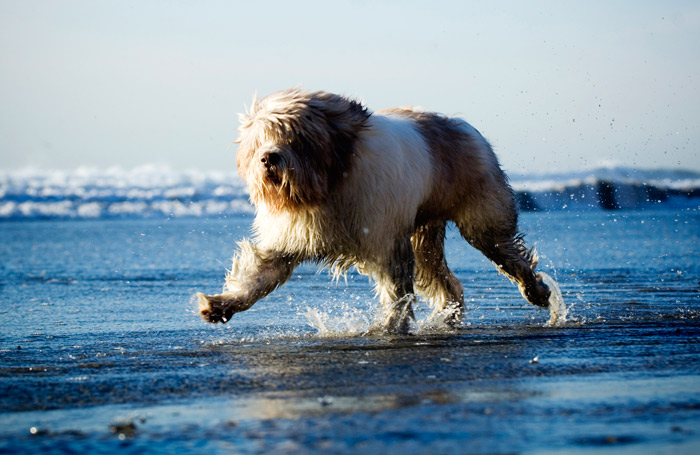
Polish Lowland Sheepdogs demonstrate remarkable adaptability to various living situations provided their exercise and mental stimulation needs are consistently met. While traditionally farm dogs, they adjust well to suburban and even urban environments when given appropriate outlets for their energy and intelligence. A securely fenced yard provides ideal opportunities for play and exploration, though it’s not strictly necessary for owners committed to regular walks and interactive activities. The breed’s moderate size and relatively controlled indoor behavior make apartment living feasible, though quieter settings generally better accommodate their watchdog tendencies and occasional vocalizations. For more information on this breed, check out this Polish Lowland Sheepdog guide.
Home environments that incorporate opportunities for mental engagement particularly suit the PON’s intelligent nature. Access to varied terrain for walks, rotating toys that challenge problem-solving abilities, and household routines that include the dog in appropriate activities all contribute to fulfillment. Many successful owners create designated observation posts where their dogs can monitor household activities and outside movements—satisfying the breed’s natural watchfulness while maintaining household order. This accommodation of instinctive behaviors often prevents development of problematic alternatives like excessive barking or destructive behaviors.
Climate considerations merit attention when evaluating living environments for Polish Lowland Sheepdogs. Their dense double coat provides excellent insulation in cold weather but can create challenges in hot, humid climates. Owners in warmer regions need appropriate cooling systems, scheduled activities during cooler hours, and vigilant monitoring for heat stress. Conversely, the breed’s cold-weather adaptability makes them excellent companions for those in northern climates, though their coat requires regular inspection for ice balls and salt residue during winter activities.
“Polish Lowland Sheepdog Breed …” from www.vetstreet.com and used with no modifications.
Characteristics of an Ideal Dog Owner
The ideal Polish Lowland Sheepdog owner combines appreciation for the breed’s heritage with practical commitment to meeting their needs. Successful PON owners typically demonstrate patience and consistency in training, recognizing that the breed’s independent problem-solving orientation requires thoughtful guidance rather than rigid obedience drilling. They understand that these dogs respond best to positive reinforcement methods that engage their intelligence while building cooperative relationships. This training approach extends throughout the dog’s life, with ongoing mental challenges that prevent boredom and nurture the PON’s natural desire to work collaboratively with their humans.
Grooming commitment represents another essential quality for prospective owners. Beyond the time investment of regular brushing sessions (typically 1-2 hours weekly), successful PON owners develop genuine interest in coat maintenance as part of their relationship with their dog. They view grooming as bonding opportunity rather than merely task completion, using these sessions to strengthen connection while monitoring overall physical condition. This perspective transforms what might otherwise feel burdensome into a meaningful aspect of the human-canine relationship, particularly important given the breed’s grooming requirements throughout their 12-15 year lifespan.
Perhaps most importantly, ideal owners appreciate the Polish Lowland Sheepdog’s distinctive personality without attempting to reshape it into something different. They value the breed’s watchful nature, problem-solving intelligence, and occasionally independent decision-making as characteristics to channel appropriately rather than traits to eliminate. Successful relationships develop when owners recognize these dogs as thinking partners rather than simply pets, acknowledging their cognitive abilities and emotional depth. This respectful approach typically yields remarkably loyal, engaged companions who bring their full capabilities to the human-canine partnership.
Conclusion
The Polish Lowland Sheepdog represents a fascinating combination of working heritage, distinctive appearance, and adaptable temperament that continues to captivate dog enthusiasts worldwide. From their ancient origins through near-extinction to their current status as beloved companions, PONs have demonstrated remarkable resilience and versatility. For those willing to accommodate their specific needs—particularly regarding grooming, exercise, and mental stimulation—these shaggy herders offer intelligence, loyalty, and characterful companionship that many owners find unmatched by other breeds. The relatively limited popularity of Polish Lowland Sheepdogs outside their homeland may actually benefit the breed by keeping them primarily in the hands of dedicated enthusiasts committed to preserving their distinctive qualities.
Final Insights on the Polish Lowland Sheepdog
The enduring appeal of the Polish Lowland Sheepdog lies not just in their distinctive appearance but in their remarkable capacity for partnership with humans. These dogs combine independence with profound loyalty, watchfulness with discernment, and working ability with adaptability in ways that reflect their centuries of development alongside human communities. Their successful transition from agricultural workers to beloved companions speaks to inherent temperamental qualities that transcend specific working contexts—intelligence, emotional sensitivity, and genuine desire for human connection.
For those considering adding a Polish Lowland Sheepdog to their family, thorough research and honest self-assessment remain essential. The breed’s moderate exercise requirements, significant grooming needs, and intelligent nature make them ideal companions for some households while potentially challenging for others. Connecting with breed clubs, attending dog shows where PONs are exhibited, and speaking with experienced owners provides valuable insights beyond written descriptions. This investment in understanding before acquisition helps ensure successful matches between these distinctive dogs and their future families, preserving the qualities that make Polish Lowland Sheepdogs both unique and beloved.
As we look to the future of this ancient breed, maintaining balance between preservation and adaptation presents ongoing challenges for dedicated enthusiasts. Preserving the health, working abilities, and distinctive character of Polish Lowland Sheepdogs while adapting to contemporary companion roles requires thoughtful breeding practices and educated ownership. When approached with appropriate commitment and understanding, these shaggy herders from Poland’s lowlands offer a rewarding partnership that honors their heritage while embracing their place in modern homes—a living connection to agricultural traditions transformed into deeply personal relationships between dogs and their humans.
Frequently Asked Questions (FAQ)
These frequently asked questions address common inquiries about Polish Lowland Sheepdogs, providing concise information for prospective owners and breed enthusiasts. While the answers offer general guidance, remember that individual dogs vary, and consulting with breed experts provides more personalized insights.
What makes the Polish Lowland Sheepdog unique?
The Polish Lowland Sheepdog stands out among herding breeds for its distinctive combination of traits. Their most immediately noticeable feature is the shaggy, abundant coat that gives them their characteristic appearance, often partially covering their expressive eyes. Beyond physical attributes, PONs possess exceptional intelligence coupled with an independent problem-solving approach—a legacy of their development as helpers that needed to make decisions while working with livestock. This combination of mental capabilities with their moderate size and adaptable energy levels creates a versatile companion suitable for various living situations when properly exercised and engaged. For those interested in learning about similar breeds, consider exploring the Keeshond dog breed, which also offers a unique blend of characteristics.
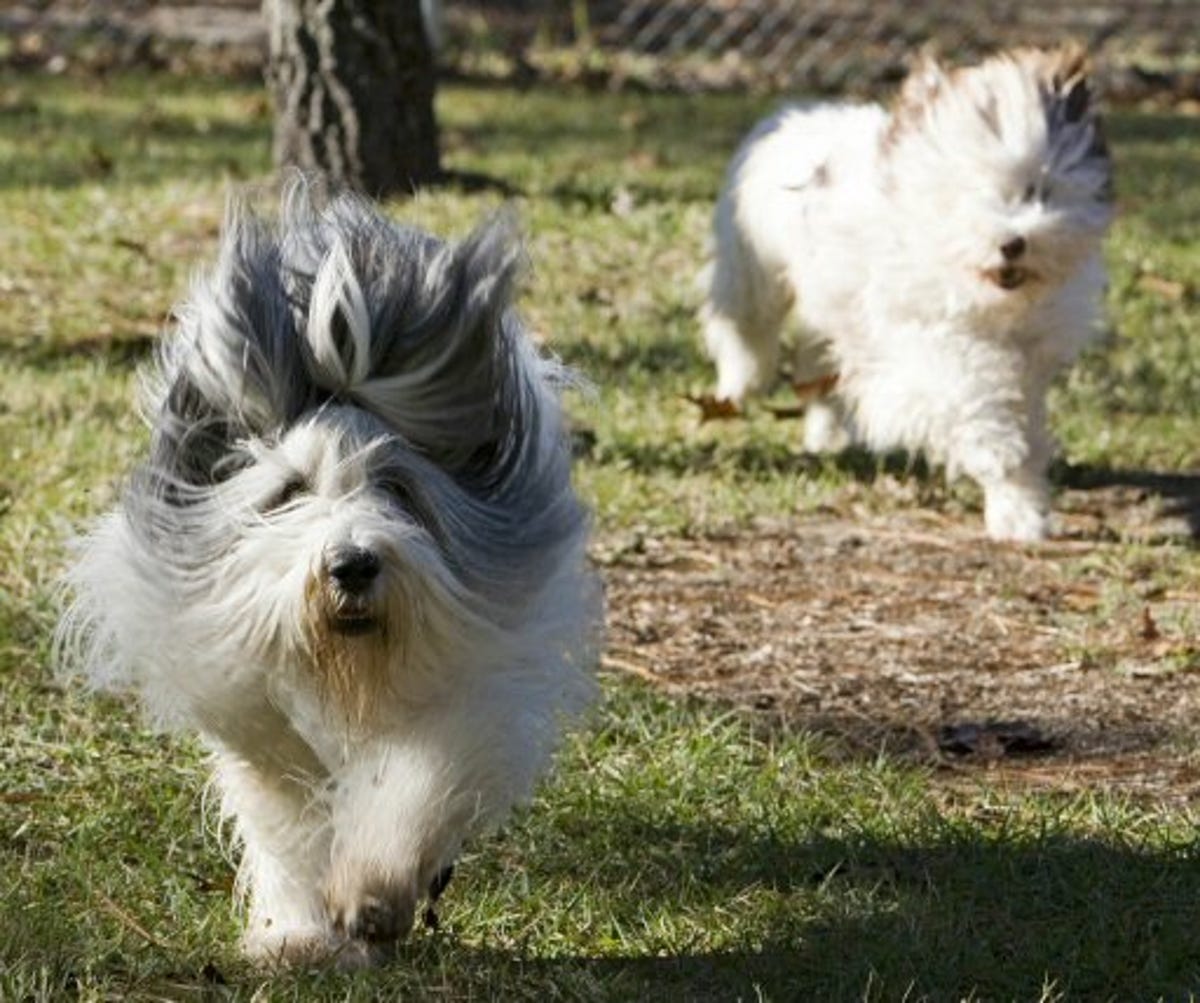
“Top dogs” from www.ocala.com and used with no modifications.
How much exercise does this breed require?
Polish Lowland Sheepdogs typically require moderate daily exercise—generally 30-60 minutes of physical activity supplemented with mental stimulation. Unlike some high-drive working breeds, PONs usually adapt well to varied exercise routines rather than demanding extreme physical outlets. Most thrive with a combination of brisk walks, interactive play sessions, and opportunities to engage their problem-solving abilities through training or puzzle toys.
Exercise needs vary somewhat between individual dogs and life stages. Puppies require multiple short activity periods that avoid high-impact movements while their skeletal system develops. Adult dogs typically maintain steady exercise requirements throughout middle age, while seniors may gradually reduce activity levels while still benefiting from regular, gentle movement. The breed’s adaptability allows them to adjust to different activity levels day-to-day, though they do best with consistent exercise routines.
Many owners find that Polish Lowland Sheepdogs excel in organized activities that combine physical exercise with mental challenges. Agility, herding trials, rally obedience, and tracking provide excellent outlets for their natural abilities while strengthening the human-canine bond. Even without formal competition, incorporating training elements into daily walks—practicing recalls, directional changes, or obstacle navigation—helps satisfy both physical and mental exercise requirements simultaneously. For more insights, consider reading this expert interview on the Brittany dog breed and their training activities.
|
Age Stage |
Exercise Requirements |
Considerations |
|---|---|---|
|
Puppy (3-12 months) |
Multiple short sessions (5-15 minutes) |
Avoid high-impact activities; focus on socialization |
|
Adolescent (1-2 years) |
30-45 minutes daily plus mental work |
Gradually increase duration; incorporate training |
|
Adult (2-7 years) |
30-60 minutes daily plus enrichment |
Consistent routine with variety in activities |
|
Senior (8+ years) |
20-40 minutes at moderate pace |
Adjust to individual capabilities; monitor for discomfort |
While consistent exercise remains important, one of the Polish Lowland Sheepdog’s most appreciated qualities is their ability to adapt their energy level to household activities. After appropriate exercise, most settle contentedly indoors, demonstrating the “off switch” that made them valuable farm companions who could transition between working periods and rest times. This adaptability makes them more versatile companions than some working breeds that maintain high energy regardless of activity provided.
Are Polish Lowland Sheepdogs good with kids?
“The natural protective instincts of Polish Lowland Sheepdogs often manifest as particular watchfulness over children in their family. This inherent tendency, when properly channeled through early positive experiences and clear boundaries, creates a special relationship between these dogs and the children they consider part of their ‘flock.’” – Veterinary Behaviorist specializing in herding breeds
Polish Lowland Sheepdogs typically develop excellent relationships with children when properly socialized from puppyhood. Their herding heritage has endowed them with protective instincts and remarkable patience that translate well to interactions with youngsters. Most PONs demonstrate natural gentleness with smaller children while engaging more actively with older ones who can participate in play and training. Their medium size—substantial enough to withstand occasional rough handling but not so large as to accidentally knock children over—contributes to successful integration into family settings with children of various ages.
For optimal relationships between Polish Lowland Sheepdogs and children, early positive experiences and clear boundaries benefit both parties. Teaching children appropriate interaction methods—respecting the dog’s space, avoiding rough handling of sensitive areas like ears and tail, and recognizing signs of canine discomfort—creates mutual respect that strengthens over time. Similarly, providing puppies and young dogs with supervised, positive encounters with children of different ages helps them develop appropriate interaction styles and confidence around unpredictable movements and sounds typical of younger children. For more insights on socializing dogs, check out our guide on senior dog socialization to boost cognitive health and emotional well-being.
While generally excellent with family children, Polish Lowland Sheepdogs sometimes display reserved behavior with unfamiliar children until proper introductions occur. This watchfulness represents protective instinct rather than aggression, but proper socialization helps ensure appropriate responses to visiting children. As with all dog-child interactions, adult supervision remains essential regardless of the breed’s reputation for gentleness, both for safety and to reinforce positive interaction patterns that benefit both the child’s development and the dog’s social confidence.
What is the cost of owning a Polish Lowland Sheepdog?
The initial purchase price for a Polish Lowland Sheepdog from a reputable breeder typically ranges from $1,500-$3,000, reflecting the breed’s relative rarity and the extensive health testing ethical breeders conduct. This upfront cost represents only the beginning of the financial commitment, as ongoing expenses include premium nutrition ($50-$80 monthly), routine veterinary care ($500-$800 annually), and professional grooming ($80-$150 per session every 6-8 weeks unless owners learn to groom themselves). Additionally, training classes, equipment, toys, preventative medications, and occasional boarding services contribute to total ownership costs estimated between $1,800-$3,600 annually throughout the dog’s 12-15 year lifespan.
Potential owners should also budget for possible healthcare contingencies beyond routine care. While generally healthy when properly bred, Polish Lowland Sheepdogs can experience conditions requiring specialized veterinary intervention, including orthopedic issues, eye conditions, or thyroid dysfunction. Creating an emergency fund of $1,500-$2,000 or investing in comprehensive pet insurance ($40-$100 monthly depending on coverage levels) provides financial preparation for unexpected medical needs. This proactive financial planning ensures owners can make medical decisions based on the dog’s best interests rather than immediate budgetary constraints.
How do I find a reputable breed rescue for this dog?
Finding a reputable Polish Lowland Sheepdog breed rescue begins with contacting national breed clubs such as the Polish Lowland Sheepdog Club of America or equivalent organizations in other countries. These clubs typically maintain breeder referral services and adhere to ethical standards regarding health testing and socialization practices. Attending dog shows where the breed is exhibited provides another excellent opportunity to meet reputable breeders and observe their dogs’ temperament and appearance in person. Regardless of the initial contact method, expect a thorough interview process from responsible breeders who prioritize appropriate placements over quick sales.
When evaluating potential breeders, look for comprehensive health testing appropriate to the breed, including hip evaluations (OFA or PennHIP), eye examinations by veterinary ophthalmologists (CERF/OFA), and thyroid testing. Reputable breeders readily share these results and discuss both the strengths and potential genetic concerns in their breeding program with transparency. Additionally, ethical breeders provide clean, stimulating environments for their dogs, limit breeding frequency to ensure proper care for each litter, and offer ongoing support throughout the dog’s life. Most maintain waiting lists rather than having puppies immediately available, as they breed selectively rather than commercially.
How do they compare to sheepdogs from other countries? Are they among the most popular dog breeds in Poland?
Compared to other herding breeds, Polish Lowland Sheepdogs occupy a distinctive middle ground in terms of size, coat type, and working style. They’re typically smaller and more adaptable to companion life than Border Collies or Australian Shepherds, while showing more independent problem-solving ability than breeds like Shetland Sheepdogs. Their coat maintenance requirements exceed those of smooth-coated herding breeds but remain more manageable than the corded coats of Komondors or Pulis. This balanced combination of traits makes them particularly suitable for owners seeking working-breed intelligence without extreme exercise requirements or specialized management needs.
In their native Poland, Polish Lowland Sheepdogs maintain consistent popularity, typically ranking among the top twenty registered purebred dogs despite competition from internationally popular breeds. They hold special status as one of only five officially recognized native Polish dog breeds, receiving particular attention at national dog shows and cultural exhibitions. This prominence reflects both their practical virtues as adaptable companions and their cultural significance as living representatives of Poland’s agricultural heritage. The breed enjoys more widespread recognition throughout Poland than in most other countries, where they remain relatively uncommon outside dedicated enthusiast circles.
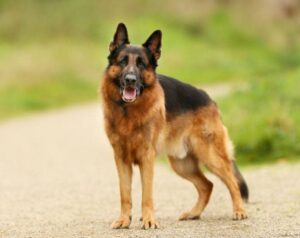
While not achieving the numerical dominance of globally popular breeds like Retrievers or German Shepherds, the Polish Lowland Sheepdog’s enduring presence in their homeland speaks to their successful adaptation from working farm dogs to contemporary companions. Their controlled international distribution has largely benefited the breed by keeping breeding decisions primarily in the hands of knowledgeable enthusiasts committed to maintaining their distinctive characteristics rather than modifying them to suit mass-market preferences. This thoughtful preservation approach ensures that today’s Polish Lowland Sheepdogs remain true to the balanced, versatile character that has sustained the breed through centuries of agricultural change and cultural evolution.