Key Takeaways
- Portuguese Water Dogs are intelligent, athletic working dogs with a hypoallergenic coat that requires regular maintenance.
- The breed gained significant popularity after being chosen by the Obama family, though they had a rich working history dating back to ancient Portugal.
- Expect to invest $2,000-$3,000 for a Portuguese Water Dog puppy, plus significant time for exercise, mental stimulation, and grooming.
- While excellent family companions, “Porties” need consistent training to manage their high energy and intelligence to prevent behavioral issues.
- These dogs thrive with active owners who can provide at least 60 minutes of daily exercise and appreciate their unique blend of playfulness and work ethic.
Insights into the Portuguese Water Dog
The Portuguese Water Dog, often affectionately called a “Portie,” represents one of the most fascinating working breeds with a heritage deeply connected to maritime life. These intelligent, athletic dogs have served alongside Portuguese fishermen for centuries, retrieving lost equipment, herding fish into nets, and acting as messengers between ships and shore. Their webbed feet and water-resistant coat tell the story of a breed purposefully developed for an aquatic working life.
In recent decades, these remarkable dogs have transitioned from fishing vessels to family homes, capturing the hearts of dog enthusiasts worldwide. Their sudden rise to fame came when the Obama family welcomed Bo and later Sunny to the White House, introducing millions to this once-obscure breed. However, beyond their presidential connections lies a dog with exceptional qualities that merit consideration for the right households.

“Best Portuguese Water Dog Posts – Reddit” from www.reddit.com and used with no modifications.
Brief Overview of the Portuguese Water Dog
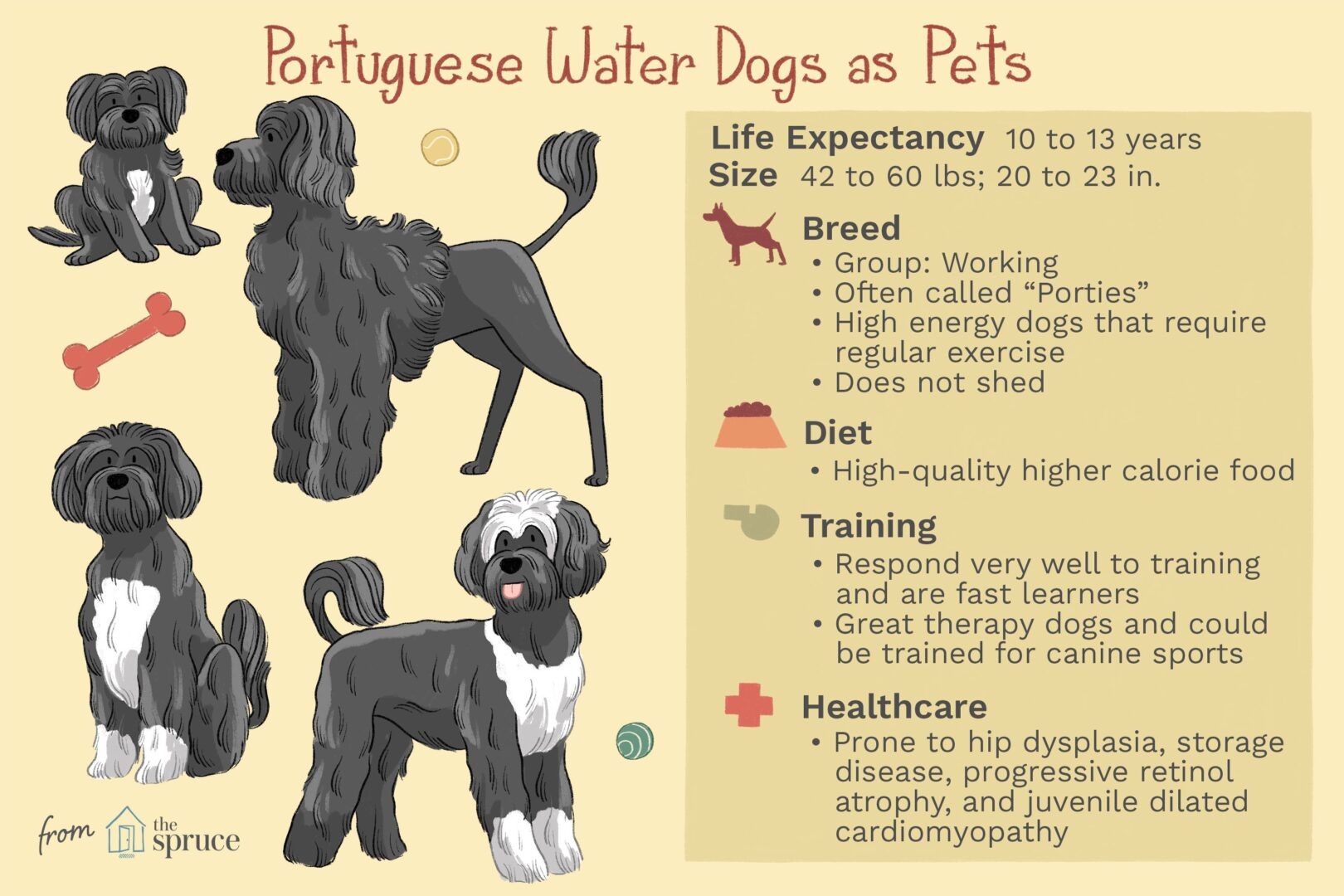
Portuguese Water Dogs belong to the working group, standing between 17-23 inches tall and weighing 35-60 pounds, with males typically larger than females. Their most distinctive feature is their profuse, curly or wavy coat that comes in black, white, brown, or combinations with white markings. Unlike many working breeds, Porties have a single-layer coat that grows continuously and requires regular grooming to prevent matting. These medium-sized dogs combine robustness with agility, carrying themselves with a dignified yet playful demeanor that reflects both their working heritage and companion nature.
With a lifespan averaging 10-14 years, Portuguese Water Dogs bring energy and enthusiasm well into their senior years. They’re renowned for their intelligence, ranking among the top breeds for trainability and problem-solving abilities. This intelligence, however, comes with a requirement for mental stimulation – a bored Portie can quickly become a creative troublemaker. Their expressive eyes and alert ears communicate a remarkable awareness of their surroundings, while their muscular build supports their natural athletic abilities. For those interested in exploring similar breeds, the Setter dog breeds are also known for their intelligence and athleticism.
“Portuguese Water Dog: Dog Breed …” from www.thesprucepets.com and used with no modifications.
Unique Traits and Characteristics
What truly sets Portuguese Water Dogs apart is their remarkable versatility combined with their distinct personality traits. Unlike many working breeds that may be aloof with strangers, Porties typically maintain an open, friendly disposition while remaining attentive to their families. Their non-shedding coat qualifies them as hypoallergenic, making them accessible to many families with allergies, though no dog is truly 100% allergy-free. Perhaps most distinctive is their unique relationship with water – most Porties display an almost magnetic attraction to any water source, from puddles to oceans, swimming with natural proficiency.
The breed exhibits a fascinating balance of independence and devotion. Their working heritage instilled self-reliance and decision-making abilities, yet they form extraordinarily strong bonds with their human families. This creates a dog that can problem-solve on its own but deeply desires to please its people. Another distinctive trait is their vocalness – Portuguese Water Dogs have an extensive “vocabulary” of sounds beyond simple barking, using different tones and sounds to communicate various needs and observations. This intelligence extends to their remarkable ability to read human emotions, making them exceptionally attuned to their owners’ moods and needs.
Portuguese Water Dog at a Glance
Origin: Portugal
Group: Working
Size: Medium (35-60 pounds)
Coat: Curly or wavy, hypoallergenic
Colors: Black, brown, white, or combinations with white markings
Temperament: Intelligent, active, loyal, water-loving
Exercise Needs: High (60+ minutes daily)
Training: Highly trainable but requires consistency
Lifespan: 10-14 years
Reasons Behind Popularity Among Dog Enthusiasts
The Portuguese Water Dog’s rise in popularity stems from several compelling qualities that appeal to modern dog owners. Their hypoallergenic coat opens doors for allergy-sensitive families who previously couldn’t consider dog ownership. This feature alone has drawn countless enthusiasts to the breed, though potential owners should always spend time with Porties before assuming complete allergy compatibility. Additionally, their intelligence and trainability make them exceptional candidates for various dog sports and activities, from agility and obedience to therapy work and water retrieval competitions.
Another significant draw is their adaptability – while they thrive with active families, Portuguese Water Dogs can adjust to different living situations when their exercise and mental stimulation needs are met. They possess a remarkable capacity to be both serious working partners and playful companions, often displaying a sense of humor that owners describe as almost human-like. Many enthusiasts also appreciate their moderate size – substantial enough to be robust but not so large as to be unwieldy in typical homes. This combination of intelligence, adaptability, and personality creates a dog that can truly become an integrated family member rather than just a pet.
Portuguese Water Dog Nickname and History
The endearing nickname “Portie” originated within breed enthusiast circles as a natural shorthand for these charismatic dogs. The affectionate diminutive reflects both the breed’s Portuguese heritage and the close bond owners develop with these engaging companions. The nickname has become so widely adopted that even breed clubs and organizations often use it in informal communications, cementing its place in the breed’s modern identity. While some purists might prefer the full breed name, “Portie” has undeniably become part of the cultural lexicon surrounding these remarkable dogs.
Origin and Ancestry
The Portuguese Water Dog’s history stretches back at least 700 years along Portugal’s coast, though some evidence suggests their ancestry may extend even further. These dogs developed in relative isolation, with fishermen selectively breeding for the traits that made them valuable maritime working partners – swimming ability, intelligence, stamina, and trainability. Genetic studies suggest connections to other European water dogs, particularly the Barbet and Poodle, though the Portuguese variety developed its own distinct characteristics through centuries of specialized breeding. The earliest written record of the breed appears in a monk’s account from 1297, describing a dog that saved a drowning sailor – an aptitude for water rescue that remains ingrained in the breed today. For more insights, you can read an expert interview on dog breeds.
“Portuguese Water Dog Dog Breed Information” from www.akc.org and used with no modifications.
Significance of the “Portie” Nickname
The nickname “Portie” has become more than just a convenient shorthand—it represents the affectionate relationship between these dogs and their devoted owners. This term of endearment captures the breed’s playful nature and the close bonds they form with their families. When Portuguese Water Dog enthusiasts gather at dog shows or breed-specific events, you’ll hear “Portie” used frequently, creating an immediate sense of community among owners who share a passion for these remarkable dogs.
Historical Roles and Tasks
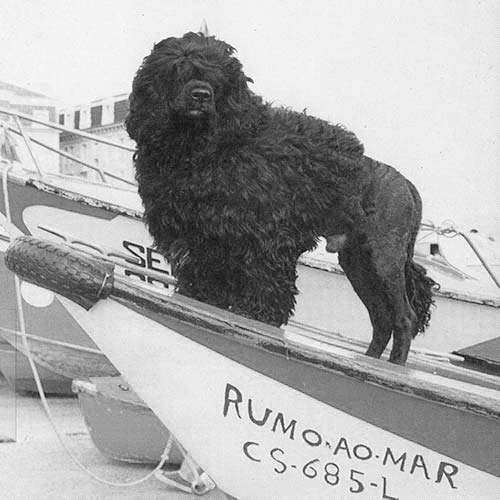
Portuguese Water Dogs served as indispensable crew members aboard fishing vessels along Portugal’s coast for centuries. These versatile working dogs performed multiple crucial tasks that contributed significantly to the success of fishing expeditions. They would swim between boats delivering messages and retrieving lost fishing equipment from the cold Atlantic waters. Perhaps most impressively, they helped herd fish into nets and prevented them from escaping—a testament to their intelligence and trainability. This maritime heritage explains their exceptional swimming abilities, water-resistant coat, and strong work ethic that persists in modern Porties.
By the early 20th century, modernization of the fishing industry nearly drove Portuguese Water Dogs to extinction as their traditional roles became obsolete. The breed was saved largely through the efforts of a wealthy Portuguese shipping magnate, Dr. Vasco Bensaude, who began a careful breeding program in the 1930s. His work preserved this living piece of Portugal’s maritime history, allowing the breed to transition from working boats to family homes without losing their distinctive characteristics. Today’s Portuguese Water Dogs still carry the genetic memory of their working heritage, which manifests in their love for water-based activities and their desire to have meaningful jobs within the family structure. For more insights into similar breeds, check out this Field Spaniel expert interview.
Cost and Breed Specifications
Bringing a Portuguese Water Dog into your home represents a significant financial investment beyond just the initial purchase price. While puppies typically cost between $2,000 and $3,000 from reputable breeders, prospective owners should budget for regular professional grooming sessions ($80-$120 every 6-8 weeks), quality food for an active breed, preventative veterinary care, and potential health screenings for breed-specific conditions. The lifetime cost of owning a Portie can easily exceed $15,000, not including any unexpected medical expenses. This financial reality means these dogs are often found in middle to upper-income households where such expenses can be comfortably accommodated.
“Portuguese Water Dog Breed Information …” from premierpups.com and used with no modifications.
Physical Characteristics and Size
Portuguese Water Dogs possess a distinctive appearance that combines functionality with a certain dignified elegance. Males stand 20-23 inches at the shoulder and weigh 42-60 pounds, while females measure 17-21 inches and weigh 35-50 pounds. Their robust, muscular build reflects their working heritage, with proportions designed for both power and agility in water. Their heads are distinctively rounded with a defined stop, medium-length muzzle, and expressive almond-shaped eyes that convey their remarkable intelligence and emotional sensitivity. For more details on their characteristics, visit this Portuguese Water Dog breed information.
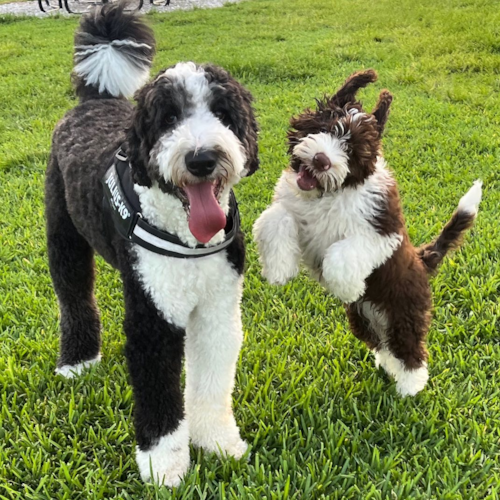
The breed’s coat comes in two distinct varieties: the more common curly coat with compact, cylindrical curls, and the wavy coat which forms gentle waves. Both coat types grow continuously and are considered hypoallergenic, though regular maintenance is essential to prevent matting. Portuguese Water Dogs come primarily in black, various shades of brown, white, or combinations featuring white markings. One distinctive feature is their traditional lion clip, where the hindquarters and muzzle are shaved while maintaining fuller fur on the front half of the body—a practical style originated by fishermen to reduce drag while swimming while maintaining warmth for vital organs. For more insights on dog grooming, you might find this Brittany dog breed expert interview informative.
Average Costs and Considerations
The purchase price of a Portuguese Water Dog puppy from a reputable breeder typically ranges from $2,000 to $3,000, with show-quality or dogs from exceptional lineages commanding even higher prices. This relatively high cost stems from several factors: the breed’s relative rarity, the extensive health testing responsible breeders conduct on parent dogs, proper prenatal and puppy care, and the breeder’s investment in maintaining breed standards. Adopting an adult Portie from breed-specific rescue organizations presents a more affordable option, usually ranging from $300-$700, though these opportunities are less common due to the breed’s popularity and owners’ tendency to maintain lifelong commitments to these dogs.
Beyond acquisition costs, prospective owners should prepare for significant ongoing expenses. Professional grooming every 6-8 weeks costs $80-$120 per session, though some owners learn to perform basic maintenance themselves to reduce this expense. High-quality food for an active, medium-sized dog typically costs $50-$70 monthly. Preventative veterinary care, including regular checkups, vaccinations, parasite prevention, and dental care, adds approximately $500-$800 annually. Potential owners should also budget for training classes, appropriate toys, and possibly pet insurance to offset unexpected medical expenses for breed-specific health concerns.
Lifespan and Health Considerations
Portuguese Water Dogs generally enjoy relatively good health with a lifespan of 10-14 years. However, like all purebred dogs, they have several breed-specific health concerns that prospective owners should understand. Hip dysplasia affects many medium to large breeds, including Porties, making hip evaluations for breeding dogs essential. Progressive Retinal Atrophy (PRA) and cataracts can occur in the breed, potentially leading to vision impairment or blindness. Another significant concern is storage disease GM1, a fatal neurological condition that can be screened for genetically.
Other health issues that appear with some frequency include juvenile cardiomyopathy, a serious heart condition; Addison’s disease, which affects adrenal function; and various skin conditions that may be exacerbated by their dense coat. Responsible breeding practices have helped reduce the incidence of these conditions, which is why purchasing from breeders who conduct appropriate health testing is crucial. A quality breeder will provide documentation of testing for hip dysplasia (OFA or PennHIP), eye examinations (CERF), cardiac evaluations, and genetic testing for GM1 storage disease. Careful attention to these health considerations can help ensure your Portuguese Water Dog remains an active, engaged family member throughout its lifespan.
Grooming, Training, and Housebreaking
Owning a Portuguese Water Dog means committing to a comprehensive care regimen that addresses their unique physical and mental needs. These dogs thrive with consistent routines and clear expectations, making regular grooming sessions, structured training, and thorough housebreaking essential components of responsible ownership. The investment in proper care during the first year of life sets the foundation for a well-adjusted adult dog that will be a joy to live with for many years to come.
“Alberta Portuguese Water Dog Club” from www.apwdc.com and used with no modifications.
Hypoallergenic Coat and Grooming Needs
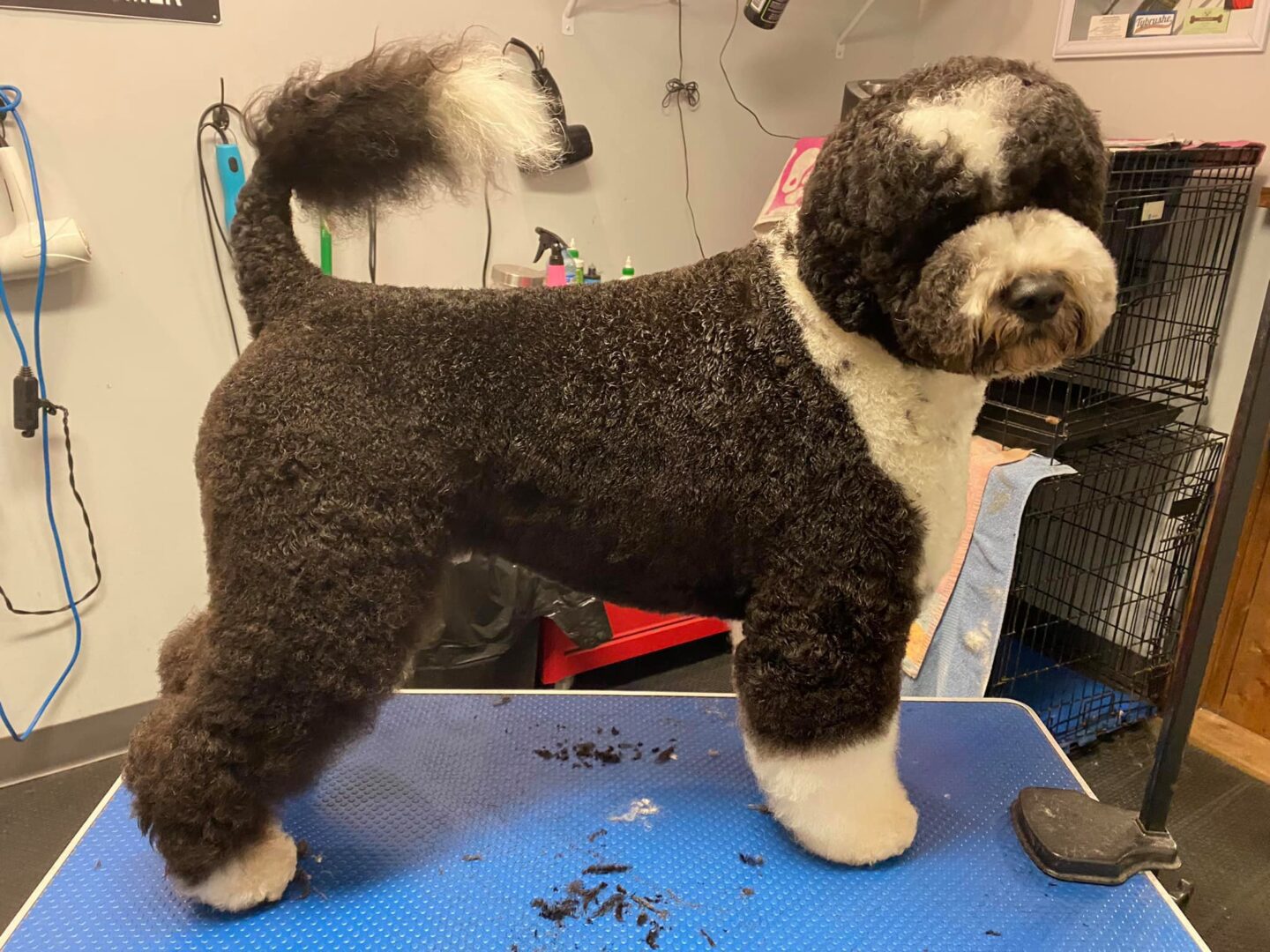
The Portuguese Water Dog’s hypoallergenic coat is among its most distinctive features, but it comes with significant maintenance requirements. Unlike double-coated breeds that shed seasonally, Porties have hair that grows continuously, similar to human hair. This continuous growth means minimal shedding but requires regular trimming every 6-8 weeks to maintain a manageable length. Without proper grooming, their coat quickly becomes matted, which can cause skin irritation and discomfort. Professional grooming typically includes a full bath, blow-dry, and trim, with many owners opting for either the traditional “lion clip” (shaved hindquarters and muzzle) or the more modern “retriever clip” (uniform length all over).
“Dog Art Today: Porties for Obama Art” from dreamdogsart.typepad.com and used with no modifications.
Teddy Kennedy & Obama
The Portuguese Water Dog’s association with prominent political figures began with Senator Ted Kennedy, who owned three Porties named Splash, Sunny, and Cappy. Kennedy’s love for the breed stemmed from their compatibility with his sailing lifestyle and their hypoallergenic qualities, which accommodated his wife’s allergies. When the Obama family sought a hypoallergenic dog suitable for daughter Malia’s allergies, Kennedy suggested the breed. This recommendation ultimately led to Bo, and later Sunny, becoming the first Portuguese Water Dogs to reside in the White House. For more insights on dog breeds, check out this Field Spaniel dog breed expert interview.
Comparison with Other Water Dogs
The canine world features several notable water dog breeds, each developed for specific aquatic purposes in different regions. Portuguese Water Dogs share their working heritage with breeds like Standard Poodles, Spanish Water Dogs, Irish Water Spaniels, and Lagotto Romagnolos. While these breeds all excel in water-related activities, they differ significantly in temperament, appearance, and specific working styles that reflect their distinct historical development.
Similarities and Differences
|
Breed |
Size |
Coat Type |
Temperament |
Exercise Needs |
|---|---|---|---|---|
|
Portuguese Water Dog |
Medium (35-60 lbs) |
Curly or wavy, non-shedding |
Energetic, intelligent, social |
High |
|
Standard Poodle |
Medium-large (40-70 lbs) |
Curly, non-shedding |
Dignified, intelligent, trainable |
Moderate-high |
|
Spanish Water Dog |
Medium (31-49 lbs) |
Curly, corded |
Reserved, hardworking, protective |
High |
|
Irish Water Spaniel |
Medium-large (45-65 lbs) |
Dense curls, water-repellent |
Playful, hardworking, alert |
Very high |
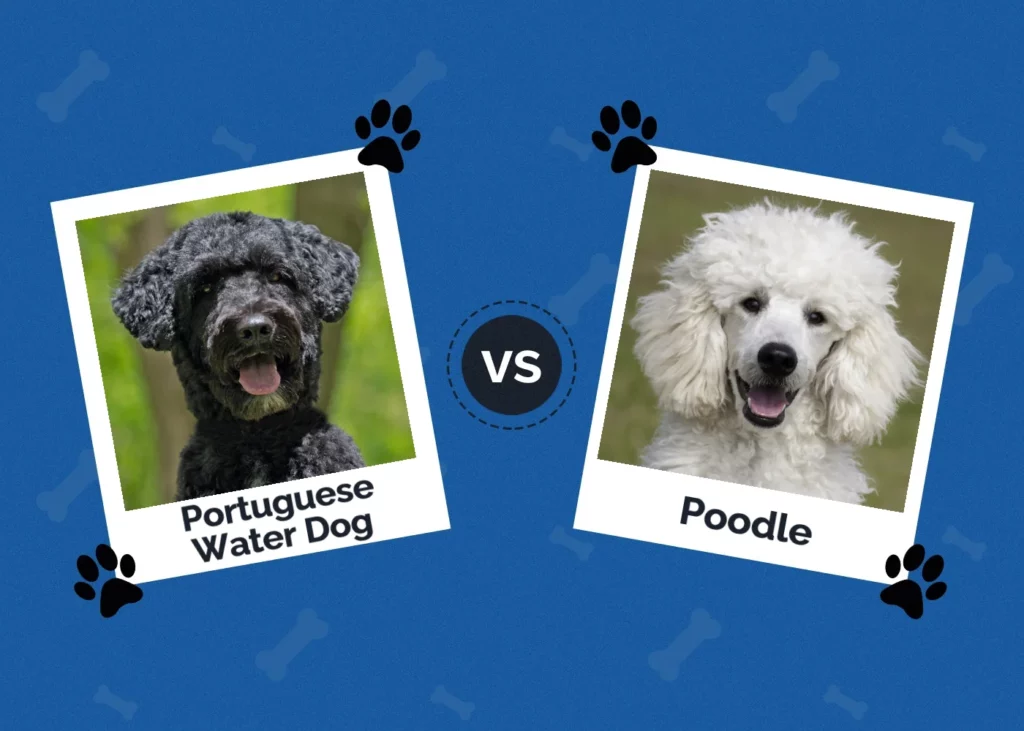
Portuguese Water Dogs and Standard Poodles share perhaps the closest relationship, with genetic studies suggesting common ancestry. Both breeds feature non-shedding, hypoallergenic coats and exceptional intelligence. However, Poodles typically exhibit a more reserved, dignified demeanor compared to the often boisterous Portie. Poodles also come in three size varieties, while Portuguese Water Dogs maintain a consistent medium size.
“Spanish vs Portuguese Water Dog: The …” from articles.hepper.com and used with no modifications.
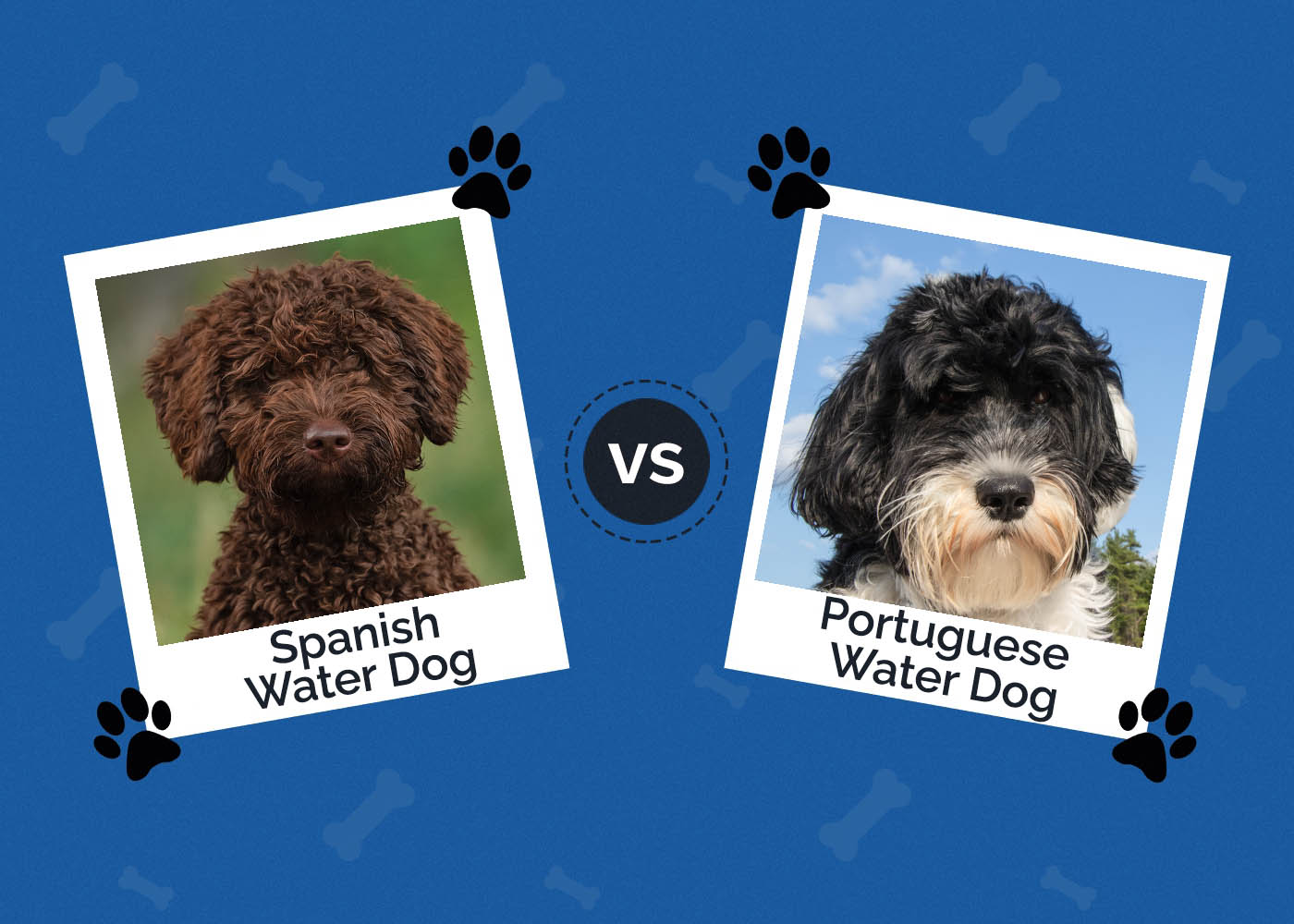
Spanish Water Dogs share many physical characteristics with Porties but tend to be more reserved with strangers and have stronger herding instincts. Their coat is typically maintained in cords rather than the trimmed appearance preferred for Portuguese Water Dogs. While both breeds are hardworking and intelligent, Spanish Water Dogs often display more guardian tendencies, making them somewhat less approachable in public settings.
Irish Water Spaniels stand apart with their distinctive rat-tail and liver-colored coat. These dogs typically require even more exercise than Portuguese Water Dogs and were developed primarily for retrieving waterfowl rather than the multipurpose maritime work of Porties. Their hunting heritage gives them a different working style, often showing more independence and prey drive.
“Dogs similar to portuguese water dog …” from www.sellercircle.co.uk and used with no modifications.
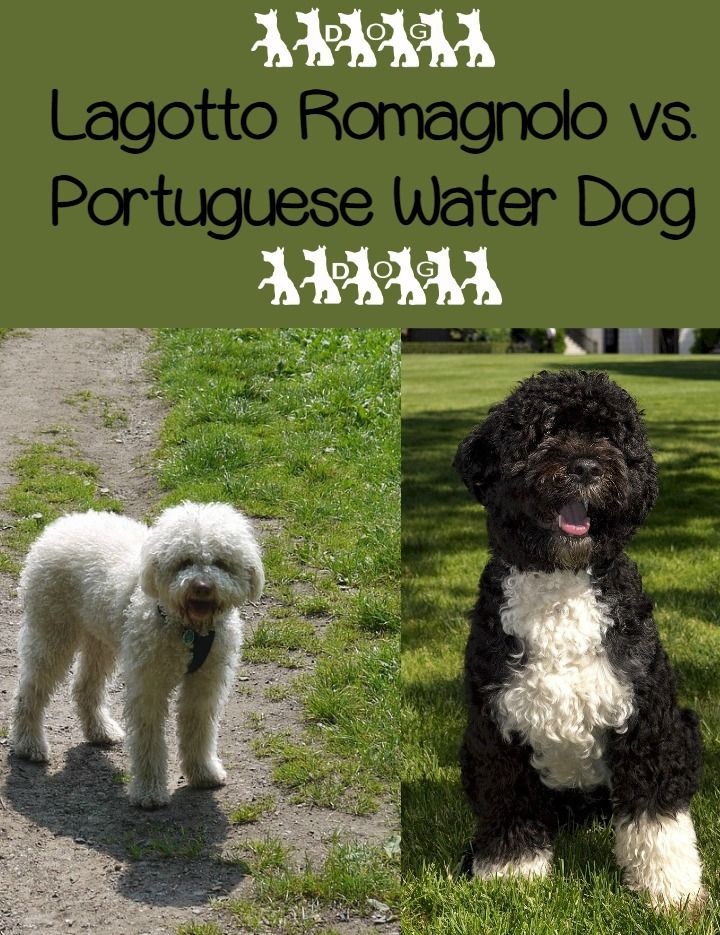
Lagotto Romagnolos, though similar in appearance to small Portuguese Water Dogs, were developed specifically for truffle hunting in Italy. They tend to be less water-oriented than Porties despite their water dog classification and often display a more focused, scent-driven work ethic rather than the versatile skill set of Portuguese Water Dogs.
Unique Traits of Portuguese Water Dogs
Among water dog breeds, Portuguese Water Dogs stand out for their remarkable versatility. While other water dogs typically specialized in specific tasks like retrieving game or herding livestock near water, Porties developed as maritime multi-taskers. Their historical responsibilities included swimming messages between boats, retrieving lost equipment, herding fish into nets, and even acting as living foghorns by barking to signal boats in poor visibility. This adaptability has translated to modern life, where Porties excel in numerous canine sports and working roles from therapy to search and rescue.
Another distinguishing characteristic is the Portuguese Water Dog’s exceptional bond with humans. While all water dogs are generally trainable, Porties demonstrate an unusual level of attunement to human emotions and needs. This sensitivity makes them particularly effective as therapy and service dogs despite not being traditionally bred for these roles. Their facial expressiveness and communication style often strike owners as almost human-like, creating relationships that transcend typical owner-pet dynamics.
Comparative Analysis: Strengths and Weaknesses
When considering water dog breeds, Portuguese Water Dogs offer several distinct advantages. Their medium size makes them more manageable in diverse living situations than larger water breeds like Newfoundlands or Irish Water Spaniels. Their playful disposition typically makes them more approachable and sociable than the more reserved Spanish Water Dog. For families seeking an active companion, Porties generally provide a better balance of energy and trainability than the highly driven hunting water breeds. Their adaptability to various household compositions also exceeds that of more handler-focused breeds like the Lagotto Romagnolo.
However, Portuguese Water Dogs may not be ideal for everyone. Their exuberance and physical strength can be challenging for inexperienced dog owners or those seeking a calmer companion. Standard Poodles often provide a more measured energy level while maintaining similar intelligence and hypoallergenic qualities. For those specifically interested in hunting companions, breeds like the Irish Water Spaniel offer more specialized retrieving instincts. Potential owners should carefully consider these comparative strengths and weaknesses against their lifestyle and expectations before committing to any water dog breed.
Conclusion
The Portuguese Water Dog represents a fascinating blend of working heritage and companion qualities that have enabled it to transition successfully from fishing boats to family homes. Their intelligence, versatility, and distinctive appearance have earned them devoted fans worldwide, from everyday dog enthusiasts to presidential families. However, this remarkable breed is not for everyone. The same qualities that make them exceptional companions for active, engaged owners—intelligence, energy, and strong personalities—can become liabilities in homes unprepared for their needs.
Prospective owners should approach Portuguese Water Dog ownership with clear eyes about the commitment involved. These dogs require consistent training, regular grooming, abundant exercise, and meaningful engagement to thrive. When these needs are met, few breeds offer the same combination of loyalty, capability, and joy. The right match between a Portuguese Water Dog and its family creates a partnership that exemplifies the unique bond humans can form with canines—a working relationship transformed into profound companionship. For insights into another breed, consider reading this Brittany dog breed expert interview.
“6 Reasons Why Portuguese Water Dogs Are …” from neaterpets.com and used with no modifications.
Final Thoughts on Owning a Portuguese Water Dog
If you’re considering welcoming a Portuguese Water Dog into your life, begin by honestly assessing your lifestyle, resources, and expectations. These dogs thrive in active households where they can participate in family activities and receive both physical exercise and mental stimulation. Their intelligence demands engagement—simple companionship is not enough for these thinking dogs who need problems to solve and tasks to accomplish. From formal training activities to interactive play, Porties need their minds exercised as thoroughly as their bodies.
The financial commitment extends beyond the initial purchase price to include quality nutrition, preventative healthcare, training, and regular professional grooming. These costs reflect the reality that Portuguese Water Dogs are specialized animals with specific needs, not casual pets. Finding a reputable breeder who conducts appropriate health testing represents another crucial step in responsible ownership, as does researching the breed thoroughly before commitment.
For the right owners—those with active lifestyles, appreciation for intelligent canine companionship, and willingness to meet the breed’s needs—Portuguese Water Dogs offer an incomparable partnership. Their capacity for work, play, and emotional connection creates relationships of remarkable depth and satisfaction. Whether participating in dog sports, serving as therapy dogs, or simply sharing daily adventures with their families, these historic working dogs continue to demonstrate the extraordinary possibilities of the human-canine bond.
Frequently Asked Questions
- Are Portuguese Water Dogs suitable for first-time dog owners?
- Do Portuguese Water Dogs get along with cats and other pets?
- How much do Portuguese Water Dogs shed?
- What are common health issues in Portuguese Water Dogs?
- Are Portuguese Water Dogs good family dogs with children?
Are Portuguese Water Dogs truly hypoallergenic?
Portuguese Water Dogs are considered hypoallergenic, but no dog is completely allergen-free. Their non-shedding coat produces fewer allergens than many breeds, making them suitable for many allergy sufferers. However, allergic reactions vary by individual, as people react to different proteins found in dog saliva, urine, and dander—not just fur. Before bringing a Portie home, allergy sufferers should spend significant time with the breed to test their personal reactions. Many breeders accommodate such visits specifically to help potential owners determine compatibility. Regular grooming, bathing, and home cleaning routines can further reduce allergen levels for sensitive individuals.
How much exercise does a Portuguese Water Dog need?
Portuguese Water Dogs require significant daily exercise—typically a minimum of 60 minutes of active engagement. This should include vigorous activities like swimming, running, or playing fetch, not just leashed walks. Their working heritage has created a dog with substantial energy reserves that need appropriate outlets to prevent behavioral problems. Without adequate physical exercise, Porties often develop destructive habits or excessive barking as they seek ways to expend their energy.
Equally important is mental exercise. Portuguese Water Dogs need problem-solving opportunities and learning experiences to satisfy their intelligent, working minds. Activities like agility training, obedience competition, scent work, or structured training games provide the cognitive challenges these dogs crave. Many owners find that a combination of physical exercise and mental challenges creates the ideal balance for maintaining a well-adjusted Portuguese Water Dog.
Can Portuguese Water Dogs be left alone for long periods?
Portuguese Water Dogs generally do not thrive when regularly left alone for extended periods. Their social nature and strong bonds with their families make isolation particularly challenging for this breed. Young Porties especially struggle with solitude and may develop separation anxiety or destructive behaviors when left alone for more than a few hours. These intelligent, active dogs need engagement and can become bored and frustrated without appropriate companionship and stimulation.
For owners who must leave their Portuguese Water Dogs alone during workdays, several strategies can help mitigate potential issues. Doggy daycare provides social interaction and supervised play. Professional dog walkers or lunch-time visitors can break up long periods of solitude. Puzzle toys and interactive feeders offer mental stimulation during alone time. Some owners find that having a second dog provides companionship, though this solution works best when the dogs are well-matched in energy and play style. With maturity and proper training, many Portuguese Water Dogs can learn to handle moderate alone time, but this breed is fundamentally unsuited to households where they would regularly face long periods of isolation.
Why do so many political figures prefer this breed?
Political figures often choose Portuguese Water Dogs for practical reasons that align well with public life demands. Their hypoallergenic coats accommodate family members with allergies, as was the case with both the Kennedy and Obama families. Their intelligence and trainability make them well-suited to the structured environments political figures must navigate, while their friendly, outgoing temperament creates positive public interactions. Additionally, their medium size strikes a balance between the dignity expected of a politician’s companion and the approachability voters appreciate, creating a pet choice that resonates positively across diverse constituencies.
“Portuguese Water Dog vs Labradoodle …” from articles.hepper.com and used with no modifications.
How do they fare against other water dogs like poodles and Spanish Water Dogs?
Compared to Standard Poodles, Portuguese Water Dogs typically display more exuberance and physical playfulness while maintaining similar intelligence. Poodles often exhibit greater dignity and can be more reserved, whereas Porties tend toward enthusiastic engagement with life. Both breeds require significant grooming, though Poodles more commonly sport elaborate clips that require specialized maintenance. For active families seeking an intelligent, hypoallergenic companion, the choice often comes down to temperament preference—the somewhat more dignified Poodle versus the more openly playful Portie. For more insights on dog breeds, consider reading this expert interview on Setter dog breeds.
Spanish Water Dogs share the Portuguese Water Dog’s working heritage but typically display stronger herding and guardian instincts. They tend to be more suspicious of strangers and form less exuberant relationships with people outside their family circle. Their coat maintenance differs significantly, as Spanish Water Dogs are typically kept in natural cords rather than regularly trimmed like Porties. For households seeking a more protective, territory-oriented water dog with somewhat less demanding exercise requirements, the Spanish Water Dog may be preferable to the more socially outgoing Portuguese variety.
The Portuguese Water Dog is a fascinating breed known for its intelligence and energetic nature. This breed has a rich history, originally bred to assist fishermen in Portugal. They are known for their hypoallergenic coats, making them a popular choice for those with allergies. Despite their many pros, including being highly trainable, there are also some cons to consider, such as their need for regular grooming and exercise. To learn more about the characteristics and care of the Portuguese Water Dog, explore further resources available online.