Key Takeaways
- Pugs originated in ancient China around 400 B.C. and were bred specifically as companions for Chinese emperors and Buddhist monks before spreading to Europe through Dutch traders.
- The distinctive flat face of Pugs was intentionally bred to create wrinkles that resemble the Chinese character for “prince,” though this characteristic leads to various health challenges.
- While Pugs make excellent family companions due to their affectionate nature and adaptability to small spaces, their health issues require dedicated care and regular veterinary attention.
- Modern Pug popularity has unfortunately led to overbreeding and health deterioration, prompting efforts to improve breed standards and genetic diversity.
- First-time dog owners can successfully raise Pugs with proper research on their specific maintenance needs and health considerations.
The Pug’s journey from royal Chinese palaces to becoming one of the world’s most beloved companion dogs spans over 2,000 years of fascinating history. These charming, wrinkle-faced companions have captured hearts across centuries and continents with their distinctive appearance and winning personalities. PetMD’s research confirms that Pugs remain among the most popular dog breeds globally, cherished for their adaptable nature and affectionate temperament.
Pug History: From Ancient Chinese Origins to Modern Companions
The Pug’s story begins in the mists of ancient history, with evidence suggesting they’ve been bringing joy to their human companions since approximately 400 B.C. Few dog breeds can claim such an illustrious and lengthy heritage, which has shaped both their physical characteristics and their uniquely devoted temperament over millennia.
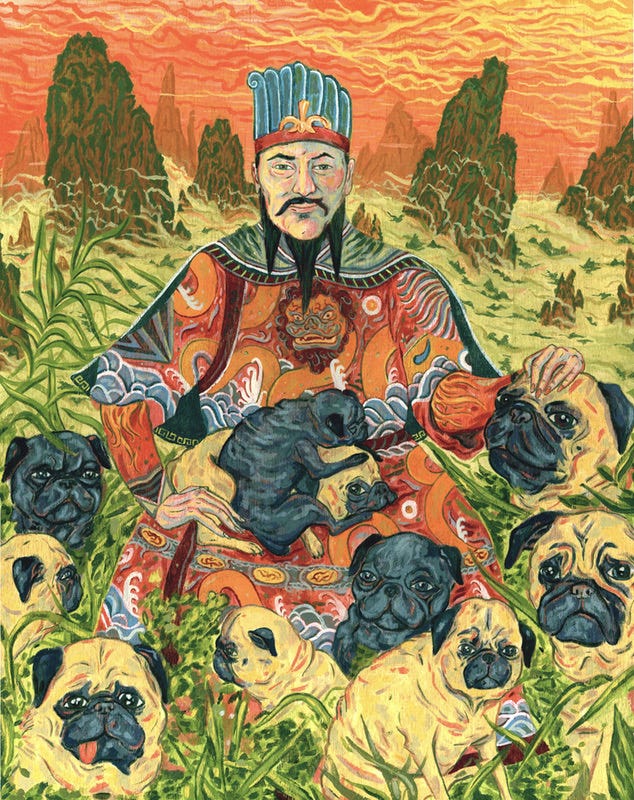
“The Ancient Art of Pug Wisdom …” from medium.com and used with no modifications.
Origins in Ancient China
Pugs first appeared during the Han dynasty in China (206 BC to 200 AD), where they were developed specifically as companion animals for the imperial family and Chinese nobility. These early Pugs, then known as “Lo-sze,” were highly valued and lived lives of luxury within palace walls. Chinese emperors considered these dogs so precious that soldiers were assigned to guard them, and harming a Pug was a crime punishable by death in some periods of Chinese history.
The breed’s development in China wasn’t limited to royal households. Pugs also found their way into Tibetan Buddhist monasteries, where monks appreciated their calm, meditative nature. This dual heritage—serving both as imperial companions and spiritual accompaniments—likely contributed to the Pug’s adaptable yet dignified personality that remains evident today. For those interested in understanding the importance of socialization in dogs, the Pug’s history offers valuable insights.
What makes the Pug particularly special in canine history is that they were intentionally bred solely for companionship rather than working purposes. Unlike many ancient breeds developed for hunting, herding, or guarding, Pugs had one job: to be loving companions to their humans. This singular purpose shaped their friendly, people-oriented disposition that has remained consistent throughout their long history.
- Pugs were one of three flat-faced dog types bred in ancient China, alongside the Lion Dog and the Pekingese
- Their name “Lo-sze” in ancient China referred to their short, stout appearance
- Early Pugs were slightly larger than today’s standard, with somewhat longer noses
- Chinese breeders specifically developed the wrinkle pattern on Pugs’ foreheads to resemble the Chinese character for “prince” (王)
Introduction to Europe and Global Spread
The Pug’s journey westward began in the 16th century when Chinese trade routes opened to European merchants. Dutch traders were the first to bring these charming dogs back to Europe, where they named them “Mopshond”—a term still used in the Netherlands today. The breed quickly captured the hearts of European nobility, becoming fashionable companions in courts across the continent. For those interested in understanding more about dog breeds that have captured hearts, the Field Spaniel also shares a rich history and unique characteristics.
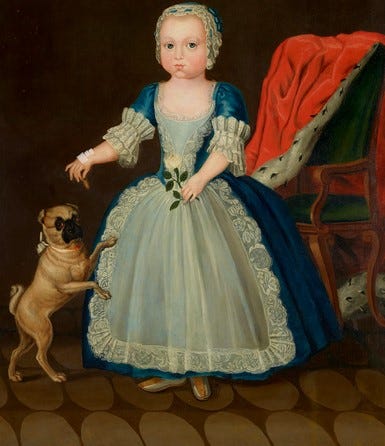
“Pugs and the British Royals. In last …” from medium.com and used with no modifications.
The Pug’s European popularity exploded in the 1860s when British soldiers returning from the occupation of the Chinese Imperial Palace brought several of these distinctive dogs back to England. Queen Victoria herself became an enthusiastic Pug fancier, breeding them at Buckingham Palace and solidifying their status as a desirable companion for the upper classes. Her love for the breed helped establish standardized breeding practices that refined the Pug’s appearance toward what we recognize today.
By the late 19th century, Pugs had spread throughout Europe and made their way to America, where they continued to win admirers with their affectionate nature and distinctive appearance. The American Kennel Club officially recognized the breed in 1885, cementing its place in canine culture worldwide.
Role in Royal Courts and Influence on Breed Development
Throughout their history, Pugs have been favored by royalty and influential figures across cultures. Beyond Queen Victoria, Pugs were beloved by Marie Antoinette, Napoleon’s wife Josephine, and the House of Orange in the Netherlands. In fact, a Pug reportedly saved the life of William, Prince of Orange, by alerting him to approaching assassins, leading to the Pug becoming the official dog of the House of Orange.
This royal patronage significantly influenced the Pug’s development, as breeders sought to create dogs that would appeal to elite tastes. The small size, minimal exercise requirements, and affectionate temperament made Pugs ideal companions for palace life. Some aristocrats even took their Pugs to church services, demonstrating how seamlessly these adaptable dogs fit into various settings.
As Pugs transitioned from palace companions to family pets in the modern era, their fundamental nature as companion animals remained unchanged. Today’s Pugs still embody the characteristics that made them beloved by emperors and royalty: loyalty, affection, and an uncanny ability to adapt to their owners’ lifestyles. For more about their fascinating journey, explore Pug history and origins.
Why Pugs Have Flat Faces
The distinctive flat face of the Pug is perhaps its most recognizable feature, yet this characteristic wasn’t merely accidental. Chinese breeders deliberately cultivated this trait over centuries, selecting for shorter muzzles and more pronounced facial wrinkles with each generation. This intentional breeding wasn’t merely aesthetic—the wrinkle patterns on Pugs’ foreheads were designed to resemble the Chinese character for “prince” (王), symbolizing their royal status.
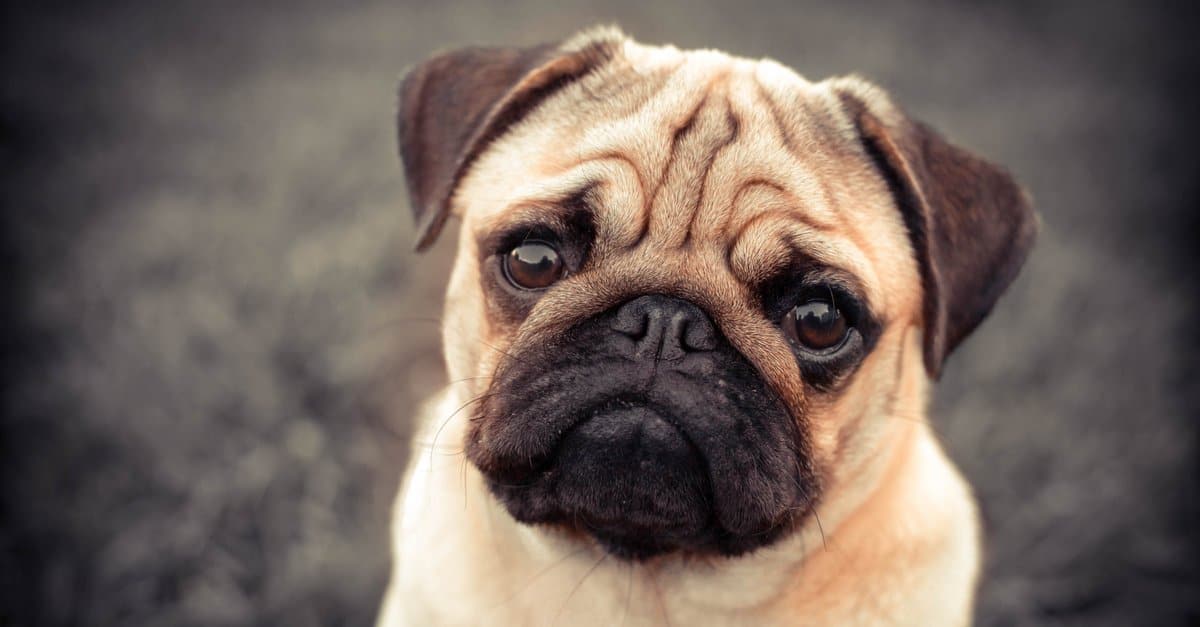
“7 Adorable Wrinkly Dog Breeds – A-Z Animals” from a-z-animals.com and used with no modifications.
This facial structure places Pugs in the category of brachycephalic (short-headed) breeds, alongside Bulldogs, Boston Terriers, and Pekingese. While many find this feature endearing, understanding its origins and implications is essential for responsible ownership.
Genetic Characteristics of Brachycephalic Breeds
The Pug’s flat face results from a genetic mutation affecting the development of the skull. Specifically, the bones of the muzzle are dramatically shortened while the jaw remains relatively normal in size. This creates the characteristic pushed-in appearance that has become synonymous with the breed. The wide-set eyes, abundant facial wrinkles, and compact skull are all interconnected features resulting from this selective breeding.
Interestingly, this brachycephalic trait has been selected for across several unrelated breeds throughout history. In the Pug’s case, it was particularly emphasized because the resulting wrinkles created patterns considered auspicious in Chinese culture. This selective breeding for extreme facial characteristics has continued through modern times, with some breeders unfortunately pushing toward ever flatter faces despite the health implications.
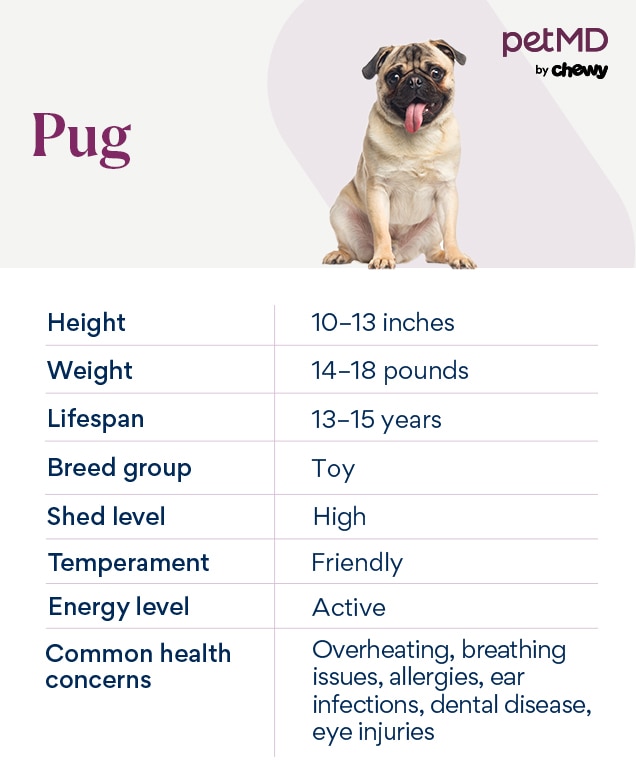
“Pug Dog Breed Health and Care | PetMD” from www.petmd.com and used with no modifications.
Health Concerns Impacted by Flat Faces
While adorable, the Pug’s flat face comes with significant health challenges. Brachycephalic Obstructive Airway Syndrome (BOAS) is the most serious concern, encompassing several related breathing issues. The shortened muzzle creates narrowed nostrils, an elongated soft palate, and compressed airways that restrict airflow, resulting in the characteristic snorting and snoring Pugs are known for.
These breathing limitations make Pugs particularly vulnerable to heat stress and exercise intolerance. Even mild exertion in warm weather can cause respiratory distress, requiring owners to be vigilant about temperature regulation. Additional concerns include eye problems, as the prominent eyes are more susceptible to injury, infection, and conditions like dry eye or corneal ulcers.
Dental issues also commonly affect Pugs due to their shortened jaw often having the same number of teeth as longer-muzzled dogs, resulting in overcrowding and increased risk of periodontal disease. The facial wrinkles require regular cleaning to prevent skin infections, as these warm, moist folds create ideal environments for bacterial growth.
Breeds That Contributed to Modern Pugs
The Pug we know today is the result of thousands of years of selective breeding, with several ancient dog types contributing to their distinctive appearance and temperament. Understanding these ancestral connections helps explain many of the Pug’s physical and behavioral traits.
Ancient Breeds with Similar Traits
The Lo-sze, the ancient Chinese Pug ancestor, shares its lineage with other flat-faced Asian breeds like the Pekingese and Japanese Chin. These breeds developed alongside one another in ancient China, sharing certain traits while developing their own distinct characteristics. The Tibetan Spaniel also shows some ancestral connections, particularly in temperament and adaptability to living in close quarters with humans.
Dutch paintings from the 1500s show Pugs with longer legs and muzzles than today’s specimens, suggesting evolutionary changes as the breed spread through Europe. Some historians believe that small Bulldogs may have been crossed with Pugs after they arrived in Europe, contributing to variations in body structure and reinforcing certain brachycephalic traits.
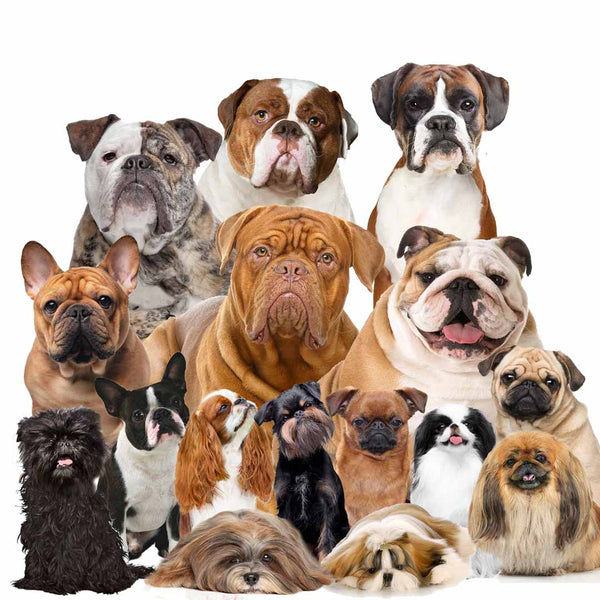
“Flat-Faced Dogs – Love ’em Laugh at ’em?” from theblissfuldog.com and used with no modifications.
Crossbreeding and Its Effects on Pug Traits
When Pugs arrived in Europe, they underwent further refinement through selective breeding and possible crosses with other small companion dogs. The modern Pug’s stocky build, curled tail, and distinctive wrinkles were emphasized through careful selection by European breeders. Different regional preferences led to variations within the breed—English Pugs tended to be smaller with more pronounced facial wrinkles, while German breeders favored slightly larger dogs with stronger limbs.
In the 20th century, standardization of the breed solidified the characteristics we recognize today. The double-curled tail, square proportions, and “multum in parvo” (much in little) build became defining features. Modern DNA studies suggest that despite their appearance differences, Pugs share genetic markers with other ancient Asian breeds, confirming their long history as a distinct breed rather than a recent creation.
Pros and Cons of Owning a Pug
Pugs have captured hearts worldwide with their expressive faces and charming personalities, but responsible ownership requires understanding both the joys and challenges these dogs bring. Their unique characteristics make them ideal companions for some lifestyles while potentially challenging for others.
Advantages of Pug Companionship
Pugs excel as companion animals, demonstrating exceptional loyalty and affection toward their families. Their people-oriented nature means they form strong bonds and genuinely enjoy human company—a trait directly linked to their centuries of breeding specifically for companionship. These dogs are naturally sociable, typically getting along well with children, other pets, and strangers, making them versatile family members in various household configurations. Learn more about other dog breeds that make great companions.
Their adaptability to different living situations makes Pugs particularly suitable for apartment dwellers and those with limited outdoor space. Unlike many small breeds, Pugs tend to be relatively quiet, rarely barking without cause, which further enhances their suitability for close-quarters living. Their moderate exercise needs mean daily walks and play sessions are sufficient without requiring extensive outdoor activities.
Perhaps most endearing is the Pug’s naturally playful and comical personality. They seem to possess an innate sense of humor, often appearing to deliberately entertain their owners with clownish antics and expressive facial reactions. This good-natured temperament, combined with their manageable size and affectionate disposition, creates a companion that brings consistent joy to daily life. For those interested in exploring different dog breeds with unique traits, consider reading about the Keeshond dog breed.
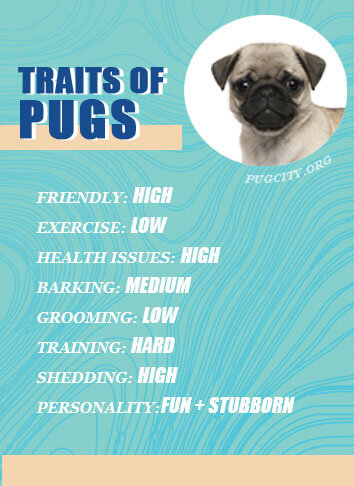
“THE PORGIE: A Pug Corgie Breed …” from pugcity.org and used with no modifications.
Challenges and Considerations for Potential Owners
The health concerns associated with the Pug’s brachycephalic structure represent the most significant challenge of ownership. Breathing difficulties can limit activity, create vulnerability to heat, and potentially require expensive surgical interventions like soft palate resection or nostril widening. Prospective owners must be prepared for the possibility of these medical needs and their associated costs.
Pugs are notorious shedders despite their short coats, producing a surprising amount of hair that requires regular cleaning. Their facial wrinkles need consistent attention to prevent skin infections, and their prominent eyes demand protection from potential injuries. Dental care is especially important given their tendency toward periodontal disease due to overcrowded teeth.
Weight management presents another significant challenge, as Pugs have hearty appetites combined with a tendency to gain weight easily. Their exercise limitations due to breathing issues can exacerbate this problem, creating a challenging balance between maintaining healthy weight and not overexerting a dog with inherent respiratory restrictions. Obesity significantly worsens breathing problems and can lead to additional health complications, requiring vigilant dietary management throughout the Pug’s life. For insights on managing health issues related to specific breeds, you might find this comparison of pet genetic health informative.
Impact of Pug Popularity on Breed Health
The Pug’s undeniable charm has made it one of the world’s most popular breeds, but this popularity has come at a significant cost to the breed’s overall health. The demand for these dogs has led to concerning breeding practices that prioritize appearance over wellbeing, particularly emphasizing extreme facial features that exacerbate breathing difficulties.
Celebrity endorsements and media visibility have further fueled demand, with movies, advertisements, and social media influencers showcasing these dogs without addressing their health challenges. This increased visibility created a surge in breeding by those seeking to capitalize on high purchase prices, often without proper health testing or consideration for genetic diversity.
Health Issues Stemming from Overbreeding
The narrowing genetic pool has intensified hereditary health problems within the Pug population. Beyond the respiratory issues directly linked to their flat faces, Pugs have become increasingly prone to conditions like pug dog encephalitis (PDE), a fatal inflammatory brain disease specific to the breed. Hip dysplasia, luxating patellas, and spinal deformities have also become more common as genetic diversity decreased.
Studies have documented the deterioration of respiratory function in Pugs over recent decades, with modern specimens showing more extreme brachycephalic traits than their ancestors from just 50-100 years ago. A 2022 Royal Veterinary College study found that Pugs in the UK were almost twice as likely to experience health problems in a given year compared to other dog breeds, with respiratory issues being the most prevalent concern.
The financial implications of these health issues are substantial, with many Pug owners facing significant veterinary expenses. Insurance companies typically charge higher premiums for Pugs compared to non-brachycephalic breeds of similar size, reflecting the statistical likelihood of medical interventions throughout their lives.
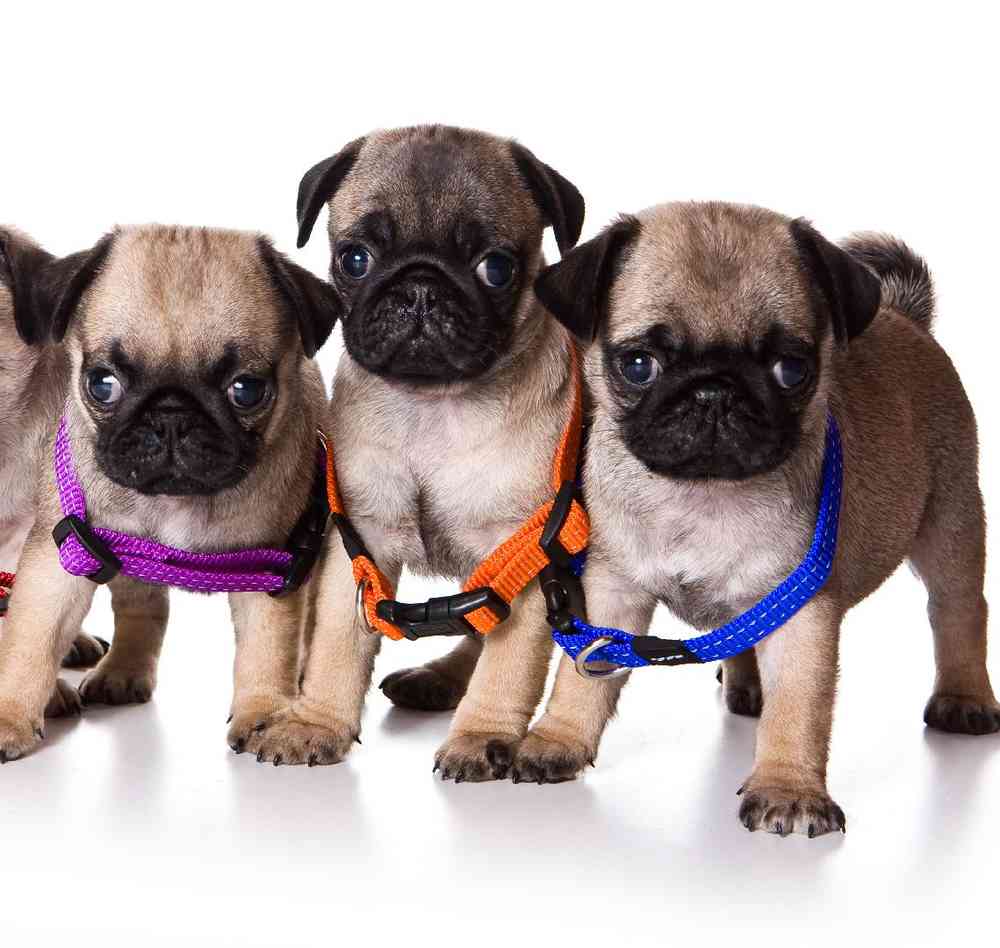
“About Pug Breed” from www.petlandbluesprings.com and used with no modifications.
Efforts to Improve Breed Standards
In response to mounting evidence of health challenges, several kennel clubs have revised breed standards to discourage extreme physical traits. The Dutch Kennel Club led this movement by amending their Pug standard in 2019 to require a more defined muzzle and less extreme facial features. The UK Kennel Club followed with similar revisions, emphasizing that Pugs should be able to breathe freely and comfortably. For more insights into how breed standards can impact health, you can read about breed-related pet genetic health.
Responsible breeders have formed coalitions focused on health-testing and maintaining genetic diversity. Organizations like the Pug Dog Club of America have established health committees and databases to track genetic conditions and guide breeding decisions. These efforts include outcrossing programs that carefully introduce genes from similar breeds to expand the genetic pool while maintaining the Pug’s essential characteristics.
Prospective owners can support these improvement efforts by choosing breeders who prioritize health over extreme appearance and can demonstrate health testing for respiratory function, PDE, and orthopedic issues. The “retro pug” movement, which aims to recreate the healthier physical structure seen in historical Pugs, represents one promising direction for the breed’s future.
Pugs as Family Dogs: Suitability and Maintenance Needs
Pugs have earned their reputation as excellent family companions through their gentle, tolerant temperament and adaptability to various household dynamics. Their moderate size—typically 14-18 pounds—makes them substantial enough to withstand the sometimes clumsy handling of children while remaining compact enough for apartment living.
Their natural affinity for people extends to children, with most Pugs displaying remarkable patience with youngsters. Unlike some small breeds that can become nervous or snappy around unpredictable movements, well-socialized Pugs typically respond to children’s energy with playful engagement or calm tolerance, making them reliable family members.
Compatibility with Families and Children
The Pug’s sturdy build and good-natured temperament create an ideal combination for families with children. They rarely show aggression and seem to innately understand the need for gentle interaction with smaller humans. Their playful nature means they often become willing participants in children’s games, while their low exercise requirements ensure they won’t overwhelm younger family members with excessive energy.
Multi-pet households generally find Pugs integrate well with existing animals. Their non-territorial nature and minimal prey drive make them compatible with cats and other dogs, though their friendly overtures might occasionally be rebuffed by less sociable pets. For instance, tailless cat breeds might require more time to adjust to a new canine companion. Their adaptability extends to varied family schedules, handling both busy, active households and quieter environments with equal contentment.
Seniors and individuals with limited mobility often find Pugs to be ideal companions due to their moderate exercise needs and affectionate nature. Their tendency to form strong bonds means they provide consistent emotional support, while their size makes them manageable for those with physical limitations.
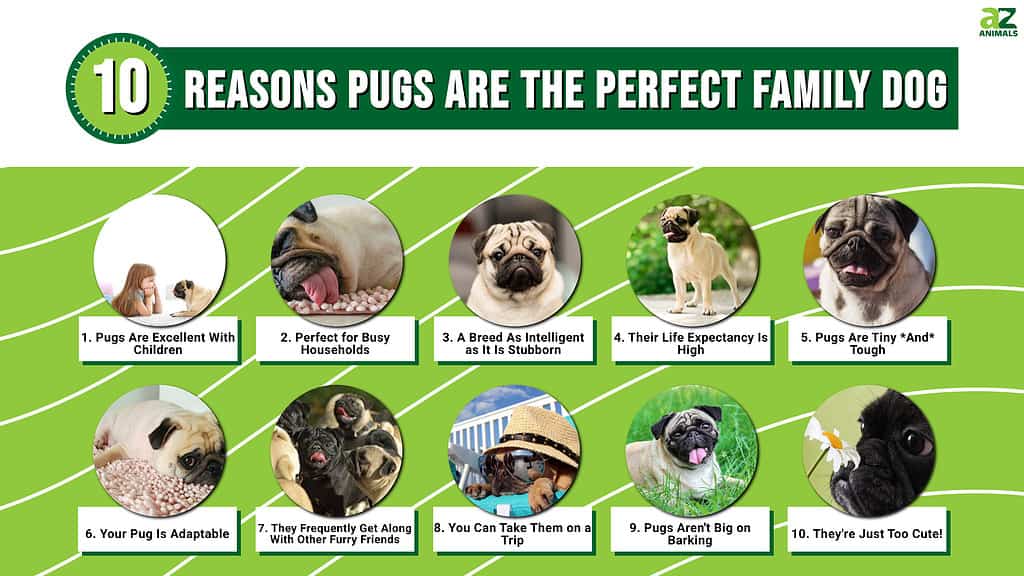
“The Top 10 Reasons Pugs Are the Perfect …” from a-z-animals.com and used with no modifications.
Maintenance and Care Requirements
While Pugs are relatively low-maintenance in terms of exercise, they require dedicated attention to specific care needs. Their short coats shed extensively year-round, necessitating regular brushing (ideally daily) and frequent home cleaning. During seasonal shedding periods, the amount of hair they produce can be surprising for a small dog with such a short coat.
Facial wrinkle care represents a non-negotiable aspect of Pug maintenance. The deep folds must be cleaned regularly—at least several times weekly—with appropriate pet-safe wipes or a soft, damp cloth, followed by thorough drying to prevent bacterial and yeast infections known as “fold dermatitis.” This cleaning routine becomes a lifelong commitment that owners must maintain consistently.
Dental care demands particular attention due to the Pug’s dental overcrowding and susceptibility to periodontal disease. Daily tooth brushing with dog-specific toothpaste is ideal, supplemented with dental chews and regular professional cleanings as recommended by veterinarians. Their prominent eyes also require monitoring for signs of irritation or injury, with some owners using tear stain removers to address the dark streaks that commonly appear beneath Pug eyes. For more insights on maintaining your pet’s health, consider reading about senior dog socialization and its benefits.
Activity Level and Exercise Needs
Contrary to some assumptions, Pugs do require regular exercise despite their breathing limitations. Short, moderate walks in cool weather, indoor play sessions, and mental stimulation activities provide the appropriate balance of physical activity without respiratory stress. Most Pugs enjoy 20-30 minute walks twice daily, preferably during cooler parts of the day to minimize breathing strain.
Weight management represents perhaps the most critical ongoing maintenance concern. Pugs have hearty appetites combined with a strong food motivation that makes them skilled beggars. Their tendency to gain weight easily requires vigilant portion control and limited treats, as obesity significantly worsens their breathing difficulties and joint problems.
Climate considerations significantly impact Pug care requirements. Their brachycephalic structure makes them extremely vulnerable to heat stress and unable to cool themselves efficiently. Air conditioning becomes a necessity in warm climates, and outdoor activities must be carefully timed to avoid hot or humid conditions. Conversely, their short coats provide minimal insulation in cold weather, necessitating appropriate doggy apparel for winter conditions.
Pug Personality and Ideal Lifestyle
The Pug’s enduring popularity across centuries stems largely from their distinctive personality—a unique blend of dignity, playfulness, and devotion that sets them apart from other companion breeds. Understanding these temperamental traits helps prospective owners determine whether a Pug would thrive in their particular lifestyle.
Typical Temperament and Behavior
Pugs are characterized by their affectionate, people-oriented nature. They form strong bonds with their families and genuinely prefer human company to solitude. This attachment manifests as a desire to be physically close to their people—often following family members from room to room or claiming a lap whenever available. Unlike some companion breeds, they typically extend this friendliness to strangers, making them poor guard dogs but excellent social companions.
The Pug’s temperament combines seemingly contradictory qualities: dignity and playfulness. They can transition from dignified repose to clownish antics in moments, often appearing to deliberately entertain their humans. This natural humor has earned them the reputation as the comedians of the canine world, with many owners reporting that their Pugs seem to enjoy making them laugh.
Intelligence in Pugs manifests primarily as emotional awareness rather than working drive. They excel at reading human emotions and adjusting their behavior accordingly, often providing comfort during times of stress or joining in celebration during happy moments. This emotional intelligence contributes to their reputation as exceptional companion animals.
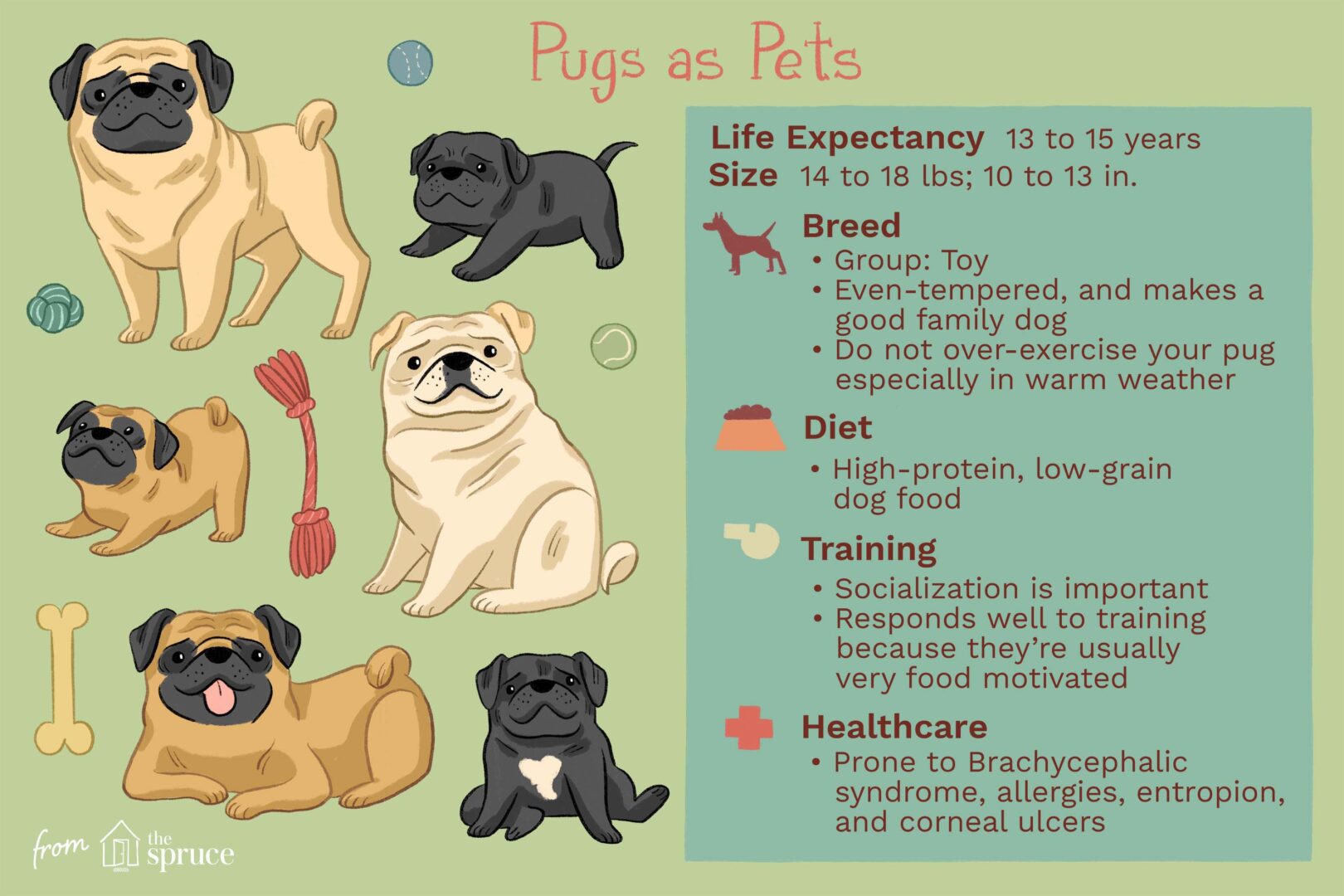
“Pug: Dog Breed Characteristics & Care” from www.thesprucepets.com and used with no modifications.
Ideal Living Environment for Pugs
Pugs thrive in environments where they receive abundant human interaction and aren’t left alone for extended periods. Their strong attachment to people means they can develop separation anxiety if regularly isolated for long hours. Households where someone is home frequently or where the Pug can accompany family members on outings tend to produce the happiest, most well-adjusted dogs.
Physical living arrangements should prioritize temperature control given the Pug’s vulnerability to heat. Air conditioning is essential in warm climates, and outdoor activities should be limited during hot or humid weather. Their compact size makes them well-suited to apartment living, though they appreciate having designated spaces for play and rest regardless of home size. For more information on how to care for your Pug, check out this Pug Dog Breed Health and Care guide.
The ideal Pug household balances affection with structure. While these dogs crave attention and physical closeness, they also benefit from consistent boundaries to prevent the development of demanding behaviors. Families willing to include their Pug in daily activities while maintaining appropriate training and limitations tend to develop the most harmonious relationships with these engaging companions.
Socialization and Interaction Needs
Early socialization significantly influences the Pug’s development into a well-rounded adult dog. Exposure to various people, environments, and situations during puppyhood helps prevent the development of fearfulness or reactivity. Puppy socialization classes offer structured opportunities for these important experiences while teaching basic manners.
Despite their naturally social nature, Pugs benefit from ongoing opportunities for positive interactions throughout their lives. Dog parks can be appropriate for well-socialized individuals, though owners should remain vigilant about weather conditions and signs of respiratory stress during play. Lower-key social settings like controlled playdates with known dogs often provide better socialization without the risk of overexertion.
Mental stimulation represents an often-overlooked need in this intelligent breed. Puzzle toys, short training sessions, and novel experiences help prevent boredom and the destructive behaviors it can produce. While not typically high-energy, Pugs do enjoy having jobs that engage their minds, such as learning new tricks or participating in activities like scent work that don’t tax their breathing.
Considerations for First-Time Pug Owners
The Pug’s combination of affectionate temperament and moderate size makes them appealing to many first-time dog owners. Their adaptability to various living situations and generally pleasant disposition can indeed make them suitable for novice pet parents, provided these individuals enter Pug ownership with realistic expectations and appropriate preparation. For those interested in exploring other breeds, the Keeshond dog breed also offers a friendly and adaptable nature.
Financial readiness represents a crucial consideration before bringing home a Pug. Beyond the initial purchase price—which typically ranges from $1,000-$2,500 from reputable breeders—prospective owners should budget for potentially significant veterinary expenses. Insurance premiums for Pugs average 30-50% higher than for non-brachycephalic breeds, reflecting their predisposition to health issues requiring medical intervention.
Time commitment must also be honestly assessed. While Pugs don’t demand extensive exercise, they do require consistent daily care for their facial wrinkles, regular grooming to manage shedding, and the companionship their social nature demands. First-time owners working long hours or traveling frequently may find meeting these needs challenging without support systems like dog walkers or pet sitters.
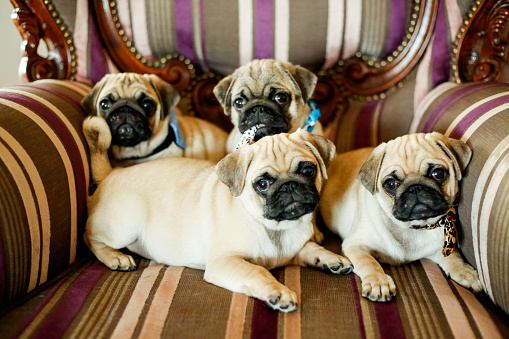
“Family Of Pug Dog Stock Photo …” from www.istockphoto.com and used with no modifications.
Preparing Your Home for a Pug
Home preparation for a Pug should prioritize temperature management, with air conditioning essential in warm climates and heating important in colder regions. Creating a Pug-friendly environment includes providing elevated food and water dishes to accommodate their short necks, installing baby gates to prevent access to stairs if joint problems develop, and selecting appropriate bedding that supports their compact bodies.
Puppy-proofing takes on particular importance with Pugs, whose curious nature and food motivation can lead them into trouble. Securing trash cans, keeping medications and toxic foods out of reach, and managing electrical cords helps prevent emergency veterinary visits. Their short stature means they’re less likely to counter-surf than taller breeds, but their determined nature shouldn’t be underestimated when food is involved.
Training Tips for New Owners
Training approaches should align with the Pug’s sensitive, people-pleasing nature. Positive reinforcement techniques using treats, praise, and play as rewards yield far better results than harsh corrections, which can damage the trust relationship. Short, engaging training sessions accommodate their moderate attention span while preventing respiratory stress from extended exertion. For more insights on training and socialization, check out this article on boosting cognitive health and emotional well-being in dogs.
Consistency proves essential in establishing boundaries, particularly regarding food-seeking behaviors. Pugs excel at using their expressive faces and charming personalities to convince humans to share inappropriate foods or quantities. Establishing and maintaining clear rules about feeding from the beginning prevents the development of obesity and related health complications.
Choosing the Right Pug for Your Family
Source selection significantly impacts a first-time owner’s experience with the breed. Reputable breeders who perform health testing for common Pug issues—including respiratory function assessment, PDE screening, and orthopedic evaluations—provide puppies with the best chance of good health. These responsible breeders typically maintain waiting lists and charge higher prices, reflecting their investment in proper veterinary care and selective breeding practices.
Rescue organizations specializing in Pugs offer another excellent option, particularly for those open to adopting adult dogs with established personalities and often known health histories. Organizations like Pug Rescue Network and local breed-specific rescues typically evaluate dogs’ temperaments and medical needs before placement, helping match individuals to appropriate homes based on activity level, other pets, and lifestyle factors.
Frequently Asked Questions
As a breed with distinctive characteristics and specific care requirements, Pugs prompt numerous questions from prospective and current owners. Addressing these common inquiries provides valuable guidance for those considering adding this ancient companion breed to their families.
Are Pugs suitable for families with young children?
Pugs typically excel in households with children, displaying remarkable patience and tolerance for the sometimes unpredictable behaviors of youngsters. Their sturdy build withstands gentle handling better than more delicate small breeds, while their good-natured temperament rarely turns to snapping or nipping even when startled or uncomfortable. Teaching children appropriate interaction—supporting the Pug’s body when lifting, respecting sleeping dogs, and recognizing signs of stress—creates harmonious relationships that benefit both the children and the dog.
What common health issues do Pugs face?
Respiratory challenges top the list of Pug health concerns, with Brachycephalic Obstructive Airway Syndrome (BOAS) affecting most individuals to varying degrees. This condition encompasses several related issues: stenotic nares (narrowed nostrils), elongated soft palate, everted laryngeal saccules, and a hypoplastic trachea, all contributing to restricted airflow. Symptoms include snorting, snoring, exercise intolerance, and in severe cases, collapse during exertion or heat exposure.
Beyond breathing difficulties, Pugs commonly experience eye problems including corneal ulcers, dry eye, and proptosis (eye displacement from the socket during trauma). Orthopedic issues like patellar luxation and hip dysplasia affect many individuals, while skin infections within facial folds require ongoing management. Pug Dog Encephalitis (PDE), though less common than respiratory concerns, represents a serious breed-specific neurological condition with no current cure.
How can I ensure my Pug stays healthy?
Proactive health management begins with selecting a puppy from health-tested parents or adopting through organizations that provide thorough veterinary evaluations. Establishing a relationship with a veterinarian experienced in brachycephalic breeds ensures appropriate monitoring and intervention for breathing issues, with some Pugs benefiting from surgical procedures to widen nostrils or shorten elongated soft palates. Weight management through measured feeding and appropriate exercise prevents obesity-related complications, while consistent grooming and wrinkle cleaning prevents skin infections.
How much exercise does a Pug need?
Pugs require moderate, controlled exercise tailored to their respiratory limitations and the climate. Most thrive with two 20-30 minute walks daily during cooler parts of the day, supplemented with short indoor play sessions. Weather considerations significantly impact exercise appropriateness—activities should be curtailed in hot or humid conditions, with owners vigilantly monitoring for signs of respiratory distress including excessive panting, blue-tinged gums, or reluctance to continue moving. For more on maintaining pet health, read about boosting cognitive health in senior dogs.
Mental stimulation complements physical exercise in maintaining Pug wellbeing. Food puzzles, training games, and rotating toys engage their intelligent minds without taxing their breathing. Many Pugs enjoy modified versions of dog sports like nose work or rally obedience that accommodate their physical limitations while providing mental challenges and bonding opportunities.
Is it difficult to train a Pug?
Pugs possess moderate trainability influenced by their people-pleasing nature but tempered by an independent streak. They respond enthusiastically to positive reinforcement methods using high-value food rewards, enthusiastic praise, and play. Harsh corrections or repetitive drills typically produce stubbornness rather than compliance, as Pugs quickly disengage from training they find unpleasant or boring. For more insights on training and behavior, check out this guide on dog socialization to boost cognitive health and emotional well-being.
Housetraining represents a particular challenge for many Pug owners, as the breed tends to develop reliable bathroom habits more slowly than some others. Consistent schedules, generous praise for appropriate elimination, and close supervision indoors during the learning phase eventually produce reliable results. Crate training assists this process while providing a safe space during the chewing phases of puppyhood.
First-time dog owners can successfully train Pugs by focusing on positive methods, maintaining consistency, and setting realistic expectations about the time required for learning. Puppy kindergarten classes offer valuable socialization while establishing basic manners under professional guidance. With patience and appropriate techniques, Pugs can master household rules and basic commands, though they may never demonstrate the precision obedience seen in working breeds developed for trainability rather than companionship.
Owning a Pug connects you to thousands of years of canine companionship history—from Chinese emperors to modern families—all united by the joy these distinctive dogs bring to human lives. While their care requirements demand commitment and their health challenges require vigilance, devoted Pug owners consistently report that the breed’s affectionate nature and charming personality more than compensate for these responsibilities.
If you’re considering adding a Pug to your family, PetMD offers comprehensive resources on understanding, selecting, and caring for these remarkable companions whose 2,000-year history of human devotion continues to this day. You might also find it interesting to explore the Keeshond dog breed as another potential option for a family pet.