Summary
Choosing between these two Swiss mountain breeds? One lives 25-40% longer but demands more exercise, while the other needs daily brushing and faces a staggering 50% cancer risk. Which gentle giant’s hidden challenges can your family actually handle long-term?
Key Takeaways
- Greater Swiss Mountain Dogs are larger and more energetic than Bernese Mountain Dogs, generally requiring a higher exercise commitment, and both breeds require adequate space
- Bernese Mountain Dogs have significantly higher grooming needs due to their long double coat, while Greater Swiss dogs are low-maintenance
- Health considerations favor the Greater Swiss breed with an 8-11 year lifespan compared to the Bernese’s 6-10 years
- Both breeds excel as gentle family companions, but their different energy levels and care requirements suit different lifestyles
- Understanding these key differences will help determine which mountain dog breed aligns best with your family’s long-term commitment and lifestyle
Choosing between a Bernese Mountain Dog and a Greater Swiss Mountain Dog represents one of the most significant decisions for families drawn to these magnificent Swiss breeds. Both dogs embody the “gentle giant” reputation that makes them beloved family companions, yet their differences in size, grooming needs, exercise requirements, and health considerations can dramatically impact daily life and long-term commitment.
While these mountain dog breeds share similar temperaments and Swiss heritage, their distinct characteristics make each better suited for different family situations. The decision often comes down to matching a breed’s specific needs with your household’s capacity for grooming, exercise, space, and healthcare management.
Understanding these breed differences becomes crucial when considering the decade-plus commitment of dog ownership. Finding your ideal pet breed match requires honest assessment of your family’s lifestyle, living situation, and long-term capacity for meeting each breed’s unique requirements.
Size and Strength: The Physical Differences That Matter
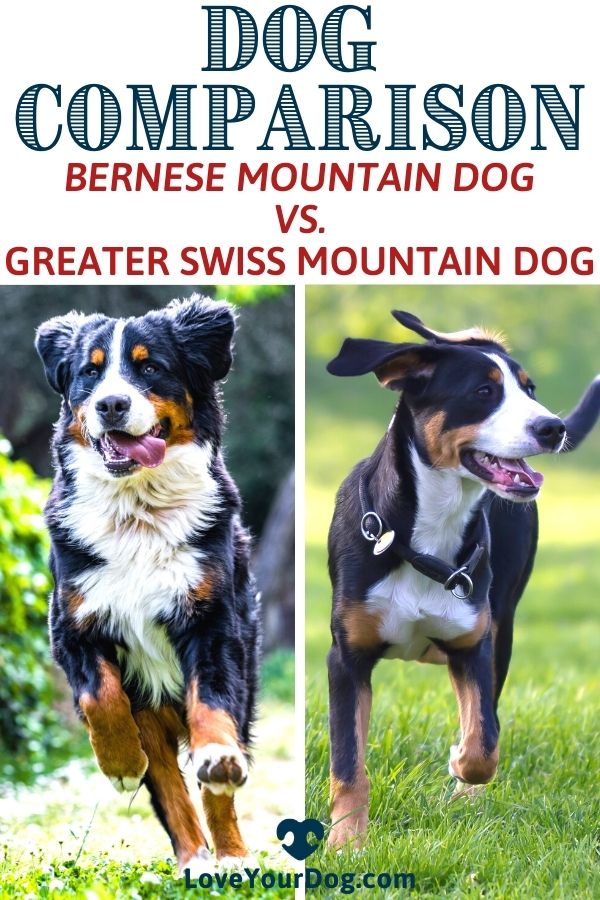
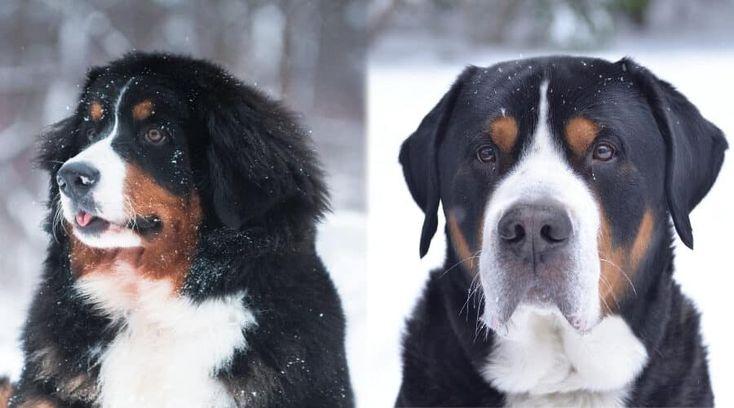
The Greater Swiss Mountain Dog significantly outweighs and outmeasures the Bernese Mountain Dog in every dimension. Male Greater Swiss dogs typically weigh 115-140 pounds and stand 25.5-28.5 inches tall, while Bernese males weigh 80-115 pounds and stand 25-27.5 inches tall. This 25-35 pound difference translates into substantially different space requirements, food costs, and physical handling considerations.
The size difference impacts practical daily management in meaningful ways. Greater Swiss dogs require larger crates, bigger vehicle spaces, and stronger leashes and collars. Their additional weight creates more wear on furniture, flooring, and requires more physical strength from handlers during walks or veterinary visits. Families with smaller children may find the Bernese more manageable, while those seeking a more imposing guardian presence often prefer the Greater Swiss’s substantial frame.
Both breeds possess impressive strength, but the Greater Swiss Mountain Dog’s working heritage as a draft animal gives them superior pulling power and endurance. This strength advantage makes them excellent hiking companions for active families but requires more consistent training to manage their power during daily activities like leash walking or play sessions.
Grooming Requirements: Coat Care Reality Check
Bernese Mountain Dog: High-Maintenance Beauty – Dense Double Coat Demands
Bernese Mountain Dogs possess a long, thick, tri-colored double coat that demands consistent maintenance throughout the year. Daily brushing becomes essential during heavy shedding seasons in spring and fall, while regular brushing two to three times weekly prevents matting and maintains coat health during moderate periods. This grooming commitment typically requires regular time weekly during normal periods and daily attention during peak shedding times.
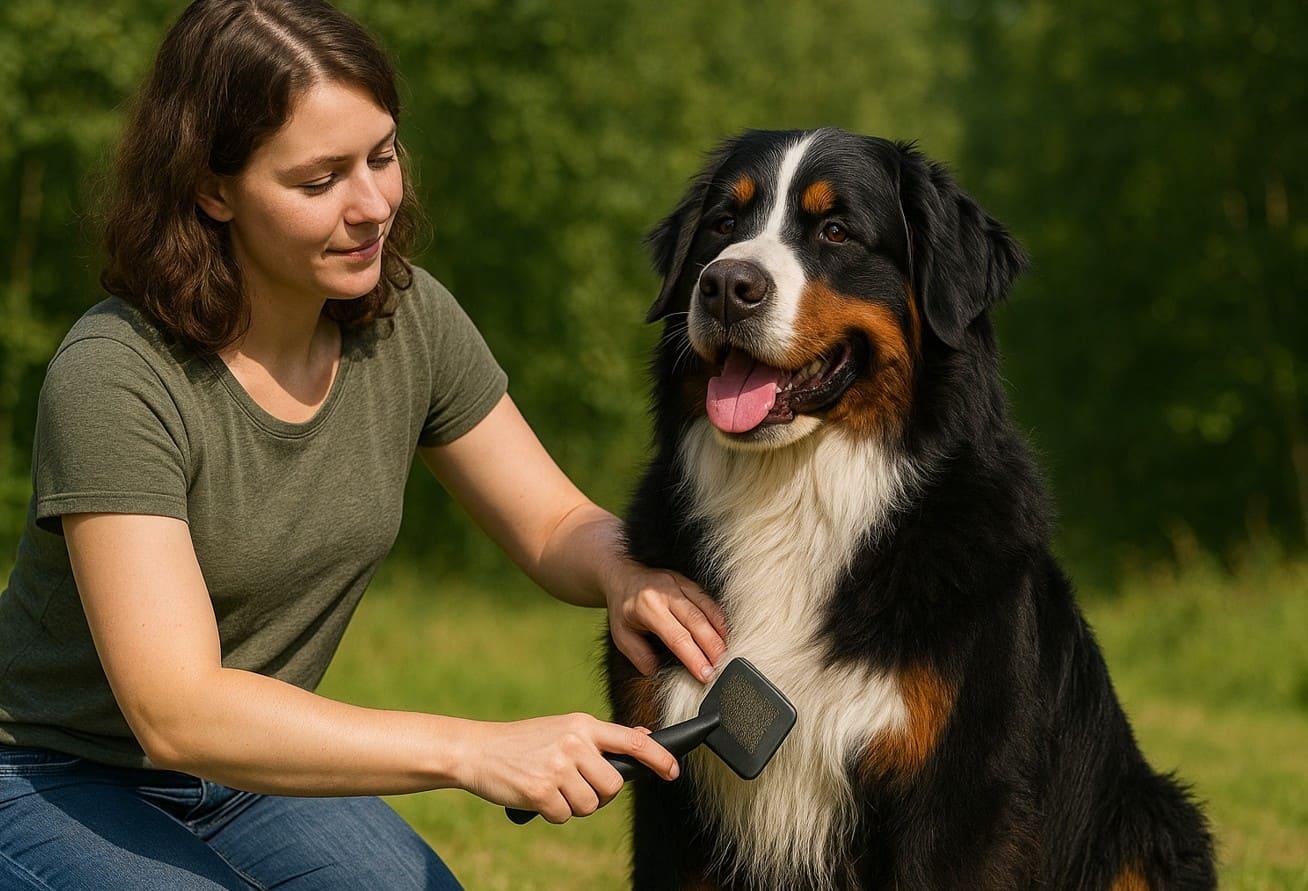
Due to its longer coat, the Bernese Mountain Dog’s coat may collect debris, mud, and moisture more readily than shorter coats, potentially requiring frequent cleaning and inspection. Professional grooming can help manage the Bernese Mountain Dog’s undercoat and maintain its distinctive appearance, especially for owners who prefer not to manage the intensive grooming at home. Families unprepared for this grooming commitment often struggle with excessive shedding, matting, and coat-related skin issues.
Greater Swiss Mountain Dog: Minimal Grooming Needs
Greater Swiss Mountain Dogs offer a dramatically different grooming experience with their shorter, denser double coat requiring minimal maintenance. Weekly brushing sessions typically suffice, with increased attention during seasonal shedding periods. This low-maintenance approach appeals to busy families seeking a large breed without intensive grooming obligations.
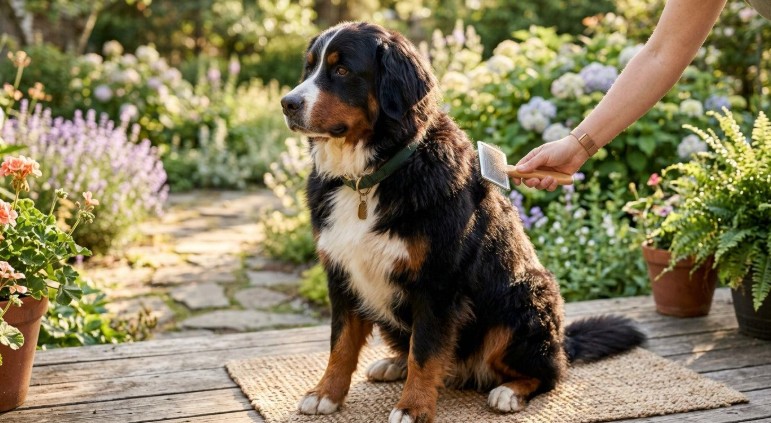
The Greater Swiss coat is often described as ‘wash-and-wear’ and generally requires less frequent bathing, which can reduce grooming-related expenses. Professional grooming becomes optional rather than necessary, with many owners successfully maintaining coat health through home care alone. This grooming advantage can result in lower annual grooming costs compared to Bernese maintenance requirements.
Exercise and Energy Levels
Bernese Mountain Dog Activity Requirements – Moderate Endurance Giants
Adult Bernese Mountain Dogs require moderate daily exercise, typically around 30-60 minutes, optimally divided into multiple sessions rather than single intense workouts. Their exercise preferences lean toward leisurely walks, backyard activities, and mental stimulation activities rather than high-intensity running or extended hiking. This moderate approach suits families seeking companionship for casual outdoor activities without demanding athletic commitment.
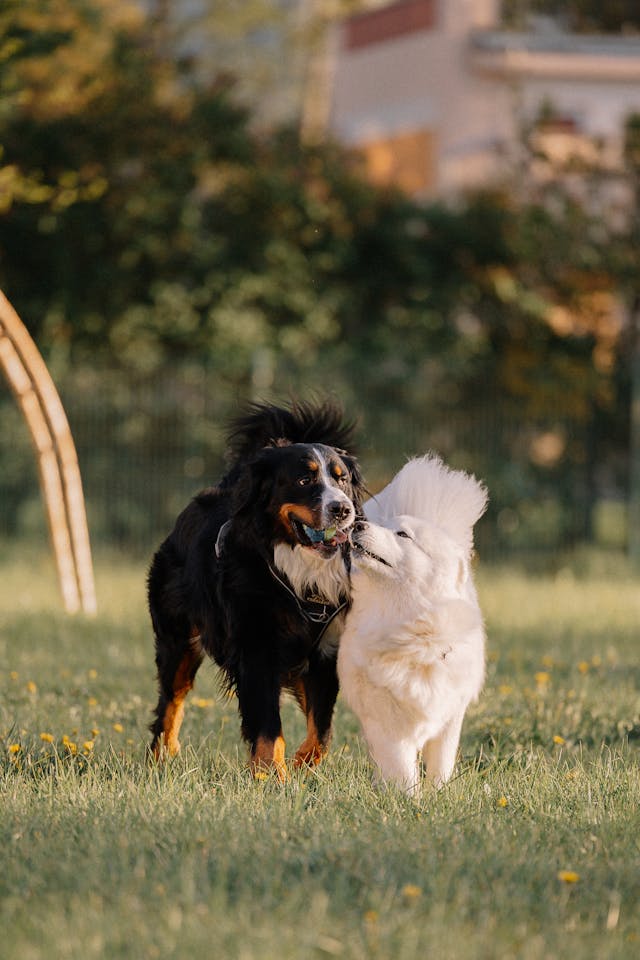
Bernese dogs excel at activities matching their working heritage, including cart pulling, weight pulling, and hiking at moderate paces. However, their lower heat tolerance limits summer activities, requiring exercise timing during cooler morning and evening hours. Indoor mental stimulation becomes crucial during extreme weather, with puzzle toys and training sessions providing necessary engagement.
Greater Swiss Mountain Dog Exercise Needs
Greater Swiss Mountain Dogs demonstrate higher energy levels requiring a minimum of 30-60 minutes of daily exercise, though many thrive with varied activities. Their exercise preferences include brisk walks, light hiking, interactive play, and working activities that engage their draft dog instincts. This breed adapts well to active families enjoying weekend adventures and outdoor recreational activities.
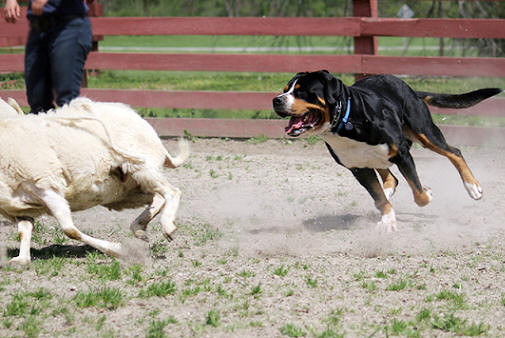
The Greater Swiss breed’s endurance makes them suitable for various activities, but like many large breeds, they can be sensitive to heat, requiring care to avoid overexposure during hot weather. They excel at activities like hiking, backpacking, cart pulling, and agility training, making them ideal companions for outdoors-oriented families. Their working drive requires purposeful activities beyond simple walks to maintain optimal mental and physical health.
Which Fits Your Lifestyle Better?
Exercise compatibility depends heavily on family activity patterns and long-term lifestyle expectations. Bernese Mountain Dogs suit families preferring moderate, consistent activities like daily neighborhood walks, occasional hiking, and backyard play sessions. Their lower exercise requirements work well for families with busy schedules or those seeking a more relaxed companion.
Greater Swiss Mountain Dogs better match active families committed to regular outdoor adventures, weekend hiking, or those seeking a working companion for property management or recreational activities. Their higher energy and exercise tolerance require families prepared for consistent, purposeful activity engagement throughout the dog’s lifetime.
Temperament with Children and Family Life
The Gentle Giant Personality of Bernese
Bernese Mountain Dogs earn their “gentle giant” reputation through exceptional patience, calm disposition, and intuitive understanding of children’s needs. Their naturally slower movements and thoughtful approach to interactions make them particularly suitable for households with young children and elderly family members. This breed demonstrates remarkable tolerance for children’s behavior while maintaining protective instincts.
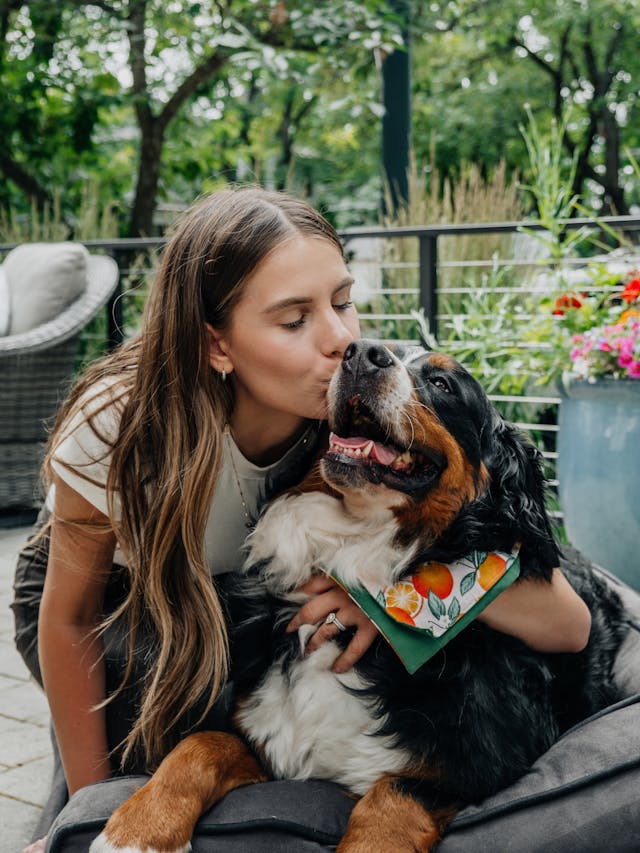
The Bernese temperament centers on companionship and emotional connection rather than working drive. They thrive as indoor family members, seeking constant proximity to their humans and demonstrating sensitivity to household emotions. Their gentle nature extends to interactions with smaller pets, visitors, and neighborhood encounters when properly socialized.
Greater Swiss Protective Instincts and Loyalty – Alert Guardians, Not Aggressive
Greater Swiss Mountain Dogs display stronger protective instincts and natural wariness toward strangers while maintaining their gentle nature with family members. Their alert, watchful demeanor makes them excellent natural guardians without aggressive tendencies, providing families with security awareness while remaining approachable and friendly once introductions occur.
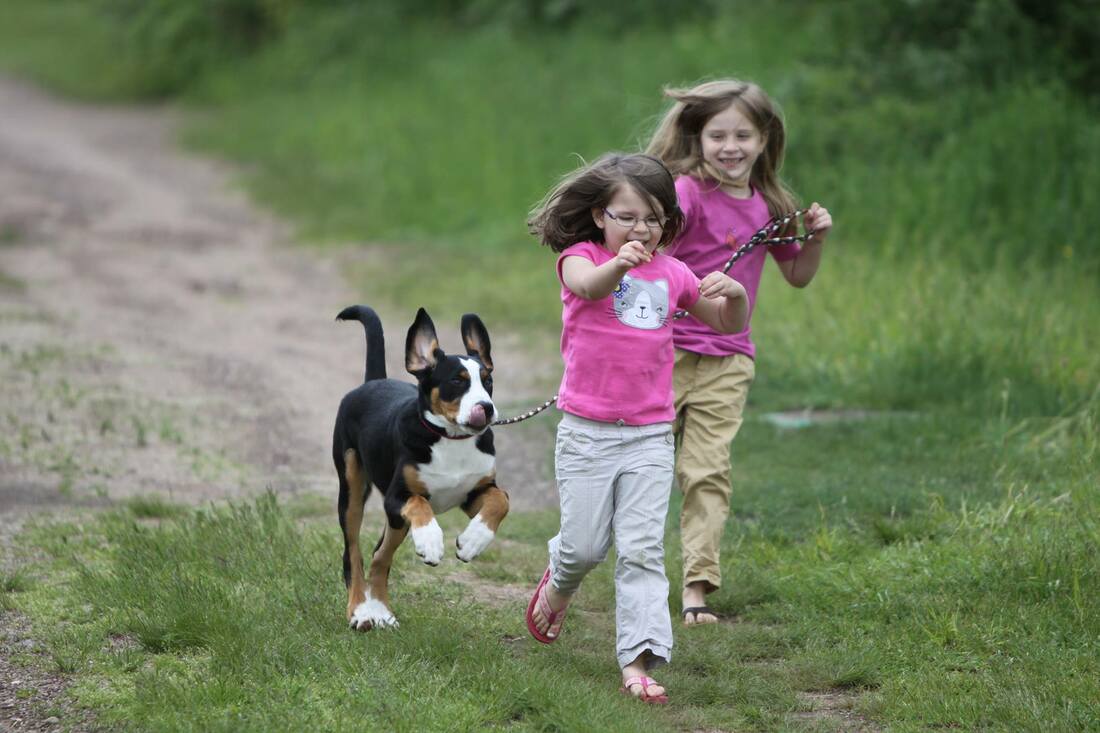
This breed demonstrates higher independence and confidence compared to Bernese dogs, making them suitable for families seeking a companion capable of both affection and guardian capabilities. Their people-oriented nature remains strong, and with proper training and socialization, they can adapt well to family life.
Health Concerns and Lifespan Reality
Bernese Mountain Dog Health Challenges – Cancer, Joint Issues, and Bloat
Bernese Mountain Dogs face significant health challenges that directly impact both lifespan and lifetime care costs. Cancer affects nearly 50% of Berners, representing the leading cause of death in the breed. Common forms include histiocytic sarcoma, lymphoma, and mast cell tumors, often developing between ages 4-8 years with limited treatment options and poor long-term prognoses.
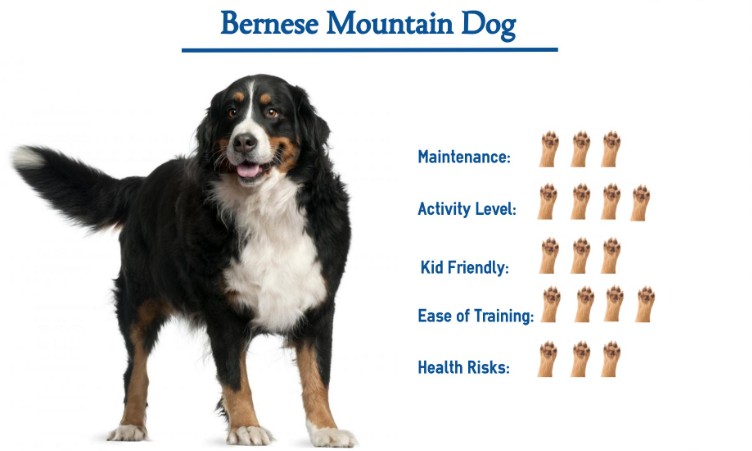
Beyond cancer concerns, Bernese dogs commonly develop hip and elbow dysplasia, degenerative myelopathy, heart disease, bloat, and progressive retinal atrophy. These conditions frequently require expensive treatments, surgical interventions, and ongoing management throughout the dog’s shortened lifespan. Families should budget for potential significant health-related expenses, particularly during the breed’s later years, due to their predisposition to serious health conditions.
Greater Swiss Mountain Dog Longevity Advantage – 8-11 vs 6-8 Years
Greater Swiss Mountain Dogs enjoy a significant lifespan advantage with 8-11 year life expectancy compared to the Bernese’s 6-10 year range. This 2-3 year difference represents 25-40% longer companionship and substantially reduced lifetime healthcare costs per year of ownership. The Greater Swiss breed generally has fewer severe health predispositions compared to Bernese Mountain Dogs.
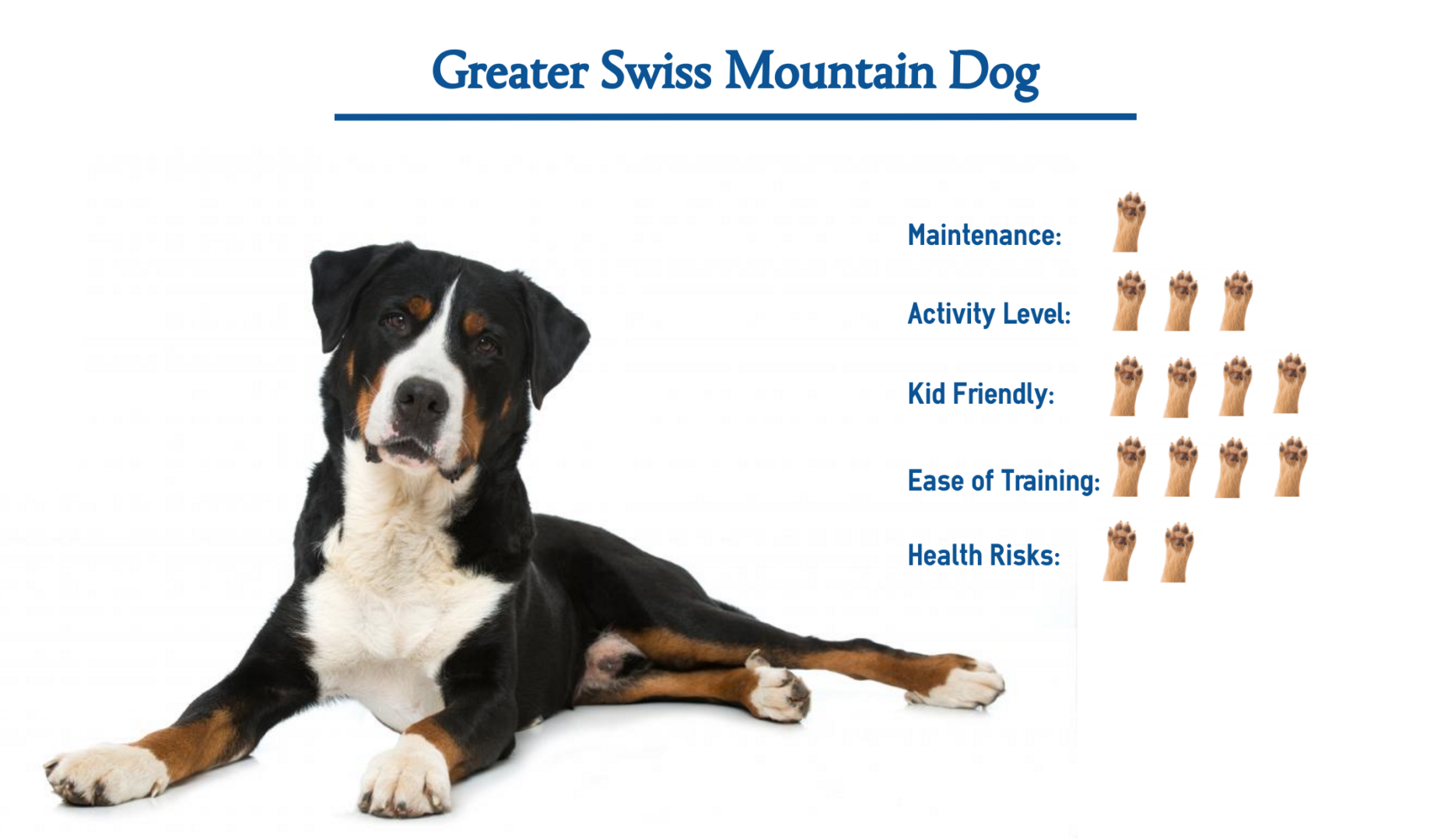
Common health concerns for Greater Swiss dogs include hip and elbow dysplasia, bloat, epilepsy, distichiasis, and urinary incontinence. While still requiring attention, these conditions generally prove more manageable and less fatal than the cancer predisposition affecting Bernese dogs. Early health screening and preventive care significantly improve outcomes for Greater Swiss dogs.
Cost Implications of Health Differences
The health disparity between breeds creates substantial financial implications over their lifetimes. Bernese Mountain Dogs can incur substantial veterinary care costs over their lifespans, particularly due to the high incidence and treatment expenses associated with cancer. Pet insurance becomes nearly essential for this breed, with premiums reflecting their high-risk health profile.
Greater Swiss Mountain Dogs generally have lower and more predictable annual health expenses over their longer lifespans compared to Bernese Mountain Dogs. Their health advantages make them more insurable at reasonable rates and allow families to invest healthcare savings into preventive care, quality nutrition, and life enhancement rather than crisis management.
Make Your Decision: Which Breed Matches Your Family’s Future
The choice between Bernese and Greater Swiss Mountain Dogs ultimately depends on matching breed characteristics with your family’s long-term lifestyle, resources, and emotional capacity. Choose a Bernese Mountain Dog if your family prioritizes gentle temperament, accepts intensive grooming requirements, prefers moderate exercise levels, and emotionally prepares for a shorter but deeply connected relationship with potential significant health challenges.
Select a Greater Swiss Mountain Dog if your family offers active lifestyle commitment, appreciates low-maintenance care, provides adequate space for a larger dog, and values longer-term companionship with more manageable health outcomes. Their higher energy and independence suit families seeking an engaging, capable companion for outdoor adventures and property management.
Both breeds offer exceptional family relationships, but their different needs create distinct ownership experiences. Consider your family’s situation 5-10 years ahead: Will you maintain current activity levels? Can you manage intensive grooming long-term? Are you financially prepared for breed-specific health challenges? Your honest assessment of these factors guides the right choice for lasting satisfaction and successful pet ownership.
For specialized guidance on selecting the perfect pet breed match for your unique family situation, so that you and your family can make informed, lasting pet adoption decisions.