Key Takeaways
- Bull Terriers are known for their distinctive egg-shaped head and muscular build, making them stand out among other breeds.
- They have a playful, comical personality but require consistent training to manage their stubbornness.
- Early socialization is crucial to prevent potential aggression towards other dogs and strangers.
- While affectionate and loyal, Bull Terriers need an owner who can provide firm and confident leadership.
- They are not always ideal for families with very young children due to their boisterous play style.
Quick Look at Bull Terrier Rescue Adoption
Adopting a Bull Terrier can be a rewarding experience, but it’s essential to understand what you’re getting into. These dogs are known for their energetic and playful nature, which can bring a lot of joy and laughter into your home. However, they also come with specific needs and challenges that require attention and commitment.
When considering adoption, it’s vital to assess whether your lifestyle aligns with the needs of a Bull Terrier. They thrive in environments where they can receive ample exercise and mental stimulation. If you’re someone who enjoys outdoor activities and can dedicate time to training and socialization, a Bull Terrier might be a great match for you.
Many Bull Terriers end up in rescues due to misunderstandings about their behavior and needs. By choosing to adopt, you’re not only giving a dog a second chance but also gaining a loyal companion who can enrich your life.
“Bull Terrier Dog Breed Health and Care …” from www.petmd.com and used with no modifications.
Why Bull Terriers Make Unique Pets
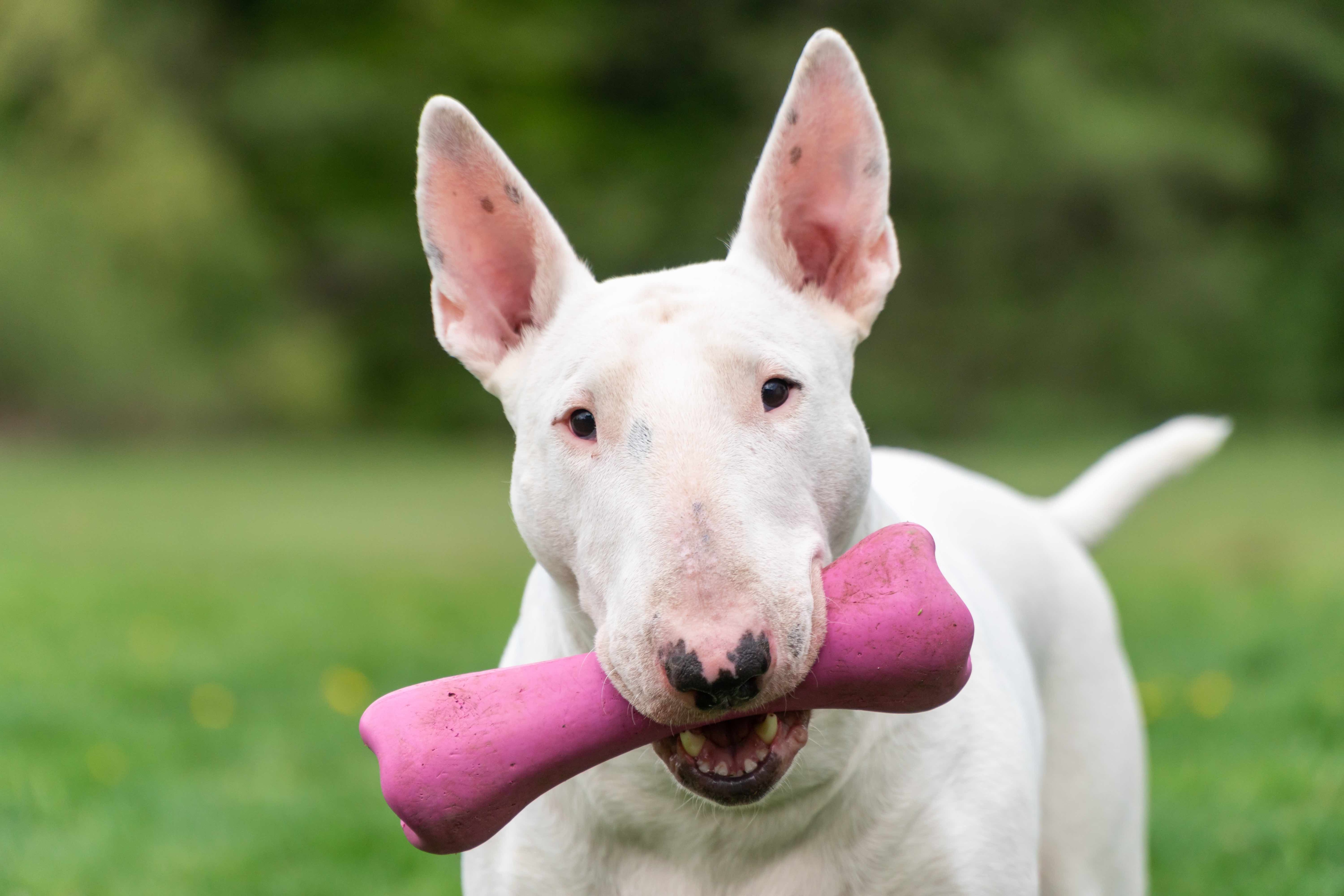
Bull Terriers are truly one-of-a-kind. Their unique appearance and spirited personality set them apart from other breeds. With their distinctive egg-shaped head and muscular build, they are instantly recognizable and often turn heads wherever they go. For those interested in exploring other unique dog breeds, the Bergamasco dog breed offers another fascinating option.
Beyond their looks, Bull Terriers are known for their playful and comical nature. They have a zest for life that is infectious, and their antics can bring a smile to anyone’s face. This breed is often described as mischievous, with a penchant for getting into amusing situations. Their lively demeanor makes them excellent companions for active individuals or families who can keep up with their energy levels.
Despite their playful side, Bull Terriers also have a deeply affectionate nature. They form strong bonds with their families and are known for their loyalty and devotion. This combination of playfulness and affection makes them a unique and delightful addition to any household. For more information on similar breeds, check out our Bergamasco dog breed guide.
- Distinctive appearance with an egg-shaped head
- Playful and comical personality
- Affectionate and loyal to their families
- Require ample exercise and mental stimulation
- Great companions for active individuals or families
Appearance and Physical Traits
Bull Terriers are medium-sized dogs with a robust and muscular build. Their most striking feature is their long, egg-shaped head, which is unlike any other breed. This unique head shape gives them a distinctive look that is both elegant and powerful. For a comparison of different breeds, you might find this breed comparison guide helpful.
Their eyes are small, dark, and set deep in the skull, adding to their unique expression. Bull Terriers have a strong jaw and a level bite, which contributes to their formidable appearance. Despite their tough exterior, they have a smooth and glossy coat that comes in various colors, including white, brindle, and black.
Personality and Behavior
Bull Terriers are known for their spirited and lively personality. They are full of energy and love to engage in play. This breed is often described as clownish due to their ability to entertain and amuse their owners with their antics.
However, their playful nature can sometimes translate into stubbornness. Bull Terriers are intelligent dogs, but they can be headstrong, which means they require consistent and firm training. Early socialization is crucial to ensure they grow into well-rounded and well-behaved adults. For more on training and temperament, check out this Bergamasco dog breed training guide.
Comparison with Other Bully Breeds
When compared to other bully breeds, Bull Terriers stand out for their unique head shape and playful demeanor. While breeds like the American Pit Bull Terrier and the Staffordshire Bull Terrier share a similar muscular build, Bull Terriers have a more distinctive appearance and a slightly different temperament.
Unlike some bully breeds that may have a more serious or protective nature, Bull Terriers are known for their affectionate and comical personality. They tend to be more playful and less aggressive, provided they receive proper socialization and training.
Understanding these differences can help potential adopters choose the right breed that matches their lifestyle and expectations.
Pros and Cons of Adopting a Bull Terrier
Adopting a Bull Terrier comes with its own set of advantages and challenges. It’s essential to weigh these factors carefully to ensure this breed is the right fit for your home and lifestyle.
Key Benefits
Bull Terriers are incredibly loyal and affectionate dogs. They form strong bonds with their families and are known for their devotion and protective nature. This makes them excellent companions for those looking for a loving and loyal pet.
Additionally, their playful and energetic personality can bring a lot of joy and entertainment to a household. Bull Terriers are great for families who enjoy an active lifestyle and are willing to engage in regular play and exercise with their pet.
Challenges and Considerations
On the flip side, Bull Terriers require consistent training and socialization to manage their stubbornness and prevent potential aggression. They need an owner who can provide firm and confident leadership, as they can be headstrong and challenging to train.
Furthermore, their high energy levels mean they require significant daily exercise to prevent destructive behaviors. Prospective owners should be prepared to dedicate time and effort to meet the physical and mental needs of a Bull Terrier.
Bull Terrier’s Temperament and Social Compatibility
Understanding the temperament of a Bull Terrier is crucial for ensuring a harmonious relationship with your pet. These dogs are known for their lively and spirited nature, but they also require proper guidance and socialization to thrive.
Early socialization is key to preventing potential aggression towards other dogs and strangers. Introducing your Bull Terrier to various environments, people, and animals from a young age can help them develop into well-rounded and sociable dogs.
Despite their playful and affectionate nature, Bull Terriers can be protective of their families. With proper training, they can be excellent watchdogs who alert you to any potential threats while remaining friendly and approachable with guests.
Dealing with Aggression and Stubbornness
One of the challenges you may face when adopting a Bull Terrier is their potential for aggression and stubbornness. This doesn’t mean they’re bad dogs; rather, they need the right environment and training to flourish. Bull Terriers are naturally strong-willed and can exhibit aggression if not properly socialized. This is why it’s essential to start training and socialization early, similar to techniques used in handling aggression in Flemish Giant Rabbits.
Most importantly, your approach should be consistent and patient. Use positive reinforcement techniques to encourage good behavior. This breed responds well to rewards and praise, so make sure to have treats handy during training sessions. If you’re firm yet gentle, you’ll find that your Bull Terrier will quickly learn what’s expected of them.
Socialization and Interaction
Socialization is a critical component of raising a well-behaved Bull Terrier. From a young age, introduce your dog to a variety of environments, people, and other animals. This exposure will help them become more adaptable and less likely to react aggressively in new situations.
Set up playdates with other dogs and take them to dog-friendly parks. The more they interact with different stimuli, the better they will be at managing their instincts. Always supervise these interactions, especially in the beginning, to ensure that everything goes smoothly. Remember, a well-socialized Bull Terrier is a happy and confident one.
Strengths and Potential Problems
Every dog breed comes with its strengths and challenges, and the Bull Terrier is no exception. Knowing these can help you make informed decisions and prepare adequately for life with your new pet.
“Five Generations Under One Roof …” from madcapuniversity.com and used with no modifications.
Physical and Mental Strengths
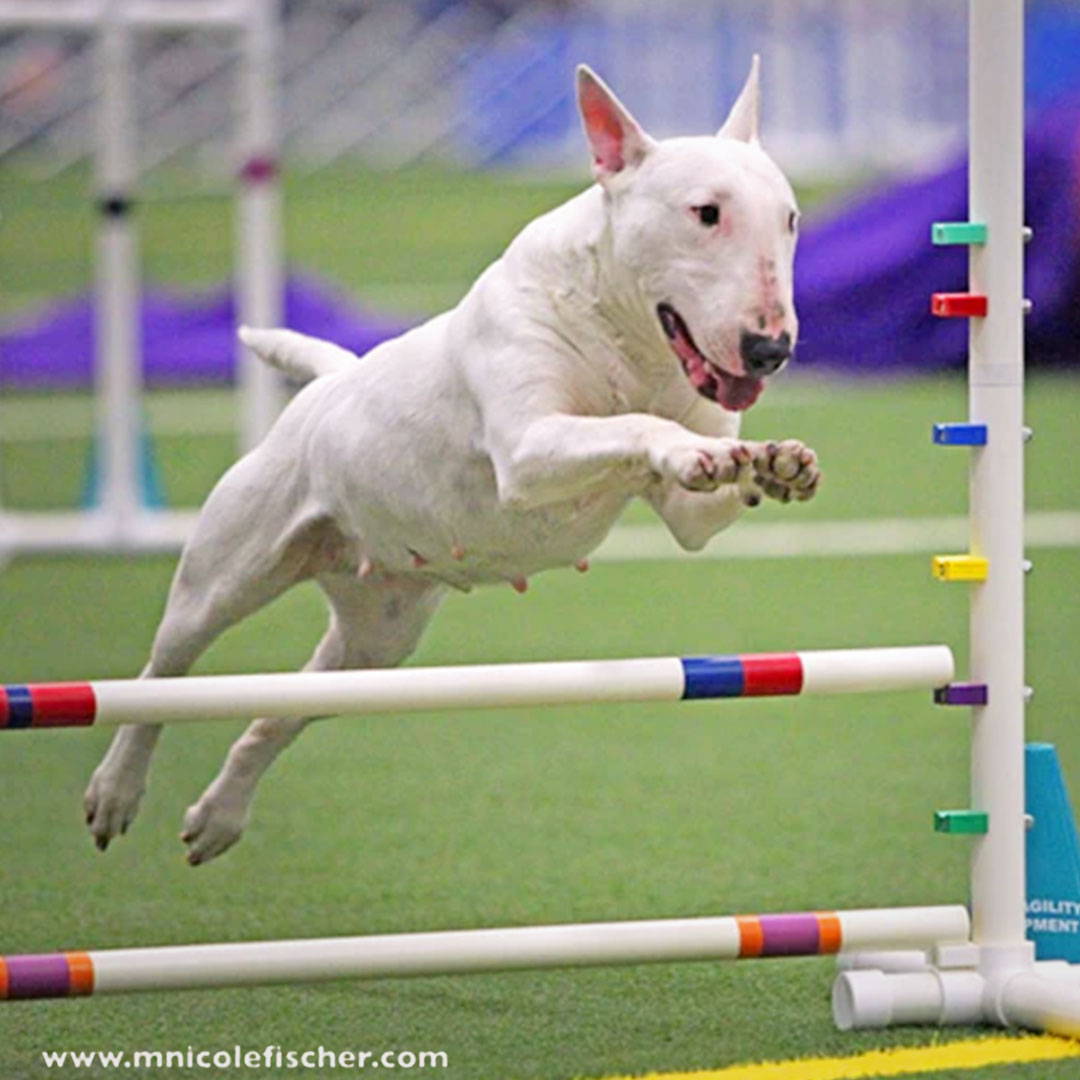
Bull Terriers are known for their physical strength and agility. They are muscular and athletic, making them excellent companions for those who enjoy outdoor activities like hiking or running. Their high energy levels mean they love to play and can keep up with an active lifestyle.
Mental strength is another area where Bull Terriers excel. They are intelligent and curious, always eager to learn new tricks or solve puzzles. This makes them highly trainable when approached with the right techniques. Keep their minds engaged with interactive toys and regular training sessions to channel their intelligence positively.
Health Concerns and Management
While Bull Terriers are generally healthy, they are prone to certain health issues. Kidney disease, deafness, and skin allergies are some common concerns. Regular veterinary check-ups are crucial to catch any potential problems early. Discuss with your vet about a suitable diet and exercise plan to keep your Bull Terrier in top shape.
Additionally, be mindful of their skin and coat. Regular grooming can help prevent skin issues and keep their coat looking glossy and healthy. A balanced diet rich in omega-3 fatty acids can also contribute to better skin and coat health.
Understanding Their Relation to Pitbulls
While Bull Terriers and Pitbulls are both part of the bully breed group, they have distinct differences in appearance and temperament. Understanding these differences is crucial for potential adopters.
Bull Terriers and Pitbulls are often confused due to their similar muscular build and shared ancestry. However, they have distinct characteristics that set them apart. Bull Terriers are known for their unique head shape and playful personality, while Pitbulls are often recognized for their strength and protective nature.
It’s important to note that both breeds have undeserved reputations for aggression. With proper training and socialization, both Bull Terriers and Pitbulls can be loving and loyal companions. The key is to understand their needs and provide the right environment for them to thrive.
Breed Origin and Evolution
The Bull Terrier was originally developed in the 19th century as a fighting dog but has since evolved into a beloved companion breed. Their distinctive appearance and spirited nature have made them popular among dog enthusiasts worldwide.
Over the years, breeders have focused on enhancing their temperament, making them more suitable as family pets. Today’s Bull Terriers are far removed from their fighting past and are cherished for their loyalty and affection. For those interested in exploring the differences between breeds, the comparison of different temperaments can provide valuable insights.
Common Misconceptions
One of the most common misconceptions about Bull Terriers is that they are inherently aggressive. This stereotype stems from their history as fighting dogs, but it doesn’t reflect their true nature. With proper training and socialization, Bull Terriers can be gentle and loving pets.
Another misconception is that Bull Terriers are difficult to train. While they can be stubborn, they are also intelligent and eager to learn. Consistent training with positive reinforcement can help them reach their full potential as obedient and well-mannered dogs.
Are Bull Terriers Good Family Dogs?
Bull Terriers can make excellent family dogs for the right household. Their playful and affectionate nature makes them great companions for older children and active families. They love to be involved in family activities and thrive in environments where they receive plenty of attention and interaction. If you’re considering adopting a unique pet, you might also be interested in learning about the Egyptian Mau cat.
However, their boisterous play style may not be suitable for families with very young children. They can accidentally knock over small children during play, so supervision is essential. With proper guidance and training, Bull Terriers can learn to interact gently with kids.
- Playful and affectionate, making them great companions for active families.
- Require supervision around small children due to their boisterous nature.
- Thrive in environments with plenty of attention and interaction.
Ultimately, whether a Bull Terrier is a good fit for your family depends on your ability to meet their needs and provide a structured and loving environment. With the right care, they can become cherished members of your household.

“Bull Terriers The Greatest Dogs Ever …” from steemit.com and used with no modifications.
Suitability for Families with Children
Bull Terriers can be a wonderful addition to families with children, especially those who are a bit older. Their playful and energetic nature makes them excellent playmates for kids who can match their enthusiasm. They thrive on interaction and enjoy being part of family activities, whether it’s playing in the yard or going for a walk in the park.
However, it’s important to consider the age and temperament of your children. Bull Terriers are strong and energetic, and their boisterous play style can be overwhelming for very young kids. Therefore, supervision is crucial to ensure safe and positive interactions. Teaching your children how to interact with the dog respectfully will also help foster a strong bond between them.
Considerations for Other Pets
If you have other pets, introducing a Bull Terrier into your household requires careful planning. They can get along with other animals, but early socialization is key. Start by introducing them in neutral territory and monitor their interactions closely. Gradually increase their time together, always rewarding positive behavior. For tips on handling different animals, you might find our guide on handling aggression in pets helpful.
Keep in mind that Bull Terriers have a strong prey drive, so supervision is necessary, especially around smaller animals like cats or rodents. With patience and consistency, many Bull Terriers can coexist peacefully with other pets, but each dog is unique, and some may require more time and training than others.
Ideal Owners and First-Time Ownership
While Bull Terriers can be excellent pets, they may not be ideal for first-time dog owners. Their strong-willed nature and need for consistent training can be challenging for those without prior experience. However, if you’re committed to learning and willing to invest the time in training and socialization, a Bull Terrier can be a rewarding companion.
Guide for First-Time Dog Owners
If you’re a first-time dog owner considering a Bull Terrier, start by educating yourself about the breed. Understand their needs, temperament, and potential challenges. Enroll in a puppy training class to learn the basics of obedience training and socialization. These classes can provide valuable insights and techniques to help you manage your Bull Terrier effectively.
Establish a routine that includes regular exercise, training sessions, and socialization opportunities. Consistency is key to helping your Bull Terrier adapt to their new environment and develop good habits. For more insights on training, you can explore our Bergamasco dog breed training guide.

“friendliest Bull Terrier …” from www.reddit.com and used with no modifications.
Training and Exercise Tips
Bull Terriers require a structured training program that incorporates positive reinforcement techniques. Use treats, praise, and play as rewards for good behavior. Keep training sessions short and engaging to hold their attention and make learning fun.
Exercise is equally important for this energetic breed. Aim for at least one hour of physical activity daily, which can include walks, playtime, or agility training. Providing mental stimulation through puzzle toys or interactive games can also help channel their energy positively.
FAQs
As you consider adopting a Bull Terrier, you might have several questions about the breed. Here are some common inquiries and their answers to help you make an informed decision. For more information on adopting unique dog breeds, check out this Bergamasco dog breed adoption guide.
Are Bull Terriers Aggressive by Nature?
Bull Terriers are not inherently aggressive, but like any breed, they require proper training and socialization. Early exposure to various environments, people, and animals can help prevent aggressive tendencies. With consistent guidance and positive reinforcement, Bull Terriers can be friendly and sociable pets.
How Do Bull Terriers Compare to Other Bully Breeds?
While Bull Terriers share some similarities with other bully breeds, such as their muscular build, they have unique characteristics that set them apart. Their distinctive egg-shaped head and playful personality differentiate them from breeds like the American Pit Bull Terrier, which may have a more serious demeanor.
Understanding these differences can help potential adopters choose the right breed for their lifestyle and preferences. Bull Terriers are known for their affectionate nature and can be excellent companions for those who appreciate their spirited personality.
What the Key to Training and Socializing a Bull Terrier?
The key to successfully training and socializing a Bull Terrier lies in consistency, patience, and positive reinforcement. Start training early and expose your dog to a variety of experiences to build their confidence and adaptability.
Use rewards like treats, praise, and play to reinforce desired behaviors. Keep training sessions engaging and fun to maintain their interest and enthusiasm. Remember that every Bull Terrier is unique, so tailor your approach to suit their individual personality and needs.