- Chinchilla rabbits come in three main types: Standard, American, and Giant, each with distinct characteristics and size.
- The Standard Chinchilla is the smallest and most suitable for smaller living spaces, while the Giant Chinchilla is best for those who want a larger pet.
- Adoption costs can vary, with the American Chinchilla generally being more expensive than the Standard Chinchilla.
- Chinchilla rabbits are generally gentle and sociable, making them good pets for families and children.
- While they share a name, chinchilla rabbits and chinchillas have different care requirements and should not be housed together.
Quick Overview: Choosing the Right Chinchilla Rabbit for You
When deciding to adopt a chinchilla rabbit, the first step is understanding the differences between the three main breeds: Standard, American, and Giant. Each breed has its unique characteristics, size, and temperament, which can significantly impact your choice depending on your living situation and personal preferences. Let’s dive into these differences to help you make an informed decision.
Understanding Chinchilla Rabbit Breeds
The chinchilla rabbit breeds were developed for their beautiful fur, which closely resembles the fur of the South American chinchilla. Although originally bred for fur, these rabbits have become popular pets due to their gentle nature and distinctive appearance. Understanding each breed’s traits will help you choose the right one for your home.
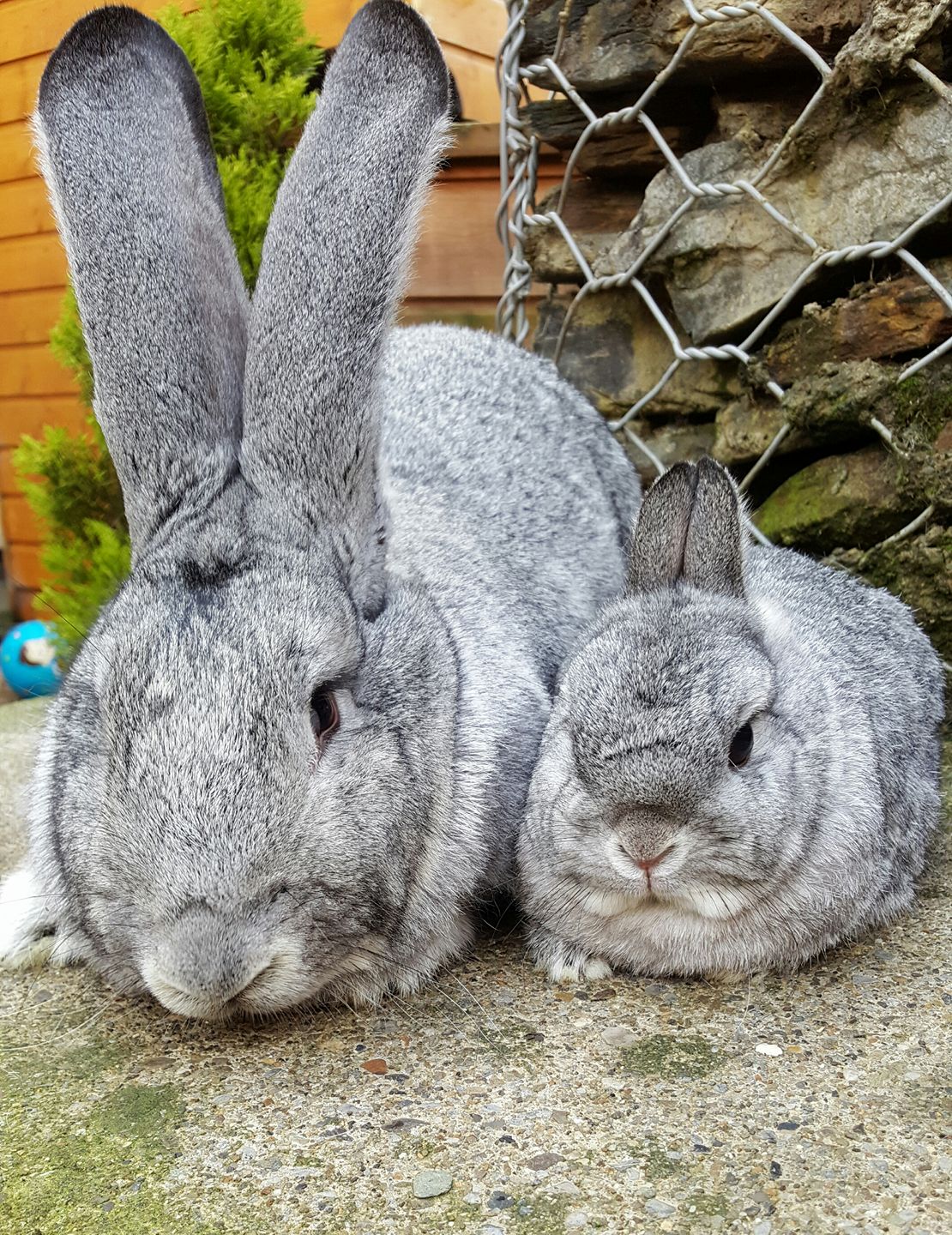
“a Chinchilla Dwarf …” from www.reddit.com and used with no modifications.
Identifying Standard, American, and Giant Chinchilla Rabbits
To identify each chinchilla rabbit breed, it’s essential to know their key characteristics:
- Standard Chinchilla: The smallest of the three, typically weighing between 5-7 pounds. They have a compact and rounded body.
- American Chinchilla: Larger than the Standard, weighing around 9-12 pounds. They have a commercial body type, making them slightly more robust.
- Giant Chinchilla: As the name suggests, this is the largest breed, weighing in at 12-16 pounds. They have a semi-arched body type and are known for their impressive size.
Size and Appearance Differences
Besides their weight, chinchilla rabbits differ in size and appearance, which can influence your choice based on the space you have available. The Standard Chinchilla is more manageable in smaller homes, while the Giant Chinchilla requires more room to move around comfortably. Each breed also has a distinct coat, with a dense, rollback fur that is soft to the touch.
Rarity and Availability
The availability of chinchilla rabbits can vary based on location. The American Chinchilla is often considered more rare, especially in certain regions, which can impact its adoption cost. It’s crucial to research local breeders or rescue organizations to understand which breed is most readily available in your area. This research will also help you prepare for any specific requirements the breed might have.
The True Cost of Adoption
Adopting a chinchilla rabbit involves more than just the initial cost. It’s important to consider all the factors that can influence the total expenses involved, ensuring you are fully prepared for the commitment of owning one of these delightful creatures.
Adoption fees can vary depending on the breed, age, and health of the rabbit, as well as the source from which you adopt. Generally, the larger American Chinchilla may be slightly more expensive than the Standard Chinchilla, due to its size and rarity.
Factors Influencing Adoption Costs
Several factors can influence the adoption cost of chinchilla rabbits:
- Breed and Size: Larger breeds like the Giant Chinchilla typically cost more due to their size and the resources needed to care for them.
- Age: Younger rabbits might be priced higher because they are in greater demand.
- Health and Pedigree: Rabbits with a documented pedigree or specific health clearances may come at a premium.
- Location: Availability and demand in your area can also affect the price.
Personality Traits of Each Breed
Chinchilla rabbits are known for their friendly and gentle nature, but each breed has its distinct personality traits. The Standard Chinchilla is often lively and playful, making it a joy to watch as it explores its environment. These rabbits are generally curious and enjoy interacting with their human companions. The American Chinchilla, being larger, tends to have a more laid-back demeanor. They are often calm and enjoy being petted, which makes them ideal for families with children. The Giant Chinchilla, while massive in size, is also gentle and can be quite affectionate. They do require more space and attention, but their docile nature makes them easy to handle. If you’re interested in exploring more about rare breeds, consider checking out the Japanese Bobtail cat adoption for a unique pet experience.
Suitability for Families and Children
Chinchilla rabbits can make excellent pets for families and children due to their gentle and sociable nature. The Standard Chinchilla, being smaller and more energetic, is perfect for families with active children who can match their playfulness. On the other hand, the American Chinchilla’s calm demeanor makes it suitable for younger children or families looking for a more relaxed pet. The Giant Chinchilla, while friendly, requires more space and care, making it better suited for families who have the time and resources to devote to a larger pet. It’s important to supervise interactions between children and rabbits to ensure the safety and comfort of both.
Compatibility with Other Pets
When introducing a chinchilla rabbit into a home with existing pets, it’s crucial to consider the compatibility between species. Rabbits are generally social animals, but they can be cautious around new animals. Proper introductions and monitoring are key to ensuring a harmonious household.
Can Chinchilla Rabbits Live with Actual Chinchillas?
Despite their similar names, chinchilla rabbits and chinchillas are quite different and should not be housed together. Chinchillas are nocturnal rodents with different dietary and environmental needs compared to rabbits. Rabbits are more social during the day and have different activity levels and dietary requirements. Therefore, while they can coexist in the same household, they should have separate living spaces to cater to their specific needs and prevent stress or competition.
Moreover, the temperament of chinchillas can be more skittish compared to the generally calm nature of chinchilla rabbits. Keeping them in separate enclosures ensures that each animal can thrive in an environment suited to their species-specific needs.
Introducing Rabbits to Other Household Pets
When introducing chinchilla rabbits to other household pets, such as dogs or cats, it’s important to do so gradually and with care. Here are some steps to follow:
- Initial Separation: Keep the rabbit and other pets in separate areas initially to allow them to get used to each other’s scent.
- Supervised Meetings: Arrange short, supervised meetings where both animals can see each other but not physically interact.
- Positive Reinforcement: Reward both animals with treats and praise to create positive associations with each other’s presence.
- Monitor Behavior: Watch for any signs of aggression or stress and separate the animals if necessary.
With patience and careful supervision, chinchilla rabbits can learn to coexist peacefully with other pets, creating a harmonious environment in your home.
Caring for Chinchilla Rabbits vs. Chinchillas
Caring for chinchilla rabbits and chinchillas involves understanding their distinct needs and providing an environment that caters to their health and well-being. While both require attentive care, their specific requirements differ significantly. For instance, if you’re considering adopting a Flemish Giant rabbit, you’ll need to be aware of their unique care needs compared to chinchillas.
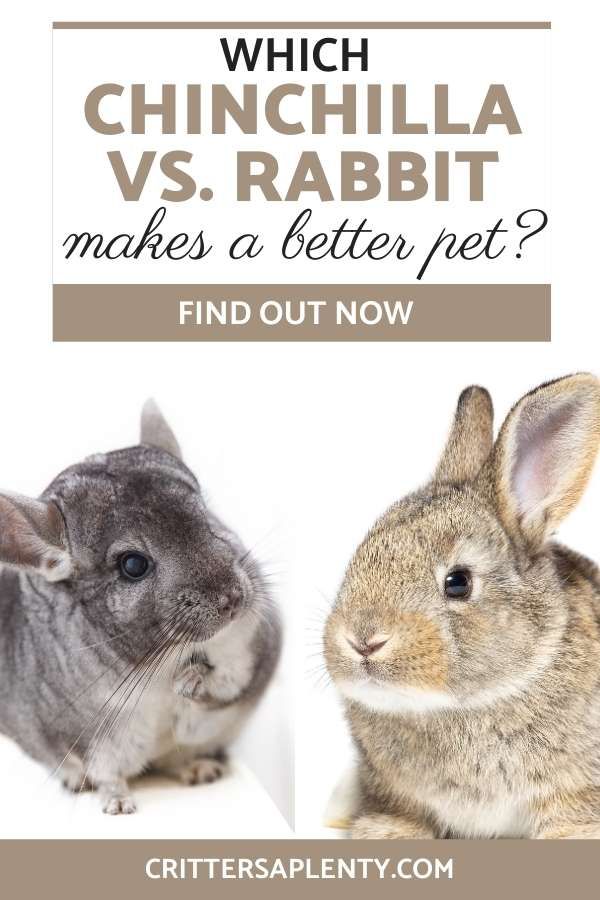
“Chinchilla vs. Rabbits: Which Makes a …” from www.pinterest.com and used with no modifications.
Dietary Needs and Feeding
Chinchilla rabbits have a diet primarily composed of hay, which should make up the bulk of their intake. Fresh vegetables and a small amount of pellets can be added for variety and nutritional balance. It’s important to provide clean, fresh water at all times. In contrast, chinchillas require a diet rich in high-fiber hay and specially formulated chinchilla pellets. They are more sensitive to certain foods, so treats should be given sparingly.
Housing and Space Requirements
Rabbits need ample space to hop around and exercise, so a large enclosure or a safe, rabbit-proofed room is ideal. They benefit from time outside their enclosure for exercise and social interaction. Chinchillas, on the other hand, thrive in multi-level cages that allow them to climb and explore. They require dust baths to maintain their fur and should have a stable environment free from drafts and extreme temperatures.
Health and Grooming
Regular grooming is essential for chinchilla rabbits to prevent matting and reduce shedding. Their nails should be trimmed regularly, and their teeth checked to prevent overgrowth. Chinchillas require regular dust baths to keep their fur clean and oil-free. Both species need regular veterinary check-ups to monitor their health and address any issues early.
Understanding these differences and providing appropriate care will ensure that both chinchilla rabbits and chinchillas remain healthy and happy in their respective environments.
Exercise and Enrichment Routines
Ensuring your chinchilla rabbit gets enough exercise and mental stimulation is crucial for its well-being. These rabbits are naturally curious and active, requiring opportunities to explore and play. Providing a safe, enclosed area where they can hop and run freely is essential. You can also enrich their environment with toys, tunnels, and chewable items to keep them entertained, similar to how you might provide enrichment for a Flemish Giant rabbit.
Regular exercise helps prevent obesity and promotes healthy digestion. For chinchilla rabbits, interactive playtime with their owners can also strengthen the bond and provide much-needed social interaction. Remember to rotate toys and introduce new challenges regularly to keep your rabbit engaged and mentally stimulated. For more information on rabbit care, you can explore this guide on Flemish Giant rabbits.
Final Thoughts on Chinchilla Rabbit Adoption
Adopting a chinchilla rabbit can be a rewarding experience, bringing joy and companionship into your home. Understanding the unique characteristics of each breed and their specific needs will help you provide the best care possible. Whether you choose a Standard, American, or Giant Chinchilla, each rabbit offers a unique personality and charm.
It’s important to consider your living space, family dynamics, and commitment to care when deciding which breed is right for you. With the proper preparation and dedication, chinchilla rabbits can thrive as beloved members of your family, offering years of companionship and delight.
Frequently Asked Questions (FAQ)
Here are some common questions potential chinchilla rabbit owners often ask:
Are Chinchilla rabbits low maintenance?
While chinchilla rabbits are relatively easy to care for, they do require regular attention and maintenance. They need a balanced diet, fresh water, regular grooming, and exercise to stay healthy. Their living environment must be kept clean, and they require social interaction to prevent loneliness.
How do I safely introduce a Chinchilla rabbit to a small pet?
When introducing a chinchilla rabbit to a small pet, start by keeping them in separate spaces to get used to each other’s scent. Gradually allow them to see each other through a barrier, and only proceed to direct interaction under supervision. Ensure both animals are calm and comfortable, rewarding positive behavior with treats.
What is the lifespan of a Chinchilla rabbit?
Chinchilla rabbits typically have a lifespan of 5 to 8 years, depending on their care and living conditions. Providing a nutritious diet, regular veterinary care, and a safe environment can help extend their lifespan and ensure they live healthy, happy lives.
“Pin page” from se.pinterest.com and used with no modifications.
Do all Chinchilla rabbit breeds bond with their human owners?
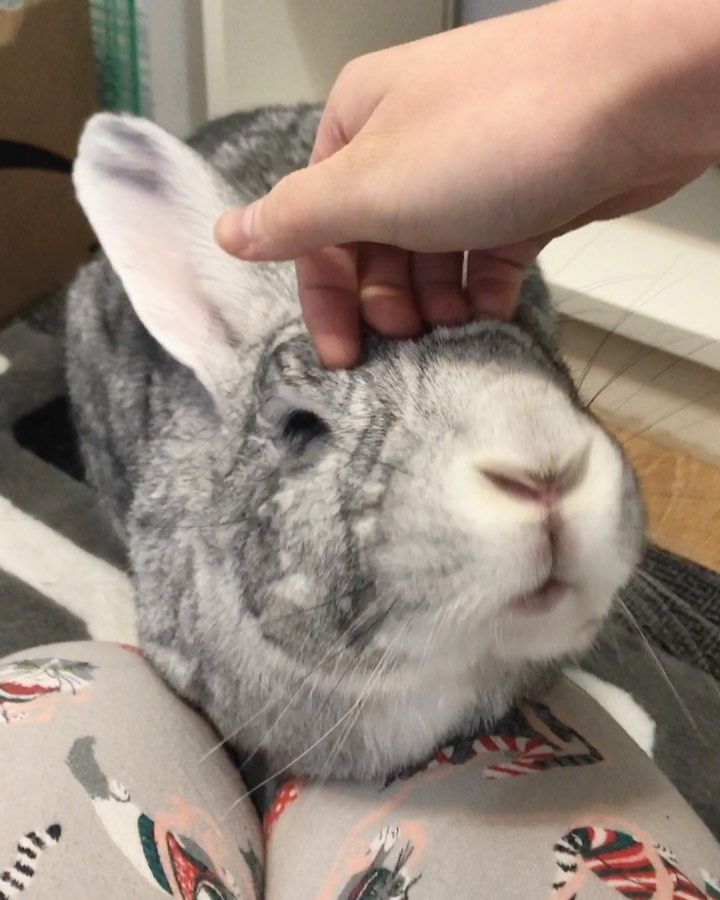
Yes, chinchilla rabbits are known for their friendly and sociable nature, and they can form strong bonds with their human owners. Spending time with your rabbit, offering treats, and engaging in gentle play can help strengthen this bond over time.
Can I keep different Chinchilla rabbit breeds (American, Standard & Giant) together?
It’s possible to keep different chinchilla rabbit breeds together, provided they are introduced properly and have enough space to coexist comfortably. Monitor their interactions to ensure they get along well, and provide separate resources such as food and water bowls to prevent competition.
Chinchilla rabbits are a fascinating breed with several variations, including Standard, American, and Giant. If you’re considering adopting one, it’s important to understand the differences between these types. Each has its own unique characteristics in terms of cost, rarity, size, and temperament. For example, the Standard Chinchilla Rabbit is known for its specific traits and care requirements. Whether they make good pets or can cohabitate with chinchillas depends on these factors. Comparing the care and behavior of chinchillas versus chinchilla rabbit breeds can help potential owners make informed decisions.