Key Takeaways
- Chinook dogs are rare, with a rich history dating back to early 20th-century New Hampshire.
- Adoption costs can range from $300 to $500, while purchasing from breeders may cost significantly more.
- These dogs are highly athletic and excel in activities like sled pulling and hiking.
- Chinooks are known for their friendly temperament, making them great family pets.
- Potential owners should be aware of common health issues like hip dysplasia.
Chinook Dog Breed Rescue Adoption Guide
When you think about adopting a dog, the Chinook might not be the first breed that comes to mind. Yet, this rare and unique breed has a lot to offer. With a fascinating history and a reputation for being friendly and hardworking, Chinooks make excellent companions for the right family. But before you make a decision, it’s essential to understand what makes this breed so special and what you can expect from adopting one.
Chinook Overview and Appeal
The Chinook is a breed that combines strength and gentleness in a remarkable way. Originally bred for sledding, these dogs are known for their endurance and ability to work well in teams. Despite their working dog roots, Chinooks are incredibly affectionate and thrive on human companionship. They are great with children and other pets, making them ideal for families who lead an active lifestyle.
History and Origins of the Chinook Dog Breed
The history of the Chinook breed is as intriguing as the dogs themselves. It all began in the early 1900s when Arthur Treadwell Walden, a sled dog driver and musher from New Hampshire, set out to create a new breed. Walden’s goal was to develop a dog that could handle the harsh conditions of sledding while maintaining a gentle and friendly demeanor.

“Chinook (dog breed) – Wikipedia” from en.wikipedia.org and used with no modifications.
Development in New Hampshire
Walden started by crossing a large, tawny mastiff-type dog with a Greenland Husky. This crossbreeding resulted in a litter that included a standout puppy named Chinook. Chinook not only became the lead dog of Walden’s sled team but also the foundation of the breed that bears his name. The Chinook’s development in New Hampshire played a significant role in the breed’s history and helped establish its reputation as a reliable working dog.
New Hampshire’s rugged terrain and cold climate provided the perfect environment for testing the Chinook’s abilities. Walden’s team participated in expeditions and races, showcasing the breed’s endurance and teamwork. As a result, the Chinook gained recognition and admiration from dog enthusiasts and mushers alike.
“The Chinook is not just a dog; it’s a piece of living history that embodies the spirit of adventure and companionship.” – Arthur Treadwell Walden
Initial Purpose and Usage
The primary purpose of the Chinook was sledding. These dogs were bred to pull heavy loads over long distances, making them invaluable to explorers and mushers. Besides sledding, Chinooks were also used for search and rescue missions due to their keen sense of smell and strong work ethic. Their versatility and adaptability made them a favorite among those who needed a dependable working dog.
Composition and Rarity of Chinook Breeds
Understanding the composition of the Chinook breed requires a look at its origins. The breed’s unique characteristics stem from the careful selection and breeding of specific dog types. This intentional mix of mastiff and husky traits gave the Chinook its distinctive appearance and abilities. For those interested in other rare breeds, the Bergamasco dog breed also offers a fascinating history and unique traits.
Breeding Origins
The Chinook’s lineage is a blend of different breeds, each contributing to its physical and behavioral traits. The mastiff-type dog provided the size and strength needed for sledding, while the Greenland Husky added endurance and cold-weather resilience. This combination resulted in a breed that is both powerful and gentle, a true testament to Walden’s vision.
Breeding Chinooks today involves maintaining these original traits while ensuring the health and well-being of the dogs. Responsible breeders focus on preserving the breed’s unique characteristics and reducing the risk of genetic health issues.
Current Population
Despite their impressive history, Chinooks are one of the rarest dog breeds today. With only a few hundred registered worldwide, finding a Chinook can be challenging. Efforts to increase their population are ongoing, with breed clubs and enthusiasts working to promote responsible breeding and adoption. For more information on the Chinook dog breed, visit The Spruce Pets.
The rarity of the Chinook adds to its appeal for those looking for a unique and special companion. However, it also means that potential owners need to be patient and diligent in their search for a Chinook to adopt or purchase.
Benefits of the Breed
The Chinook dog breed offers numerous benefits for those lucky enough to own one. Firstly, their friendly and gentle nature makes them excellent companions for families. They are known to get along well with children and other pets, creating a harmonious household environment. Additionally, their intelligence and eagerness to please make them highly trainable, which is a boon for first-time dog owners.
Moreover, Chinooks are incredibly loyal and form strong bonds with their families. This loyalty extends to their protective instincts, as they will often alert their owners to any unusual activity. Their adaptability also means they can thrive in various living situations, from rural settings to suburban homes, as long as they receive adequate exercise and mental stimulation.
Challenges to Consider
While the Chinook breed has many positive traits, potential owners should be aware of some challenges. One of the primary concerns is their rarity, which can make finding a Chinook to adopt or purchase a lengthy process. Additionally, their high energy levels require regular exercise, and a lack of physical activity can lead to behavioral issues.
Chinooks also have a thick double coat, which means they shed quite a bit, especially during seasonal changes. Regular grooming is essential to keep their coat healthy and minimize shedding around the house. Furthermore, their strong attachment to their owners can result in separation anxiety if left alone for extended periods. It’s crucial to provide them with companionship and mental stimulation to prevent this.
Athletic Abilities and Sled Pulling
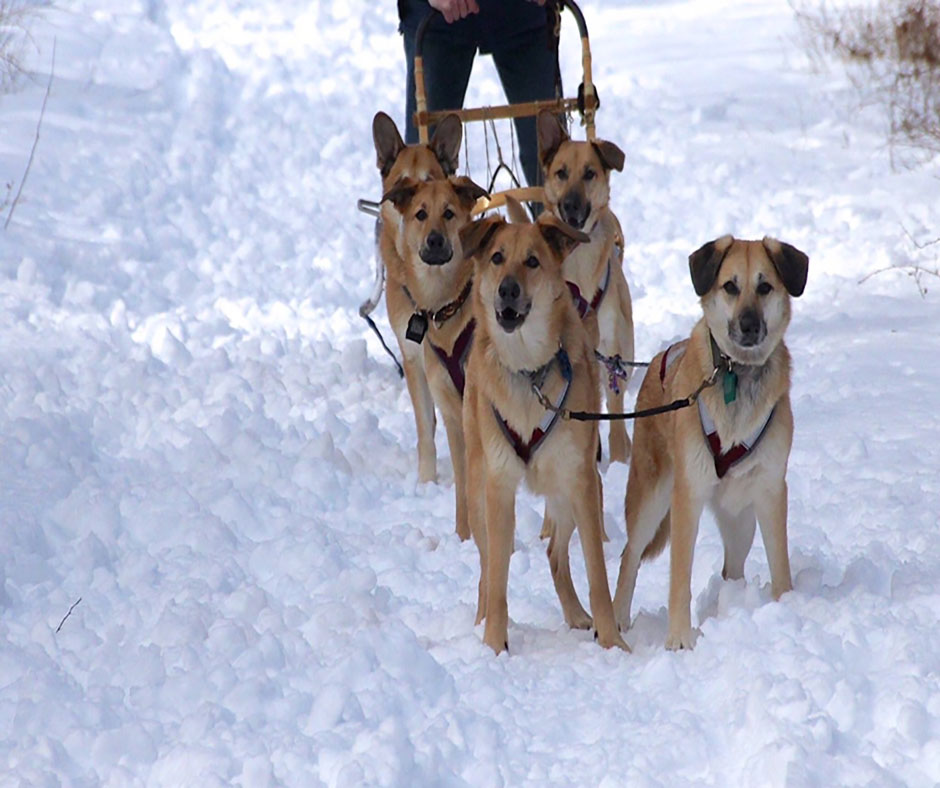
Chinooks are renowned for their athletic abilities, particularly when it comes to sled pulling. This breed was developed with endurance and strength in mind, making them ideal for tasks that require physical prowess. Whether it’s pulling a sled through snowy terrains or participating in dog sports, Chinooks excel in activities that challenge their physical capabilities.
Their history as sled dogs has ingrained in them a natural instinct for teamwork and cooperation. They enjoy working alongside humans and other dogs, making them perfect for families who engage in outdoor activities. Chinooks thrive on exercise and mental challenges, so providing them with opportunities to use their athletic skills is essential for their well-being. For a comparison with other breeds, check out this comparison of Belgian Sheepdog breeds.
“Carriage Horse of Sled Dogs …” from puredogtalk.com and used with no modifications.
Chinooks as Working Dogs
Beyond sled pulling, Chinooks are versatile working dogs that can excel in various roles. Their intelligence and trainability make them suitable for tasks such as search and rescue, therapy work, and even obedience competitions. Their calm demeanor and friendly nature allow them to interact well with people, making them effective in environments that require a gentle touch.
Chinooks have a strong work ethic and enjoy having a purpose. Engaging them in activities that challenge their minds and bodies will keep them happy and healthy. Whether it’s participating in agility courses or accompanying their owners on long hikes, Chinooks are always up for an adventure. For a comparison of different dog breeds, including their temperaments and costs, check out this guide on Belgian Sheepdogs.
Activities Suited for Chinooks
To keep a Chinook happy, it’s important to provide them with a variety of activities that cater to their athletic abilities. Long walks, hikes, and runs are excellent ways to burn off their energy. If you live in an area with snowy winters, consider introducing your Chinook to sledding or skijoring, where they can pull a skier behind them.
Chinooks also enjoy playing fetch, swimming, and participating in canine sports like agility and obedience trials. These activities not only provide physical exercise but also stimulate their minds, preventing boredom and promoting overall well-being.
Comparison with Similar Breeds
While Chinooks have their unique characteristics, it’s helpful to compare them with similar breeds to understand their differences and similarities. This comparison can assist potential owners in determining if the Chinook is the right fit for their lifestyle.
Differences from Huskies
At first glance, Chinooks and Huskies may appear similar due to their sledding history and physical attributes. However, there are distinct differences between the two breeds. Chinooks tend to have a more gentle and laid-back temperament compared to the often independent and energetic nature of Huskies. Additionally, Chinooks are generally easier to train and more adaptable to different living situations.
Comparison with Malamutes
Alaskan Malamutes, like Chinooks, are also known for their sledding capabilities. However, Malamutes are larger and more powerful, often used for pulling heavier loads. Chinooks, on the other hand, are more agile and better suited for speed and endurance tasks. In terms of temperament, Malamutes can be more dominant and stubborn, while Chinooks are typically more eager to please and cooperative.
Chinooks also tend to be more social and enjoy the company of other dogs and people, whereas Malamutes may be more reserved. Understanding these differences can help potential owners decide which breed aligns best with their lifestyle and preferences.
Comparison with Samoyeds
Samoyeds are another breed with a history of sledding, known for their striking white coats and friendly demeanor. While both Samoyeds and Chinooks are sociable and affectionate, Samoyeds are often more vocal and require regular grooming to maintain their coat. Chinooks, with their tawny coloring, may require less grooming but still shed seasonally. For a deeper understanding of different temperaments and costs to consider when adopting, explore this comparison of Belgian Sheepdog breeds.
Comparisons with Other Working Dogs
When comparing Chinooks to other working dogs, it’s essential to consider their unique combination of traits. Unlike some working breeds that may be more independent or reserved, Chinooks thrive on companionship and teamwork. They are versatile and can adapt to various roles, from sledding to therapy work, making them a valuable addition to families with active lifestyles.
Chinooks also have a distinct advantage in their gentle and friendly nature, which makes them more approachable and easier to integrate into family life compared to some other working breeds. Their adaptability and eagerness to please set them apart, ensuring they stand out as exceptional companions.
Reputation: Myth vs Reality
Like many breeds, Chinooks have their share of myths and misconceptions. Understanding the reality of their temperament and behavior is crucial for potential owners considering this breed.
One common myth is that Chinooks are aggressive due to their working dog background. In reality, Chinooks are known for their gentle and friendly nature, making them excellent family pets. They are more likely to welcome strangers with a wagging tail than exhibit any form of aggression.
Common Misconceptions
Another misconception is that Chinooks are difficult to train. While they are intelligent and can be independent thinkers, their eagerness to please makes them highly trainable. Consistent, positive reinforcement methods work best with this breed, ensuring they learn quickly and enjoy the training process.
It’s also important to note that Chinooks are not hyperactive dogs. While they do require regular exercise, they are equally content to relax with their family at home. This balance of energy levels makes them suitable for families who enjoy both outdoor adventures and quiet evenings.
“What’s In A Name: Chinook” from www.pinterest.com and used with no modifications.
Actual Temperament and Traits
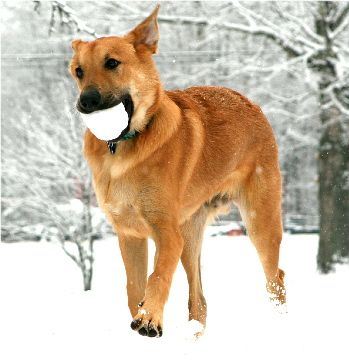
The actual temperament of a Chinook is one of friendliness, loyalty, and intelligence. They form strong bonds with their families and are known for their patience and tolerance, especially with children. Their gentle nature makes them excellent therapy dogs, providing comfort and companionship to those in need.
Chinooks are also highly adaptable, able to adjust to different living situations and environments. Whether living in a suburban home or a rural setting, they thrive when given the opportunity to be part of the family and engage in activities that stimulate their minds and bodies.
In conclusion, the Chinook is a breed that offers a unique combination of historical significance, versatility, and companionship. Their rarity and distinctive traits make them a cherished addition to any family willing to embrace their adventurous spirit and gentle nature.
Health Considerations for Chinook Dogs
Chinook dogs, like all breeds, have specific health considerations that potential owners should be aware of. These dogs are generally healthy, but they are prone to certain genetic conditions. Being informed about these health issues can help you provide the best care for your Chinook. For a broader perspective, you might want to explore health comparisons with other breeds, such as the Belgian Sheepdog.
Regular veterinary check-ups are crucial for maintaining the health of your Chinook. Early detection of potential health problems can lead to more effective treatment and management. It’s also important to maintain a healthy diet and exercise routine to prevent obesity and other related health issues.
Common Health Issues
One of the most common health issues in Chinooks is hip dysplasia, a genetic condition that affects the hip joint. This can lead to arthritis and mobility issues if not addressed. Responsible breeders test for this condition to reduce its prevalence in the breed. For more information on breed comparisons and health considerations, you can explore this comparison of different dog breeds.
Another concern is eye disorders, such as cataracts, which can affect the dog’s vision as they age. Regular eye examinations can help catch these issues early. Additionally, Chinooks may be prone to skin allergies, which can cause itching and discomfort.
Preventative Care Tips
To keep your Chinook healthy, it’s essential to provide a balanced diet rich in nutrients. Consult with your veterinarian to determine the best diet plan for your dog based on their age, weight, and activity level. Regular exercise is also important to maintain their physical health and prevent obesity. For those considering adopting a different breed, you may want to explore the Belgian Sheepdog for comparison.
Grooming plays a role in preventive care as well. Regular brushing helps reduce shedding and keeps their coat healthy. Additionally, routine dental care, including brushing your dog’s teeth, can prevent dental diseases.
:strip_icc()/chinook-dog-breed-profile-4586854_FINAL-63713b71df2648dfa7eba3ebef089aca.jpg)
“Chinook: Dog Breed Characteristics & Care” from www.thesprucepets.com and used with no modifications.
Temperament and Behavior
The temperament of a Chinook is one of its most endearing qualities. These dogs are known for their friendly and gentle nature, making them excellent companions for families and individuals alike. Understanding their behavior can help you create a harmonious relationship with your Chinook.
General Disposition and Intelligence
Chinooks are intelligent dogs with a strong desire to please their owners. This makes them relatively easy to train, especially when positive reinforcement methods are used. Their intelligence also means they need mental stimulation to prevent boredom and destructive behavior.
These dogs are generally calm and even-tempered, which makes them great around children and other pets. They enjoy being part of the family and are happiest when included in daily activities and adventures. For more information on different temperaments, check out this comparison of Belgian Sheepdog breeds.
Socialization Needs
Socialization is crucial for Chinooks to develop into well-rounded dogs. Early exposure to different people, environments, and other animals can help prevent behavioral issues. Enrolling your Chinook in puppy classes or arranging playdates with other dogs can be beneficial.
Chinooks thrive on companionship, so it’s important to ensure they are not left alone for long periods. Providing them with interactive toys and puzzles can help keep them occupied and mentally stimulated when you are not around.
Frequently Asked Questions
Chinook dogs are a unique breed, and potential owners often have questions about their care and suitability as pets. Here are some common questions and answers to help you make an informed decision, such as how they compare to similar breeds.
Are Chinooks good with families and children?
Yes, Chinooks are excellent family dogs. They are known for their gentle and friendly nature, making them great companions for children. Their patience and tolerance make them ideal for families with young kids, and they often form strong bonds with all family members.
Do Chinooks require a lot of exercises?
Chinooks are an active breed that requires regular exercise to stay healthy and happy. They enjoy activities such as hiking, running, and playing fetch. Providing them with daily exercise opportunities will help prevent boredom and behavioral issues. If you’re considering other breeds, you might find the Bergamasco dog breed interesting as well.
How do I know if a Chinook is right for me?
Consider your lifestyle and activity level when deciding if a Chinook is the right breed for you. These dogs thrive in active households where they can participate in outdoor activities. If you have the time and energy to dedicate to their exercise and socialization needs, a Chinook could be a great fit.
- Research the breed’s characteristics and temperament to ensure they align with your expectations.
- Visit breeders or rescues to meet Chinooks in person and observe their behavior.
- Consult with current Chinook owners to gain insights into their daily care and lifestyle requirements.
What is the average lifespan of a Chinook?
Chinooks typically live between 12 to 15 years. Providing them with a balanced diet, regular exercise, and routine veterinary care can help ensure a long and healthy life.
Can Chinooks live in apartments?
While Chinooks are adaptable, they are best suited for homes with access to outdoor spaces where they can exercise. If you live in an apartment, it’s important to ensure they receive ample opportunities for physical activity outside the home. Regular walks, visits to dog parks, and interactive play sessions can help meet their exercise needs. For more detailed information on their care, you can read this Chinook dog breed profile.