Key Takeaways
- Adopting a dachshund can bring affectionate companionship and a unique personality into your home.
- These dogs are known for their stubbornness, which can make training a challenge, especially potty training.
- Dachshunds require regular grooming despite their low shedding, and their barking can be managed with training.
- While they can be left alone for short periods, they thrive with companionship and may suffer from separation anxiety.
- They can be great for families and first-time owners, but require patience and consistency in training.
Diving into Dachshund Breed Rescue Adoption
Rescuing a dachshund can be a rewarding experience for both the dog and the adopter. These charming, sausage-shaped dogs have captured the hearts of many with their playful and curious nature. However, adopting any pet requires careful consideration and understanding of the breed’s specific needs and characteristics. Let’s explore why adopting a dachshund might be the perfect choice for you.
Why Consider Adopting a Dachshund?
There are countless reasons to consider bringing a dachshund into your home. Firstly, their small size makes them ideal for apartment living, yet they are robust enough to enjoy outdoor adventures. Their affectionate nature means they form strong bonds with their families, often becoming a loving companion for years to come.

“Pin page” from www.pinterest.com and used with no modifications.
Unique Characteristics and Traits of Dachshunds
Dachshunds are known for their distinctive appearance and lively personality. Originally bred in Germany for hunting badgers, they have a strong prey drive and an independent streak. Their intelligence is evident, but it also means they can be quite stubborn, which presents both a challenge and an opportunity for a dedicated owner.
Pros and Cons of Dachshund Adoption
Adopting a dachshund comes with its own set of pros and cons. Understanding these can help you decide if this breed aligns with your lifestyle and expectations. For a comparison, you might also consider the pros and cons of adopting a Border Collie.
Pros: Affectionate Companionship and Unique Personality
Dachshunds are incredibly affectionate and loyal, often forming deep attachments to their families. Their playful nature can bring joy and laughter to any home. Moreover, their unique personality, with a mix of curiosity and courage, ensures that life with a dachshund is never dull.
“Dachshunds are like potato chips, you can’t have just one!” This saying captures the addictive charm of these delightful dogs. If you’re considering adding a new furry friend to your family, you might also want to explore the Border Collie adoption guide for a comparison of these two popular breeds.

“Dachshund Dog Breed” from www.thepedigreepaws.com and used with no modifications.
Cons: Stubborn Nature and Potential Aggression
While their independent nature can be endearing, it also means dachshunds can be quite stubborn. This trait can make training challenging, requiring patience and consistency. Additionally, if not properly socialized, they might exhibit aggressive tendencies towards strangers or other animals.
“A dachshund is a half-dog high and a dog-and-a-half long,” but their personality is tenfold, making them both a joy and a challenge to train.
Training Challenges with Dachshunds
Training a dachshund requires a strategic approach, especially given their stubborn nature. However, with the right techniques and perseverance, you can turn this challenge into a bonding experience. If you’re considering other breeds, you might want to explore the training and care of Border Collies as well.

“5 Essential Dachshund Training Tips for …” from citizenshipper.com and used with no modifications.
Potty Training: Overcoming Stubbornness
Potty training is often cited as one of the most challenging aspects of dachshund ownership. Due to their small bladder size and territorial instincts, accidents can be common. Establishing a consistent routine and being patient is crucial. Consider using crate training as a method to help them learn where and when it’s appropriate to go.
Using Positive Reinforcement Effectively
Positive reinforcement is a powerful tool in training dachshunds. Rewarding good behavior with treats, praise, or playtime can encourage them to repeat desired actions. It’s important to be consistent and patient, as dachshunds can take longer to respond to training compared to other breeds.
Barking Behavior
Dachshunds are notorious for their vocal nature. While their barking can be a useful alert system, excessive barking can become a nuisance. Understanding the reasons behind this behavior is the first step in managing it effectively.
Understanding Why Dachshunds Bark
Originally bred as hunting dogs, dachshunds used their bark to alert hunters of prey. Today, they might bark due to boredom, excitement, anxiety, or to alert you of something unusual. It’s essential to identify the trigger to address the root cause of their barking. If you’re considering a different breed, explore the pros and cons of adopting a Border Collie as they are known for their intelligence and trainability.

“Do Dachshunds Bark a Lot & How Much? 5 …” from www.dogster.com and used with no modifications.
Strategies to Minimize Excessive Barking
To reduce excessive barking, consider the following strategies: Understanding the traits and training methods of your dog breed can be helpful in addressing this behavior.
- Ensure your dachshund gets plenty of exercise to expend excess energy.
- Provide mental stimulation through toys and puzzles to prevent boredom.
- Use positive reinforcement to reward quiet behavior.
- Consistently train commands like “quiet” or “enough” to manage barking.
Consistency is key. Over time, your dachshund will learn when barking is appropriate and when it’s not.
Maintenance and Grooming Needs
Dachshunds, despite their relatively low shedding, require regular grooming to keep their coats healthy and clean. Understanding their grooming needs will ensure they remain comfortable and happy.
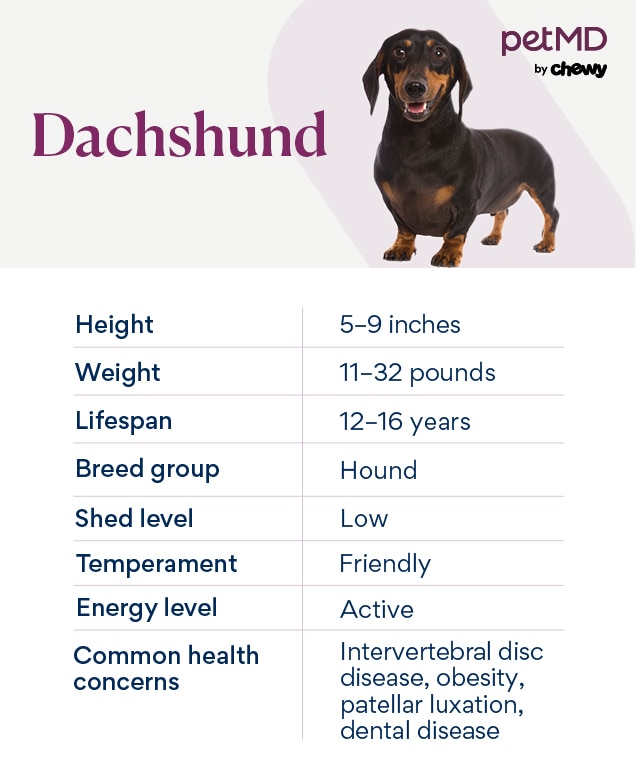
“Dachshund Dog Breed Health and Care | PetMD” from www.petmd.com and used with no modifications.
Shedding and Grooming Requirements
While dachshunds are not heavy shedders, their coat type—smooth, long-haired, or wire-haired—will determine their grooming needs. Regular brushing helps remove loose hairs and prevents matting, especially in long-haired varieties.
Bathing should be done as needed, typically every few months, unless they get particularly dirty. Regular ear checks are essential to prevent infections, given their long, floppy ears.
Managing a High Maintenance Coat
Wire-haired dachshunds require hand-stripping to maintain their coat texture, which can be more labor-intensive. Investing time in regular grooming sessions or seeking professional grooming services can help manage their high-maintenance coats effectively.
Dachshunds and Alone Time
Dachshunds are social animals that thrive on companionship. Leaving them alone for extended periods can lead to behavioral issues, including separation anxiety. It’s crucial to understand how to manage their alone time to keep them content.
- Gradually increase the time they spend alone to build their confidence.
- Provide interactive toys to keep them engaged while you’re away.
- Consider hiring a dog walker or enrolling them in doggy daycare if you’ll be gone for long periods.
Separation Anxiety and Its Effects
“Dachshunds require company and don’t like being left alone,” which can lead to destructive behaviors if not addressed properly.
Separation anxiety can manifest in various ways, such as excessive barking, chewing, or house soiling. Addressing these behaviors early can prevent them from becoming ingrained habits.

“Do Dachshunds Get Separation Anxiety …” from www.ilovedachshunds.com and used with no modifications.
Tips for Keeping Your Dachshund Calm
Here are some tips to help your dachshund feel more secure when left alone:
- Establish a routine that includes regular exercise and playtime.
- Create a comfortable space with their favorite toys and a cozy bed.
- Leave a piece of your clothing with them for comfort.
- Consider using calming aids like pheromone diffusers or anxiety wraps.
Most importantly, patience and consistency in your approach will help your dachshund adjust to being alone without feeling anxious.
Is a Dachshund Right for Your Family?
Choosing to adopt a dachshund is a decision that can bring joy and companionship into your home. However, it’s essential to consider whether this breed fits your family’s lifestyle and needs. Dachshunds, with their charming personalities and unique traits, can be a wonderful addition to many households, but they also require specific care and attention.
Dachshunds in a Family Setting
Dachshunds often thrive in family settings due to their affectionate and loyal nature. They can be excellent playmates for children, provided interactions are supervised to ensure gentle handling. Their small size makes them manageable for kids, but it’s crucial to teach children how to interact respectfully with pets. For more detailed information on caring for Dachshunds, you can refer to the Dachshund Owner’s Guide.
These dogs are known for their protective instincts, which can make them good watchdogs. However, this trait also means they may bark at strangers or unfamiliar noises. Early socialization can help them become more comfortable in different environments and with various people.

“Are Dachshunds Good With Kids …” from nativepet.com and used with no modifications.
Considerations for First-Time Dog Owners
For first-time dog owners, dachshunds can present both challenges and rewards. Their stubbornness requires a patient and consistent approach to training. It’s important to establish yourself as a confident leader through positive reinforcement techniques.
Moreover, dachshunds have specific health considerations, such as a predisposition to back problems due to their elongated spine. Ensuring they maintain a healthy weight and providing regular vet check-ups are vital to their well-being. First-time owners should be prepared for these responsibilities to ensure a happy, healthy pet.
Frequently Asked Questions
When considering adopting a dachshund, many potential adopters have questions about their care and compatibility with different living situations. Here are some common queries and their answers to help you make an informed decision.
Are Dachshunds good with other pets?
Dachshunds can coexist peacefully with other pets, especially if they are introduced at a young age. Their hunting instincts may lead them to chase smaller animals, so supervision is essential during interactions. With proper socialization, dachshunds can learn to live harmoniously with other dogs and even cats.
What is the average lifespan of a dachshund?
Dachshunds have a relatively long lifespan, typically ranging from 12 to 16 years. Their longevity depends on factors such as genetics, diet, exercise, and healthcare. Regular vet visits and a balanced diet can contribute to a longer, healthier life for your dachshund.
How often do dachshunds need to be groomed?
The grooming needs of a dachshund depend on their coat type. Smooth-coated dachshunds require minimal grooming, with regular brushing to remove loose hairs. Long-haired dachshunds need more frequent brushing to prevent tangles and matting. Wire-haired dachshunds require occasional hand-stripping to maintain their coat texture. For more detailed grooming tips, you might find this grooming guide for French Angora rabbits insightful, as it shares some similar grooming challenges.
- Smooth-coated: Weekly brushing
- Long-haired: Several times a week
- Wire-haired: Professional grooming as needed
Regular grooming not only keeps your dachshund looking their best but also helps in monitoring their skin health and spotting any potential issues early. For more information on grooming, you can explore grooming tips for other pets.
Can dachshunds live in apartments?
Yes, dachshunds can adapt well to apartment living due to their small size. However, they are energetic dogs that require daily exercise to prevent boredom and destructive behavior. Regular walks and playtime are essential to keep them happy and healthy in an apartment setting. For those considering other breeds, border terriers are also a good choice for apartment living.
It’s also important to provide mental stimulation through toys and training exercises, which can help prevent excessive barking—a common issue in confined spaces. For more insights on training, consider checking out the training tips for Border Collies.
How do I prevent behavioral issues in my dachshund?
Preventing behavioral issues in dachshunds involves a combination of training, socialization, and meeting their physical and mental needs. Start training early using positive reinforcement to encourage good behavior. Consistency and patience are key, as dachshunds can be stubborn learners.
Socialize your dachshund with different people, pets, and environments to build their confidence and reduce anxiety. Regular exercise and mental stimulation through interactive toys and games can also help prevent boredom-related behaviors such as barking and chewing.