Key Takeaways:
- Adopting a Dalmatian from a rescue can cost between $150 and $400, significantly less than buying from a breeder.
- Dalmatians are known for their high energy and require regular exercise and mental stimulation.
- Despite myths, Dalmatians are generally friendly and can be great family pets when properly trained.
- They are considered high maintenance due to their exercise, grooming, and dietary needs.
- First-time dog owners should consider the breed’s requirements and be prepared for consistent training and care.
Dalmatian Adoption Insights: Quick Guide
So, you’re thinking about adopting a Dalmatian? Great choice! These spotted beauties are not only iconic but can also be incredibly loving companions. However, before you jump into the world of Dalmatian ownership, let’s get a clear picture of what to expect, from costs to temperament.
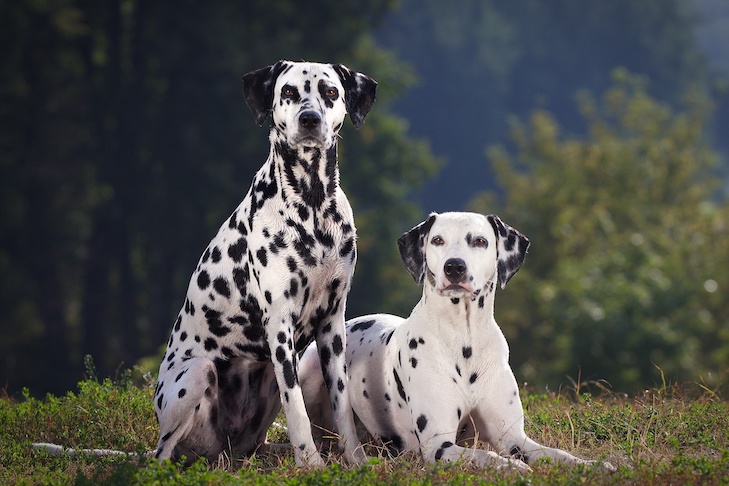
“Dalmatian Facts: 6 Things to Know About …” from www.akc.org and used with no modifications.
Dalmatian Rescue Adoption Overview
Adopting a Dalmatian from a rescue organization is a rewarding experience. Not only do you get to welcome a loving pet into your home, but you also save a life. Many Dalmatians end up in rescues due to owners not fully understanding the breed’s needs. Therefore, it’s crucial to educate yourself on what owning a Dalmatian entails.
Why Choose a Dalmatian
Dalmatians are known for their unique spotted coat and energetic nature. They are often associated with firehouses and have a rich history as carriage dogs. But beyond their striking appearance, Dalmatians are loyal, intelligent, and protective. They thrive in active households and love being part of family activities.
For those who enjoy running or hiking, a Dalmatian can make an excellent exercise partner. Their stamina and enthusiasm can keep you motivated. Plus, their playful nature makes them a hit with children, provided they’ve been well-socialized.
Importance of Rescuing Pets
Rescuing a pet is a noble decision that helps combat the overpopulation of animals in shelters. By choosing to adopt, you’re not only giving a Dalmatian a second chance but also freeing up space for another animal in need. Rescued Dalmatians often come with a wealth of love and gratitude, making them wonderful companions.
Moreover, adopting from a rescue is generally more affordable than purchasing from a breeder. You’ll also have the support of the rescue organization, which can provide valuable information and guidance as you integrate your new pet into your home.
The Cost of Adopting a Dalmatian
Understanding the financial commitment of adopting a Dalmatian is essential. While the initial adoption fee is a one-time expense, ongoing care costs will be part of your budget for the dog’s lifetime.
Initial Adoption Expenses
The initial cost of adopting a Dalmatian from a rescue typically ranges from $150 to $400. This fee usually covers basic veterinary care, such as vaccinations, spaying or neutering, and a health check. Some rescues may also include a microchip in this fee.
In addition to the adoption fee, you’ll need to prepare your home for your new pet. This includes purchasing essentials like a dog bed, food and water bowls, toys, and a collar and leash. It’s a good idea to have these items ready before bringing your Dalmatian home.
Ongoing Care Costs
Once your Dalmatian is home, you’ll need to consider ongoing expenses. These include food, regular vet check-ups, grooming supplies, and any necessary training classes. Dalmatians are active dogs that require a high-quality diet to maintain their energy levels.
Additionally, because of their unique coat, they can shed quite a bit, so regular grooming is essential. This might involve investing in a good vacuum cleaner and grooming tools to keep your home clean and your Dalmatian looking their best.
Understanding Dalmatian Temperament
Before adopting, it’s important to understand the temperament of a Dalmatian. These dogs are known for their intelligence and playfulness, but they also have specific needs that must be met to ensure they are well-adjusted and happy. For more detailed information, you can check out the Dalmatian Dog Breed guide on Dogster.
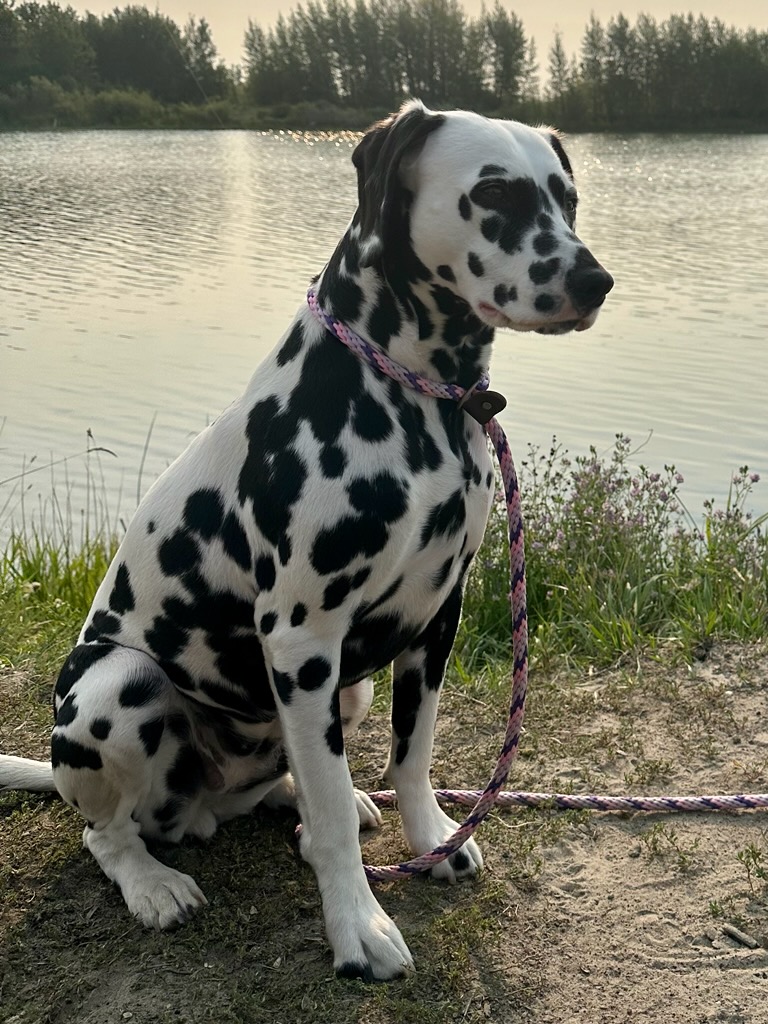
“Dalmatian dog – Wikipedia” from en.wikipedia.org and used with no modifications.
General Behavioral Traits
Dalmatians are highly energetic and thrive in environments where they can be active. They are intelligent and can learn quickly, but they also require mental stimulation to prevent boredom. Without proper exercise and engagement, they may become destructive. For more detailed information, you can read about the Dalmatian dog breed on Dogster.
While they are generally friendly, Dalmatians can be reserved around strangers. Socialization from a young age is crucial to help them develop into well-mannered adults. They are also known for their strong bonds with family members and can be quite protective.
- High energy and need for exercise
- Intelligent and quick learners
- Can be reserved with strangers
- Strong bond with family
Addressing Aggression Myths
There is a common misconception that Dalmatians are aggressive. However, aggression in Dalmatians is not a breed trait but rather a result of poor training or neglect. Proper training and socialization from a young age can prevent any behavioral issues.
It’s important to note that Dalmatians, like any breed, can become aggressive if they feel threatened or are not given the proper outlets for their energy. Ensuring your Dalmatian is well-exercised and mentally stimulated can prevent such issues.
Are Dalmatians Good Family Dogs?
Dalmatians have a reputation for being excellent family pets, and for good reason. Their playful nature and boundless energy make them perfect companions for families who love outdoor activities. However, it’s important to ensure that they are a good fit for your specific family dynamics.
One of the key reasons Dalmatians are popular among families is their loyalty. They form strong bonds with their human companions and are known to be protective of their loved ones. This can be a great asset for families looking for a dog that can serve as both a friend and a guardian.
That said, Dalmatians are not couch potatoes. They need regular exercise to burn off their high energy levels. Families who enjoy hiking, running, or playing in the backyard will find a Dalmatian to be a willing participant in their activities. It’s important to involve all family members in the dog’s exercise routine to ensure they get enough activity.
Besides their need for exercise, Dalmatians thrive on companionship. They do not do well when left alone for extended periods. Families with busy schedules should consider whether they have the time to dedicate to a Dalmatian before bringing one home. For those considering other breeds, you might explore the temperaments of Belgian Sheepdogs as a comparison.
- Highly energetic and require regular exercise
- Loyal and protective of their family
- Thrive in active households
- Need companionship and should not be left alone for long
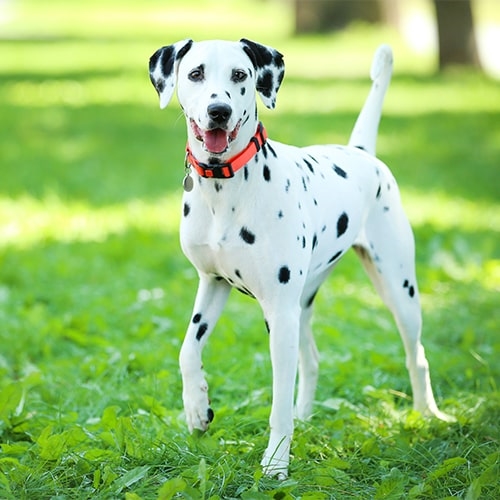
“Dalmatian – PDSA” from www.pdsa.org.uk and used with no modifications.
Suitability for Families with Children
Dalmatians can be great with children, especially if they are raised with them from a young age. Their playful nature matches well with kids’ energy levels, making them excellent playmates. However, due to their size and exuberance, they might unintentionally knock over small children during play.
It’s crucial to teach children how to interact with dogs respectfully. Supervising playtime and setting boundaries for both the dog and the children can help prevent accidents. Additionally, involving children in training sessions can be a great way to foster a bond between them and the Dalmatian.
Interactions with Other Pets
When it comes to interactions with other pets, Dalmatians can be quite social. They generally get along well with other dogs, especially if they have been socialized from a young age. However, they might exhibit a strong prey drive towards smaller animals, such as cats or rodents.
Introducing a Dalmatian to other pets should be done gradually and under supervision. Ensuring positive experiences and rewarding good behavior can help foster harmonious relationships between your Dalmatian and other animals in the household. For those considering other pet options, exploring the different temperaments of Belgian Sheepdogs might provide valuable insights.
High Maintenance Considerations
Owning a Dalmatian is not for the faint of heart. They are considered high maintenance due to their need for exercise, grooming, and specific dietary requirements. It’s important to understand these needs before committing to bringing a Dalmatian into your home.
The most significant aspect of Dalmatian care is their exercise requirement. Without adequate physical and mental stimulation, they can become bored and destructive. A lack of exercise can also lead to health issues, making it crucial to keep them active and engaged.
Exercise and Activity Needs
Dalmatians require at least an hour of vigorous exercise daily. This can include running, playing fetch, or engaging in agility training. They also enjoy mental challenges, such as puzzle toys or obedience training sessions. Meeting these needs is essential for their well-being and happiness. For those interested in other active breeds, consider learning about the Belgian Sheepdog, which also requires a lot of physical activity.
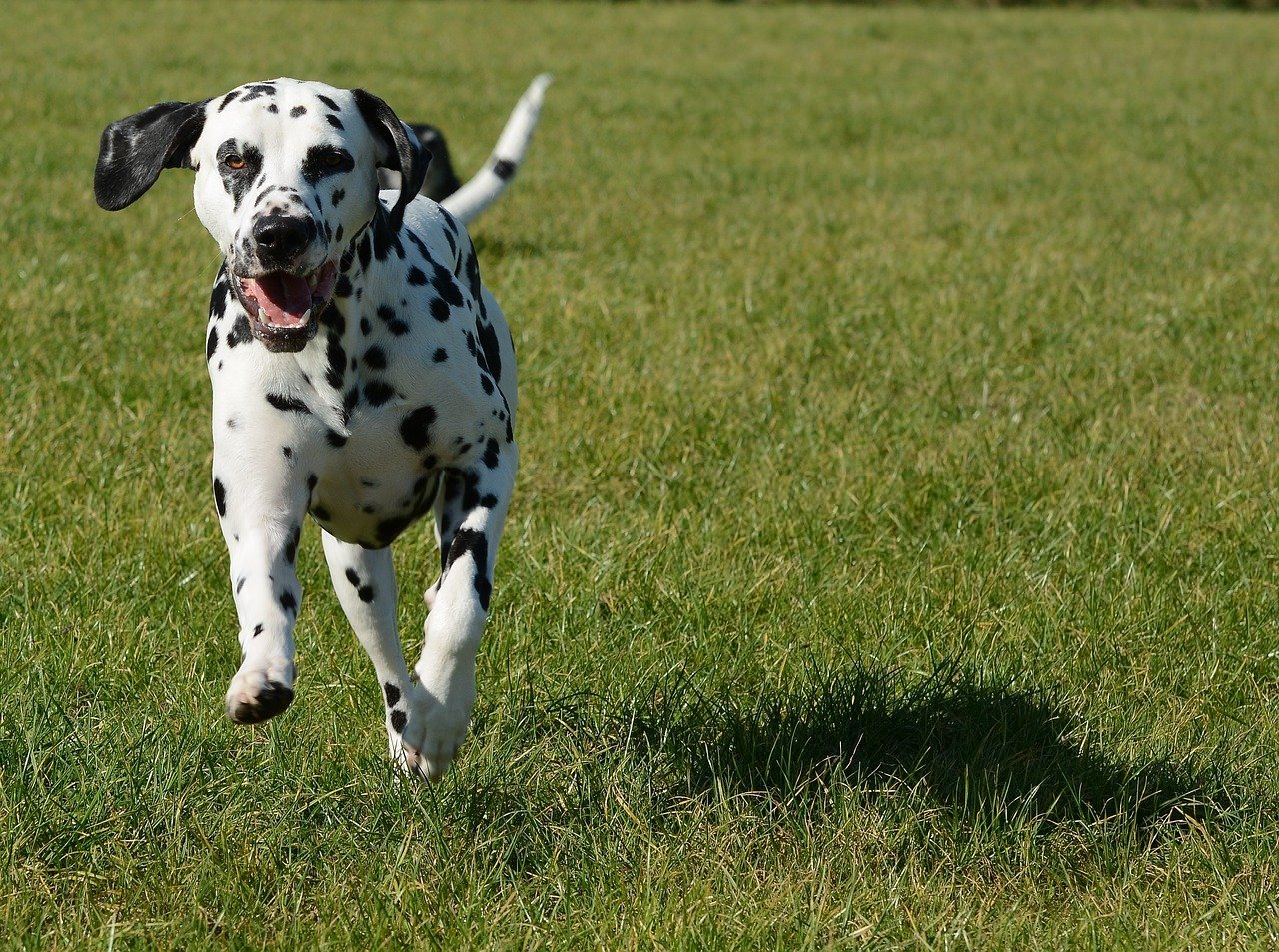
“How To Run With A Dog – Dalmatian -” from spotadalmatian.com and used with no modifications.
Grooming and Health Care
Grooming a Dalmatian is relatively straightforward, but it requires consistency. Their short coat sheds throughout the year, so regular brushing is necessary to manage shedding and keep their coat healthy. Bathing should be done as needed, typically every few months. For those interested in other breeds, the Belgian Sheepdog also has unique grooming needs that potential owners should consider.
Health care is another critical aspect of owning a Dalmatian. They are prone to certain genetic conditions, such as deafness and urinary stones. Regular vet check-ups and a balanced diet can help manage these risks. It’s also important to be aware of any changes in behavior or health and address them promptly with your veterinarian.
What Makes Dalmatians Special?
Dalmatians are a unique breed with several characteristics that set them apart from other dogs. Their distinctive appearance and storied history make them fascinating companions for those who appreciate their individuality.
Beyond their looks, Dalmatians have a rich history that adds to their allure. They have served in various roles throughout history, from carriage dogs to firehouse mascots, showcasing their versatility and intelligence. For those interested in other versatile breeds, the Belgian Sheepdog offers a fascinating comparison.
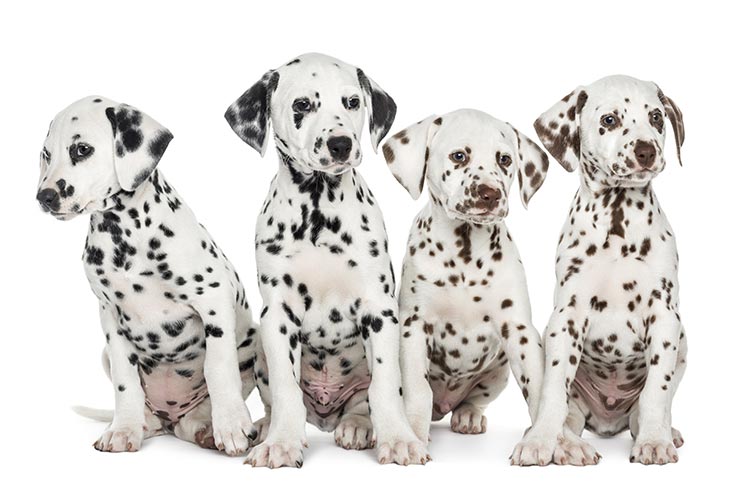
“Dalmatian Dog Breed Information” from www.akc.org and used with no modifications.
Unique Characteristics
One of the most notable features of Dalmatians is their spotted coat. Each Dalmatian has a unique pattern, making them easily recognizable. Their sleek, muscular build and athletic prowess make them well-suited for various activities and sports.
In addition to their physical traits, Dalmatians are known for their intelligence and problem-solving abilities. They are quick learners and can excel in obedience and agility training. However, this intelligence also means they can become bored easily, so providing mental stimulation is key.
Historical Significance
Dalmatians have a long history of working alongside humans. Originally bred as carriage dogs, they would run alongside horse-drawn carriages to protect the horses and passengers. This role required them to be both fast and alert, traits that are still evident in the breed today.
In more recent history, Dalmatians have become synonymous with firehouses. Their presence in fire stations dates back to the days when horse-drawn fire engines were common. Dalmatians would help calm the horses and clear the way to the fire. Today, they continue to serve as mascots for many fire departments, honoring their legacy. For more detailed information about this breed, visit Dalmatian Dog Breed: Info, Pictures, Care & More.
“Dalmatians have been cherished companions and working dogs for centuries, known for their loyalty and distinctive appearance.” – Historical Dog Breeds Journal
Pros and Cons of Owning a Dalmatian
Like any breed, Dalmatians come with their own set of pros and cons. Understanding these can help you make an informed decision about whether a Dalmatian is the right fit for your lifestyle and family. For a deeper dive into breed comparisons, you might find this comparison of different temperaments and costs helpful.
On the positive side, Dalmatians are loyal, energetic, and intelligent. They thrive in active households and can be great companions for those who enjoy outdoor activities. Their unique appearance and history add to their charm, making them a popular choice for dog lovers.
However, Dalmatians also have their challenges. They require significant exercise and mental stimulation to prevent boredom and destructive behavior. Their grooming and health care needs can be demanding, and they may not be the best choice for families with very young children or those who are away from home for long periods.
Benefits of Dalmatian Companionship
Dalmatians are incredibly loyal and protective, making them excellent companions for those who appreciate a devoted pet. Their high energy levels make them perfect for active families who enjoy outdoor activities like hiking, running, or playing fetch. These dogs are also known for their intelligence and quick learning abilities, which can make training both a fun and rewarding experience. Most importantly, their unique spotted appearance and rich history add an extra layer of charm to their companionship.
Challenges of the Breed
Despite their many positive traits, Dalmatians come with a few challenges that potential owners should be aware of. They require a significant amount of exercise and mental stimulation to prevent boredom and destructive behavior. Without proper outlets for their energy, Dalmatians can become restless and may develop unwanted behaviors. Additionally, they are prone to certain health issues, such as deafness and urinary stones, which require regular veterinary care and attention. Lastly, their shedding can be a challenge for those who prefer a tidy home, necessitating regular grooming and cleaning.
Is a Dalmatian Right for First Time Owners?
First-time dog owners should carefully consider whether a Dalmatian is the right fit for them. While these dogs can be wonderful companions, they require a lot of time, patience, and dedication. Dalmatians need consistent training, regular exercise, and socialization to thrive. If you’re willing to invest the time and effort, a Dalmatian can be a rewarding addition to your family. However, if you’re unsure about meeting their needs, it might be best to consider other breeds that require less maintenance.
Considerations for New Dog Owners
For new dog owners, it’s essential to research and understand the specific needs of a Dalmatian. These dogs thrive in environments where they can be active and engaged. If you have a busy lifestyle, consider whether you can dedicate the time needed for exercise and training. Additionally, consider your living situation; Dalmatians do best in homes with access to a yard or nearby parks where they can burn off energy.
Another consideration is the financial commitment involved in owning a Dalmatian. Beyond the initial adoption fee, you’ll need to budget for ongoing expenses such as high-quality food, regular vet visits, grooming supplies, and training classes. Planning for these costs can help ensure you provide the best care for your Dalmatian.
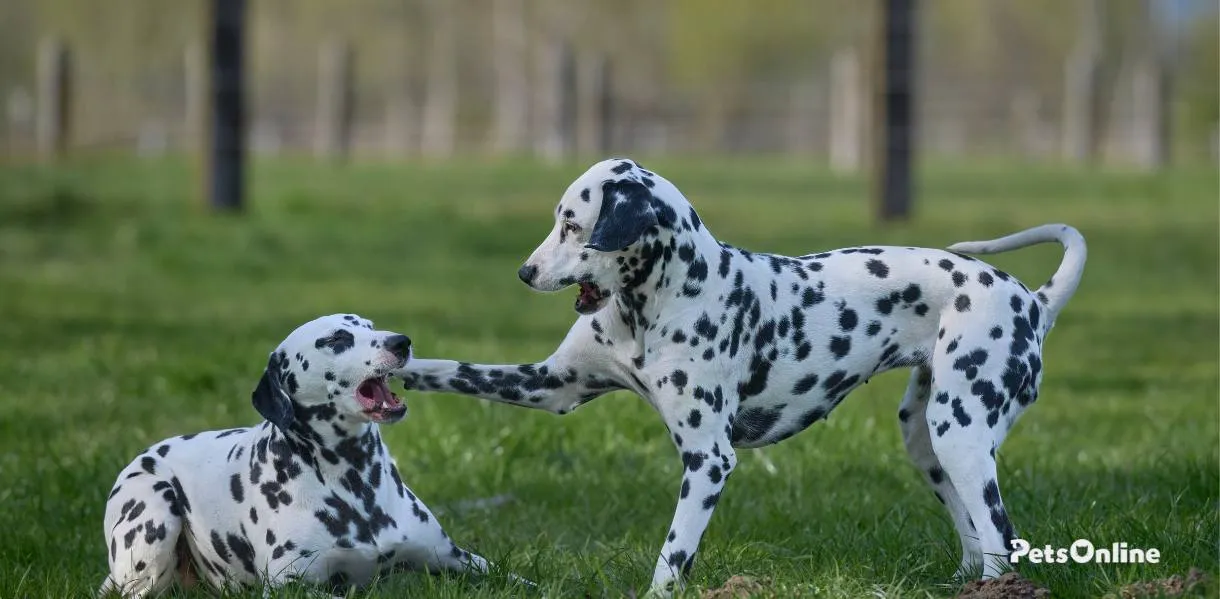
“Dalmatian Dog Breed Information – Pets …” from petsonline.com.au and used with no modifications.
Training and Socialization Tips
Training and socialization are crucial for a well-behaved Dalmatian. Start training early to establish good behavior and build a strong bond with your dog. Use positive reinforcement techniques, such as treats and praise, to encourage desired behaviors. Consistency is key, so set a regular training schedule and stick to it.
Socialization is equally important. Expose your Dalmatian to different environments, people, and other animals to help them become well-rounded and confident. Puppy classes and playdates with other dogs can be beneficial in developing their social skills. Remember, a well-socialized Dalmatian is less likely to exhibit fear or aggression in new situations.
Frequently Asked Questions (FAQ)
For those considering adopting a Dalmatian, here are some frequently asked questions to help guide your decision.
What is the average cost of adopting a Dalmatian?
The average cost of adopting a Dalmatian from a rescue organization typically ranges from $150 to $400. This fee often includes basic veterinary care such as vaccinations, spaying or neutering, and a health check. However, it’s important to budget for additional expenses like food, grooming, and regular vet visits.
Adopting from a rescue is generally more affordable than purchasing from a breeder, and it comes with the added benefit of saving a life. Rescue organizations can also provide valuable support and resources as you integrate your new pet into your home.
Keep in mind that while the initial adoption fee is a one-time expense, ongoing care costs will be part of your budget for the dog’s lifetime. Planning for these expenses can help ensure you provide the best care for your Dalmatian.
Are Dalmatians good with kids?
Dalmatians can be great with kids, especially if they are raised with them from a young age. Their playful nature and high energy levels make them excellent playmates for children. However, due to their size and exuberance, they might unintentionally knock over small children during play.
It’s crucial to teach children how to interact with dogs respectfully. Supervising playtime and setting boundaries for both the dog and the children can help prevent accidents. Involving children in training sessions can also foster a strong bond between them and the Dalmatian.
How much exercise does a Dalmatian need daily?
Dalmatians require at least an hour of vigorous exercise daily. This can include activities like running, playing fetch, or engaging in agility training. They also enjoy mental challenges, such as puzzle toys or obedience training sessions. Meeting these needs is essential for their well-being and happiness.
In addition to physical exercise, providing mental stimulation is crucial for preventing boredom and destructive behavior. Regular training sessions and interactive toys can help keep your Dalmatian engaged and satisfied. For more tips on training, you can explore our guide on training Bergamasco dogs, which shares some useful techniques that can be applied to Dalmatians as well.
Do Dalmatians require special grooming?
Grooming a Dalmatian is relatively straightforward, but it requires consistency. Their short coat sheds throughout the year, so regular brushing is necessary to manage shedding and keep their coat healthy. A good brushing once or twice a week can help reduce the amount of hair in your home.
Bathing should be done as needed, typically every few months. Over-bathing can strip their coat of natural oils, so it’s best to bathe them only when necessary. Regular ear cleaning and nail trimming are also important parts of their grooming routine.
Overall, while Dalmatians do require regular grooming, their maintenance is manageable with a consistent routine. Investing in quality grooming tools can make the process easier and more effective.