Key Takeaways
- Male canaries are the best singers, often using their melodious songs to attract mates.
- Popular canary breeds for singing include the American Singer, Waterslager, and the Spanish Timbrado.
- Canaries learn to sing by imitating other birds, so exposure to quality songs is crucial during their development phase.
- To encourage singing, provide a stress-free environment, proper lighting, and recordings of canary songs.
- While canaries can be taught to sing specific tunes, they naturally prefer the sounds of other canaries over music.
The World of Song Domestic Canaries as Pets
Song domestic canaries are more than just pretty birds; they are musical virtuosos of the avian world. These small, colorful birds have been cherished as pets for centuries, primarily because of their enchanting songs. Whether you’re a bird enthusiast or a curious potential pet owner, understanding the nuances of these birds can enrich your experience and help you choose the best song canary to adopt.
“exam about birds …” from www.reddit.com and used with no modifications.
Understanding Domestic Canaries
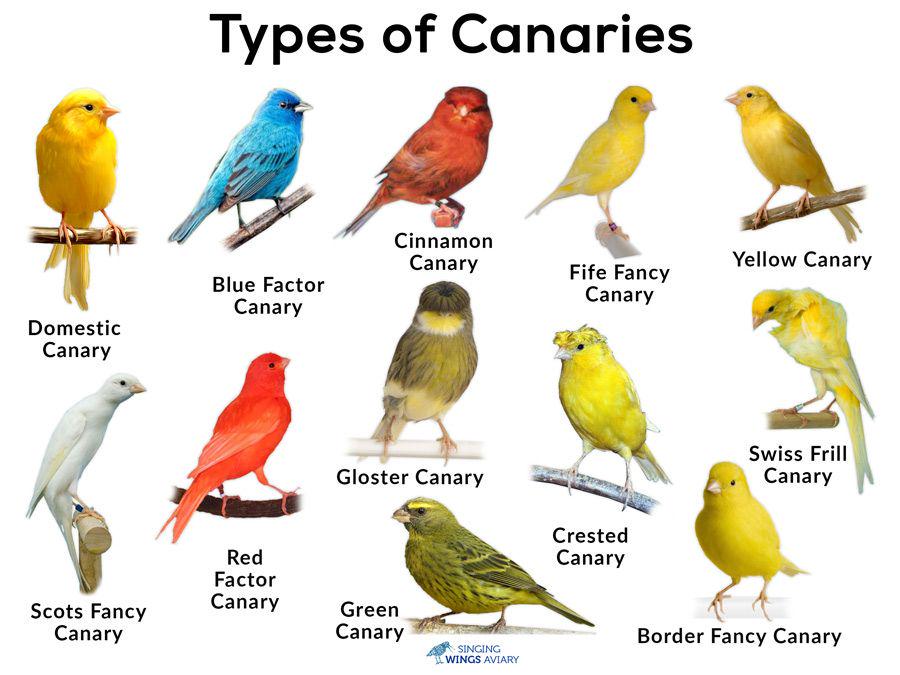
Domestic canaries are a type of finch, scientifically known as Serinus canaria. Originally from the Canary Islands, Azores, and Madeira, these birds have been bred in captivity for their singing abilities and vibrant plumage. There are several breeds of canaries, each with unique characteristics and singing styles.
Why Canaries Are Popular Pets
Canaries are a favorite among bird lovers for several reasons. Their melodious and complex songs bring joy and a sense of tranquility to any home. Besides their singing prowess, canaries are known for their striking colors, ranging from bright yellows to deep reds and even whites. These birds are relatively low-maintenance, making them an ideal choice for novice bird owners.
One of the key attractions of owning a canary is their ability to sing beautifully. Not only does this provide auditory pleasure, but it also creates a soothing atmosphere. Canaries sing to attract mates and establish territory, often filling the air with their melodious tunes throughout the day.
Canary Types with Exceptional Singing Abilities
When it comes to choosing a canary for its singing abilities, certain breeds stand out. The American Singer, Waterslager, and Spanish Timbrado are among the most popular for their vocal talents.
- American Singer: Known for their sweet and varied songs, American Singers are a cross between the German Roller and the Border Canary. They are versatile singers, making them a favorite among pet owners.
- Waterslager: This breed is famous for its water-like trills and whistles. The Waterslager’s unique song resembles the sound of flowing water, making it a delightful addition to any home.
- Spanish Timbrado: Recognized for their bright and metallic songs, Spanish Timbrados are lively singers with a wide range of notes. Their energetic performances are sure to captivate any listener.
Exploring Canary Vocalizations
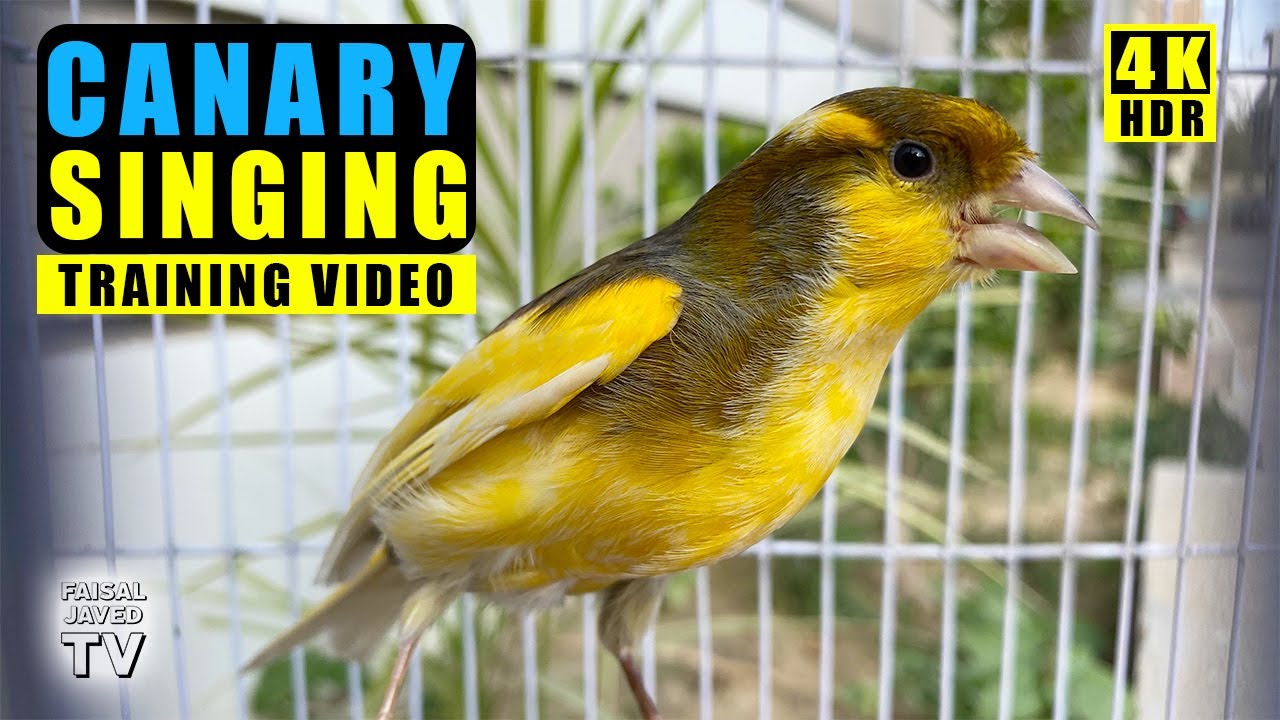
Understanding why and how canaries sing is essential for any potential owner. Their songs are not just random melodies; they are a form of communication and an expression of their natural instincts.
“Canary Singing birds sounds at its best …” from m.youtube.com and used with no modifications.
Reasons Canaries Sing
Canaries sing primarily to attract mates and establish territory. Male canaries are the primary singers, using their songs to showcase their vitality and genetic fitness. Singing is also a way for canaries to communicate with each other and assert their presence in an area. For those interested in other pet companions, consider exploring the diamond dove adoption and care guide for more insights.
Moreover, canaries sing as a response to their environment. A comfortable, well-lit space encourages more frequent singing. Therefore, ensuring your canary’s habitat is conducive to singing is crucial.
Factors That Influence Singing Behavior
Several factors can influence a canary’s singing behavior. The environment plays a significant role; a comfortable and stress-free setting encourages more frequent singing. Canaries are sensitive to their surroundings, so sudden changes or loud noises can disrupt their singing patterns. It’s essential to maintain a stable environment to keep your canary content and vocally active.
Lighting is another critical factor. Canaries require a consistent light cycle to regulate their singing behavior. Ideally, they should have around 12 hours of light and 12 hours of darkness each day. This balance mimics their natural habitat and supports their instinctive singing patterns. Additionally, the presence of other birds can either encourage or discourage singing, depending on the individual canary’s personality.
Encouraging Your Canary to Sing
To inspire your canary to sing, you need to create an environment that promotes vocal activity. Here are some tips to help your canary find its voice, similar to how you might encourage a Fischer’s Lovebird to express itself vocally:
- Provide a Spacious Cage: Ensure your canary has enough room to move around. A large cage with various perches encourages exercise, which can positively impact singing.
- Minimize Stress: Avoid sudden changes in the environment and provide a quiet, safe space for your canary.
- Play Recordings: Expose your canary to recordings of high-quality canary songs, especially during their early development stages.
- Proper Lighting: Maintain a consistent light schedule with 12 hours of light and 12 hours of darkness.
By following these steps, you can create a supportive environment that encourages your canary to sing more frequently. It’s important to be patient, as each canary is unique and may take time to develop its singing abilities.
Additionally, providing a balanced diet rich in nutrients will keep your canary healthy and more inclined to sing. Fresh fruits, vegetables, and high-quality seeds are essential components of a canary’s diet.
Training Canaries and Music Interaction
Training a canary to sing involves patience and consistency. While canaries naturally learn songs by listening to other birds, there are ways to enhance their vocal skills. You can encourage your canary to sing specific tunes or even interact with music.
Most importantly, remember that each canary is different. Some may take to training quickly, while others might need more time and encouragement. The key is to create a positive and rewarding experience for your bird.
“311 Singing Canary Bird Stock Photos …” from www.dreamstime.com and used with no modifications.
Techniques for Teaching Canaries to Sing
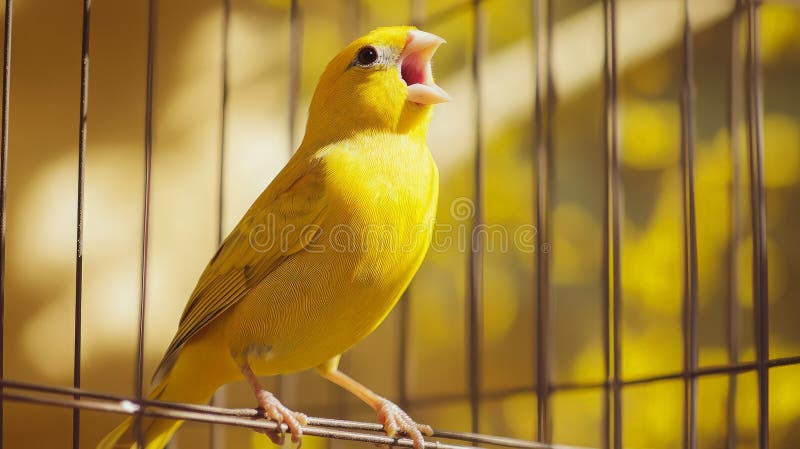
Teaching a canary to sing involves exposing them to a variety of songs and sounds. Start by playing recordings of other canaries singing. This exposure helps young canaries develop their vocal repertoire. It’s best to begin this process when the canary is young, as they are more receptive to learning new songs during their early development stages.
Another effective technique is to use a consistent routine. Play recordings at the same time each day, creating a predictable pattern that encourages your canary to sing along. Positive reinforcement, such as gentle praise or treats, can also motivate your canary to engage more with the training process.
The Role of Music in Canary Singing
While canaries primarily learn their songs by listening to other birds, music can also play a role in their singing behavior. Some owners have found that playing certain types of music, like classical music, can positively influence a canary’s singing. However, it’s important to keep the volume low and avoid overwhelming your bird with loud or complex sounds.
Do Canaries Prefer Solitude or Companionship?
Canaries are generally solitary birds, and they do not require a companion to thrive. In fact, male canaries often sing more when kept alone, as they are actively trying to attract a mate with their songs. However, some canaries may enjoy the company of other birds, depending on their individual personalities.
If you decide to introduce another bird to your canary’s environment, it’s crucial to monitor their interactions closely. Ensure that both birds have enough space and resources to avoid competition or stress. Each canary is unique, so it’s essential to observe their behavior and adjust their living situation accordingly. For more on bird companionship, explore this guide on diamond dove care.
Understanding the Phrase “Sing Like a Canary”
The phrase “sing like a canary” has its roots in popular culture and is often used to describe someone who reveals secrets or confesses to something. This expression likely originated from the canary’s reputation for singing loudly and clearly. In a more literal sense, it highlights the canary’s natural ability to vocalize beautifully and consistently.
Canaries have long been associated with singing, making them a symbol of vocal expression and communication. Understanding this phrase’s origins provides insight into the cultural significance of these remarkable birds and their enduring popularity as pets.

“On the Waterfront: This is Why Brando …” from screensonhigh.wordpress.com and used with no modifications.
Origins and Meaning in Popular Culture
The phrase “sing like a canary” is steeped in popular culture, often referring to someone who has revealed secrets or confessed to something. This expression likely originated from the canary’s reputation for singing loudly and clearly, making them a symbol of vocal expression and communication. Historically, canaries were even used in coal mines to detect toxic gases, their songs serving as a life-saving alarm for miners. This dual role in culture—as both a melodious companion and a warning signal—has cemented the canary’s place in our collective consciousness.
Frequently Asked Questions
Choosing to adopt a song canary comes with many questions, especially for new bird owners. Here are some common inquiries and answers to help guide you in your journey with these delightful birds.
What is the ideal age for a canary to start singing?
Canaries typically begin to sing around six months of age. This is when they reach maturity and their vocal skills start to develop. Male canaries are the primary singers, and their ability to sing is influenced by their exposure to other singing canaries during their early development. To ensure your canary starts singing at the right age, provide an environment rich with sounds from other canaries.
Are there specific songs I can teach my canary?
Yes, you can teach your canary specific songs, although it requires patience and consistency. Start by playing recordings of desired songs during their learning phase. Use positive reinforcement, such as treats or gentle praise, to encourage your canary to mimic these tunes. Remember, each canary is unique and may take different amounts of time to learn a new song.
It’s essential to keep training sessions short and consistent to maintain your canary’s interest and prevent stress. The more exposure they have to the desired song, the more likely they are to learn it.
How can I tell if my canary is happy?
A happy canary is often active and vocal. They will frequently sing, preen their feathers, and engage with their environment. Additionally, a healthy appetite and a willingness to interact with you are good indicators of their well-being. Providing toys and a spacious cage can also contribute to their happiness.
Observe your canary’s behavior regularly. If you notice any changes, such as a decrease in singing or activity, it might be a sign of stress or illness. In such cases, consult with a veterinarian experienced in avian care.
Can female canaries sing as well as males?
Female canaries can sing, but their songs are usually not as elaborate or frequent as those of males. Male canaries sing primarily to attract mates and establish territory, which is why they are more vocal. However, some female canaries do develop a repertoire of songs, especially if they have been exposed to singing during their early development.
While female canaries may not sing as often, they can still be delightful companions, offering chirps and other vocalizations that add to their charm.
Understanding the differences in singing behavior between male and female canaries can help you choose the right pet based on your preferences and expectations.
Song Domestic Canary pet companion bird adoption: what is, popularity, which canary sing best, why & when sing or not, how inspire to sing, can teach to sing, do canaries like music, solo or need mate, history of saying “sing like canary”