Key Takeaways
- German Shorthaired Pointers (GSPs) originated in Germany and were developed as versatile hunting dogs, combining traits from various breeds for intelligence and agility.
- They are highly energetic and best suited for active families who enjoy outdoor activities and have ample time for exercise.
- GSPs are known for their affectionate nature and intelligence, making them excellent companions and relatively easy to train.
- Potential challenges include their need for regular exercise, potential for high prey drive, and shedding despite their short coats.
- Proper training and socialization are essential to manage their energy and ensure they are well-behaved family members.
German Shorthaired Pointer Origins and Development
The German Shorthaired Pointer is a breed steeped in history, originating from Germany in the mid-19th century. This breed was developed with the specific goal of creating an all-purpose hunting dog that could work in various terrains and climates. The result was a highly versatile and energetic dog, capable of both pointing and retrieving game.
Historical Background
The story of the German Shorthaired Pointer begins with German hunters seeking a dog that could perform multiple tasks in the field. They needed a breed that was not only adept at pointing out game but also skilled at retrieving it. Therefore, they began experimenting with different breeds to achieve this goal. The foundation of the GSP’s lineage includes the Spanish Pointer and various other continental hunting dogs.

“German Shorthaired Pointer Club” from gsp.org.uk and used with no modifications.
Breeds Involved in Development
The creation of the German Shorthaired Pointer involved a mix of several breeds to achieve the desired traits. Key breeds included the Old Spanish Pointer, known for its strong hunting instincts, and the English Pointer, which contributed speed and agility. Additionally, the Bloodhound’s scenting ability and the Foxhound’s endurance were essential in shaping the GSP into the versatile hunter it is today.
Becoming a Versatile Hunting Companion
As the breed developed, the German Shorthaired Pointer gained popularity among hunters for its versatility. This dog could work on land and water, making it an invaluable asset for hunting various game, from birds to larger animals. The GSP’s ability to adapt to different environments and tasks quickly made it a favorite among hunters in Europe and eventually in the United States.
Evaluating Their Compatibility with Families
Now that we’ve covered the origins of the German Shorthaired Pointer, let’s explore whether this breed is a good fit for families. While GSPs are known for their hunting prowess, they also have qualities that make them excellent companions. However, it’s essential to understand their energy levels and behavior to ensure a harmonious match with your household. For a broader perspective on breed compatibility, you might find it helpful to read about Australian Shepherd family house compatibility.
Energy Levels: Suitable for Active Families
German Shorthaired Pointers are incredibly energetic dogs. They require ample exercise to stay happy and healthy. If your family enjoys outdoor activities such as hiking, running, or even cycling, a GSP might be the perfect match. However, if your lifestyle is more sedentary, you might find it challenging to meet the exercise needs of this lively breed.
Interacting with Children
GSPs are generally good with children due to their affectionate and friendly nature. They tend to bond well with kids and can be excellent playmates. However, because of their high energy levels, it’s important to supervise interactions with younger children to ensure that play doesn’t become too rough. Teaching children how to approach and handle dogs respectfully is also crucial.
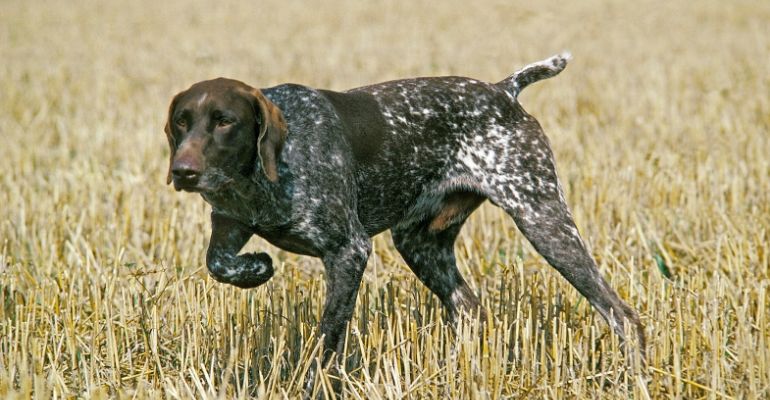
“5 Reasons You Should Get a GSP – Fenrir …” from fenrircanineleaders.com and used with no modifications.
Barking Behavior: Alerts vs. Disturbance
While German Shorthaired Pointers are not known to be excessive barkers, they do have a natural tendency to alert their owners to unusual situations or strangers. This behavior can be beneficial for families looking for an alert dog. However, without proper training and socialization, this can sometimes lead to nuisance barking. Therefore, early training is key to managing their barking behavior effectively.
Advantages and Challenges of Owning a GSP
Before deciding to bring a German Shorthaired Pointer into your home, it’s essential to weigh the pros and cons of owning this breed. Understanding both the advantages and potential challenges will help you make an informed decision.
Pros: Affectionate and Intelligent
German Shorthaired Pointers are known for their intelligence and eagerness to please, making them relatively easy to train. Their affectionate nature also means they form strong bonds with their families. These dogs are loyal companions who thrive on human interaction and enjoy being part of family activities.
- Highly trainable due to intelligence and eagerness to please
- Affectionate and bonds well with family members
- Versatile and adaptable to various activities and environments
Despite their many positive traits, owning a GSP comes with its own set of challenges. Understanding these challenges will help you prepare for potential hurdles and ensure a harmonious relationship with your dog.

“Canicross Champion – Sarah Pepper …” from k9trailtime.wordpress.com and used with no modifications.
Cons: Requires Ample Exercise and Attention
German Shorthaired Pointers are not the type of dogs that can be left to their own devices for long periods. They thrive on human interaction and need plenty of physical and mental stimulation. If you’re not prepared to provide at least an hour or two of vigorous exercise daily, a GSP might not be the best fit for your household.
Besides their exercise needs, GSPs also require mental engagement. Without enough stimulation, they can become bored and resort to undesirable behaviors such as chewing, digging, or excessive barking. Engaging them in activities like agility training or interactive games can help channel their energy positively.
Additionally, their strong prey drive means they may chase after small animals if not properly trained. This instinct requires careful management, especially in environments where small pets or wildlife are present.
Health Considerations
Like all breeds, German Shorthaired Pointers are prone to certain health issues. It’s essential to be aware of these potential problems and work with a veterinarian to ensure your dog remains healthy.
Common health issues in GSPs include hip dysplasia, a condition where the hip joint doesn’t fit into the hip socket properly, and bloat, a life-threatening condition that can occur if the stomach twists. Regular check-ups and maintaining a healthy diet can help mitigate these risks.
Training and Potty-Training Techniques
Training a German Shorthaired Pointer can be a rewarding experience due to their intelligence and eagerness to learn. However, consistency and patience are key to successfully training this energetic breed.
Basic Obedience Training Tips
Start with basic commands such as “sit,” “stay,” and “come.” Use positive reinforcement techniques, such as treats and praise, to encourage desired behaviors. Consistency is crucial, so make sure all family members are on the same page regarding commands and expectations.
Incorporate short training sessions into your daily routine. GSPs have a relatively short attention span, so keeping sessions brief and engaging will yield better results. Gradually increase the complexity of tasks as your dog masters each command. For more insights, consider reading about training techniques for Catahoula Leopard Dogs, which can also be applied to GSPs.

“Potty Training, Crate Training & GSP …” from www.youtube.com and used with no modifications.
Potty-Training Strategies
Potty training a German Shorthaired Pointer requires patience and vigilance. Start by establishing a routine and taking your puppy outside frequently, especially after meals and naps. Consistency is key, so try to take them to the same spot each time. For those interested in exploring other dog breeds and their family compatibility, consider reading about the Australian Shepherd’s pros and cons.
Use a cue word or phrase, such as “go potty,” to signal what you expect. Praise and reward your puppy immediately after they eliminate outside. Avoid punishment for accidents, as this can create fear and confusion.
Advanced Training for Sports and Recreation
Once your GSP has mastered basic obedience, consider engaging them in more advanced training activities. These dogs excel in sports such as agility, obedience competitions, and even search and rescue work. Their intelligence and athleticism make them ideal candidates for these activities, providing both mental and physical stimulation.
Grooming and Care for Your Pointer
Despite their short coats, German Shorthaired Pointers do require regular grooming to maintain their health and appearance. Their grooming routine is relatively simple compared to long-haired breeds, but it’s still an important part of their care.
Coat Care and Shedding Expectations
GSPs have a short, dense coat that sheds moderately year-round. Regular brushing, at least once a week, helps reduce shedding and keeps their coat healthy. A rubber grooming mitt or a soft-bristle brush works well to remove loose hair and dirt.
Bathing and Hygiene Practices
Bathing your German Shorthaired Pointer every few months or as needed will help keep their coat clean. Overbathing can strip their coat of natural oils, so it’s important not to bathe them too frequently. Use a dog-specific shampoo to avoid skin irritation.
Additionally, regular ear checks and cleaning are important, as their floppy ears can trap moisture and lead to infections. Trim their nails regularly to prevent overgrowth and check their teeth for plaque buildup.

“Brushes For German Shorthaired Pointer …” from www.pinterest.com and used with no modifications.
Feeding and Nutrition Basics
Proper nutrition is crucial for maintaining the health and energy levels of a German Shorthaired Pointer. Choose a high-quality dog food that meets their nutritional needs and adjust portions based on their activity level and age.
Divide their daily food intake into two meals to help prevent bloat, and always provide fresh water. Monitor their weight and adjust food portions as necessary to maintain a healthy body condition.
Consult your veterinarian for specific dietary recommendations tailored to your dog’s individual needs. For more insights on breed-specific care, you might find our guide on Australian Shepherd pros and cons helpful.
Example: “After switching to a high-protein diet, I noticed a significant improvement in my GSP’s energy levels and coat condition. Regular vet check-ups confirmed that her weight was optimal, which helped prevent joint issues as she aged.”
Finding the Right Owner and Lifestyle Match
German Shorthaired Pointers (GSPs) are not just any dog breed; they require specific living conditions and lifestyle considerations to thrive. Understanding what makes a suitable owner and home for a GSP can make all the difference in ensuring a happy, healthy dog and a harmonious household.
First and foremost, GSPs need an owner who is as energetic as they are. If you enjoy long walks, hikes, and outdoor adventures, you might be the perfect match. These dogs love to be on the move and will appreciate a family that can keep up with their pace.
Additionally, having a secure, spacious yard is beneficial. GSPs enjoy running and playing freely, so a fenced yard provides them with the opportunity to burn off energy safely. However, remember that a yard is not a substitute for regular walks and outdoor activities. For more insights on choosing the right breed for your family, consider exploring Australian Shepherds and their compatibility with family homes.
Example: “My neighbor adopted a GSP and quickly learned that their small apartment wasn’t ideal. They relocated to a home with a large yard, and now their GSP is much happier and calmer.”
Ideal Living Situations for GSPs
Ideal living situations for GSPs include homes with active owners who have plenty of time for exercise and training. These dogs do best in environments where they are not left alone for extended periods. Consider dog-friendly workplaces or arrangements for dog sitters if you work long hours.
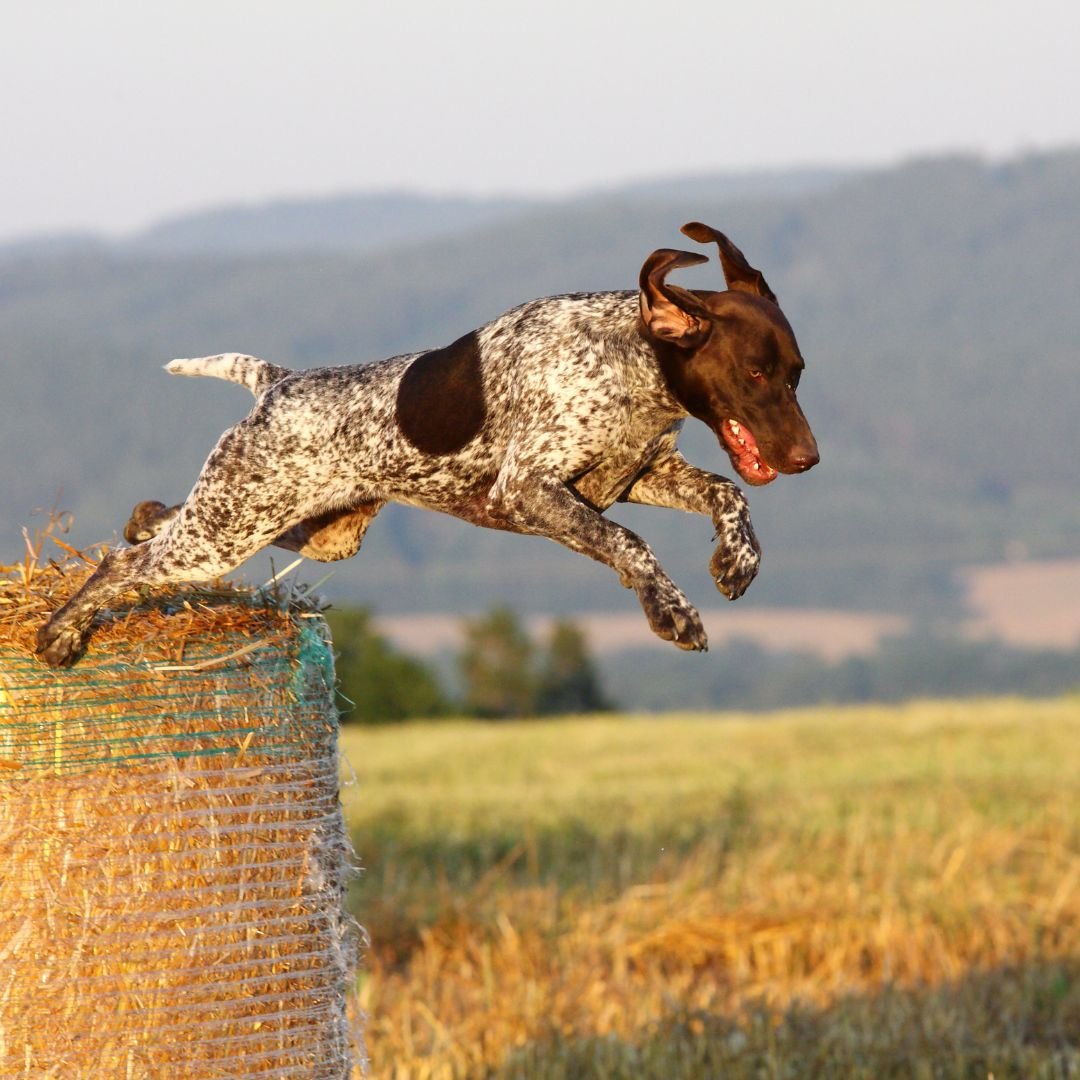
“Dog Training …” from www.bestmatedogtraining.co.nz and used with no modifications.
Exercise and Activity Needs
GSPs require a minimum of one to two hours of vigorous exercise daily. This can include activities like running, hiking, swimming, or playing fetch. Mental stimulation is equally important, so incorporating puzzle toys and training sessions into their routine is beneficial. For more information on their characteristics and care, check out this German Shorthaired Pointer profile.
Recognizing When GSPs are Not Suitable
GSPs may not be suitable for everyone. If your lifestyle is predominantly sedentary or if you lack the time to dedicate to their exercise and training needs, a GSP may not be the best fit. Additionally, if you live in a small apartment without access to outdoor spaces, consider whether you can meet the dog’s energy requirements. For more information on this breed, you can read about German Shorthaired Pointer characteristics.
Another consideration is the presence of small pets. Due to their strong prey drive, GSPs may not coexist peacefully with smaller animals like cats or rabbits. Proper training and introductions are essential if you have other pets.
Frequently Asked Questions
To further assist prospective and current GSP owners, here are answers to some common questions about the breed.
What are the origins of the German Shorthaired Pointer?
The German Shorthaired Pointer originated in Germany during the mid-19th century. The breed was developed to create a versatile hunting dog capable of both pointing and retrieving game. The GSP’s lineage includes the Spanish Pointer, English Pointer, Bloodhound, and Foxhound, among others.
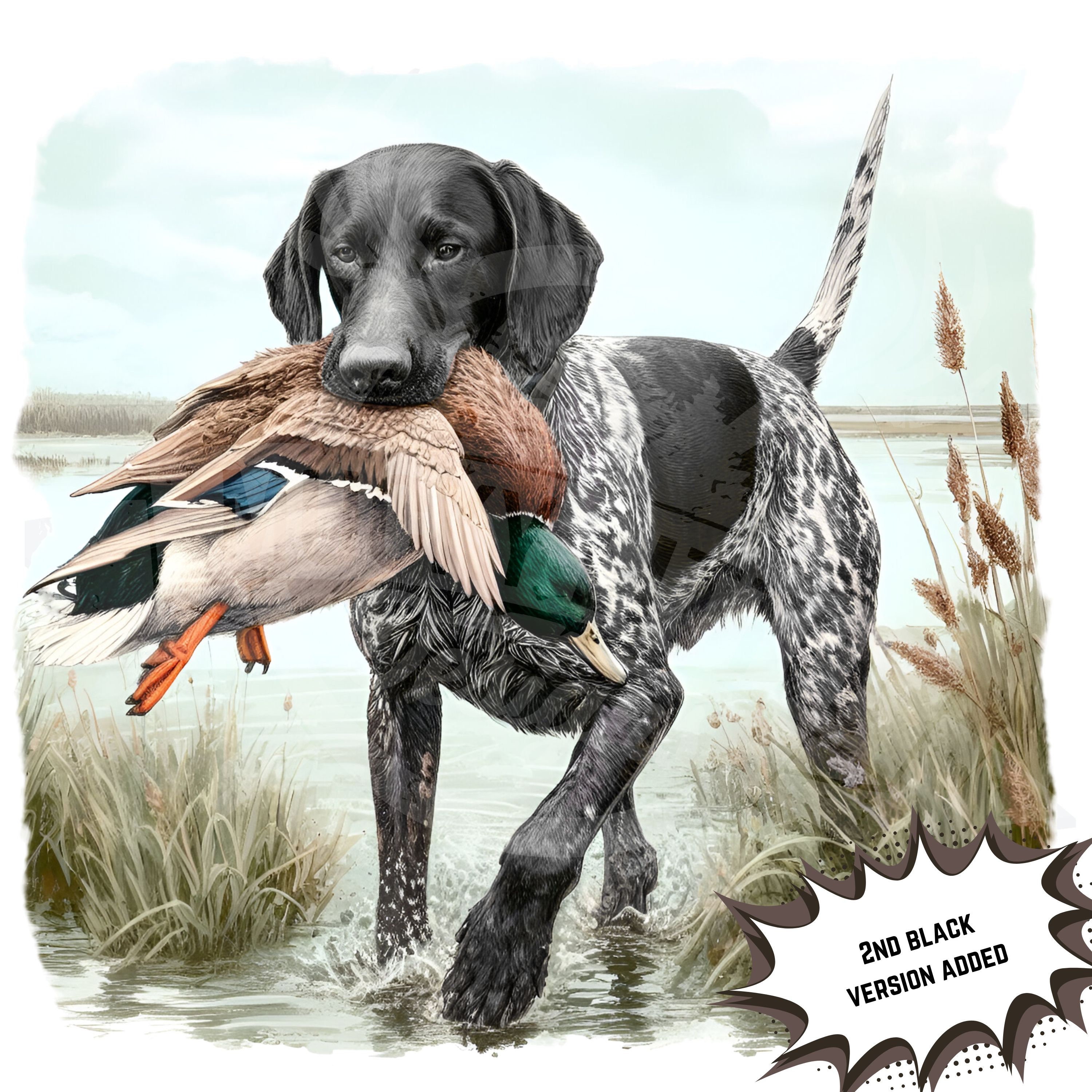
“GSP Duck Hunting Sublimation Design …” from www.etsy.com and used with no modifications.
Are GSPs good with children under 12?
Yes, GSPs are generally good with children due to their affectionate and playful nature. However, because of their high energy levels, supervision is recommended during interactions with younger children to prevent accidental rough play. For more about their temperament and characteristics, you can explore the German Shorthaired Pointer dog breed profile.
How much exercise does a GSP require daily?
A German Shorthaired Pointer requires at least one to two hours of vigorous exercise daily. This should include activities that engage both their physical and mental capabilities, such as running, agility training, and interactive games. For more insights on exercise needs, you might find the Ibizan Hound’s exercise requirements interesting to compare.
What are common health issues in German Shorthaired Pointers?
Common health issues in GSPs include hip dysplasia, bloat, and certain eye conditions. Regular veterinary check-ups and maintaining a healthy diet and exercise routine can help manage these risks.

“German Shorthaired Pointer Dog Breed …” from www.akc.org and used with no modifications.
How do I get started with basic training for my GSP?
Start with basic commands like “sit,” “stay,” and “come,” using positive reinforcement techniques such as treats and praise. Consistency and short, engaging training sessions will help your GSP learn effectively. Gradually increase the complexity of tasks as your dog masters each command.
In conclusion, the German Shorthaired Pointer is a remarkable breed with a rich history and a zest for life. While they require specific care and attention, their loyalty and companionship make them a rewarding addition to the right family. By understanding their needs and characteristics, you can ensure a fulfilling relationship with your GSP.