Key Takeaways
- Great Danes are known as gentle giants, being affectionate and friendly, especially with families.
- They require significant space and food, making them a large commitment in terms of resources.
- Due to their size, they have unique health needs and may face specific health challenges.
- Great Danes are protective and can serve as effective watchdogs, but they need proper training.
- They may not be suitable for first-time dog owners due to their size and training requirements.
Great Dane: Overview and Personality Traits
When you think of Great Danes, the image of a towering yet gentle creature often comes to mind. Known for their impressive stature, these dogs are often referred to as the “Apollo of dogs.” But don’t let their size intimidate you. Great Danes are famously friendly and affectionate, making them excellent companions for those who can accommodate their needs.
Distinguishing Characteristics
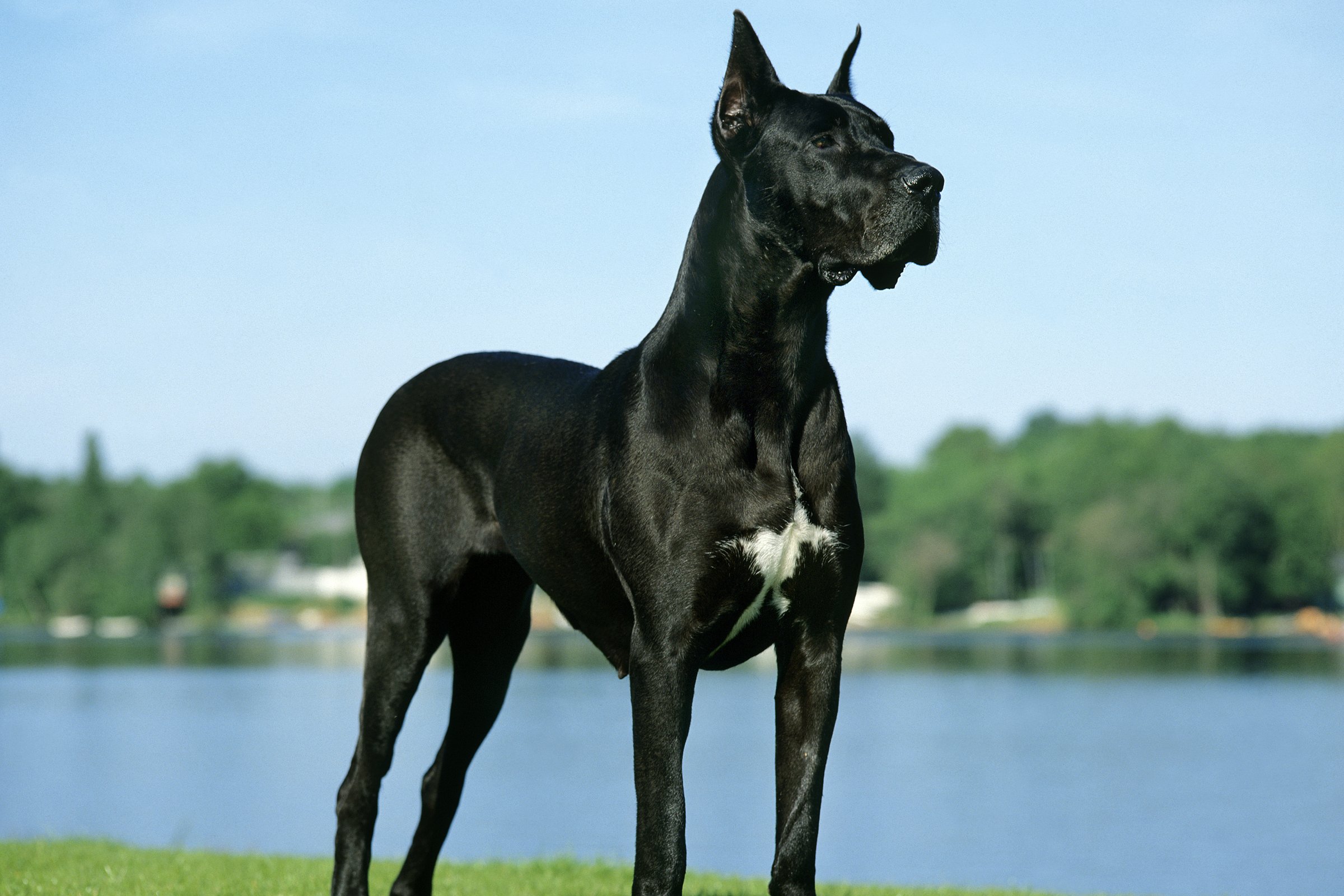
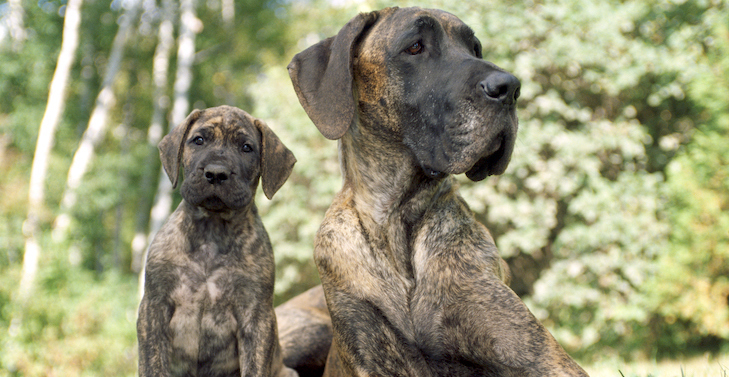
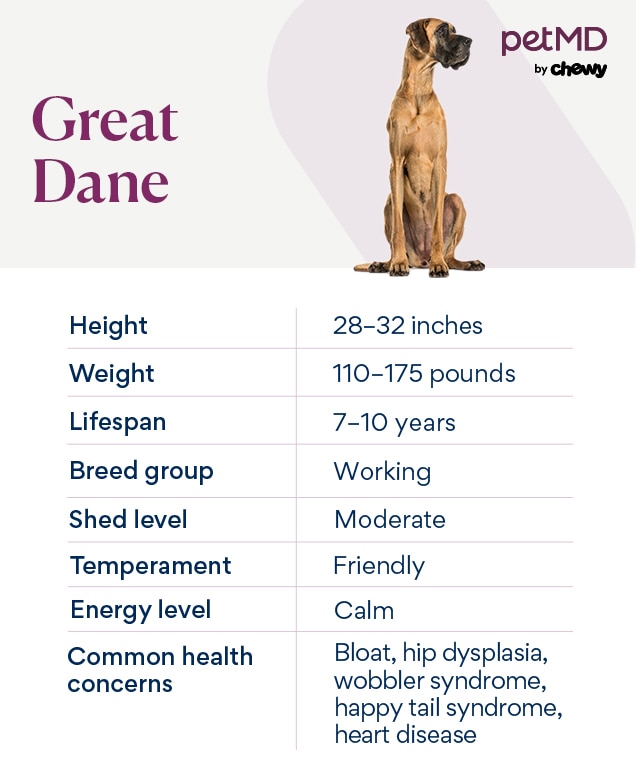
Great Danes are easily recognizable due to their massive size. Adult males can weigh anywhere from 140 to 175 pounds, while females generally weigh between 110 and 140 pounds. Despite their large size, they possess a graceful, sleek body. Their coats are short and come in a variety of colors, including fawn, brindle, blue, black, harlequin, and mantle.
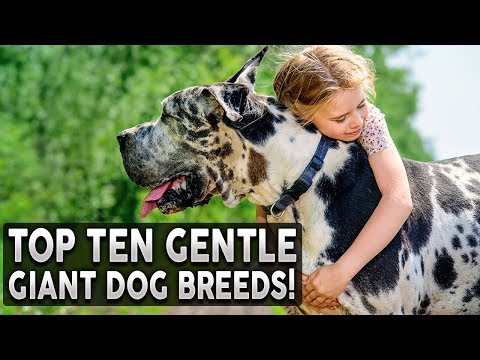
“TOP 10 GENTLE GIANT DOG BREEDS! – YouTube” from www.youtube.com and used with no modifications.
Temperament and Social Behavior
Often described as “gentle giants,” Great Danes are known for their friendly and patient nature. They tend to get along well with children and can be quite playful, making them a good fit for family life. Their sociable nature also extends to other pets, although early socialization is crucial to ensure they are well-behaved around other animals.
Despite their friendliness, Great Danes have a protective streak. They are naturally alert and will often act as watchdogs, alerting their owners to any unusual activity. However, they are not typically aggressive, and with proper training, they can distinguish between a genuine threat and a friendly visitor.
Strengths and Uniqueness
The Great Dane’s uniqueness lies in its combination of size and temperament. While their stature can be intimidating, their disposition is often gentle and nurturing. This makes them not only unique but also highly desirable for those looking for a loyal and loving pet. Their presence alone can deter potential intruders, yet their calm demeanor makes them wonderful companions. For more information on this breed, you can check out the Great Dane Dog Breed Information on PetGuide.
Moreover, Great Danes are quite intelligent and responsive to training, although they can be a bit stubborn at times. With patience and consistency, they can learn a variety of commands and tricks, making them both entertaining and obedient pets.
Pros of Owning a Great Dane
There are numerous benefits to owning a Great Dane, particularly if you have the space and resources to accommodate their needs. These dogs are not only affectionate but also quite majestic, making them a joy to have as part of the family. For those interested in learning about other family-friendly breeds, you might want to explore the Field Spaniel as well.
Loving and Affectionate Advantages
“The Great Dane is a true gentle giant. Despite their ‘menacing’ look, they’re incredibly patient, affectionate, and nurturing.”
Great Danes are known for their deep bonds with their owners. They are often described as “velcro dogs” because they love to be close to their humans. This affectionate nature makes them excellent companions for those seeking a loyal and loving pet. Their nurturing demeanor extends to children, where they often act as gentle playmates and protectors.
Their calm and patient temperament also means they are less likely to react aggressively, making them a safer choice for families with young children or other pets. However, it’s always important to supervise interactions between large dogs and small children to prevent any accidental harm due to their size.
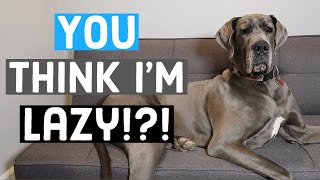
“Just HOW lazy are Great Danes? What to …” from www.youtube.com and used with no modifications.
Lifestyle Compatibility with Laidback Owners
For those who enjoy a more relaxed lifestyle, Great Danes can be the perfect match. They are not overly energetic and are often content with lounging around the house. While they do require regular exercise, they are not as demanding as some other large breeds, making them suitable for owners who prefer a laid-back approach to pet care. For more detailed information, check out the Great Dane guide at Dog Academy.
Protective Instincts and Watchdog Abilities
Despite their gentle nature, Great Danes are naturally protective of their families. Their size alone is often enough to deter potential intruders, but their alertness and deep bark add to their effectiveness as watchdogs. They are quick to alert their owners to any unusual activity, making them a valuable asset for home security.
It’s important to note that while they are protective, Great Danes are not aggressive by nature. With proper training, they can learn to differentiate between a genuine threat and a friendly visitor, ensuring that they are both effective and well-mannered watchdogs.
Challenges in Training and Socialization
“Great Danes are intelligent and alert, both traits that allow them to shine at training and pick up complex skills. However, they are fairly stubborn, so you’ll need to work around this and be patient with them.”
Training a Great Dane can be both rewarding and challenging. While they are intelligent and capable of learning quickly, their stubborn streak can sometimes make training sessions a test of patience. Consistency is key when training these gentle giants, as they respond best to clear and consistent commands.
Socialization is another critical aspect of raising a well-mannered Great Dane. Early exposure to different people, pets, and environments can help prevent any fear-based aggression or anxiety. Regular socialization helps them become well-rounded dogs that are comfortable in various situations.
One effective approach is to enroll your Great Dane in puppy socialization classes. These classes provide a controlled environment for them to interact with other dogs and people, helping to build their confidence and social skills. Additionally, positive reinforcement techniques, such as treats and praise, can encourage good behavior and make training sessions more enjoyable for both you and your dog.
Great Danes as Family Pets
Great Danes can make wonderful family pets, provided their needs are met and their interactions with family members are properly managed. Their gentle and affectionate nature makes them ideal companions for families with children, but their size requires some special considerations. If you are exploring other family-friendly breeds, you might also consider the Field Spaniel, known for its friendly disposition.
When welcoming a Great Dane into your family, it’s essential to create an environment that accommodates their size and energy levels. A spacious home with a fenced yard is ideal, allowing them the freedom to move around and play without feeling confined.
- Ensure your home has enough space to accommodate their large size.
- Provide regular exercise to maintain their health and prevent obesity.
- Supervise interactions with small children to prevent accidental injuries.
Great Danes are known for their patience and tolerance, especially with children. They often form strong bonds with young family members and can be incredibly gentle playmates. However, due to their size, it’s crucial to teach children how to interact safely with these large dogs to prevent any accidental harm.
Regular exercise is also vital for maintaining a Great Dane’s health and well-being. While they are not as high-energy as some other breeds, they still require daily walks and playtime to keep them fit and mentally stimulated. For those considering different breeds, the Field Spaniel is another option that may suit families looking for a slightly more active dog.
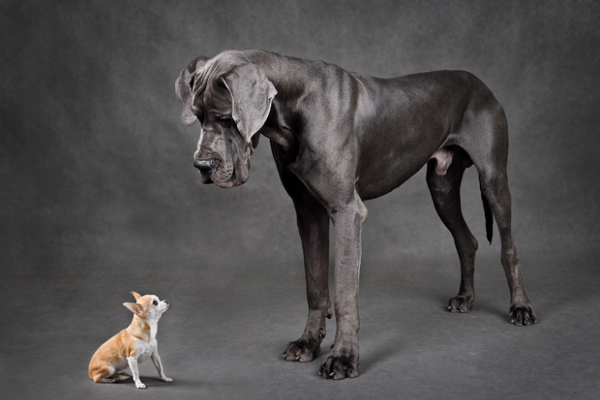
“Get To Know The Great Dane – SitStay” from sitstay.com and used with no modifications.
Interaction with Kids and Other Pets
When it comes to interactions with kids and other pets, Great Danes are generally friendly and tolerant. Their gentle nature makes them well-suited to households with children, and they often form strong bonds with young family members. However, their size means that supervision is necessary to ensure that playtime remains safe and enjoyable for everyone involved. For more insights on family-friendly breeds, you might consider exploring the Australian Shepherd’s compatibility with family households.
Suitable Living Conditions
Given their size, Great Danes require living conditions that provide ample space for movement and exercise. A home with a large, fenced yard is ideal, allowing them the freedom to stretch their legs and play without feeling confined. Apartment living can be challenging for Great Danes unless they receive regular outdoor exercise and activity.
Besides space, a comfortable resting area is essential. Great Danes are prone to joint issues, so providing a supportive bed can help alleviate any discomfort and promote better sleep. Additionally, keeping their living environment clean and free from hazards will ensure their safety and well-being.
Potential Behavioral Issues
Like any breed, Great Danes can develop behavioral issues if their needs are not adequately addressed. Separation anxiety is a common concern, as these dogs form strong attachments to their owners and may become distressed when left alone for extended periods. Providing mental stimulation and interactive toys can help alleviate boredom and reduce anxiety.
Another potential issue is their size and strength, which can make them difficult to manage if not properly trained. Teaching basic commands and leash manners from an early age is crucial to prevent any unwanted behaviors and ensure they remain well-behaved in various situations.
Great Dane’s Role as a Guard or Watch Dog
Great Danes are not only affectionate companions but also have the potential to serve as effective guard or watchdogs. Their imposing size and deep bark can deter potential intruders, making them a valuable asset for home security.
Alertness and Protective Nature
Despite their gentle demeanor, Great Danes possess a natural alertness and protective instinct. They are quick to notice any unusual activity and will often bark to alert their owners. This combination of alertness and size makes them effective watchdogs, capable of deterring potential threats with their presence alone. For a comparison with other breeds, you might find this breed comparison with Spaniels interesting.
“Great Dane breed: the elegant giant who …” from welovedogz.hu and used with no modifications.
Appearance as a Deterrent
The sheer size and stature of a Great Dane can be enough to deter intruders. Standing tall and weighing over 100 pounds, their presence alone can make potential wrongdoers think twice before approaching your home. While they are not aggressive by nature, their intimidating appearance serves as a powerful deterrent.
Training for Guard Duties
While Great Danes have the potential to be effective guard dogs, training is essential to ensure they respond appropriately in different situations. Teaching them to differentiate between a genuine threat and a friendly visitor is crucial to prevent any unnecessary aggression. Positive reinforcement techniques, such as treats and praise, can help reinforce desired behaviors and make training sessions more enjoyable. For more detailed information, you can refer to the Great Dane Dog Breed Information.
Enrolling your Great Dane in professional obedience classes can also be beneficial. These classes provide structured training and socialization opportunities, helping them develop the skills necessary to be both protective and well-mannered family members.
Considerations for First-Time Owners
If you’re considering a Great Dane as your first dog, there are several factors to keep in mind. While their gentle nature and affectionate personality make them appealing, their size and unique needs require careful consideration and preparation. For those exploring different breeds, you might also consider the Field Spaniel as a potential option.
Training Needs and Strategies
Training a Great Dane requires patience and consistency. Their intelligence and willingness to please make them trainable, but their stubborn streak can present challenges. Establishing a routine and using positive reinforcement techniques can help overcome any training obstacles and ensure your Great Dane becomes a well-behaved companion.
“Great Danes: 8 Fun Facts About These …” from www.akc.org and used with no modifications.
Resource and Time Commitment
Owning a Great Dane is a significant commitment in terms of time, space, and resources. They require regular exercise, a nutritious diet, and routine veterinary care to maintain their health and well-being. Additionally, their size means they need ample space to move around comfortably, making them better suited for homes with yards.
Prospective owners should also consider the financial aspect of owning a Great Dane. Their large size means they consume more food, and their unique health needs can lead to higher veterinary costs. Being prepared for these expenses is essential to ensure you can provide the best care for your Great Dane.
Assessing Compatibility for Inexperienced Owners
When considering a Great Dane as a first-time pet, it’s essential to evaluate whether their specific needs align with your lifestyle and experience level. Their massive size and unique temperament require a certain level of commitment and understanding. It’s not just about providing food and shelter; it’s about creating an environment where both you and your Great Dane can thrive together. If you’re considering other breeds, you might find the Cesky Terrier adoption guide helpful for comparison.
Matching Great Danes with Ideal Owners
Great Danes are best suited for individuals or families who have ample space and time to dedicate to their care. Their large size and friendly nature make them wonderful companions, but they also require specific living conditions and a certain level of experience from their owners. If you’re considering other breeds, you might want to explore the Cesky Terrier adoption guide to compare their suitability for your home.
Before bringing a Great Dane into your home, consider whether you can provide the necessary resources and environment for them to live a happy and healthy life. This includes a spacious home, a yard for exercise, and the financial ability to manage their dietary and healthcare needs. For insights on managing costs and care, you might find this adoption cost guide helpful.
:strip_icc()/great-dane-dog-breed-profile-1117971-7d7cc0d14b7141bdba8f356587220c6a.jpg)
“Great Dane: Dog Breed Characteristics …” from www.thesprucepets.com and used with no modifications.
Lifestyle and Activity Levels
Great Danes are surprisingly adaptable when it comes to their activity levels. While they do enjoy regular exercise, they are not as hyperactive as some other breeds. Daily walks and playtime in a secure yard are usually sufficient to keep them healthy and happy. However, they do appreciate having the opportunity to stretch their legs and explore their surroundings.
If you lead a relatively active lifestyle and enjoy spending time outdoors, a Great Dane could be a great match. They are often content to accompany their owners on leisurely walks or hikes, enjoying the fresh air and the chance to bond with their human companions.
Experience and Patience Required
Owning a Great Dane requires patience and a willingness to invest time in training and socialization. Their size can make them challenging to manage without proper training, so it’s crucial to start early and remain consistent. Positive reinforcement techniques work best, as they respond well to praise and rewards.
In addition to training, socialization is key to ensuring your Great Dane is well-adjusted and comfortable in various situations. Exposing them to different environments, people, and other animals can help prevent any behavioral issues and promote a well-rounded temperament.
Space and Living Environment Necessities
The ideal living environment for a Great Dane includes a spacious home with a yard where they can roam freely. Their size makes apartment living challenging unless you can provide ample outdoor exercise opportunities. A fenced yard is ideal for allowing them to play and explore safely, similar to the needs of other large breeds like the Australian Shepherd.
Inside the home, ensure there is enough space for them to move comfortably without feeling cramped. Providing a comfortable, supportive bed is also important, as their large size can make them prone to joint issues. For more information on large dog breeds, you might find this article on Ibizan Hound adoption and care insightful.
In terms of climate, Great Danes do well in moderate temperatures. They have short coats, so they can be sensitive to extreme cold. Providing them with a warm, cozy space during colder months is essential to their comfort and health.
- Ensure ample space both indoors and outdoors for their comfort.
- Provide a supportive bed to alleviate potential joint issues.
- Maintain a moderate climate to suit their short coat.
FAQs
To help you make an informed decision about bringing a Great Dane into your home, here are some frequently asked questions that address common concerns and considerations.
Do Great Danes require a lot of exercise?
- Great Danes enjoy regular exercise but are not excessively high-energy.
- Daily walks and playtime in a secure yard are usually sufficient.
- They appreciate the opportunity to explore and bond with their owners.
Despite their large size, Great Danes are not as demanding in terms of exercise as some other breeds. They enjoy daily walks and playtime, but they are also content to relax and spend time with their family. Ensuring they receive regular exercise helps maintain their health and prevents obesity. For those interested in other family-friendly breeds, consider exploring the Field Spaniel as a potential option.
What kind of training is best for Great Danes?
Positive reinforcement training works best for Great Danes. They respond well to praise and rewards, making this approach effective in teaching them commands and good behavior. Consistency and patience are key, as they can be stubborn at times. Starting training early and maintaining a routine will help your Great Dane become a well-behaved companion.
Are Great Danes good with other pets?
Great Danes are generally friendly and tolerant of other pets, especially when properly socialized from a young age. Their gentle nature makes them good companions for other dogs and even cats, but supervision is necessary during initial introductions to ensure a harmonious relationship.
How long does a Great Dane typically live?
The average lifespan of a Great Dane is between 7 to 10 years. Their large size contributes to a shorter lifespan compared to smaller breeds. Regular veterinary care, a balanced diet, and maintaining a healthy weight can help maximize their lifespan and ensure a good quality of life.
“Great Dane Dog Breed Health and Care …” from www.petmd.com and used with no modifications.
What are the signs of a healthy Great Dane?
A healthy Great Dane should have a shiny coat, clear eyes, and an alert demeanor. They should maintain a healthy weight and have regular bowel movements. Regular veterinary check-ups are essential to monitor their health and address any potential issues early. Additionally, being attentive to their behavior and energy levels can help identify any health concerns that may arise.
In conclusion, Great Danes can make wonderful companions for those who are prepared to meet their unique needs. With proper care, training, and socialization, they can be loving, loyal, and protective members of the family. Whether you’re a first-time owner or an experienced dog lover, understanding the pros and cons of owning a Great Dane will help you provide the best possible home for these gentle giants.
The Great Dane is a majestic breed known for its impressive size and gentle demeanor. While they are often considered good family dogs, potential owners should be aware of their unique needs and characteristics. For those interested in learning more about this breed, Dog Academy offers a comprehensive guide on Great Danes, covering everything from their personality to their suitability as a family pet.