Key Takeaways
- Holland Lop rabbits are known for their friendly nature and small size, making them ideal for families and first-time owners.
- They require a balanced diet of high-quality hay, fresh vegetables, and limited pellets for optimal health.
- While they are relatively low-maintenance, they still need regular grooming and exercise to stay healthy and happy.
- Initial adoption costs range from $20 to $100, but ongoing expenses like food and veterinary care can add up.
- Holland Lops are social animals and thrive on interaction, so be prepared to spend time with your new pet.
Why Consider Adopting a Holland Lop Rabbit
Choosing to adopt a Holland Lop rabbit can be a rewarding experience for many reasons. These adorable bunnies are not only popular for their cute appearance but also for their gentle temperament and manageable size. As a pet, they bring joy and companionship to any home, especially those with children or first-time pet owners. But before you make this important decision, it’s crucial to understand what makes these rabbits unique and what their care entails.

“Holland Lop Rabbit | Animals Wiki | Fandom” from animals-are-cool.fandom.com and used with no modifications.
Unique Traits of Holland Lop Rabbits
Holland Lop rabbits are small, typically weighing between 2 to 4 pounds, making them easy to handle and care for. Their distinctive floppy ears and compact body shape give them an endearing look that appeals to many. But their charm goes beyond their appearance. These rabbits are known for their friendly and sociable nature, which means they enjoy human interaction and can form strong bonds with their owners. Most importantly, they have been bred for their temperament, ensuring they are gentle and easygoing.
Popular Reasons for Choosing Holland Lops
Many people are drawn to Holland Lops because of their suitability for indoor living. Their small size makes them perfect for apartments or homes with limited space. Besides that, their sociable personality means they can thrive in family settings, providing entertainment and affection to both adults and children. They are also relatively low-maintenance compared to other pets, requiring basic grooming and a simple diet. For those looking for a pet that’s both adorable and easy to care for, Holland Lops are a top choice.
Benefits and Drawbacks of Holland Lop Adoption
Adopting a Holland Lop rabbit comes with its own set of pros and cons. While they are undeniably charming and friendly, potential owners should weigh the benefits against the challenges to ensure they are prepared for the responsibility.
Advantages: Companionship and Size
The companionship offered by a Holland Lop rabbit is one of its greatest advantages. Their playful and affectionate nature means they can become a beloved part of the family. Because of their small size, they are easier to accommodate in homes, and they don’t require as much space as larger pets. Additionally, their gentle demeanor makes them suitable for children, teaching young ones about responsibility and empathy.
Challenges: Space and Time Commitment
While Holland Lops are small, they still require a dedicated space where they can move around and exercise. A spacious cage or an area of the house should be set aside for them to explore safely. Moreover, like all pets, they need time and attention. Regular interaction is essential to keep them happy and prevent boredom. Potential owners must be ready to invest time in playing, feeding, and grooming their new pet. For more detailed information on their care, you can refer to Holland Lop Rabbit Health and Care.
- Ensure you have a suitable living space prepared for your rabbit.
- Be ready to spend time daily interacting with and caring for your rabbit.
- Consider the long-term commitment before adopting.
Typical Lifespan of a Holland Lop Rabbit
Holland Lop rabbits generally have a lifespan ranging from 7 to 14 years. This longevity can make them a long-term companion, which is important to consider before adopting. Their lifespan is influenced by several factors including genetics, diet, and the quality of care they receive. It’s essential to understand that adopting a rabbit is not a short-term commitment, and potential owners should be prepared for the responsibility of caring for their pet for many years.
Tips for Extending Your Rabbit’s Life
To ensure your Holland Lop lives a long and healthy life, there are several key practices to follow. First, providing a balanced diet rich in high-quality hay, fresh vegetables, and a limited amount of pellets is crucial. Regular veterinary check-ups are also important to catch any health issues early. Additionally, keeping your rabbit’s living environment clean and safe from potential hazards can prevent accidents and illnesses. Finally, regular exercise and social interaction are vital to maintaining both their physical and mental well-being. For more information on Holland Lop rabbit care, you can explore additional resources.
Financial Commitment of Owning a Holland Lop
Adopting a Holland Lop rabbit involves several financial considerations. While they may be small, the costs associated with their care can add up over time. It’s important to budget for both initial and ongoing expenses to ensure you can provide for your pet’s needs. For a comparison of different rabbit breeds and their care costs, you might find this rabbit adoption guide helpful.
Initial Adoption Costs
The initial cost of adopting a Holland Lop can range from $20 to $100, depending on where you adopt from and whether the rabbit is already spayed or neutered. You will also need to invest in a suitable cage or hutch, which can cost between $50 and $200. Additionally, you’ll need to purchase basic supplies such as food dishes, water bottles, and bedding, which can add another $50 to $100 to your initial expenses. For more detailed guidance, you might want to check out this Dwarf Papillon rabbit adoption guide.
Ongoing Expenses: Food, Health, and Housing
Once you’ve brought your Holland Lop home, there are ongoing costs to consider. Feeding your rabbit a healthy diet can cost about $20 to $50 per month, depending on the quality of food you choose. Regular veterinary care, including annual check-ups and vaccinations, can range from $50 to $200 per year. Moreover, you should be prepared for potential emergency vet visits, which can be costly. Maintenance of their living space, such as replacing bedding and cleaning supplies, is another expense to factor in.
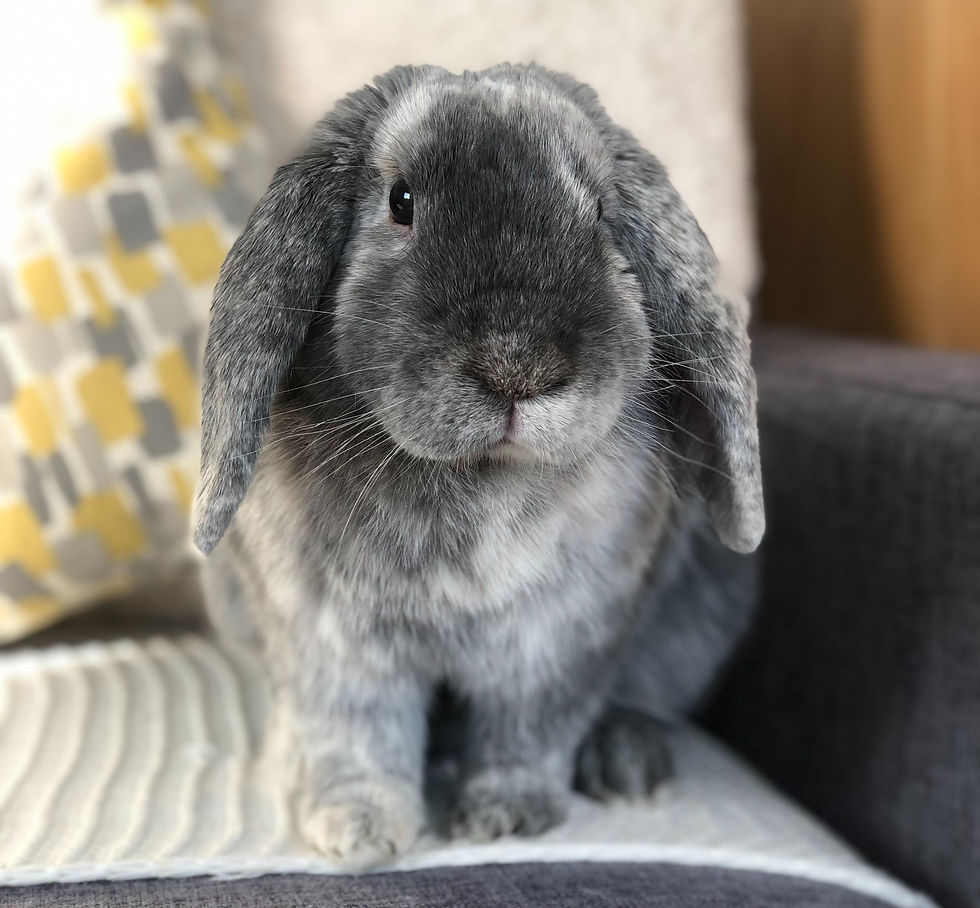
“Holland Lop Bunnies” from www.thehopalongfarmette.com and used with no modifications.
Handling and Socializing Holland Lops
Handling and socializing your Holland Lop is crucial for their well-being. These rabbits are naturally social animals and thrive on interaction with their human companions. Proper handling and socialization help build trust and strengthen the bond between you and your pet. If you’re considering other rabbit breeds, you might want to explore the best rabbit types to adopt to find the perfect companion for your family.
Best Practices for Handling Your Rabbit
When handling your Holland Lop, always be gentle and supportive. Use both hands to lift them, supporting their chest and hindquarters to prevent injury. Avoid sudden movements or loud noises, as these can startle your rabbit. Regularly handling your rabbit from a young age can help them become accustomed to human interaction and reduce stress during handling.
Importance of Social Interaction
Social interaction is vital for a Holland Lop’s mental health. Spend time each day playing and interacting with your rabbit. This can include letting them explore a rabbit-proofed area of your home or engaging them with toys and activities. If you have more than one rabbit, ensure they are properly introduced and monitored to prevent any aggressive behavior. Remember, a well-socialized rabbit is a happy rabbit.
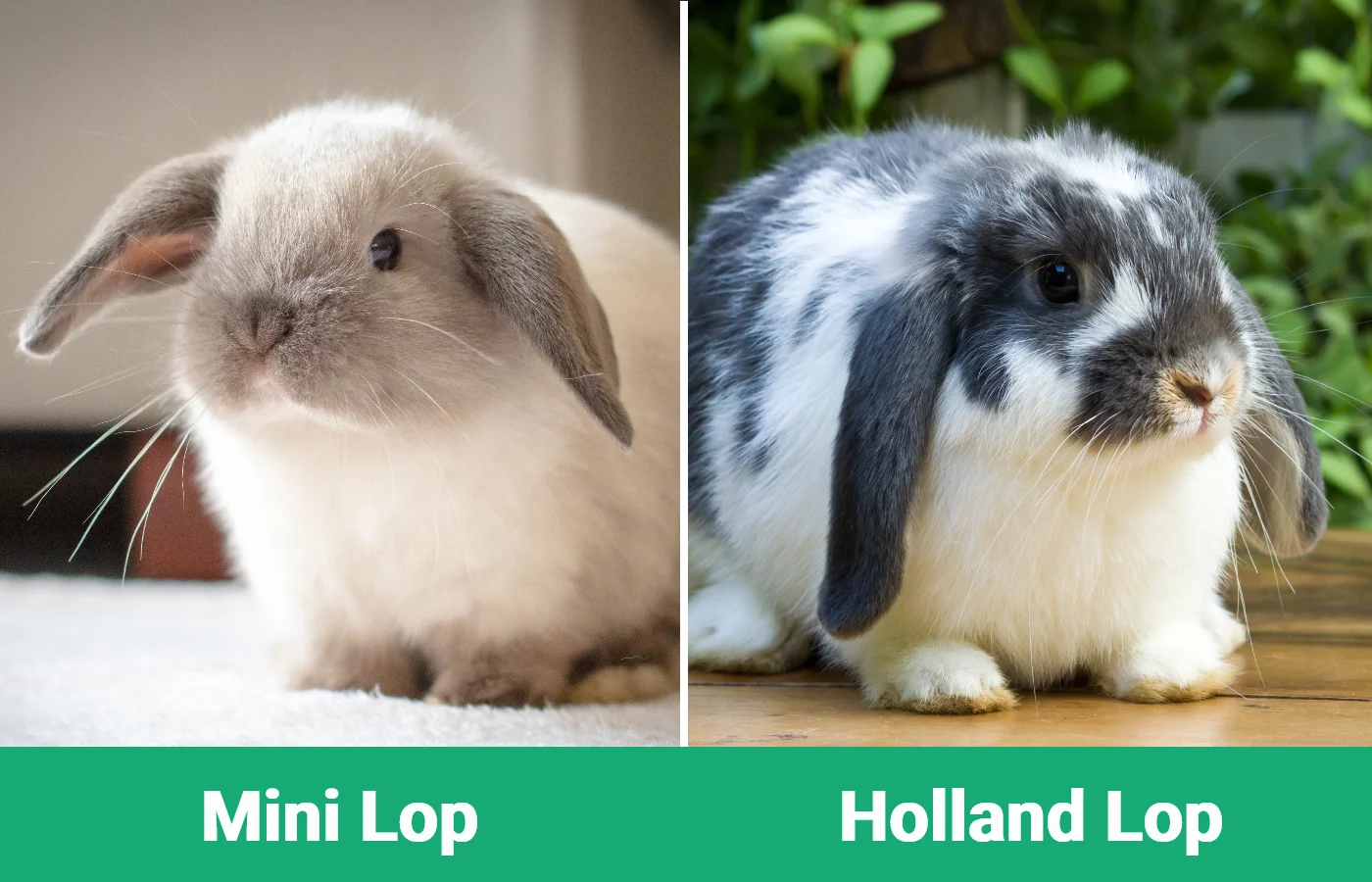
“Mini Lop vs. Holland Lop: The …” from pangovet.com and used with no modifications.
Holland Lops vs. Mini Lop and Other Breeds
When considering a rabbit for adoption, it’s important to understand the differences between breeds. Holland Lops and Mini Lops are often compared due to their similar names and appearances, but there are distinct differences that may influence your choice. For a deeper dive into rabbit breed comparisons, check out this guide on the best rabbit types to adopt.
Key Differences and Similarities
While both Holland Lops and Mini Lops have charming floppy ears, the main difference lies in their size. Holland Lops are smaller, typically weighing between 2 to 4 pounds, whereas Mini Lops can weigh up to 6 pounds. This size difference may impact your decision based on the space you have available and your handling preferences. Both breeds are known for their friendly and social nature, making them great companions. However, Holland Lops tend to have a slightly more laid-back temperament, which may be preferable for families with young children.
Choosing the Right Breed for Your Home
Deciding on the right breed of rabbit for your home involves understanding the unique characteristics and needs of each breed. Holland Lop rabbits are an excellent choice for those who appreciate a smaller, sociable pet that can adapt well to indoor living. Their friendly disposition makes them suitable for families and individuals alike, providing companionship and entertainment.
It’s important to consider your lifestyle and living situation when choosing a rabbit breed. Holland Lops require less space than larger breeds, making them ideal for apartment dwellers. However, they still need room to exercise and explore, so ensure you can provide a safe and stimulating environment for them to thrive.
Suitable for First-Time Owners and Children?
Holland Lops are often recommended for first-time rabbit owners and families with children due to their manageable size and gentle nature. They are relatively easy to care for, requiring basic grooming and a simple diet. However, it’s essential to educate yourself and your family about proper rabbit care to ensure a happy and healthy pet.
Assessing Family Compatibility
Before bringing a Holland Lop into your home, assess your family’s readiness for a pet. Consider factors such as the time and attention each family member can dedicate to the rabbit. Holland Lops are social animals that need daily interaction, so it’s important that everyone is committed to spending time with your new pet.
Involving children in the care of a Holland Lop can be a great way to teach them responsibility and empathy. However, adult supervision is necessary to ensure the rabbit is handled gently and safely. Make sure your home is prepared for a rabbit’s arrival, with all necessary supplies and a designated space for your pet to call home.
Remember, a well-prepared family is more likely to provide a loving and supportive environment for their new rabbit, ensuring a successful adoption experience.
Preparing Your Home for a Holland Lop
Preparing your home for a Holland Lop involves creating a safe and comfortable environment for your new pet. Start by setting up a spacious cage or hutch with enough room for your rabbit to move around freely. Line the cage with appropriate bedding and provide hiding spots for your rabbit to feel secure.
Ensure your home is rabbit-proofed by removing any potential hazards, such as electrical cords and toxic plants. Create a designated play area where your rabbit can exercise and explore under supervision. Stock up on essential supplies, including food dishes, water bottles, and grooming tools, to ensure you’re ready to meet your rabbit’s needs.
Final Thoughts on Holland Lop Adoption
Adopting a Holland Lop rabbit can be a rewarding and fulfilling experience for both you and your family. These charming and affectionate rabbits make wonderful companions, providing joy and companionship for many years. By understanding their needs and preparing your home accordingly, you can ensure a successful adoption and a happy life for your new pet. For more information on different rabbit breeds, you might find this guide on rabbit types helpful.
Remember, adopting a pet is a long-term commitment, and it’s essential to be prepared for the responsibilities that come with it. With the right care and attention, your Holland Lop will become a beloved member of your family.
Frequently Asked Questions (FAQ)
Adopting a Holland Lop rabbit may raise several questions. Here are some common inquiries and their answers to help you make an informed decision.
Do Holland Lops require a lot of space?
While Holland Lops are small, they still need adequate space to move around and exercise. A spacious cage or hutch is essential, along with a designated play area where they can explore safely. Regular exercise is important for their physical and mental well-being.
What should I feed my Holland Lop rabbit?
Holland Lops require a balanced diet to stay healthy. Their diet should primarily consist of high-quality hay, which aids in digestion and dental health. Fresh vegetables should be offered daily, along with a limited amount of pellets. Avoid feeding them sugary or processed foods.
- High-quality hay: essential for digestion and dental health
- Fresh vegetables: provide necessary vitamins and nutrients
- Limited pellets: supplement their diet with essential nutrients
Always ensure your rabbit has access to fresh, clean water.

“Holland Lop / Netherland Dwarf mix …” from www.reddit.com and used with no modifications.
Are Holland Lops good with children?
“Holland Lops are known for their gentle and sociable nature, making them a great choice for families with children. However, it’s important to teach children how to handle rabbits gently and to always supervise interactions to ensure the safety of both the child and the rabbit.”
With proper supervision and education, Holland Lops can form strong bonds with children, providing companionship and teaching valuable lessons in responsibility and empathy.
In conclusion, adopting a Holland Lop rabbit can be a delightful and rewarding experience. By understanding their needs and preparing your home accordingly, you can ensure a happy and healthy life for your new furry friend.