Key Takeaways
- Responsible breeders and rescue organizations prioritize the health and well-being of their animals, offering transparency and thorough documentation.
- Reputable breeders will provide health guarantees and detailed lineage information, ensuring potential adopters are well-informed.
- It’s crucial to ask specific questions about the breeder’s or rescue’s experience, health tests conducted, and the living conditions of the animals.
- Observe the cleanliness and space of the facilities; reputable organizations will maintain a clean, safe, and nurturing environment.
- Seek recommendations from local veterinarians, previous pet owners, and official organizations like the American Kennel Club (AKC) to verify credibility.
Identifying Reputable Breeders and Rescue Organizations
Choosing the right breeder or rescue organization is crucial when looking to adopt a pet. Not only does it ensure you bring home a healthy and well-adjusted animal, but it also supports ethical practices within the pet industry. Let’s dive into how you can spot the difference between reputable and irresponsible breeders or rescue organizations.
“Puppies: Finding a Reputable Breeder” from www.kingscreatures.com and used with no modifications.
Understanding the Importance of Choosing Responsibly
When it comes to adopting a pet, the stakes are high. Animals from irresponsible sources often suffer from health issues, poor socialization, and can contribute to overpopulation problems. Most importantly, supporting reputable breeders or rescues promotes animal welfare and ethical treatment.
Reputable breeders and rescue organizations prioritize the health, temperament, and overall welfare of their animals. They maintain high standards for care, conduct necessary health tests, and provide a nurturing environment. By choosing responsibly, you contribute to a system that values the lives and well-being of animals.
Signs of Responsible Breeders and Rescues
Identifying a responsible breeder or rescue organization involves looking for several key indicators. Transparency is a major sign of a reputable entity. They will openly share information about their practices, the animals’ health, and their breeding or rescue history.
Moreover, reputable breeders and rescues will ensure their animals receive proper veterinary care, including vaccinations and genetic testing. They will also provide a clean, safe, and enriching environment for their animals. Lastly, they will often require adopters to sign a contract agreeing to certain conditions, such as spaying or neutering.
Online Resources and Referrals
Finding a reputable breeder or rescue organization can be challenging, but online resources and referrals can be invaluable. Websites like the American Kennel Club (AKC) and the Cat Fanciers’ Association (CFA) offer directories of certified breeders. Additionally, platforms such as PupQuest provide databases of recommended breeders.
Besides that, reaching out to local veterinarians, groomers, or pet owners can provide personal recommendations. They often have firsthand experience with breeders or rescues and can offer insights into their reputations and practices.
Questions to Ask Breeders and Rescue Organizations
When evaluating a breeder or rescue organization, asking the right questions is essential. These inquiries will help you determine their credibility, the health of the animals, and their commitment to ethical practices.
Background and Experience
Start by asking about the breeder’s or rescue’s background and experience. How long have they been in operation? What is their primary motivation for breeding or rescuing animals? Understanding their history can provide context about their practices and dedication to animal welfare.

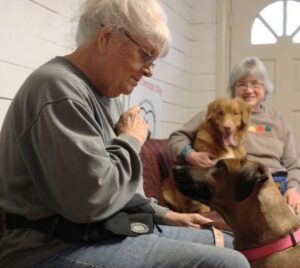
“Ask Before Adopting a Puppy …” from www.talenthounds.ca and used with no modifications.
Health Guarantees and Testing
Health is a top priority when adopting a pet. Reputable breeders and rescues will conduct necessary health tests and provide guarantees. Ask about the types of tests performed, such as genetic screenings and vaccinations. Additionally, inquire about any health guarantees they offer and the procedures in place if health issues arise.
Asking these questions will not only ensure you bring home a healthy pet but also confirm the organization’s commitment to ethical practices.
Evaluating Animal Conditions and Environments
When visiting a breeder or rescue organization, it’s crucial to evaluate the conditions in which the animals are kept. A clean and well-maintained environment is a strong indicator of the care and attention the animals receive. This section will guide you on what to look for during your visit.
First impressions matter. Upon arrival, observe the overall state of the facility. Are the areas tidy and free from unpleasant odors? Do the animals appear healthy and lively? These initial observations can tell you a lot about the organization’s standards and practices. For more insights, you can read about Buyer Beware to ensure you’re making informed decisions.
Facility Cleanliness and Space
A reputable breeder or rescue will maintain a clean and spacious environment for their animals. Look for well-ventilated spaces that allow for natural light and fresh air. The animals should have enough room to move around comfortably, with access to clean water and nutritious food.
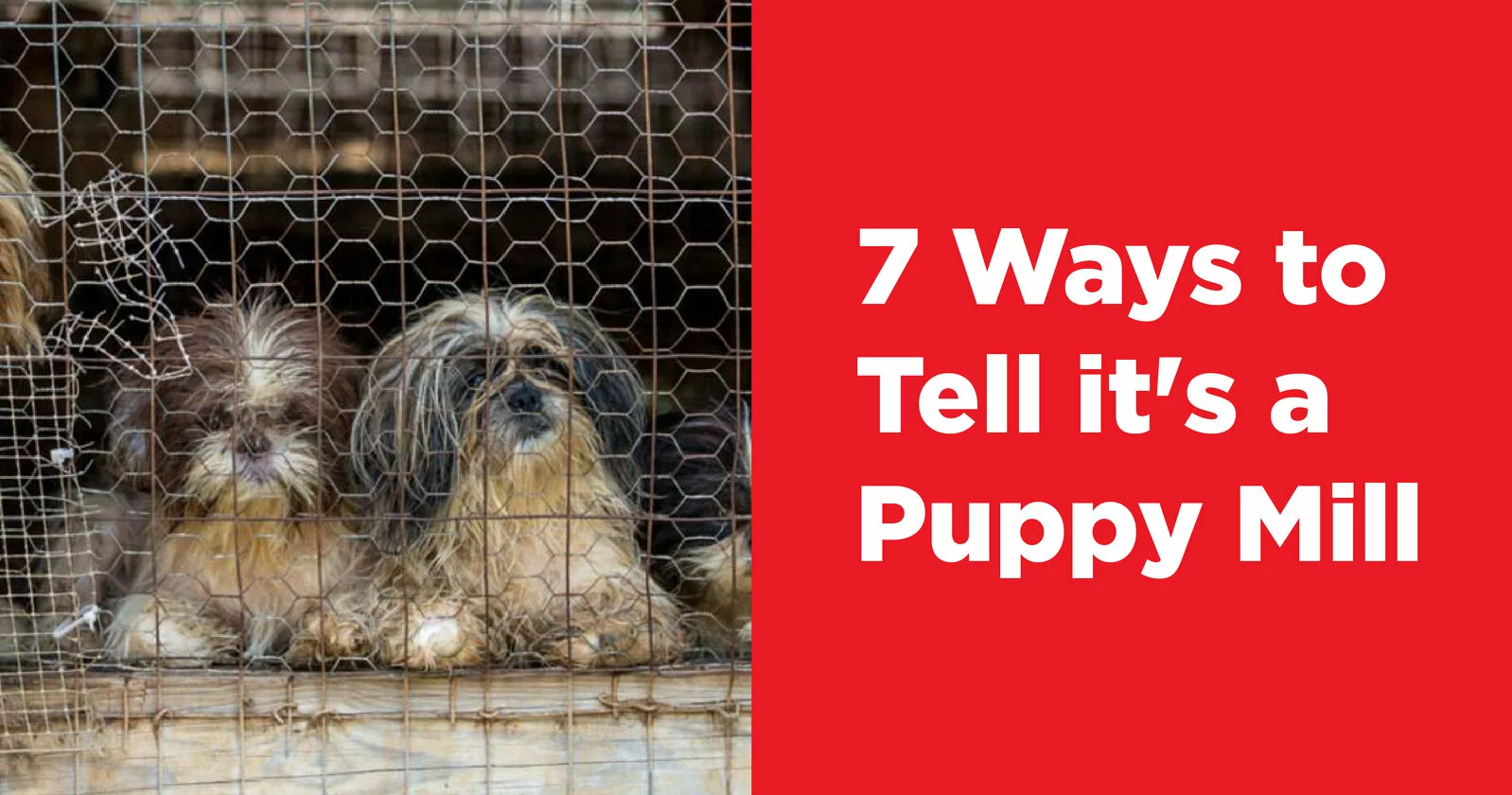
“Don’t Get Tricked by Puppy Mills …” from www.bissellpetfoundation.org and used with no modifications.
Socialization and Interaction
Socialization is key to a pet’s development. Observe how the animals interact with each other and with humans. Are they friendly and curious, or do they seem fearful and withdrawn? A reputable organization will ensure their animals are well-socialized and accustomed to human interaction.
Example: During a visit to a reputable breeder, I noticed that the puppies were actively playing with each other and eagerly approached visitors for attention. This indicated that they were well-socialized and comfortable around people.
Besides observing the animals, take note of the staff’s behavior. Are they knowledgeable and willing to answer your questions? Do they interact positively with the animals? Their attitude and actions can reflect the organization’s values and commitment to animal welfare.
By paying attention to these details, you can gain a clearer picture of the organization’s practices and the level of care provided to the animals.
Health and Wellness Observations
Health and wellness are paramount when evaluating a breeder or rescue. Look for signs of healthy animals, such as clear eyes, clean coats, and good body condition. Additionally, ask about the veterinary care they provide, including regular health checks and any treatments administered.
It’s also important to inquire about the organization’s protocol for addressing health issues. Do they have a relationship with a local veterinarian? How do they handle medical emergencies? Knowing the answers to these questions can give you peace of mind about the care your potential pet receives.
Necessary Health Tests for Pets
Health tests are essential to ensure the well-being of your future pet. Reputable breeders and rescues will conduct various screenings to identify any potential health issues early on. This section will cover the types of tests to ask about and why they matter.
Genetic screenings can help identify inherited conditions that may affect your pet’s health. These tests are particularly important for purebred animals, as certain breeds are prone to specific genetic disorders. A responsible breeder will provide documentation of these tests and discuss any potential concerns with you.
Beyond genetic screenings, regular health checks and vaccinations are crucial for your pet’s overall wellness. Make sure to ask about the types of vaccinations administered and the schedule they follow. Additionally, inquire about any preventative measures they take, such as flea and tick treatments.
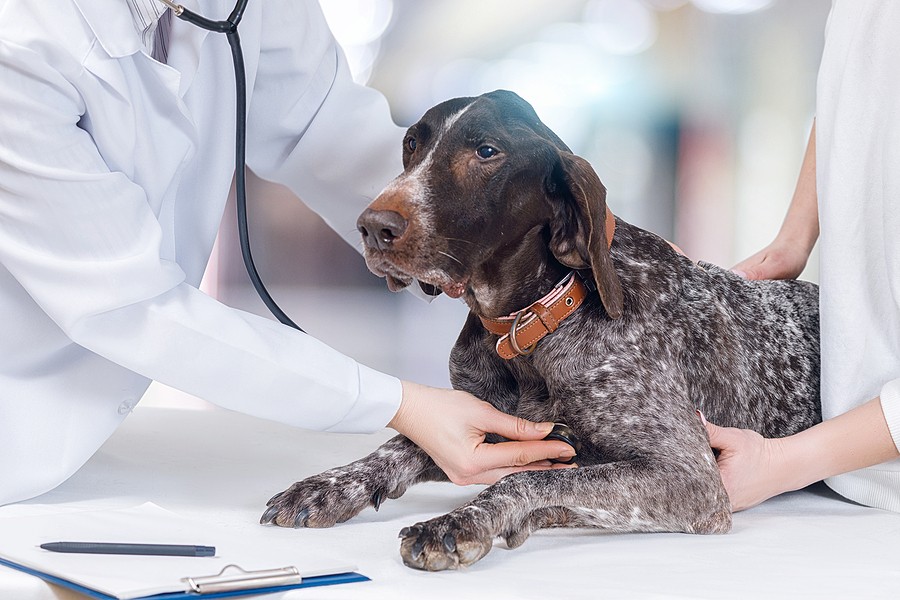
“Health Testing and Screening: Preparing …” from florenceah.com and used with no modifications.
Common Genetic and Health Screenings
Common genetic tests include screenings for hip dysplasia, heart conditions, and eye disorders. These tests help ensure that the animals are free from hereditary diseases that could impact their quality of life. A reputable breeder will be transparent about the results and any implications for your pet.
For example, a responsible breeder of Labrador Retrievers might conduct tests for hip and elbow dysplasia, as these conditions are common in the breed. By sharing the results with potential adopters, they demonstrate their commitment to raising healthy animals.
Vaccinations and Preventatives
Vaccinations are a critical component of your pet’s health care. They protect against common diseases such as rabies, distemper, and parvovirus. Reputable breeders and rescues will adhere to a vaccination schedule and provide documentation of the vaccines administered.
Frequency and Documentation of Health Checks
Regular health checks are essential for monitoring your pet’s well-being. Ask about the frequency of these checks and the veterinarian they work with. A reputable organization will maintain detailed records of each animal’s health history and share this information with you.
By ensuring that your future pet receives the necessary health tests and care, you can provide them with a healthy start to life and enjoy a long, happy relationship together. For example, understanding the longevity and maintenance needs of Boxers can help you make informed decisions about their care.
Gathering References and Verifying Credibility
Verifying the credibility of a breeder or rescue organization is an important step in the adoption process. Gathering references from previous pet owners and consulting with local veterinarians can provide valuable insights into the organization’s reputation and practices.
Contacting Previous Pet Owners
One of the most reliable ways to verify a breeder or rescue’s credibility is by speaking with previous pet owners. They can provide firsthand accounts of their experiences, the health and temperament of their pets, and the level of support they received from the organization. For instance, if you’re considering adopting a Maine Coon cat, connecting with past adopters can offer valuable insights.
When reaching out, ask about the condition of the pet upon adoption, any health issues encountered, and how the breeder or rescue handled any concerns. These insights can help you gauge the organization’s reputation and commitment to ethical practices.

“Questions to Ask Before Adopting a Dog …” from www.dogster.com and used with no modifications.
Consulting Local Veterinarians
Veterinarians are invaluable resources when assessing a breeder or rescue organization. They often work closely with these entities and can offer insights into their practices, the health of the animals, and their overall reputation in the community.
Ask your veterinarian if they have any recommendations or if they are familiar with the breeder or rescue you are considering. Their professional opinion can provide additional assurance and guide you toward a responsible choice.
Checking for Affiliation with Official Organizations and Attending Local Dog or Cat Show
Affiliations with official organizations such as the AKC (American Kennel Club), TICA (The International Cat Association), or CFA (Cat Fanciers Association) can indicate a breeder’s commitment to high standards and ethical practices. These organizations have varying guidelines for breeding and care, and being a member often requires adherence to these standards.
Additionally, attending local dog or cat shows can provide opportunities to meet breeders in person, observe their animals, and ask questions. These events are excellent venues for gathering information and making informed decisions.
- Check the breeder’s membership status with official organizations.
- Attend local pet shows to meet breeders and see their animals firsthand.
- Ask about the organization’s code of ethics and adherence to standards.
And many large scale adoption events attract regional and local chapters of national rescue organizations. Attending a pet adoption fair or an event like Clear The Shelters, can be a great opportunity to meet breed rescue orgs. You can talk to the volunteer representatives and familiarize yourself with the dogs they have and discuss the breed characteristics with their experts.
By taking these steps, you can verify the credibility of the breeder or rescue group and ensure they meet your expectations for ethical practices.
Frequently Asked Questions (FAQ)
Adopting a pet is a significant decision, and it’s natural to have questions. Here are some common inquiries and their answers to help guide you through the process. For more detailed guidance, check out our Boxer adoption guide for insights on what to expect when bringing a new furry friend home.
How can I verify a breeder’s credentials?
To verify a breeder’s credentials, start by checking their membership with official organizations like the AKC or CFA. These memberships often require adherence to strict ethical guidelines. Additionally, request references from previous pet owners and consult with local veterinarians for their opinions. For more insights, you can read about what to watch for in responsible vs shady breeders.
By gathering information from multiple sources, you can gain a comprehensive understanding of the breeder’s reputation and practices.
What are red flags when visiting a breeder’s facility?
Red flags to watch for include dirty or overcrowded conditions, animals that appear unhealthy or fearful, and staff that are unwilling to answer questions or provide documentation. Additionally, be wary of breeders who sell animals without contracts or guarantees, as this may indicate a lack of commitment to ethical practices.
Trust your instincts—if something feels off, it may be best to look elsewhere. For instance, when considering a Briard adoption, ensure the breeder or rescue organization meets ethical standards.
Why are health tests important for puppies and kittens?
Health tests are crucial for identifying potential genetic disorders and ensuring the overall well-being of the animals. These tests help prevent the spread of hereditary diseases and allow breeders to make informed decisions about breeding practices.
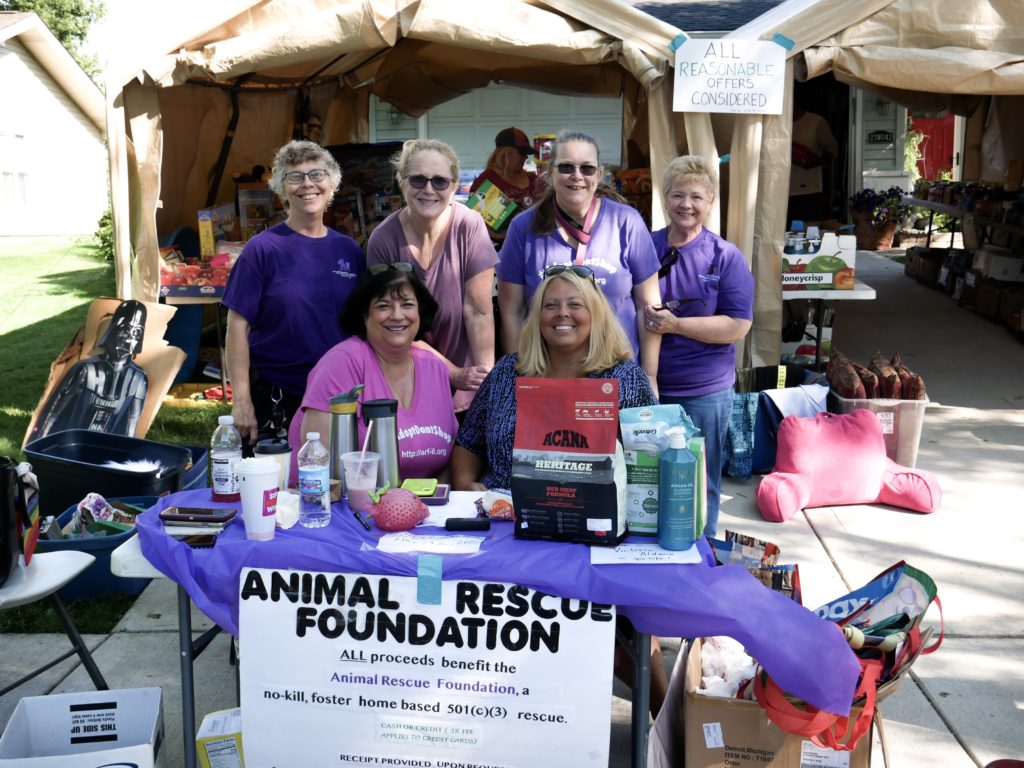
“About A.R.F.-Animal Rescue Foundation …” from www.arf-il.org and used with no modifications.
What should I expect from a responsible rescue organization?
A responsible rescue organization will prioritize the health and welfare of their animals, providing proper veterinary care, socialization, and a clean environment. They will also be transparent about the animal’s history and any health issues. If you’re considering adopting a specific breed, like a Boxer, make sure the organization can provide detailed information about the breed’s history and care requirements.
Additionally, they may require adopters to meet certain criteria and agree to conditions such as spaying or neutering.
How can I ensure a breeder is ethical in their practices?
Ensuring a breeder’s ethical practices involves thorough research and asking the right questions. Look for transparency, health guarantees, and adherence to ethical guidelines set by official organizations. Gather references from previous pet owners and consult with local veterinarians for their insights.
By taking these steps, you can make an informed decision and support ethical practices within the pet industry.
When considering adopting a pet, it’s crucial to distinguish between reputable and irresponsible breeders or rescue organizations. To ensure you are making the right choice, there are several questions you should ask. First, inquire about the living conditions of the animals and request to view them. It’s also important to ask what tests have been conducted on the animals. Additionally, speaking with references who have previously adopted from the organization can provide valuable insights. For those interested in adopting a specific breed, such as a Brittany Spaniel, researching breed-specific adoption guides can be incredibly helpful.