Key Takeaways
- Lineolated Parakeets are known for their quiet and cuddly nature, making them ideal pets for those who prefer a calm environment.
- These birds thrive in social settings and can form strong bonds with their owners, enjoying activities such as walking and outdoor time.
- They have specific dietary needs, requiring a varied diet of seeds, fruits, and vegetables to maintain their health.
- Lineolated Parakeets are best kept with their own kind or similarly tempered birds due to their gentle disposition.
- Understanding their molting process and gender identification is crucial for proper care and enhancing their lifespan.
Why Lineolated Parakeets Make Unique Pets
Lineolated Parakeets, often affectionately called “linnies,” are charming little birds that stand out in the avian world. Their distinct personality traits make them a favorite among bird enthusiasts. But what makes them so unique?
These birds are often celebrated for their calm demeanor. Unlike many other parrot species, linnies are quiet, which is a significant advantage for those living in apartments or shared spaces. They don’t scream or screech, but instead, they communicate with soft chirps and whistles.
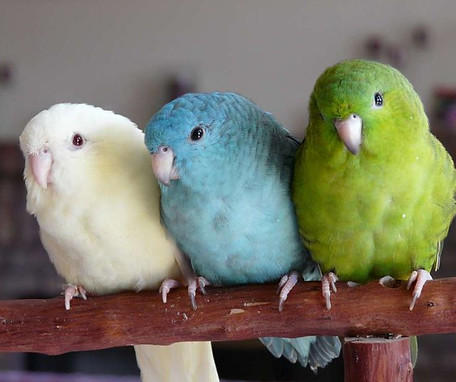
“Linnies | My Site” from www.lillysfeatheredfriends.ca and used with no modifications.
Distinctive Features of Lineolated Parakeets
One of the first things you’ll notice about lineolated parakeets is their size and appearance. They are relatively small, measuring about 6 inches in length. Their bodies are stockier compared to budgies, and they possess a beautiful barred pattern on their plumage, which gives them a distinctive look.
Another striking feature is their variety of colors. While the natural coloration is primarily green, captive breeding has introduced an array of hues, including blues and yellows. This variety allows prospective owners to choose a bird that fits their aesthetic preference.
What Sets Linnies Apart from Other Parakeets
Besides their appearance, linnies have a unique personality that sets them apart from other parakeets. They are incredibly social creatures, often forming strong bonds with their human companions. This bond makes them a joy to interact with, as they love perching on shoulders and participating in daily activities.
Additionally, linnies are known for their playful nature. They enjoy exploring their environment and engaging in interactive play with their owners. This playful behavior is not only entertaining but also essential for their mental and physical health.
Behavioral Traits: Quiet and Cuddly Nature
Lineolated Parakeets are often described as cuddly, a trait not commonly associated with many bird species. They enjoy being handled and petted, which makes them an excellent choice for those seeking a tactile relationship with their pet. For those interested in other cuddly pets, consider learning about the Basenji dog, known for its unique traits.
Their quiet nature is another significant advantage. They are perfect for individuals who appreciate tranquility and don’t want the constant noise that comes with some other bird species. This calm demeanor makes them suitable for households with children or elderly individuals.
History and Origin of Lineolated Parakeets
Understanding the history and origin of lineolated parakeets can provide valuable insight into their behavior and care requirements. These birds are native to Central and South America, where they inhabit forested regions.
Natural Habitat and Geographic Distribution
In the wild, lineolated parakeets are found in the mountainous regions of Mexico, Panama, and the Andes of South America. They thrive in humid forests, where they can often be seen in small flocks. Their natural habitat offers plenty of opportunities for foraging and social interaction, which are critical to their well-being.
Introduction to Domestication
The domestication of lineolated parakeets began relatively recently compared to other parrot species. Their popularity as pets has increased over the past few decades due to their gentle nature and ease of care. Breeders have worked diligently to introduce various color mutations, enhancing their appeal to pet owners.
The Rise of Lineolated Parakeets in Pet Culture
Today, lineolated parakeets are cherished for their unique combination of traits. They are often recommended as starter birds for new pet owners due to their manageable size and temperament. Their rise in popularity is a testament to their suitability as companion animals, offering both companionship and entertainment. For those interested in other rare pet birds, the crimson rosella is another fascinating option.
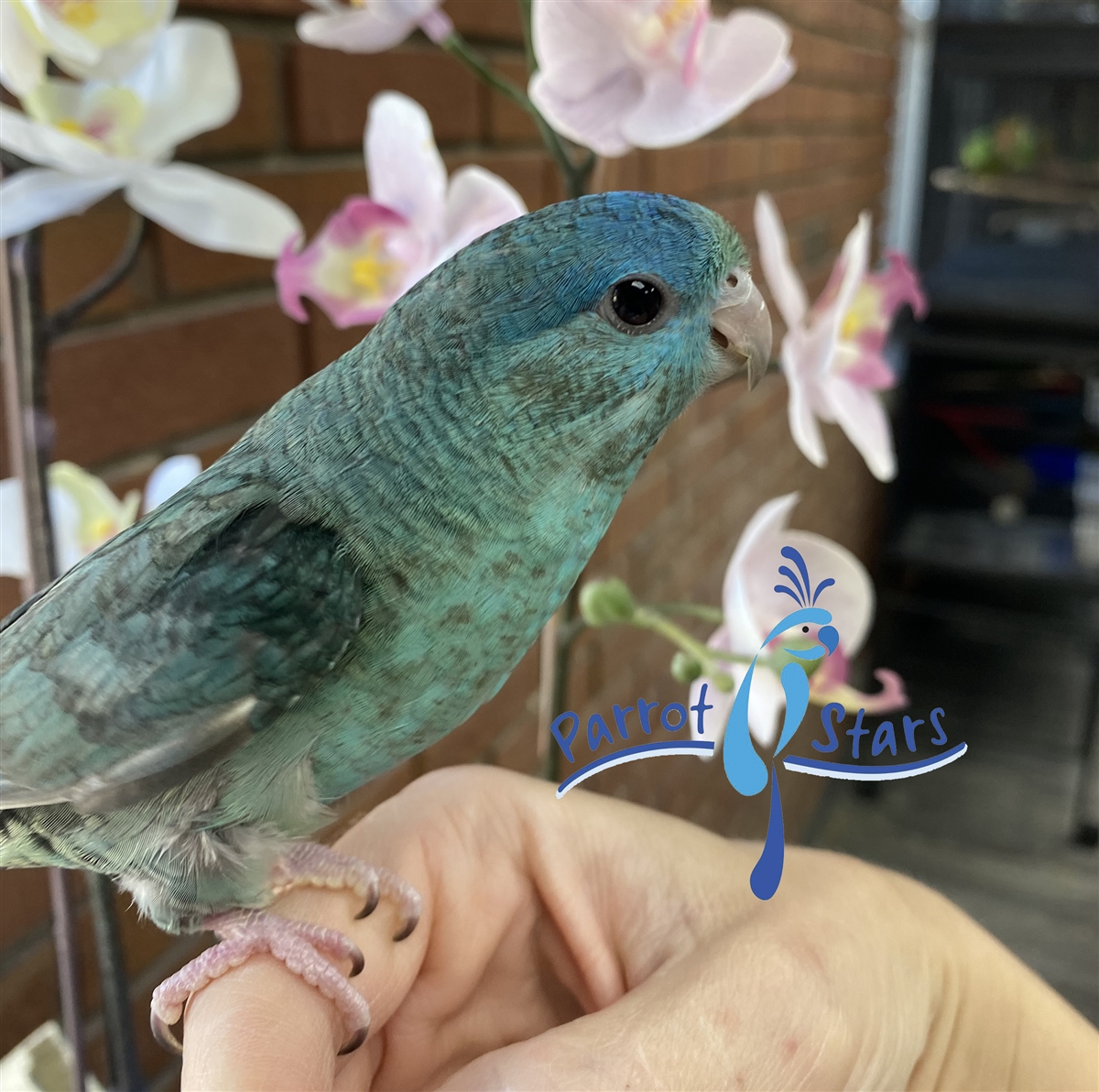
“Lineolated Parakeet -” from www.parrotstars.com and used with no modifications.
Benefits and Challenges of Owning a Lineolated Parakeet
Owning a lineolated parakeet can be a rewarding experience, but it’s essential to understand both the benefits and challenges involved. Let’s explore what makes these birds such wonderful pets and what potential hurdles you might face.
Pros: Bonding and Personality Aspects
One of the most significant advantages of owning a lineolated parakeet is the strong bond they can form with their owners. These birds are incredibly social and thrive on interaction, making them ideal companions for those who have the time and desire to engage with them regularly.
Additionally, their playful and affectionate nature provides endless joy and entertainment. Whether it’s teaching them new tricks or simply watching them explore their environment, linnies are sure to bring a smile to your face.
Space and Environmental Needs
Lineolated parakeets, like any other pet, require an environment that caters to their specific needs. These birds thrive in spacious cages that allow them to stretch their wings and engage in playful activities. It’s important to choose a cage that is at least 24 inches in length, width, and height to provide ample room for movement.
Besides that, the cage should be equipped with perches of varying diameters to promote foot health. Providing toys and enrichment items is also crucial, as these will keep your parakeet mentally stimulated and physically active. Rotate toys regularly to maintain their interest and encourage exploration. For more insights on bird care, consider reading about Crimson Rosella adoption and their enrichment needs.
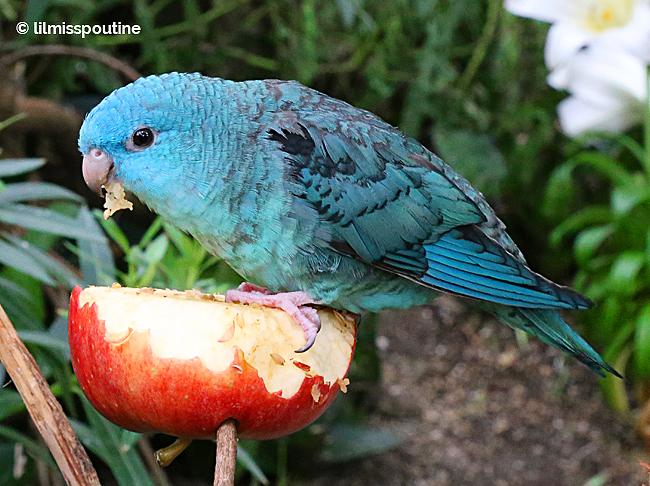
Lineolated Parakeet | W.H. SIM PHOTOGRAPHY” from whsimphotos.wordpress.com and used with no modifications.
Care and Maintenance for Your Lineolated Parakeet
Taking care of a lineolated parakeet involves more than just providing food and water. These birds require a well-rounded care routine to ensure their happiness and health. Let’s dive into the key aspects of their care and maintenance.
Dietary Requirements and Feeding Tips
Lineolated parakeets have specific dietary needs that must be met to keep them healthy. Their diet should consist of a high-quality seed mix, supplemented with fresh fruits and vegetables. Leafy greens, carrots, and apples are excellent choices for adding variety and essential nutrients.
Additionally, it’s important to provide a calcium source, such as cuttlebone, to support their bone health. Always ensure fresh water is available and change it daily to keep it clean and free from contaminants. For those interested in learning about different pets, you might want to explore the best rabbit types to adopt for more insights on pet care.
Grooming and Molting
Grooming is an essential part of caring for your lineolated parakeet. Regularly check their nails and beak for overgrowth, trimming them as needed to prevent discomfort. Bathing is another important aspect of grooming. Offering a shallow dish of water or misting them with a spray bottle can help keep their feathers clean and in good condition.
Exercise and Enrichment: Enjoying Walks and Outdoors
Lineolated parakeets are naturally active and require regular exercise to maintain their physical health. Allowing them time outside the cage to fly in a safe, enclosed area is highly beneficial. Besides physical exercise, mental enrichment is crucial. Engage them with interactive toys and puzzles that challenge their intelligence and keep them entertained. For those interested in other bird species, consider learning about the crimson rosella and their unique characteristics.
Understanding Molting and Feather Care
Molting is a natural process where birds shed old feathers to make way for new growth. During this time, your lineolated parakeet may require extra care and attention. Ensure they receive a diet rich in nutrients to support feather regeneration, and consider providing additional calcium and protein sources.
Identifying Gender and Lifespan Considerations
Determining the gender of your lineolated parakeet can be a bit tricky, as they are not sexually dimorphic, meaning males and females look very similar. However, there are a few methods you can use to identify their gender.
Methods for Determining Gender
Visual clues such as behavior can sometimes offer hints. Males tend to be more vocal and may engage in more singing. However, the most reliable method is DNA testing, which can provide an accurate determination of your bird’s gender.
Average Lifespan in Captivity
With proper care, lineolated parakeets can live between 10 to 15 years in captivity. This lifespan is contingent on factors such as diet, exercise, and overall health care. Regular veterinary check-ups are essential to catch any potential health issues early.
It’s important to remember that a longer lifespan is often achieved through consistent and dedicated care. Paying attention to their needs and maintaining a stimulating environment can contribute to a happy, healthy life for your pet.
Enhancing Longevity Through Proper Care
To enhance the longevity of your lineolated parakeet, focus on creating a balanced routine that includes a nutritious diet, regular exercise, and social interaction. Avoid exposing them to harmful substances like tobacco smoke or household chemicals, as these can adversely affect their health.
Additionally, fostering a stress-free environment by minimizing loud noises and sudden changes can help maintain their mental well-being. A happy bird is more likely to live a longer, healthier life. For those interested in other pets, consider exploring the best rabbit types to adopt for a peaceful household companion.
Ultimately, your dedication and attention to detail will play a significant role in ensuring your lineolated parakeet enjoys a fulfilling and extended life as a cherished member of your family.
Compatibility with Other Bird Species
When considering adding a lineolated parakeet to a home with other birds, it’s crucial to understand their compatibility with different species. While linnies are generally gentle, their interactions with other birds can vary based on species and individual temperament.
Lineolated Parakeets and Budgies
Lineolated Parakeets and budgies can sometimes share a living space, but there are important considerations to keep in mind. While both are small and social, their temperaments can differ significantly. Budgies are often more boisterous and energetic, which might overwhelm the more reserved lineolated parakeets.
To ensure harmony, it’s crucial to monitor their interactions closely. Separate them at the first sign of aggression or stress. Ideally, provide each bird with its own cage and allow supervised playtime together, gradually increasing their interaction as they become more comfortable with each other. For more information on adopting friendly and rare pet birds, consider reading about Crimson Rosella adoption.
Interactions with Lovebirds
Lovebirds are known for their strong personalities and can be quite territorial, especially when it comes to their space and toys. When introducing a lineolated parakeet to a lovebird, caution is paramount. The gentle nature of linnies might make them susceptible to bullying by more dominant lovebirds.
It’s essential to introduce them slowly and in a neutral space. Observe their body language and separate them if any aggressive behaviors arise. With time and patience, they might learn to coexist peacefully, but always prioritize the safety and comfort of your lineolated parakeet.
Additionally, consider the following tips to facilitate positive interactions:
- Ensure each bird has its own food and water source to prevent resource guarding.
- Provide plenty of toys and perches to reduce competition.
- Rotate toys regularly to maintain interest and minimize territorial behavior.
Coexisting with Larger Parrot Species
Larger parrot species, such as African Greys or Amazons, have significantly different needs and temperaments compared to lineolated parakeets. Their size and strength can pose a risk to smaller birds like linnies, so it’s generally not advisable to house them together.
If you do decide to introduce them, ensure it’s done in a controlled environment with constant supervision. Keep in mind that larger parrots might inadvertently harm a lineolated parakeet during play or interaction. Providing separate enclosures and only allowing supervised interaction can help mitigate potential risks.

“wins? Cockatiel, lovebird, budgie …” from www.reddit.com and used with no modifications.
Comparing Linnies to Budgies, Lovebirds, and Larger Parrots
When choosing a pet bird, understanding the differences between lineolated parakeets, budgies, lovebirds, and larger parrots can help you make an informed decision. Each species has its unique characteristics, care requirements, and compatibility considerations.
Lineolated parakeets, for instance, are often quieter and more docile compared to the lively budgies or the assertive lovebirds. Their calm nature makes them ideal for those seeking a peaceful avian companion. On the other hand, larger parrots offer a different experience with their advanced intelligence and ability to mimic human speech.
|
Species |
Size |
Noise Level |
Social Needs |
Compatibility |
|---|---|---|---|---|
|
Lineolated Parakeet |
Small |
Low |
High |
Best with similar temperaments |
|
Budgie |
Small |
Medium |
High |
Generally adaptable |
|
Lovebird |
Small |
Medium to High |
Very High |
Can be territorial |
|
Larger Parrot |
Medium to Large |
High |
Very High |
May require individual attention |
Ultimately, the right choice depends on your lifestyle, available space, and personal preferences. Consider each species’ unique needs and how they align with your capacity to provide care and companionship.
Physical and Behavioral Comparisons
Lineolated parakeets are smaller and stockier than budgies, with a distinctive barred pattern on their feathers. In terms of behavior, linnies are more subdued and less vocal than their budgie counterparts. This makes them a great choice for those who appreciate quieter pets.
Space and Cage Requirements
All birds require adequate space to thrive, but the size of the cage will vary depending on the species. Lineolated parakeets need a cage that allows them to stretch their wings and engage in physical activity. A cage measuring at least 24 inches in all dimensions is recommended.
For larger parrots, the enclosure must be significantly bigger to accommodate their size and active nature. Always prioritize providing ample space to prevent boredom and promote well-being.
Social and Interactive Differences
Lineolated parakeets are known for their affectionate nature and enjoy close interactions with their owners. They are less demanding than larger parrots but still require daily socialization to remain happy and healthy.
In contrast, larger parrots can be more challenging to manage due to their intelligence and need for mental stimulation. They often require more time and effort to keep them entertained and engaged.
Frequently Asked Questions
For those considering adopting a lineolated parakeet, several common questions arise. Understanding these can help potential owners prepare for a successful and fulfilling experience with their new feathered friend.
Let’s address some of the most frequently asked questions about lineolated parakeets:
Are Lineolated Parakeets Suitable for Beginners?
Yes, lineolated parakeets are often recommended for beginners due to their manageable size and gentle nature. They require less maintenance compared to larger parrot species and are generally easier to handle.
However, it’s important for new owners to educate themselves on proper care, diet, and socialization to ensure a happy and healthy pet. Engaging with experienced bird owners or joining online communities can provide valuable insights and support.
How Noisy Are Lineolated Parakeets?
- Lineolated parakeets are among the quieter parrot species, making them suitable for apartment living.
- They communicate with soft chirps and whistles, unlike the loud calls of larger parrots.
- While they are not completely silent, their noise level is generally manageable and non-disruptive.
These birds can mimic simple sounds and words, but their vocalizations are typically soft and pleasant. Their quiet nature is a significant advantage for those who prefer a more peaceful household. If you’re interested in other non-barking pets, consider the Basenji dog known for its unique traits.
What Type of Enclosure is Best?
When selecting an enclosure for your lineolated parakeet, prioritize space and safety. The cage should be large enough for them to move freely and include perches of varying diameters to promote foot health.
Ensure the cage bars are close enough together to prevent escape and injuries. Provide toys, swings, and ladders to encourage physical activity and mental stimulation.
Place the cage in a well-lit area away from direct sunlight and drafts. Regularly clean the cage to maintain hygiene and prevent the spread of disease.