Key Takeaways
- The Old English Mastiff, or OEM, is known for its massive size and gentle demeanor, making it a great family pet.
- Spanish Mastiffs are excellent at guarding livestock due to their protective nature and strength.
- Pyrenean Mastiffs are calm and intelligent, requiring regular grooming due to their fluffy coats.
- Japanese Tosa Inus are powerful and can be challenging to train, often requiring experienced handlers.
- Cane Corsos are versatile working dogs with a muscular build, suitable for guarding and companionship.
Mastiff Breeds Comparison and Their Unique Traits
Mastiff breeds are renowned for their impressive size and loyalty. These gentle giants have various origins and characteristics, making each breed unique in its own right. Understanding these differences can help you choose the right mastiff for your lifestyle and needs.
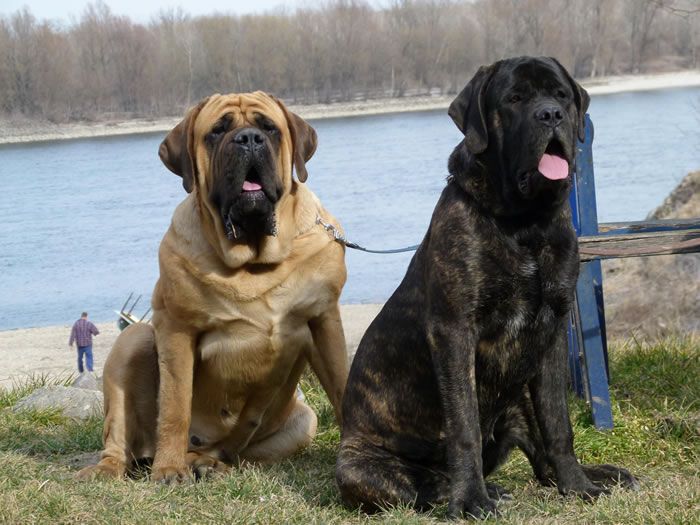
“Old English Mastiff …” from www.petsmont.com and used with no modifications.
Old English Mastiff (OEM) or “Just Mastiff” Insights
The Old English Mastiff, often referred to simply as the Mastiff, is one of the largest dog breeds in the world. With males weighing between 160 to 230 pounds, these dogs are truly giants. Despite their intimidating size, they are known for being gentle and patient, especially around children.
One of the most endearing traits of the Old English Mastiff is their loyalty. They form strong bonds with their family members and are protective without being aggressive. This makes them excellent family pets, although their size requires plenty of space to move around.
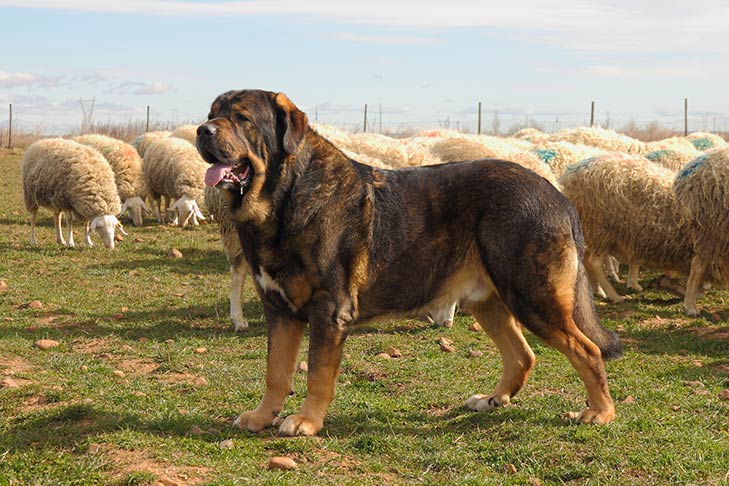
“Spanish Mastiff – Dog Breed Information” from www.akc.org and used with no modifications.
Spanish Mastiff Characteristics
The Spanish Mastiff is another large breed, originally bred to protect livestock from predators. These dogs can weigh up to 200 pounds and are known for their strength and endurance. Their short, thick coat comes in various colors, including fawn, black, and brindle. For those interested in other large breeds, you might want to explore the Catahoula Leopard Dog as well.
Spanish Mastiffs are naturally protective and can be aloof with strangers. However, they are gentle and affectionate with their family. Due to their strong guarding instincts, they require early socialization and training to ensure they are well-behaved companions.
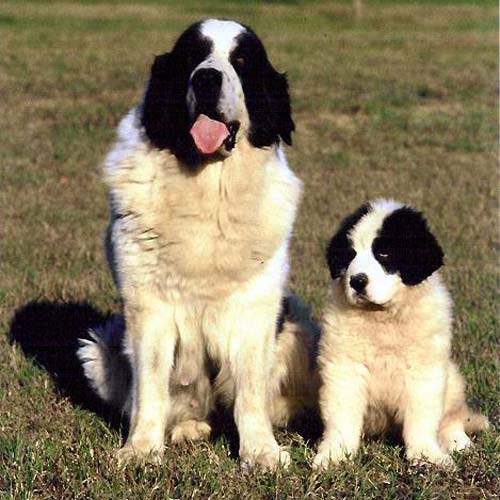
“Pyrenean Mastiff – Dog Breed Information” from www.akc.org and used with no modifications.
Pyrenean Mastiff Overview
Originating from the Pyrenees region of Spain, the Pyrenean Mastiff is a majestic breed known for its calm and gentle nature. These dogs are slightly smaller than their Spanish counterparts, typically weighing between 120 to 240 pounds. Their fluffy coats require regular grooming to prevent matting.
Pyrenean Mastiffs are intelligent and easygoing, making them excellent family pets. They are good with children and other animals, although their size means they need plenty of space. Regular exercise and mental stimulation are essential to keep them healthy and happy.
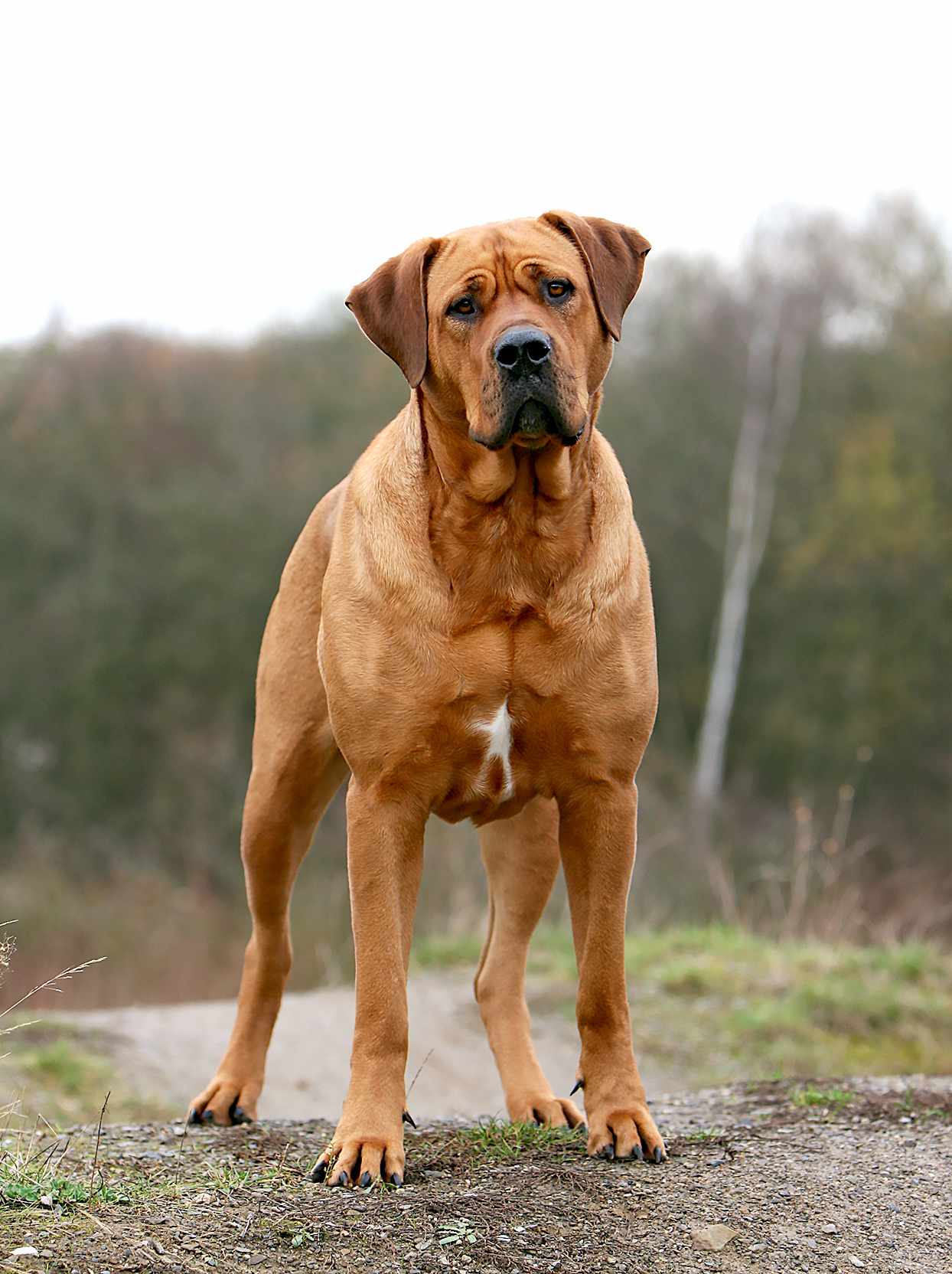
“Tosa (Japanese Tosa Inu) Dog Breed …” from www.dailypaws.com and used with no modifications.
Japanese Tosa Inu Traits
The Japanese Tosa Inu is a powerful and imposing breed originally developed for dog fighting. These dogs are muscular and athletic, with males weighing up to 200 pounds. They have a short, dense coat that is easy to maintain.
Training a Tosa Inu can be challenging due to their independent nature and strength. They require a confident and experienced handler who can provide firm and consistent training. Despite their origins, Tosas can be loyal and gentle with their family, making them suitable for experienced dog owners.
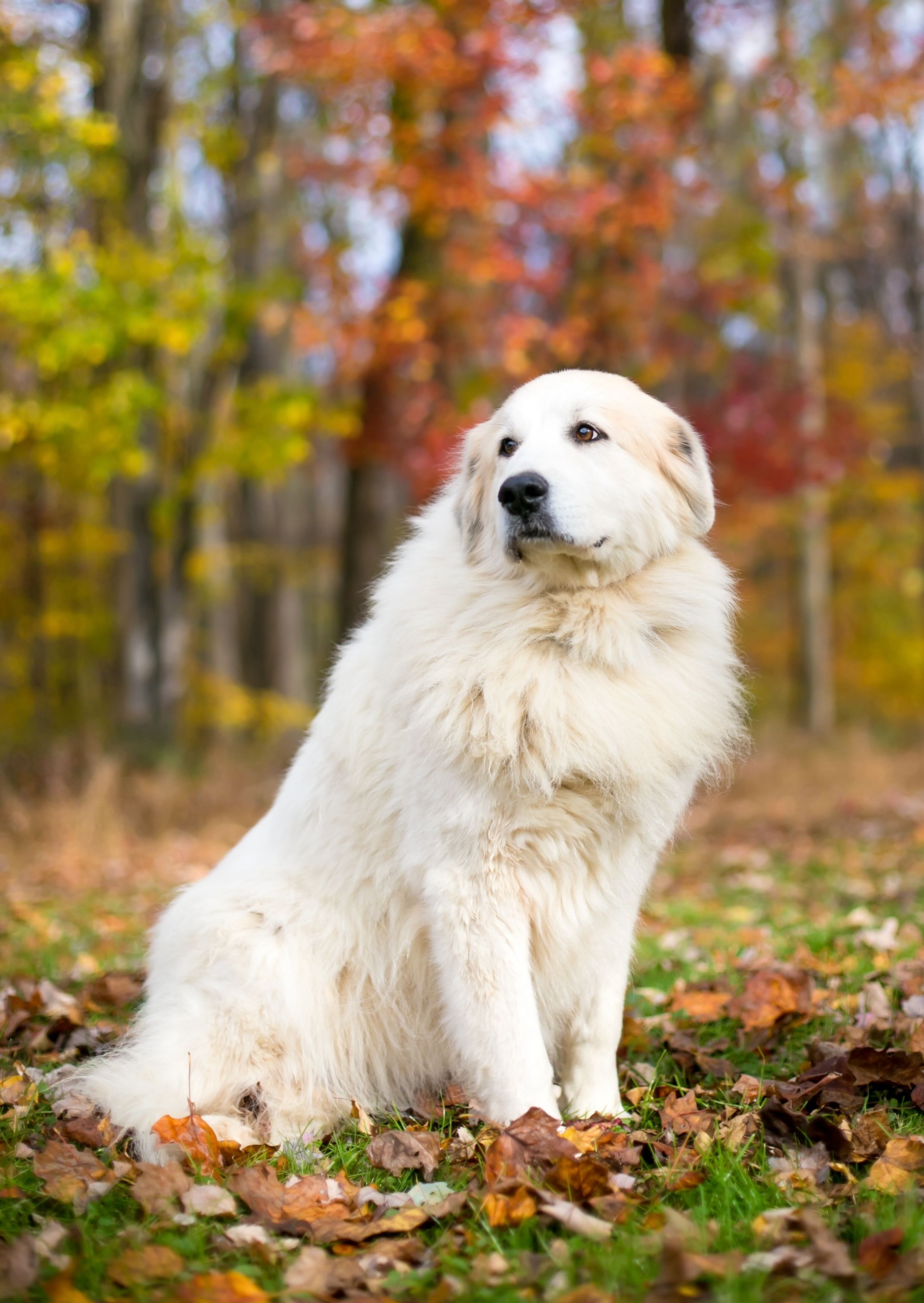
“Great Pyrenees Dog Breed Health and …” from www.petmd.com and used with no modifications.
Great Pyrenees vs. Other Breeds
The Great Pyrenees, while not a mastiff in the traditional sense, shares many characteristics with these breeds. Known for their striking white coats and gentle demeanor, Great Pyrenees are excellent livestock guardians. They are protective and calm, making them great family pets.
- Great Pyrenees are slightly smaller than most mastiffs, weighing between 85 to 115 pounds.
- They have a thick, weather-resistant coat that requires regular grooming.
- These dogs are independent thinkers and may require patience during training.
Presa Canario Distinct Advantages
- Presa Canarios are strong and muscular, weighing between 80 to 130 pounds.
- They have a short, low-maintenance coat and come in various colors, including brindle and fawn.
- These dogs are confident and protective, making them excellent guard dogs.
Presa Canarios are intelligent and can be trained for various roles, including guarding and companionship. However, their strong will and protective nature require a firm and experienced handler. With proper training and socialization, they can be loyal and affectionate family pets. For those interested in terriers, the Cesky Terrier offers a different but equally rewarding pet experience.
Cane Corso Features
The Cane Corso, also known as the Italian Mastiff, is a versatile working dog with a muscular build. These dogs are slightly smaller than other mastiffs, weighing between 88 to 110 pounds. They have a short, dense coat that comes in various colors, including black, gray, and fawn. For those interested in different dog breeds, you might want to explore the Cesky Terrier adoption guide to compare their features.
Cane Corsos are intelligent and eager to please, making them relatively easy to train. They are protective and loyal, making them excellent guard dogs and companions. Regular exercise and mental stimulation are essential to keep them healthy and happy.
Understanding Purpose for Each Breed
Mastiff breeds have been developed for various purposes, from guarding livestock to providing companionship. Understanding the primary role of each breed can help you choose the right dog for your needs.
Work and Guarding Roles
Many mastiff breeds were originally developed for guarding and protection. Their size and strength make them excellent deterrents against predators and intruders. Breeds like the Spanish Mastiff and Presa Canario excel in these roles, thanks to their natural protective instincts.
Companionship and Family Roles
While mastiffs are known for their guarding abilities, many breeds also make excellent family pets. Their gentle and patient nature makes them ideal companions for children and other animals. Breeds like the Old English Mastiff and Pyrenean Mastiff are particularly well-suited for family life.
Besides that, mastiffs require regular exercise and mental stimulation to stay happy and healthy. Providing a loving and structured environment can help these gentle giants thrive as loyal and affectionate family members.
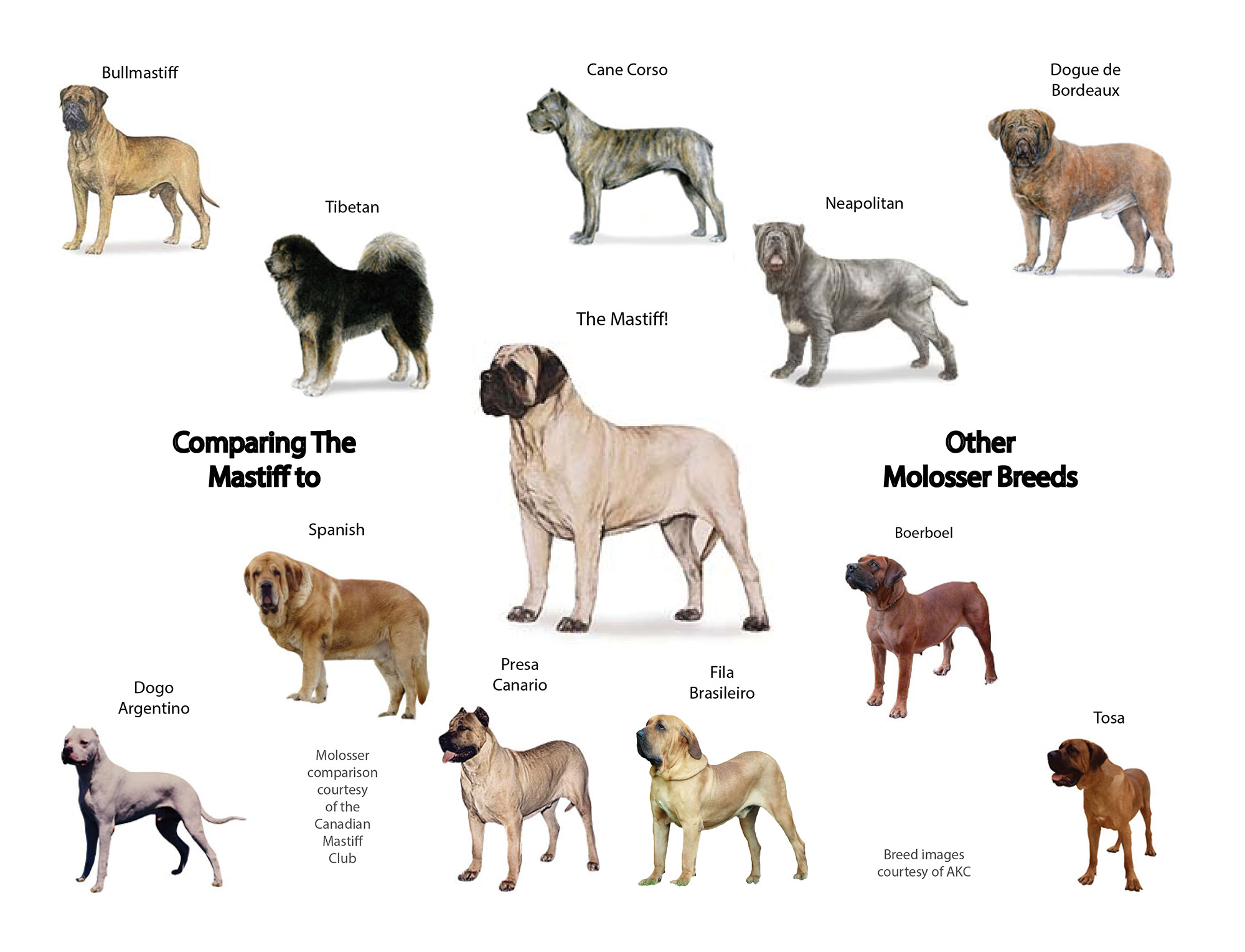
“Identifying Molosser Breeds” from www.mastiffcanada.org and used with no modifications.
Advantages of Each Breed
Each mastiff breed has its own set of advantages that make them appealing to different types of dog owners. The Old English Mastiff, for instance, is renowned for its gentle and loyal nature. These dogs are exceptionally patient with children and are generally well-suited for family life.
On the other hand, the Spanish Mastiff excels as a guardian. Its natural protective instincts make it a formidable protector of livestock and property. Similarly, the Presa Canario’s strength and confidence are advantageous for those looking for a reliable guard dog. Meanwhile, the Pyrenean Mastiff’s calm demeanor and intelligence make it an excellent choice for families seeking a gentle giant.
Challenges Owners May Face
Owning a mastiff breed comes with its own set of challenges. For instance, their large size can be a challenge in smaller living spaces. They require ample room to move around comfortably, and their size can be intimidating to some people. Additionally, mastiffs are prone to certain health issues, such as hip dysplasia and heart conditions, which can lead to costly veterinary bills.
Training can also be a challenge, especially with breeds like the Japanese Tosa Inu, which require an experienced handler. Socialization is crucial to prevent aggressive tendencies, and consistent training is necessary to manage their strength and independence. Besides that, mastiffs require regular grooming and maintenance, particularly those with longer coats like the Pyrenean Mastiff.
Rarity and Legality in Different Regions
The availability and legality of mastiff breeds can vary significantly depending on where you live. Some breeds are more common in certain regions, while others may be subject to legal restrictions due to their size and strength. For instance, the rarity vs. popularity of terriers can provide insights into how regional preferences affect breed availability.
Availability of Breeds Around the World
|
Breed |
Common Regions |
Rarity |
|---|---|---|
|
Old English Mastiff |
Worldwide |
Common |
|
Spanish Mastiff |
Spain, Europe |
Less Common |
|
Pyrenean Mastiff |
Spain, France |
Rare |
|
Japanese Tosa Inu |
Japan, USA |
Rare |
|
Great Pyrenees |
Europe, USA |
Common |
|
Presa Canario |
Spain, Canary Islands |
Less Common |
|
Cane Corso |
Italy, USA |
Common |
The Old English Mastiff and Cane Corso are more commonly found across the globe due to their popularity and adaptability. Conversely, the Pyrenean Mastiff and Japanese Tosa Inu are rarer and may be harder to find outside their countries of origin. This rarity can make these breeds more expensive and difficult to acquire.
Breeds like the Great Pyrenees and Presa Canario are more common in specific regions, but their availability can vary depending on local demand and breeding practices. Potential owners should research local breeders and rescue organizations to find the breed that best fits their lifestyle.
It’s also important to consider the breed’s history and purpose when determining availability. Breeds developed for specific tasks, such as guarding livestock or fighting, may have more limited distribution due to their specialized roles.
:strip_icc()/mastiff-dog-breed-profile-1117980-cf1cdc1c2b734e4f9cf3f41e9f863b73.jpg)
“Mastiff: Dog Breed Characteristics & Care” from www.thesprucepets.com and used with no modifications.
Legal Restrictions to Consider
Some mastiff breeds face legal restrictions in certain areas due to their size, strength, and historical use in dog fighting. For example, the Japanese Tosa Inu is banned or restricted in several countries, including the United Kingdom and Australia. Potential owners should research local laws and regulations before acquiring a mastiff breed to ensure compliance with legal requirements.
Health, Lifespan, and Common Issues
Mastiff breeds, like all large dogs, have specific health concerns that potential owners should be aware of. Understanding these issues can help you provide the best care for your mastiff and ensure a long, healthy life.
Typical Lifespan of Each Breed
The lifespan of mastiff breeds tends to be shorter than smaller breeds due to their size. On average, mastiffs live between 7 to 12 years, with some variation between breeds. The Old English Mastiff typically lives around 7 to 10 years, while the Cane Corso and Great Pyrenees can live up to 12 years with proper care.
Providing a balanced diet, regular exercise, and routine veterinary care can help extend your mastiff’s lifespan. Monitoring their health and addressing any issues early on can also contribute to a longer, healthier life.
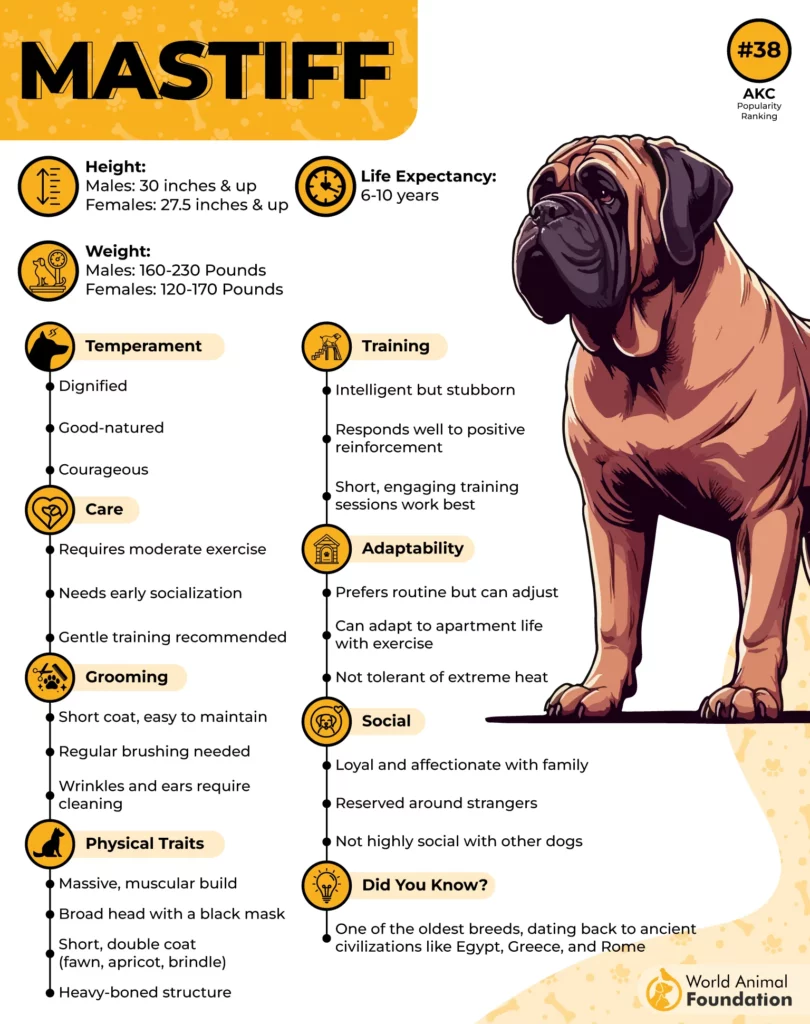
“Bullmastiff Vs. Mastiff: Which Breed Is …” from worldanimalfoundation.org and used with no modifications.
Known Health Challenges Across Breeds
Mastiff breeds are prone to several health issues, including hip dysplasia, elbow dysplasia, and heart conditions. These genetic conditions can lead to mobility problems and other complications if not addressed early. Regular veterinary check-ups and screenings can help detect and manage these issues.
Obesity is another common concern for mastiffs, as their large size can put additional strain on their joints and organs. Maintaining a healthy weight through proper diet and exercise is crucial to prevent obesity-related health problems.
Temperament and Behavior Around People
Mastiffs are known for their gentle and loyal nature, but their temperament can vary between breeds. Understanding these differences can help you choose the right mastiff for your lifestyle and ensure a harmonious relationship.
Approach to Training and Socialization
Training and socialization are essential for mastiff breeds to ensure they are well-behaved and confident in various situations. Early socialization helps them become comfortable around people and other animals, reducing the risk of aggressive behavior.
Most importantly, training should be consistent and positive, using rewards and praise to reinforce desired behaviors. Due to their size and strength, mastiffs require firm and confident handling to prevent them from becoming unruly or dominant.
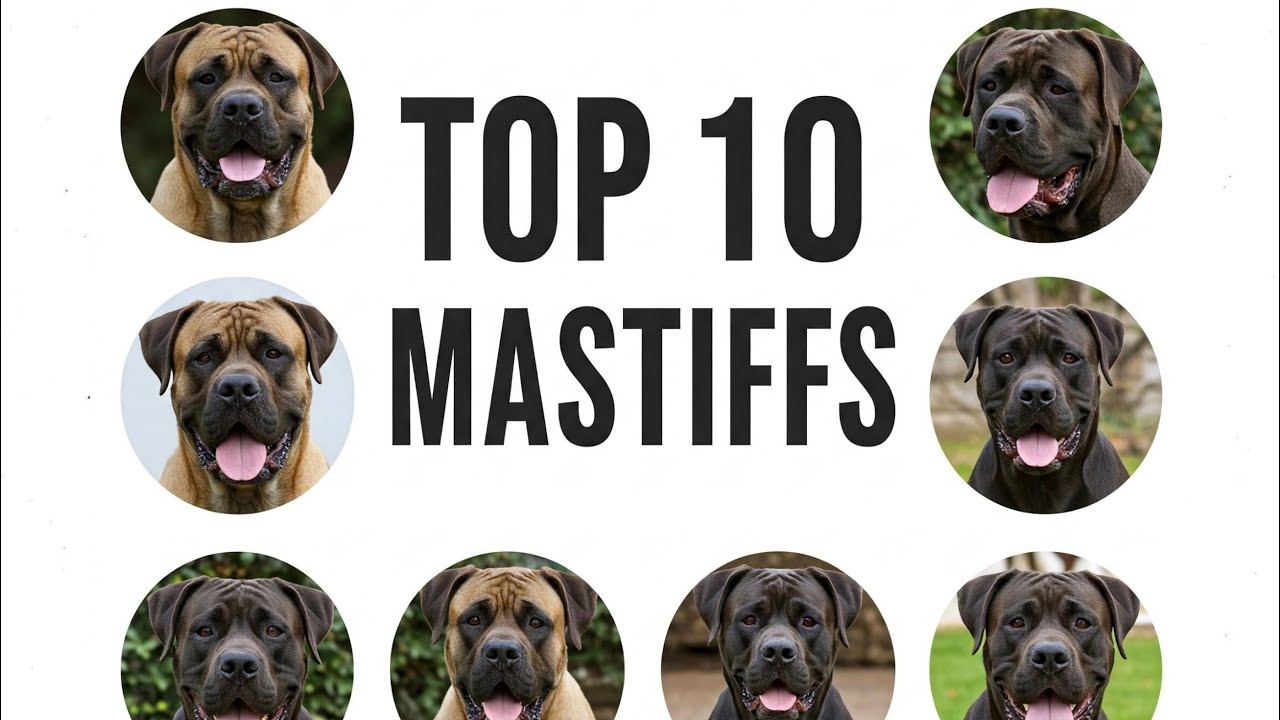
“Which Mastiff Breed is the BEST? My …” from www.youtube.com and used with no modifications.
Differences in Temperament Among Breeds
While all mastiffs share certain traits, such as loyalty and protectiveness, each breed has its own unique temperament. The Old English Mastiff is known for being gentle and patient, while the Spanish Mastiff is more aloof and reserved around strangers.
The Pyrenean Mastiff is calm and intelligent, making it an excellent family pet, while the Japanese Tosa Inu is more independent and can be challenging to train. Understanding these differences can help you choose a breed that aligns with your lifestyle and preferences.
Family and Kid Compatibility
Mastiff breeds are generally well-suited for families due to their gentle nature and protective instincts. However, their size and strength require careful consideration, especially in households with young children or other pets. For more information on family compatibility with different breeds, check out this guide on Australian Shepherd family compatibility.
- Old English Mastiffs are patient and gentle, making them excellent companions for children.
- Pyrenean Mastiffs are calm and tolerant, but their size requires supervision around small children.
- Spanish Mastiffs are protective and loyal, but their guarding instincts may require careful socialization.
When introducing a mastiff to your family, it’s essential to supervise interactions with children and other pets to ensure everyone’s safety. Teaching children how to interact respectfully with dogs can help prevent accidents and foster a positive relationship between your mastiff and family members.
Ultimately, choosing the right mastiff breed for your family depends on your lifestyle, experience, and preferences. By understanding each breed’s unique traits and requirements, you can make an informed decision and provide a loving home for your new companion. For those considering family compatibility, you might find the Australian Shepherd’s family compatibility an interesting comparison.

“English Mastiff and Baby Compilation …” from www.youtube.com and used with no modifications.
Suitability for Families with Young Children
Mastiff breeds are generally known for their gentle and patient demeanor, making them suitable companions for families with young children. The Old English Mastiff, for example, is particularly well-regarded for its calm and tolerant nature around kids. Their large size, however, requires supervision to ensure safe interactions. Children should be taught how to approach and handle these dogs respectfully to prevent accidental injuries.
Ability to Live Peacefully with Other Smaller Pets
While mastiffs can coexist peacefully with other pets, early socialization is key. Breeds like the Pyrenean Mastiff and Great Pyrenees are known for their calm disposition, which can make them more adaptable to living with smaller animals. However, the natural guarding instincts of breeds like the Spanish Mastiff and Presa Canario may require careful management and training to ensure they do not become overly protective or territorial.
Best Practices for Introducing to Families
Introducing a mastiff to your family should be a gradual process. Start by allowing the dog to explore the home and meet family members in a controlled environment. Supervise all initial interactions, especially with children and other pets, to ensure everyone feels safe and comfortable. Consistent routines and positive reinforcement can help your mastiff settle into family life smoothly.
It’s important to establish boundaries and provide clear guidance on acceptable behaviors. Regular training sessions and socialization opportunities will help your mastiff develop into a well-mannered and confident family member.
Conclusion of Mastiff Breeds Comparison
In conclusion, each mastiff breed offers unique traits and characteristics that can make them ideal companions for the right family. Understanding the differences in size, temperament, and purpose can help you choose the breed that best aligns with your lifestyle and needs. For more insights on these magnificent dogs, explore the various types of mastiffs and their distinct features.
Whether you are looking for a gentle giant like the Old English Mastiff or a protective guardian like the Spanish Mastiff, it’s crucial to consider the specific requirements and challenges each breed presents. By providing a loving and structured environment, you can enjoy a rewarding relationship with your mastiff for many years.
Remember that owning a mastiff is a long-term commitment that requires dedication and responsibility. With the right care and attention, these loyal and affectionate dogs can become cherished members of your family.
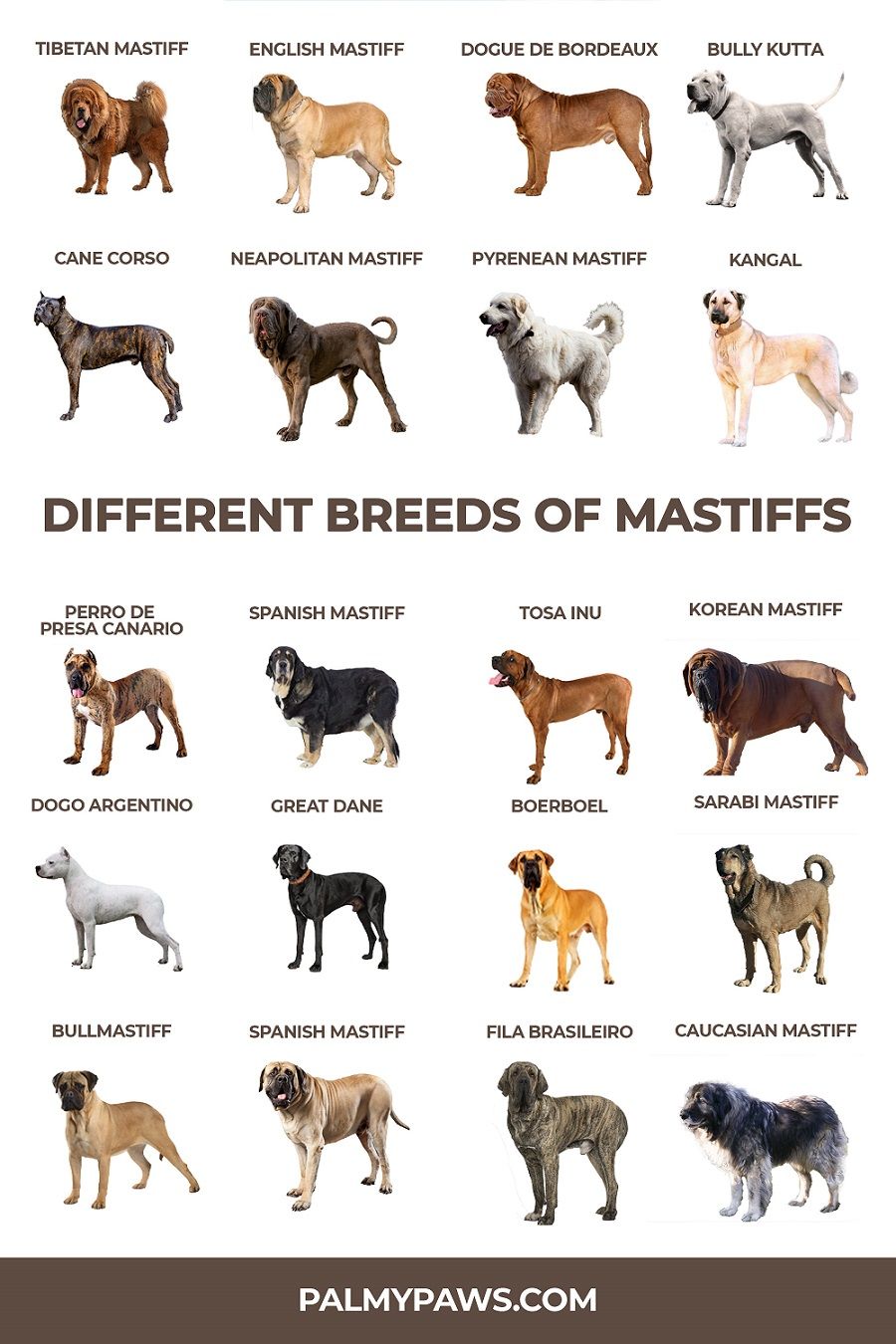
“160 Mastiff dog ideas | mastiff dogs …” from www.pinterest.com and used with no modifications.
Summary of Key Insights
The Old English Mastiff is gentle and patient, making it ideal for families. The Spanish Mastiff excels in guarding roles, while the Pyrenean Mastiff is calm and intelligent. The Japanese Tosa Inu requires experienced handlers due to its strength and independence. Cane Corsos are versatile and protective, suitable for both guarding and companionship.
Understanding the purpose, temperament, and specific needs of each breed can help you make an informed decision and provide the best care for your mastiff. If you’re interested in exploring other breeds, you might find the Australian Shepherd’s pros and cons insightful as well.
Final Thoughts on Choosing the Right Breed
Choosing the right mastiff breed depends on your lifestyle, experience, and preferences. Consider factors such as size, temperament, and purpose to find a breed that aligns with your family’s needs. With proper training, socialization, and care, mastiffs can be loving and loyal companions for many years.
Frequently Asked Questions (FAQ)
Understanding mastiff breeds can help you make informed decisions about which one is right for you. For example, if you’re interested in exploring different terrier breeds, you might find this comparison of Cesky Terrier adoption and care useful. Here are some common questions about mastiffs:
What is the lifespan of a typical Mastiff breed?
Mastiffs generally have a lifespan of 7 to 12 years, depending on the breed and individual health. Providing proper care and regular veterinary check-ups can help extend their lifespan. For those interested in learning about other breeds, check out this comparison of terrier breeds for more insights.
How do Mastiff breeds handle being around children?
Mastiffs are typically gentle and patient with children, making them suitable family pets. However, due to their size, supervision is essential to ensure safe interactions.
Are Mastiff breeds easy to train?
Training can vary between breeds. Breeds like the Cane Corso are eager to please and relatively easy to train, while the Japanese Tosa Inu may require more experience and patience due to its independent nature.
Consistency, positive reinforcement, and early socialization are key to successful training with any mastiff breed. For instance, understanding the training personality of different breeds can provide valuable insights.
Which Mastiff breed is the most protective?
Breeds like the Spanish Mastiff and Presa Canario are known for their strong protective instincts, making them excellent guard dogs. Proper training and socialization are crucial to manage their protective nature effectively.
These breeds require experienced handlers who can provide firm and consistent guidance. For those interested in learning more about the different types of mastiffs, check out 11 Mastiff Breeds for detailed information.
What are the grooming needs for each Mastiff breed?
Grooming needs vary by breed. The Pyrenean Mastiff and Great Pyrenees have fluffy coats that require regular brushing to prevent matting, while breeds like the Old English Mastiff and Cane Corso have shorter coats that are easier to maintain.
Regular grooming helps keep your mastiff’s coat healthy and reduces shedding.
“Mastiffs are gentle giants that require proper care and training to thrive as family pets. Understanding each breed’s unique traits can help you choose the right companion for your lifestyle.” – Expert Canine Trainer
By considering the specific needs and characteristics of each mastiff breed, you can find a loyal and loving companion that fits seamlessly into your family.
The Mastiff breeds, including the Old English Mastiff, Spanish Mastiff, Pyrenean Mastiff, Japanese Tosa Inu, Great Pyrenees, Presa Canario, and Cane Corso, each have unique characteristics. These breeds vary in purpose, pros and cons, rarity, legality, health, lifespan, temperament, and compatibility with families and children. For those interested in exploring more about family and house compatibility of similar breeds, you might want to check out the Australian Shepherd’s compatibility with families.