Are you thinking about bringing a Nova Scotia Duck Tolling Retriever into your home? This breed, often called “Tollers,” is known for its intelligence and playful nature. However, owning one comes with specific costs and considerations. Let’s dive into the details.
Key Takeaways
- Nova Scotia Duck Tolling Retrievers typically cost between $1,500 and $2,500, but prices can reach up to $4,000 depending on pedigree and availability.
- They are energetic and require ample exercise, making them suitable for active families.
- While they are generally healthy, Tollers can be prone to certain inherited health issues, necessitating regular vet check-ups.
- Grooming needs are moderate; they have a waterproof double coat that requires regular brushing.
- Ideal owners are those who can commit to daily exercise and mental stimulation for this intelligent breed.
Insight into Nova Scotia Duck Tolling Retriever Costs and Ownership
The Nova Scotia Duck Tolling Retriever is a delightful breed, but before you rush into a decision, it’s essential to understand the costs involved. From initial purchase to ongoing care, being informed can help you prepare for responsible pet ownership.
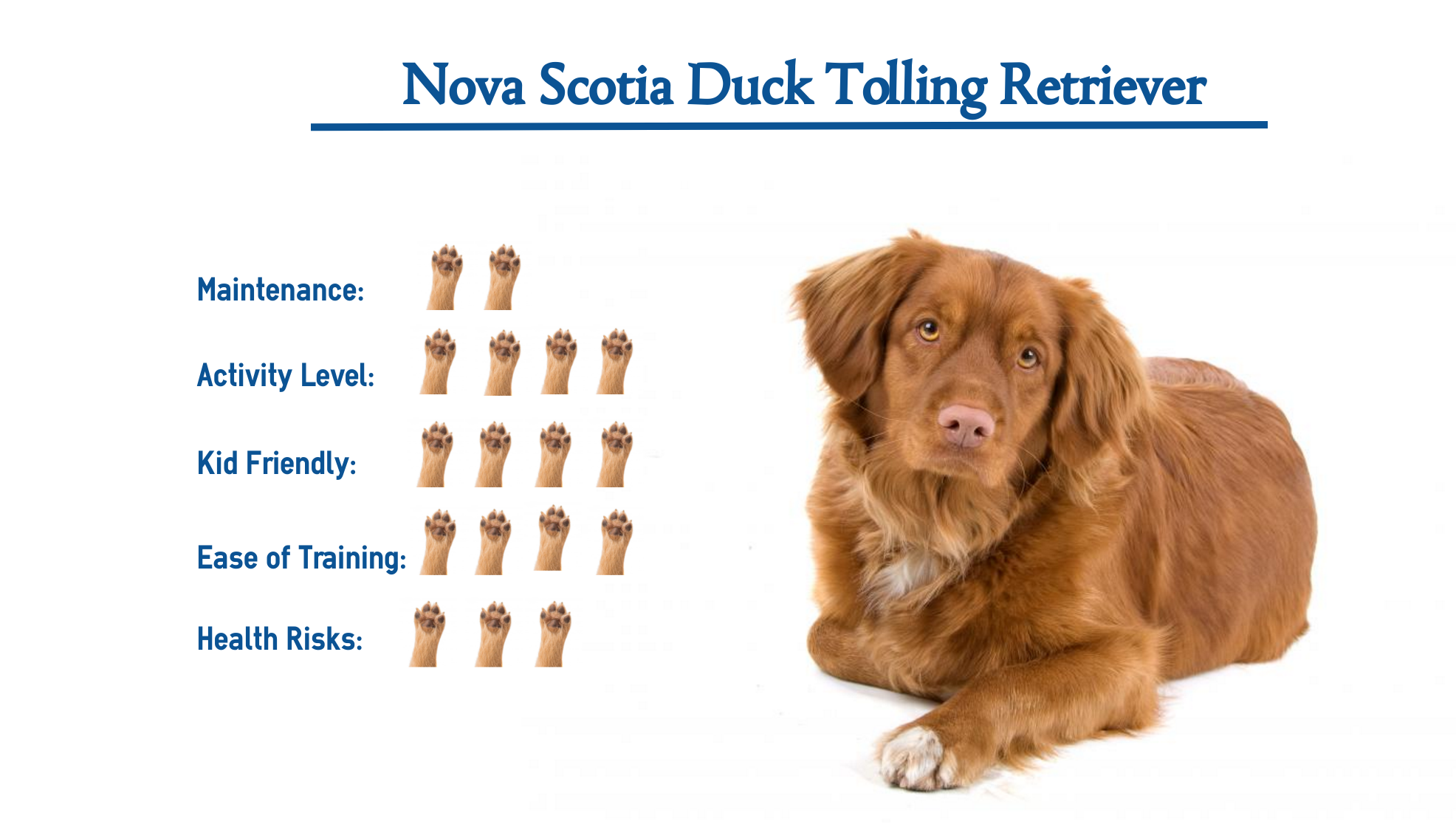
“Nova Scotia Duck Tolling Retriever …” from indulgeyourpet.com and used with no modifications.
Overview of Breed Characteristics
The Toller is a medium-sized sporting dog with a striking golden-red coat and a lively personality. They are known for their intelligence and eagerness to please, making them excellent companions for active individuals and families. Their history as hunting dogs means they are energetic and enjoy being outdoors.
“Nova Scotia Duck Tolling Retrievers, affectionately known as ‘Tollers,’ are a medium-sized sporting dog breed originating from Canada. Renowned for their intelligence, playful demeanor and fox-like red coat, Tollers excel in hunting and do best in active environments.”
These dogs are not just pretty faces; they have a strong work ethic and require both physical and mental stimulation. If you’re looking for a dog that can keep up with an active lifestyle, a Toller might be the right choice for you.
What Were Tollers Bred to Do
Tollers were originally bred for a unique purpose: to lure ducks within shooting range by playing and frolicking along the water’s edge. This behavior, known as “tolling,” is where the breed gets its name. Hunters would then use the Tollers to retrieve the ducks after they were shot. Their role required them to be agile, intelligent, and obedient, traits that are still evident in the breed today.
Besides their tolling duties, these retrievers were also expected to swim in cold waters and navigate challenging terrains, making them robust and versatile working dogs. Their heritage as hunters means they have a strong prey drive and love activities that engage their natural instincts.
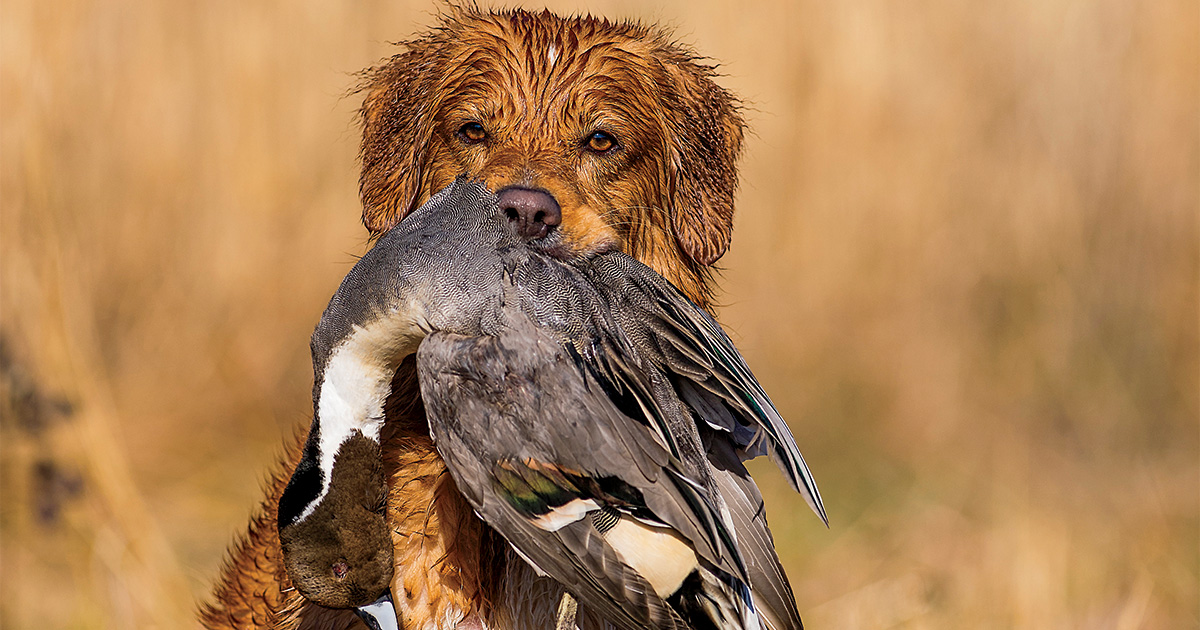
“The Nova Scotia Duck Tolling Retriever …” from www.ducks.org and used with no modifications.
Why Nova Scotia Duck Tolling Retrievers are Expensive
The cost of acquiring a Nova Scotia Duck Tolling Retriever can be quite high, and several factors contribute to this. First, their relative rarity compared to more common breeds like the Labrador or Golden Retriever means that breeders can charge a premium. Additionally, responsible breeders invest significantly in health testing and ensuring the genetic quality of their dogs, which can drive up prices.
Moreover, if a litter comes from a line of champions or has particularly desirable traits, the price can skyrocket. It’s crucial to consider these factors and understand that the initial purchase price is just one aspect of the total cost of ownership.
Pros and Cons of the Breed
Before making a decision, it’s helpful to weigh the pros and cons of owning a Toller. On the plus side, these dogs are highly intelligent, loyal, and excellent with children. They thrive in active households and can be trained for various activities, from agility to obedience. For more detailed information on their characteristics and care, you can refer to this comprehensive guide.
However, their high energy levels and need for mental stimulation can be a downside for less active owners. Without proper exercise and engagement, Tollers can become bored and potentially destructive. Additionally, their strong prey drive means they may not always get along with smaller pets.

“The Nova Scotia Duck Tolling Retriever …” from www.barclondon.com and used with no modifications.
Grooming Requirements
Nova Scotia Duck Tolling Retrievers have a beautiful double coat that is water-repellent, which helps them in their natural habitat of swimming and retrieving. While their coat is relatively low maintenance compared to some other breeds, regular grooming is still necessary to keep it in top condition. Brushing your Toller at least once a week will help remove loose hairs and prevent matting. During shedding seasons, which typically occur twice a year, more frequent brushing may be needed to manage their fur effectively.
Bathing should be done as needed, usually every couple of months, or whenever your Toller gets particularly dirty. Be sure to use a dog-friendly shampoo to avoid skin irritation. Regularly check their ears for signs of infection, and trim their nails every few weeks to keep them comfortable and healthy. For more grooming tips, you might want to explore the grooming section of the Cesky Terrier guide.
Health Considerations
Like all breeds, Nova Scotia Duck Tolling Retrievers can be prone to specific health issues. Some of the common concerns include hip dysplasia, progressive retinal atrophy, and autoimmune disorders. It’s important to choose a reputable breeder who screens for these conditions to minimize the risk of genetic health problems.
Regular veterinary check-ups are essential to catch any potential issues early. Maintaining a healthy diet and ensuring your Toller gets plenty of exercises will also contribute to their overall well-being. Keep an eye on their weight, as obesity can exacerbate joint problems and lead to other health complications.

“Nova Scotia Duck Tolling Retriever Club …” from www.toller.ca and used with no modifications.
Comparing Nova Scotia Duck Tolling Retrievers with Other Retrievers
When considering a retriever, you might wonder how Tollers compare to other popular breeds like Golden Retrievers or Chesapeake Bay Retrievers. Each breed has its unique characteristics, making them suitable for different types of owners and lifestyles.
Tollers are generally smaller and more agile than their Golden Retriever counterparts. They are known for their high energy levels and require more exercise than Goldens. If you’re looking for a dog that can keep up with an active lifestyle, a Toller might be the right choice. However, Golden Retrievers are often praised for their gentle nature and adaptability, making them excellent family pets.
Tolling vs Retrieving: Different Roles in Hunts
While both Tollers and other retrievers are used in hunting, their roles can differ significantly. Tollers are known for their unique ability to “toll” or lure ducks within shooting range by playing along the water’s edge. This behavior is distinct from the traditional retrieving role that other retrievers typically perform. For those interested in exploring other breeds with unique hunting abilities, the Catahoula Leopard Dog offers a fascinating comparison.
Retrievers like the Labrador or Golden are often used to fetch game after it’s been shot, showcasing their strong retrieving instincts and ability to work closely with hunters. Understanding these differences can help you choose the breed that best fits your hunting or sporting needs.
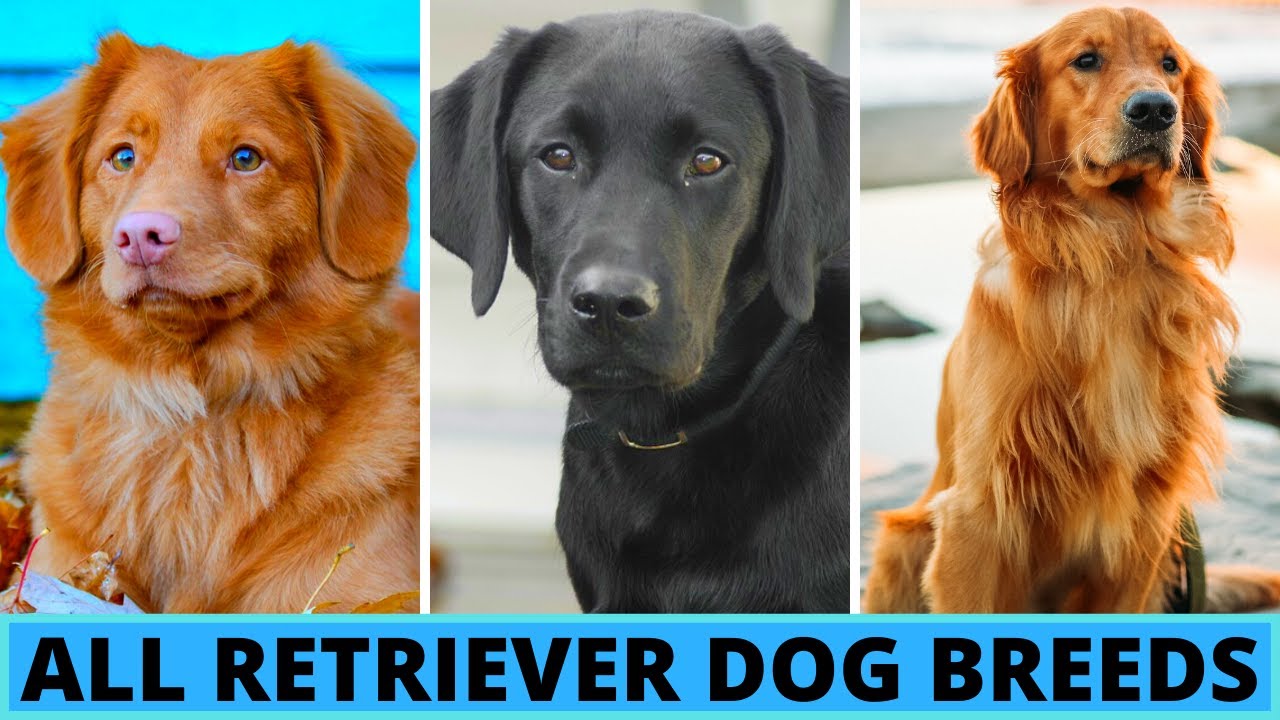
“All Retriever Dog Breeds – YouTube” from m.youtube.com and used with no modifications.
How They Stack Up Against Golden Retrievers
Golden Retrievers are one of the most popular dog breeds globally, known for their friendly and tolerant attitudes. When comparing them to Tollers, there are several distinctions to consider. Tollers are generally more energetic and require more mental stimulation. They can be more independent, which might make training a bit more challenging compared to the eager-to-please Golden.
However, Tollers can excel in various dog sports and activities due to their intelligence and agility. If you’re an active individual or family looking for a dog that can participate in high-energy activities, a Toller might be a better fit. On the other hand, if you’re looking for a more laid-back companion, a Golden Retriever might suit your lifestyle better.
Comparison with Chesapeake Bay Retrievers
Chesapeake Bay Retrievers, or “Chessies,” are another breed often compared to Tollers. Chessies are known for their strength and endurance, making them excellent hunting companions, especially in harsh weather conditions. They tend to be larger and more robust than Tollers, which can be a consideration if space or size is a concern.
Both breeds are intelligent and trainable, but Chessies can be more stubborn and require a firm hand in training. If you’re looking for a dog with a strong protective instinct and don’t mind the additional training challenges, a Chesapeake Bay Retriever might be an excellent choice. However, if you prefer a smaller, more agile dog with a unique hunting style, a Toller could be the perfect fit.
Ideal Owner and Lifestyle
Choosing the right dog breed involves considering your lifestyle and the dog’s needs. Tollers are best suited for active individuals or families who can provide ample exercise and mental stimulation. They thrive in environments where they can participate in activities like hiking, swimming, and dog sports.
Best Living Situations for Tollers
Tollers do well in homes with access to outdoor spaces where they can burn off their energy. A fenced yard is ideal, as it provides a safe area for them to play and explore. However, they can adapt to apartment living if their exercise needs are met consistently.
It’s crucial for potential Toller owners to be committed to daily walks, playtime, and training sessions. Without adequate stimulation, Tollers can become bored and may develop behavioral issues. Therefore, if you lead a sedentary lifestyle, a Toller might not be the best fit for you.
Overall, Tollers make wonderful companions for those who can meet their needs and appreciate their unique qualities. Their intelligence, energy, and affectionate nature make them a rewarding addition to the right home.

“The Nova Scotia Duck Tolling Retriever …” from www.barclondon.com and used with no modifications.
Activity Levels and Family Compatibility
Nova Scotia Duck Tolling Retrievers are highly energetic dogs that require a significant amount of physical activity to stay healthy and happy. They are not couch potatoes and will not thrive in a sedentary environment. If you’re someone who enjoys outdoor activities like hiking, running, or even participating in dog sports, a Toller could be an excellent match for you.
In terms of family compatibility, Tollers are known for being affectionate and good with children. Their playful nature makes them wonderful companions for active kids. However, it’s essential to teach children how to interact with dogs respectfully to ensure a harmonious relationship. Tollers can also get along well with other pets if properly socialized from a young age.
Conclusion: Finding the Right Retriever for Your Lifestyle
Choosing the right dog breed involves careful consideration of your lifestyle, activity level, and personal preferences. Nova Scotia Duck Tolling Retrievers are ideal for active families or individuals who can provide the physical and mental stimulation these dogs need. Their intelligence, energy, and affectionate nature make them a delightful addition to the right home.

“Nova Scotia Duck Tolling Retriever …” from www.wagpets.com and used with no modifications.
If you’re looking for a dog that can keep up with an active lifestyle and enjoy participating in various activities, a Toller might be the perfect fit. However, if you’re looking for a more laid-back companion, you might want to consider other retriever breeds like the Golden Retriever. Ultimately, the best retriever for your lifestyle is the one whose needs align with what you can provide.
Frequently Asked Questions
Let’s address some common questions about Nova Scotia Duck Tolling Retrievers to help you make an informed decision.
How much does a Nova Scotia Duck Tolling Retriever typically cost?
Nova Scotia Duck Tolling Retrievers typically cost between $1,500 and $2,500. However, prices can vary significantly based on factors such as pedigree, breeder reputation, and availability. In some cases, you might find Tollers priced as high as $4,000, especially if they come from a line of champions.
What are the main characteristics of a Nova Scotia Duck Tolling Retriever?
Tollers are medium-sized dogs with a striking golden-red coat and a playful demeanor. They are known for their intelligence, agility, and eagerness to please. As a breed originally developed for hunting, they possess a strong prey drive and excel in activities that engage their natural instincts. If you’re interested in learning about other active breeds, you might want to explore the Catahoula Leopard Dog.
- Height: 17 to 21 inches
- Weight: 35 to 50 pounds
- Life Expectancy: 12 to 14 years
These dogs are highly energetic and require plenty of exercise and mental stimulation to prevent boredom and destructive behavior.
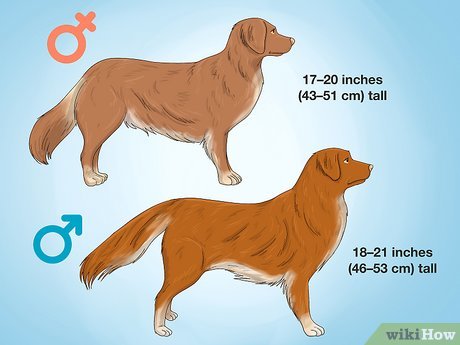
“Nova Scotia Duck Tolling Retriever …” from www.wikihow.life and used with no modifications.
Do Nova Scotia Duck Tolling Retrievers make good family pets?
Yes, Tollers can make excellent family pets, especially for active families who enjoy spending time outdoors. They are affectionate, playful, and generally good with children. However, it’s important to ensure that they receive adequate exercise and mental engagement to thrive in a family setting.
Proper socialization from a young age will help them get along with other pets and adapt well to family life. Teaching children how to interact with dogs respectfully is also crucial for a harmonious household.
How does a Nova Scotia Duck Tolling Retriever compare to other retriever breeds?
When compared to other retriever breeds like Golden Retrievers and Chesapeake Bay Retrievers, Tollers are generally smaller and more energetic. They require more exercise and mental stimulation than Goldens, making them better suited for active owners. While Goldens are known for their gentle nature and adaptability, Tollers excel in agility and dog sports due to their intelligence and agility. For a deeper dive into how different breeds compare, check out this comparison of the Catahoula Leopard Dog.
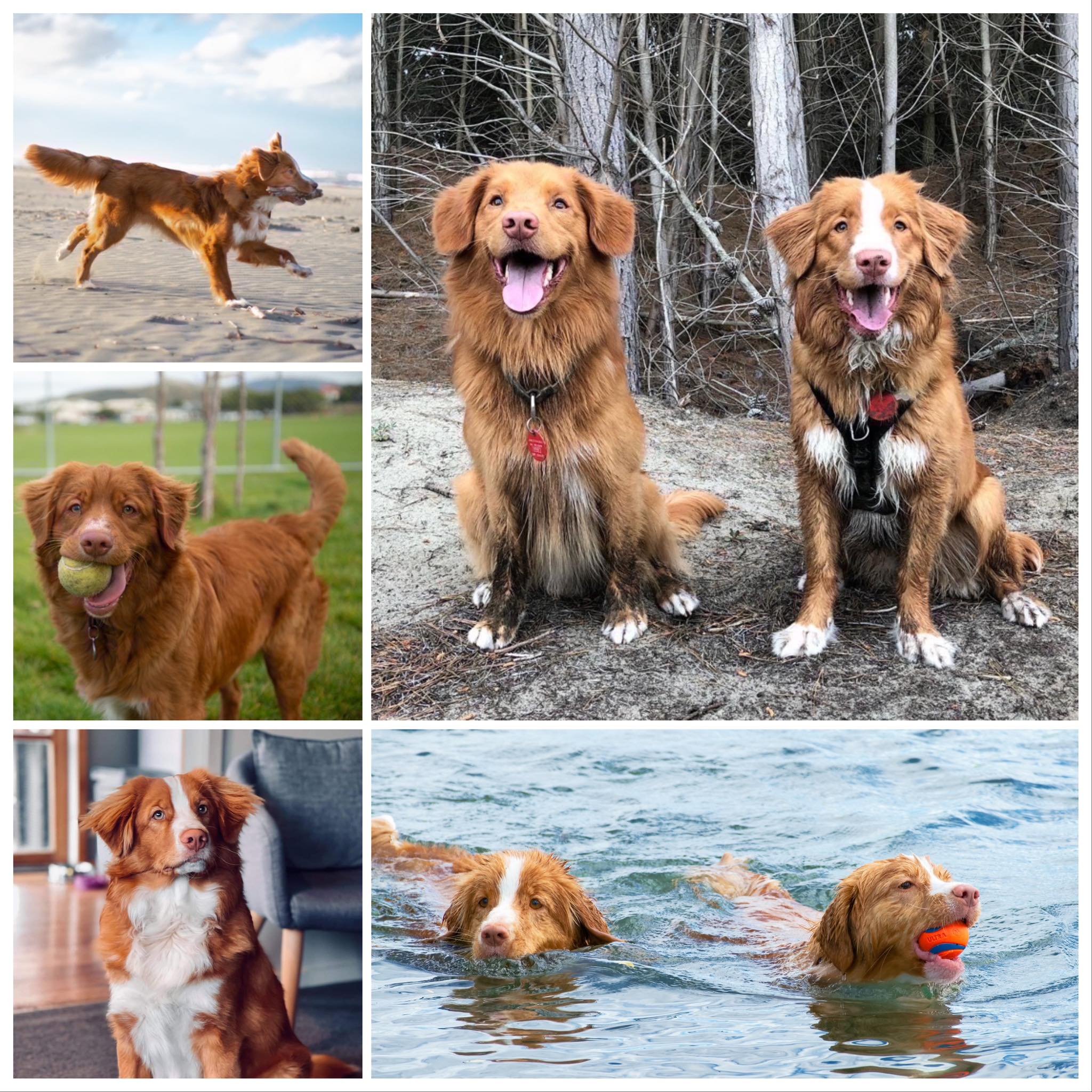
“Nova Scotia Duck Tolling Retriever Club NZ” from www.nsdtrcnz.org and used with no modifications.
What type of owner is best suited for this breed?
The ideal owner for a Nova Scotia Duck Tolling Retriever is someone who leads an active lifestyle and can commit to providing regular exercise and mental stimulation. Tollers thrive in environments where they can participate in activities like hiking, swimming, and dog sports. They are not well-suited for sedentary owners or those who cannot dedicate time to their physical and mental well-being.
Potential owners should be prepared for the responsibilities of training and socializing their Toller to ensure they become well-adjusted family members. If you can meet their needs and appreciate their unique qualities, a Toller can be a rewarding and loyal companion. For more insights on family-friendly breeds, explore the pros and cons of Australian Shepherds.