Key Points on Peach-Faced Lovebird Adoption
- Peach-faced lovebirds are sociable and thrive in pairs; they often form lifelong bonds.
- Adoption costs typically range from $50 to $150, depending on the source and location.
- These birds are native to Africa but have established a significant population in Arizona.
- A balanced diet includes fruits, vegetables, and specialized pellets, with gradual dietary changes recommended.
- Peach-faced lovebirds are more docile compared to other lovebird species, making them suitable for beginners.
Introduction to Peach-Faced Lovebirds
Peach-faced lovebirds, also known as rosy-faced lovebirds, are a delightful addition to any home. With their vibrant colors and playful personalities, they have captured the hearts of bird enthusiasts around the world. Understanding their unique characteristics and needs is crucial for anyone considering adopting these charming birds.
“Peach faced Lovebird Health …” from www.petguide.com and used with no modifications.
Unique Characteristics and Behavior
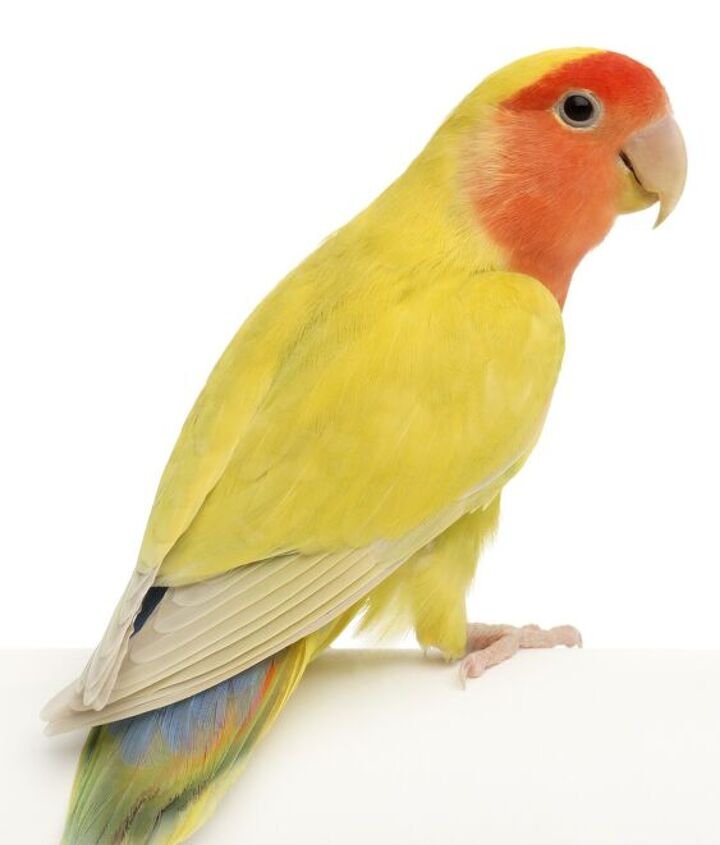
Peach-faced lovebirds are known for their striking appearance. Their bodies are predominantly green, with a distinctive peach or rosy hue on their faces and throats. This coloration makes them one of the most recognizable lovebird species. But it’s not just their looks that make them special; their behavior is equally captivating.
These birds are incredibly social and enjoy interacting with their human companions. They are known for their playful antics and can be quite mischievous at times. Because of their intelligence, they can learn tricks and enjoy a variety of toys and activities to keep them stimulated. It’s important to provide them with plenty of mental and physical enrichment.
Popularity as Pets
Peach-faced lovebirds are popular pets for several reasons. Their small size makes them suitable for apartment living, and their vibrant personalities bring joy to their owners. They are often recommended for first-time bird owners because of their friendly nature and relatively simple care requirements.
However, it’s essential to remember that they require daily interaction and socialization. Without proper attention, they can become lonely and may develop behavioral issues. Therefore, potential owners should be prepared to invest time and effort into their care.
Cost and Rarity of Peach-Faced Lovebirds
Before bringing a peach-faced lovebird into your home, it’s important to understand the costs and availability associated with adopting one. While they are not the rarest of birds, their popularity can influence their price and accessibility.
Adoption Costs and Considerations
The cost of adopting a peach-faced lovebird can vary significantly based on several factors. On average, you can expect to pay between $50 and $150 for one of these birds. Factors that influence the price include the bird’s age, color mutations, and the breeder’s reputation.
When considering adoption, it’s crucial to factor in the ongoing costs of care, such as food, toys, and veterinary care. Additionally, investing in a spacious cage and accessories is essential for their well-being. Always adopt from reputable sources to ensure the health and proper socialization of the bird.
Rarity in the Pet Market
While peach-faced lovebirds are not considered rare, certain color mutations can be more challenging to find and may come with a higher price tag. These birds are widely bred in captivity, which helps maintain their availability in the pet market. For those interested in exploring other unique bird species, consider learning about the differences between lorikeets and lories.
Despite their availability, it’s essential to research and locate a trustworthy breeder or adoption center. This ensures that the birds are raised in healthy environments and are well-socialized, reducing the risk of behavioral problems in the future.
Native Habitat and Origins
Understanding the natural habitat and origins of peach-faced lovebirds can provide valuable insights into their care requirements and behavior. These birds have adapted remarkably well to various environments, both in the wild and in captivity. For more information on bird care, you might find this diamond dove care guide helpful.
Geographic Distribution
Peach-faced lovebirds are native to the arid regions of southwestern Africa, including Namibia and Angola. In the wild, they inhabit savannas, woodlands, and scrublands, where they have adapted to a variety of environmental conditions.
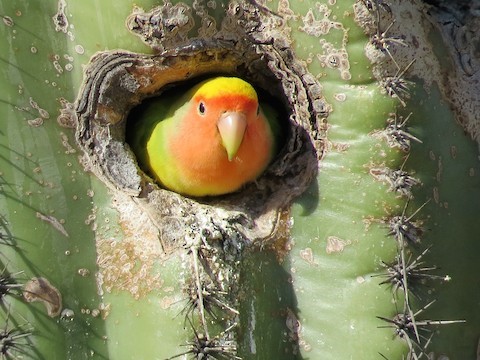
Interestingly, a thriving population of peach-faced lovebirds exists in Arizona, particularly in the Phoenix area. This population originated from escaped pet birds that adapted to the local climate, showcasing their resilience and adaptability.
Natural Environment and Lifestyle
In their natural habitat, peach-faced lovebirds live in flocks and exhibit strong social bonds. They are active during the day, foraging for food and engaging in social interactions with other flock members. Their natural diet consists of seeds, fruits, and vegetation found in their environment.
Understanding their natural lifestyle can help inform their care in captivity. Providing opportunities for social interaction, mental stimulation, and a varied diet is crucial for their well-being.
“Rosy-faced Lovebird – birdfinding.info” from birdfinding.info and used with no modifications.
Arizona Population History & Current Status
The establishment of a peach-faced lovebird population in Arizona is a fascinating story of adaptation. These birds likely originated from pet trade releases and have successfully bred in the wild. Their ability to thrive in Arizona’s climate demonstrates their adaptability and resilience.
Today, this population is considered stable, and they have become a beloved part of the local wildlife. However, it’s important to remember that they are not native to the area and their presence is a result of human influence.
Feeding and Dietary Recommendations
- Offer a balanced diet of seeds, pellets, fruits, and vegetables.
- Avoid foods high in fat or sugar.
- Ensure fresh water is always available.
Feeding your peach-faced lovebird a balanced diet is crucial for their health and happiness. They thrive on a variety of foods, so it’s important to offer a mix of seeds, pellets, fruits, and vegetables. This variety mimics their natural diet and provides essential nutrients.
Start with a high-quality pellet as the foundation of their diet. Pellets are specifically formulated to meet the nutritional needs of lovebirds and help prevent selective eating habits. Supplement the pellets with a mix of fresh fruits and vegetables to add variety and additional vitamins.
Some excellent fruit and vegetable choices include apples, carrots, spinach, and broccoli. These should be washed thoroughly and chopped into small, manageable pieces. Avoid offering avocado, chocolate, and caffeine, as these can be toxic to birds.
Recommended Diet Components
A well-rounded diet for a peach-faced lovebird should consist of approximately 70% pellets, 20% fresh fruits and vegetables, and 10% seeds. This balance ensures they receive all the necessary nutrients while avoiding excessive fat intake from seeds. For more details on the adoption and care of peach-faced lovebirds, you can explore additional resources.
Remember to introduce new foods gradually, as sudden changes can cause digestive issues. Observe your bird’s preferences and adjust their diet accordingly, ensuring they maintain a healthy weight and bright plumage.
Dietary Adjustments and Habits
Peach-faced lovebirds can develop strong food preferences, so it’s important to introduce new foods slowly and consistently. Offer small amounts of new items alongside their usual diet, allowing them time to adjust. For more information on these birds, check out this guide on Fischer’s Lovebird adoption.
Monitor their eating habits and adjust portion sizes based on their activity level and weight. If your bird becomes overweight, reduce the amount of seeds and increase the proportion of fresh produce. Conversely, if they seem underweight, consider increasing their seed intake slightly.
Introducing Dietary Changes
When making dietary changes, patience is key. Gradually introduce new foods over a week or two, mixing them with familiar items. This approach helps prevent stress and encourages acceptance of new flavors.
Consistency is crucial. Offer new foods at the same time each day, and remove uneaten portions after a few hours to maintain freshness. Over time, your lovebird will become more open to trying new foods, contributing to a healthier and more varied diet.
Comparative Analysis with Other Lovebirds
Peach-faced lovebirds are just one of several species within the lovebird family. Each species has unique characteristics, making them appealing for different reasons. Understanding these differences can help you decide which lovebird is the best fit for your household.
While peach-faced lovebirds are known for their friendly nature, other species, like Fischer’s or black-masked lovebirds, may have distinct traits and care requirements. Let’s explore these differences to better understand what makes each species unique.
“Lovebirds: List of Types, Care as Pet …” from www.singing-wings-aviary.com and used with no modifications.
Visual Differences across Species
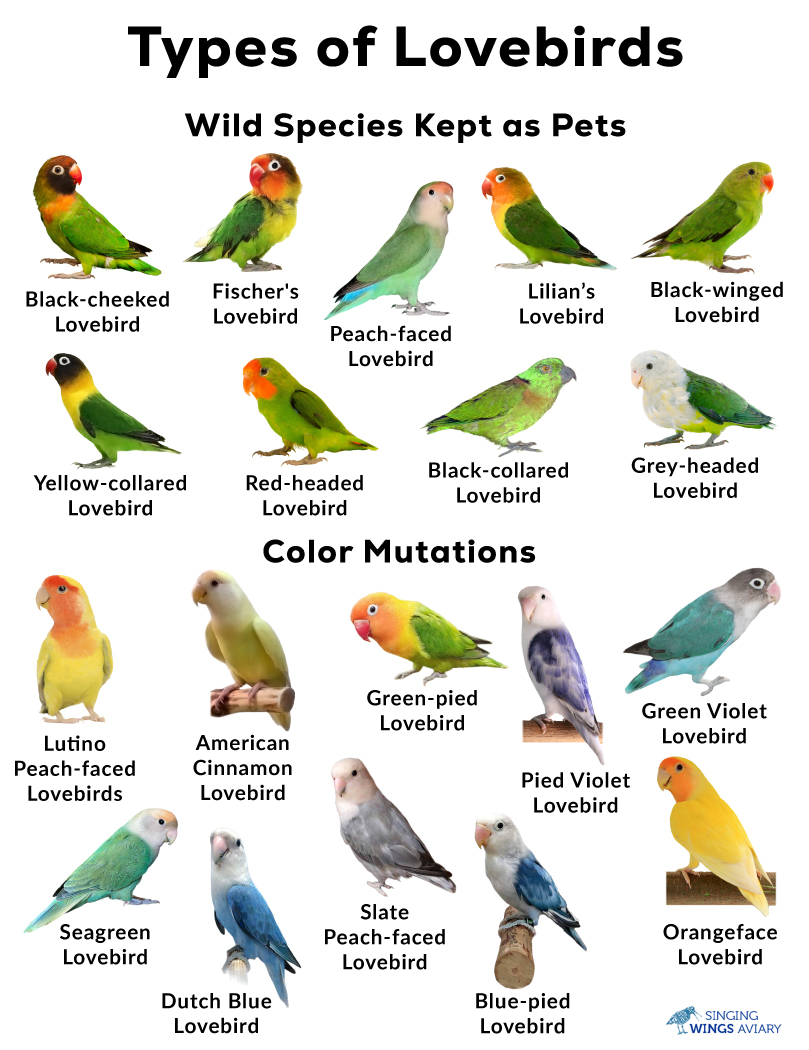
Visually, lovebirds can be quite similar, but subtle differences set them apart. Peach-faced lovebirds have a peach or rosy-colored face, whereas black-masked lovebirds feature a striking black mask over their eyes.
Fischer’s lovebirds have a more uniform green body with a slightly orange face. While these differences may seem minor, they can influence your choice if aesthetics are important to you. It’s essential to consider both appearance and temperament when selecting a lovebird.
Peach-Faced vs. Opaline Lovebirds
Opaline lovebirds are a color mutation of the peach-faced lovebird, featuring a lighter, more pastel coloration. This mutation does not affect their temperament or care requirements, but it can make them more desirable for those seeking a unique-looking pet.
While opaline lovebirds may be visually distinct, their behavior and needs align closely with the standard peach-faced lovebird. Therefore, if you prefer a more visually striking bird without compromising on personality, the opaline mutation might be the perfect choice.
Personality Traits of Different Lovebird Species
Each lovebird species has its own personality traits. Peach-faced lovebirds are generally more docile and friendly, making them suitable for beginners. In contrast, Fischer’s and black-masked lovebirds can be more territorial and require experienced handlers.
Understanding these differences is crucial when selecting a pet. Consider your experience level and the type of interaction you desire from your lovebird. By matching your preferences with the right species, you can ensure a harmonious and rewarding relationship.
Compatibility and Social Needs
Lovebirds are inherently social creatures, and their compatibility with other birds and humans plays a significant role in their well-being. Understanding their social needs is essential for creating a nurturing environment.
While they can thrive in both solo and paired settings, the key is to ensure they receive enough interaction and stimulation to prevent loneliness and boredom. For more detailed information, check out these Peach-faced Lovebird care tips.
Solo Ownership vs. Pairing
Many potential owners wonder whether it’s better to keep a single lovebird or a pair. While both options are viable, they come with unique considerations. For more information on Peach-faced Lovebirds, you can explore additional resources to help make your decision.
Solo ownership requires a significant commitment to interaction and socialization. A single lovebird will bond closely with its owner, making daily interaction essential. Without this attention, they may become lonely and develop behavioral issues.
Importance of Social Interactions
Pairing lovebirds can alleviate some of the social needs, as they provide companionship for each other. However, this can sometimes lead to the birds bonding more closely with each other than with their owner.
Regardless of your choice, it’s crucial to provide ample opportunities for social interaction. This can include spending time together, offering a variety of toys, and engaging in activities that stimulate their minds and bodies.
Do They Mate for Life?
“Lovebirds are known for their strong pair bonds, often choosing a single partner for life.”
Peach-faced lovebirds are famously known for their monogamous nature. Once they select a mate, they often remain together for life, forming a deep bond that extends beyond breeding. This strong connection is evident in their interactions, as they frequently engage in mutual preening and close companionship.
However, it’s important to note that not all lovebirds mate for life. Environmental factors and social dynamics can influence their relationships. If a partner is lost or unavailable, they may eventually form a new bond with another bird. For more information on pet companionship dynamics, check out this guide on diamond doves.
For owners, this means that if you keep a pair of lovebirds, you should be prepared for their close attachment. They will require a stable environment and consistent care to maintain their bond and overall well-being, similar to the care required for lorikeets and lories.
It’s also worth mentioning that if you decide to keep a single lovebird, you’ll need to fill the role of their companion. This requires a significant time commitment to ensure they receive the interaction and affection they need.
Breeding and Cross-Species Mating
Breeding peach-faced lovebirds can be a rewarding experience, but it requires careful consideration and responsibility. Understanding the breeding process and potential challenges is essential for anyone considering this endeavor.
Peach-faced lovebirds can breed with other lovebird species, such as Fischer’s or black-masked lovebirds. However, cross-species mating can lead to hybrid offspring, which may present unique challenges and considerations.
Hybrids may inherit traits from both parent species, resulting in variations in appearance, behavior, and health. Responsible breeding practices are crucial to ensure the well-being of both parent birds and their offspring.
Gender Identification and Potential Genetic Concerns
Determining the gender of peach-faced lovebirds can be challenging, as they are visually monomorphic, meaning males and females look alike. DNA testing is the most reliable method for accurate gender identification. For those interested in other bird species, check out this guide on diamond dove adoption and care.
When breeding, it’s essential to consider the genetic health of both parent birds. Inbreeding and genetic defects can lead to health issues in offspring. Therefore, selecting healthy, unrelated birds for breeding is vital to promote a strong gene pool.
Guidelines for Responsible Breeding
Responsible breeding involves several key practices to ensure the health and well-being of the birds involved. For instance, understanding the mating behaviors of lovebirds can be crucial. Here are some guidelines to follow:
- Ensure both parent birds are healthy and free from genetic defects.
- Provide a spacious, safe environment for breeding and raising chicks.
- Monitor the birds closely during the breeding process and be prepared to intervene if necessary.
- Find suitable homes for the offspring to prevent overcrowding and ensure proper care.
Evaluating Peach-Faced Lovebirds as Pets
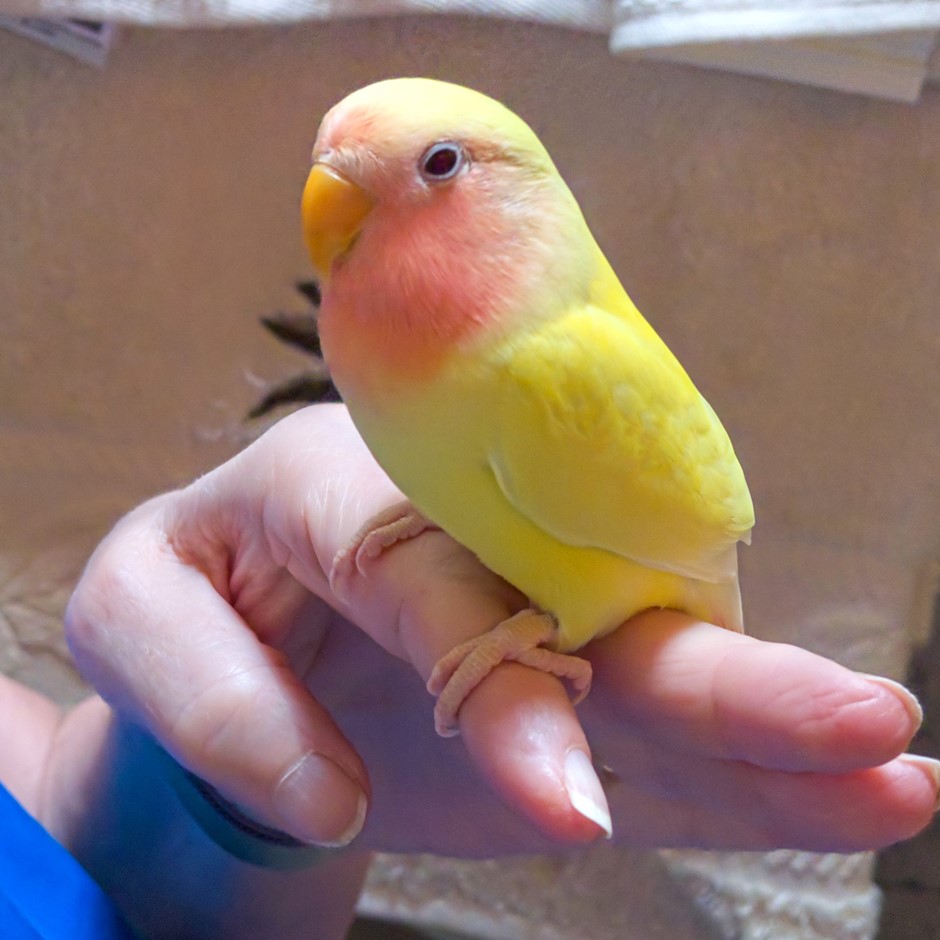
Deciding whether a peach-faced lovebird is the right pet for you involves evaluating their compatibility with your lifestyle and expectations. These birds offer companionship, entertainment, and joy, but they also require commitment and care. If you’re considering different lovebird species, you might want to explore more about Fischer’s Lovebird adoption and their characteristics.
“Love Bird Peach Face (hand fed) – Fly …” from flybabiesaviary.com and used with no modifications.
Suits for Different Types of Owners
Peach-faced lovebirds are ideal for individuals or families who can provide consistent attention and interaction. They thrive in environments where they receive mental stimulation and social engagement.
These birds are well-suited for first-time bird owners due to their friendly nature and manageable care requirements. However, potential owners should be prepared for their active and sometimes mischievous behavior.
For those who enjoy training and interacting with their pets, peach-faced lovebirds offer a rewarding experience. They can learn tricks and respond well to positive reinforcement, making them engaging companions.
Considerations for Families with Children
While peach-faced lovebirds can be great family pets, it’s important to consider their interactions with young children. They can be nippy if they feel threatened or overwhelmed, so supervision is essential.
Teaching children how to handle and interact with the bird gently can foster a positive relationship. Additionally, providing the bird with a quiet space where they can retreat when needed helps prevent stress and potential behavioral issues.
Frequently Asked Questions
Adopting a peach-faced lovebird comes with many questions. Here are some common inquiries to help guide potential owners:
What is the ideal cage size for a peach-faced lovebird?
Peach-faced lovebirds need a spacious cage to accommodate their active nature. The ideal cage size is at least 2 feet wide by 2 feet long by 2 feet tall, with bar spacing no wider than 1/2 to 5/8 inch. This allows them to move freely and exercise their wings.
How to tell if my lovebird needs a companion?
If your lovebird shows signs of loneliness, such as excessive calling, feather plucking, or lack of interest in toys, they may benefit from a companion. However, introducing another bird requires careful consideration and gradual introductions to ensure compatibility.
What are common health issues in peach-faced lovebirds?
Common health issues include respiratory infections, feather plucking, and nutritional deficiencies. Regular veterinary check-ups and a balanced diet can help prevent these problems. Observing your bird’s behavior and appearance can also provide early warning signs of potential health concerns. For more detailed information on lovebird care, you can refer to this guide on lovebird adoption and care.
In conclusion, peach-faced lovebirds are delightful companions that bring joy and entertainment to any household. By understanding their needs and characteristics, you can provide a nurturing environment that allows them to thrive and enrich your life.
Whether you’re considering a single bird or a pair, peach-faced lovebirds offer a rewarding experience for bird enthusiasts of all levels. With proper care, they can become cherished members of your family, bringing years of companionship and happiness.
Peach-Faced Lovebird adoption: cost, rarity, best diet & how change, where native, compare vs other lovebirds like opaline, solo ok or pair, mate for life, can different types of lovebirds mate, good pet, how different do they look from each other