Key Takeaways
- Pembroke Welsh Corgis typically cost between $1,000 and $3,000 from reputable breed rescue, with show-quality dogs commanding even higher prices.
- These dogs have a lifetime cost of approximately $17,000 over their 12-13 year lifespan, including food, grooming, and veterinary care.
- Despite their small stature, Pembrokes require significant exercise and mental stimulation, making them best suited for active owners.
- Regular health testing for conditions like hip dysplasia and degenerative myelopathy contributes to their higher purchase price.
- While Pembroke and Cardigan Welsh Corgis share similarities, they have distinct differences in appearance, temperament, and origin.
Pembroke Welsh Corgi Cost and Why They Are Expensive
The adorable Pembroke Welsh Corgi has captured hearts worldwide, but that charm comes with a price tag that surprises many prospective owners. These beloved companions, famous for their fox-like appearance and association with the British royal family, represent a significant investment both upfront and throughout their lifetime.
Understanding the full financial picture before bringing home a Corgi puppy is essential for responsible ownership. From initial purchase to ongoing care, these dogs require a commitment that extends well beyond their cute exterior and playful personality.

“Pembroke Welsh Corgi Dog Breed …” from showsightmagazine.com and used with no modifications.
Initial Purchase Price Range
Pembroke Welsh Corgis typically cost between $1,000 and $3,000 when purchased from a reputable breeder. This price point places them in the moderate to expensive range compared to other purebred dogs. Show-quality Corgis with exceptional lineage can command prices upwards of $4,000, while pet-quality puppies generally fall at the lower end of the spectrum.
It’s important to note that attempting to find a “bargain” Corgi can lead to supporting irresponsible breeding practices. Extremely low-priced puppies often come from puppy mills or backyard breeders who may not prioritize health testing or proper care. Adoption from rescue organizations represents another option, with fees typically ranging from $300-$600, though Corgis are rarely found in shelters due to high demand. For more information, you can explore the differences between Cardigan and Pembroke Welsh Corgis.
Factors Influencing Cost: Demand and Breeding
The steep price of Pembroke Welsh Corgis is largely driven by their immense popularity, which has skyrocketed in recent years thanks to social media exposure and their photogenic qualities. This high demand creates long waitlists with reputable breeders, sometimes extending 6-12 months or longer, which naturally elevates prices.
Breeding Corgis responsibly is an expensive endeavor. Ethical breeders invest significantly in their breeding program, including proper veterinary care for the dam before, during, and after pregnancy, appropriate nutrition, whelping supplies, and early puppy care. These costs are necessarily passed on to puppy buyers.
“The cost of properly breeding a litter of Pembroke Welsh Corgis can easily exceed $5,000 when accounting for all health testing, prenatal care, whelping expenses, and early puppy socialization. This doesn’t even factor in the years of experience and knowledge a good breeder brings to the table.” – Experienced Corgi breeder
Additionally, champion bloodlines command premium prices. Puppies from parents with show titles or working achievements typically cost more, reflecting their superior genetics and the breeder’s investment in competing with their dogs.

“12 Health Problems in Corgis & Vet …” from www.dogster.com and used with no modifications.
Importance of Health Testing and Pedigree
A significant portion of a Pembroke Welsh Corgi’s purchase price reflects the extensive health testing conducted by responsible breeders. Ethical breeders test their breeding stock for genetic conditions common in the breed, particularly hip dysplasia, progressive retinal atrophy (PRA), von Willebrand’s disease, and degenerative myelopathy.
These comprehensive health screenings can cost breeders hundreds of dollars per dog, but they’re essential for producing puppies with the best chance at long-term health. When reviewing breeder prices, prospective owners should inquire about what health testing has been performed and ask to see documentation of results.
Pedigree also plays a crucial role in pricing. Puppies with championship lineage or from established kennels known for quality dogs typically command higher prices. This premium reflects not just bragging rights but the careful selection of breeding pairs over generations to maintain breed standards and health.
Pros and Cons of Owning a Pembroke Welsh Corgi
Benefits: Loyalty and Intelligence
Pembroke Welsh Corgis offer exceptional companionship, characterized by unwavering loyalty and deep bonds with their families. These dogs are remarkably intelligent, ranking among the top breeds for trainability and problem-solving abilities. Their quick learning and eagerness to please make training rewarding, though their independent streak means consistency is key.
Despite their small stature, Corgis possess big personalities that bring joy and entertainment to daily life. Their expressive faces, characteristic “Corgi sploot” (stretched-out leg position), and playful antics create countless moments of delight. As former herding dogs, they maintain an alertness that makes them excellent watchdogs, reliably announcing visitors without excessive barking.
:strip_icc()/breed-profile-pembroke-welsh-corgi-1117986_FINAL-c2118fb8af034d3587021ce3dd5858cd.jpg)
“Pembroke Welsh Corgi: Dog Breed …” from www.thesprucepets.com and used with no modifications.
Challenges: Stubbornness and Exercise Needs
While Pembroke Welsh Corgis make wonderful companions, prospective owners should be prepared for their stubborn streak. These intelligent dogs have strong opinions and may test boundaries if they feel rules are arbitrary. Their herding heritage can manifest as nipping at heels, especially with children or during play, requiring consistent training to redirect this instinct. For more insights, check out this expert interview on dog breeds.
Perhaps the biggest challenge with Corgis is managing their high energy levels. Despite their short legs, these dogs require significant daily exercise—at least 45-60 minutes of active play or walking. Without proper outlets for their energy, they can become destructive, excessive barkers, or develop behavior problems. Their thick double coat also sheds profusely year-round, with seasonal “blowouts” that can leave fur on every surface of your home.
Health concerns represent another consideration, as their unique body structure predisposes them to back problems. Their long spine and short legs create vulnerabilities, requiring owners to prevent jumping from heights and maintain healthy weight to avoid exacerbating potential issues.
Maintenance: Are Pembroke Welsh Corgis High Maintenance?
Pembroke Welsh Corgis fall somewhere in the middle of the maintenance spectrum—not the most demanding breed but certainly requiring dedicated care. Their physical needs, grooming requirements, and mental stimulation demands add up to a dog that needs consistent attention and care to thrive.
Grooming Requirements
The Pembroke’s dense double coat requires regular maintenance to keep shedding manageable. Plan on brushing your Corgi at least 2-3 times weekly with a pin brush and undercoat rake to remove loose fur. During seasonal shedding periods (typically spring and fall), daily brushing becomes necessary as they “blow” their undercoat in dramatic fashion.
Despite their heavy shedding, other grooming needs are relatively straightforward. Monthly nail trims, weekly ear checks, and occasional baths (roughly every 6-8 weeks) will keep your Corgi looking and feeling their best. Professional grooming services can be helpful but aren’t absolutely necessary if you’re willing to manage their coat at home. For more insights on grooming, you might find this Brussels Griffon grooming guide useful.
- Brushing: 2-3 times weekly minimum; daily during shedding seasons
- Bathing: Every 6-8 weeks or when dirty
- Nail trimming: Monthly
- Ear cleaning: Weekly checks, clean as needed
- Teeth: Brush 2-3 times weekly for optimal dental health
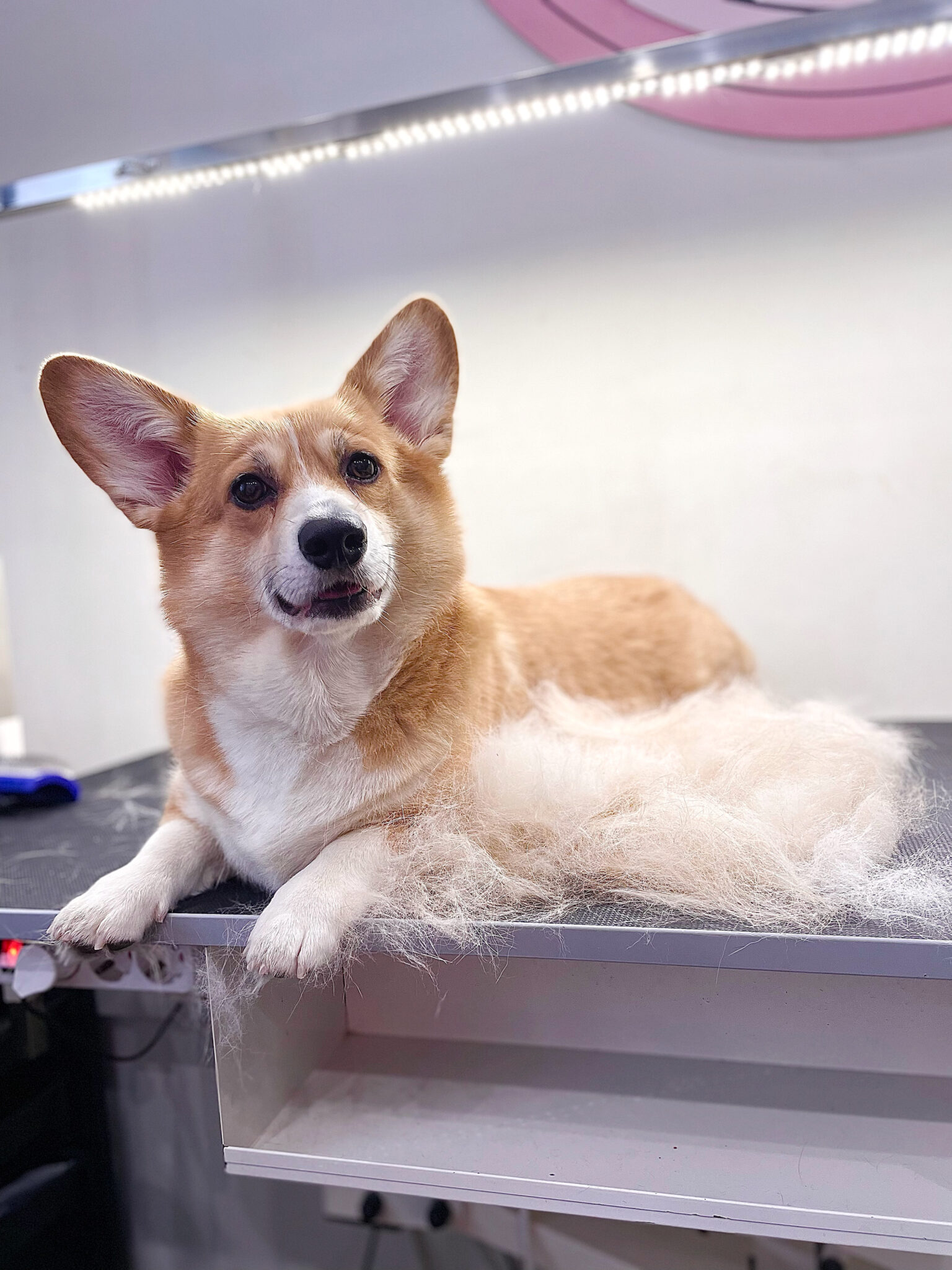
“Welsh Corgi …” from vogdog.com and used with no modifications.
Exercise and Mental Stimulation Needs
Don’t be fooled by their short legs—Pembrokes are high-energy dogs with significant exercise requirements. Originally bred for herding cattle all day, these dogs have stamina that far exceeds their size. A properly exercised Corgi makes a much better house companion, while an under-exercised one can develop problematic behaviors.
Aim for at least 45-60 minutes of physical activity daily, divided into multiple sessions. This can include brisk walks, play sessions, or structured activities like agility. Mental stimulation is equally important—puzzle toys, training sessions, and nose work games help satisfy their intelligent minds and prevent boredom.
A tired Corgi is a good Corgi! These dogs thrive with both physical exercise and mental challenges. Without proper outlets for their energy and intelligence, they will find their own entertainment—often in ways you won’t appreciate.
Feeding and Diet Considerations
Maintaining appropriate weight is crucial for Pembroke Welsh Corgis due to their predisposition to back problems. Their sturdy bodies and hearty appetites can quickly lead to obesity if portions aren’t carefully monitored. Most adult Corgis require about 1-1.5 cups of high-quality dog food daily, split between two meals, though this varies based on activity level, age, and individual metabolism. For those interested in understanding more about dog breed characteristics, an expert interview on the Brussels Griffon breed might offer additional insights.
Choose a diet appropriate for their life stage and activity level, with protein content around 25-30% for adults. Some owners opt for breed-specific formulas that address common Corgi health concerns, though any high-quality dog food can be suitable. Treats should be limited to prevent weight gain, with low-calorie options like carrots or apple slices making good alternatives.
Health Considerations for Pembroke Welsh Corgis
Understanding the health profile of Pembroke Welsh Corgis is essential for prospective owners. While they’re generally robust dogs with a good lifespan, their unique body structure and genetic background create specific health vulnerabilities that require awareness and proactive management.
Common Health Issues and Genetic Concerns
Pembroke Welsh Corgis are predisposed to several breed-specific health concerns. Intervertebral disc disease (IVDD) tops the list due to their long backs and short legs, making them vulnerable to spinal injuries and herniated discs. This condition can range from mild pain to paralysis in severe cases and may require surgery and extensive rehabilitation. For more information on Pembroke Welsh Corgis, you can refer to this breed guide.
Hip dysplasia affects many Corgis despite their small size, causing pain and mobility issues as they age. Degenerative myelopathy, a progressive spinal cord disease leading to paralysis, is another serious concern in the breed. Other conditions to watch for include progressive retinal atrophy (causing vision loss), von Willebrand’s disease (a bleeding disorder), and epilepsy.
Obesity represents a significant health risk that exacerbates many of these conditions, particularly back problems. Even a few extra pounds can place dangerous strain on a Corgi’s spine and joints, making weight management a critical aspect of preventative care.

“Pembroke Welsh Corgi – History, Traits …” from worldanimalfoundation.org and used with no modifications.
Preventative Health Care Tips
Proactive health management starts with choosing a puppy from health-tested parents and continues throughout your Corgi’s life. Regular veterinary check-ups (at least annually, semi-annually for seniors) allow for early detection of potential issues. Maintain a consistent exercise routine that builds muscle without excessive jumping or stair climbing, which can stress their backs. For more information on maintaining senior dog health, explore additional resources.
Weight management represents the single most important preventative measure for Corgis. Keep your dog at a healthy weight where you can feel (but not see) their ribs and they maintain a visible waistline when viewed from above. Protect their backs by using ramps for furniture access, preventing jumping from heights, and using proper lifting techniques (supporting both front and rear ends). For more information on Corgis, you can check out the Pembroke Welsh Corgi breed guide.
Consider pet insurance to manage potential health costs, as treatments for conditions like IVDD can run into thousands of dollars. The monthly premium (typically $25-90 depending on coverage) provides peace of mind against unexpected veterinary expenses.
Life Expectancy
With proper care, Pembroke Welsh Corgis typically enjoy a lifespan of 12-13 years, relatively long for a medium-sized breed. Many well-cared-for Corgis reach 14-15 years, particularly those maintained at healthy weights with regular veterinary care. Their longevity means adopting a Corgi represents a significant long-term commitment spanning over a decade of companionship.
Is a Pembroke Welsh Corgi Suitable for First-Time Owners?
Pembroke Welsh Corgis can be suitable for first-time dog owners who have done their research and understand the breed’s needs, but they aren’t necessarily the easiest starter dogs. Their intelligence, trainability, and moderate size work in their favor, while their energy levels, stubbornness, and specific health considerations present challenges that require commitment.
First-time owners who are active, consistent with training, and willing to learn about proper care can succeed with a Corgi. The key is being realistic about your lifestyle and commitment level before bringing one home.
Ease of Training
Pembroke Welsh Corgis are highly intelligent dogs that typically rank among the top 15 breeds for trainability. They learn commands quickly and respond well to positive reinforcement techniques like praise, play, and treats. This intelligence makes basic obedience training relatively straightforward for even novice owners who approach training with consistency.
However, their intelligence comes with an independent streak that can manifest as stubbornness. Corgis often want to understand why they should perform a command rather than simply following directions. First-time owners need patience and persistence to work through these moments of independence, maintaining consistent expectations without becoming frustrated.
Early socialization is particularly important for Corgis to prevent shyness or reactivity. Expose your puppy to various people, environments, sounds, and other animals during their formative weeks and months to develop a well-adjusted adult dog.

“Are Corgis Good Apartment Dogs?” from wellingtonhometeam.com and used with no modifications.
Adaptability to Different Living Situations
One advantage for first-time owners is the Pembroke Welsh Corgi’s adaptability to various living arrangements. Their moderate size makes them suitable for apartments or homes with small yards, provided they receive sufficient exercise outside the home. They can adjust to urban, suburban, or rural environments, though they tend to be more vocal than some neighbors might appreciate in close quarters.
Corgis generally do well in families of all types—singles, couples, families with children, or seniors who can meet their exercise needs. They form strong bonds with their people and can adapt to changing household dynamics. However, their herding instincts may lead to ankle-nipping with young children, requiring supervision and training.
While Corgis can tolerate being alone for reasonable periods when properly trained, they thrive on companionship and can develop separation anxiety if regularly left alone for extended hours. First-time owners with demanding work schedules might find this challenging without planning for dog walkers or daycare options.
Ideal Owner Traits and Lifestyle Match for Pembroke Welsh Corgis
Activity Level and Time Commitment
The ideal Pembroke Welsh Corgi owner maintains an active lifestyle and enjoys regular outdoor activities. These energetic dogs thrive with owners who can provide at least 45-60 minutes of exercise daily through walks, play sessions, or structured activities like agility. Weekend hikers, joggers, or outdoor enthusiasts will find Corgis eager and capable companions despite their short legs.
Beyond physical exercise, Corgis need owners who can commit time to mental stimulation and training. Their working dog heritage means they’re happiest with “jobs” to do, whether formal tasks or engaging games that challenge their intelligence. Owners should plan for short, regular training sessions throughout the week to keep their Corgi’s mind engaged and behaviors in check. For more insights on maintaining cognitive health, consider reading about boosting cognitive health in dogs.
Time for grooming represents another commitment, particularly during seasonal shedding periods when daily brushing becomes necessary. Prospective owners should honestly assess whether they have the time and patience for these maintenance requirements before bringing a Corgi home.

“Are CORGIS Good with KIDS? Exploring …” from www.youtube.com and used with no modifications.
Family Compatibility and Socialization
Pembroke Welsh Corgis typically make excellent family dogs for households with children old enough to understand appropriate interaction with dogs. Their playful nature, moderate size, and robust build make them good playmates, though their herding instinct sometimes manifests as nipping at running children’s heels—a behavior that requires consistent correction.
Families considering a Corgi should ensure all members can participate in maintaining boundaries and training protocols. These intelligent dogs quickly learn which family members enforce rules and which can be manipulated, potentially leading to inconsistent behavior if training isn’t uniform across the household.
Socially, Corgis tend to be friendly and outgoing, though early and continued socialization is essential to prevent potential standoffishness with strangers or reactivity toward other dogs. The ideal owner recognizes the importance of exposing their Corgi to diverse people, animals, and environments throughout their life. For more insights, consider reading about senior dog socialization to understand its benefits on cognitive health and emotional well-being.
Comparison with Cardigan Welsh Corgis and Other Breeds
Key Differences with Cardigan Welsh Corgis
While Pembroke and Cardigan Welsh Corgis share many similarities as short-legged herding dogs from Wales, they’re distinct breeds with separate origins and characteristics. The most obvious physical difference is the tail—Pembrokes traditionally have docked tails or naturally bobbed tails, while Cardigans possess long, fox-like tails. Cardigans typically have larger, more rounded ears compared to the Pembroke’s more pointed, erect ears.

“Pembroke vs Cardigan : r/corgi” from www.reddit.com and used with no modifications.
Temperamentally, Cardigans often exhibit slightly more reserved, thoughtful personalities compared to the more outgoing, playful Pembrokes. Cardigans tend to be more cautious with strangers and may take longer to warm up to new people, while Pembrokes are typically more immediately friendly. Both breeds share intelligence and trainability, though Cardigans sometimes demonstrate a more independent working style.
Cost-wise, Cardigans are generally slightly less expensive than Pembrokes, primarily due to lower demand. While a Pembroke puppy from a reputable breeder typically costs $1,000-3,000, Cardigans often range from $800-2,500. Both breeds have similar ongoing costs for maintenance, food, and healthcare.

“Pembroke Welsh Corgi Dog Crossbreeds” from www.americanbreeder.com and used with no modifications.
Contrast with Basset Hounds
Though both Pembroke Welsh Corgis and Basset Hounds feature long bodies with short legs, the similarities largely end there. Basset Hounds are significantly larger and heavier, weighing 40-65 pounds compared to the Corgi’s 25-30 pounds. Their temperaments differ dramatically—where Corgis are alert, energetic, and eager to please, Bassets tend to be more laid-back, independent, and sometimes stubborn during training.
Exercise requirements represent another major contrast. Corgis need substantial daily activity to remain physically and mentally healthy, while Bassets require moderate exercise and are content with shorter walks. Grooming needs also differ significantly—Bassets have minimal shedding but require attention to their droopy ears to prevent infections, while Corgis shed profusely but have fewer specialized care requirements.
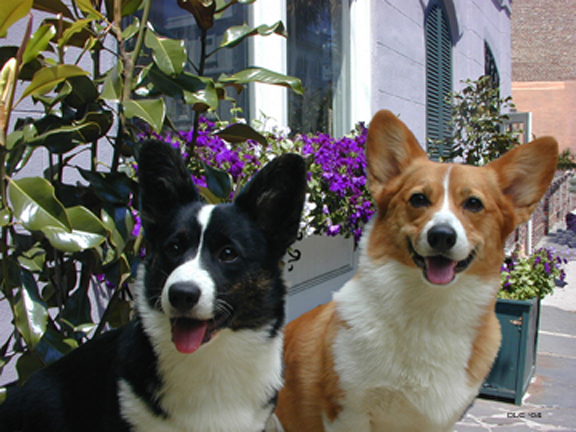
“Cardigan and Pembroke Welsh Corgi …” from corgiguide.com and used with no modifications.
Comparison with Petit Basset Griffon Vendéen and Grand Basset Griffon Vendéen
The French basset breeds—Petit Basset Griffon Vendéen (PBGV) and Grand Basset Griffon Vendéen (GBGV)—differ substantially from Pembroke Welsh Corgis despite their shared short-legged structure. The most obvious distinction lies in their coats—both basset varieties feature rough, tousled hair that requires regular stripping, while Corgis have straight, dense double coats. The bassets were bred for hunting in rough terrain, while Corgis were developed for herding livestock.
Personality-wise, PBGVs and GBGVs exhibit more independent, sometimes mischievous temperaments compared to the eager-to-please Corgi. The bassets retain strong hunting instincts that can make them challenging to train for reliable recall, while Corgis generally respond well to consistent training. All three breeds share intelligence and playfulness, though they express these traits differently based on their working heritage.
Conclusion: Making an Informed Decision
Deciding whether a Pembroke Welsh Corgi is right for your household requires careful consideration of the breed’s characteristics, your lifestyle, and the long-term commitment involved. These charismatic dogs bring immense joy and companionship but demand significant investment—both financially and in terms of time and energy—throughout their 12-13 year lifespan.
Summarizing Key Considerations
The initial investment for a Pembroke Welsh Corgi ranges from $1,000-3,000 from a reputable breeder, with ongoing lifetime costs approaching $17,000 for food, veterinary care, grooming supplies, and other essentials. This financial commitment represents just one aspect of Corgi ownership, with time for exercise, training, and companionship equally important. For more insights on dog breeds, check out this Keeshond dog breed expert interview.
Prospective owners should honestly assess their ability to meet a Corgi’s substantial exercise needs, manage their shedding, provide consistent training, and address potential health concerns. Those willing to embrace these responsibilities will find Pembrokes to be loyal, intelligent companions with boundless personality packed into their distinctive frame. For insights on how to manage health and well-being, especially in older dogs, check out our article on senior dog socialization.

“Dog Breed Profile: The Pembroke Welsh …” from www.lillybrush.com and used with no modifications.
Personal Reflection on Suitability
Before bringing home a Pembroke Welsh Corgi, ask yourself whether you’re prepared for a decade-plus commitment to an active, intelligent dog that will integrate deeply into your family life. Consider whether your living situation, activity level, and daily schedule can accommodate their needs not just now but through potential life changes in the coming years.
For the right owner—one who appreciates their unique blend of intelligence, energy, and affection—a Pembroke Welsh Corgi offers incomparable companionship. Their expressive faces, distinctive appearance, and devoted nature create a special bond that many Corgi enthusiasts find impossible to replace with any other breed.
If you’re drawn to Corgis but concerned about certain aspects like cost or exercise requirements, consider connecting with breed rescue organizations or local Corgi owners to learn more about daily life with these remarkable dogs before making your decision.
Frequently Asked Questions (FAQ)
Below are answers to common questions about Pembroke Welsh Corgis to help you make an informed decision about whether this breed is right for your lifestyle and budget.
What factors make Pembroke Welsh Corgis expensive?
Pembroke Welsh Corgis command premium prices due to several factors: high demand driven by popularity on social media and with celebrities, extensive health testing of breeding stock (including hip evaluations, eye exams, and genetic testing for conditions like degenerative myelopathy), smaller litter sizes compared to larger breeds, and the costs associated with responsible breeding practices. Additionally, their association with the British royal family has elevated their status and contributed to their desirability, further driving up prices.
Are Pembroke Welsh Corgis good with kids?
Pembroke Welsh Corgis typically make excellent family dogs when properly socialized with children. They’re playful, energetic, and sturdy enough to handle gentle roughhousing, making them good companions for kids who understand appropriate interaction with dogs. Their herding background sometimes manifests as nipping at running children’s heels, but this behavior can be managed with consistent training.
For families with very young children, supervision is important as Corgis’ small stature makes them vulnerable to accidental rough handling. Teaching children to respect the dog’s space and interact gently creates the foundation for a positive relationship. Many Corgis develop protective bonds with “their” children and become devoted family members.
The breed’s high energy level aligns well with active children who can help meet their exercise needs through play sessions and outdoor activities. This mutual benefit often creates strong bonds between Corgis and the children in their households.
Parents should remember that no dog should be left unsupervised with very young children, regardless of breed reputation. Proper introduction and consistent enforcement of boundaries benefit both the child and the dog.
“We’ve found that Corgis and kids are a natural match. Their playful energy levels complement each other perfectly, and the dogs seem to understand they’re part of the family ‘pack’ with special responsibility toward the children. Just be prepared to redirect that herding instinct when it appears!” – Corgi Rescue Coordinator
Do Pembroke Welsh Corgis require a lot of exercise?
Yes, despite their short legs, Pembroke Welsh Corgis have substantial exercise requirements stemming from their heritage as working herding dogs. They typically need 45-60 minutes of physical activity daily, divided into multiple sessions. Without adequate exercise, Corgis often develop behavioral problems like excessive barking, digging, or destructive chewing as they seek outlets for their pent-up energy.
Ideal exercise for Corgis includes brisk walks, play sessions involving fetching or chasing, supervised off-leash time in secure areas, and structured activities like agility or herding trials for those who enjoy dog sports. Mental stimulation through training sessions, puzzle toys, and new experiences is equally important for keeping these intelligent dogs balanced and well-behaved.
How do Pembroke and Cardigan Corgis differ?
Though sometimes confused as variations of the same breed, Pembroke and Cardigan Welsh Corgis are distinct breeds with separate origins. Pembrokes have docked or naturally bobbed tails, pointed fox-like ears, and a slightly smaller, lighter build averaging 25-30 pounds. Cardigans feature long, fox-brush tails, more rounded ears, and a slightly larger frame typically weighing 30-38 pounds. Color variations also differ, with Cardigans offering more coat color options including brindle and blue merle patterns not found in Pembrokes.
Temperamentally, Pembrokes tend to be more outgoing, enthusiastic, and quick to warm up to strangers, while Cardigans often display more reserved, thoughtful personalities with stronger guardian instincts. Both breeds share intelligence and trainability, though Cardigans may show more independence in problem-solving situations. Pembrokes generally command higher prices due to greater popularity, though both breeds have similar lifespans and healthcare needs.
What are common health problems in Pembroke Welsh Corgis?
The most significant health concerns for Pembroke Welsh Corgis relate to their unique body structure. Intervertebral disc disease (IVDD) poses a serious risk due to their long backs and short legs, potentially causing pain, mobility issues, or even paralysis if discs herniate. Hip dysplasia affects many Corgis despite their small size, while degenerative myelopathy—a progressive neurological condition leading to paralysis—has a higher incidence in this breed than many others.
Other health concerns include progressive retinal atrophy affecting vision, von Willebrand’s disease (a bleeding disorder), epilepsy, and various eye conditions like cataracts. Obesity represents a significant risk factor that exacerbates many of these conditions, particularly those affecting the spine and joints, making weight management crucial for Corgi health.
Working with a reputable breeder who conducts appropriate health testing helps reduce these risks, but prospective owners should understand that the breed’s distinctive body shape inherently creates certain vulnerabilities. Regular veterinary care, maintaining healthy weight, and avoiding activities that stress the spine (like jumping from heights) help mitigate these risks throughout a Corgi’s life.
If you’re looking for a loyal, intelligent companion with a big personality in a compact package, the Pembroke Welsh Corgi might be your perfect match. Consider reaching out to responsible breeders who prioritize health testing to start your journey with this remarkable breed.
Pembroke Welsh Corgis are known for their adorable appearance and friendly nature, making them a popular choice for many dog enthusiasts. However, potential owners should consider the costs associated with owning one, as they can be quite expensive. It’s important to weigh the pros and cons, such as whether they are high maintenance or good house dogs, and their health considerations. If you’re a first-time owner, you might wonder if a Corgi is suitable for you. The ideal owner should match the lifestyle needs of this breed. For those interested in comparing different breeds, you might also consider the differences between Pembroke Welsh Corgis and other breeds like the Cardigan Welsh Corgi, Basset Hound, or Ibizan Hound.