Key Takeaways
- Poodles originated as water retrievers in Germany before becoming the national dog of France, evolving from working dogs to beloved companions
- The distinctive curly coat that makes poodles “hypoallergenic” requires regular professional grooming, contributing to their higher maintenance costs
- Poodles rank among the most intelligent dog breeds, capable of learning complex commands quickly and excelling in various dog sports and service roles
- Available in three size varieties (Standard, Miniature, and Toy), poodles maintain consistent personality traits while fitting different lifestyle needs
- Despite their refined appearance, poodles are versatile, athletic dogs with a playful nature and strong loyalty to their families
Considering adding a poodle to your family? These elegant, intelligent canines offer far more than their distinctive appearance suggests. With a rich history spanning centuries and a versatility that continues to make them one of the world’s most beloved breeds, poodles bring a unique combination of brains and beauty to any household. The American Kennel Club consistently ranks poodles among the top ten most popular dog breeds, and for good reason – these dogs excel as companions, working partners, and show dogs alike.
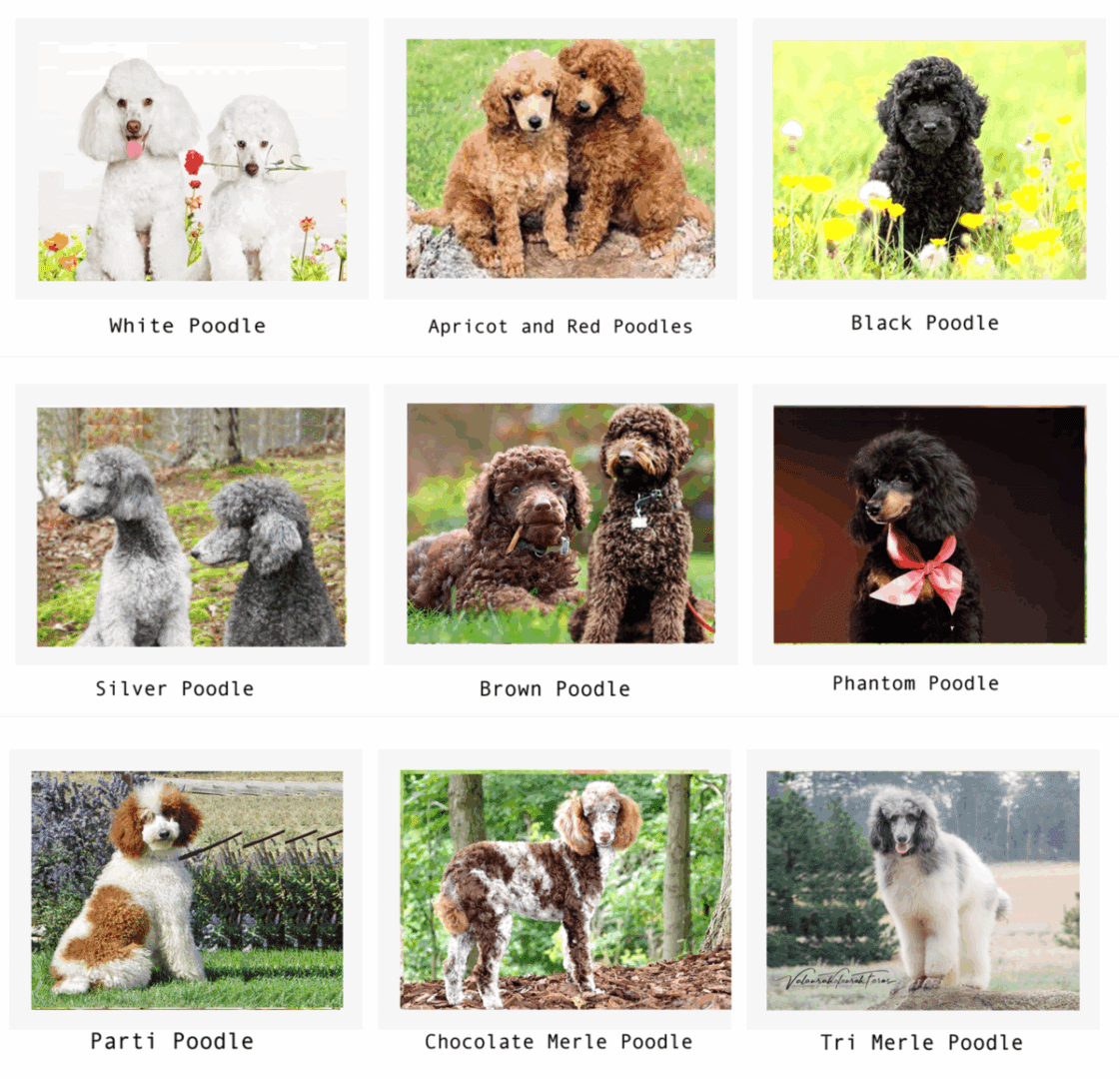
“Poodle Dog Breed Information, Facts …” from discover.hubpages.com and used with no modifications.
Often misunderstood as simply “fancy” dogs, poodles have a fascinating background that explains their remarkable adaptability and enduring appeal. Whether you’re drawn to the stately Standard, the versatile Miniature, or the pocket-sized Toy, understanding the breed’s history, characteristics, and needs will help you determine if a poodle is the right match for your lifestyle.
The Fascinating Journey of Poodles: From Past to Present
The poodle’s journey from hunting companion to aristocratic favorite represents one of the most remarkable transformations in canine history. Few people realize that beneath the elaborate show cuts and refined demeanor lies a breed originally developed for rugged work in challenging conditions.
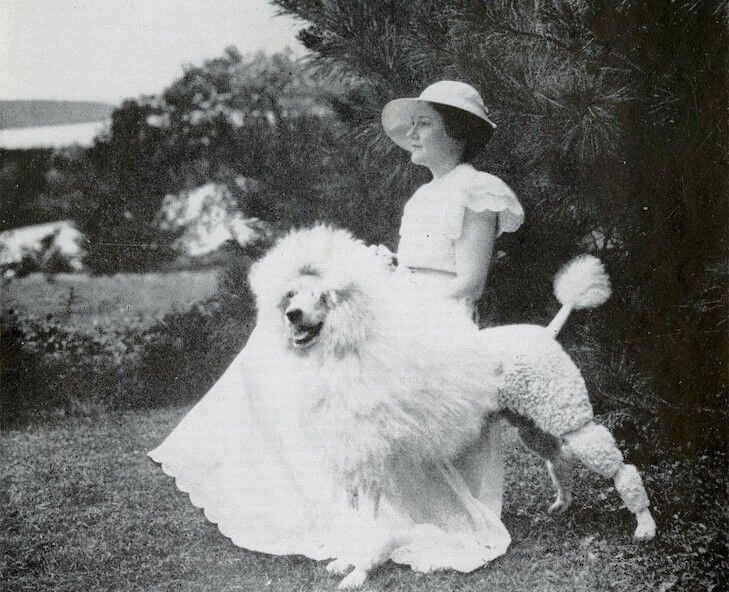
“Poodle – Type, Soundness, Style and …” from showsightmagazine.com and used with no modifications.
Origin and Historical Development
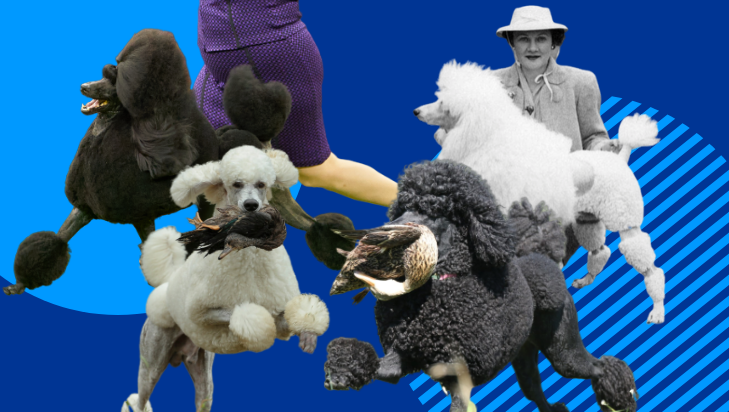
Contrary to popular belief, the poodle didn’t originate in France. While France adopted the poodle as its national dog, the breed’s roots trace back to Germany in the 15th-16th centuries. The name “poodle” derives from the German word “pudel,” meaning “to splash in water,” reflecting their original purpose as water retrievers. These intelligent dogs were prized for their swimming ability and trainability, making them excellent partners for duck and waterfowl hunting.
“The Poodle Paradox: History Behind a …” from www.akc.org and used with no modifications.
The distinctive “poodle clip” that many associate with the breed actually served a practical purpose during their hunting days. Hunters would shave portions of the dog’s coat to reduce drag in water while leaving fur around vital organs and joints for protection against cold temperatures. The decorative pompoms that are now a hallmark of show poodles began as functional elements to protect vulnerable areas and help owners locate their dogs in water. For more insights into the breed, explore Poodles: The Good, the Bad, and the Ugly.
As poodles spread throughout Europe, they became particularly popular with French nobility. Their intelligence and elegant appearance made them favorites in royal courts, where they were often depicted in Renaissance paintings alongside aristocrats. This association with French aristocracy solidified the misconception that poodles originated in France, though they had been refined and standardized there into the elegant dogs we recognize today.
“The poodle’s transformation from utilitarian hunting dog to aristocratic companion represents one of the most successful reinventions in canine history. Few breeds have managed to excel in such diverse roles throughout the centuries.” – American Kennel Club Historian
Evolution in Modern Lifestyle
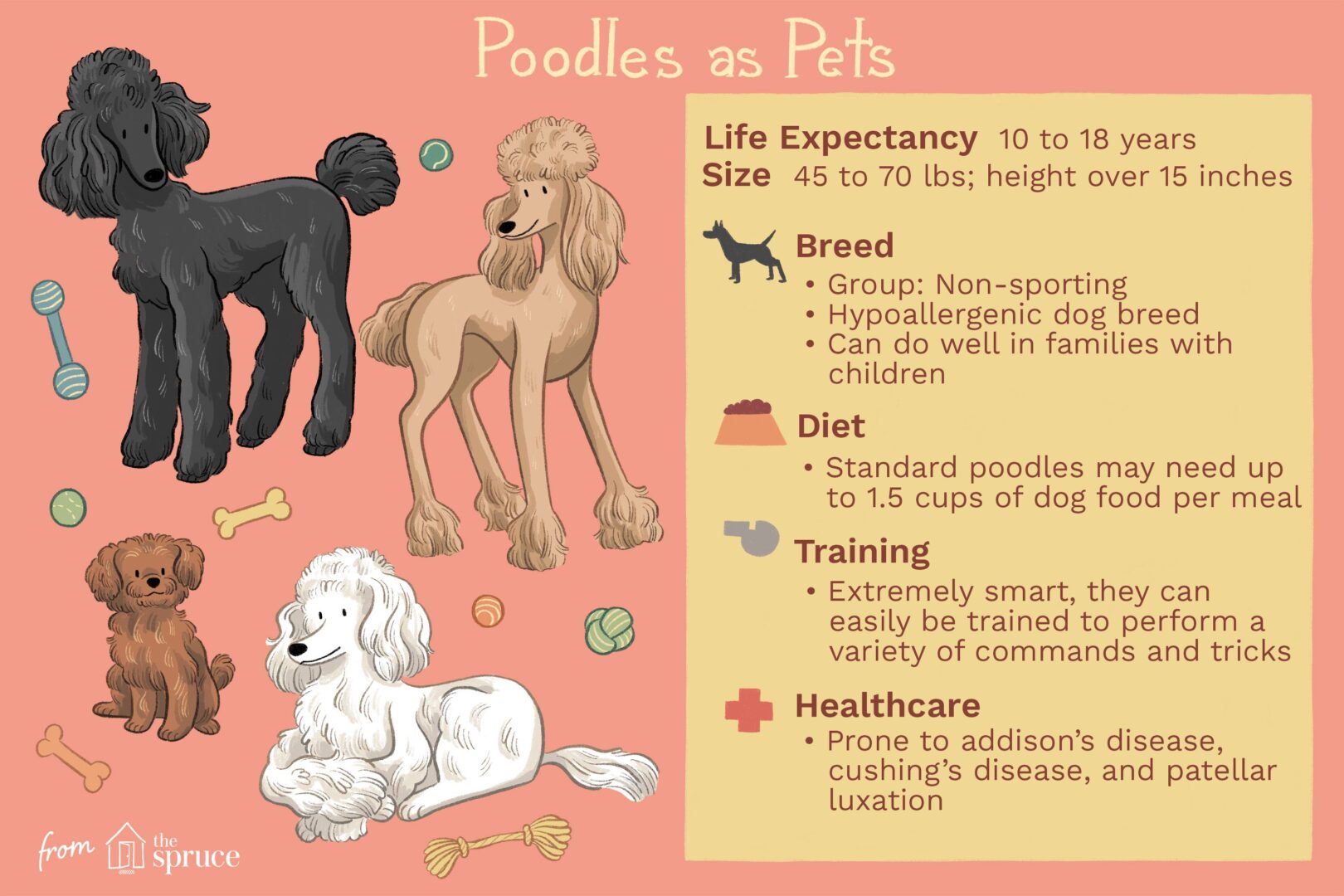
Today’s poodles have maintained their versatility while adapting to modern living. The breed now comes in three distinct sizes – Standard (over 15 inches at the shoulder), Miniature (10-15 inches), and Toy (under 10 inches) – each developed to suit different purposes and lifestyles. The Standard Poodle, the original size, retains many of its working abilities and excels in various dog sports. Miniature and Toy varieties were developed later, primarily as companions, though they maintain the intelligence and trainability of their larger counterparts.
Modern poodles serve in numerous roles beyond companionship. Their exceptional intelligence ranks them among the top three smartest dog breeds, making them excellent candidates for service work, therapy assignments, and competitive obedience. The breed’s hypoallergenic coat (which sheds minimally and traps dander) has made poodles particularly popular among allergy sufferers and has contributed to the development of numerous poodle-hybrid breeds like the Labradoodle and Goldendoodle.
Despite their refined appearance, poodles remain athletic, active dogs that thrive with regular exercise and mental stimulation. Their hunting background is evident in their love of swimming, retrieving games, and scent work. This combination of intelligence, athleticism, and adaptability makes poodles successful in urban apartments and sprawling country homes alike, though their exercise and grooming needs remain consistent regardless of living situation.
Analyzing the Poodle’s Price Tag
Bringing a poodle into your home represents a significant investment, both initially and throughout the dog’s lifetime. Understanding the factors that contribute to the breed’s cost helps potential owners prepare for the financial commitment of poodle ownership.
Factors Influencing Cost
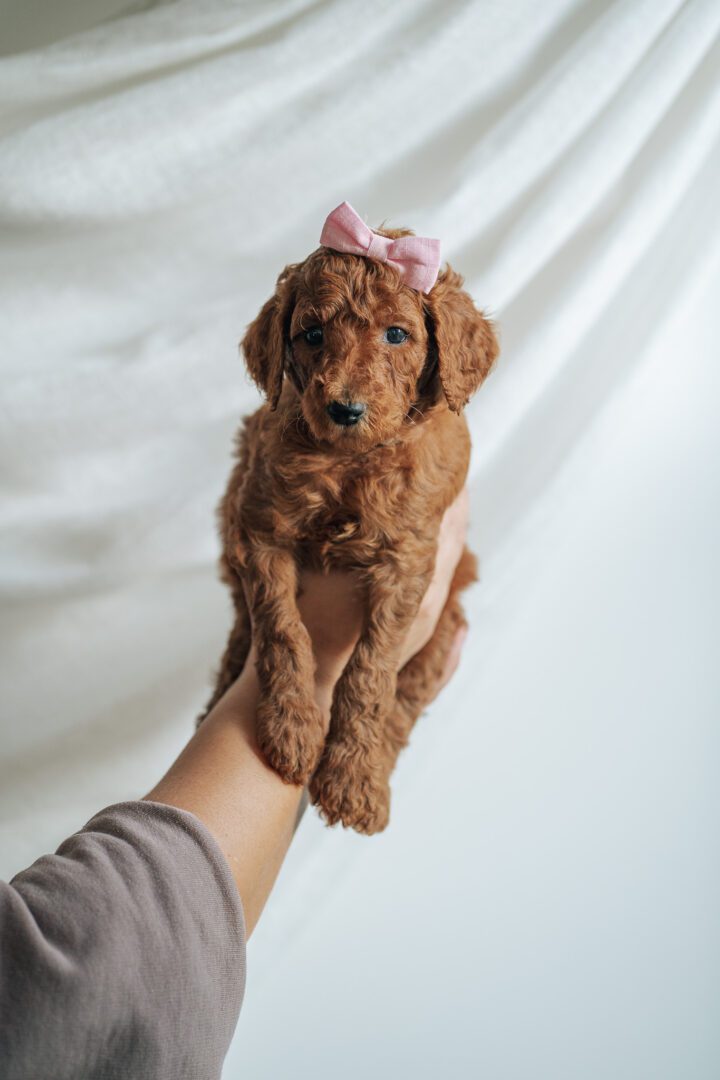
The initial purchase price of a poodle puppy varies significantly based on several factors. Size plays a major role, with Standard Poodles typically ranging from $700-$1,500 from reputable breeders, while Toy Poodles often command $1,000-$2,000 due to their smaller litter sizes and popularity as apartment dogs. Show-quality puppies with champion bloodlines can cost substantially more, sometimes exceeding $3,000 regardless of size variety. For those considering other breeds, this Keeshond dog breed interview provides insights into another popular choice.
“Current Standard Poodle Litter – Abner …” from abnercreekdoodles.com and used with no modifications.
Why Poodles are Considered Expensive
Beyond the initial purchase price, poodles require a higher investment in maintenance than many other breeds. Their distinctive coats need professional grooming every 4-6 weeks, costing $60-$100 per session depending on size and coat condition. This grooming isn’t merely cosmetic – without regular care, a poodle’s curly coat will mat painfully against the skin and can lead to serious health issues.
Healthcare costs for poodles can also be substantial. While generally healthy, the breed is predisposed to certain genetic conditions including hip dysplasia, progressive retinal atrophy, epilepsy, and Addison’s disease. Responsible owners should budget for comprehensive veterinary insurance or set aside funds for potential treatments. Standard Poodles, in particular, face higher rates of certain cancers that may require expensive interventions later in life. For more information on genetic conditions, you might find this comparison of pet genetic health insightful.
Quality nutrition represents another significant expense. Poodles thrive on premium dog foods that support their active lifestyle and coat health. Standard Poodles naturally consume more food than their smaller counterparts, but all varieties benefit from high-quality diets that can cost considerably more than budget options. The investment in proper nutrition often pays dividends in reduced healthcare costs over time.
Distinctive Personality Traits
Poodles possess one of the most distinctive and appealing personalities in the canine world. Their combination of intelligence, sensitivity, and playfulness creates a companion that forms deep bonds with their human families while remaining adaptable to various living situations.
What Makes Poodles Unique
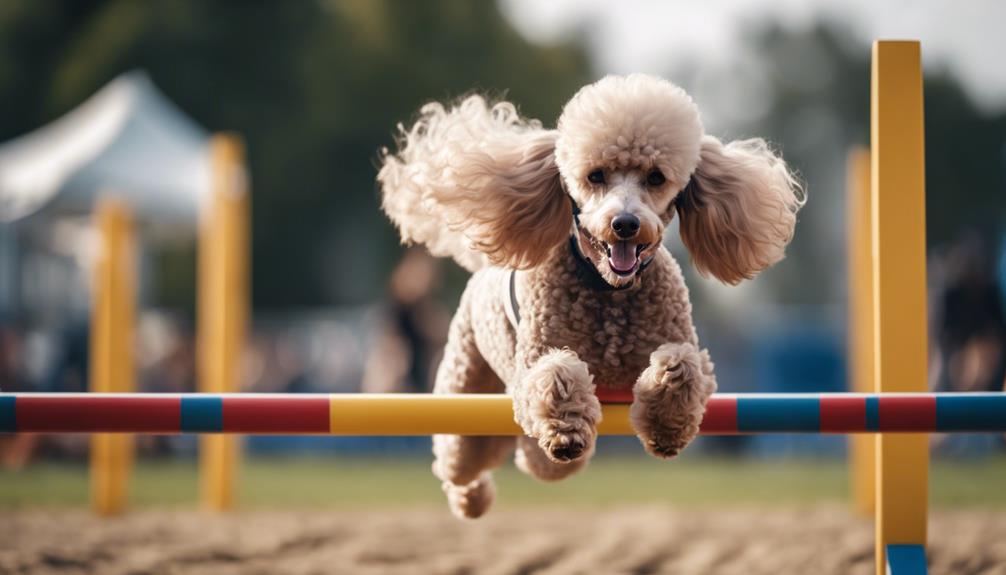
Unlike many breeds that excel in either athletics or intelligence, poodles master both domains with remarkable ease. This dual capability stems from their history as working retrievers that needed both physical prowess and problem-solving abilities. Modern poodles retain this balance, displaying impressive athletic abilities alongside their famous intellect.
“The Athletic Side of Poodles: Physical …” from moyen-poodle.com and used with no modifications.
Poodles exhibit a striking awareness of human emotions that sets them apart from many other breeds. This emotional intelligence manifests in their ability to adjust their behavior based on their owner’s mood – becoming playful companions during happy moments and offering quiet comfort during times of stress. This sensitivity makes them exceptional therapy dogs but also means they can struggle in households with frequent tension or conflict.
Despite their refined appearance, poodles possess a playful, sometimes mischievous streak that persists well into adulthood. This youthful exuberance combines with their problem-solving intelligence to create dogs that actively seek mental stimulation and novel experiences. Without proper outlets for this energy, poodles may develop behaviors like excessive barking or destructive chewing.
- Highly sensitive to human emotions and environmental changes
- Balanced combination of athletic ability and intellectual capacity
- Persistent playfulness throughout life stages
- Strong desire for human interaction and engagement
- Adaptable to various living situations when properly exercised
Intelligence and Temperament
Poodles consistently rank among the top three most intelligent dog breeds in canine psychology studies, placing them in the highest tier for working intelligence. The average poodle can learn a new command in fewer than five repetitions and will obey first commands with 95% or greater accuracy. This exceptional learning capacity extends to complex tasks and abstract concepts that many other breeds struggle to grasp.
The Popularity of Poodles
For decades, poodles have maintained their position among the most popular dog breeds worldwide. Their consistent presence in the American Kennel Club’s top ten rankings speaks to their enduring appeal across generations and lifestyles. This popularity stems not from passing trends but from the breed’s genuine versatility and adaptability to modern living.
- Minimal shedding makes them suitable for allergy sufferers
- Size varieties accommodate different living spaces
- Intelligence facilitates training and problem-solving
- Adaptable to active or more moderate lifestyles
- Longevity provides companions for 12-15 years on average
The poodle’s popularity has led to their genetic contribution to numerous designer breeds. Labradoodles, Goldendoodles, Cockapoos, and Bernedoodles all attempt to combine the poodle’s intelligence and non-shedding coat with characteristics from other beloved breeds. This trend has further cemented the poodle’s influence on modern dog ownership, though purebred enthusiasts emphasize that these mixes don’t always inherit the consistent traits of their poodle parents.
The breed’s versatility extends to their success in various canine activities and competitions. Poodles excel in dog sports including agility, rally, obedience, and dock diving. Their scenting ability makes them effective in tracking and search work, while their water heritage translates to natural swimming proficiency. This adaptability allows poodle owners to explore numerous activities with their dogs, strengthening the human-canine bond. For more on their unique characteristics, explore this poodle temperament and personality guide.
“Poodle: Dog Breed Characteristics & Care” from www.thesprucepets.com and used with no modifications.
Reasons Behind Their Widespread Appeal
The poodle’s hypoallergenic coat represents perhaps their most marketable quality in today’s pet ownership landscape. While no dog is truly 100% allergen-free, poodles produce significantly fewer allergens than most breeds because they shed minimally and the curly coat traps dander that would otherwise become airborne. This characteristic has opened dog ownership to many individuals who previously couldn’t tolerate living with canines, dramatically expanding the potential poodle owner population.
Poodles as Ideal Family Dogs
- Patient and gentle with properly supervised children
- Adaptable to changing family dynamics and schedules
- Sensitive to household emotions and routines
- Protective without excessive aggression
- Long lifespan provides consistency for growing families
Poodles form strong bonds with all family members while often developing a special connection with one particular person. This balanced attachment style makes them excellent family dogs that can transition between energetic play with children and calm companionship with adults. Their emotional intelligence allows them to understand appropriate behavior with different family members, adjusting their interaction style accordingly.
As family dogs, poodles demonstrate remarkable patience with gentle handling and training. However, they don’t tolerate rough treatment well and may become fearful or defensive if consistently mishandled. Teaching children appropriate interaction with poodles creates a mutually beneficial relationship that can last throughout childhood.
The poodle’s alertness makes them effective watchdogs for families, reliably notifying their owners of unusual activity without excessive barking or aggression. While not primarily guard dogs, they develop a natural protectiveness toward their families that provides comfort without intimidation. This balanced protective instinct makes them suitable for households seeking awareness without aggression. To learn more about their unique characteristics, explore the poodle temperament and personality.
Training and Social Assistance for Poodles
The poodle’s exceptional intelligence makes training both rewarding and necessary. These dogs thrive on mental stimulation and can become frustrated or develop behavioral issues without proper cognitive outlets. Understanding their learning style helps owners develop effective training approaches that strengthen the bond between dog and handler. For more insights, consider exploring ways to boost cognitive health in dogs.
Effective Training Techniques
Poodles respond best to positive reinforcement training methods that emphasize rewards for desired behaviors rather than punishment for mistakes. Their sensitivity to criticism means harsh corrections can damage their confidence and willingness to learn. Short, engaging training sessions that incorporate play and rewards produce the best results, especially with younger poodles who may have shorter attention spans.
The breed’s problem-solving intelligence means they quickly understand patterns and may attempt to “outsmart” basic training approaches. Advanced training that incorporates variations and increasing complexity keeps poodles engaged and prevents boredom. Many poodle owners find success with training approaches that present challenges as puzzles to be solved rather than rote exercises to be repeated.
Consistency remains crucial when training poodles, as their intelligence allows them to quickly identify and exploit inconsistencies in rules or commands. Establishing clear boundaries and maintaining them across all family members prevents confusion and builds the poodle’s confidence in understanding household expectations. This consistency should extend to verbal cues, hand signals, and reward systems to provide clear communication.
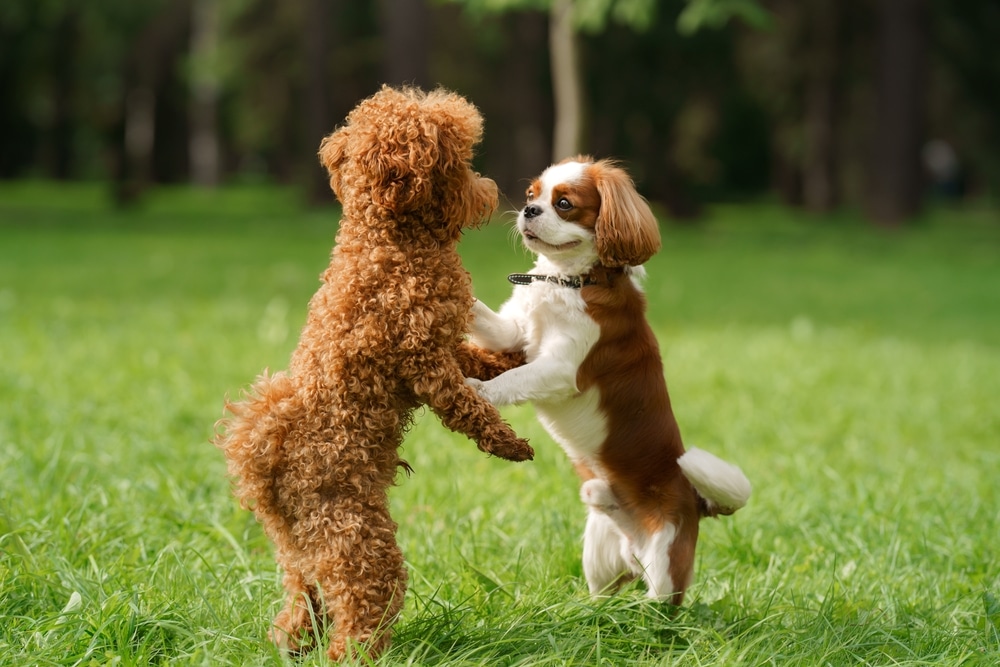
“Socialization After Board and Train …” from innovativek9academy.com and used with no modifications.
Socialization and Managing Anxiety
Proper socialization during the critical period between 8-16 weeks significantly impacts a poodle’s lifelong temperament and confidence. During this window, positive exposure to various people, animals, environments, and experiences helps prevent the development of fearfulness or reactivity. Poodles who miss adequate socialization during this period may develop anxiety or fearfulness that requires professional intervention to address.
Poodles form strong attachments to their families and may develop separation anxiety without proper preparation for alone time. Gradual acclimatization to separation, starting with very brief absences and slowly increasing duration, helps build confidence in being alone. Providing engaging toys, comfortable resting areas, and establishing predictable departure and arrival routines further reduces anxiety around separation.
- Start socialization immediately after vaccination protocols allow public exposure
- Expose puppies to various surfaces, sounds, people, and situations
- Practice brief separations from an early age
- Create positive associations with being alone
- Consider crate training as a security measure, never as punishment
Comparing Sizes, Behaviors, and Specifications
While all poodles share core personality traits and physical characteristics, the three size varieties – Standard, Miniature, and Toy – differ in more than just height and weight. Understanding these differences helps potential owners select the size that best matches their lifestyle, living situation, and expectations. For more insights on dog breeds, you can explore this expert interview on setter dog breeds.
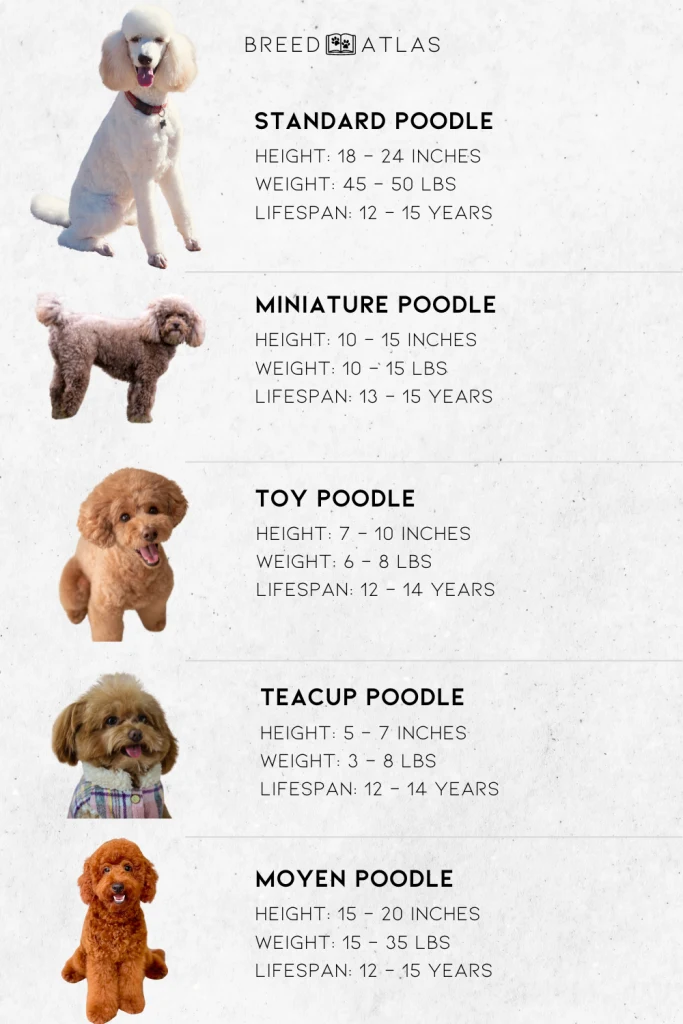
“5 Poodle Sizes And Their Unique Traits” from breedatlas.net and used with no modifications.
Differences Between Standard, Miniature, and Toy Poodles
|
Characteristic |
Standard Poodle |
Miniature Poodle |
Toy Poodle |
|---|---|---|---|
|
Height |
Over 15 inches (typically 18-24 inches) |
10-15 inches |
Under 10 inches |
|
Weight |
45-70 pounds |
15-17 pounds |
4-6 pounds |
|
Lifespan |
12-15 years |
14-16 years |
14-18 years |
|
Exercise Needs |
High (60+ minutes daily) |
Moderate to High (45+ minutes daily) |
Moderate (30+ minutes daily) |
|
Living Space |
Adapts to apartments but thrives with yard access |
Well-suited to apartments with daily walks |
Ideal for small spaces, including apartments |
Standard Poodles, the original size variety, retain the strongest connection to their working heritage. They typically exhibit more moderate energy levels with periods of intense activity followed by calm relaxation. Their larger size makes them sturdier around children and more capable of participating in vigorous outdoor activities like hiking and swimming. Standard Poodles generally mature more slowly, maintaining puppy-like playfulness for 2-3 years before reaching full emotional maturity.
Behavioral Traits Across Sizes
Miniature Poodles often display the highest energy levels of the three varieties, combining the intelligence of their larger relatives with a more persistently active temperament. This size excels in dog sports like agility and rally that require quick thinking and athletic ability. Miniatures typically demonstrate strong territorial instincts and make excellent watchdogs, alerting to changes in their environment while remaining friendly with welcomed guests.
Toy Poodles, while maintaining the breed’s intelligence, sometimes show more sensitivity to environmental stressors due to their small size. Their diminutive stature makes them more vulnerable to injury, which can manifest as increased caution or reactivity in chaotic environments. Despite their size, Toys retain the poodle’s athletic ability and enjoy appropriate exercise, though their small joints require careful protection from excessive jumping or stair climbing, particularly during growth phases.
All three varieties demonstrate the poodle’s characteristic alertness, trainability, and human orientation. While individual temperament varies based on genetics and early experiences, size-specific tendencies should be considered when matching a poodle to your lifestyle expectations. Reputable breeders select for temperament alongside physical characteristics and can provide valuable guidance on individual puppy personality traits.
Poodles: Purebred vs. Mixes
The poodle’s desirable characteristics have made the breed a popular foundation for designer mixes, creating numerous “doodle” varieties that attempt to combine poodle traits with those of other breeds. Understanding the differences between purebred poodles and these increasingly popular mixes helps potential owners make informed decisions about which option best suits their needs and expectations.
Pros and Cons of Each
Purebred poodles offer predictability in size, appearance, temperament, and health that crosses cannot guarantee. Generations of selective breeding have created consistency that allows owners to reasonably anticipate their puppy’s adult characteristics based on breed standards and parental traits. This predictability extends to exercise requirements, grooming needs, and potential health concerns, allowing for better preparation and preventative care.
Poodle mixes, when thoughtfully bred, may offer hybrid vigor – the potential health benefits that sometimes occur when diversifying a genetic pool. Some mixes attempt to combine the poodle’s intelligence and non-shedding coat with more relaxed temperaments or sturdier builds from other breeds. However, the genetic lottery of mixed breeding means puppies may inherit any combination of traits from either parent breed, sometimes resulting in dogs that display minimal poodle characteristics despite the “doodle” label.
- Purebred poodles have more predictable traits and care requirements
- Mixes may incorporate desirable traits from other breeds
- Purebred health issues may be well-documented and testable
- Mixes may experience hybrid vigor but could inherit health issues from both parent breeds
- Grooming needs for mixes can be unpredictable and sometimes more challenging than purebreds
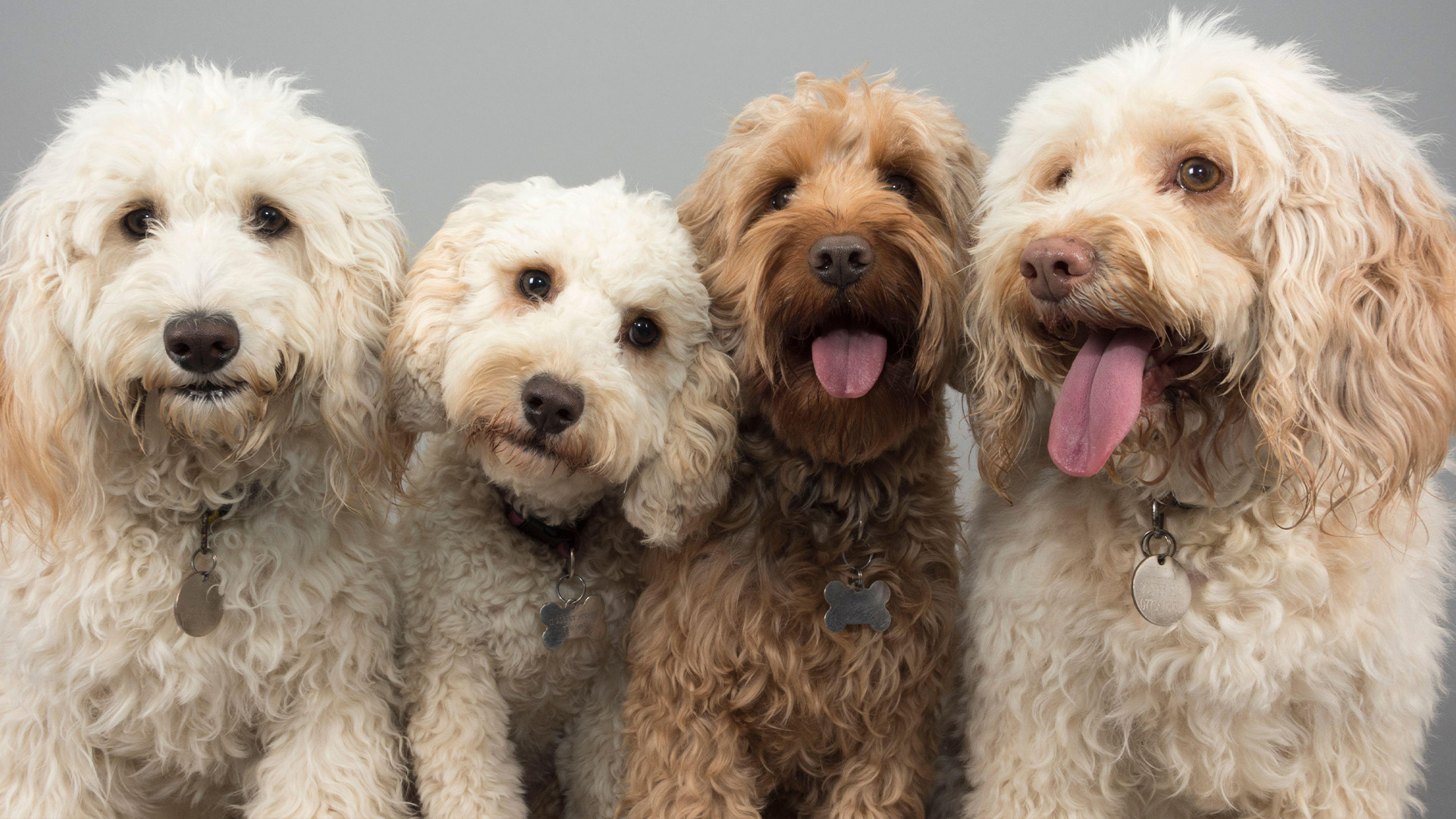
“Poodle mixes: The popular breeds and …” from www.petsradar.com and used with no modifications.
Popular Poodle Mixes and Their Benefits
Labradoodles, combining Labrador Retrievers with poodles, were among the first popular poodle crosses, originally developed as potential service dogs for individuals with allergies. At their best, these mixes blend the Labrador’s steady temperament and trainability with the poodle’s intelligence and reduced shedding. However, coat types vary widely even within the same litter, and not all Labradoodles inherit the hypoallergenic qualities that many owners seek.
Goldendoodles (Golden Retriever/Poodle), Bernedoodles (Bernese Mountain Dog/Poodle), and Schnoodles (Schnauzer/Poodle) represent other common crosses, each attempting to blend specific qualities from both parent breeds. While these combinations can produce wonderful companions, prospective owners should research thoroughly and select breeders who health test parent dogs and prioritize temperament alongside appearance. The most responsible breeders of poodle mixes educate potential owners about the variable nature of mixed breeding rather than making guarantees about specific traits.
FAQ
Below are answers to some of the most common questions potential and current poodle owners ask about this versatile breed. Understanding these fundamentals helps provide appropriate care and develop realistic expectations for life with a poodle.
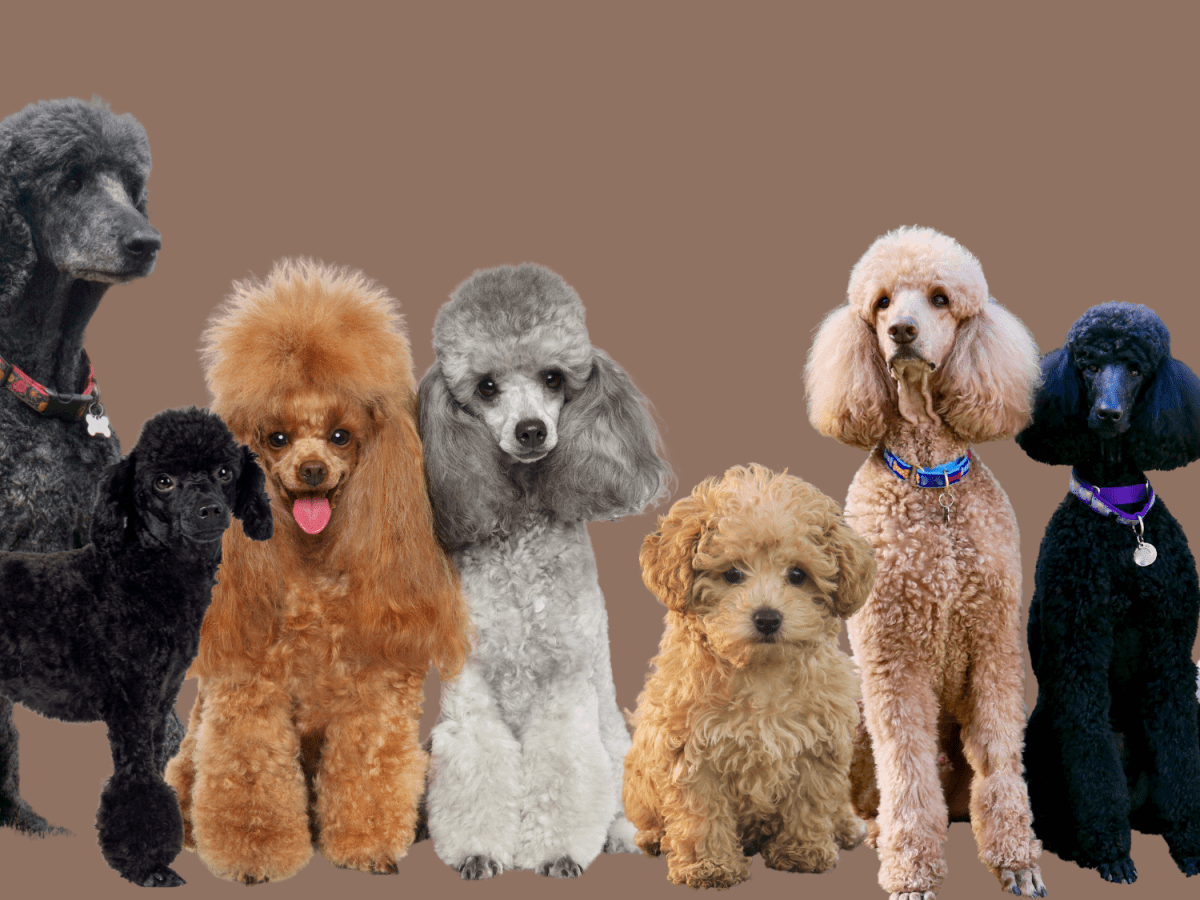
“Poodles: Breed Characteristics …” from discover.hubpages.com and used with no modifications.
What is the origin of the Poodle breed?
The poodle originated in Germany in the 15th-16th centuries as a water retriever for hunting waterfowl. The name derives from the German word “pudel” meaning “to splash in water,” reflecting their original purpose. While France later adopted the poodle as its national dog and refined the breed into its current form, the working foundation of these intelligent retrievers began in Germany, where they were prized for their swimming ability, trainability, and water-resistant coats.
Why are Poodles considered hypoallergenic?
Poodles are considered hypoallergenic because they shed minimally compared to most dog breeds. Their curly coat traps loose hair and dander that would otherwise become airborne and trigger allergic reactions. Instead of shedding around the home, loose poodle hair remains caught in the coat until removed through brushing or professional grooming.
It’s important to note that no dog is truly 100% hypoallergenic, as allergic reactions can be triggered by proteins in saliva and urine as well as dander. However, poodles generally produce fewer allergens, making them more suitable for many allergy sufferers. Individual sensitivity varies, so spending time with poodles before committing to ownership remains advisable for those with allergies.
Regular grooming significantly reduces the allergen load by removing trapped hair and dander before it can be released into the environment. This maintenance requirement is essential for both the poodle’s coat health and for maintaining their hypoallergenic benefits.
How do I choose the right Poodle for my family?
Selecting the appropriate poodle size variety represents the first decision for prospective owners. Consider your living space, activity level, and household composition when choosing between Standard, Miniature, and Toy. Standards require more exercise and space but offer greater sturdiness around children, while Toys need less physical exercise but require gentler handling and may be less suitable for households with very young children. For insights on choosing the right dog breed, you might find this expert interview on Field Spaniels helpful.
Beyond size, evaluate your tolerance for grooming requirements, as all poodles need regular professional grooming every 4-6 weeks regardless of size. Consider your budget for both initial purchase and ongoing care, including quality nutrition, preventative healthcare, and grooming expenses. Working with reputable breeders who health test their breeding stock and raise puppies in enriched environments provides the best foundation for a well-adjusted companion.

“Toy poodle breeder recommendation in CA …” from www.reddit.com and used with no modifications.
What are the common health concerns for Poodles?
Poodles generally enjoy good health and longevity, but like all purebred dogs, they have predispositions to certain conditions. Standard Poodles may experience hip dysplasia, sebaceous adenitis, bloat (gastric dilatation-volvulus), epilepsy, and certain cancers including hemangiosarcoma. Miniature and Toy varieties more commonly face patellar luxation, progressive retinal atrophy, Legg-Calvé-Perthes disease, and dental issues related to their smaller mouths.
All poodle varieties can develop immune-mediated conditions including Addison’s disease and thyroid disorders. Ear infections represent another common concern due to their floppy ears and hair growth in ear canals, particularly for poodles who swim frequently. Regular ear cleaning and hair removal during grooming helps prevent these infections.
Responsible breeding practices including genetic testing have significantly reduced the prevalence of many heritable conditions in well-bred poodles. When selecting a puppy, inquire about health testing performed on the parents and ask for documentation of results for breed-appropriate screenings including hip evaluations, eye certifications, and relevant genetic tests. For more information on genetic health in pets, you might find this article on genetic health comparisons insightful.
“While poodles are generally healthy dogs, their longevity means owners should prepare for potential age-related conditions in later years. Preventative care, appropriate weight management, and regular veterinary monitoring significantly improve outcomes when health challenges arise.” – Veterinary Medical Association
“Poodle grooming, Dog grooming styles …” from www.pinterest.com and used with no modifications.
How often should a Poodle be groomed?
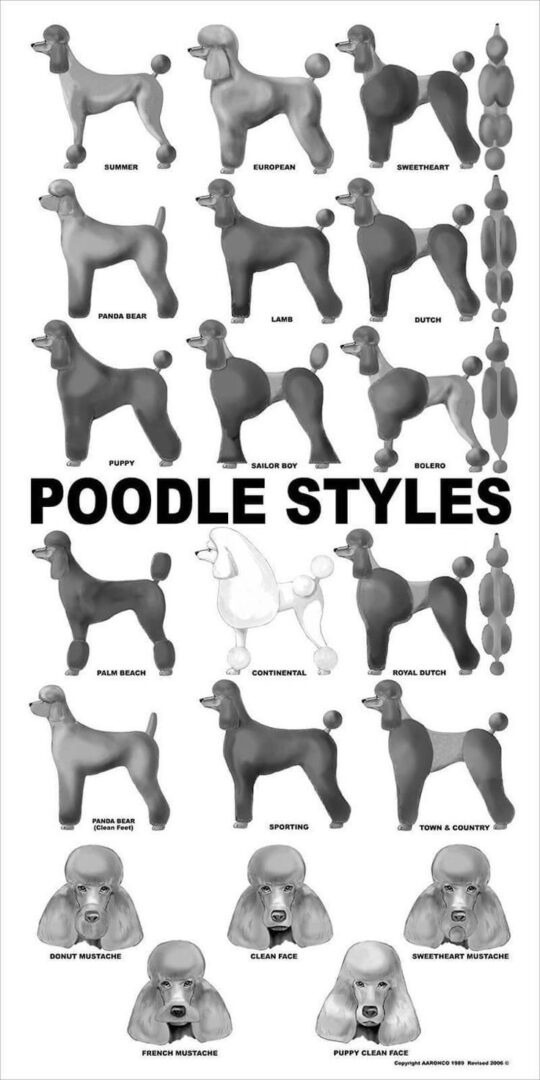
Professional grooming every 4-6 weeks represents the standard recommendation for maintaining a poodle’s coat health, regardless of whether the dog sports a show clip or a simpler maintenance cut. These professional sessions typically include bath, blow-dry, nail trimming, ear cleaning, and the styled haircut appropriate to the owner’s preference and the dog’s lifestyle.
Between professional appointments, home maintenance remains essential. Daily brushing prevents painful mat formation, particularly in areas prone to tangling such as behind the ears, under the collar, in armpits, and between the legs. Using appropriate tools including slicker brushes and steel combs ensures brushing reaches through the dense curly coat to the skin level where mats often begin forming.
Poodles with longer coat styles require more intensive home care than those kept in shorter clips. Many pet owners opt for practical “puppy clips” or “sporting clips” that require less daily maintenance while still protecting the skin and maintaining the breed’s distinctive appearance. Working with an experienced groomer to select an appropriate style based on your maintenance capacity helps ensure your poodle remains comfortable and healthy between appointments.
Beyond coat care, regular nail trimming, ear cleaning, and dental hygiene represent important aspects of poodle grooming. Their fast-growing nails may require attention between professional appointments, while their pendulous ears need regular inspection and cleaning to prevent infection. Starting these handling procedures during puppyhood builds tolerance and makes lifelong grooming maintenance significantly easier.