Key Takeaways
- Quaker parakeets, also known as monk parakeets, are small, intelligent birds with a strong ability to mimic human speech.
- They originate from South America and thrive in social environments, often forming strong bonds with their owners.
- The initial cost of a Quaker parakeet ranges from $250 to $500, with ongoing expenses for food, toys, and vet care.
- Quaker parakeets are illegal in some U.S. states due to their potential to form feral colonies.
- They can be great pets for those willing to invest time in socializing and training them, but they may not be ideal for first-time bird owners.
Quick Facts
Quaker parakeets, also known as monk parakeets, are beloved for their vibrant personalities and remarkable intelligence. Known for their ability to mimic human speech, these birds can become charming companions if given proper care and attention. However, their lively nature can also present challenges, especially for those unprepared for their social needs and vocal tendencies.
Welcoming a Quaker Parakeet into Your Home
Deciding to adopt a Quaker parakeet is an exciting venture. These birds are not only visually appealing but also bring a lively energy into any household. However, before making the commitment, it’s important to understand their needs and characteristics.
Introducing Quaker Parakeets
- Quaker parakeets are medium-sized birds with bright green feathers and a distinctive grayish chest.
- They are known for their playful demeanor and intelligence, often learning tricks and words quickly.
- Social creatures by nature, they thrive on interaction and can become quite attached to their human companions.
- They are capable of forming words and phrases, making them popular among bird enthusiasts who enjoy teaching their pets to talk.
Adopting a Quaker parakeet means welcoming a dynamic and interactive friend into your life. These birds are incredibly social and require daily interaction to remain happy and healthy. Most importantly, they need an owner who can match their energy and provide a stimulating environment.
Besides that, it’s crucial to consider their life expectancy, which can be up to 30 years. This means adopting a Quaker parakeet is a long-term commitment, one that should not be taken lightly.
:strip_icc()/facts-about-quaker-parrots-390854_final-resized-4ef3394617c848fdb8e27f7d8d12dda8.jpg)
“7 Interesting Facts About Quaker Parrots” from www.thesprucepets.com and used with no modifications.
The Appeal and Challenges of Quaker Parakeets
Quaker parakeets are undeniably appealing due to their intelligence and social nature. They can quickly become a beloved member of the family, offering companionship and entertainment. However, their need for attention can be demanding.
These birds are known for their vocalizations, which can be both a delight and a challenge. While many enjoy teaching their Quaker parakeets to talk, their vocal nature means they can also be noisy, which might not be ideal for all living situations. For those considering a quieter pet, exploring Bichon Frise adoption might be an alternative option.
Furthermore, they can be territorial and may exhibit aggressive behavior if not properly socialized. Therefore, it’s important to invest time in training and interacting with them regularly to ensure they remain well-adjusted and friendly. For more information, you can read about the Quaker Parrot (Monk Parakeet).
Habitat and Origins of Quaker Parakeets
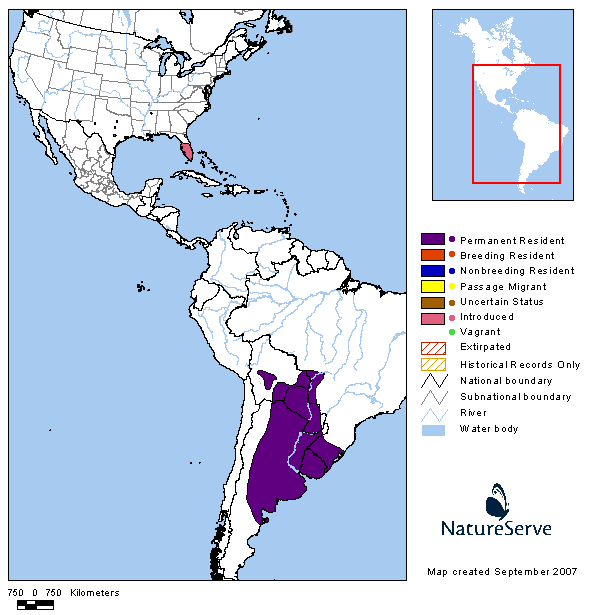
Understanding the natural habitat and origins of Quaker parakeets can help potential owners provide an environment that meets their needs. These birds are native to South America, where they are known for their communal lifestyle and unique nesting habits.
“Monk Parakeet – Blogging in Brazil …” from www.marcvanwoerkom.com and used with no modifications.
Natural Habitat Description
In the wild, Quaker parakeets are found in a variety of environments, including forests, savannas, and urban areas. They are adaptable birds that can thrive in different settings as long as they have access to food and nesting sites.
These birds are known for building large, communal nests, which can house multiple pairs. This social structure is an important aspect of their natural behavior, emphasizing their need for companionship and interaction.
Geographic Origins in South America
Quaker parakeets originate from a small region in South America, specifically from central Bolivia and southern Brazil down to parts of Argentina. They are well adapted to the climates found in these areas and have been successful in establishing feral populations in other parts of the world. For more detailed information, you can refer to the Monk parakeet Wikipedia page.
Their ability to adapt to different environments is a testament to their resilience and intelligence. However, it’s this adaptability that has led to concerns about their potential impact on local ecosystems, resulting in legal restrictions in some areas.
Potential Downsides to Consider
While Quaker parakeets are delightful companions, they come with their own set of challenges. One major downside is their potential for noise. These birds are naturally vocal and enjoy chirping, squawking, and even talking throughout the day. If you live in an apartment or have noise-sensitive neighbors, this could become a point of contention. For those interested in other talking bird species, consider the Golden Mantled Rosella, known for its vibrant colors and personality.
Another consideration is their territorial behavior. Quaker parakeets can become quite possessive of their cage and surrounding area, sometimes leading to aggressive behavior if they feel their space is threatened. This means they require consistent training and socialization to ensure they remain friendly and well-adjusted.
Behavior and Communication Skills
Quaker parakeets are known for their strong personalities and exceptional communication skills. They are highly social creatures that thrive on interaction, both with humans and other birds. This social nature makes them excellent companions but also demands a significant amount of time and attention from their owners.
Noise Levels and Talking Abilities
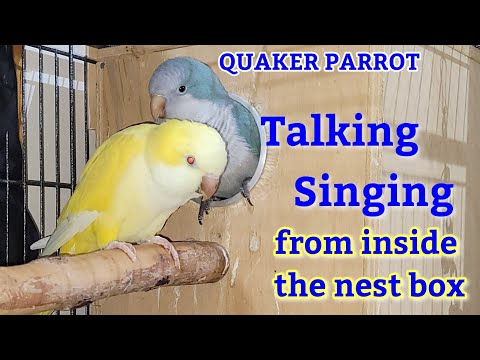
One of the most remarkable traits of Quaker parakeets is their ability to mimic human speech. They can learn a wide range of words and phrases, often surprising their owners with their vocal prowess. This makes them popular among bird enthusiasts who enjoy teaching their pets to talk, similar to how Korat cats are known for their unique vocalizations and engaging personalities.
“Quaker parakeets are often considered some of the best talking parrots, capable of learning words and phrases with clarity and consistency.”
However, their vocal nature means they can be quite noisy. They enjoy making a variety of sounds, which might include whistles, squawks, and chatter. It’s important for potential owners to be prepared for this level of noise and to ensure they can provide a suitable environment where the bird’s vocalizations won’t be disruptive.
“Quaker Parrot Talking | quaker Parrot …” from www.youtube.com and used with no modifications.
Compatibility as Family Pets
Quaker parakeets can make excellent family pets, particularly in households where they receive plenty of attention and interaction. They are generally affectionate and enjoy being part of the family dynamic. However, their territorial nature means they might not always get along with other pets, especially if those pets are not birds.
It’s crucial to introduce them gradually to other pets and family members to ensure they feel comfortable and secure. Additionally, children should be taught how to handle the bird gently and respectfully to avoid any potential for biting or aggressive behavior.
Legalities of Quaker Parakeet Ownership
Before adopting a Quaker parakeet, it’s essential to understand the legalities surrounding their ownership. Due to their adaptability and potential to establish feral populations, these birds are subject to legal restrictions in some areas. For those interested in different bird species, consider exploring the Golden Mantled Rosella as an alternative pet option.
States Where They Are Illegal
Quaker parakeets are illegal in certain U.S. states, including California, Georgia, Kansas, Kentucky, Hawaii, New Jersey, Pennsylvania, and Tennessee. These restrictions are primarily due to concerns about their potential impact on local ecosystems if they were to escape and form wild colonies. For those interested in bird adoption, consider exploring other options like the Golden Mantled Rosella.
Regulations and Permits in Legal Areas
Even in states where Quaker parakeets are legal, there may be regulations in place. Some areas require permits to own these birds, while others may have specific rules regarding their care and containment. It’s important to check with local authorities to ensure compliance with all relevant laws and regulations before bringing a Quaker parakeet into your home.
Quaker Parakeets: A Good First Bird?
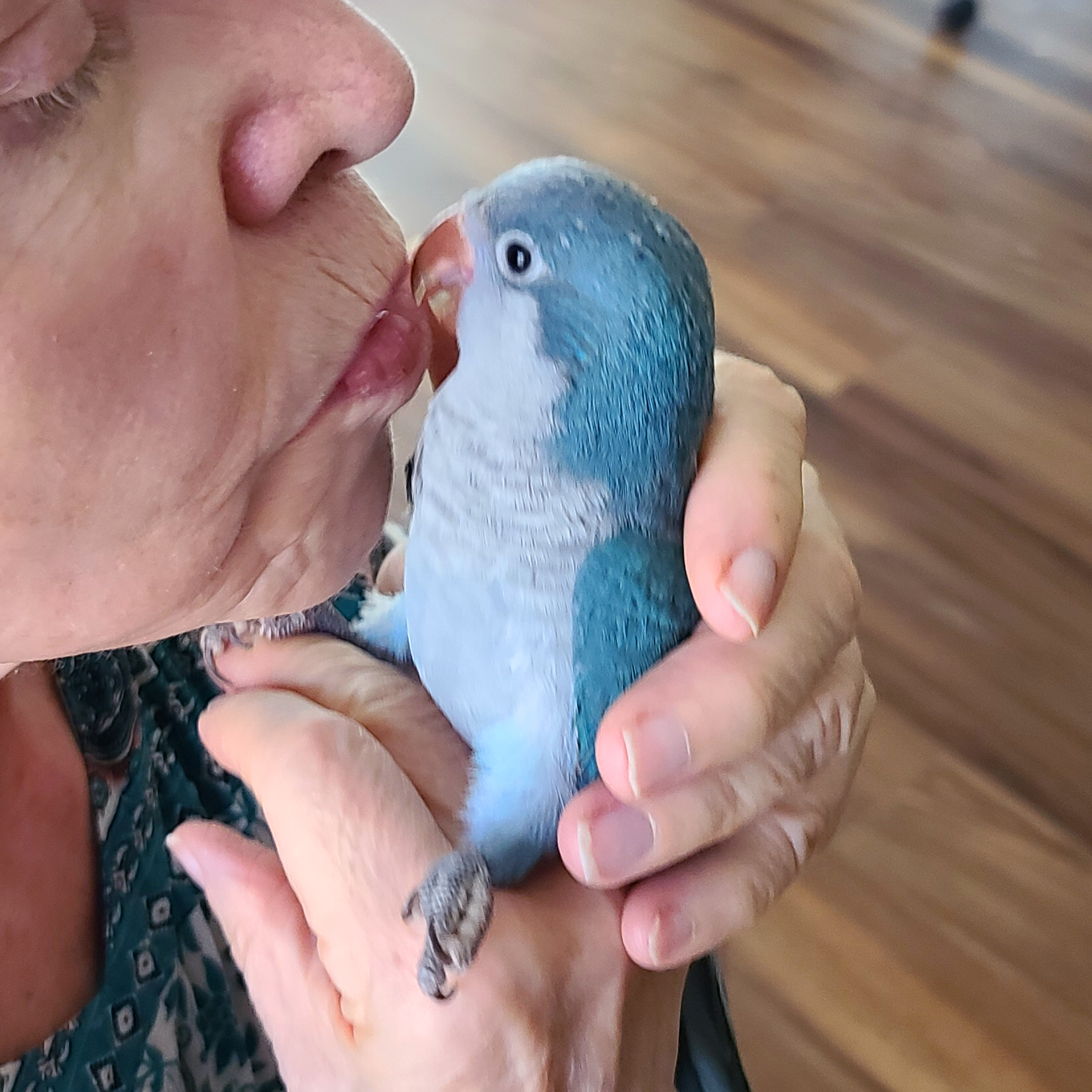
For those new to bird ownership, Quaker parakeets can be both rewarding and challenging. Their intelligence and social nature make them engaging pets, but they also require a significant commitment in terms of time and attention. If you’re considering other bird species, you might want to explore the Gouldian finch for a different experience.
“Ready to Ship – Blue Quaker (Hand Fed …” from flybabiesaviary.com and used with no modifications.
Suitability for First-time Bird Owners
Quaker parakeets can be suitable for first-time bird owners who are prepared to invest the necessary time in training and socialization. They are intelligent and responsive, making them easier to train than some other bird species. However, their vocal nature and potential for territorial behavior mean they might not be the best choice for everyone. For those considering other options, you might explore the pros and cons of Border Collie adoption as another pet choice.
Tips for Beginners
If you’re considering a Quaker parakeet as your first bird, here are a few tips to help you get started:
- Ensure you have enough time to interact with your bird daily, as they thrive on social interaction.
- Provide a spacious cage with plenty of toys and perches to keep them entertained.
- Start training and socialization early to prevent territorial behavior and ensure a well-adjusted pet.
- Be prepared for noise and consider your living situation to ensure it won’t be disruptive.
- Research local laws and regulations to ensure you can legally own a Quaker parakeet in your area.
Comparing Quaker Parakeets with Other Popular Birds
When considering a pet bird, it’s helpful to compare Quaker parakeets with other popular species. This can provide insight into their unique traits and help potential owners make an informed decision.
Quaker parakeets stand out for their intelligence and ability to mimic human speech, but they also require more attention than some other bird species. Therefore, it’s important to weigh these factors when deciding if they are the right fit for your household.
Quaker Parakeets vs. Budgies
Budgies, also known as parakeets, are another popular choice for pet birds. They are smaller and generally less demanding than Quaker parakeets, making them a good option for first-time bird owners. However, they may not have the same talking ability as Quaker parakeets.
In contrast, Quaker parakeets are larger and more vocal, often forming strong bonds with their owners. They require more interaction and socialization but can be more rewarding for those willing to invest the time and effort.
Quaker Parakeets vs. Other Parrots
When it comes to comparing Quaker parakeets with other parrot species, there are a few key differences to consider. Parrots, in general, are known for their intelligence and social nature, but Quaker parakeets stand out for their unique nesting habits and strong community bonds. While many parrots are solitary nesters, Quakers build communal nests, which reflects their highly social behavior, similar to Gouldian finches.
Another distinction is their size. Quaker parakeets are smaller than many other parrot species, making them more manageable for those with limited space. However, despite their smaller size, they have a larger-than-life personality, often displaying the same level of intelligence and curiosity as their larger counterparts.
Monk Parakeets and Quaker Parrots: Are They the Same?
One common question among bird enthusiasts is whether monk parakeets and Quaker parrots are the same. The answer is yes; they are indeed the same species. The terms “monk parakeet” and “Quaker parrot” are used interchangeably to refer to the same bird, scientifically known as Myiopsitta monachus. For those interested in other unique bird species, you might want to explore the Golden Mantled Rosella as well.
The name “Quaker” is derived from the bird’s unique head bobbing and quaking movements, which resemble the shaking associated with the historical religious group known as the Quakers. This behavior is part of their charming personality and adds to their appeal as pets.
Clarifying Common Misconceptions
Despite their popularity, there are several misconceptions about Quaker parakeets. One common myth is that they are difficult to care for due to their vocal nature and territorial behavior. While it’s true that they require a significant amount of attention and socialization, with proper care and training, they can become well-adjusted and affectionate pets.
Another misconception is that Quaker parakeets are illegal everywhere. While they are prohibited in some states due to concerns about feral populations, they are legal in many areas with appropriate permits and regulations. It’s crucial to research local laws before adopting one to ensure compliance.
Scientific and Popular Names Explained
The scientific name for the Quaker parakeet, Myiopsitta monachus, reflects its classification within the parrot family. “Myiopsitta” refers to its genus, while “monachus” is Latin for “monk,” referencing its monk-like appearance and behaviors.
Popular names such as “Quaker parrot” and “monk parakeet” highlight different aspects of the bird’s behavior and appearance. Regardless of the name used, they all refer to the same charming and intelligent bird that has captured the hearts of bird enthusiasts worldwide.
Conclusion and Final Thoughts
Adopting a Quaker parakeet can be a rewarding experience for those prepared to meet their social and environmental needs. These birds are intelligent, social, and capable of forming strong bonds with their owners. However, they also require a significant commitment in terms of time and attention, making them best suited for those with prior bird experience or a willingness to learn.
Understanding their natural behaviors, legal considerations, and potential challenges is essential for providing a loving and nurturing home. With proper care and attention, Quaker parakeets can become cherished companions, offering years of joy and companionship.
Whether you’re drawn to their vocal abilities, playful nature, or unique nesting habits, Quaker parakeets have a lot to offer. By considering their needs and characteristics, you can ensure a successful and fulfilling relationship with your feathered friend.
Key Considerations for Quaker Parakeet Ownership
Before adopting a Quaker parakeet, consider the following key points: understanding their care requirements, social needs, and how they compare to other birds like the Golden Mantled Rosella.
- Research local laws and regulations to ensure legal ownership in your area.
- Be prepared for their vocal nature and ensure it won’t be disruptive in your living situation.
- Provide a spacious and stimulating environment with plenty of toys and interaction.
- Invest time in training and socialization to prevent territorial behavior.
- Consider their long lifespan and the long-term commitment required.
Frequently Asked Questions
To help potential owners better understand Quaker parakeets, here are answers to some frequently asked questions:
How long can Quaker Parakeets live as pets?
Quaker parakeets can live up to 30 years in captivity with proper care. This longevity means adopting one is a long-term commitment, requiring consistent care and attention throughout their life.
Providing a balanced diet, regular veterinary care, and a stimulating environment are essential for ensuring their health and well-being. With the right care, they can become lifelong companions.
It’s important to consider their lifespan when deciding to adopt, as they will be part of your life for many years to come.
Do Quaker Parakeets need a lot of attention?
Yes, Quaker parakeets are highly social birds that thrive on interaction. They require daily attention and mental stimulation to remain happy and healthy. Owners should be prepared to spend time interacting with their bird each day.
Are Quaker Parakeets prone to any health problems?
Quaker parakeets are generally healthy birds, but they can be prone to certain health issues if not properly cared for. These may include obesity, feather plucking, and respiratory infections. Regular vet check-ups and a balanced diet can help prevent these problems.
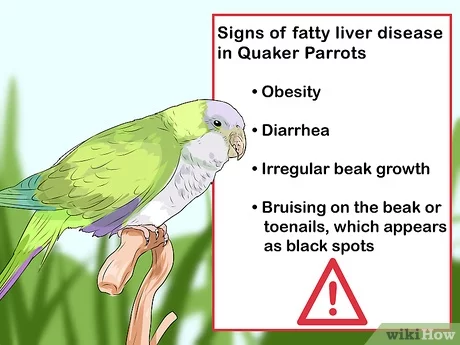
“Spot Signs of Illness in Quaker Parrots …” from www.wikihow.pet and used with no modifications.
Can Quaker Parakeets be trained to talk?
Yes, Quaker parakeets are known for their ability to mimic human speech. With patience and consistency, they can learn a wide range of words and phrases. Training sessions should be positive and rewarding to encourage learning.
What should I know before adopting a Quaker Parakeet?
- Understand their social and vocal nature and be prepared for daily interaction.
- Research their dietary needs to ensure a balanced and nutritious diet.
- Provide a safe and stimulating environment with plenty of toys and perches.
- Check local laws and regulations regarding ownership and permits.
- Be prepared for a long-term commitment, as they can live up to 30 years.
By understanding these key aspects, you can ensure a successful and fulfilling relationship with your Quaker parakeet, providing them with a loving and nurturing home.
Adopting a Quaker parakeet is a rewarding journey, filled with companionship and joy. With the right preparation and commitment, they can become a cherished member of your family, offering years of laughter and love. For those interested in exploring other bird adoption options, consider learning about the Golden Mantled Rosella, another fascinating avian companion.