Article-At-A-Glance
- Pulik are intelligent Hungarian herding dogs distinguished by their unique corded coats, which provide weather protection and require specialized maintenance
- Expect to pay $1,200-$2,500 for a Puli puppy, with their rarity in the U.S. (ranked 164th in AKC popularity) contributing to their higher price point
- Pulik make excellent family companions due to their loyalty, playfulness, and intelligence, but require proper exercise, training, and socialization
- While sharing corded coats with the Komondor, Pulik are smaller (25-35 pounds) and generally more active, with different temperaments suited to herding
- The ideal Puli owner is active, committed to regular grooming, and prepared for a dog with strong herding instincts that forms deep bonds with family
The Puli is unlike any other dog you’ve encountered. With its distinctive corded coat resembling dreadlocks and energetic personality, this Hungarian herding breed combines ancient heritage with unique characteristics that make it both fascinating and challenging for potential owners.
Puli Dogs: Comprehensive Guide for Potential Owners
When considering adding a Puli to your family, understanding their distinctive traits, care requirements, and temperament is essential for ensuring a good match. These ancient Hungarian herders have specific needs that differ significantly from more common breeds, making proper research crucial before bringing one home.
Puli Breed Origin and Popularity
The Puli (plural: Pulik) originated in Hungary over 1,000 years ago as versatile herding dogs. Their history traces back to the Magyar people who brought these dogs when they settled in Hungary around the 9th century. Historians believe Pulik may have descended from Tibetan Terriers, explaining some of their unique physical characteristics. Despite their ancient lineage and exceptional working abilities, Pulik remain relatively rare outside their homeland. The American Kennel Club ranked the Puli as the 164th most popular breed out of 200 recognized breeds in 2023, highlighting their limited presence in the American dog landscape. These intelligent herders gained AKC recognition in the 1930s but have maintained their status as a specialized breed appreciated primarily by enthusiasts familiar with their distinctive qualities.

“How the ancient Hungarian Sheepdog …” from www.youtube.com and used with no modifications.
Physical and Identification Features
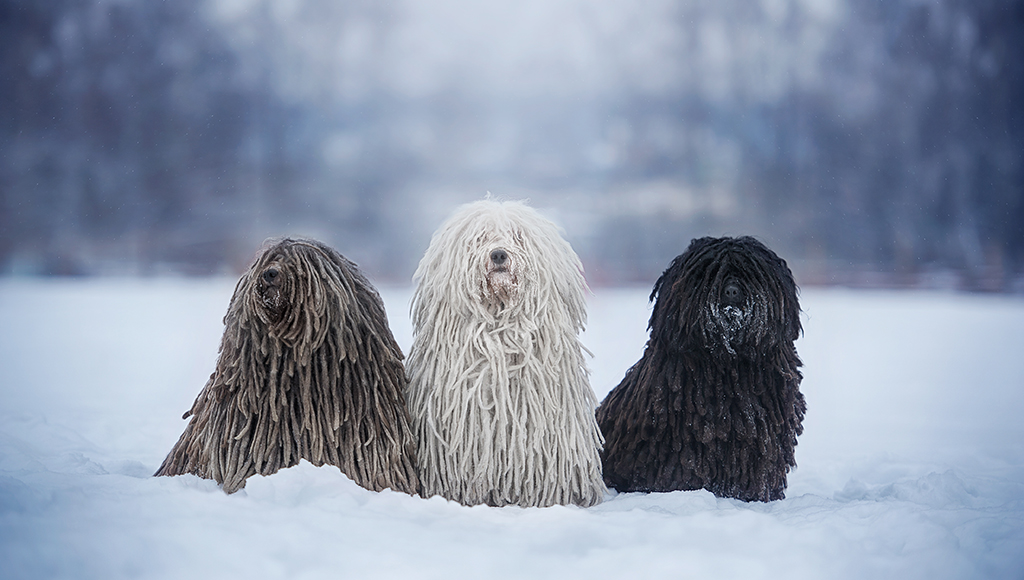
Pulik are medium-sized dogs with a compact, muscular build hidden beneath their famous corded coats. Adult Pulik typically stand 16-17 inches tall at the shoulder and weigh between 25-35 pounds, making them considerably smaller than their Komondor cousins. Their most distinctive feature is undoubtedly their corded coat, which naturally forms rope-like dreadlocks as they mature. These cords come in several colors including solid black (most common), rusty black, white, and various shades of gray. Beneath their shaggy appearance, Pulik have alert, dark eyes, medium-sized ears that hang down, and a tail that curls over their back. Their overall silhouette is square and balanced, with the cords often reaching the ground when fully developed.
The Puli’s gait is another identifying characteristic – they move with a quick, agile stride that reveals their herding heritage. Unlike some dreadlocked breeds, the Puli’s cords are dense throughout the body rather than just in certain areas, creating their distinctive mop-like appearance. First-time observers often struggle to identify which end is which when a Puli is in motion, as their cords swing rhythmically, sometimes obscuring their face and other features.
“Unusual Dog Breeds: The Puli” from www.petassure.com and used with no modifications.
Purpose and Role of Dreads in Puli Dogs
The Puli’s signature corded coat isn’t just for show – it evolved as a functional adaptation perfectly suited to their working role. These naturally forming dreadlocks provide exceptional protection against harsh weather conditions and potential predator attacks while herding sheep in the Hungarian plains. The tight cords create an insulating layer that keeps Pulik warm in winter and cool in summer, functioning much like a sheep’s wool. Additionally, the cords protect vital areas during potential confrontations with wolves or other predators that might threaten their flocks. For more insights into unique dog breeds, check out this Keeshond dog breed expert interview.
Beyond physical protection, the corded coat requires minimal shedding maintenance compared to many double-coated breeds. While Pulik do shed, the loose hairs typically remain caught within the cords rather than spreading throughout the home. This practical feature allowed shepherds to focus on their work rather than grooming their dogs constantly. Modern Puli owners have the option to maintain the traditional corded coat or keep their dogs in a brushed-out style, though the latter requires significantly more regular maintenance to prevent matting. Most breed enthusiasts choose to maintain the traditional cords as they honor the Puli’s heritage and distinctive appearance.
The corded coat also contributed to the breed’s ability to blend in with sheep flocks. From a distance, a Puli moving among white sheep could be difficult to distinguish, allowing them to work effectively without disturbing the flock or drawing attention from predators. This camouflage effect, combined with their agility and intelligence, made Pulik exceptional herding partners for centuries.
Costs and Rarity of Owning a Puli
The financial commitment of Puli ownership extends well beyond the initial purchase price. These specialized dogs require dedicated care, specific grooming knowledge, and ongoing maintenance that prospective owners should carefully consider before bringing one home.
Initial Purchase and Adoption Costs
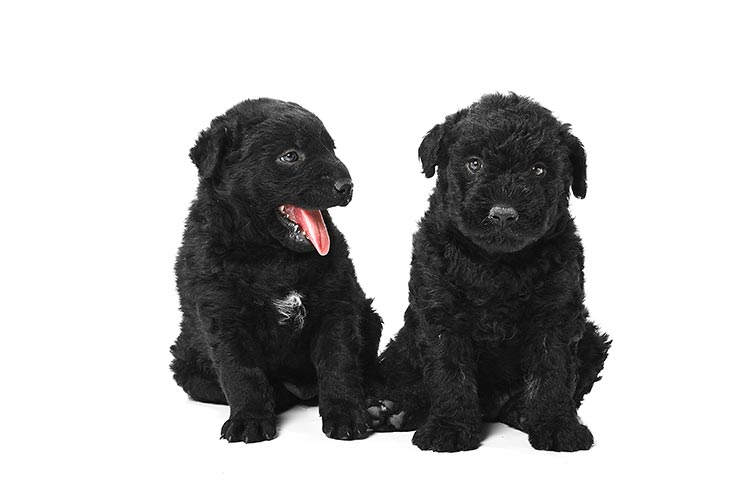
Expect to pay between $1,200 and $2,500 for a Puli puppy from a reputable breeder, with show-quality dogs commanding prices at the higher end of this range. This price reflects not just the breed’s rarity but also the care taken by responsible breeders who perform health testing and maintain breed standards. Finding Pulik in rescue situations is uncommon, but adoption through breed-specific rescues typically costs $300-$700 when available. Beyond the acquisition cost, new owners should budget for initial veterinary expenses including vaccinations, microchipping, and spay/neuter procedures, which can add $500-$800.
“Puli Dog Breed Information” from www.akc.org and used with no modifications.
Rarity vs. Popularity in Different Regions
While Pulik remain fairly common in their native Hungary, they’re considerably rarer in North America and other parts of the world. In Hungary, these dogs are celebrated as a national treasure and maintain a stable population among farmers and enthusiasts who appreciate their working abilities. Throughout Europe, particularly in countries with strong herding traditions, Pulik maintain modest popularity among working dog handlers and those who participate in dog sports.
The United States sees significantly lower numbers, with the American Kennel Club consistently ranking them near the bottom of their popularity list. This limited presence means finding Puli puppies often requires getting on a waiting list with the handful of dedicated breeders across the country. Their relative obscurity in America can be attributed to several factors, including their specialized grooming needs, high energy levels, and the public’s limited awareness of the breed compared to more heavily marketed options.
Why Puli Dogs are Considered Rare
The Puli’s rarity stems from several factors beyond simple supply and demand. Their distinctive care requirements deter casual dog owners who might be initially attracted to their unique appearance but unprepared for the commitment. Responsible breeders are typically selective about puppy placements, prioritizing experienced owners who understand the breed’s needs. Additionally, Pulik generally have smaller litters (4-6 puppies) compared to more common breeds, limiting available numbers.
The specialized knowledge required for proper Puli care also contributes to their rarity. Many veterinarians and professional groomers have limited experience with corded coats, making ownership more challenging in areas without breed-specific resources. This creates a cycle where lower numbers lead to less support infrastructure, which in turn keeps population numbers modest. Finally, the Puli’s strong herding instincts and high energy needs make them less suitable for typical suburban lifestyles that might accommodate more adaptable breeds. For those interested in learning about other dog breeds, check out this Keeshond dog breed expert interview.
Grooming and Care Needs
The Puli’s distinctive corded coat requires specialized maintenance that differs significantly from most other breeds. Understanding these requirements is essential before bringing one home, as proper coat care directly impacts the dog’s health and comfort. For insights into maintaining other unique dog breeds, check out this Field Spaniel expert interview.
Coat Maintenance and Grooming Routines
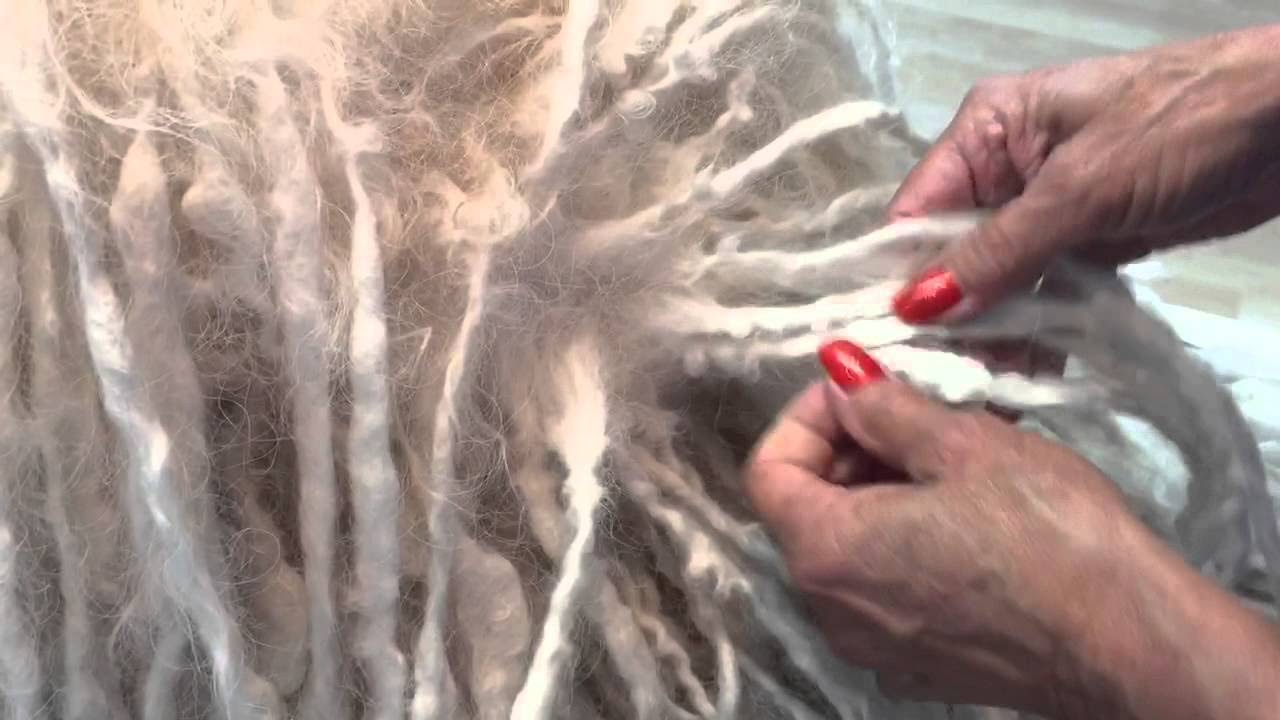
Contrary to popular belief, the Puli’s corded coat doesn’t form naturally without human intervention. The coat begins to cord around 9-12 months of age, but owners must manually separate forming cords to prevent the entire coat from becoming one large mat. This process involves regular sessions of gently pulling apart cords as they form, establishing the pattern that will continue throughout the dog’s life. Once established, cords require regular maintenance to prevent them from matting together at the roots.
Bathing a corded Puli is a significant undertaking, typically requiring several hours from start to finish. The cords must be thoroughly soaked, gently cleaned with diluted shampoo, rinsed completely (which can take considerable time), and then dried either naturally or with minimal heat from a dryer. Complete drying is essential to prevent mildew and skin issues, with some owners reporting drying times of 6-10 hours for a fully corded adult. Between baths, the coat should be kept clean and free of debris, with particular attention to areas prone to collecting dirt or food particles.
“Puli Dog Grooming – YouTube” from www.youtube.com and used with no modifications.
Seasonal Care and Managing Overheating
The Puli’s insulating coat provides excellent protection in various weather conditions but requires extra vigilance during hot weather. Despite the coat’s cooling properties, Pulik can overheat more quickly than short-coated breeds, particularly during intense exercise or in humid conditions. Responsible owners monitor their Puli carefully in warm weather, providing plenty of fresh water, scheduling activities during cooler parts of the day, and ensuring access to shade and cooling options. For more insights on managing different dog breeds, you can read the Field Spaniel dog breed expert interview.
Winter brings different challenges, as snow and ice can accumulate in the cords, adding considerable weight and potentially causing discomfort. Some owners use doggy sweaters or raincoats during wet weather to minimize the absorption of moisture into the cords. Seasonal shedding occurs but is less noticeable than in other breeds since the loose hair remains trapped in the cords rather than spreading throughout the home. For more insights on grooming and care, check out this Keeshond dog breed expert interview.
Special Equipment for Puli Grooming
Successful Puli grooming requires specific tools that differ from standard dog grooming equipment. Rather than traditional brushes which would damage the cords, owners typically use their fingers as the primary grooming tool for separating and maintaining cords. High-velocity dryers designed for professional grooming help expedite the drying process after baths, though care must be taken to use appropriate settings to avoid damaging the cords. Specialized shampoos formulated for wool or corded coats help maintain proper moisture balance without leaving residue that could irritate the skin.
Puli Pros and Cons
The decision to bring a Puli into your life should be made with a clear understanding of both the rewards and challenges this unique breed presents. These distinctive dogs offer extraordinary companionship but come with equally significant responsibilities that not every household can meet.
Before committing to Puli ownership, potential owners should honestly assess whether their lifestyle, living situation, and experience level align with this breed’s needs. The distinctive traits that make Pulik special can become sources of frustration for unprepared owners, while those who understand and appreciate these characteristics often develop deep, rewarding bonds with their corded companions.
Are Pulis Underrated and Why
Pulik represent one of the most underappreciated breeds in the canine world, often overlooked due to misconceptions about their appearance and care requirements. Their intelligence rivals that of Border Collies and Poodles, yet they rarely receive recognition for their problem-solving abilities and trainability. The versatility that allowed them to serve as both herding dogs and property guardians translates beautifully to modern activities like agility, obedience, and therapy work, where dedicated owners have demonstrated their exceptional capabilities.
The Puli’s loyal and affectionate nature also deserves wider recognition. Behind their distinctive appearance lies a dog with deep capacity for bonding, often forming incredibly close relationships with their families while maintaining appropriate independence. Their playful spirit and sense of humor – often described by owners as almost human-like in its complexity – makes daily life with a Puli full of unexpected joy that more popular breeds might not provide.
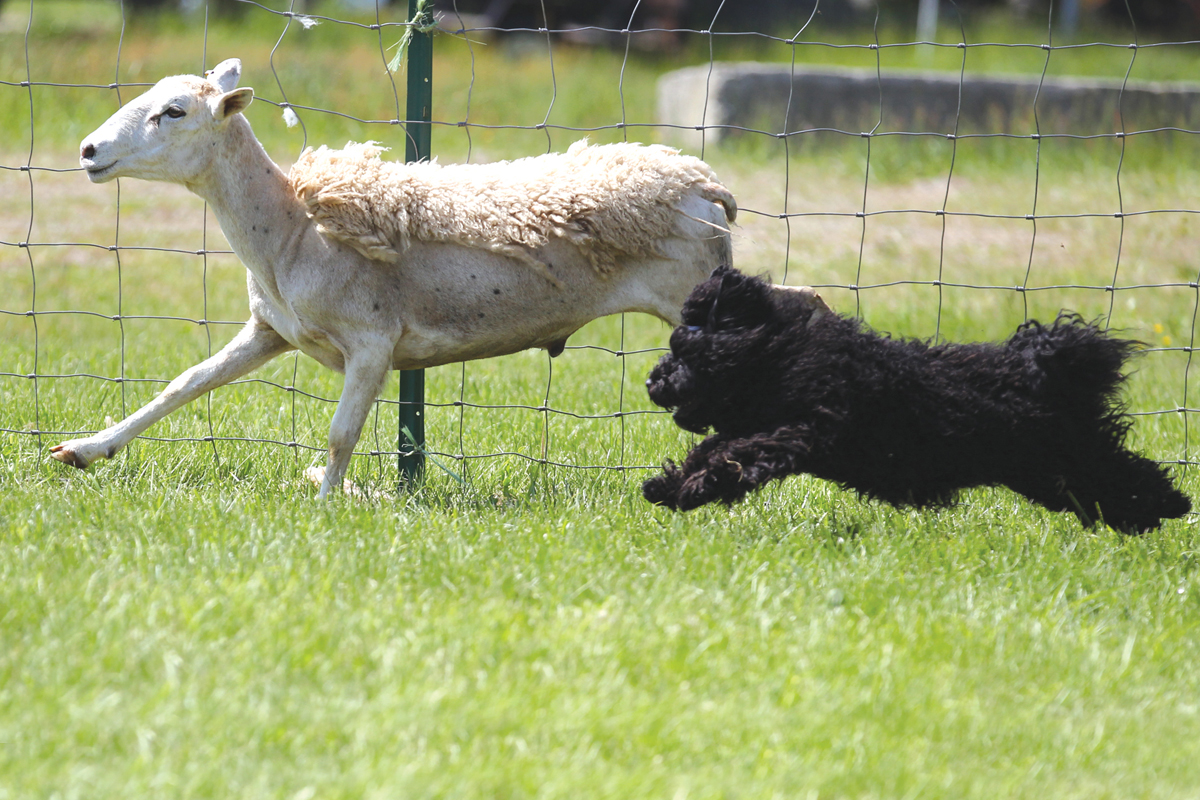
“Herding – Puli Club of America” from puliclub.org and used with no modifications.
Personality Traits and Family Compatibility
Pulik display a fascinating blend of characteristics that make them exceptional companions for the right families. Fiercely loyal and protective of their people, they form deep bonds that last a lifetime, often becoming particularly attached to one family member while remaining affectionate with others. Their natural wariness with strangers stems from their guardian heritage but typically manifests as alert observation rather than aggression when properly socialized. With family members, Pulik show remarkable sensitivity to emotions, often adjusting their behavior to match the household mood or provide comfort during difficult times. For more information on their characteristics, you can refer to this Puli Dog Breed Health and Care guide.
Exercise and Mental Stimulation Needs
The Puli’s herding background translates to substantial energy levels and exercise requirements that potential owners must be prepared to meet. Daily physical activity of at least 60-90 minutes is necessary, ideally including a mix of high-energy play, structured walking, and opportunities to run in secure areas. Without adequate exercise, Pulik may develop problematic behaviors like excessive barking, destructive chewing, or attempts to “herd” family members by nipping at heels. For insights into managing energetic breeds, consider reading this expert interview on Setter dog breeds.
Equally important is mental stimulation to engage their intelligent minds. Pulik thrive when given jobs or challenges that allow them to problem-solve and work cooperatively with their owners. This can include formal training in dog sports, puzzle toys that dispense treats, scent work activities, or structured games that require following rules and commands. Many successful Puli owners rotate through different activities to prevent boredom and maintain engagement.
Puli Activity Guide: Meeting Physical and Mental Needs
For more insights into dog breeds, check out this expert interview on the Brittany dog breed to compare their activity needs with those of a Puli.
Daily Requirements: • 60-90 minutes physical exercise • 15-30 minutes mental stimulation • Social interaction with family • Brief training sessions
Recommended Activities: • Agility training • Herding trials (even in controlled settings) • Hide-and-seek games • Obedience work • Interactive puzzle toys
Finding the right balance of physical and mental exercise often requires experimentation, as individual Pulik may show preferences for certain activities over others. What remains consistent across the breed is their need for engagement with both mind and body to maintain optimal health and behavior. Households unable to provide this level of stimulation should consider whether a lower-energy breed might be more appropriate for their lifestyle.
Training and Socialization Tips
Training a Puli requires consistency, patience, and positive reinforcement techniques. These intelligent dogs respond exceptionally well to reward-based methods but may become stubborn or disengaged if harsh corrections are used. Early training should establish clear boundaries while nurturing the Puli’s natural intelligence and problem-solving abilities. For more insights on enhancing cognitive health and emotional well-being, check out this article on senior dog socialization.
Socialization is particularly crucial for Pulik due to their natural guardian tendencies. Exposing puppies to various people, environments, sounds, and experiences during their first year helps develop well-adjusted adult dogs. Without proper socialization, their protective instincts can manifest as excessive suspicion or reactivity toward strangers. Successful Puli owners make socialization an ongoing priority throughout their dog’s life, ensuring they remain comfortable in different situations while maintaining appropriate alertness.
Puli Health Concerns
While generally robust, Pulik can be prone to certain health conditions that prospective owners should be aware of when selecting a breeder and planning for lifetime care. Understanding these potential issues helps ensure proper preventive care and early intervention when necessary.
Common Health Issues
Hip dysplasia affects many medium-sized breeds including Pulik, though careful breeding practices have reduced its prevalence. This inherited condition involves improper formation of the hip joint and can lead to arthritis and mobility issues later in life. Progressive retinal atrophy (PRA) is another concern in the breed, causing gradual deterioration of the retina that can eventually lead to blindness. Responsible breeders screen for both conditions.
Pulik may also experience various eye issues beyond PRA, including cataracts and multifocal retinal dysplasia. Deafness occurs occasionally in the breed, particularly in predominantly white Pulik, making hearing tests important for puppies of this coloration. Some individuals may develop hypothyroidism, which affects metabolism and can cause lethargy, weight gain, and coat problems if left untreated. For more insights on pet genetic health, you can explore this comparison of breed-related health issues.
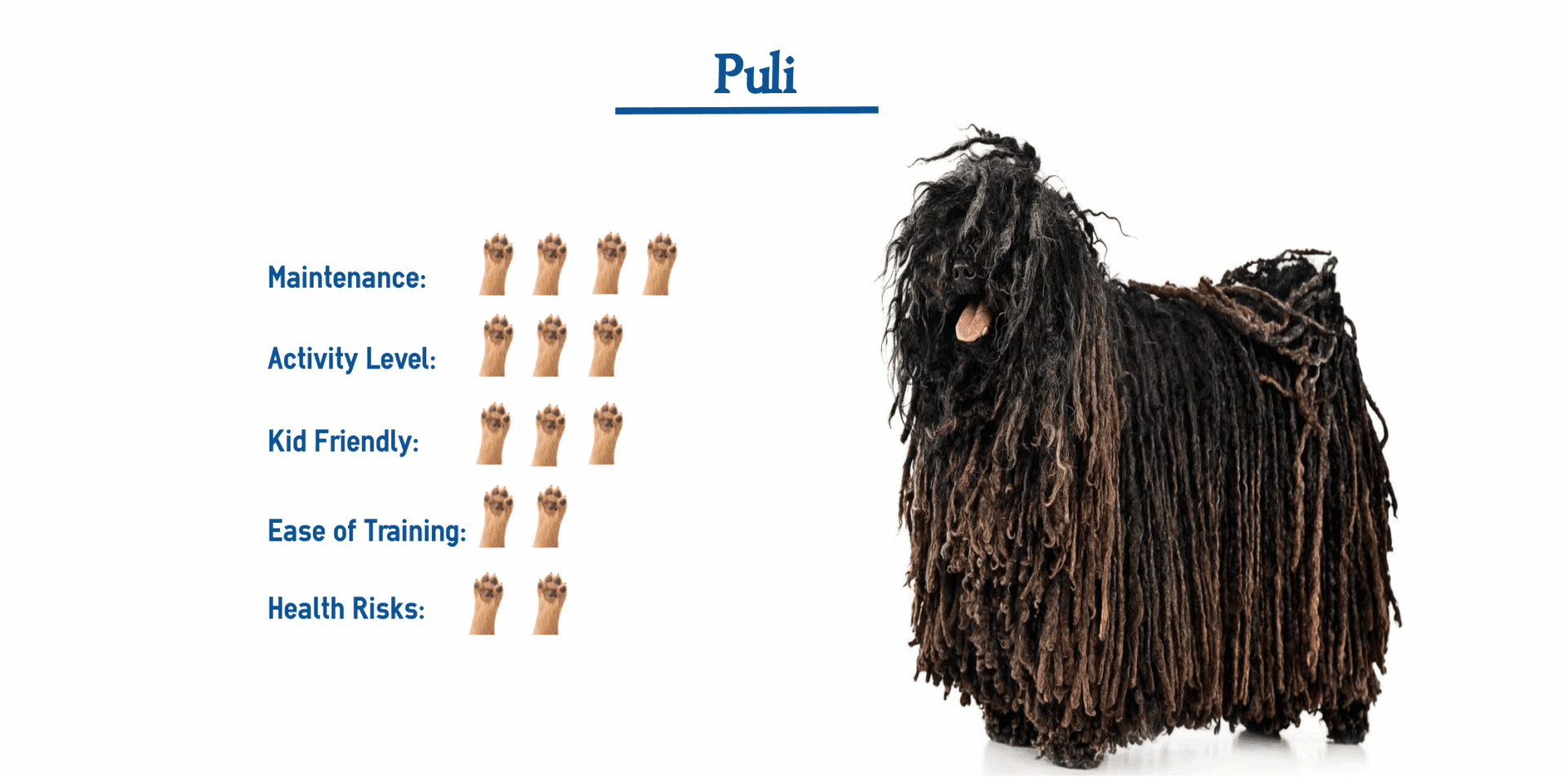
“Puli Dog Breed… Everything You Need to …” from indulgeyourpet.com and used with no modifications.
Preventive Measures and Regular Vet Care
Maintaining optimal health for a Puli involves regular veterinary checkups, typically twice yearly for adult dogs. These appointments should include thorough physical examinations with particular attention to eyes, ears, skin, and joints. Annual blood work helps detect early signs of thyroid issues or other internal health concerns before they become serious problems. Dental care is essential, with regular professional cleanings supplemented by at-home care to prevent periodontal disease.
Weight management plays a crucial role in preventing joint issues in Pulik. Keeping these active dogs at an appropriate weight reduces stress on their joints and decreases the likelihood of mobility problems as they age. Regular, appropriate exercise not only manages weight but also contributes to overall cardiovascular health and muscle tone.
Diet and Nutrition Requirements
Pulik thrive on high-quality diets appropriate for their size, age, and activity level. Most do well on premium commercial foods formulated for medium-sized, active breeds, though some owners opt for carefully balanced home-prepared diets under veterinary guidance. Portion control is important to prevent weight gain, with adjustments made based on activity level and life stage. Most adult Pulik require approximately 2-3 cups of quality dry food daily, divided into two meals.
Some Pulik benefit from supplements targeting joint health, particularly as they age. Omega-3 fatty acids can support skin health beneath their dense cords, while probiotics may aid digestion in sensitive individuals. Any dietary supplements should be discussed with a veterinarian to ensure they’re appropriate for the specific dog’s needs and don’t interact negatively with any medications.
Comparison with Komondor and Other Hungarian Breeds
Hungary has produced several distinctive herding and guardian breeds, each with specific characteristics suited to different working roles. Understanding the differences between these breeds helps potential owners select the one best aligned with their lifestyle and expectations. For instance, exploring expert interviews on various dog breeds can provide valuable insights into their unique traits.
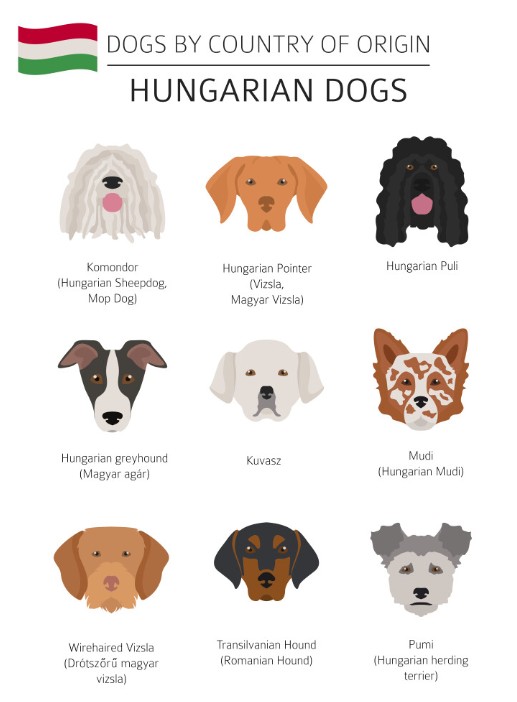
“origin hungarian dog breeds Vector Image” from www.vectorstock.com and used with no modifications.
Size and Appearance Differences
The most obvious difference between Pulik and Komondorok is size. While Pulik typically weigh 25-35 pounds and stand about 17 inches tall, Komondorok are substantially larger, weighing 80-100 pounds or more and standing 25-30 inches at the shoulder. This size difference reflects their different working roles – Pulik as active herders and Komondorok as flock guardians against predators. Both breeds share the distinctive corded coat, though Komondorok cords tend to be thicker and are almost exclusively white, while Pulik cords are finer and come in black, white, or various shades of gray.
Other Hungarian breeds like the Pumi and Mudi share some physical characteristics with the Puli but have different coat types. The Pumi has a curly, wavy coat that requires regular grooming but doesn’t cord, while the Mudi has a shorter, smoother coat that’s significantly easier to maintain. The Vizsla and Hungarian Kuvasz represent other ends of the Hungarian dog spectrum, with sleek, short coats and different working backgrounds.
Temperament and Working Roles
Temperament differences between Hungarian breeds reflect their specialized working roles. Pulik were developed primarily as herding dogs, using their agility, intelligence, and independent thinking to control and move livestock. This translates to a more active, engaged companion that requires mental and physical stimulation. Komondorok, as livestock guardians, display more independent, watchful temperaments with stronger protective instincts and less need for constant engagement with their owners.
The Pumi shares the Puli’s herding heritage but tends to be even more energetic and vocal, often described as terrier-like in personality. Mudik combine herding abilities with versatility as all-around farm dogs. Both the Vizsla and Kuvasz represent different working traditions – the Vizsla as a hunting companion and the Kuvasz as another livestock guardian, though generally less independent than the Komondor.
Choosing Between Puli and Komondor
The decision between a Puli and Komondor should be based primarily on lifestyle compatibility rather than simply aesthetic preference. Households with limited space or those seeking an active, trainable companion typically find Pulik more suitable. Their smaller size makes them more adaptable to different living situations, while their herding background translates to higher trainability and engagement with family activities. Conversely, those seeking a more independent guardian with lower exercise requirements might prefer the Komondor, provided they have sufficient space and experience with large, protective breeds.
Ideal Puli Owners and Lifestyle
Not every dog lover is well-suited to Puli ownership. These distinctive dogs thrive in specific environments with owners who appreciate and accommodate their unique characteristics. Understanding what makes an ideal match helps ensure both dog and human experience a fulfilling relationship.
The decision to bring a Puli into your life represents a significant commitment spanning potentially 12-15 years. Beyond the daily care requirements, potential owners should consider how this distinctive breed will fit into their lifestyle long-term, including future plans, family changes, and financial commitments.
Characteristics of an Ideal Owner
- Active lifestyle with daily time for exercise and engagement
- Patient, consistent approach to training
- Appreciation for intelligent, sometimes stubborn personalities
- Willingness to learn specialized grooming techniques
- Experience with herding breeds or other intelligent working dogs
- Secure living situation with appropriate containment
- Financial resources for quality food, veterinary care, and grooming supplies
Successful Puli owners typically enjoy outdoor activities and appreciate having a canine companion who can participate enthusiastically. Many are drawn to dog sports like agility, obedience, or herding trials where the Puli’s intelligence and athletic abilities shine. Homes with older children who understand how to interact respectfully with dogs often provide excellent environments, though Pulik can adapt to homes with younger children when properly introduced and supervised.
The ideal owner recognizes that a Puli is not simply a decorative pet but a thinking, working dog requiring appropriate outlets for their natural instincts. They value the breed’s independence while providing necessary guidance and boundaries. Perhaps most importantly, they appreciate the Puli’s distinctive appearance as a reflection of its heritage rather than merely a novelty. For more insights into dog breeds, check out this Ibizan Hound expert interview.
Rural or suburban environments typically offer the space and opportunities for exercise that Pulik need, though urban living can work with committed owners who provide sufficient activity. Most successful Puli households include someone who works from home or has a flexible schedule allowing for regular interaction throughout the day, as these social dogs don’t thrive with extended periods of isolation.
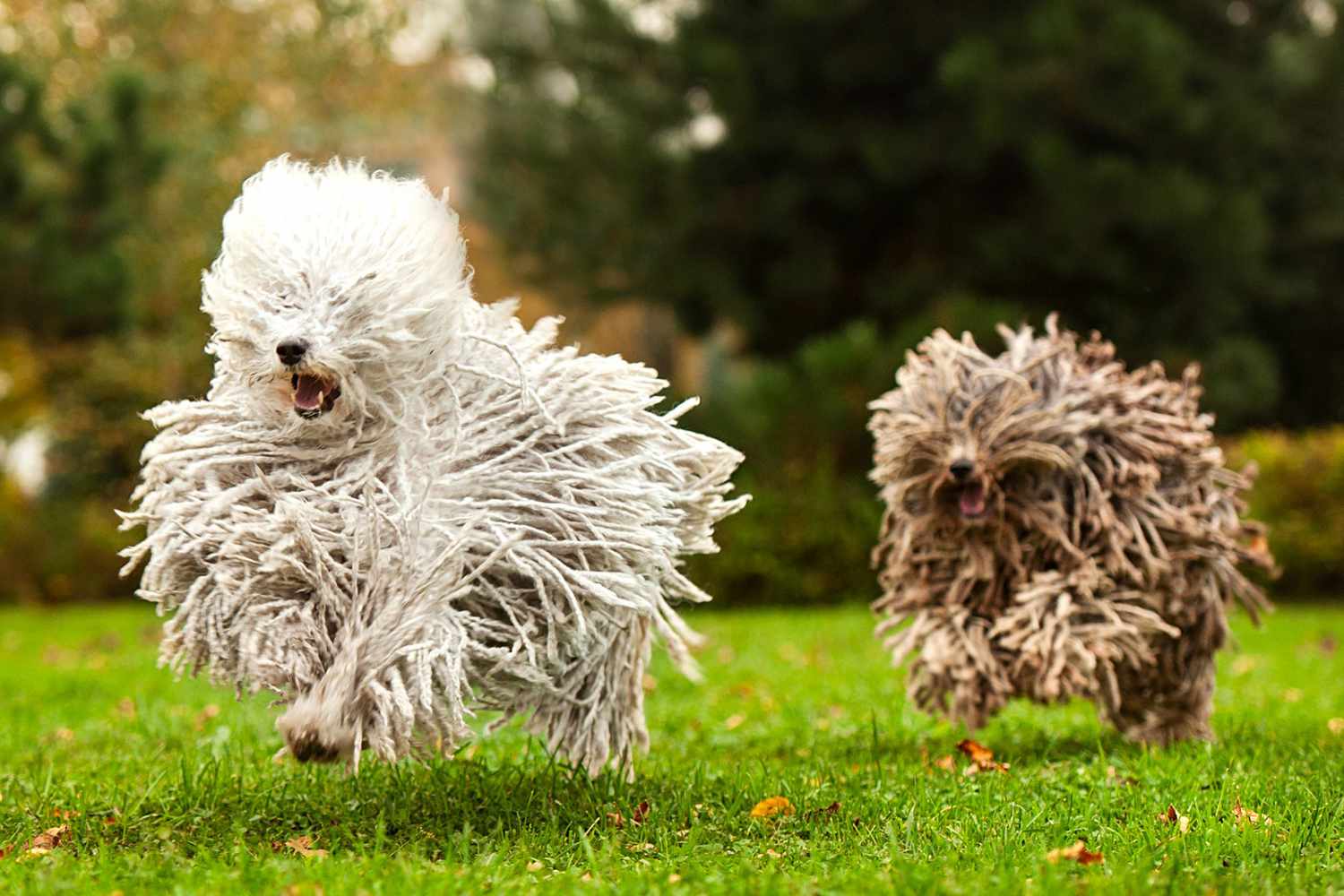
“How to Groom a Puli” from www.groomersu.com and used with no modifications.
Understanding Puli’s Lifestyle Needs
Beyond basic care requirements, Pulik have distinct lifestyle needs that influence their overall well-being and behavior. These intelligent dogs require considerable mental engagement, benefiting from training sessions, problem-solving activities, and meaningful work that challenges their cognitive abilities. Without appropriate mental stimulation, they may become bored and develop problematic behaviors like excessive barking, digging, or destructive chewing. Many successful Puli owners rotate through different activities, introduce new challenges regularly, and maintain consistent training throughout their dog’s life. For more on their unique characteristics, explore the Puli Dog Breed Health and Care.
Long-term Commitment Considerations
The 12-15 year lifespan of a healthy Puli represents a significant commitment that extends through different life phases. Potential owners should realistically assess how a Puli will fit into their lives through career changes, family developments, and other major life events. The financial investment extends beyond the initial purchase price to include quality food, regular veterinary care, grooming supplies, and potential expenses for training classes or dog sports. Many experienced owners recommend budgeting $1,500-2,000 annually for routine Puli care, with additional emergency funds set aside for unexpected veterinary needs. For insights on other dog breeds, you can read this Brittany dog breed expert interview.
Frequently Asked Questions
Prospective Puli owners often have specific questions about this unique breed. Addressing these common inquiries helps create realistic expectations and supports informed decisions about whether a Puli is the right match for a particular household.
Do Puli dogs require professional grooming?
While professional grooming isn’t strictly necessary for Pulik, many owners benefit from occasional professional assistance, particularly for maintenance tasks like nail trimming and ear cleaning that can be challenging with corded coats. Some professional groomers specialize in corded breeds and can provide valuable guidance for new owners learning to maintain the distinctive coat. Most experienced Puli owners handle routine cord separation and maintenance themselves, scheduling professional services only for specific needs or when traveling. Finding a groomer familiar with corded breeds can be challenging in some areas, making it worthwhile to research available services before bringing a Puli home.
How do Puli dogs behave around other pets?
Well-socialized Pulik typically coexist peacefully with other household pets, though their herding instincts may manifest in attempts to control the movement of smaller animals. Early, positive introductions and clear boundaries help establish harmonious relationships between Pulik and other pets. Many Pulik live successfully with cats, particularly when introduced as puppies or to cats already comfortable with dogs. Their herding background can make them prone to chasing fast-moving animals, so supervision is important during initial interactions and with smaller pets like rabbits or guinea pigs.
Are Pulis suitable for apartment living?
Pulik can adapt to apartment living with certain important caveats. Their moderate size works in their favor, but their energy levels and potential for vocalization present challenges in close-quarters living. Successful apartment-dwelling Pulik typically have owners who compensate for limited space by providing ample daily exercise outside the home, including both physical activity and mental stimulation. For more detailed information on the breed, you can explore the Puli Dog Breed Health and Care guide.
Noise considerations are particularly important in apartments, as Pulik can be vocal when alerting to unfamiliar sounds or perceived threats. Early training to manage barking becomes essential in shared living environments. Additionally, apartment-dwelling Pulik benefit from designated spaces for relaxation and appropriate chew toys to prevent destructive behaviors that might damage rental properties.
- Ensure at least 60-90 minutes of daily exercise outside the apartment
- Provide enrichment toys and activities during alone time
- Train a reliable “quiet” command early in life
- Consider doggy daycare or dog walkers on days with limited exercise opportunities
- Create a consistent routine to reduce anxiety-related behaviors
Many apartment-dwelling Puli owners find that proximity to dog parks, hiking trails, or other exercise opportunities significantly improves their dog’s quality of life. The breed’s adaptability makes apartment living possible with committed owners, though houses with secure yards typically provide easier management of their exercise needs.
Regardless of living situation, Pulik need designated spaces where they can retreat and relax. In apartments, this might be a crate or specific bed area kept consistent and respected as the dog’s personal space. Their moderate size means they don’t require extensive square footage, but they do appreciate having options for both observation (like window seats) and privacy within the home.
How long does it take for a Puli’s cords to form?
The development of a Puli’s characteristic corded coat follows a predictable timeline, though individual dogs may show some variation. Puppies are born with soft, wavy coats that show little indication of their future appearance. Around 9-12 months of age, the adult coat begins to develop, with the undercoat and topcoat growing together and naturally starting to form mats.
Puli Coat Development Timeline
The Puli’s coat is one of its most distinctive features, requiring careful grooming and attention throughout its development. As the Puli grows, its coat naturally forms into cords, which need regular maintenance to prevent matting. For those interested in learning more about the grooming needs of similar breeds, consider reading an expert interview on the Ibizan Hound, another breed with unique coat requirements.
0-6 months: Soft puppy coat, minimal maintenance needed
6-9 months: Coat begins transitioning, increasing thickness
9-12 months: Early matting begins, requiring owner intervention to separate into cords
12-18 months: Cords become more defined with regular separation
18-24 months: Cords lengthen and thicken
2-4 years: Full adult coat develops with proper maintenance
During the crucial transition period from 9-18 months, owner intervention shapes how the cords will develop. Without proper separation, the coat will form large, flat mats rather than the distinctive round cords characteristic of the breed. This period requires regular sessions of gently separating forming mats into appropriate-sized cords, establishing the pattern that will continue throughout the dog’s life.
Many new Puli owners benefit from mentorship by experienced breeders or owners during this critical period. The techniques for proper cord formation are specific to this and other corded breeds, making hands-on guidance invaluable. Some owners choose to keep their Puli in a brushed-out coat rather than cords, though this requires significantly more frequent grooming to prevent painful matting.
By approximately 4 years of age, a properly maintained Puli coat reaches its full glory, with cords that may extend to the ground. Throughout the dog’s life, these cords continue to grow and require ongoing maintenance to prevent them from joining together at the roots or collecting debris. The investment in early, proper cord formation establishes the foundation for a manageable, healthy coat throughout the dog’s life. For those interested in understanding more about maintaining unique dog breeds, the Field Spaniel expert interview offers additional insights.
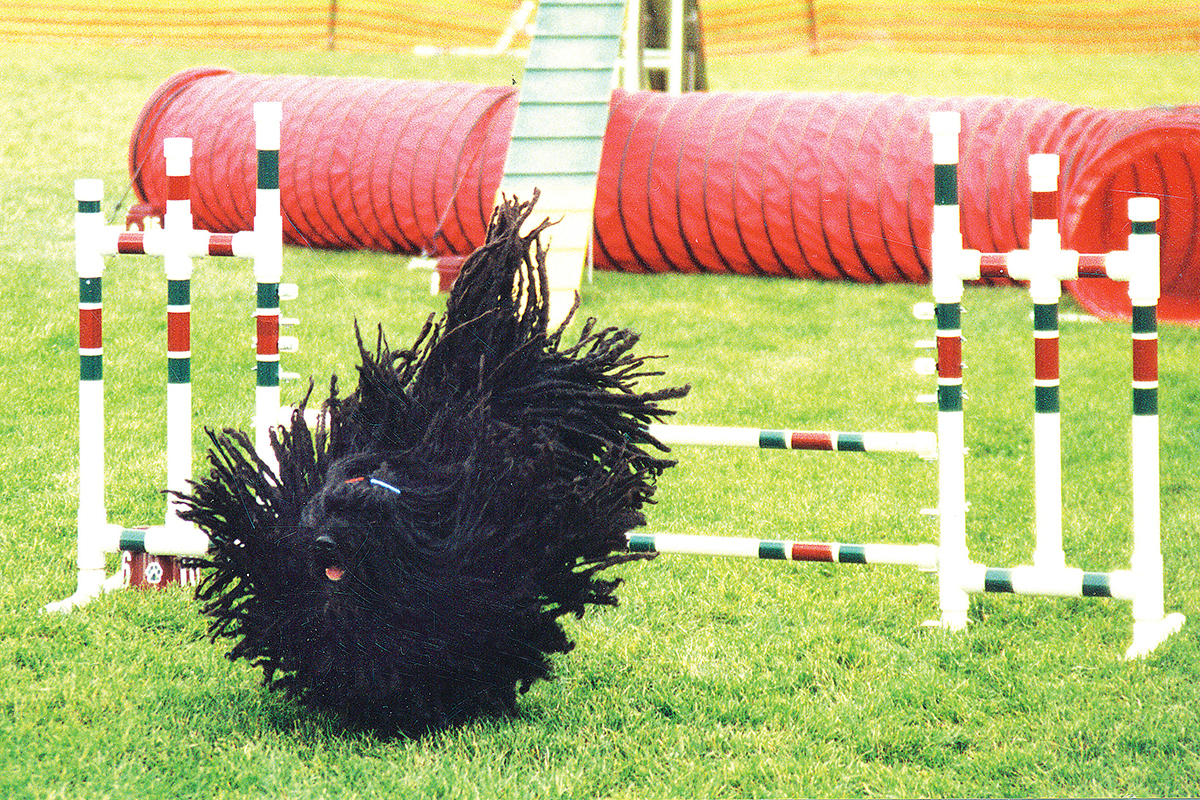
“Activities – Puli Club of America” from puliclub.org and used with no modifications.
What activities do Puli dogs enjoy the most?
Pulik thrive with activities that engage both their physical abilities and considerable intelligence. Herding trials or herding instinct tests allow these dogs to express their natural working abilities, even for pets without access to actual livestock. Many Pulik excel in agility competitions, where their nimble movements and problem-solving skills give them an edge despite not being as conventionally fast as some sporting breeds. The mental challenge combined with physical activity makes agility particularly satisfying for this breed. For those interested in exploring more about dog breeds with unique skills, check out this Field Spaniel dog breed expert interview.
Interactive games that require problem-solving consistently rank among Puli favorites. Hide-and-seek games (either with people or hidden treats), puzzle toys that dispense rewards, and scent work activities all tap into their natural intelligence and working drive. Many owners report their Pulik inventing games or showing remarkable creativity in play, often incorporating rules they seem to develop themselves. This playful intelligence makes them engaging companions who continually surprise their families with new behaviors and apparent insights.