Key Takeaways
- The Spinone Italiano is an ancient Italian hunting breed with exceptional tracking abilities and a distinctive wiry coat that helps them navigate challenging terrain.
- These gentle giants are known for their patient, docile temperament, making them excellent family companions despite their hunting heritage.
- Spinone Italiani require moderate exercise, consistent grooming of their wiry coat, and early socialization to thrive in family environments.
- While relatively rare in the United States, this breed’s popularity is growing among those seeking an affectionate, loyal companion with natural hunting instincts.
- Potential owners should be prepared for a 10-14 year commitment with a dog that bonds deeply and doesn’t do well when left alone for extended periods.
Discovering the Spinone Italiano: A Multifaceted Breed
The Spinone Italiano stands out in the canine world as one of the oldest and most versatile hunting breeds. These dignified dogs combine rustic charm with remarkable hunting prowess, all wrapped in a distinctive wiry coat that turns heads wherever they go. Spinone Life celebrates these magnificent animals as both exceptional working dogs and devoted family companions, bringing centuries of Italian breeding excellence to modern dog lovers.
Often overlooked compared to more common sporting breeds, the Spinone deserves recognition for its unique combination of skills and temperament. Unlike high-strung hunting breeds, these dogs maintain a calm, methodical approach both in the field and at home. Their moderate energy and patient disposition make them surprisingly adaptable companions for various lifestyles, provided their basic needs are met.
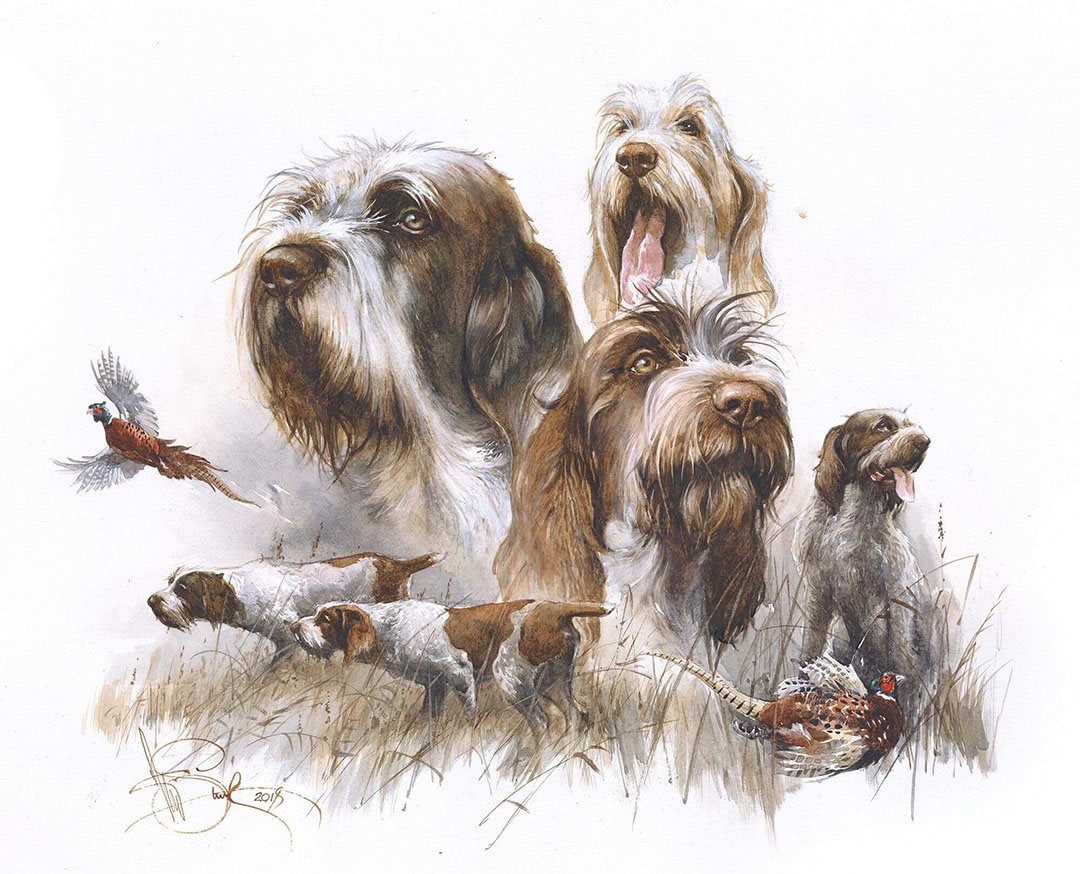
“Dog Art, Italiano Spinone …” from www.etsy.com and used with no modifications.
Origins and Purpose of the Spinone Italiano
The Spinone Italiano’s history stretches back centuries, with references to similar dogs appearing in Italian art and literature from as early as the 15th and 16th centuries. Native to the Piedmont region of Italy, these dogs were developed as versatile hunting companions capable of working in the most challenging terrain. Their name likely derives from “pino” (pine) referring to the thorny undergrowth they would fearlessly navigate, or from “spinoso” meaning thorny, prickly, or difficult – a nod to their rough coat and the challenging hunting conditions they mastered.
Unlike specialized hunting breeds, the Spinone was bred as an all-around hunting dog – tracking, pointing, and retrieving on land and in water. Their methodical hunting style, exceptional nose, and distinctive pointing stance made them invaluable to Italian hunters seeking game birds. Their dense, weather-resistant coat protected them from harsh elements and thorny underbrush, while webbed feet made them natural swimmers capable of retrieving waterfowl from cold lakes and rivers.
The breed faced near-extinction following World War II, when hunting declined and foreign breeds gained popularity. Dedicated Italian breeders rallied to preserve these ancient dogs, establishing breeding programs that saved the Spinone from disappearing entirely. The American Kennel Club finally recognized the breed in 2000, though the Spinone remains relatively uncommon outside its native Italy.
Spinone Italiano’s Unique Characteristics and Physical Traits
The Spinone Italiano presents an unmistakable silhouette – substantial but never heavy, with a square build that balances strength with agility. Standing 22-27 inches at the shoulder and weighing between 61-85 pounds, they possess a robust frame built for endurance rather than speed. Their most distinctive feature is undoubtedly their harsh, dense coat that forms pronounced eyebrows, mustache, and beard, giving them a wise, somewhat human expression that owners find endlessly endearing.
“The Spinone moves with a free and easy trot, covering ground efficiently with good reach and drive. The overall appearance is of a dog built for endurance and utility, never flashy but always functional.” – AKC Breed Standard
Their coat colors include various shades of white, white and orange, orange roan, white and brown, and brown roan – all designed to provide camouflage in hunting environments. The Spinone’s dense, wiry outer coat and soft undercoat create excellent protection against weather extremes and rough terrain. Unlike some wire-haired breeds, the Spinone’s coat feels less harsh to the touch, with a characteristic “roan” pattern where colored hairs intermingle with white throughout the coat.
Perhaps most charming are their expressive eyes – large, round, and set wide apart, typically in shades of amber or dark brown that reflect their gentle soul. Their droopy lips and pronounced dewlaps (loose skin under the neck) contribute to their somewhat mournful expression, belying their generally happy and sociable nature.
Popularity vs. Rarity
Despite their excellent qualities as both working dogs and companions, Spinoni (the correct plural form) remain relatively uncommon, especially in North America. The American Kennel Club consistently ranks them around 114th out of 197 recognized breeds in popularity. This rarity stems from several factors: limited breeding programs outside Italy, minimal marketing compared to more commercial breeds, and the specific audience they appeal to – primarily hunters and dog enthusiasts familiar with sporting breeds.
Their rarity creates both challenges and benefits for potential owners. Finding a reputable breeder often requires patience and possibly travel, with waiting lists for well-bred puppies sometimes extending months or even years. However, this relative obscurity has helped protect the breed from the genetic health issues and temperament problems that often plague more popular breeds subjected to high-volume breeding practices.
Adoption Costs
Prospective Spinone Italiano owners should prepare for a significant initial investment. Puppies from reputable breeders typically range from $1,500 to $2,500, reflecting the care taken in breeding healthy, well-socialized dogs with proper documentation. This price typically includes initial vaccinations, microchipping, and health guarantees against genetic conditions.
The relative rarity of the breed can impact both price and availability. Some dedicated enthusiasts wait months or even travel considerable distances to find the right puppy from a responsible breeder. Occasionally, adult Spinoni become available through breed-specific rescue organizations at lower adoption fees, usually between $300-$600, though these opportunities are limited due to the breed’s scarcity and the strong bonds they form with their families.
Beyond the initial acquisition cost, potential owners should budget for ongoing expenses. The Spinone’s size translates to higher costs for food, larger crates and beds, and more substantial medication doses when needed. Their coat requires regular professional grooming every 8-12 weeks unless owners learn to maintain it themselves, adding approximately $60-$100 per session to their care budget.

“Spinone puppies for sale clearance” from www.prwe.com and used with no modifications.
Understanding the Personality of a Spinone Italiano
The Spinone Italiano possesses a temperament that distinguishes it from many other sporting breeds. Known for being docile, patient, and emotionally sensitive, these dogs combine the focused work ethic of hunting breeds with an unusually gentle disposition. They typically approach life with a deliberate calmness that owners describe as “old-soul” quality – thoughtful rather than impulsive, observant rather than reactive. For insights into other gentle breeds, consider reading about the Field Spaniel.
Their intelligence manifests not in flashy problem-solving or trick performances, but in thoughtful assessment and reliable responses to genuine needs. Spinoni form intense bonds with their families, showing remarkable intuition about emotions and often gravitating toward family members who need comfort. This sensitivity extends to their training needs – they respond poorly to harsh corrections but flourish with consistent, gentle guidance that respects their dignified nature.
Perhaps most endearing is their natural sociability. Spinoni typically greet strangers with polite interest rather than suspicion, making them poor guard dogs but excellent ambassadors for their families. Their patience makes them particularly suitable companions for children, though their size requires supervision with very young kids. Many owners report that their Spinoni possess an unexpected playful streak that emerges once they feel secure in their environment.
Spinone Italiano as a Family Dog
The Spinone Italiano’s transition from hunting fields to family living rooms has been remarkably smooth, revealing adaptability that belies their specialized breeding. Their natural gentleness, patience, and affectionate nature make them excellent family companions, particularly in households that can accommodate their moderate exercise needs and appreciate their sometimes comical, always heartfelt attempts to participate in family life. For those interested in similar breeds, you might find insights in this expert interview on Setter dog breeds.
Protective Instincts and Suitability for Families
Despite their hunting heritage, Spinoni are not typically aggressive or overly protective dogs. Their natural demeanor tends toward friendly acceptance of strangers rather than suspicion. While they will alert to unusual situations with their distinctive deep bark, they rarely display the territorial aggression seen in guardian breeds. This makes them poor choices as guard dogs but excellent as family companions who can adapt to homes with frequent visitors.
With family members, the Spinone shows devoted attachment without excessive clinginess. They remain aware of their people’s whereabouts and prefer to be near the family action, often positioning themselves centrally in living spaces where they can maintain visual contact with household members. Their protective instincts manifest primarily through gentle watchfulness rather than aggressive posturing, making them especially suitable for families with children.
For families with younger children, the Spinone’s patience becomes particularly valuable. Unlike high-strung or easily startled breeds, they typically tolerate the unpredictable movements and sounds of children with remarkable composure. Their substantial size and stable temperament mean they’re less likely to be injured during play, though as with any dog, interactions between dogs and young children should always be supervised.
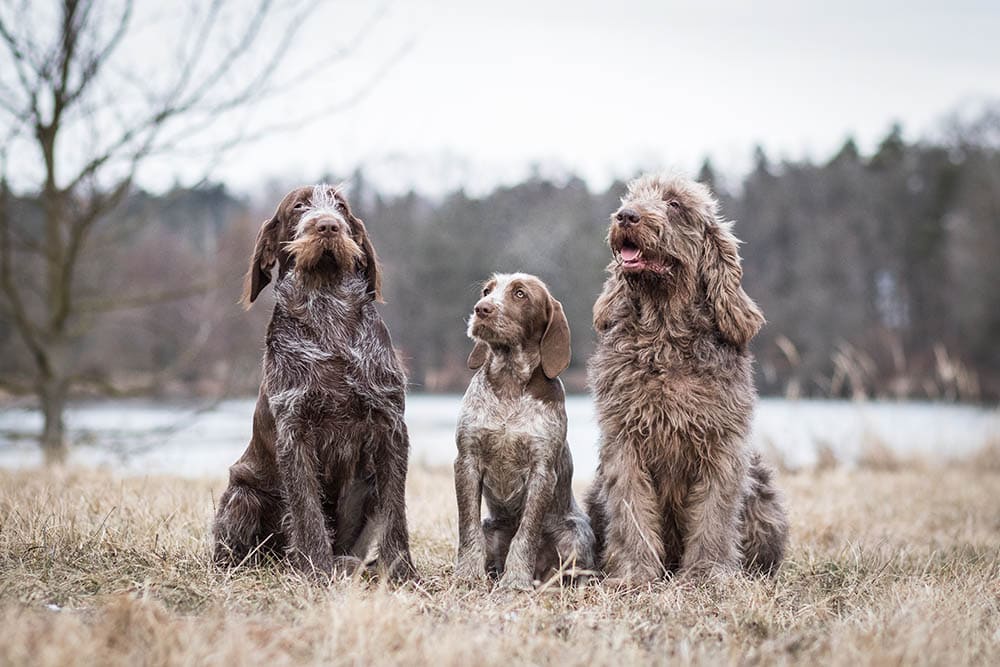
“Spinone Italiano Dog Breed Guide: Info …” from resources.pangovet.com and used with no modifications.
Socializing with Other Pets and Children
Early socialization proves crucial for developing the Spinone’s natural friendliness toward other animals. These dogs were traditionally used in pack hunting scenarios, so they generally have good canine communication skills and can adapt well to multi-dog households. Their hunting instincts may initially trigger prey drive toward smaller pets like cats or rabbits, but with proper introduction and consistent boundaries, most Spinoni learn to accept all family pets.
With children, the Spinone often displays remarkable intuition and gentleness. Their patient nature allows them to tolerate the sometimes clumsy or enthusiastic handling that comes from younger family members. Many Spinone owners report that their dogs seem particularly attuned to children’s emotions, often gravitating toward children who are upset or unwell, offering silent companionship that children find comforting.
For optimal family integration, early and ongoing socialization remains essential. Exposing Spinone puppies to various people, environments, sounds, and situations helps develop their natural adaptability and prevents the development of fear-based behaviors. Their sensitive nature means they respond exceptionally well to positive experiences but may develop lasting wariness from negative encounters, making constructive early experiences particularly important.
Essential Training Tips for Spinone Italiano Owners
Training a Spinone Italiano requires understanding their unique combination of intelligence and sensitivity. These dogs are thinking partners rather than subordinates, responding best to training approaches that engage their natural desire to collaborate with their humans rather than simply obey commands. Their hunting heritage has cultivated both independence of thought and willingness to work cooperatively – qualities that shape their approach to all learning.

“SPINONE ITALIANO COMPLETE TRAINING …” from www.amazon.com and used with no modifications.
Effective Training Techniques and Strategies
Successful Spinone training begins with recognizing and respecting their thoughtful temperament. These dogs process commands deliberately rather than instantaneously, sometimes appearing to consider whether your request makes sense before responding. This isn’t stubbornness but rather their methodical nature – the same quality that makes them excellent tracking dogs capable of maintaining focus over long periods.
- Use positive reinforcement consistently – Spinoni respond exceptionally well to praise, gentle physical affection, and occasional food rewards
- Keep training sessions shorter (10-15 minutes) but more frequent to accommodate their moderate attention span
- Incorporate natural hunting behaviors like tracking and retrieving into training games to engage their instincts
- Maintain a calm, patient demeanor – these sensitive dogs shut down when faced with harsh corrections or frustration
- Provide clear, consistent boundaries rather than frequently changing expectations
Early socialization proves particularly important for Spinoni, helping prevent the development of shyness or anxiety that can sometimes emerge in this sensitive breed. Expose puppies to various environments, surfaces, sounds, people, and other animals during their formative weeks, always ensuring these experiences remain positive and non-threatening. This investment pays lifelong dividends in creating a confident, adaptable adult dog. For more insights on dog breeds, check out this expert interview on Setter dog breeds.
Spinoni excel in nose work, tracking, and retrieving activities that engage their natural abilities. Incorporating these elements into regular training not only improves compliance but provides essential mental stimulation. Many owners find that teaching practical skills like reliable recall and polite leash walking takes precedence over flashy tricks, aligning with the Spinone’s practical, no-nonsense character.
Perhaps most importantly, training should strengthen the bond between dog and owner rather than emphasizing control. Spinoni form deep attachments to their people and respond best to training that feels like collaboration rather than domination. This approach honors their history as working partners who made independent decisions while hunting alongside their handlers.
Unique Nickname: The “Pointer” and its History
The Spinone Italiano is often referred to as the “Italian Pointer” in English-speaking countries, though this simplification doesn’t fully capture the breed’s versatility. Unlike specialized pointing breeds, the Spinone was developed as an all-purpose hunting dog capable of pointing, tracking, and retrieving in diverse terrain and weather conditions. Their distinctive pointing stance—with one front leg lifted and their body frozen in concentration—represents just one aspect of their comprehensive hunting abilities.
Historically, Italian hunters valued the Spinone for its methodical hunting style and exceptional scenting ability, traits that set it apart from faster but less thorough hunting breeds. These dogs excelled in dense undergrowth and marshy areas where their weather-resistant coat and deliberate movements gave them an advantage. While modern sporting dog competitions often favor speedier pointers, traditional hunters still appreciate the Spinone’s thoughtful, thorough approach to locating game.
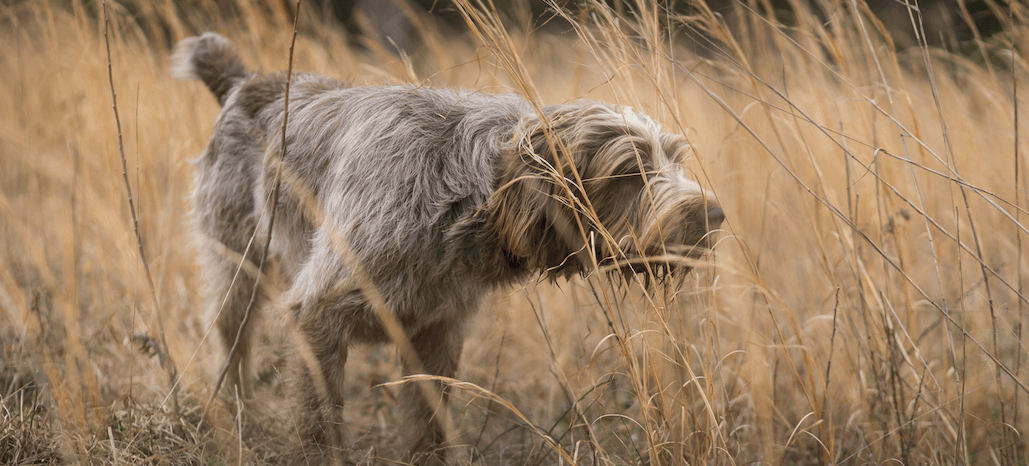
“Breed Profile: Spinone Italiano” from gunner.com and used with no modifications.
Reason Behind the Nickname and Its Significance
The “pointer” designation stems from the Spinone’s natural ability to indicate the presence of game birds by freezing in position and often lifting one front paw—a behavior that requires no training and emerges instinctively in well-bred puppies. This instinctive pointing behavior distinguishes the Spinone as a true sporting breed, despite their gentle demeanor and family-friendly reputation. The nickname serves as a reminder of their working heritage and the skills that still reside within even companion Spinoni who never set foot in hunting fields.
Concluding Thoughts on the Spinone Italiano
The Spinone Italiano represents a remarkable balance of qualities rarely found in a single breed—working ability paired with gentle temperament, intelligence without hyperactivity, and protective instincts without aggression. These multifaceted dogs offer dedicated owners a unique combination of rustic charm, emotional sensitivity, and versatile abilities that enrich family life in countless ways. For more insights on similar breeds, check out this expert interview on Setter dog breeds.
As interest in the breed grows, the challenge remains preserving the authentic qualities that make the Spinone special. Responsible breeders focus not just on physical characteristics but on maintaining the distinctive temperament and working abilities that define these remarkable dogs. For families fortunate enough to share their lives with a Spinone, the reward is a devoted companion whose ancient wisdom and gentle soul create connections that transcend the typical owner-pet relationship.
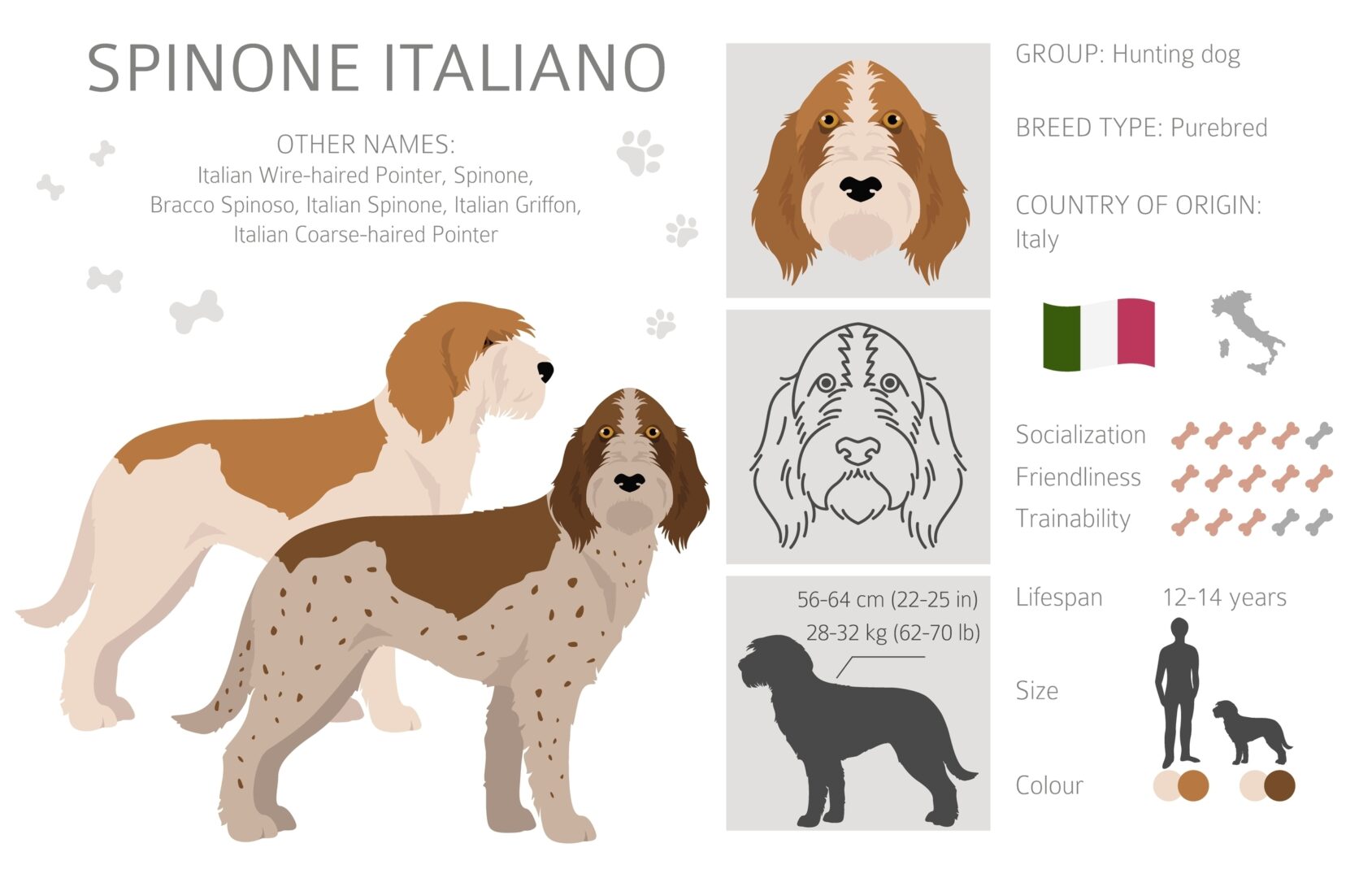
“Spinone Italiano – FurLyfe!” from furlyfe.com and used with no modifications.
Is the Spinone Italiano Right for You?
The ideal Spinone owner appreciates a dog that forms deep bonds and approaches life with thoughtful deliberation rather than flashy exuberance. This breed thrives with active families who enjoy outdoor activities but don’t require a high-energy performance dog. They need moderate daily exercise, consistent but gentle training, and most importantly, inclusion in family life. If you can provide a Spinone with meaningful activity, patient guidance, and the emotional connection they crave, you’ll find yourself rewarded with a loyal, loving companion whose unique personality enriches your life immeasurably.
Frequently Asked Questions
The Spinone Italiano generates numerous questions from prospective owners interested in this distinctive but relatively uncommon breed. Understanding their unique needs and characteristics helps ensure successful matches between these special dogs and well-prepared families.
Below are answers to the most common inquiries about Spinoni, drawing from both breed standards and the practical experiences of longtime owners and breeders. For insights into other breeds, you might find this Australian Terrier comparison interesting.
What sets the Spinone Italiano apart from other breeds?
The Spinone Italiano distinguishes itself through a unique combination of physical and temperamental traits rarely found together in other breeds. Physically, their dense, wiry coat with distinctive facial furnishings creates an immediately recognizable appearance, while their methodical movement and substantial build reflect their heritage as endurance hunters rather than sprinters. For a deeper dive into the characteristics of similar breeds, you can explore the Field Spaniel breed.
Temperamentally, Spinoni offer an unusual blend of hunting drive and gentle disposition. Unlike many sporting breeds that exhibit high energy and intensity in all situations, Spinoni typically display remarkable calmness indoors while reserving their working drive for appropriate contexts. This adaptability, combined with their natural empathy and low prey drive toward household pets, makes them exceptionally versatile family companions. For more insights into similar breeds, consider reading this expert interview on Setter dog breeds.
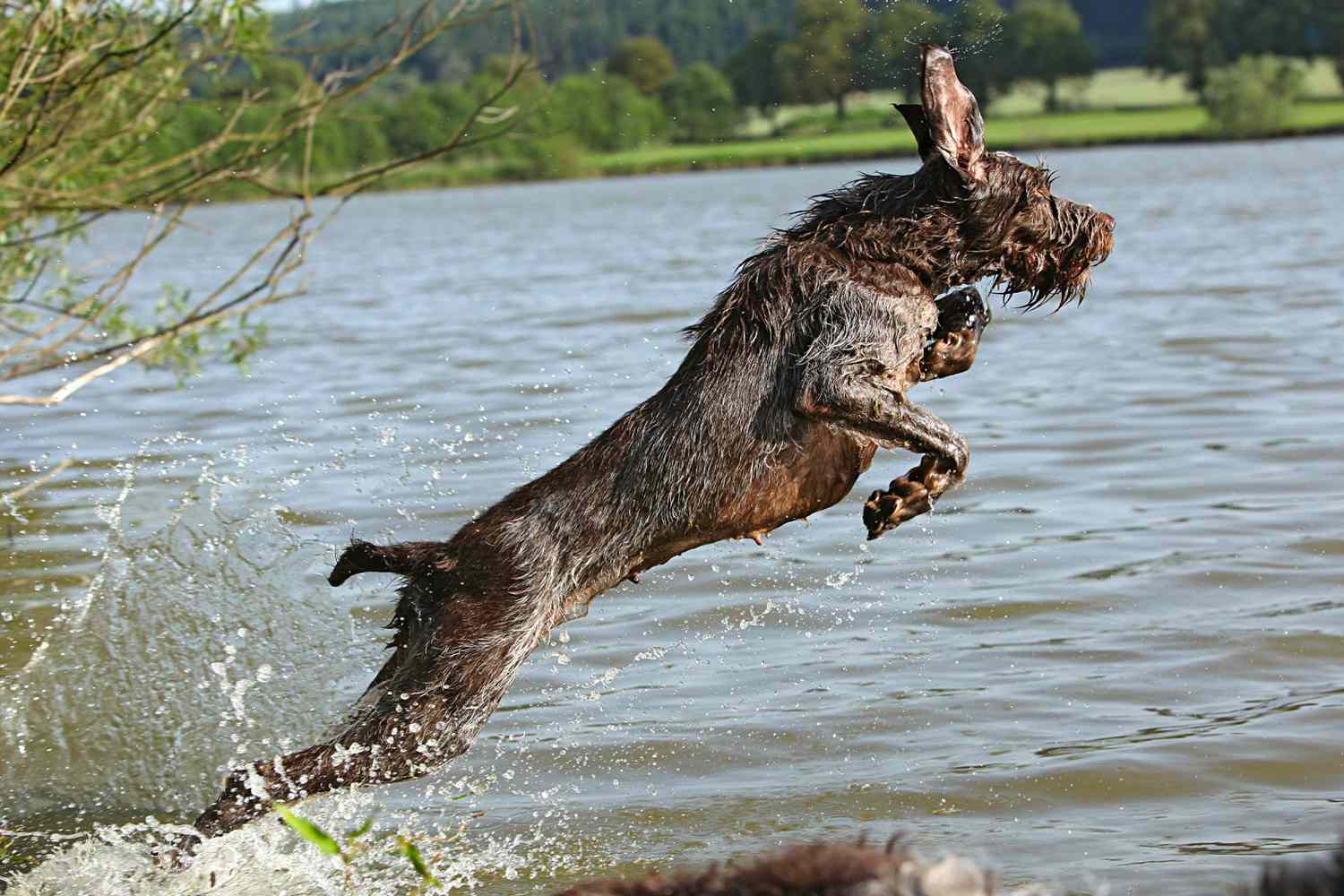
“Spinone Italiano Dog Breed Information …” from www.dailypaws.com and used with no modifications.
Are Spinone Italiani suitable for apartment living?
- Possible but challenging—they adapt well to indoor living but need regular outdoor exercise
- Their large size requires consideration in smaller spaces
- They’re typically quiet indoors but their deep bark may disturb neighbors when they do vocalize
- Their sociable nature means they don’t do well left alone for long workdays
- Proximity to parks or natural areas significantly improves their quality of life in urban settings
While Spinoni can technically adapt to apartment living, they thrive best in environments with at least some outdoor space. Their moderate exercise needs make them less demanding than high-energy sporting breeds, but daily walks and regular opportunities to explore outdoor environments remain essential for their physical and mental well-being.
For apartment dwellers committed to providing adequate exercise and companionship, a Spinone can adapt surprisingly well to indoor living. Their naturally calm house demeanor makes them better apartment candidates than many smaller but more active breeds. However, prospective owners should honestly assess whether their lifestyle allows for meeting the exercise and companionship needs these social dogs require.
The breed’s sociability presents perhaps the biggest challenge for apartment living, as Spinoni form intense bonds with their families and can experience separation anxiety if regularly left alone for extended periods. Work-from-home arrangements or dog-friendly workplaces significantly increase the likelihood of successful apartment living with this companionable breed.
How much exercise does a Spinone Italiano require daily?
Spinone Italiani thrive with moderate, consistent exercise rather than extreme activity. Most adults need 45-60 minutes of daily activity, ideally including both physical exercise and mental stimulation. Unlike high-drive sporting breeds, they don’t typically demand intensive exercise but do benefit from varied activities like leashed walks, supervised off-leash exploration in safe areas, swimming (which many Spinoni love), and nose work games that engage their excellent scenting abilities. Their exercise needs tend to decrease somewhat after age 5-6, making them increasingly adaptable to quieter lifestyles as they mature. For more detailed information on this breed, you can visit the Spinone Italiano Dog Breed Information page.

“Spinone Italiano: The Gentle and …” from www.dogpackapp.com and used with no modifications.
Do Spinone Italiani have any common health issues?
While generally healthy, Spinone Italiani can be prone to several conditions that prospective owners should be aware of, including hip dysplasia, cerebellar ataxia (a neurological condition for which genetic testing is available), entropion (inward-rolling eyelids), and bloat/gastric torsion. Responsible breeders screen for these conditions to reduce their incidence. The breed’s average lifespan ranges from 10-14 years, somewhat longer than many dogs of similar size. Their relatively unchanged breeding over centuries has helped preserve a generally robust constitution, but regular veterinary care, proper nutrition, and maintaining appropriate weight significantly influence their long-term health outcomes.
How do Spinone Italiani interact with children under 12?
Spinone Italiani typically excel with children, displaying remarkable patience and gentleness despite their size. Their tolerant nature allows them to accept the sometimes unpredictable movements and sounds of younger children without becoming stressed or reactive. Many Spinone owners report that their dogs seem particularly protective and attentive toward the smallest family members, often positioning themselves near children during family activities.
While naturally gentle, their substantial size requires supervision with very young children to prevent accidental bumping or knocking over during play. Early training should include appropriate greetings and calm behavior around children. Most Spinoni quickly learn to modulate their movements around smaller humans, approaching them with notable care.
Perhaps most valuable is the Spinone’s forgiving nature—they rarely hold grudges for accidental rough handling and typically respond to child-related mishaps with dignified patience rather than fear or aggression. This resilience makes them excellent companions for growing families where children are learning appropriate interaction with animals. For those interested in exploring similar dog breeds, consider reading about setter dog breeds and their characteristics.
The Spinone Italiano is a versatile and ancient breed, known for its history and purpose as a hunting dog. Despite its rarity, it has gained popularity due to its gentle personality and suitability as a family dog. Unlike some breeds, the Spinone Italiano is not aggressive, making it an excellent choice for families. Proper training is essential to bring out the best in this breed. For those interested in learning more about similar breeds, this expert interview on setter dog breeds offers valuable insights. Additionally, understanding the health and care tips for the Spinone Italiano is crucial, as is determining if it can be left alone or kept outside. The ideal owner for this breed should lead an active lifestyle, and the dog’s nickname often reflects its affectionate nature.