Key Takeaways
- Tonkinese cats are a blend of Siamese and Burmese breeds, known for their affectionate and social nature.
- They have a sleek, muscular build with distinctive color variations, including solid, pointed, and mink patterns.
- Initial adoption fees range from $75 to $150, with ongoing costs for food, grooming, and health care.
- Tonkinese cats thrive on interaction and may not do well when left alone for extended periods.
- They can be compared to Siamese and Balinese cats but have unique traits that make them ideal therapy cats.
Why Consider Adopting a Tonkinese Cat?
Adopting a Tonkinese cat can bring joy and companionship into your life. These cats are renowned for their affectionate nature and their desire to be part of the family. If you’re looking for a pet that will engage with you and become an integral part of your household, a Tonkinese cat might be the perfect choice.
“Tonkinese: Cat Breed Profile …” from www.thesprucepets.com and used with no modifications.
Brief History and Background
The Tonkinese cat is a delightful blend of two well-loved breeds: the Siamese and the Burmese. This breed was developed to capture the best traits of both parent breeds, resulting in a cat that is not only strikingly beautiful but also possesses a charming personality.
Originating in the mid-20th century, breeders aimed to combine the Siamese’s intelligence and vocal nature with the Burmese’s affectionate and laid-back demeanor. The result is a cat that is sociable, playful, and wonderfully interactive.
- The breed was officially recognized in the 1970s.
- Tonkinese cats are often referred to as “Tonks.”
- They are a popular choice for families due to their friendly disposition.
The history of the Tonkinese cat is a testament to careful breeding practices aimed at enhancing the best qualities of its parent breeds.
Distinct Features and Traits
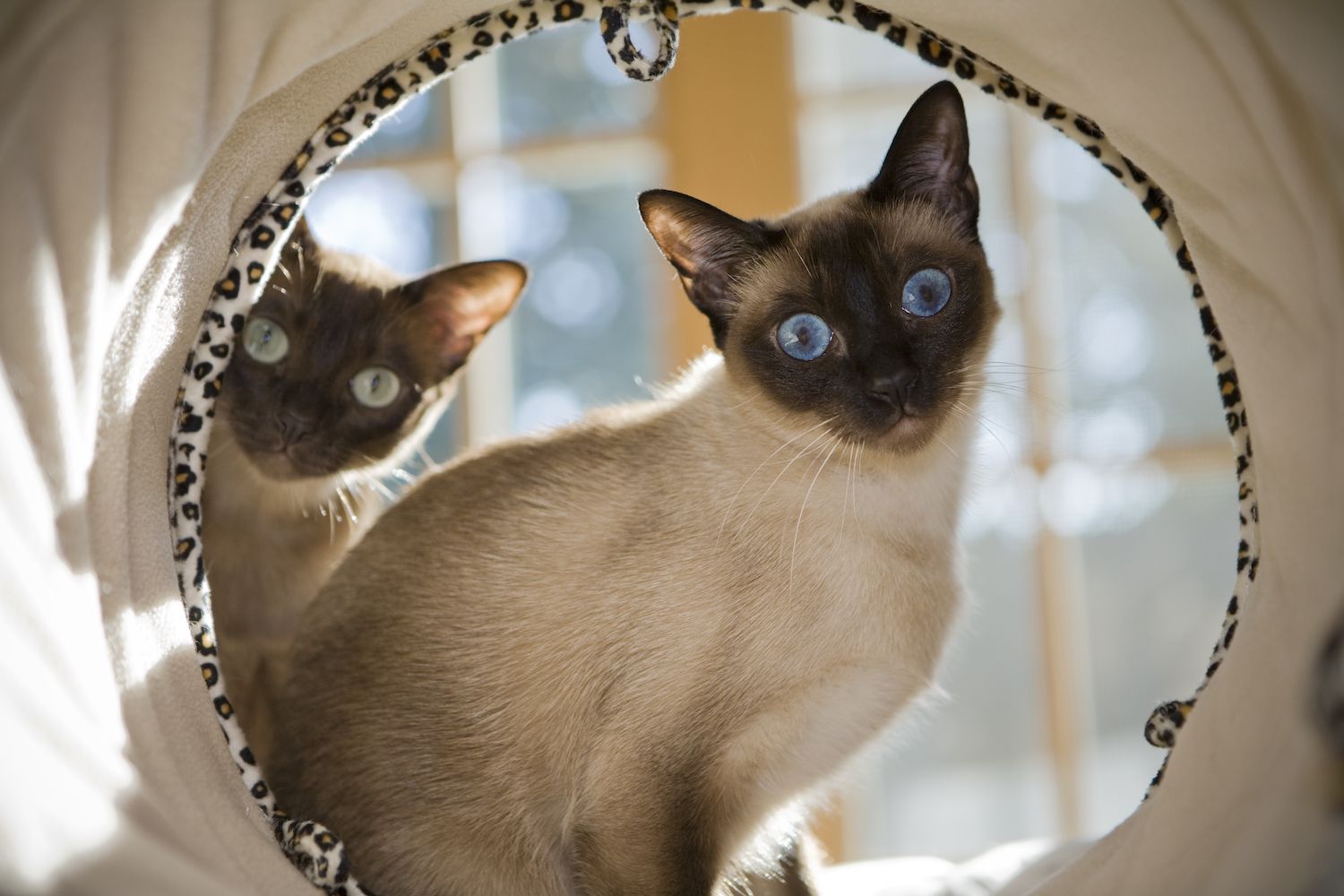
Tonkinese cats stand out due to their sleek and muscular build. They have a unique wedge-shaped head and almond-shaped eyes that can range in color from blue to green. Their coat is short, fine, and silky, making grooming relatively easy.
Temperament and Social Nature
One of the most endearing qualities of the Tonkinese cat is its social nature. These cats love to be around people and are known for their playful antics. They are not shy about expressing their needs and will often follow their owners around the house, seeking attention and interaction.
Because of their social tendencies, Tonkinese cats thrive in environments where they receive plenty of attention. They can become lonely if left alone for too long, so it’s important to consider your lifestyle and how much time you can dedicate to your feline friend.
Identifying a Tonkinese Cat
Identifying a Tonkinese cat involves looking at both physical and behavioral characteristics. These cats have distinct features that set them apart from other breeds, making them easy to recognize once you know what to look for.
Physical Characteristics
Tonkinese cats have a medium-sized, muscular build that gives them a sleek and athletic appearance. Their head is wedge-shaped, with a gently rounded muzzle and prominent cheekbones. The ears are broad at the base and set wide apart, complementing their expressive eyes.
Their coat is short and lies close to the body, providing a soft, silky texture. This makes grooming a breeze, as they require minimal maintenance compared to long-haired breeds.
Color Variations and Patterns
Tonkinese cats come in a variety of color patterns, including solid, pointed, and mink. Each pattern offers a different look, but all are equally stunning. The mink pattern is particularly popular, as it provides a unique blend of both the Siamese and Burmese coat colors.
Behavioral Traits Unique to the Breed
Tonkinese cats are known for their intelligence and curiosity. They enjoy interactive play and can be trained to perform tricks or even walk on a leash. Their playful nature means they are often found exploring their surroundings or engaging in games with their human companions.
“Tonkinese cats are social butterflies. They thrive on interaction and love being the center of attention.”
Understanding these behavioral traits can help you provide the best environment for your Tonkinese cat, ensuring they remain happy and engaged.
Cost Considerations for Tonkinese Cats
Adopting a Tonkinese cat involves both initial and ongoing costs. It’s important to consider these expenses to ensure you can provide the necessary care and attention for your new pet.
Initial Adoption Fees
The initial adoption fees for a Tonkinese cat can vary depending on the source. Typically, adoption fees range from $75 to $150 when adopting from a shelter or rescue organization. If you choose to purchase from a breeder, costs can be significantly higher, often ranging from $600 to $1,200.
Ongoing Maintenance Costs
Beyond the initial adoption fees, you’ll need to budget for ongoing expenses such as food, grooming, and veterinary care. Tonkinese cats require high-quality cat food to maintain their health, which can cost around $20 to $40 per month.
Routine veterinary care, including vaccinations and check-ups, can cost approximately $100 to $200 annually. Additionally, investing in toys and enrichment activities is important for keeping your Tonkinese cat mentally and physically stimulated.
Considering these costs beforehand ensures that you can provide a loving and supportive home for your Tonkinese cat.
The Impact of Breed Rarity on Costs
Tonkinese cats are considered somewhat rare, which can influence their cost. Due to their unique blend of Siamese and Burmese traits, they are highly sought after by cat enthusiasts. This demand can lead to higher prices, especially when purchasing from reputable breeders.
While shelters may offer more affordable adoption fees, the rarity of Tonkinese cats means they are not as commonly found in these environments. Therefore, potential adopters should be prepared for the possibility of paying a premium if they wish to own this particular breed.
Evaluating the Social Needs of Tonkinese Cats
Understanding the social needs of a Tonkinese cat is crucial for providing the right environment. These cats are known for their sociable nature, making them ideal companions for those who enjoy interactive pets.
However, their need for attention means that they may not thrive in homes where they are left alone for long periods. Therefore, it’s essential to consider your lifestyle and whether you can meet the social demands of a Tonkinese cat.
Interaction with Humans
Tonkinese cats thrive on human interaction. They love to be involved in daily activities and are known to follow their owners around the house. This breed enjoys being the center of attention and will often engage in playful antics to capture your interest.
Because of their affectionate nature, Tonkinese cats often form strong bonds with their human companions. They are not shy about expressing their needs and will vocalize to communicate with you, making them a delight for those who enjoy an interactive pet.
Compatibility with Other Pets
Tonkinese cats are generally friendly and get along well with other pets. Their social nature means they are likely to enjoy the company of other cats and even dogs, provided the other animals are not aggressive.
Introducing a Tonkinese cat to other pets should be done gradually, allowing them time to adjust to each other’s presence. With patience and proper introductions, Tonkinese cats can become wonderful companions to other animals in the household.
It’s important to monitor interactions initially to ensure all pets feel comfortable and safe in their shared environment.
Adaptability to Being Alone
While Tonkinese cats are social creatures, they can adapt to being alone for short periods. However, leaving them alone for extended durations may lead to boredom and potential behavioral issues, such as excessive vocalization or destructive behavior.
To mitigate this, ensure your Tonkinese cat has plenty of toys and activities to keep them occupied. Interactive toys, puzzle feeders, and scratching posts can help provide mental stimulation during times when you are not at home.
Consider arranging for a pet sitter or a playdate with another pet if you anticipate being away for an extended period. This will help ensure your Tonkinese cat remains happy and engaged even in your absence.
Caring for Your Tonkinese Cat
Caring for a Tonkinese cat involves meeting their basic needs and ensuring their health and well-being. With the right care and attention, these cats can thrive and become beloved members of your family.
Basic Care Requirements
Tonkinese cats require a balanced diet, regular exercise, and routine veterinary care. Providing high-quality cat food that meets their nutritional needs is essential for maintaining their health. Fresh water should always be available, and their feeding schedule should be consistent. For those interested in exploring other breeds, you might want to learn about the Egyptian Mau cat and its unique care requirements.
These cats are playful and energetic, so incorporating playtime into their daily routine is important. Interactive toys and activities that challenge their intelligence can help keep them physically and mentally fit.
Health Concerns to Watch For
Like all breeds, Tonkinese cats may be prone to certain health issues. Regular veterinary check-ups are crucial for early detection and prevention of potential health problems. Common concerns include dental issues, respiratory infections, and obesity.
Maintaining a healthy weight through proper diet and exercise can help prevent obesity-related health issues. Additionally, dental hygiene is important, so consider providing dental treats or regular teeth brushing to keep their teeth and gums healthy.
By staying vigilant and addressing any health concerns promptly, you can ensure your Tonkinese cat leads a long and healthy life.
Grooming and Hygiene Tips
The short, silky coat of a Tonkinese cat requires minimal grooming. Regular brushing once a week is usually sufficient to remove loose hair and reduce shedding. This also provides an opportunity to bond with your cat and check for any skin issues or parasites. For those interested in other rare cat breeds, you might want to explore the Japanese Bobtail cats for their unique traits.
Regular nail trimming and ear cleaning are also part of their grooming routine. Be gentle and use appropriate tools to avoid causing discomfort. If you’re unsure about grooming techniques, consult with your veterinarian or a professional groomer for guidance.
Overall, maintaining a consistent grooming routine will help keep your Tonkinese cat looking and feeling their best.
Tonkinese Cats vs. Other Breeds
When considering adopting a Tonkinese cat, it’s helpful to compare them with other breeds to determine which might be the best fit for your family and lifestyle. Understanding the differences can guide you in making an informed decision.
“Tonkinese vs Siamese Cat: Which Breed …” from www.fveap.org and used with no modifications.
Comparison with Siamese Cats
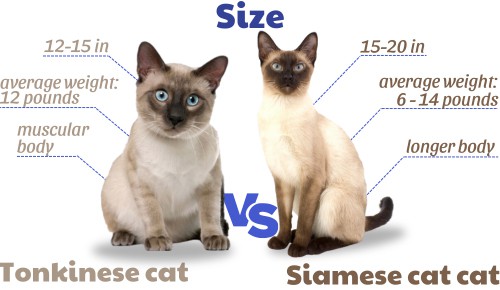
Tonkinese cats share several traits with Siamese cats, including their vocal and social nature. However, Tonkinese cats tend to have a softer, more melodic voice compared to the often loud and demanding Siamese.
In terms of appearance, both breeds have sleek, muscular builds, but Tonkinese cats often exhibit a broader range of color patterns due to their Burmese ancestry. This makes them a unique choice for those who appreciate diversity in coat colors.
“Siamese VS Balinese: Know The …” from www.youtube.com and used with no modifications.
Comparison with Balinese Cats
Balinese cats are known for their long, silky coats and graceful appearance. In contrast, Tonkinese cats have a short, fine coat that requires less grooming. Both breeds are social and enjoy human interaction, but Tonkinese cats are often more playful and energetic. If you’re interested in learning about other unique cat breeds, you might want to explore the Japanese Bobtail, known for its distinctive traits and rarity.
While Balinese cats are also affectionate, Tonkinese cats are particularly known for their love of play and interaction, making them a great choice for families with children or other pets.
Understanding these comparisons can help you decide which breed aligns best with your lifestyle and preferences. For instance, you might want to explore the differences between Belgian Sheepdog and other similar breeds to make an informed decision.
Choosing the Right Breed for Your Family
When it comes to selecting the right breed for your family, Tonkinese cats stand out due to their social and playful nature. They thrive in active households where they can receive plenty of attention and interaction. If your family enjoys spending time with pets and can provide a stimulating environment, a Tonkinese cat might be the perfect addition.
Consider the lifestyle and activity level of your family. Tonkinese cats are energetic and require engagement through play and social interaction. They are also adaptable and can get along well with children and other pets, making them a versatile choice for many households. For those interested in other adaptable breeds, the Havana Brown cat is another excellent option to consider.
Ultimately, the decision to adopt a Tonkinese cat should be based on your ability to meet their social needs and provide a loving home where they can flourish.
Potential as Therapy Cats
Tonkinese cats have the potential to serve as therapy animals due to their affectionate and engaging nature. Their ability to connect with people and provide comfort makes them ideal candidates for emotional support roles.
Therapeutic Benefits
The therapeutic benefits of Tonkinese cats are numerous. Their presence can help reduce stress and anxiety in individuals, offering a calming effect through their gentle companionship. These cats are known to form strong bonds with their owners, providing a sense of security and emotional support.
Moreover, their playful antics and interactive nature can uplift moods and encourage positive social interactions. This makes them particularly beneficial for individuals dealing with loneliness or depression.
Suitability as Emotional Support Animals
Tonkinese cats are well-suited to be emotional support animals. Their intuitive nature allows them to sense when their owner is in need of comfort or companionship. They are affectionate and enjoy being close to their human companions, making them ideal for providing emotional support.
For individuals seeking a pet that can offer both companionship and therapeutic benefits, a Tonkinese cat can be an excellent choice.
Training Considerations for Therapy
While Tonkinese cats are naturally sociable, training them for therapy roles can enhance their effectiveness as support animals. Basic training can include teaching them to respond to commands and ensuring they are comfortable in various environments.
Socialization is key, so exposing them to different people and situations can help them become well-rounded therapy cats. Positive reinforcement techniques, such as treats and praise, can encourage desired behaviors and strengthen the bond between the cat and its owner.
FAQ
Here are some frequently asked questions about Tonkinese cats to help you better understand this delightful breed.
Are Tonkinese cats hypoallergenic?
Tonkinese cats are not considered hypoallergenic. While they have a short coat that sheds less than some other breeds, they still produce allergens that can affect sensitive individuals. Regular grooming and cleaning can help minimize allergens in the home.
How much exercise do Tonkinese cats need?
Tonkinese cats are active and require regular exercise to stay healthy and happy. Engaging them in interactive play sessions for at least 15 to 20 minutes a day can help meet their exercise needs. Toys that stimulate their hunting instincts, such as feather wands or laser pointers, are particularly effective.
What is the average lifespan of a Tonkinese cat?
With proper care and attention, Tonkinese cats can live an average of 12 to 16 years. Providing a balanced diet, regular veterinary check-ups, and a stimulating environment can contribute to their longevity and overall well-being. For more information on their characteristics, you can check out this Tonkinese cat breed profile.
Are Tonkinese cats suitable for families with young children?
Yes, Tonkinese cats are generally suitable for families with young children. Their playful and affectionate nature makes them a great match for active households. However, it’s important to teach children how to interact with cats respectfully to ensure a harmonious relationship.
How do Tonkinese cats compare to other breeds?
Compared to other breeds, Tonkinese cats are known for their sociable and engaging personalities. They share similarities with Siamese and Balinese cats but have their own unique traits that make them a special addition to any family. Their adaptability and playful nature set them apart as ideal companions for those seeking an interactive pet.
In conclusion, adopting a Tonkinese cat can bring joy and companionship into your life. By understanding their needs and providing a loving environment, you can ensure a fulfilling relationship with your Tonkinese cat for years to come.