Key Takeaways
- Turkish Angora cats are known for their playful, social, and intelligent nature.
- These cats have a single coat that makes grooming relatively simple.
- Adopting a Turkish Angora requires a long-term commitment, as they can live up to 20 years.
- They are excellent companions, especially for those who can provide constant attention.
- Turkish Angoras may have specific health needs, so regular vet check-ups are essential.
Turkish Angora Cat Adoption Basics
Adopting a Turkish Angora cat can be a rewarding experience, but it’s essential to understand what you’re getting into. These cats are not just visually stunning with their silky fur and striking eyes; they also have a rich history and unique characteristics that make them special. Let’s dive into what makes a Turkish Angora the right choice for you.
“Turkish Angora: character, appareance …” from www.zooplus.co.uk and used with no modifications.
Identifying a Turkish Angora Cat
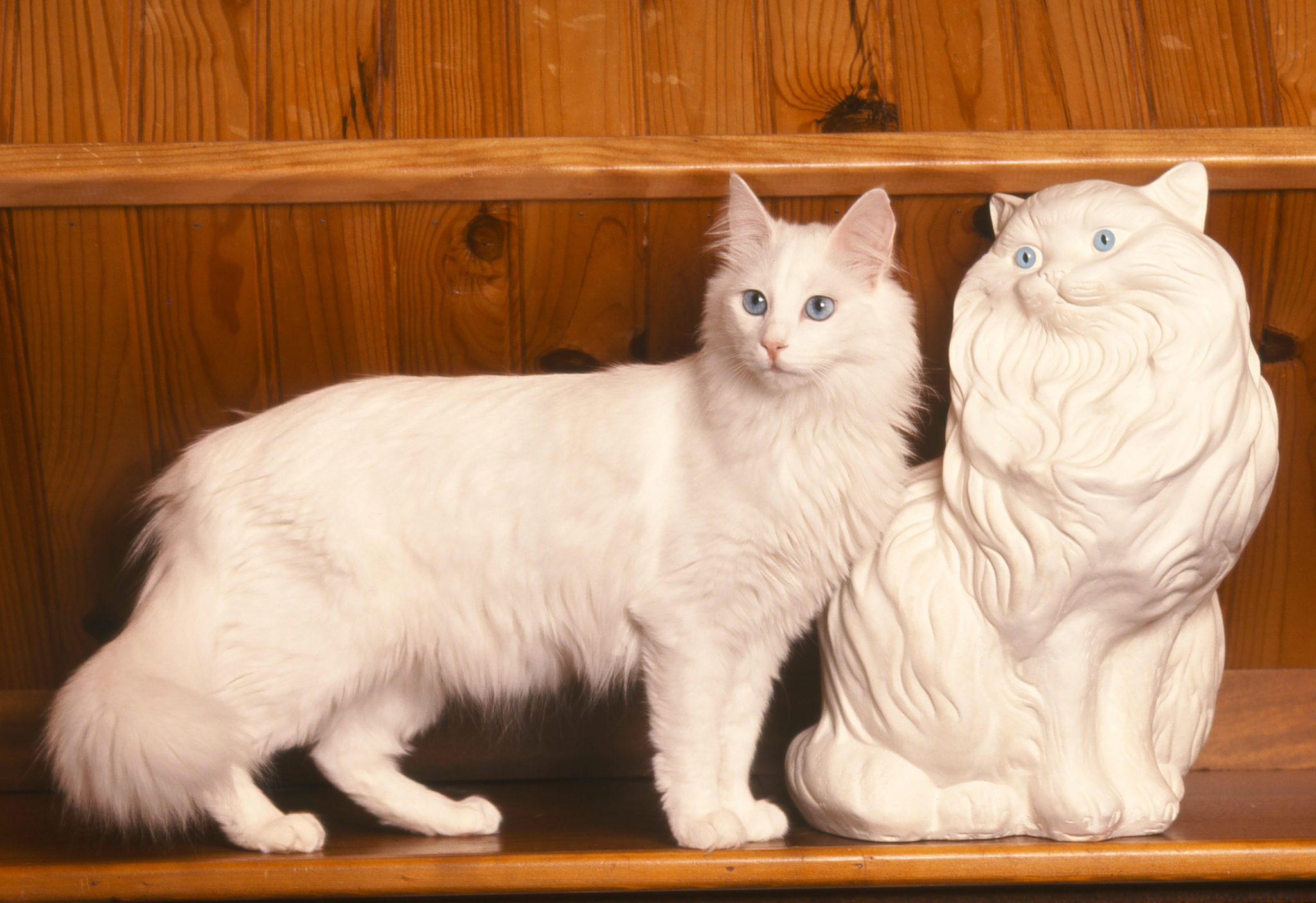
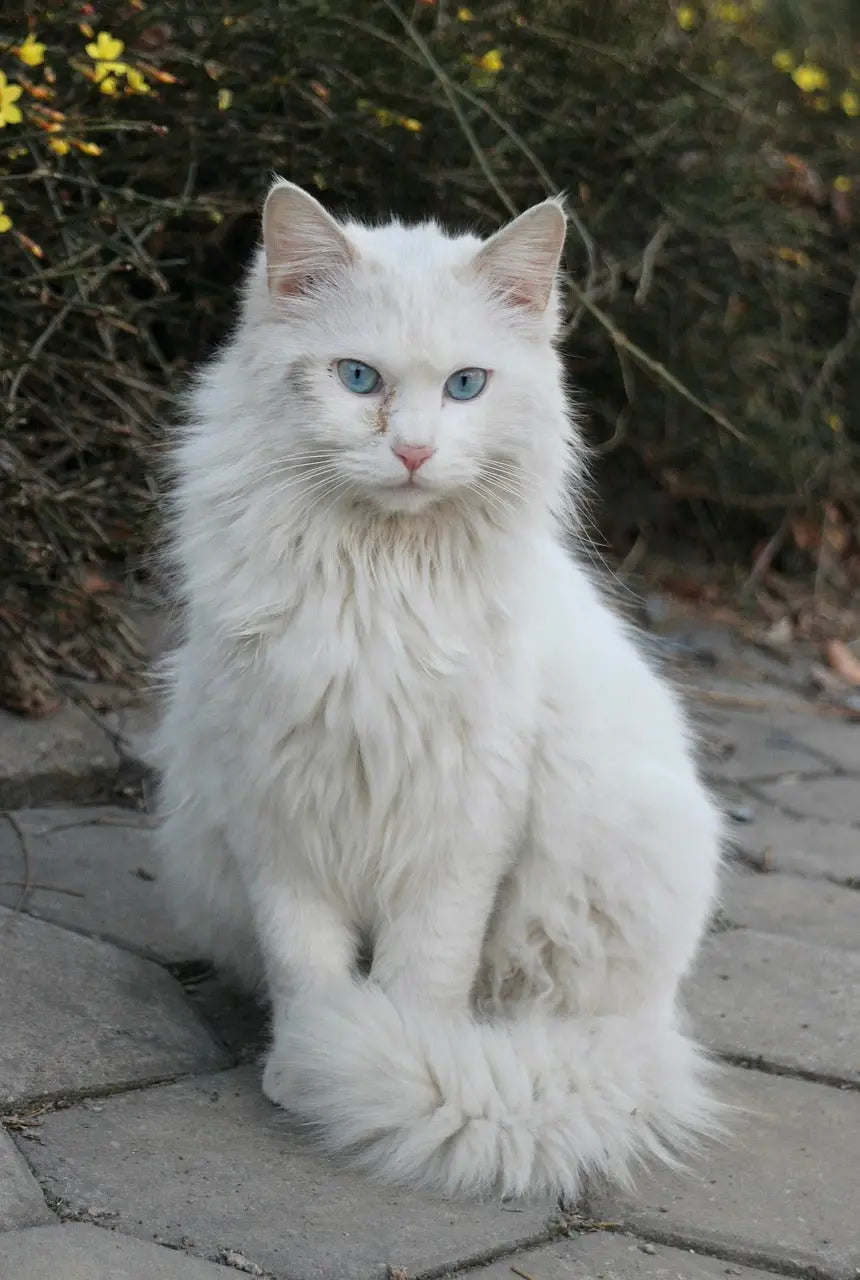
Turkish Angoras are often mistaken for other long-haired breeds, but they have distinct features that set them apart. They typically have a slender, graceful body and a long, bushy tail. Their most notable feature is their coat, which is soft, fine, and single-layered, making it less prone to matting.
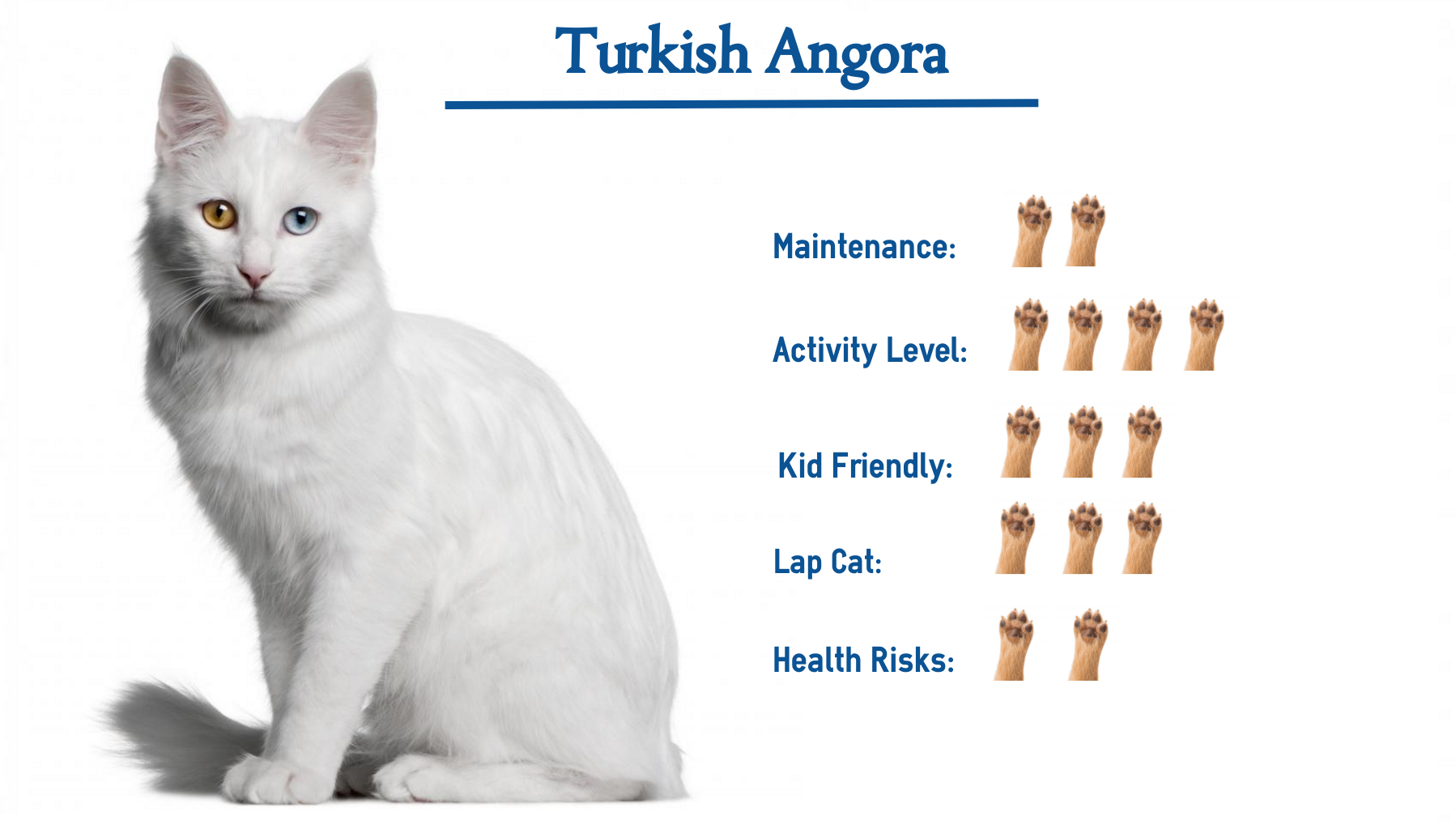
Besides their physical traits, Turkish Angoras are known for their almond-shaped eyes that can be blue, green, amber, or even odd-eyed (two different colors). These cats are often white, but they can come in various colors and patterns.
Understanding Typical Traits and Personality
When it comes to personality, Turkish Angoras are a delightful mix of curiosity and affection. They are highly intelligent and enjoy interactive play, often figuring out how to open doors or cupboards. Their social nature means they thrive on human interaction and can become lonely if left alone for long periods.
“Turkish Angoras are very interested in their owners’ lives and will follow you around the house.”
This breed is also known for being quite vocal. They will communicate with you using a range of sounds, from soft chirps to loud meows, making them excellent companions for those who enjoy a chatty pet.
Initial Cost and Lifelong Commitment
Adopting a Turkish Angora involves more than just the initial adoption fee. You need to be prepared for the costs associated with their care, including food, grooming supplies, and regular veterinary visits. Adoption fees can range from $75 to $200, depending on the source, but this is just the beginning.
Because Turkish Angoras can live up to 20 years, adopting one is a significant commitment. You’ll need to provide them with love, attention, and proper care throughout their life. It’s crucial to consider whether you can meet these needs before bringing a Turkish Angora into your home.
Why Turkish Angoras Make Great Pets
Turkish Angoras are not just beautiful; they are also fantastic companions. Their engaging personalities and affectionate nature make them ideal pets for those who can offer them the time and attention they crave.
Cuddly and Affectionate Nature
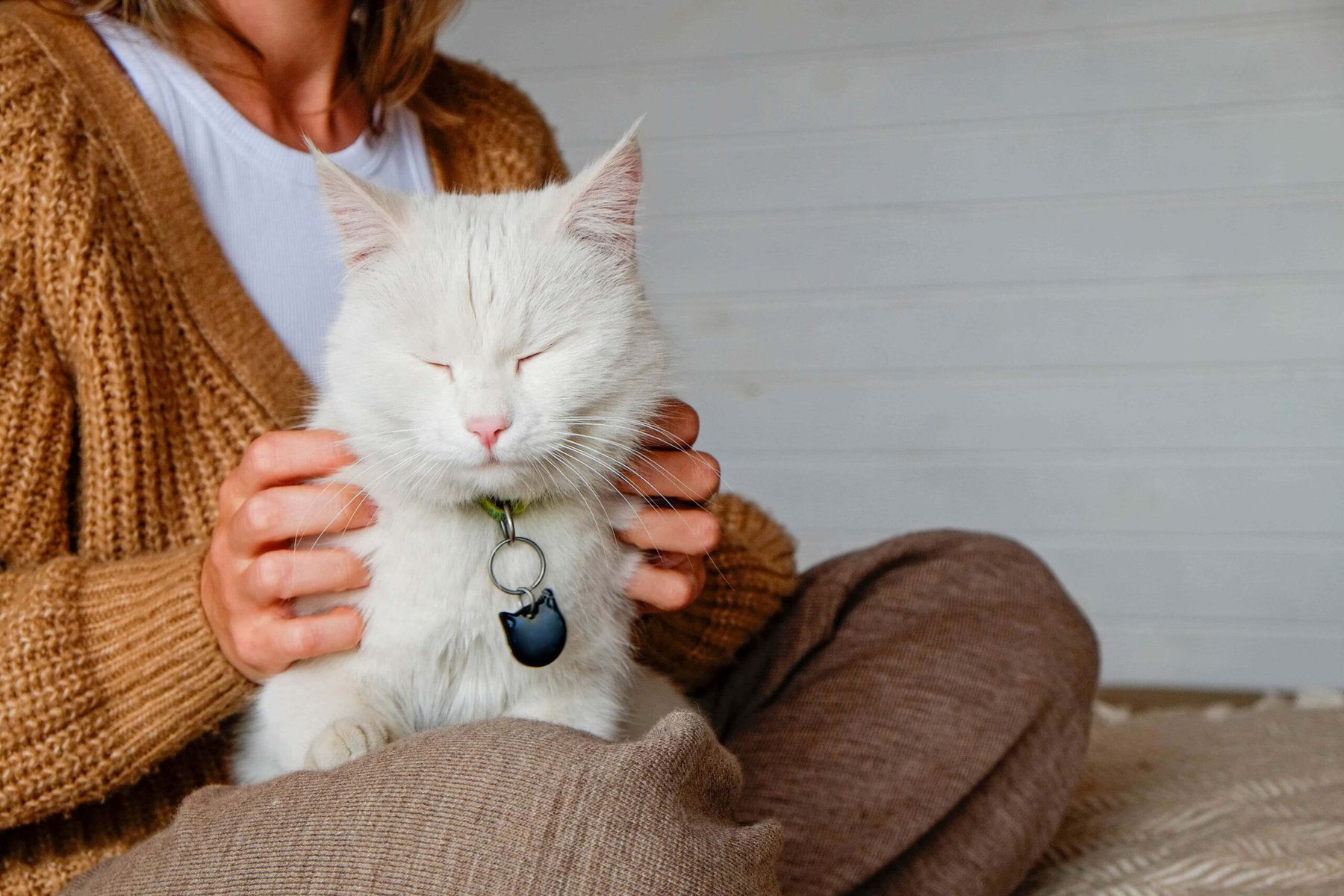
If you’re looking for a cat that enjoys being part of the family, the Turkish Angora is a perfect choice. These cats love to cuddle and will often seek out their owners for a nap or some quiet time. Their affectionate nature means they bond closely with their human companions, making them feel loved and cherished.
“How to Groom Your Turkish Angora Cat …” from pangovet.com and used with no modifications.
Talkative and Engaging Behavior
Besides being cuddly, Turkish Angoras are also very talkative. They have a wide range of vocalizations and aren’t afraid to use them to get your attention. Whether they’re hungry, want to play, or just want to be near you, they’ll let you know with their expressive sounds.
- Chirps for playtime
- Soft meows for attention
- Louder meows when they need something
Because of their engaging behavior, Turkish Angoras can be a source of endless entertainment and joy. They are perfect for families who enjoy interacting with their pets and can provide the constant companionship these cats thrive on.
Health Considerations for Turkish Angoras
When considering adopting a Turkish Angora, it’s important to be aware of their health needs. While generally healthy, these cats can be prone to certain genetic conditions. Regular veterinary care and a healthy lifestyle can help mitigate these risks and ensure your feline friend lives a long, happy life. For those interested in other unique feline breeds, you might also want to explore the Japanese Bobtail and their distinctive traits.
“Turkish Angora Cat Breed… Everything …” from indulgeyourpet.com and used with no modifications.
Common Health Issues
Turkish Angoras are known to have some hereditary health problems. One such issue is hypertrophic cardiomyopathy, a heart condition that can affect their quality of life. It’s crucial to have regular heart check-ups to catch any early signs of this condition. Additionally, deafness is more common in white Turkish Angoras, especially those with blue eyes.
Another condition to watch out for is ataxia, a neurological disorder that can cause coordination issues. Although rare, it’s something potential adopters should be aware of. Ensuring your Turkish Angora is sourced from a reputable breeder can reduce the risk of these genetic issues.
Preventive Care and Veterinary Advice
Preventive care is key to keeping your Turkish Angora healthy. Regular veterinary visits, vaccinations, and a balanced diet are essential. These cats require a diet rich in protein and nutrients to maintain their energy levels and glossy coat. It’s also important to keep their teeth clean to prevent dental issues.
Your vet can provide specific advice on the best care practices for your Turkish Angora, including exercise routines and grooming tips. Because these cats have a single coat, grooming is relatively simple but should still be done regularly to keep their fur in top condition.
Comparisons with Other Breeds
Choosing the right cat breed can be challenging, especially with so many options available. Understanding how the Turkish Angora compares to other popular breeds can help you make an informed decision. Let’s look at how they stack up against the Siamese, Turkish Van, and Persian cats.
Turkish Angora vs. Siamese
Both Turkish Angoras and Siamese cats are known for their intelligence and vocal nature. However, Turkish Angoras tend to be more independent and enjoy exploring their environment, while Siamese cats are more people-oriented and may demand more attention.
In terms of appearance, Siamese cats have a sleek, short coat, contrasting with the long, flowing fur of the Turkish Angora. If you’re looking for a cat that enjoys being involved in family activities but can also entertain itself, the Turkish Angora might be the better choice.
“Key Differences Between Turkish Angora …” from www.msn.com and used with no modifications.
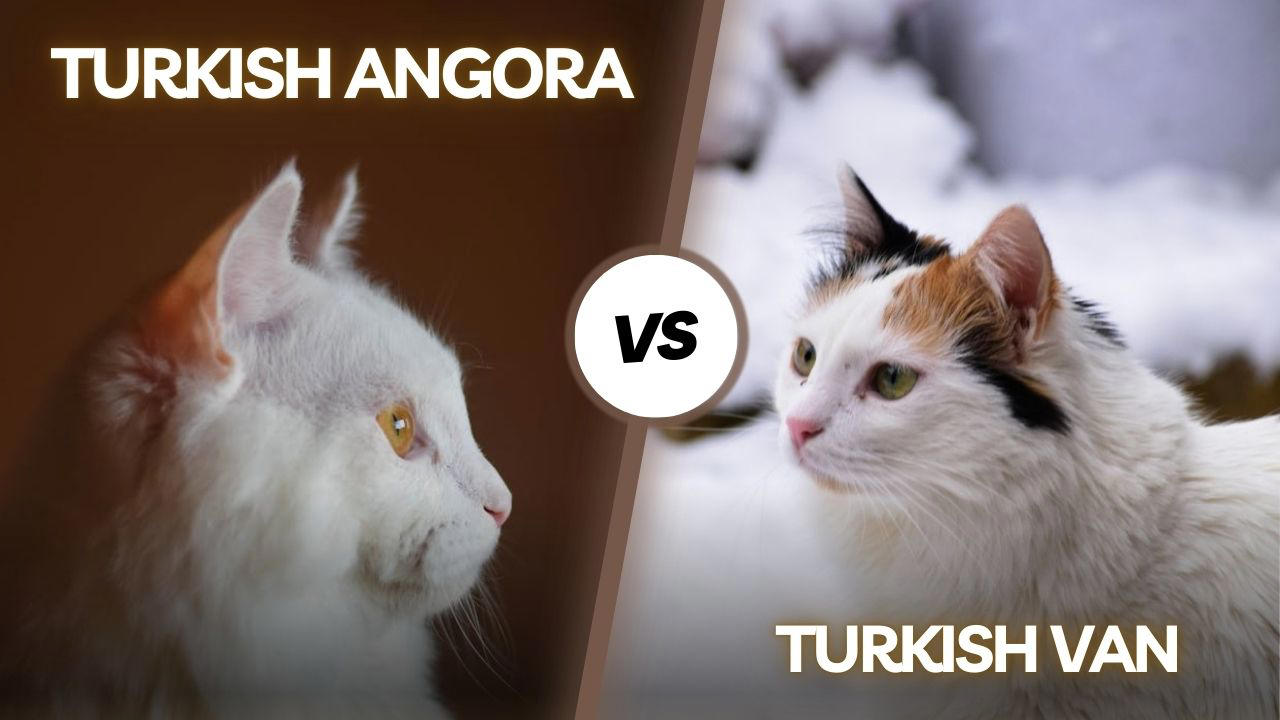
Turkish Angora vs. Turkish Van
While both breeds originate from Turkey, they have distinct differences. Turkish Vans are known for their love of water, often enjoying a splash in the pool or bathtub. Turkish Angoras, on the other hand, are less likely to seek out water play.
In terms of temperament, Turkish Vans are more laid-back and adaptable, while Turkish Angoras are more energetic and require regular mental stimulation. Both breeds are affectionate and make great companions, but their activity levels and preferences differ.
“Persian vs. Angora Cat – Breed Comparison” from www.animalwised.com and used with no modifications.
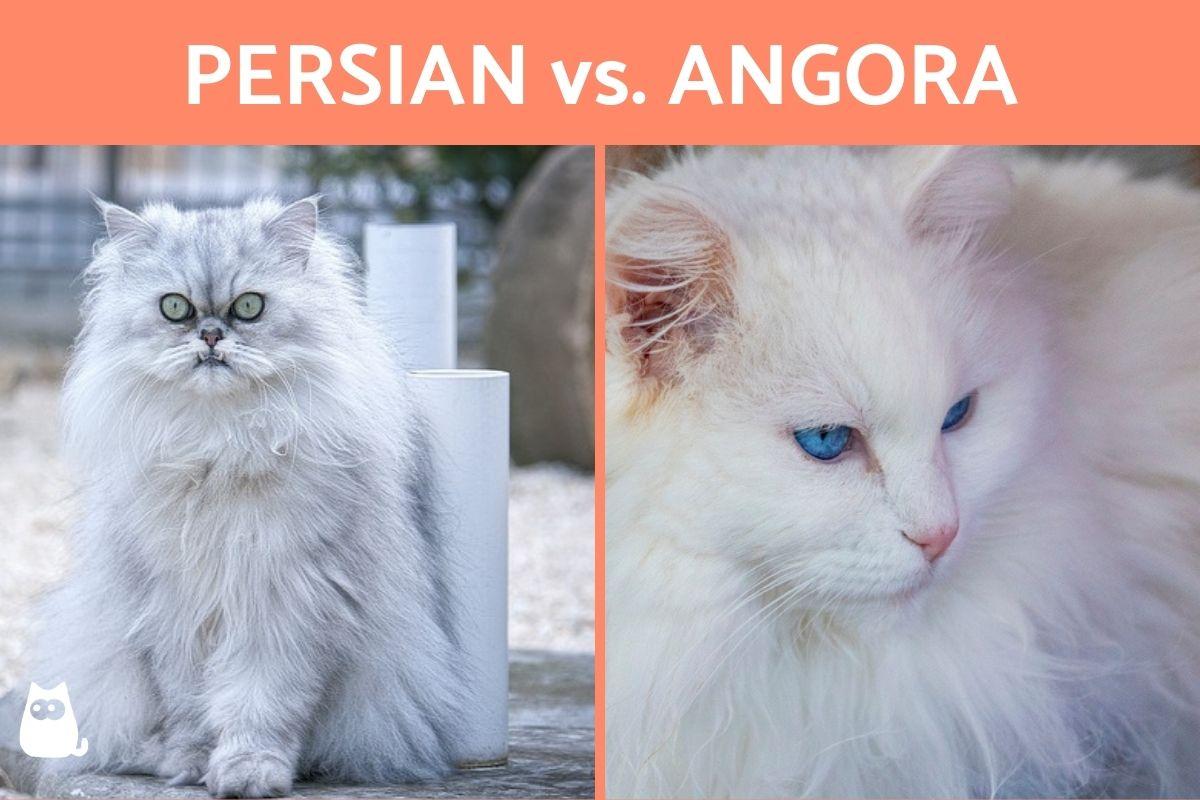
Care Comparison: Angora vs. Persian
When comparing the care requirements of Turkish Angoras and Persian cats, the most notable difference is in grooming. Persian cats have a dense double coat that requires daily grooming to prevent matting, whereas Turkish Angoras have a single coat that’s much easier to manage.
Additionally, Persians are known for their calm and relaxed demeanor, making them perfect lap cats. In contrast, Turkish Angoras are more active and playful, requiring more engagement and playtime. If you prefer a low-maintenance grooming routine, the Turkish Angora might be the better fit.
Ideal Living Environments for Turkish Angoras
Turkish Angoras are adaptable and can thrive in various living environments, but certain conditions suit them best. These cats are social creatures and do well in homes where they have plenty of interaction with their owners. They can adapt to apartment living as long as they have enough space to explore and play.
In terms of climate, Turkish Angoras can adjust to different weather conditions, but they prefer moderate climates. Extreme heat or cold can be uncomfortable for them, so it’s important to ensure they have a comfortable living space. Overall, Turkish Angoras are versatile pets that can bring joy to many different households.
“Turkish Angora Cats …” from purebredkitties.com and used with no modifications.
Compatible Climates
Turkish Angoras are quite adaptable, but they thrive best in moderate climates. These cats are accustomed to environments that are neither too hot nor too cold. If you live in an area with extreme weather, it’s essential to provide a comfortable indoor environment for your Angora. Ensure that your home is temperature-controlled, with plenty of cozy spots for them to lounge during colder months and cool areas during the summer.
Best Countries for Adoption
Adopting a Turkish Angora can be a wonderful experience, no matter where you live. However, some countries have a more established presence of this breed, making adoption easier. In countries like Turkey, where the breed originates, Turkish Angoras are more common. The United States and various European countries also have breeders and rescue organizations dedicated to Turkish Angoras, offering more opportunities for adoption.
Summary and Recommendations
Adopting a Turkish Angora can be a rewarding journey, offering companionship and joy. These cats are not only beautiful but also bring a unique blend of intelligence and affection to any home. Their playful nature and social demeanor make them excellent pets for families and individuals alike.
When considering adoption, ensure you’re prepared for the commitment. Turkish Angoras require love, attention, and regular care. They thrive in environments where they can interact with their human companions and explore their surroundings. Regular vet visits and proper nutrition are crucial for their health and well-being.
Frequently Asked Questions (FAQ)
Adopting a Turkish Angora comes with questions, especially for first-time cat owners. If you’re curious about adoption costs and compatibility, here are some common inquiries to help guide you through the process.
What is the average lifespan of a Turkish Angora?
Turkish Angoras typically live between 15 to 20 years. This long lifespan means they can be a lifelong companion, but it also requires a commitment to their care and well-being over the years. Regular veterinary check-ups and a healthy lifestyle can help ensure your Angora lives a long, fulfilling life. For those interested in other unique cat breeds, you might want to explore the Egyptian Mau as well.
Are Turkish Angoras good with children?
Yes, Turkish Angoras are generally good with children. Their playful and affectionate nature makes them excellent companions for kids. However, it’s important to teach children how to interact with cats respectfully to ensure a positive relationship. Supervision is always recommended to prevent any accidental rough handling.
“Turkish Angora Cat Grooming – 8 Vet …” from www.catster.com and used with no modifications.
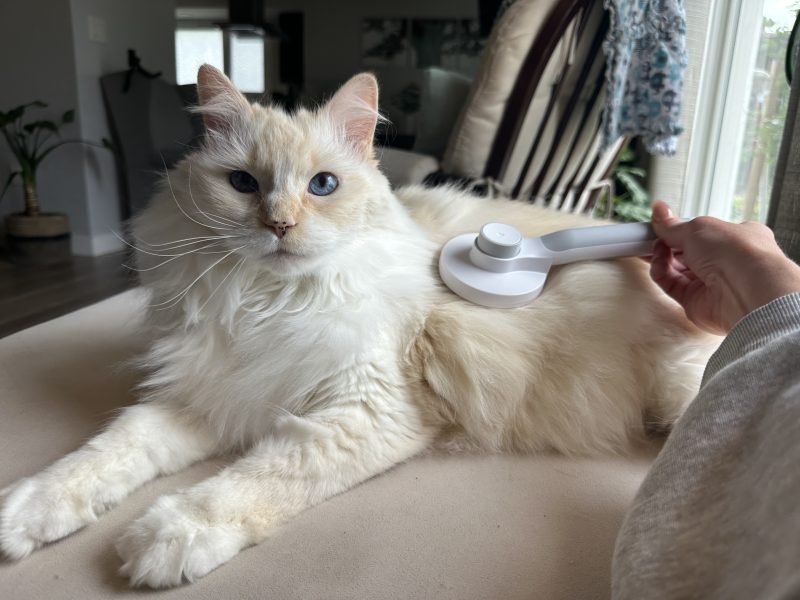
How often should I groom my Turkish Angora cat?
While Turkish Angoras have a single coat that is less prone to matting, regular grooming is still important to keep their fur in top condition. Brushing your Angora once or twice a week is usually sufficient to remove loose hair and prevent tangles. This grooming routine also helps reduce shedding and keeps your cat’s coat shiny and healthy.
In addition to brushing, regular nail trimming and dental care are essential aspects of your Angora’s grooming routine. By maintaining these practices, you ensure your cat remains comfortable and healthy.
The Turkish Angora is a captivating breed known for its striking appearance and playful personality. When considering adopting a Turkish Angora, it’s important to understand the breed’s characteristics, such as their talkative nature and compatibility with different climates. For those interested in comparing this breed with others, such as the Turkish Van or Persian, it’s helpful to research their unique traits and care requirements. Additionally, understanding potential health problems and costs associated with adoption can aid in making an informed decision.