Key Takeaways
- West Highland White Terriers, or Westies, are known for their friendly and outgoing nature, making them great companions.
- Initial costs for owning a Westie can range from $800 to $1,500, with ongoing expenses for grooming and vet bills adding up to around $80 monthly.
- Westies typically live between 12 to 16 years and require regular grooming and health checks to maintain their well-being.
- They need daily exercise and mental stimulation to prevent boredom and destructive behavior.
- Westies adapt well to different living conditions, but their strong prey drive means they may not be ideal for homes with smaller pets.
The Appeal of “Westies” the West Highland Terrier
There’s something undeniably charming about the West Highland Terrier, often simply called the Westie. These little dogs have won the hearts of many with their cheerful disposition and distinctive appearance. Their bright white coats and perky ears make them stand out in any crowd.
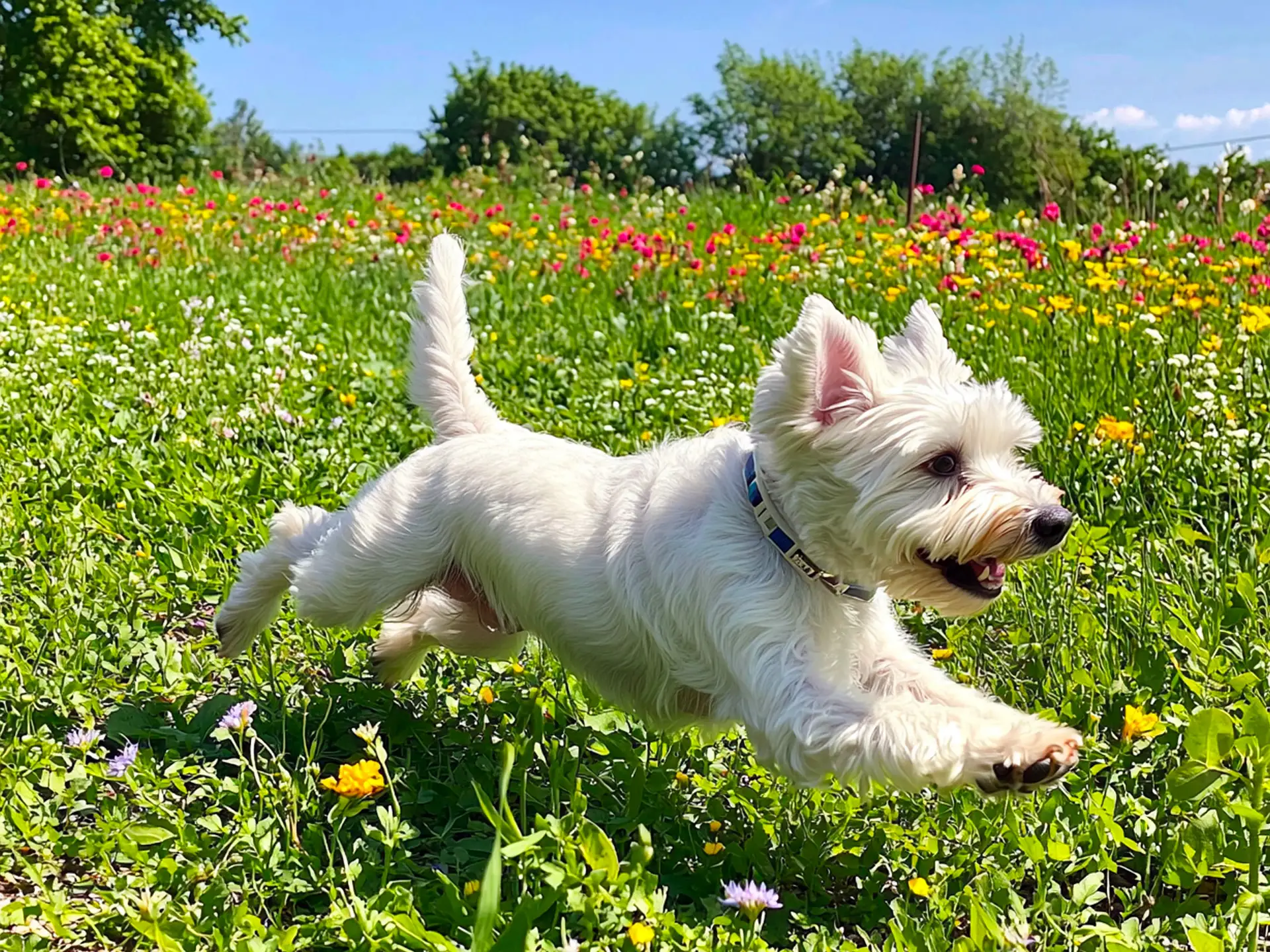
“West Highland White Terrier: The …” from www.dogpackapp.com and used with no modifications.
Westies are known for being friendly and outgoing. They love to interact with people and are generally very sociable dogs. This makes them ideal companions for those who enjoy an active lifestyle and have the time to engage with their pets regularly.
One of the key reasons many adore Westies is their playful nature. These dogs are always up for a game, whether it’s a game of fetch in the park or a playful romp in the backyard. Their energy and enthusiasm can be contagious, bringing joy to any household.
- Charming and distinctive appearance
- Friendly and outgoing personality
- Playful and energetic nature
Why So Many People Adore Westies
Westies have a unique charm that makes them irresistible to many dog lovers. Their bold and confident demeanor is often likened to that of a much larger dog, packed into a small and manageable size. This makes them particularly appealing to those who live in urban settings or have limited space.
Moreover, Westies are known for their loyalty. They form strong bonds with their families and are always eager to be involved in family activities. This loyalty, combined with their playful nature, makes them excellent companions for children and adults alike.
Another reason people love Westies is their intelligence. These dogs are quick learners and can be trained to perform a variety of tasks. Whether it’s learning a new trick or participating in agility courses, Westies are up for the challenge.
- Bold and confident demeanor
- Loyal and family-oriented
- Intelligent and trainable
Pros and Cons of Owning a West Highland White Terrier
While Westies have many appealing traits, it’s important to consider both the pros and cons before deciding to bring one into your home. Understanding these aspects will help ensure that a Westie is the right fit for your lifestyle.
On the positive side, Westies are known for their adaptability. They can thrive in various living environments, from bustling cities to quiet countryside settings. Their small size also makes them suitable for apartment living, provided they get enough exercise.
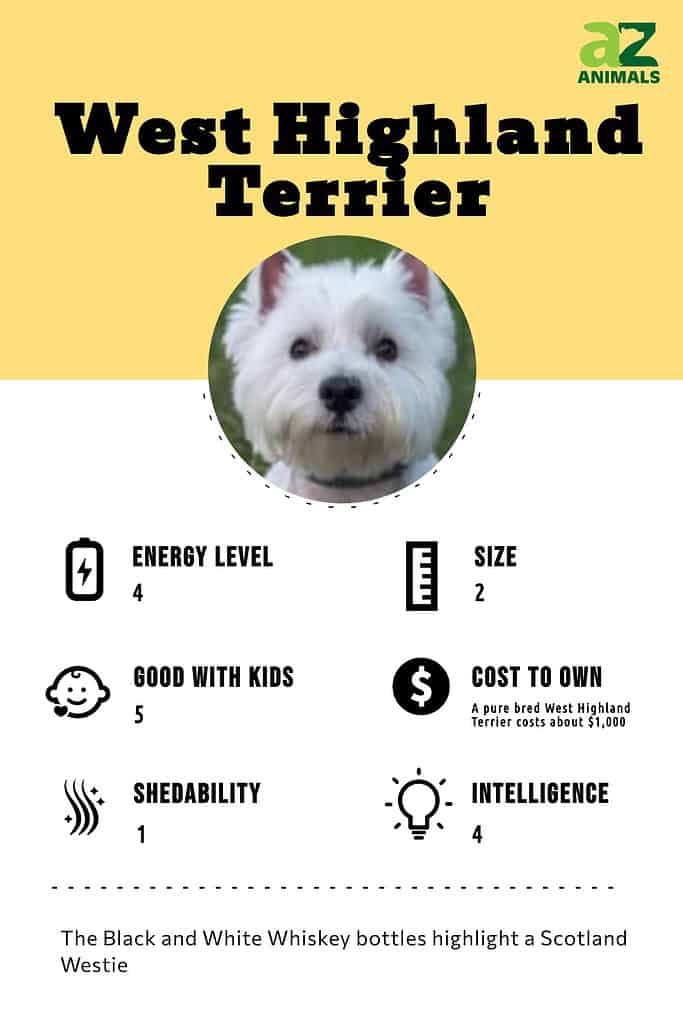
“West Highland Terrier Dog Breed …” from a-z-animals.com and used with no modifications.
However, there are also some challenges to consider. Westies can be quite vocal, often barking to alert their owners of perceived threats. This can be a pro or con, depending on your living situation and tolerance for noise. Additionally, their strong prey drive means they may not get along well with smaller pets like cats or rodents.
It’s also worth noting that Westies require regular grooming to keep their coats in top condition. This includes brushing and occasional professional grooming sessions to prevent matting and maintain their signature look.
In summary, while Westies offer many benefits, potential owners should be prepared for the responsibilities that come with caring for this lively and spirited breed.
Understanding Energy and Exercise Needs
West Highland Terriers are bundles of energy wrapped in a small, fluffy package. They thrive on physical activity and require regular exercise to stay healthy and happy. Without sufficient exercise, a Westie can become bored and may develop undesirable behaviors like excessive barking or digging.
These little dogs are quite active and love to play. Whether it’s a brisk walk around the neighborhood or a playful game of fetch in the backyard, Westies enjoy being on the move. They are also agile and can excel in activities like agility training or obedience competitions, which provide both physical and mental stimulation.
Most importantly, regular exercise not only keeps a Westie physically fit but also strengthens the bond between the dog and its owner. It’s a great way to spend quality time together and ensure your Westie is living a fulfilled life.
Activity Level and Exercise Routines
Westies need at least 30 to 60 minutes of exercise each day. This can be broken down into a couple of walks, play sessions, or a combination of both. Keep in mind that Westies are curious and enjoy exploring, so allowing them some time to sniff and investigate during walks can be beneficial.
Besides that, interactive toys or puzzle feeders can provide mental stimulation, keeping their intelligent minds occupied. Remember, a tired Westie is a happy Westie, so make sure they get enough activity to expend their energy.

“West Highland White Terrier …” from wescotthopewesties.com and used with no modifications.
Mental Stimulation: Keeping a Westie Happy
Westies are not just physically active; they are also quite intelligent. To keep them mentally stimulated, consider incorporating training sessions into their daily routine. Teaching new commands or tricks can be a fun way to engage their minds.
Additionally, puzzle toys that challenge their problem-solving skills are excellent for mental enrichment. These toys can be filled with treats, encouraging your Westie to think and work to get their reward.
Most importantly, variety is key. Rotate toys and activities to keep things fresh and exciting for your Westie, preventing boredom and promoting overall well-being.
Family Dynamics and Living Conditions
West Highland Terriers are known for their adaptability, making them suitable for a variety of living situations. They can thrive in both urban and rural environments, as long as they receive enough exercise and attention. For those interested in exploring other adaptable breeds, the Australian Shepherd is another great option to consider.
These dogs are also quite social and enjoy being part of the family. They tend to get along well with children, provided interactions are supervised, and the children are taught how to handle dogs gently.
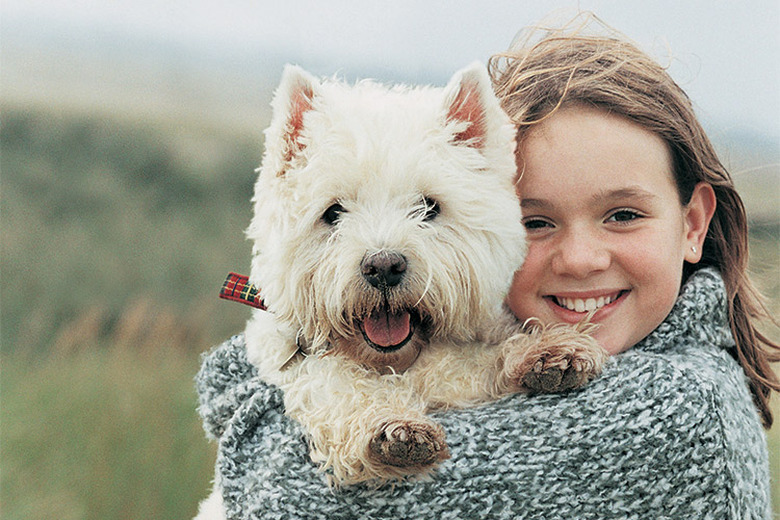
“Facts About Westie Dogs” from www.cuteness.com and used with no modifications.
Good House Family Dog: Adaptability and Social Nature
Westies make excellent family dogs due to their friendly and social nature. They are typically good with children and enjoy being involved in family activities. Their playful demeanor makes them a hit with kids, and their loyalty ensures they are protective of their loved ones.
However, it’s important to teach children how to interact with dogs appropriately. This includes respecting the dog’s space and understanding when the dog needs a break. Proper socialization from an early age will help a Westie develop into a well-rounded family member. For those considering adding a unique breed to their household, exploring options like the Catahoula Leopard Dog might also be of interest.
“Westies are like little clowns, always ready to entertain and bring joy to the household. Their adaptability makes them a great fit for families with varying lifestyles.”
While they are adaptable, Westies do best in homes where they are not left alone for long periods. They thrive on companionship and can develop separation anxiety if left isolated for too long. For those interested in other terrier breeds, you might consider the Cesky Terrier as a potential alternative.
Prey Drive and Ability to Cohabitate with Other Pets
Westies have a strong prey drive, a trait inherited from their terrier lineage. This means they may be inclined to chase smaller animals, including cats or rodents. While some Westies can learn to live peacefully with other pets, it’s important to supervise interactions and introduce them gradually. For those considering adopting a cat, you might explore options like the Japanese Bobtail, which may have compatible traits.
Early socialization and training can help manage their prey drive, but potential owners should be aware of this characteristic and take necessary precautions. For more information on a similar breed, check out our guide on Ibizan Hound adoption and care.
Living Space Requirements: Apartment versus House
Despite their energetic nature, Westies can adapt to apartment living as long as their exercise needs are met. They are small dogs, so they don’t require a lot of space indoors, but they do need opportunities to burn off energy through walks or playtime.
For those living in houses with yards, Westies will appreciate the extra space to roam and play. However, it’s important to ensure the yard is securely fenced, as their curious nature might lead them to explore beyond boundaries.
Comparing Westies to Other Breeds
When considering a Westie, it’s helpful to compare them to other similar breeds to understand their unique qualities. Two breeds often compared to Westies are the Maltese and the Jack Russell Terrier.
Each breed has its own set of characteristics, and understanding these differences can help you decide which dog might be the best fit for your lifestyle and family.
Maltese vs. West Highland Terrier: Key Differences
The Maltese and the Westie are both small, white dogs, but they have distinct differences in temperament and care requirements. The Maltese is known for its gentle and affectionate nature, making it a great lap dog for those seeking a more laid-back companion.
In contrast, Westies are more independent and energetic, requiring more exercise and mental stimulation. They are also more vocal, often alerting their owners to any unusual activity. For a comparison with another energetic breed, check out the Australian Shepherd.
- Maltese: Gentle, affectionate, and low-energy
- Westie: Energetic, independent, and vocal
Additionally, while both breeds require regular grooming, the Maltese’s long, flowing coat demands more frequent attention to prevent tangles and matting.
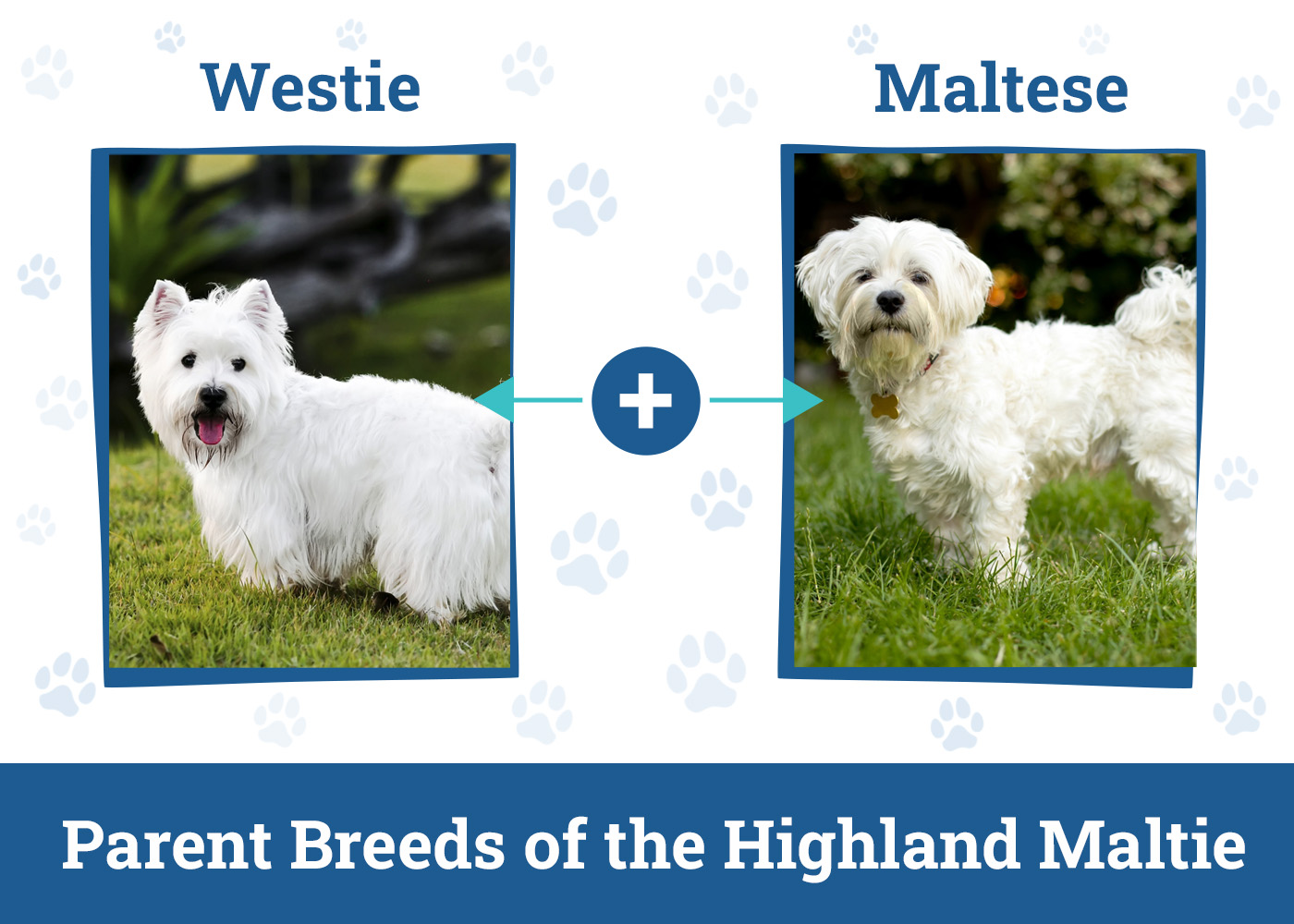
“Highland Maltie (Westie & Maltese Mix …” from www.dogster.com and used with no modifications.
Jack Russell vs. West Highland Terrier: Temperament and Needs
The Jack Russell Terrier is another breed often compared to the Westie. Both are energetic and intelligent, but Jack Russells tend to be even more active and require a significant amount of exercise to stay content. For a deeper understanding of terrier breeds, you might find this comparison of terriers insightful.
While both breeds are known for their strong prey drive, Jack Russells are often more intense and may be more challenging for first-time dog owners. They require consistent training and firm leadership to manage their exuberant nature.
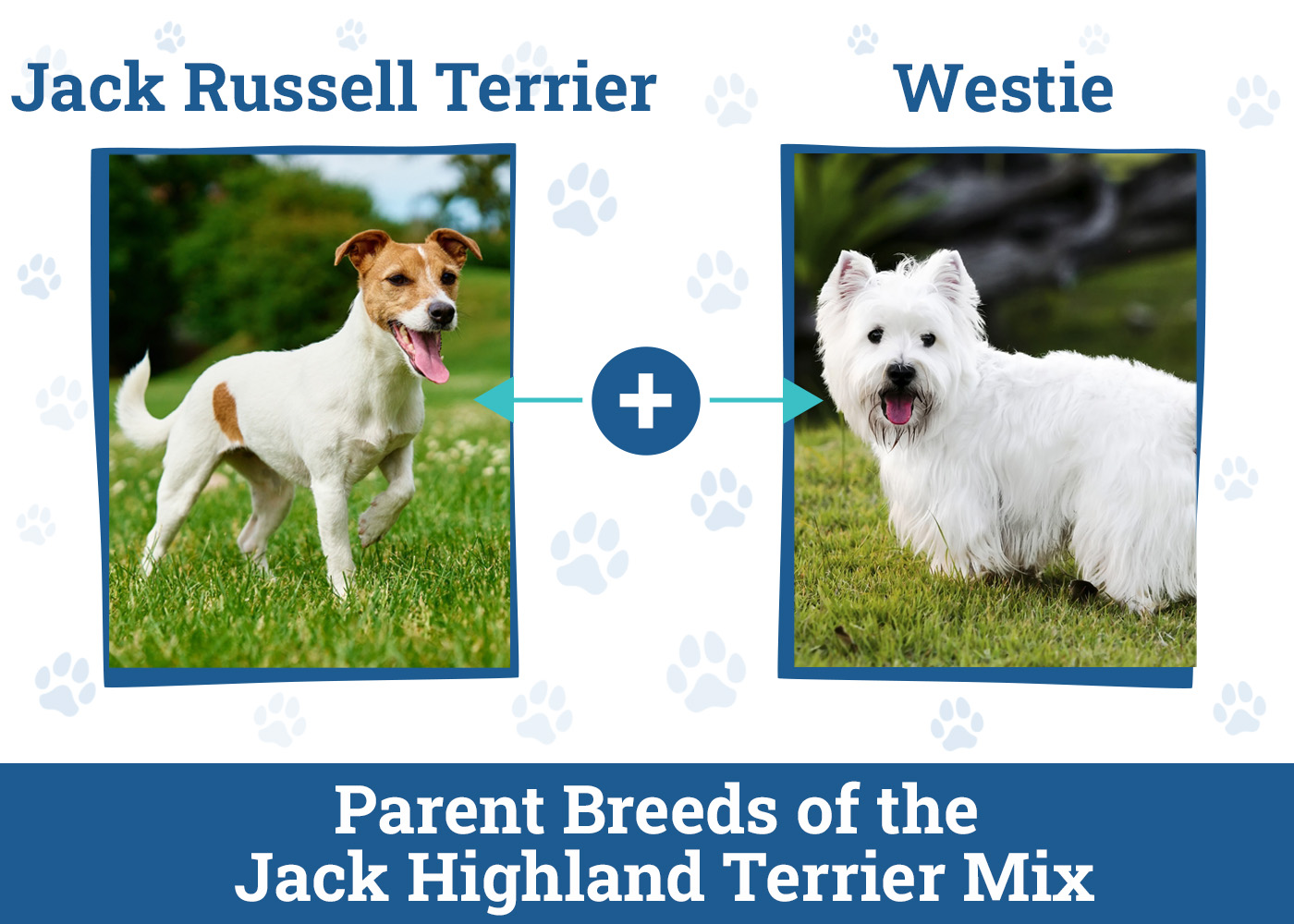
“Jack Highland Terrier Mixed Dog Breed …” from www.dogster.com and used with no modifications.
Ideal Lifestyle and Owner Match
Westies are best suited for active individuals or families who can provide the exercise and attention they crave. They thrive in environments where they are part of the family and can participate in daily activities.
Potential owners should be prepared for regular grooming and be willing to invest time in training and socialization. Westies are wonderful companions for those who appreciate their spirited nature and are willing to meet their needs.
Who Should Consider Owning a Westie?
West Highland Terriers are ideal for those who are looking for a small yet energetic companion. They fit well with active individuals or families who enjoy outdoor activities and can provide the necessary exercise to keep a Westie happy. If you’re someone who loves to engage with your pet through play and training, a Westie could be a perfect match.
However, if you have a very busy lifestyle that keeps you away from home for extended periods, a Westie might not be the best choice. These dogs thrive on companionship and can develop separation anxiety if left alone too often. They are best suited for homes where someone is around to provide interaction and care.

“Does Your Westie Like to Cuddle” from westievibes.com and used with no modifications.
Compatibility with Different Lifestyles and Families
Westies are incredibly adaptable and can fit into a variety of lifestyles. They do well in both urban and rural settings as long as their exercise needs are met. For families, Westies are a joy. They are playful and protective, making them great companions for children. However, it’s crucial to teach kids how to interact with dogs respectfully to ensure a harmonious relationship.
In terms of living arrangements, Westies are versatile. They can thrive in apartments if they get regular walks and playtime. For those with houses, a fenced yard provides an excellent space for a Westie to explore and play safely. If you’re considering other breeds, you might want to compare them with the Cesky Terrier to see which suits your lifestyle best.
Conclusion
Owning a West Highland White Terrier can be a rewarding experience for those who appreciate their lively and loving nature. These dogs bring joy and energy into any home, but they do require commitment in terms of exercise, grooming, and companionship. By understanding their needs and characteristics, you can create a fulfilling life for both you and your Westie.
“Westies are like little clowns, always ready to entertain and bring joy to the household. Their adaptability makes them a great fit for families with varying lifestyles.”
Ultimately, if you’re ready to welcome a Westie into your life, you’ll find a loyal and fun-loving friend who will enrich your days with their cheerful presence.
Summarizing the West Highland Terrier Experience
In summary, West HighlandTerriers are small dogs with big personalities. They are best suited for active individuals or families who can provide the exercise and attention they crave. Their playful and friendly nature makes them excellent companions, but potential owners should be prepared for the grooming and training commitments involved.
With the right care and attention, a Westie can become a beloved member of your family, offering loyalty, entertainment, and unconditional love. Their adaptable nature means they can thrive in various living situations, from apartments to houses with yards, as long as they are part of a loving family. For those considering other breeds, you might want to explore the Australian Shepherd’s compatibility with family homes as well.
Frequently Asked Questions (FAQ)
Here are some common questions potential Westie owners might have:
How much exercise does a Westie typically need?
Westies require at least 30 to 60 minutes of exercise daily. This can include walks, playtime, or a combination of both. Regular exercise helps keep them physically fit and mentally stimulated.
Is a Westie a good choice for families with kids under 12?
Yes, Westies are generally good with children. They are playful and protective, making them excellent companions for kids. However, it’s important to supervise interactions and teach children how to handle dogs gently.
What should I feed my West Highland Terrier?
A balanced diet is essential for a Westie’s health. High-quality dog food that meets their nutritional needs is recommended. Consult your veterinarian for specific dietary advice based on your Westie’s age, weight, and activity level.
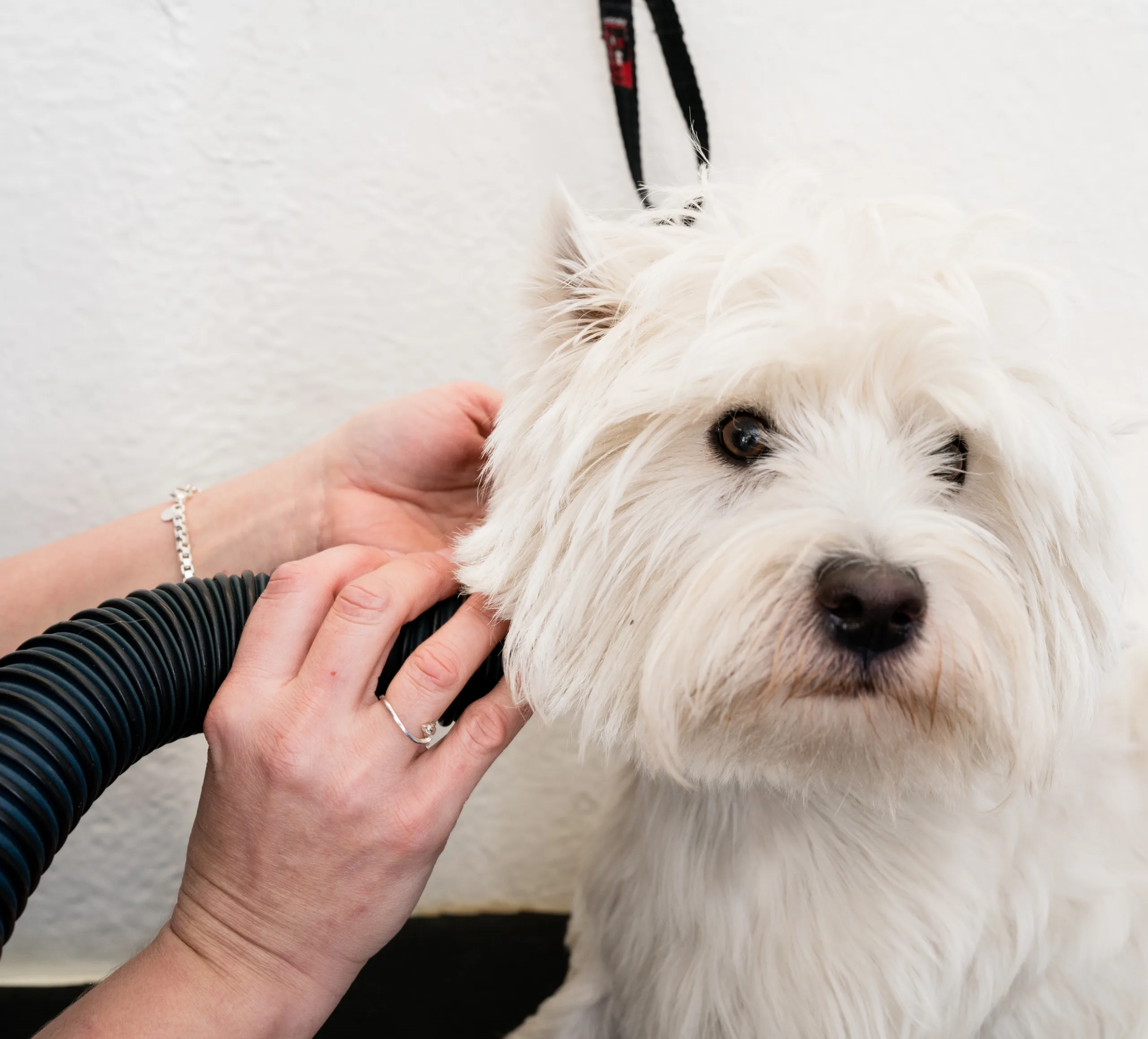
“The West Highland White Terrier (Westie …” from www.bluewheelers.com.au and used with no modifications.
How often should Westies be groomed?
Westies require regular grooming to maintain their coat and prevent matting. Brushing a few times a week and professional grooming every 4 to 6 weeks is recommended to keep their coat in top condition. For those interested in other terriers, you might also want to learn about Cesky Terrier grooming and care.
Do Westies get along with other smaller pets?
Westies have a strong prey drive, which means they may not always get along with smaller pets like cats or rodents. Early socialization and training can help, but it’s important to supervise interactions and introduce them gradually.
In conclusion, Westies are delightful companions for those who can meet their needs. With the right care and attention, they can bring joy and companionship to any home. For those interested in exploring other terrier breeds, you might want to consider learning about the Cesky Terrier as well.