Key Takeaways
- Whippets originated in England in the 1800s, developed from Greyhounds and Terriers.
- Known for their speed and agility, Whippets were historically used for racing and hunting.
- They are affectionate, gentle, and form strong bonds with their families.
- Whippets are good with children and other pets, making them excellent family dogs.
- While generally calm, Whippets need regular exercise to prevent boredom and anxiety.
The Origins and History of the Whippet
Whippets have a rich history that traces back to the 19th century in England. These elegant dogs were bred by crossing Greyhounds with smaller Terriers to create a breed that could hunt and race with remarkable speed. Whippets were often referred to as “the poor man’s racehorse” because they were used by the working class for racing and hunting small game.
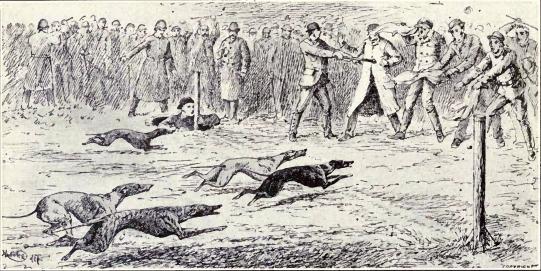
“Why Whippets? – The Pointy Snoot” from thepointysnoot.com and used with no modifications.
Development and Background
The development of the Whippet was driven by a need for a swift and efficient hunting companion. Greyhounds, known for their speed and grace, were crossed with Terriers to produce a smaller, more agile dog. This blend resulted in the Whippet, a breed that could chase down rabbits and other small animals with ease.
Whippets quickly gained popularity not just for their hunting abilities, but also for their gentle nature and companionship. Their sleek, aerodynamic bodies made them perfect for racing, a pastime that became popular among miners and laborers in Northern England. These dogs were a source of entertainment and competition, often racing on makeshift tracks.
Besides their hunting and racing prowess, Whippets were cherished for their affectionate nature. They were known to be loyal companions, forming strong bonds with their owners. This made them not only working dogs but also beloved family pets.
- Crossbred from Greyhounds and Terriers
- Used for hunting and racing in 19th century England
- Known as “the poor man’s racehorse”
- Popular among working-class families
Whippet Racing and Cultural Impact
Whippet racing became a cultural phenomenon in England, especially in the industrial regions. These races were not just about speed but also about skill and agility. Whippets were trained to chase a lure, often a piece of cloth or a small animal, around a track. The excitement of the chase captivated spectators and participants alike.
Whippets’ Personality and Bonding Characteristics
Whippets are renowned for their gentle and affectionate nature. They are often described as “velcro dogs” because they love to be close to their owners. This breed forms strong bonds with its family and thrives on human companionship. Whippets are not just pets; they become integral members of the family.
Traits: Affectionate and Gentle
The affectionate nature of Whippets makes them excellent companions. They are known for their calm demeanor and are often found curled up next to their owners, enjoying a quiet moment. Despite their racing background, Whippets are surprisingly low-key and enjoy lounging around the house.
Whippets are also incredibly gentle with children. They have a patient and tolerant nature, which makes them ideal family dogs. Their affectionate personality extends to other pets as well, and they can coexist peacefully with cats and other dogs.
It’s important to remember that Whippets are sensitive dogs. They respond well to positive reinforcement and gentle handling. Harsh training methods can be counterproductive, so it’s best to use a calm and encouraging approach.
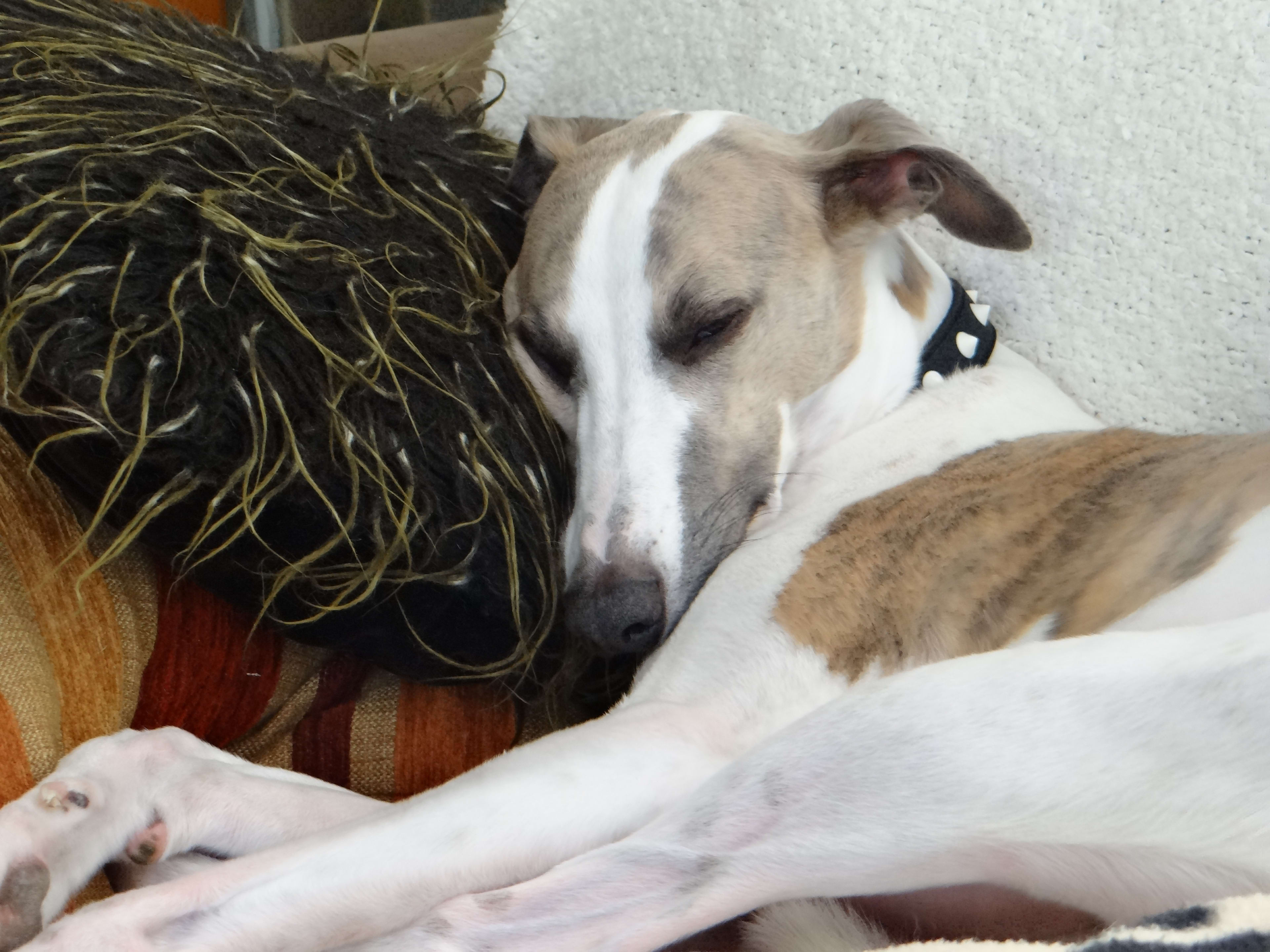
“My Experience Owning Whippet Dogs” from pethelpful.com and used with no modifications.
Socialization Needs and Family Interaction
Proper socialization is crucial for Whippets to develop into well-rounded dogs. Exposing them to various environments, people, and animals from a young age helps them become confident and adaptable. Whippets that are well-socialized tend to be more relaxed and less prone to anxiety.
Suitability as a Family Dog
Whippets are often considered the perfect family dog due to their gentle nature and compatibility with children. They are known to be patient and playful, making them excellent companions for kids of all ages. Their calm demeanor and affectionate nature make them a beloved addition to any household.
Besides being great with children, Whippets are also good with other pets. They can get along well with cats and other dogs, provided they are introduced properly and socialized from a young age. Their friendly disposition makes them a joy to have in a multi-pet household.

“Whippet Breed Information | NewDoggy.com” from www.newdoggy.com and used with no modifications.
While Whippets are generally calm, they do have bursts of energy and enjoy playtime. They love running and playing fetch, making them great companions for active families. However, they are equally content to snuggle on the couch, making them versatile companions.
- Excellent with children of all ages
- Friendly with other pets, including cats and dogs
- Enjoy both playtime and relaxation
- Adapt well to family life
Compatibility with Children and Other Pets
Whippets’ gentle and tolerant nature makes them well-suited for families with children. They are patient and can handle the noise and activity that come with kids. Whippets are also known for their playful nature, and they enjoy engaging in games with children.
When it comes to other pets, Whippets are generally friendly and can coexist peacefully. Early socialization is key to ensuring they get along with other animals. With proper introductions and positive experiences, Whippets can become great friends with other dogs and even cats.
Behavioral Traits: Aggression vs. Calm Nature
Whippets are not known for aggression. They have a calm and gentle nature, which makes them excellent companions. However, like any breed, they can develop behavioral issues if not properly trained and socialized. It’s important to provide them with consistent training and positive reinforcement to ensure they grow into well-behaved adults.
Caring for Whippets: Addressing Specific Needs
Caring for a Whippet involves understanding their unique needs and ensuring they live a happy and healthy life. Whippets are generally low-maintenance dogs, but like all breeds, they have specific requirements that must be met. By addressing their exercise, emotional, and grooming needs, you can ensure your Whippet thrives in your home.
Exercise and Play Requirements
Whippets are energetic dogs that require regular exercise to stay healthy and happy. They are natural sprinters and love to run, so providing them with opportunities to stretch their legs is essential. A securely fenced yard or regular visits to a dog park can offer the space they need to burn off energy.
Besides running, Whippets enjoy interactive playtime with their owners. Games like fetch or agility exercises can keep them mentally stimulated and physically active. It’s important to remember that while Whippets enjoy bursts of energy, they are not high-energy dogs that need constant activity. A couple of brisk walks and some playtime each day are usually sufficient.

“Whippet breed guide: History, care …” from dogsbestlife.com and used with no modifications.
Handling Separation Anxiety: Tips and Tricks
Whippets are known to form strong bonds with their families, which can sometimes lead to separation anxiety. They thrive on companionship and may become anxious when left alone for extended periods. To help manage separation anxiety, gradually accustom your Whippet to being alone by starting with short absences and gradually increasing the duration.
Providing mental stimulation through toys or puzzle feeders can also help keep them occupied while you’re away. Additionally, creating a comfortable and safe space for your Whippet, such as a cozy bed or crate, can provide them with a sense of security.
Grooming Needs and Maintenance
Whippets have short, smooth coats that require minimal grooming. A weekly brush with a soft-bristle brush is usually enough to keep their coat looking sleek and shiny. Regular grooming sessions also provide an opportunity to check for any skin issues or parasites. For more detailed information on their care, you can visit the Whippet Dog Breed Health and Care guide on PetMD.
Bathing should be done as needed, typically every few months, or if they get particularly dirty. Whippets are generally clean dogs and do not have a strong odor. Regular nail trimming, ear cleaning, and dental care are also essential components of their grooming routine.
Whippets as a First Dog
Whippets can make excellent first dogs for individuals or families looking for a gentle and affectionate companion. Their calm demeanor and loving nature make them a joy to have around, and they can adapt well to various living situations, including apartments and houses.
For first-time dog owners, Whippets offer a great balance of companionship and ease of care. They are not overly demanding and, with proper exercise and socialization, can fit seamlessly into family life. However, it’s important to be aware of their specific needs to ensure a successful relationship.
Training and socialization are key components of raising a well-behaved Whippet. Positive reinforcement methods work best, as Whippets respond well to praise and treats. Consistency and patience are essential, especially when house training or teaching basic commands.
- Gentle and affectionate nature
- Adapt well to various living situations
- Require regular exercise and socialization
- Respond well to positive reinforcement training
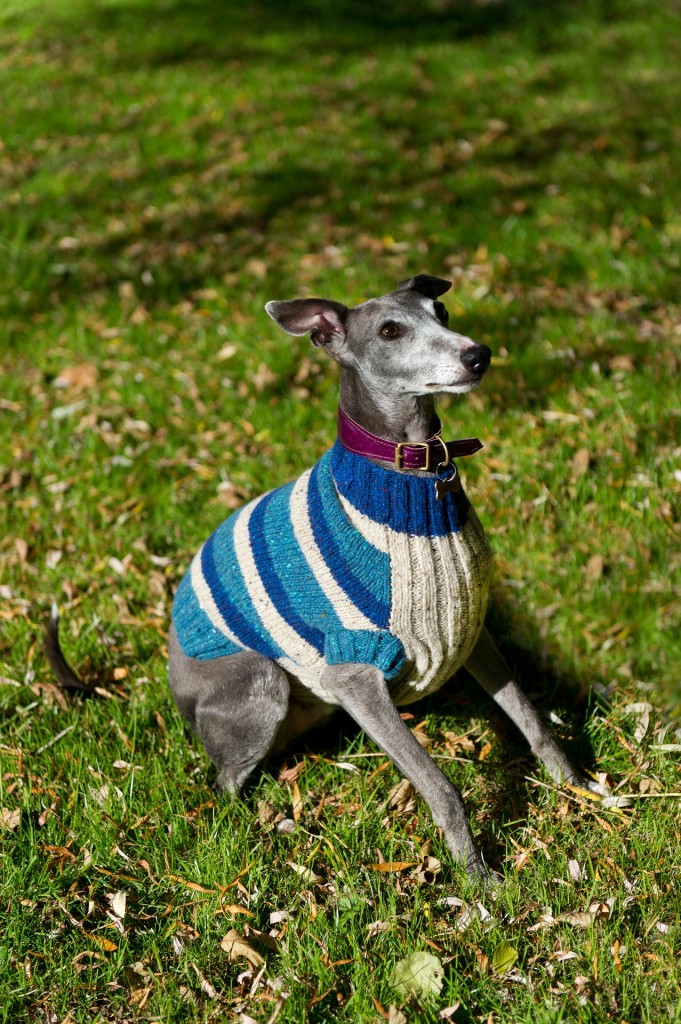
“Whippet – Dog Breed Guide Including …” from www.thepetexpress.co.uk and used with no modifications.
Training Ease for New Owners
- Start training and socialization early
- Use positive reinforcement methods
- Be patient and consistent
- Engage in regular, short training sessions
Whippets are intelligent dogs that enjoy learning new things. Training should start early, focusing on basic commands and socialization. Short, positive training sessions work best, as Whippets can become bored with repetitive tasks. Keep training fun and engaging to hold their interest.
House training may require patience, but with consistency and positive reinforcement, Whippets can learn quickly. Remember to reward good behavior with treats and praise, and avoid harsh corrections, as these can be counterproductive with this sensitive breed.
Potential Challenges for Beginners
While Whippets can be excellent first dogs, there are some challenges that new owners may face. One potential issue is their prey drive. Whippets were bred for hunting, and they may chase small animals if not properly trained. A secure yard and leash training are essential to manage this instinct.
Separation anxiety can also be a concern, as Whippets form strong bonds with their families. Gradual training and providing mental stimulation can help alleviate anxiety when left alone. It’s important to address these challenges with patience and understanding.
“Despite their hunting background, Whippets are incredibly gentle and loving dogs. With the right care and training, they make wonderful companions for first-time dog owners.”
Overall, with proper care and attention, Whippets can thrive as first dogs, providing love and companionship to their families. For those interested in exploring similar breeds, you might consider learning about the Cesky Terrier, known for its family-friendly nature.
Comparison with Greyhounds and Italian Greyhounds
Whippets, Greyhounds, and Italian Greyhounds share a similar lineage, but there are distinct differences that set them apart. Understanding these differences can help potential owners decide which breed best fits their lifestyle.
- Whippets are medium-sized, while Greyhounds are larger and Italian Greyhounds are smaller.
- All three breeds have a gentle nature, but Whippets are often considered the most adaptable.
- Greyhounds and Whippets are known for their speed, while Italian Greyhounds are more delicate.
While Greyhounds are known for their speed and grace, they require more space and exercise than Whippets. Italian Greyhounds, on the other hand, are smaller and more delicate, making them suitable for apartment living but requiring careful handling.
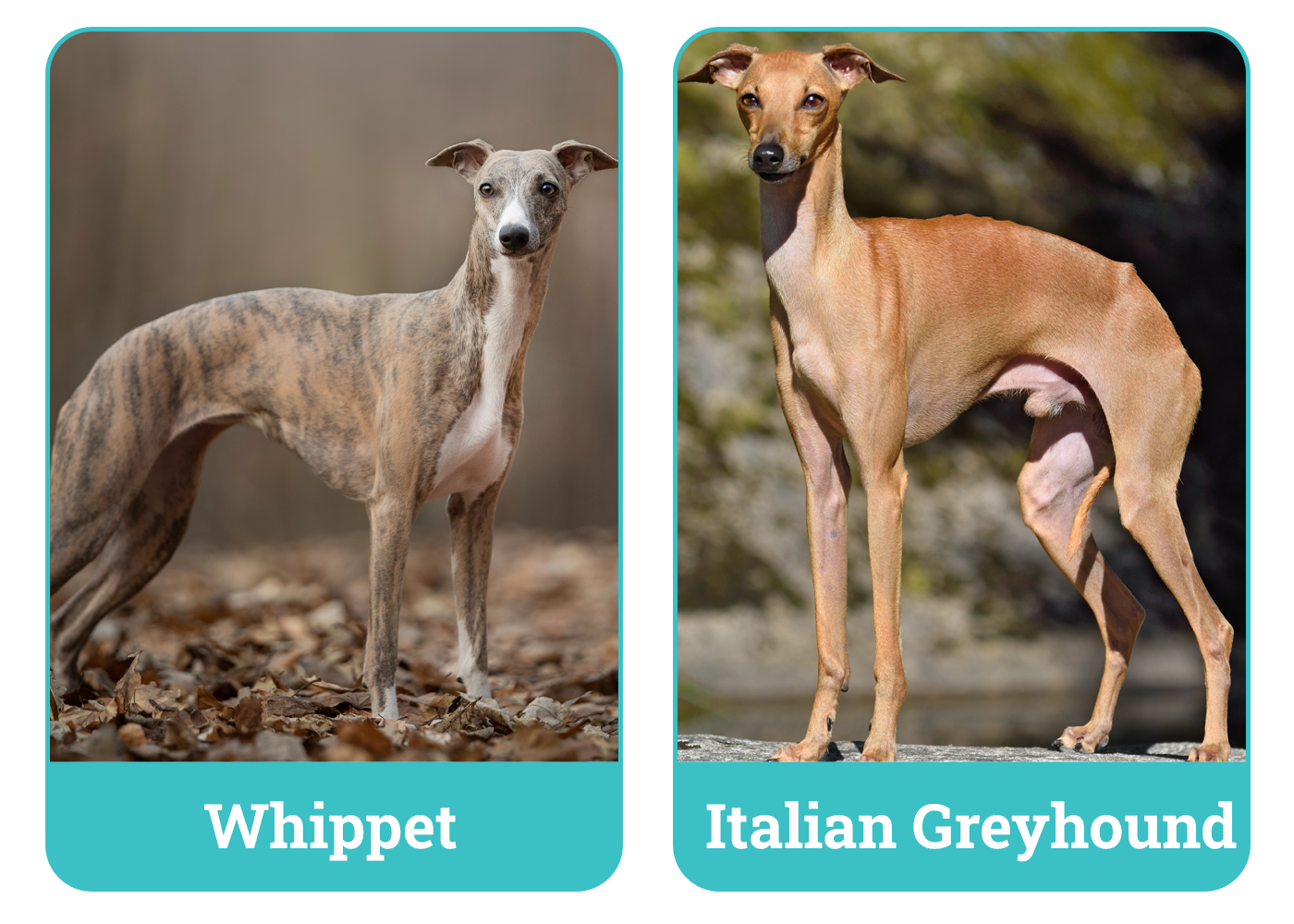
“Whippet vs. Italian Greyhound: Vet …” from www.dogster.com and used with no modifications.
Size and Physical Differences
Whippets are medium-sized dogs, typically weighing between 25 to 40 pounds. Greyhounds are larger, with males often weighing over 70 pounds. Italian Greyhounds are the smallest of the three, usually weighing under 15 pounds.
These size differences influence their exercise needs and living arrangements. Whippets and Italian Greyhounds can adapt well to apartment living, while Greyhounds may require more space to stretch their legs.
Temperamental and Behavioral Comparisons
All three breeds are known for their gentle and affectionate nature, but there are subtle differences. Whippets are often seen as the most adaptable and family-friendly, while Greyhounds can be more independent. Italian Greyhounds are known for their sensitive and sometimes timid nature, which can be compared to the Ibizan Hound’s temperament.
In terms of exercise, Greyhounds and Whippets enjoy running and require regular opportunities to do so. Italian Greyhounds, while playful, have more moderate exercise needs and are content with short walks and playtime indoors.
Exercise and Lifestyle Requirements
Whippets are active dogs that thrive on regular exercise. While they enjoy sprinting and running, they don’t require as much exercise as some other high-energy breeds. A couple of brisk walks each day, combined with some playtime, will generally keep a Whippet happy and healthy. They are natural sprinters, so they appreciate the opportunity to run in a safe, enclosed area.
Besides physical exercise, Whippets also benefit from mental stimulation. Interactive toys, training sessions, and engaging games can keep their minds sharp and prevent boredom. It’s important to strike a balance between physical and mental activities to ensure your Whippet remains content. For more insights on exercise needs, check out this guide on exercise needs of sighthounds.
Ideal Lifestyle and Owner Compatibility
Whippets are adaptable dogs that can fit into various living situations, making them suitable for both city and rural environments. Their gentle nature and moderate exercise needs make them excellent companions for families, singles, and seniors alike. For those interested in exploring other breeds, the Australian Shepherd is another breed worth considering for its compatibility with different lifestyles.
Living Conditions: Urban vs. Rural
Whippets can thrive in both urban and rural settings, provided their exercise and companionship needs are met. In urban areas, they adapt well to apartment living, as long as they have regular access to outdoor spaces for exercise. A nearby park or a dog-friendly area can provide the space they need to run and play.
In rural settings, Whippets can enjoy the freedom of larger yards and open spaces. However, it’s important to ensure these areas are secure, as their prey drive might tempt them to chase after small animals.
:strip_icc()/whippet-dog-breed-profile-1118008-fe7d4321eef14740a4c74662c4376280.jpg)
“Whippet: Dog Breed Characteristics & Care” from www.thesprucepets.com and used with no modifications.
Owner Traits for Successful Bonding
Owners who are patient, gentle, and committed to spending quality time with their Whippet will find a rewarding relationship. Whippets thrive on companionship and enjoy being part of family activities. They appreciate a calm and nurturing environment, where they can feel safe and loved.
Being sensitive dogs, Whippets respond best to positive reinforcement and encouragement. Harsh training methods can lead to anxiety and stress, so it’s essential to use a gentle approach in training and interactions.
Frequently Asked Questions
Whippets are a unique breed with specific characteristics and needs. Here are some common questions potential owners often ask:
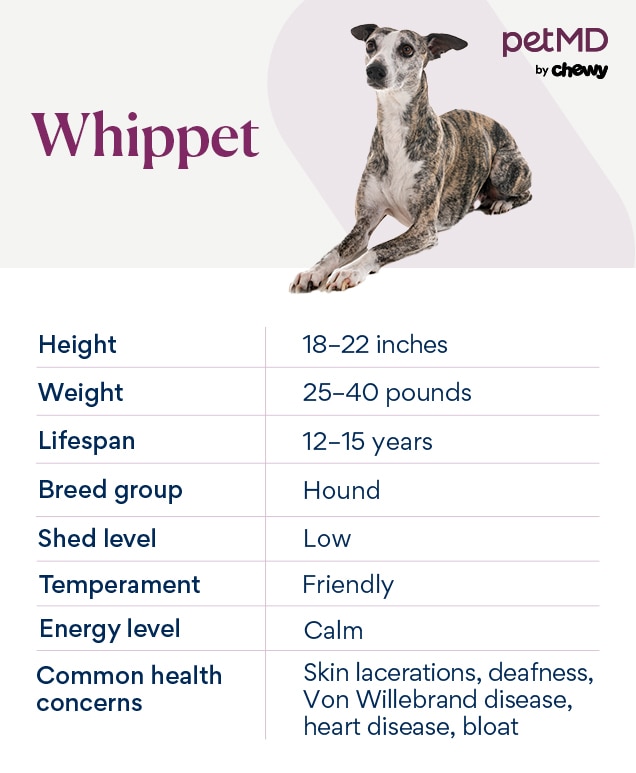
“Whippet Dog Breed Health and Care | PetMD” from www.petmd.com and used with no modifications.
Are Whippets Good with Children under 12?
Yes, Whippets are excellent with children of all ages, including those under 12. They are gentle, patient, and enjoy playtime with kids. Their calm demeanor and affectionate nature make them wonderful companions for young families.
Do Whippets Require a Lot of Exercise?
While Whippets are active dogs, they don’t require excessive exercise. A couple of daily walks and some playtime are usually enough to keep them satisfied. They enjoy running, so providing opportunities for them to sprint in a safe area is beneficial. If you’re considering a different breed, you might want to learn about the exercise needs of Australian Shepherds as a comparison.
How Do Whippets Compare to Italian Greyhounds?
- Whippets are larger than Italian Greyhounds, making them more robust and less delicate.
- Both breeds are gentle and affectionate, but Whippets are often seen as more adaptable to family life.
- Italian Greyhounds have more moderate exercise needs compared to Whippets.
Overall, both breeds share a gentle nature, but Whippets are generally considered more versatile for various lifestyles. If you’re interested in learning about other sighthounds, consider reading about the Ibizan Hound for comparison.
Can Whippets Live in an Apartment?
Yes, Whippets can adapt well to apartment living as long as they receive regular exercise and companionship. They are quiet dogs that enjoy lounging around the house, making them suitable for smaller living spaces.
What Health Issues Are Common in Whippets?
Whippets are generally healthy dogs, but like all breeds, they can be prone to certain health issues. Some common concerns include:
- Heart disease
- Hip dysplasia
- Eye problems
- Skin allergies
Regular veterinary check-ups and a healthy diet can help manage and prevent these issues. It’s also important to ensure your Whippet is purchased from a reputable breeder who screens for genetic conditions.
In conclusion, Whippets are wonderful companions for those who appreciate their gentle nature and moderate exercise needs. Whether you’re in the city or the countryside, a Whippet can bring joy and affection to your home.