Key Takeaways
- Fostering animals directly saves lives by freeing up vital shelter space and resources, preventing euthanasia of healthy, adoptable pets.
- Foster homes provide crucial socialization, medical care, and stress reduction that shelters simply cannot offer due to their institutional environment.
- Anyone can become a foster parent regardless of living situation—apartments, houses with yards, or homes with existing pets can all work with the right match.
- The emotional rewards of fostering far outweigh the temporary nature of the commitment, with each fostered animal representing multiple lives saved.
- Adopt-a-Pet.com connects potential foster parents with local shelters and rescues desperately needing temporary homes for animals in crisis.
Fostering Saves Lives: How Opening Your Home Makes a Life-or-Death Difference
Every year, approximately 6.3 million companion animals enter U.S. shelters, and fostering directly prevents euthanasia by creating critical space in overcrowded facilities. When you open your home to a foster animal, you’re not just helping that one pet—you’re creating a ripple effect that saves multiple lives. That empty kennel at the shelter can now house another animal who might otherwise have been euthanized due to space constraints, creating a chain reaction of survival.
I’ve witnessed firsthand how a single foster home can transform an animal’s future from bleak to bright. Take Max, a shepherd mix who cowered in the back of his kennel, overlooked by adopters for weeks. In a foster home, he blossomed into a confident, playful dog who was adopted within days of returning to the shelter’s adoption floor. His empty kennel immediately housed a dog who had been on the euthanasia list that very morning.

“ROAR Ridgefield Operation Animal Rescue” from roar-ridgefield.org and used with no modifications.
Animal Shelter Crisis: The Harsh Reality of Overcrowding
The mathematics of animal sheltering creates a heartbreaking reality: when intake exceeds adoption rates, difficult decisions must be made. Municipal shelters often operate under capacity constraints with limited funding and staff. When kennels fill and new animals continue arriving, euthanasia becomes the tragic solution in many facilities across the country. The ASPCA estimates that approximately 920,000 shelter animals are euthanized each year—a number that has decreased dramatically thanks largely to foster programs.
Overcrowding doesn’t just create space issues—it significantly impacts animals’ physical and mental health. Stress hormones skyrocket in shelter environments, suppressing immune systems and making animals more susceptible to illness. Contagious diseases spread rapidly in close quarters, turning manageable health issues into facility-wide outbreaks that can further increase euthanasia rates. Foster homes interrupt this dangerous cycle by providing quarantine opportunities and stress reduction.
The Direct Impact: Each Foster Home Saves Multiple Lives
When calculating the life-saving impact of fostering, we must look beyond the individual animal in your home. Each animal who leaves a shelter for foster care creates a vacancy that prevents another animal’s euthanasia. Over a year of fostering, even taking in just one animal at a time, you might directly save 4-8 lives through your efforts—more if you foster litters of puppies or kittens. For those interested in the benefits of fostering and how to prepare, it’s important to understand the application process.
Beyond the immediate life-saving impact, fostering drastically increases adoption rates. Animals who spend time in homes rather than shelters show their true personalities, receive basic training, and overcome shelter-induced anxiety. Foster parents become authentic advocates who can speak to a pet’s true nature, helping them find perfectly matched forever homes more quickly. Statistics consistently show that animals who have been fostered have higher adoption rates and lower return rates than those adopted directly from shelter kennels.
The transformation can be remarkable. I fostered a cat named Luna who spent weeks hiding in the shelter, hissing at potential adopters. After just two weeks in my quiet spare bedroom, she became a purring, playful companion who greeted visitors at the door. Her adoption profile, once dismal, became filled with charming anecdotes and authentic photos that highlighted her true personality. She was adopted within days of her new profile going live.
Why Animal Rescue Organizations Need Foster Homes
Rescue organizations have embraced fostering as their operational backbone, not just as a supplemental program. Without a network of dedicated foster homes, many rescue groups simply couldn’t exist. Unlike municipal shelters with physical facilities, most rescue organizations operate virtually, with animals living exclusively in foster homes until adoption. This model allows rescues to save more animals with minimal overhead costs, directing their limited funding toward medical care rather than facility maintenance.
“Why Foster?” from secondlifeatlanta.org and used with no modifications.
Shelters Have Limited Space and Resources
Even the largest, best-funded shelters face inherent limitations in space, staffing, and individualized care. Physical capacity constraints create a mathematical problem: when kennels fill, new arrivals force difficult decisions. Foster homes serve as emergency overflow, creating flexible capacity during seasonal surges like “kitten season” when intake numbers can triple overnight. This flexibility allows shelters to accommodate unpredictable population fluctuations without resorting to euthanasia.
The resource limitations extend beyond physical space to staffing ratios. In busy shelters, caretakers might be responsible for feeding, cleaning, and monitoring dozens of animals each shift, leaving precious little time for individualized attention or behavioral work. Foster homes provide the one-on-one care that helps animals overcome behavioral challenges, receive medical treatment, and develop the social skills needed for successful adoption.
Some Animals Can’t Thrive in Shelter Environments
Some animals simply cannot cope with the stress of shelter life. Highly sensitive animals, including many small breed dogs, senior pets, and those with anxiety issues, can deteriorate rapidly in noisy, chaotic shelter environments. For these animals, foster homes aren’t just beneficial—they’re essential for survival. The constant barking, unfamiliar smells, and unpredictable activity in shelters can trigger severe stress responses, including complete withdrawal, loss of appetite, and compromised immune function.
I’ve seen extremely fearful cats who stop eating entirely in shelters, risking hepatic lipidosis (a potentially fatal liver condition), who begin eating normally within hours of placement in a quiet foster home. Similarly, dogs who appear aggressive or hyperactive in kennels often show their true gentle, calm nature once in a home environment where they can decompress and feel secure.
Foster Homes Provide Crucial Socialization Opportunities
Socialization deficits present one of the biggest barriers to adoption, particularly for young animals. Puppies and kittens have critical developmental windows during which they need positive exposure to everyday experiences—different types of people, normal household sounds, routine handling, and various environments. Shelters simply cannot provide these formative experiences, which is why fostering becomes essential for proper development.
Foster homes expose animals to the realities of life with humans: vacuum cleaners, doorbells, visitors, car rides, and the normal routines that prepare them for successful adoption. This real-world education means foster animals typically have fewer behavioral issues post-adoption and lower return rates. For instance, kittens raised in foster homes rather than shelter environments show significantly lower fear responses to strangers and novel situations once adopted.
Beyond basic socialization, foster homes provide opportunities to address specific behavioral challenges through consistent training and positive reinforcement. Dogs with leash reactivity, resource guarding, or separation anxiety can receive focused behavioral modification in foster homes that would be impossible to implement consistently in shelters. These improvements dramatically increase their adoptability and future success.

“Foster Care – Washington County Humane …” from wchspets.org and used with no modifications.
Medical Cases Need Special Care Outside Shelters
Animals recovering from illness, injury, or surgery require monitoring and care that busy shelter staff cannot provide. Foster homes offer quiet healing environments where medications can be administered on schedule, activity levels can be carefully managed, and subtle changes in condition can be quickly noticed. For animals with contagious conditions, foster homes provide necessary isolation without occupying limited quarantine space in shelters. For those interested in the benefits of fostering, understanding the pet rescue application process is crucial.
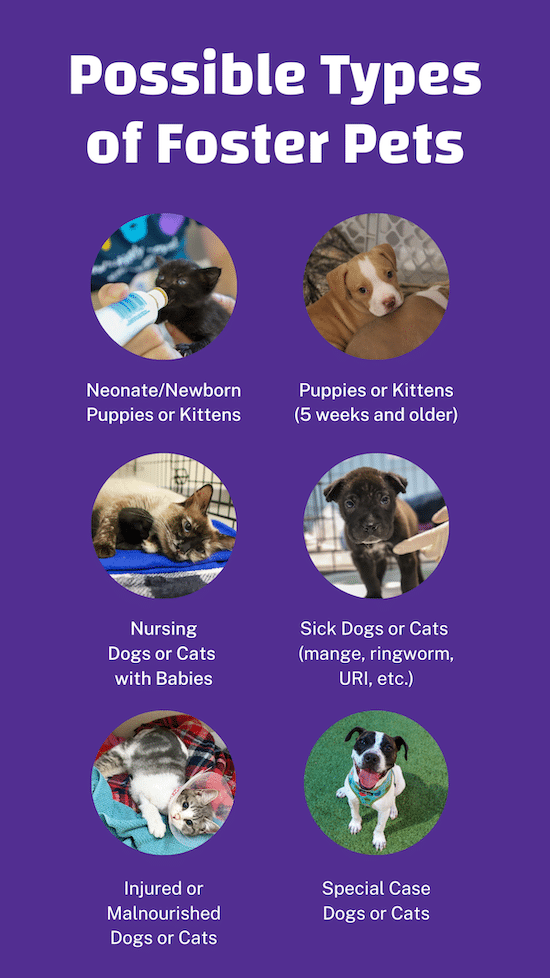
Neonatal care presents a particularly urgent fostering need. Orphaned puppies and kittens require round-the-clock feeding and temperature monitoring that shelters simply cannot provide. Without foster homes willing to take on bottle-feeding schedules and specialized care, these vulnerable babies would not survive. The same applies to pregnant and nursing mothers, who need quiet, stress-free environments to deliver and raise their young successfully.
When Animals Need Foster Care Most
Foster homes become especially critical during specific situations that create surges in shelter populations or present specialized care needs that exceed shelter capabilities. Understanding these high-priority fostering needs helps potential foster parents direct their efforts where they’ll have maximum impact on saving lives. For more insights, learn about the pet rescue application process and how to prepare.
Medical Recovery Cases
Animals recovering from surgery, illness, or injury top the urgency list for foster placement. A shelter environment, even with dedicated medical staff, cannot match the healing benefits of a quiet home with personalized care. Post-operative monitoring, medication administration, and wound care require attention that stretched shelter staff cannot consistently provide. Common medical fostering needs include heartworm treatment recovery (which requires strict activity restriction), orthopedic surgery rehabilitation, and management of chronic conditions like diabetes that need regular medication. For more insights on fostering, check out the benefits of fostering pets.
Consider Bella, a young retriever mix who needed extensive heartworm treatment. In a shelter kennel, her required exercise restriction would have been nearly impossible to maintain, potentially causing dangerous complications. Her foster home provided the controlled environment and calm atmosphere essential for her successful treatment and recovery. Without this fostering opportunity, her prognosis would have been significantly worse.
Nursing Mothers and Their Babies
Pregnant animals and mothers with newborns experience tremendous stress in shelter environments, often leading to complications in birth and neonatal care. Foster homes provide essential quiet spaces for mothers to deliver and nurse their young without the constant stress triggers of shelter life. Additionally, orphaned neonates who require bottle-feeding every 2-3 hours cannot receive adequate care in most shelter settings, making foster homes their only chance for survival.
The statistics tell a heartbreaking story: in many shelters without robust foster programs, neonatal kittens face euthanasia rates approaching 100% due to the intensive care requirements that shelters cannot meet. Foster homes literally represent the difference between life and death for these tiny, vulnerable lives. A single foster parent willing to take on bottle-feeding can save dozens of lives during “kitten season” in the spring and summer months.
“Foster Care – San Antonio Humane Society” from sahumane.org and used with no modifications.
Under-socialized or Fearful Animals
Animals who arrive at shelters with limited human exposure or past trauma often shut down completely in the overwhelming shelter environment. These animals may appear unadoptable as they cower in the backs of their kennels or hiss from hiding places, yet they can blossom dramatically in foster homes. The quiet, consistent interaction and gradual trust-building possible in a home setting reveals their true personalities and adoption potential.
I worked with a hoarding case where dozens of unsocialized cats were rescued from deplorable conditions. In the shelter, most remained frozen in fear, making adoption prospects dim. Once placed in patient foster homes, however, over 90% eventually showed significant improvement, with many becoming affectionate companions who found loving forever homes. This transformation simply wouldn’t have been possible without the dedicated time and gentle approach that foster homes provided.
Senior Pets and Hospice Care
Older animals face particularly difficult challenges in shelter environments. The noise, hard surfaces, and lack of routine can cause severe stress for seniors accustomed to home comforts. Foster homes provide soft beds, quiet surroundings, and the dignity these animals deserve in their golden years. For animals with terminal diagnoses, hospice foster homes offer loving end-of-life care focused on comfort and quality of life rather than the clinical setting of a shelter.
These “fospice” situations (foster + hospice) represent some of the most profound fostering experiences. While emotionally challenging, providing comfort and love during an animal’s final weeks or months creates meaningful connections and ensures no animal faces their final days in a cage. Organizations typically cover all medical expenses for these special cases, asking only for the foster parent’s time and compassionate care.
5 Major Benefits of Fostering for Animals
The advantages animals gain from foster care extend far beyond basic survival. These benefits translate directly into improved adoption outcomes and long-term success in forever homes. Understanding these transformative effects helps foster parents recognize the profound impact of their temporary commitment. For instance, fostering can significantly enhance senior dog socialization, boosting their cognitive health and emotional well-being.
1. Reduced Stress and Better Health Outcomes
The stress reduction animals experience in foster homes produces measurable physiological benefits. Cortisol levels (a key stress hormone) drop significantly, allowing immune systems to function properly and improving overall health. This stress reduction prevents or resolves many common shelter-related issues including upper respiratory infections, digestive problems, and self-harming behaviors like excessive grooming or chewing. For more insights on improving pet health, explore the pros and cons of indoor cats.
Research has demonstrated that dogs in foster care show dramatically lower stress markers compared to their shelter counterparts, including decreased heart rates, improved sleep patterns, and normalized eating habits. This physiological improvement creates a positive cycle: better health leads to improved behavior, which increases adoption prospects and reduces length of stay in the system.
For cats, the stress reduction in foster homes can literally be lifesaving. Feline stress often manifests as anorexia or upper respiratory infections, both potentially fatal conditions that resolve remarkably quickly once the cat is placed in a calm foster environment.
“Animal Shelter …” from www.sterlingshelter.org and used with no modifications.
“I Can’t Afford It” – Understanding Financial Responsibilities
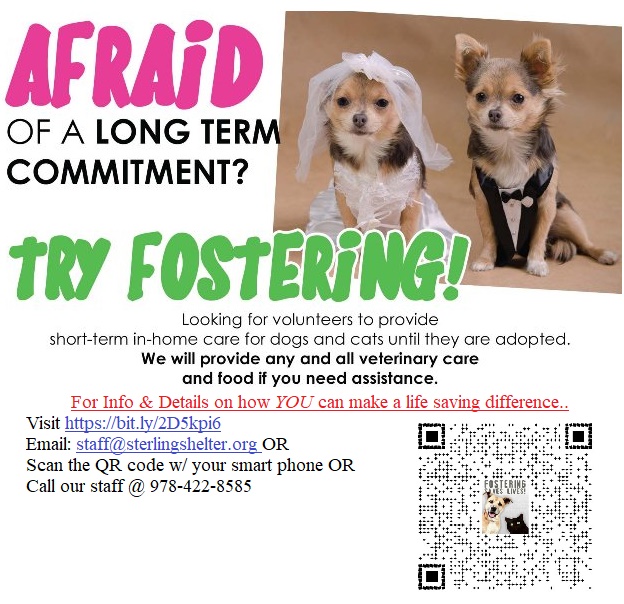
The financial concern is one of the most common hesitations potential foster parents express, but the reality is that fostering is designed to be financially accessible to almost anyone. Most reputable rescue organizations and shelters cover all necessary medical expenses for foster animals, including veterinary visits, medications, surgeries, and preventative care. Many also provide essential supplies like food, litter, crates, and bedding, particularly for fosters who indicate financial assistance would help them participate. Your primary contribution is your time, attention, and home environment—not your wallet. For more information on the benefits of fostering pets, you can explore various resources available online.
“I Have Other Pets” – Managing Introductions and Interactions
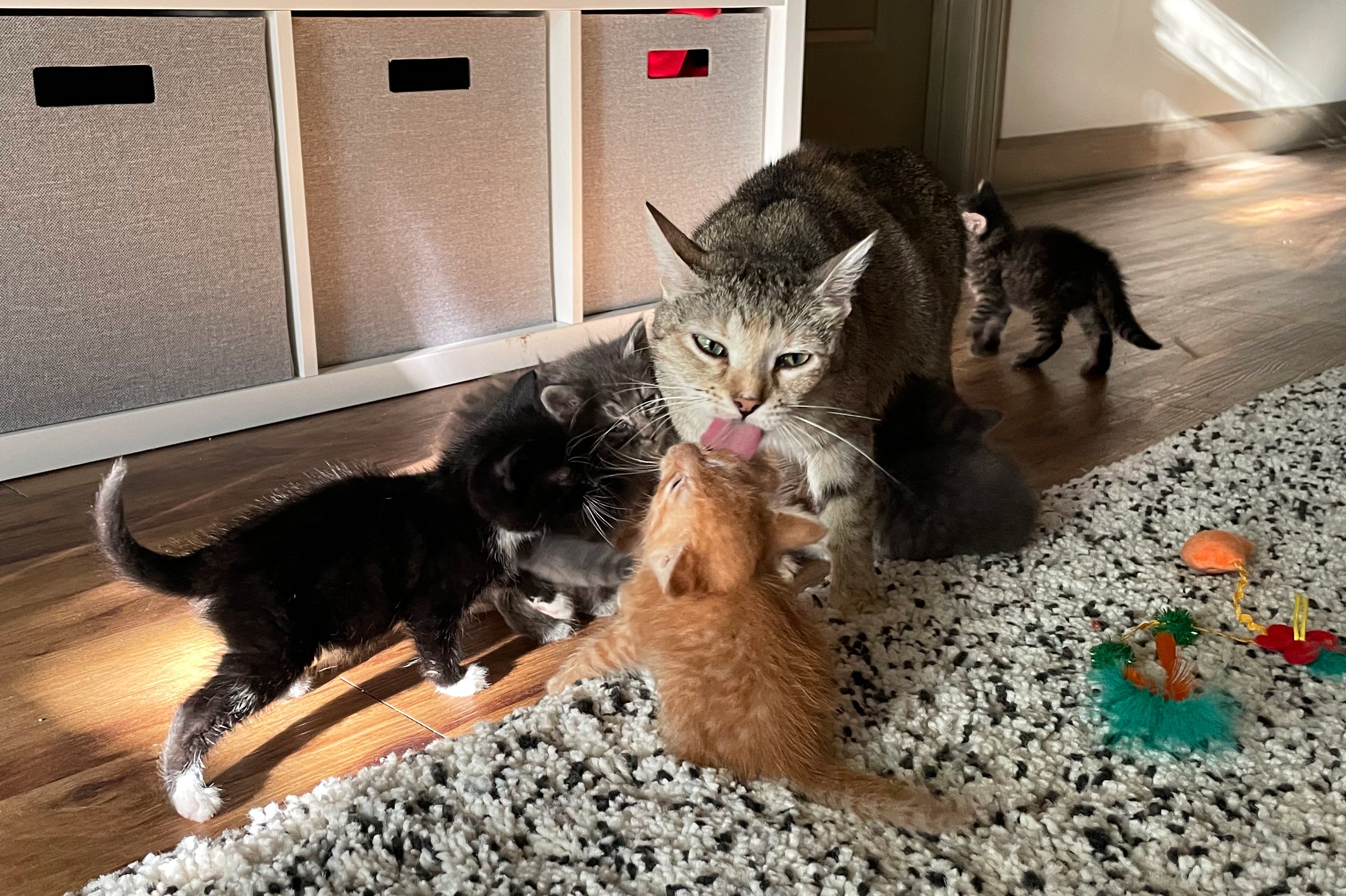
Having resident pets doesn’t disqualify you from fostering—in fact, your animals can become valuable socialization teachers for your foster pets. Most experienced foster coordinators excel at matching appropriate foster animals with homes that have resident pets, selecting animals known to be good with other species or similar-sized companions. The key is implementing proper, gradual introductions and having separate spaces available when needed. For more insights on the benefits of fostering pets, you can explore additional resources.
When introducing resident dogs to foster dogs, neutral territory meetings (like a park rather than your yard) create more positive first impressions. For cats, slow introductions through scent exchange and visual barriers before face-to-face meetings reduce stress and conflict. Always supervise initial interactions until you’re confident about compatibility, and maintain separate feeding stations to prevent resource guarding.
Many foster parents report that their resident pets actually enjoy having temporary companions, providing enrichment and social opportunities. Some animals even take on “mentor” roles, helping fearful or under-socialized fosters learn proper household manners and social cues. These positive interactions can create beautiful bonds that make the fostering experience rewarding for your entire household. For more insights on how fostering can enrich pets’ lives, check out this article on senior dog socialization.
Remember that separation options are essential for any fostering situation with resident pets. A spare bedroom, bathroom, office, or even a sectioned-off portion of a larger room can provide necessary space when animals need time apart. This separation may be temporary during the adjustment period or maintained throughout the foster period, depending on the specific animals involved. For example, fostering tailless cat breeds might require more specific separation strategies due to their unique needs.
“Most extraordinary mama cat | Best …” from bestfriends.org and used with no modifications.
Foster Parent Perspective: Multi-Pet Household Success
“I was worried about how my two senior cats would react to foster kittens, but the rescue helped me set up a perfect introduction plan. We started with the kittens in our spare bathroom, then graduated to supervised playtimes. Within a week, my older cats were grooming the kittens and teaching them proper cat etiquette! We’ve now fostered twelve litters with zero conflicts. The key is having patience during introductions and respecting everyone’s space needs. For more insights on keeping indoor cats happy, check out this article on indoor cats.”
— Morgan T., Foster Parent for 3 years
How to Start Your Fostering Journey Today
Beginning your fostering journey requires just a few simple steps, and most organizations work hard to make the process accessible and straightforward. The animal welfare community desperately needs foster homes, so they’re motivated to help you succeed. Start by researching local organizations, considering what types of animals and situations align with your lifestyle, and reaching out to express interest. Within weeks or even days, you could be making a life-saving difference for an animal in need.
Finding the Right Organization For Your Situation
The first step is identifying which type of organization best matches your preferences and capabilities. Municipal shelters typically have the most urgent fostering needs and often accept first-time fosters with minimal experience. Breed-specific rescues focus on particular types of animals and may provide more specialized support for breed-related issues. General rescue organizations usually have well-established foster programs with comprehensive training and mentorship opportunities. Research several options through Adopt-a-Pet.com, which partners with thousands of shelters and rescues nationwide to connect animals with loving homes—both temporary and permanent.
Contact multiple organizations to inquire about their specific fostering requirements, support systems, and current needs. Ask questions about the level of experience required, average time commitments, and what types of cases they most need help with. Be honest about your living situation, schedule, and experience level so they can match you with appropriate fostering opportunities. Many organizations maintain waiting lists for specific types of foster situations, so expressing interest early ensures you’ll be contacted when a matching need arises. For more insights, consider appreciating the pet rescue application process to better prepare yourself.
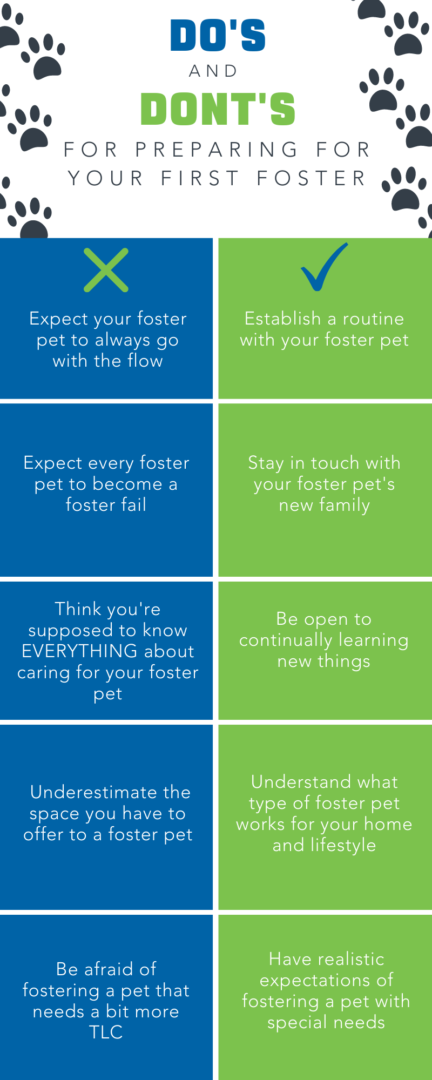
“Preparing For Your First Foster Pet” from dallaspetsalive.org and used with no modifications.
The Application and Home Check Process
Most organizations require a formal application process and home check before approving foster homes. These steps ensure animals are placed in safe, appropriate environments and help match the right animals to your household. Applications typically gather information about your home environment, schedule, experience with animals, and preferences regarding what you’re willing and able to foster. Home checks are usually brief, friendly visits focused on identifying potential hazards and confirming that your space meets basic requirements for the type of animal you wish to foster. For instance, if you are considering fostering indoor cats, it’s important to ensure your home is suitable for their needs.
Training and Resources Available to Foster Parents
Quality foster programs provide comprehensive resources to ensure your success. These typically include orientation sessions, written care guides, supply kits, and access to experienced mentor foster parents who can answer questions. Many organizations now offer virtual training options, making preparation convenient regardless of your schedule. The most valuable resource is usually the foster coordinator—a dedicated staff member or volunteer who serves as your primary contact, helping troubleshoot challenges and celebrating successes throughout your fostering experience.
The Foster-to-Adopt Path: When Fosters Become Forever
For many people, fostering serves as a thoughtful pathway to adoption, allowing them to experience life with a particular animal before making a lifetime commitment. This approach benefits both the human and animal by ensuring compatibility with lifestyle, existing pets, and household dynamics. Organizations typically support this transition, recognizing that well-matched adoptions create permanent happy endings. For more insights, explore the benefits of fostering pets.
The foster-to-adopt path proves especially valuable for animals with complex medical or behavioral needs, where the foster period allows potential adopters to determine whether they can realistically provide the necessary long-term care. It also works beautifully for people unsure about which type of pet best suits their lifestyle, allowing them to experience different species, breeds, ages, or energy levels before making a permanent choice.

“Foster Win Campaign | Best Friends …” from bestfriends.org and used with no modifications.
Foster Failures: The Happy Kind of Failure
The term “foster failure” has become an affectionate joke in the rescue community, describing situations where foster parents fall in love and adopt their temporary charges. These “failures” represent happy outcomes for the animals involved, though organizations sometimes gently remind serial foster failures that adopting every foster animal ultimately reduces the number of lives they can save through fostering. That said, many dedicated foster parents occasionally fall deeply in love with a particular animal who perfectly completes their family, and this selective “failing” creates beautiful forever stories.
How to Know When It’s Right to Adopt Your Foster
The decision to transition from foster to forever should involve thoughtful consideration rather than purely emotional response. Key indicators include seamless integration into your household routine, strong bonds with all family members (including other pets), compatibility with your long-term lifestyle plans, and financial readiness for lifetime care. Most importantly, the relationship should feel different from your previous foster experiences—a sense of “rightness” that goes beyond the normal attachment foster parents feel for their temporary charges. When you find yourself planning your life around this animal’s permanent presence and can’t imagine saying goodbye, it might be time to have the adoption conversation with your rescue organization.
Your Impact Ripples: How One Foster Home Changes Many Lives
The ripple effect of fostering extends far beyond the individual animals in your care. Each time you open your home to a foster animal, you create space in the shelter system that can save another life. Over years of fostering, even taking just one animal at a time, you might directly save dozens or even hundreds of lives. This multiplier effect makes fostering one of the most impactful ways individuals can address the companion animal overpopulation crisis.
Beyond the numbers, fostering changes lives in profound ways. You give animals the chance to heal physically and emotionally, preparing them to become beloved family members. You provide adopters with pets who are better socialized, better trained, and better understood—improving the chances of successful, lifetime matches. You contribute valuable information about each animal’s true personality and needs, helping adoption counselors make appropriate placement decisions. And perhaps most importantly, you demonstrate to your community that rescue animals are wonderful companions deserving of loving homes, challenging stereotypes and inspiring others to consider adoption instead of purchasing pets.
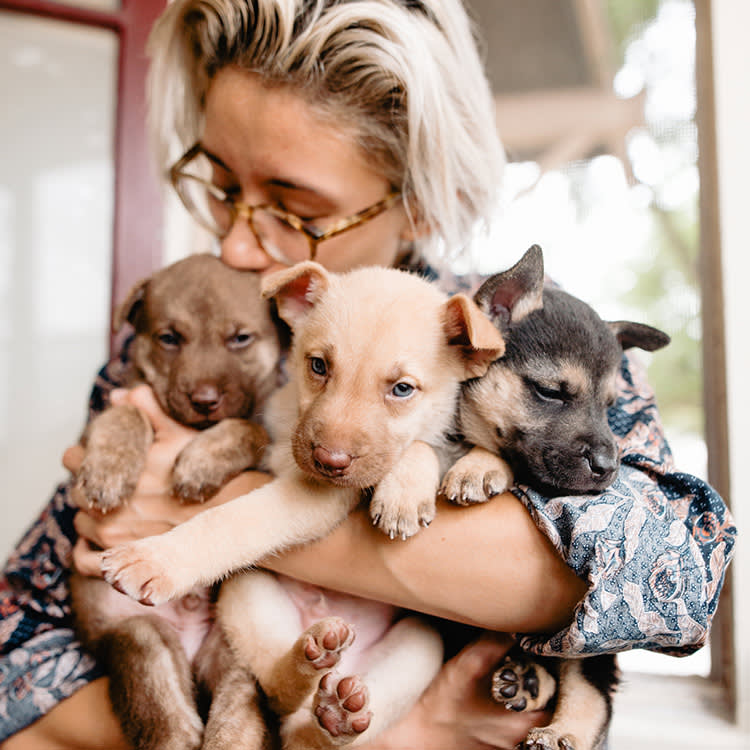
“Where Have All the Foster Volunteers …” from www.kinship.com and used with no modifications.
Frequently Asked Questions
Prospective foster parents often share common questions and concerns about the fostering process. Addressing these questions helps potential foster homes understand what to expect and prepare for the rewarding journey ahead. Remember that specific policies vary between organizations, so always confirm details with the rescue or shelter you’re working with.
How long do animals typically stay in foster care?
Foster periods vary dramatically depending on the animal’s needs and the organization’s adoption rates. Short-term fostering might last just 1-2 weeks for animals needing brief shelter relief or pre-adoption holds. Medium-term fostering, the most common arrangement, typically ranges from 2-8 weeks while animals await adoption. Long-term fostering can extend for months, particularly for animals with ongoing medical or behavioral challenges that require specific care before becoming adoptable. Most organizations will provide estimated timeframes when matching animals to foster homes, allowing you to select situations that fit your availability.
Will I have to pay for veterinary care for my foster pet?
Legitimate rescue organizations and shelters cover all necessary medical expenses for foster animals. This typically includes preventative care, treatment for illness or injury, spay/neuter surgery, and any specialty care required. As a foster parent, you’ll never be expected to make decisions about treatment based on financial constraints. The organization will either have approved veterinary partners or a process for emergency approval if unexpected medical needs arise.
- Routine preventative care (vaccines, deworming, flea/tick prevention)
- Diagnostic testing when illness is suspected
- Medications prescribed by veterinarians
- Surgical procedures including spay/neuter
- Emergency care for sudden illness or injury
Some organizations also provide all supplies (food, litter, toys, bedding), while others may request that foster parents contribute these items if financially able. Tax deductions may be available for out-of-pocket expenses related to fostering for 501(c)(3) organizations, so keep receipts for any supplies you purchase.
The financial responsibility structure should be clearly outlined in your foster agreement before you begin. Always contact your foster coordinator immediately if your foster animal shows signs of illness or injury rather than waiting or seeking independent veterinary care, as the organization typically has specific protocols and approved providers.
Can I foster if I work full-time or have children?
Absolutely! Working professionals make up the majority of foster parents for most organizations. Foster coordinators excel at matching animals with appropriate households, selecting animals whose needs align with your availability. Many adult animals do perfectly fine with standard work hours, requiring just morning and evening care routines. For animals needing more frequent attention, options like lunch break visits, dog walkers, or daycare can create suitable arrangements. Some organizations even have workplace foster programs where appropriate animals accompany their foster parents to pet-friendly offices.
Families with children can provide wonderful foster homes when properly matched with suitable animals. Many organizations actually seek out homes with children for specific foster animals who benefit from socialization with kids. Child-friendly fostering typically involves animals with known gentle temperaments, often adult animals with established behavioral histories. Fostering also provides valuable opportunities for children to learn compassion, responsibility, and the realities of animal care while making a tangible difference in their community.
What happens if my foster animal gets sick or has behavioral issues?
Foster programs are designed with comprehensive support systems for exactly these situations. If your foster animal develops medical concerns, the organization will arrange and cover veterinary care through their approved providers. For behavioral challenges, most programs offer direct support through trainers, behaviorists, or experienced foster mentors who can guide you through appropriate management and modification techniques. The key is communication—report concerns promptly so the organization can provide necessary resources before small issues become major problems. Remember that you’re never expected to manage serious issues alone; the organization remains responsible for the animal’s wellbeing and will intervene with additional support or placement changes if needed. For more insights, you can explore the benefits of fostering pets.

“The Pet Fostering Process: Step by Step” from www.petsbest.com and used with no modifications.
Can I choose what type of animal or breed I want to foster?
Most organizations allow foster parents to specify preferences regarding species, age, size, and sometimes breed, though flexibility increases your opportunities to help. You can typically indicate which types of cases you’re equipped to handle—perhaps you’re interested in bottle-feeding kittens, working with shy dogs, or providing medical recovery care. Foster coordinators use these preferences to suggest appropriate matches while considering your experience level, home environment, and schedule. For more insights, you might want to explore the benefits of fostering pets.
Being specific about your capabilities and limitations helps create successful fostering experiences. For instance, if you have limited mobility, requesting animals that don’t require extensive walking or animals already house-trained ensures a better fit. If you have limited experience, starting with adult animals with established behavioral histories builds your skills before taking on more challenging cases.
Remember that fostering is ultimately about helping animals in need, so while preferences are respected, remaining open to different possibilities often leads to the most rewarding experiences. Many foster parents report that the animals who differed most from their “ideal” preferences ended up teaching them the most valuable lessons and creating the most profound connections.