Key Takeaways
- The Xoloitzcuintli, or Xolo, is an ancient breed with origins dating back over 3,000 years to the Aztec civilization.
- Xolos were revered in ancient Mexican cultures for their spiritual significance and believed to have healing properties.
- Modern care for Xolos involves specific grooming techniques, especially for the hairless variety, and regular exercise.
- Purchasing a Xoloitzcuintli can range from $600 to $4,000, with additional costs for care and maintenance.
- Though rare, the Xoloitzcuintli is gaining popularity, leading to increased breeding efforts to maintain the population.
Xoloitzcuintli: Iconic Mexican Breed with a Rich History
The Xoloitzcuintli, often referred to as the Mexican Hairless Dog, is more than just a unique-looking canine. This breed carries a deep historical significance, tracing its roots back to the ancient Aztec civilization. Known for their hairless appearance and calm demeanor, Xolos have been part of Mexican culture for thousands of years. They were considered sacred by the Aztecs and were believed to possess healing powers, often being used in religious ceremonies and rituals.
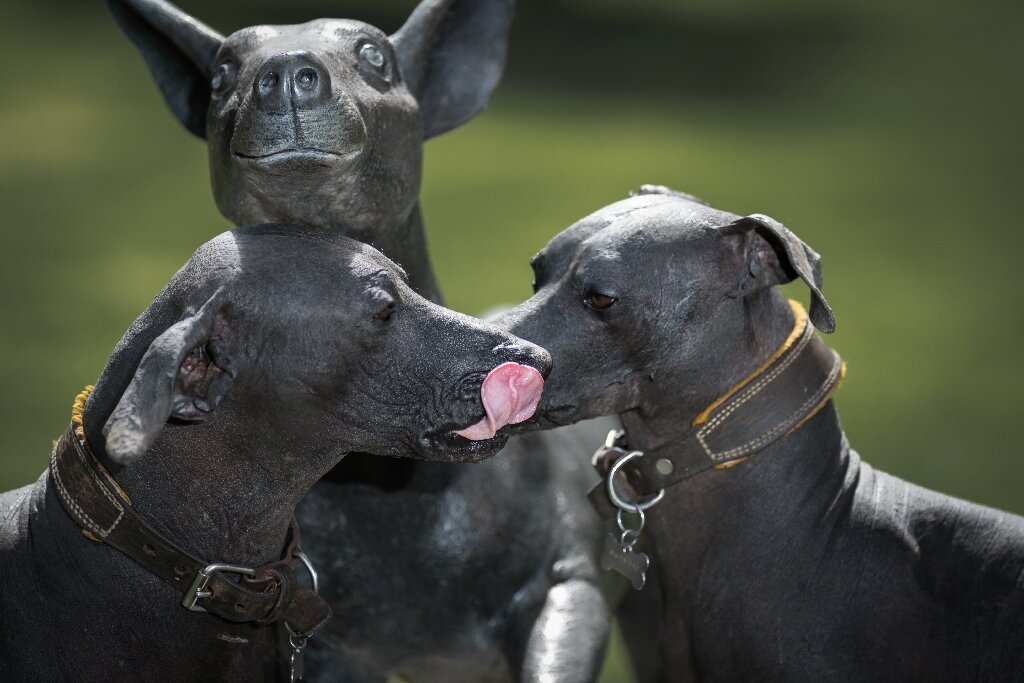
“Revered by Aztecs, Mexican hairless dog …” from phys.org and used with no modifications.
Aztec Origins and Mythology Surrounding Xoloitzcuintli
The Xoloitzcuintli holds a special place in Aztec mythology. According to legend, these dogs were created by the god Xolotl to guard the living and guide the souls of the deceased to the afterlife. This spiritual role elevated their status among the Aztecs, who viewed them as protectors and companions.
“Xoloitzcuintlis were not just pets; they were considered sacred beings that connected the earthly realm with the divine.”
These dogs were often buried alongside their owners to accompany them in the afterlife, showcasing their importance in Aztec society. Their presence in ancient art and pottery further emphasizes their revered status.
Role in Ancient Mexican Cultures and Spiritual Significance
Beyond the Aztecs, the Xoloitzcuintli played a significant role in other ancient Mexican cultures such as the Mayans and Toltecs. These civilizations also recognized the breed’s spiritual significance, often associating them with healing and protection. Xolos were believed to ward off evil spirits and were used in various healing rituals.
Their hairlessness was thought to have curative properties, with some believing that sleeping beside a Xolo could alleviate ailments like asthma or arthritis. This belief contributed to their popularity among ancient healers and spiritual leaders.
Reverence Across Ancient Civilizations
The admiration for the Xoloitzcuintli extended beyond the borders of Mexico. Artifacts depicting these dogs have been found in various parts of Central America, indicating their widespread reverence. The breed’s unique appearance and mystical associations made them a subject of fascination for many ancient cultures.
Most importantly, the Xoloitzcuintli’s enduring legacy is a testament to its cultural significance and the deep bond it shared with ancient civilizations. Today, this breed continues to be a symbol of Mexican heritage and pride.
Modern-day Care and Maintenance of Xoloitzcuintli
Owning a Xoloitzcuintli comes with its own set of responsibilities. While they are relatively low-maintenance compared to other breeds, they do require specific care, especially due to their unique skin and grooming needs.
General Care Requirements
Xolos thrive in environments where they receive plenty of attention and interaction. They are intelligent and active dogs that enjoy mental stimulation and physical activities. Regular playtime and walks are essential to keep them happy and healthy.
Because they are highly social animals, Xolos do best in homes where they can be part of the family activities. Leaving them alone for extended periods can lead to anxiety and behavioral issues.
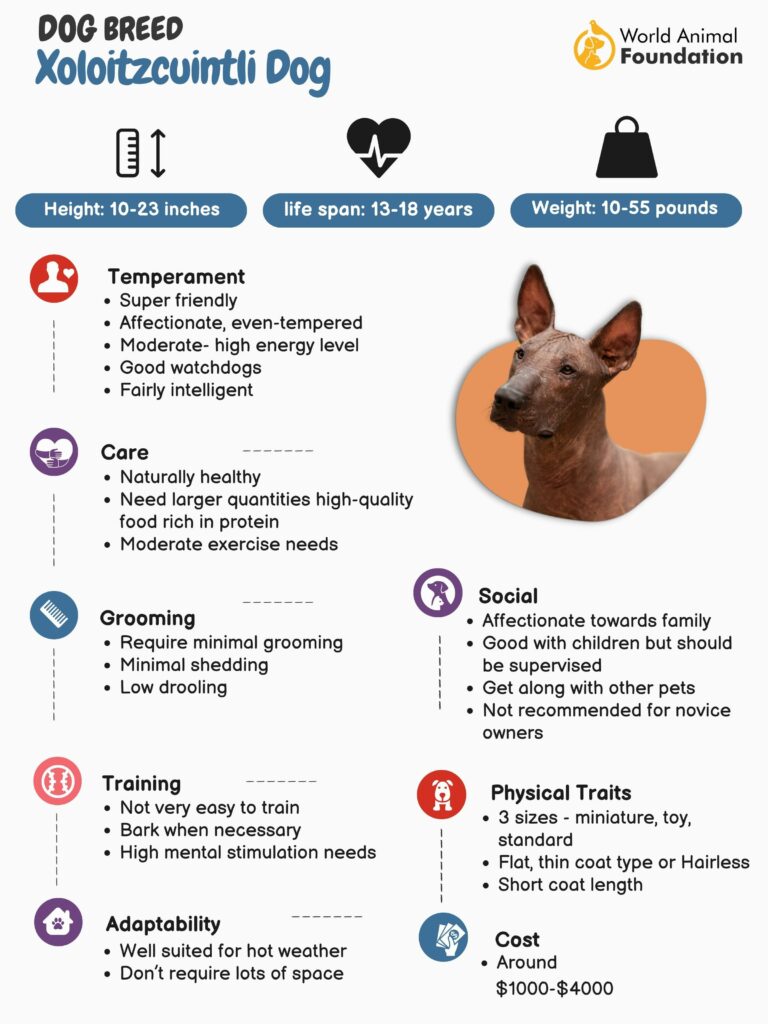
“Xoloitzcuintli Dog – Facts, History …” from worldanimalfoundation.org and used with no modifications.
Grooming Tips for Hairless and Coated Varieties
Grooming a Xoloitzcuintli depends on whether you have a hairless or coated variety. For hairless Xolos, regular skincare is crucial to prevent dryness and sunburn. Applying a gentle, dog-friendly moisturizer can help maintain healthy skin. During sunny days, it’s advisable to use a pet-safe sunscreen to protect their skin from UV rays.
Coated Xolos, on the other hand, require regular brushing to keep their short, dense coat clean and free from tangles. Despite having a coat, they still benefit from skincare routines similar to their hairless counterparts.
Importance of Regular Exercise
Exercise is vital for the well-being of a Xoloitzcuintli. These dogs are naturally energetic and require daily physical activity to prevent boredom and maintain a healthy weight. Activities like walking, running, and playing fetch are excellent ways to keep them engaged.
Besides that, mental exercises, such as puzzle toys or obedience training, can further stimulate their intelligence and prevent destructive behaviors. A well-exercised Xolo is a happy and well-behaved companion. For those considering adding a Xolo to their family, it’s important to know how much a Xoloitzcuintli costs to ensure you’re prepared for the investment.
Cost Considerations: Buying and Owning a Xoloitzcuintli
Before bringing a Xoloitzcuintli into your home, it’s essential to understand the costs involved. Owning a Xolo is a long-term commitment that goes beyond the initial purchase price. Here’s what you need to know:
Price Range for Purchase
The cost of purchasing a Xoloitzcuintli can vary significantly based on factors such as pedigree, breeder reputation, and location. Generally, you can expect to pay between $600 and $4,000 for a Xolo puppy.
- Puppies from reputable breeders with champion bloodlines are on the higher end of the price spectrum.
- Adopting from a rescue organization may be a more affordable option, with fees typically ranging from $300 to $600.
It’s crucial to choose a responsible breeder who prioritizes the health and well-being of their dogs. Avoid purchasing from puppy mills or unethical breeders, as this can lead to health and behavioral issues in your new pet.
Adoption from Breed Rescue Orgs
Adopting a Xoloitzcuintli from a breed-specific rescue organization can be a rewarding experience. These organizations work tirelessly to find loving homes for Xolos in need, and they often have a thorough understanding of the breed’s characteristics and needs.
Adoption fees typically cover vaccinations, spaying or neutering, and sometimes even microchipping. This option not only saves you money but also gives a deserving dog a second chance at a happy life.
Additional Costs and Commitments
Beyond the initial purchase or adoption fee, there are ongoing costs associated with owning a Xoloitzcuintli. These include:
- Veterinary care: Routine check-ups, vaccinations, and potential health issues.
- Grooming supplies: Skincare products, brushes, and other grooming essentials.
- Food and nutrition: High-quality dog food to meet their dietary needs.
- Training and socialization: Classes or resources to ensure proper behavior.
Therefore, it’s important to budget for these expenses to ensure your Xoloitzcuintli receives the best care possible. Remember, a well-cared-for dog is a happy and healthy companion.
Global Population Statistics
The Xoloitzcuintli, despite its ancient roots, is considered a rare breed today. Their numbers have dwindled over the centuries, primarily due to their decline in popularity and the challenges of maintaining a purebred population. According to recent statistics, there are only a few thousand Xolos registered worldwide, with the majority residing in Mexico and the United States.
In the U.S., the American Kennel Club (AKC) has recognized the Xoloitzcuintli since 2011, and since then, efforts to increase their population have been gradually improving. While they remain a rare sight, the breed’s unique characteristics and historical significance are attracting more enthusiasts and breeders dedicated to preserving this ancient dog.
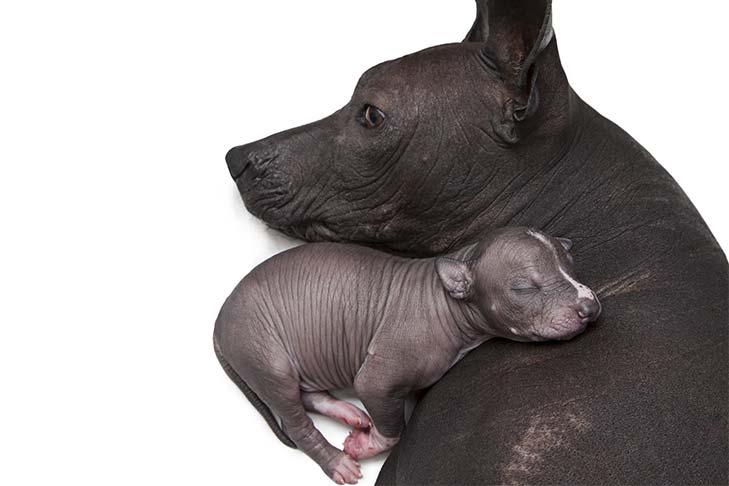
“Xoloitzcuintli Dog Breed Information” from www.akc.org and used with no modifications.
Conservation and Breeding Efforts
Conservation efforts for the Xoloitzcuintli are crucial to ensure the breed’s survival. Organizations and breeders are working together to maintain genetic diversity and prevent inbreeding, which can lead to health issues. Responsible breeding practices are essential to preserve the unique traits and health of the Xolo.
In addition to breeding programs, awareness campaigns are being conducted to educate the public about the breed’s history and characteristics. By promoting the Xoloitzcuintli’s cultural significance and unique attributes, these efforts aim to increase interest and demand for this rare breed, ultimately supporting its conservation.
Legal Aspects of Owning a Xoloitzcuintli in the US
Owning a Xoloitzcuintli in the United States comes with certain legal considerations. While they are not subject to the same restrictions as some other breeds, it’s important to be aware of local regulations and requirements for pet ownership.
Most importantly, understanding the legal aspects ensures a smooth experience for both you and your Xolo. Let’s explore the state regulations and registration requirements.
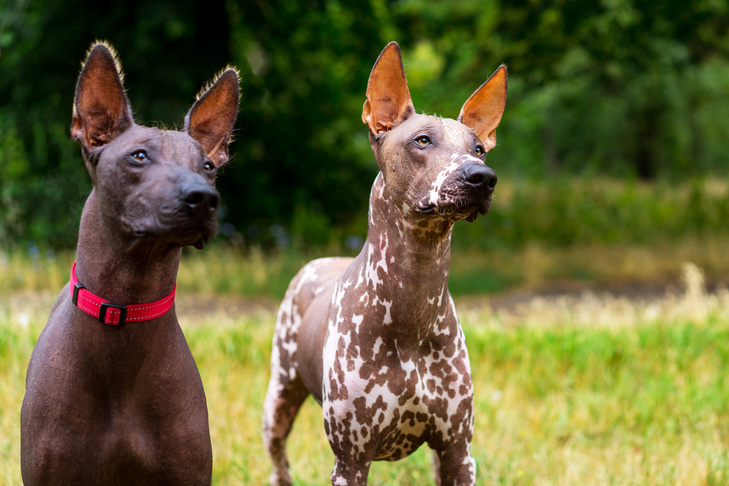
“Facts About the Xoloitzcuintli That You …” from www.akc.org and used with no modifications.
State Regulations and Restrictions
State regulations regarding dog ownership can vary significantly. While the Xoloitzcuintli is generally not subject to breed-specific legislation, some states and municipalities may have specific regulations regarding pet ownership, such as leash laws or limits on the number of pets per household.
“Before bringing a Xoloitzcuintli into your home, check with your local animal control or city government for any specific regulations or restrictions that may apply.”
Additionally, some states require mandatory vaccinations and health checks for all dogs, including the Xoloitzcuintli. Ensuring compliance with these regulations is essential to avoid legal issues and ensure the well-being of your pet.
Registration and Licensing Requirements
Registering your Xoloitzcuintli with a recognized kennel club, such as the AKC, is an important step in responsible pet ownership. Registration provides proof of pedigree and can be beneficial for participating in dog shows or breeding programs.
Besides registration, licensing your dog with your local government is often required. Licensing helps ensure that your pet is up-to-date on vaccinations and can assist in reuniting you with your dog if they become lost. The process typically involves providing proof of vaccination and paying a small fee.
Challenges and Considerations: Is Xoloitzcuintli High Maintenance?
When considering adding a Xoloitzcuintli to your family, it’s essential to understand the challenges and considerations involved. While they are not necessarily high maintenance, they do have specific needs that require attention. For more details on the breed’s background, you can explore the Xoloitzcuintli history.
Troubleshooting Potential Health Issues
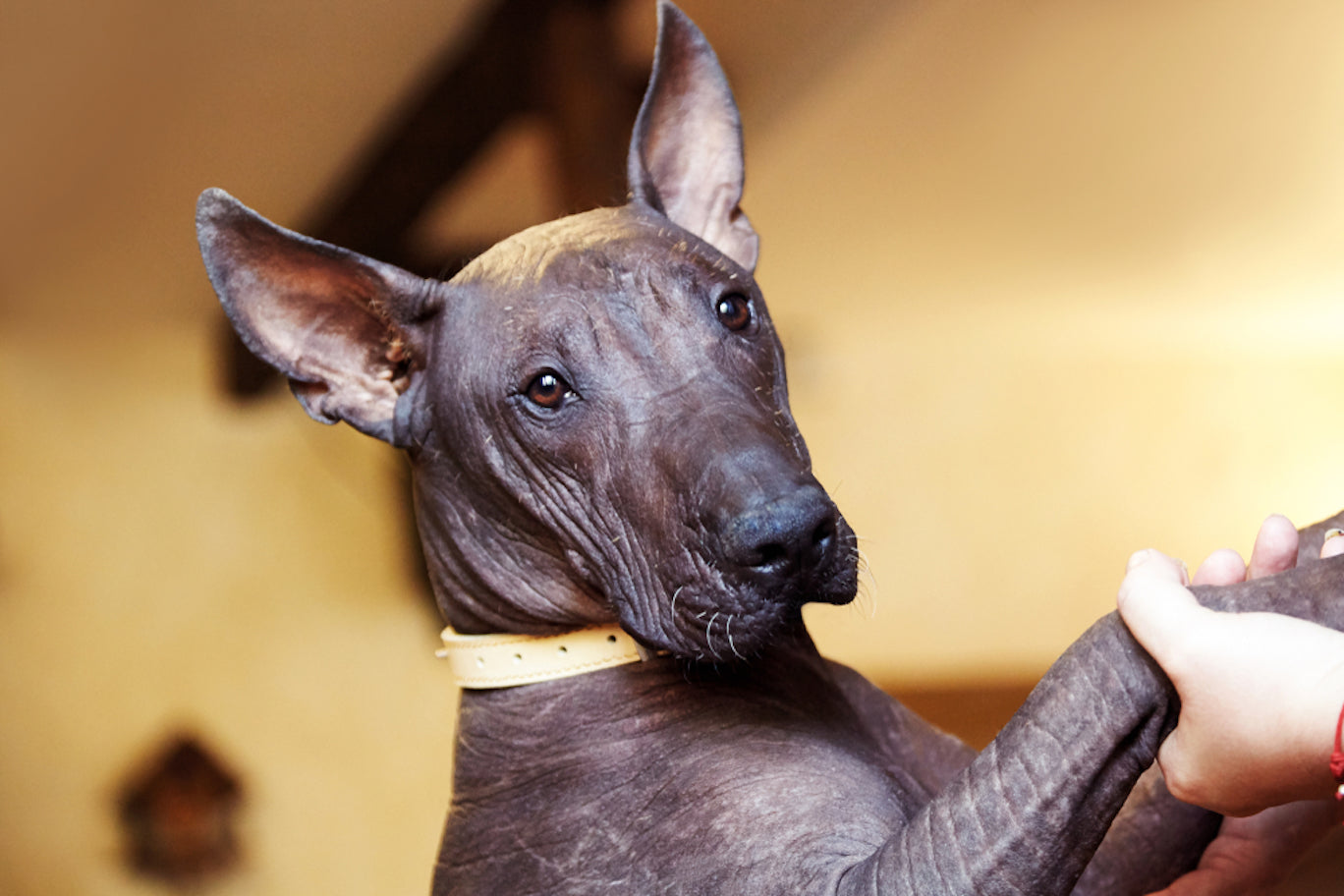
Xoloitzcuintlis are generally healthy dogs, but like any breed, they can be prone to certain health issues. Common concerns include skin conditions, dental problems, and hip dysplasia. Regular veterinary check-ups are crucial to monitor their health and address any issues promptly.
For hairless Xolos, skin care is particularly important. Keeping their skin clean and moisturized can prevent dryness and irritation. Regular dental care, such as brushing their teeth and providing dental chews, can help prevent dental issues common in hairless varieties.
“Xoloitzcuintli(Xolo) : Pet Profile …” from www.dutch.com and used with no modifications.
Training and Socialization Needs
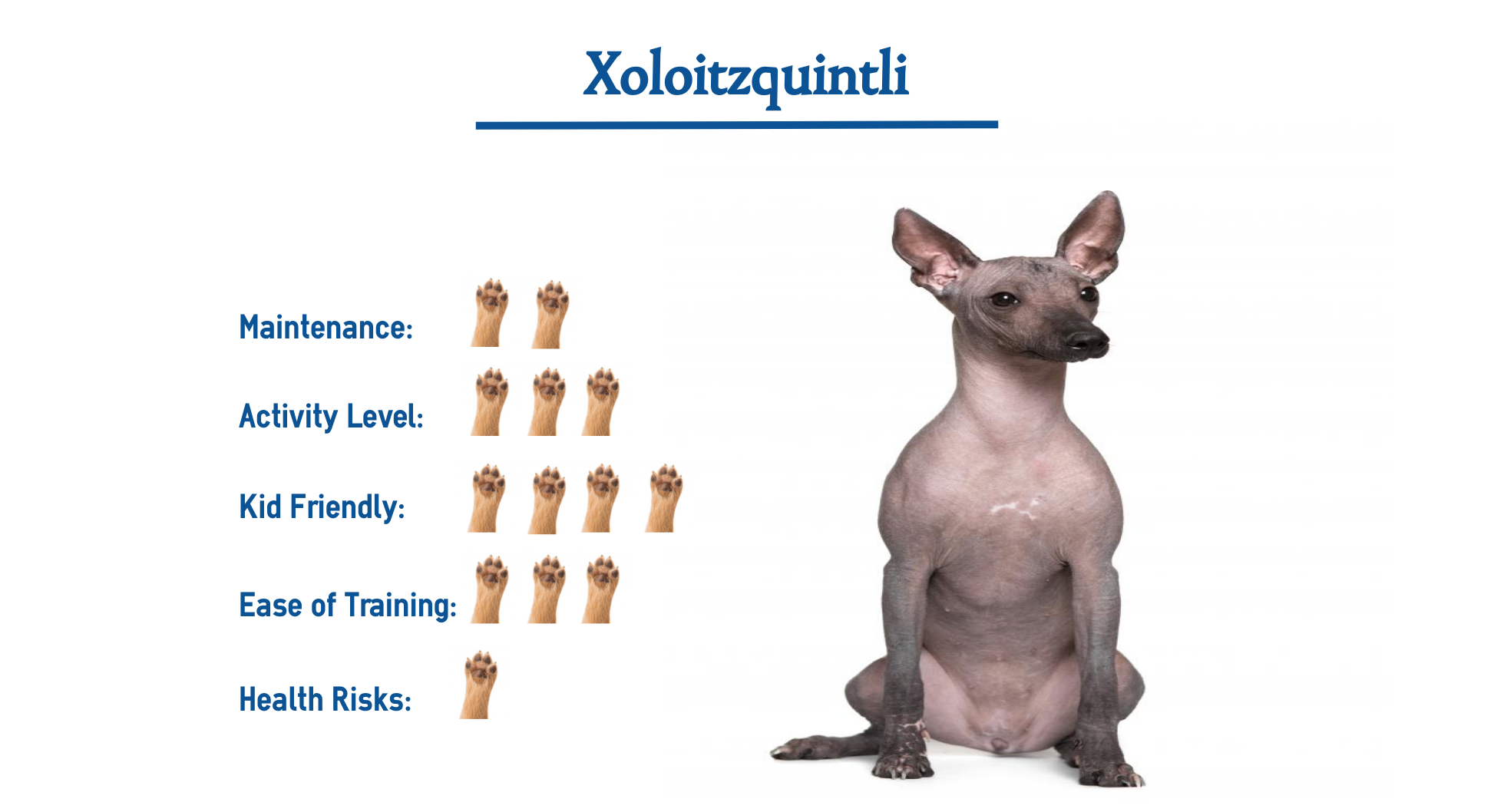
Xolos are intelligent and eager to please, making them relatively easy to train. However, they can be independent thinkers, so consistent and positive reinforcement methods work best. Early socialization is key to ensuring they develop into well-rounded and confident dogs.
Exposing them to various environments, people, and other animals can help prevent behavioral issues and build their confidence. Training sessions should be engaging and varied to keep their interest and prevent boredom. For those interested in different breeds, the Brussels Griffon offers a unique personality and requires specific training techniques.
Ideal Living Conditions for Xolos
Xoloitzcuintlis adapt well to different living environments, whether it’s an apartment or a house with a yard. However, they thrive in homes where they receive plenty of attention and companionship. They are not well-suited for outdoor living due to their sensitivity to extreme temperatures.
Providing a comfortable indoor environment with cozy bedding and climate control is ideal for keeping your Xolo happy and healthy. Regular exercise and mental stimulation are also important to prevent boredom and maintain their well-being.
Pros and Cons of Owning a Xoloitzcuintli
Owning a Xoloitzcuintli can be a rewarding experience, but it’s important to weigh the pros and cons to determine if this breed is the right fit for your lifestyle.
Advantages of This Unique Breed
The Xoloitzcuintli offers several advantages to potential owners:
- Low Shedding: Hairless Xolos are an excellent choice for allergy sufferers, as they produce less dander compared to other breeds.
- Intelligent and Trainable: Their eagerness to learn and please makes them highly trainable and adaptable to various activities.
- Unique Appearance: The Xolo’s distinct look sets them apart and can be a conversation starter for those who appreciate unique breeds.
“Xoloitzcuintli Dog Breed… Everything …” from indulgeyourpet.com and used with no modifications.
Potential Drawbacks to Consider
While the Xoloitzcuintli has many positive attributes, there are some potential drawbacks to consider:
- Skin Care Needs: Hairless Xolos require regular skincare routines to maintain healthy skin and prevent issues.
- Sensitivity to Temperature: Their lack of fur makes them sensitive to extreme temperatures, requiring extra care in hot or cold weather.
- Rarity and Cost: Due to their rarity, finding a reputable breeder and the initial cost can be higher compared to more common breeds.
Comparing Xoloitzcuintli and Chihuahua
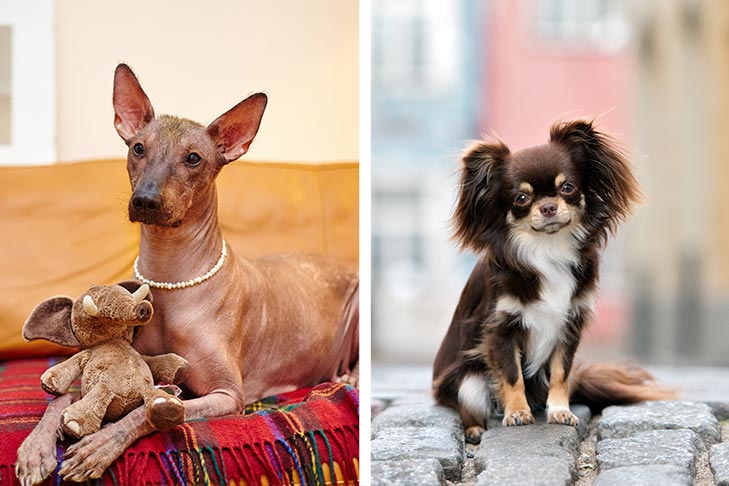
Both the Xoloitzcuintli and the Chihuahua are iconic Mexican breeds, but they have distinct differences that may appeal to different types of dog owners. For those interested in exploring other unique dog breeds, the Brussels Griffon offers a fascinating comparison in terms of size, shedding, and personality.
“Mexican Dog Breeds: Xoloitzcuintli and …” from www.akc.org and used with no modifications.
Temperament and Behavior Differences
Chihuahuas are known for their bold and lively personalities. They are often described as “big dogs in small bodies” due to their confident and sometimes feisty nature. Xolos, on the other hand, tend to be more reserved and calm, making them excellent companions for those seeking a more laid-back pet.
While both breeds are affectionate and loyal, Chihuahuas may require more socialization to prevent territorial behaviors. Xolos, being naturally gentle and friendly, are generally easier to socialize with other pets and people.
“Xoloitzcuintli – Toy, Miniature and …” from www.k9rl.com and used with no modifications.
Size and Physical Characteristics Comparison
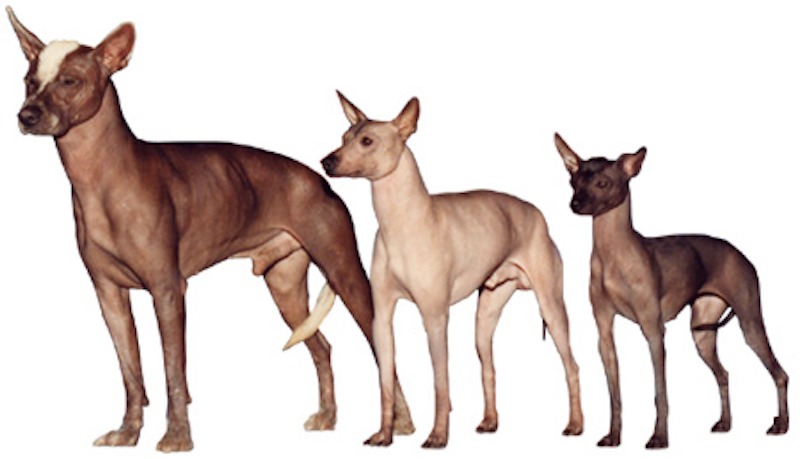
The size difference between the two breeds is notable. Chihuahuas are among the smallest dog breeds, typically weighing between 2 to 6 pounds. In contrast, Xoloitzcuintlis come in three sizes: toy, miniature, and standard, with weights ranging from 10 to 55 pounds.
Physically, Chihuahuas have a more compact and delicate build, while Xolos are more robust and muscular. The Xolo’s unique hairless appearance contrasts with the Chihuahua’s often fluffy coat, offering different grooming needs and aesthetic preferences for potential owners.
Lifestyle Suitability for Different Owners
Choosing a Xoloitzcuintli means welcoming a dog that thrives in various living situations. Whether you live in an apartment or a house with a spacious yard, Xolos adapt well, provided they receive adequate exercise and companionship. Their moderate size and calm demeanor make them suitable for urban living, but they do appreciate outdoor playtime in secure areas.
For families, Xolos are generally good with children, displaying patience and gentleness. However, as with any breed, supervision is essential to ensure interactions remain positive. First-time dog owners may find Xolos a bit challenging due to their specific care needs, but with dedication and research, they can make a wonderful addition to the household.
Physical Attributes: Do Xoloitzcuintlis Sweat?
Unlike humans, dogs primarily regulate their body temperature through panting and, to a lesser extent, through their paw pads. The Xoloitzcuintli is no exception. Their unique physiology means they don’t sweat in the way humans do, but they do have a fascinating method of temperature regulation.
The absence of fur in hairless Xolos means they rely heavily on their skin for cooling. This makes them more sensitive to temperature extremes, requiring owners to be vigilant about their comfort in hot or cold weather. Coated Xolos have a slight advantage in temperature regulation due to their fur, but they still require attention to avoid overheating or chilling.
It’s crucial to provide shade and water during hot days and to use clothing or blankets in colder temperatures. This ensures that your Xolo remains comfortable and healthy, regardless of the weather. For more insights on pet care, you might find this guide for first-time pet owners helpful.
- Ensure access to fresh water at all times.
- Provide sun protection, like pet-safe sunscreen or shade, for hairless varieties.
- Use sweaters or coats in cold weather to maintain body warmth.
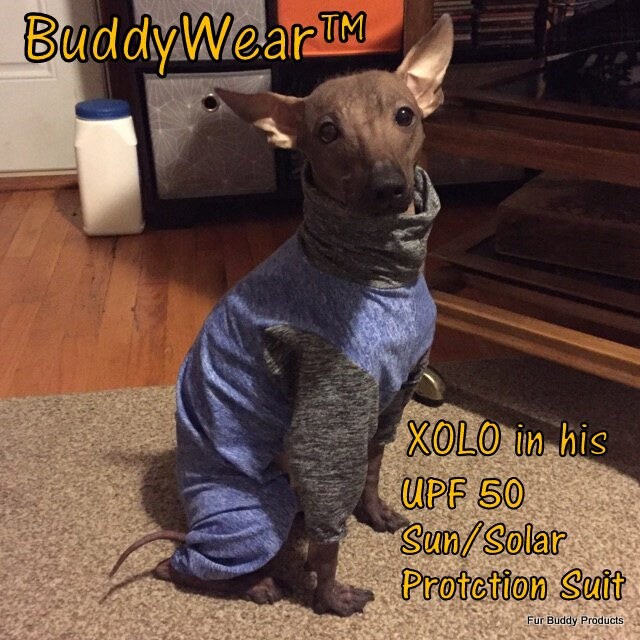
“Suit for American Hairless Terriers …” from www.etsy.com and used with no modifications.
Unique Physiology of the Breed
The Xoloitzcuintli’s physiology is distinct, especially in hairless varieties. Their lack of fur means their skin is more exposed to the elements, necessitating careful skincare. Regular baths with gentle shampoos help maintain skin health, while moisturizing can prevent dryness and cracking.
Besides skincare, dental care is another important aspect. Hairless Xolos may have fewer teeth due to the genetic link between hairlessness and dental development. Regular dental check-ups and proper oral hygiene are essential to prevent issues.
Temperature Regulation in Xolos
Temperature regulation in Xolos is primarily managed through their skin and behavior. On hot days, they may seek cooler surfaces to lie on or spend more time indoors. In colder climates, they often enjoy basking in the sun or cuddling under blankets. For those interested in unique breeds, the Lykoi cat also has fascinating ways of adapting to different temperatures.
Owners should be attentive to their Xolo’s cues and adjust their environment accordingly. Monitoring their behavior and providing necessary comforts can help prevent temperature-related stress or health issues.
First-time Owners: Is a Xoloitzcuintli Right for You?
Bringing a Xoloitzcuintli into your home can be a rewarding experience, but it’s important to assess if this breed aligns with your lifestyle and expectations. Their unique characteristics and care requirements may pose challenges for first-time owners, but with preparation and understanding, these can be easily managed.
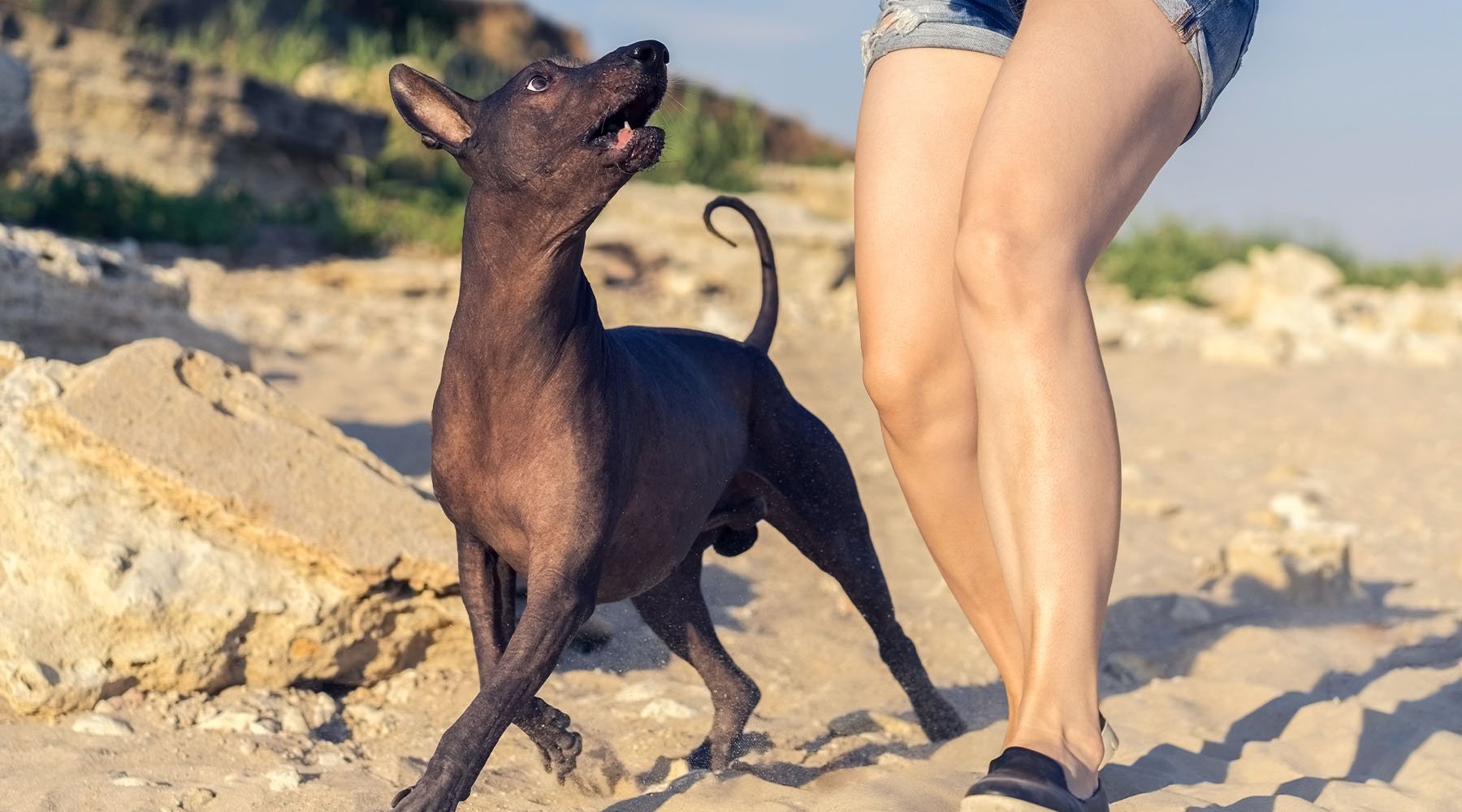
“Does your dog need sunscreen?” from companionpetmagazine.com and used with no modifications.
Understanding Owner Compatibility
Xolos are best suited for owners who can provide time, attention, and a structured environment. They thrive in homes where they are considered part of the family, enjoying interaction and companionship. Owners who appreciate a dog with a rich history and distinct appearance will find the Xolo a fascinating companion.
Preparing Your Home for a Xolo
Preparation is key when introducing a Xoloitzcuintli to your home. Start by creating a safe and comfortable space for them, equipped with bedding, toys, and feeding areas. Ensure that your home is secure, as Xolos are curious and may explore if given the chance.
Consider the climate of your area and make necessary adjustments to protect your Xolo from temperature extremes. This may include providing cooling mats for hot weather or warm clothing for cooler days.
Common Mistakes and How to Avoid Them
New owners may make common mistakes such as neglecting skincare or underestimating their Xolo’s exercise needs. It’s crucial to establish a routine that includes regular grooming, exercise, and socialization to prevent behavioral issues.
Another common mistake is failing to provide mental stimulation. Xolos are intelligent and benefit from training and interactive play. Engage them with puzzle toys and obedience training to keep their minds sharp and prevent boredom.
Frequently Asked Questions (FAQ)
Owning a Xoloitzcuintli comes with questions, especially for those unfamiliar with the breed. Here are some common inquiries and answers to help guide potential and current owners. For those interested in other unique breeds, consider learning about the Lykoi cat and its fascinating characteristics.
How do I care for a hairless Xoloitzcuintli?
Caring for a hairless Xolo involves regular skincare, including bathing with gentle shampoos and moisturizing. Protect their skin from sunburn with pet-safe sunscreen and provide clothing in cold weather to keep them warm.
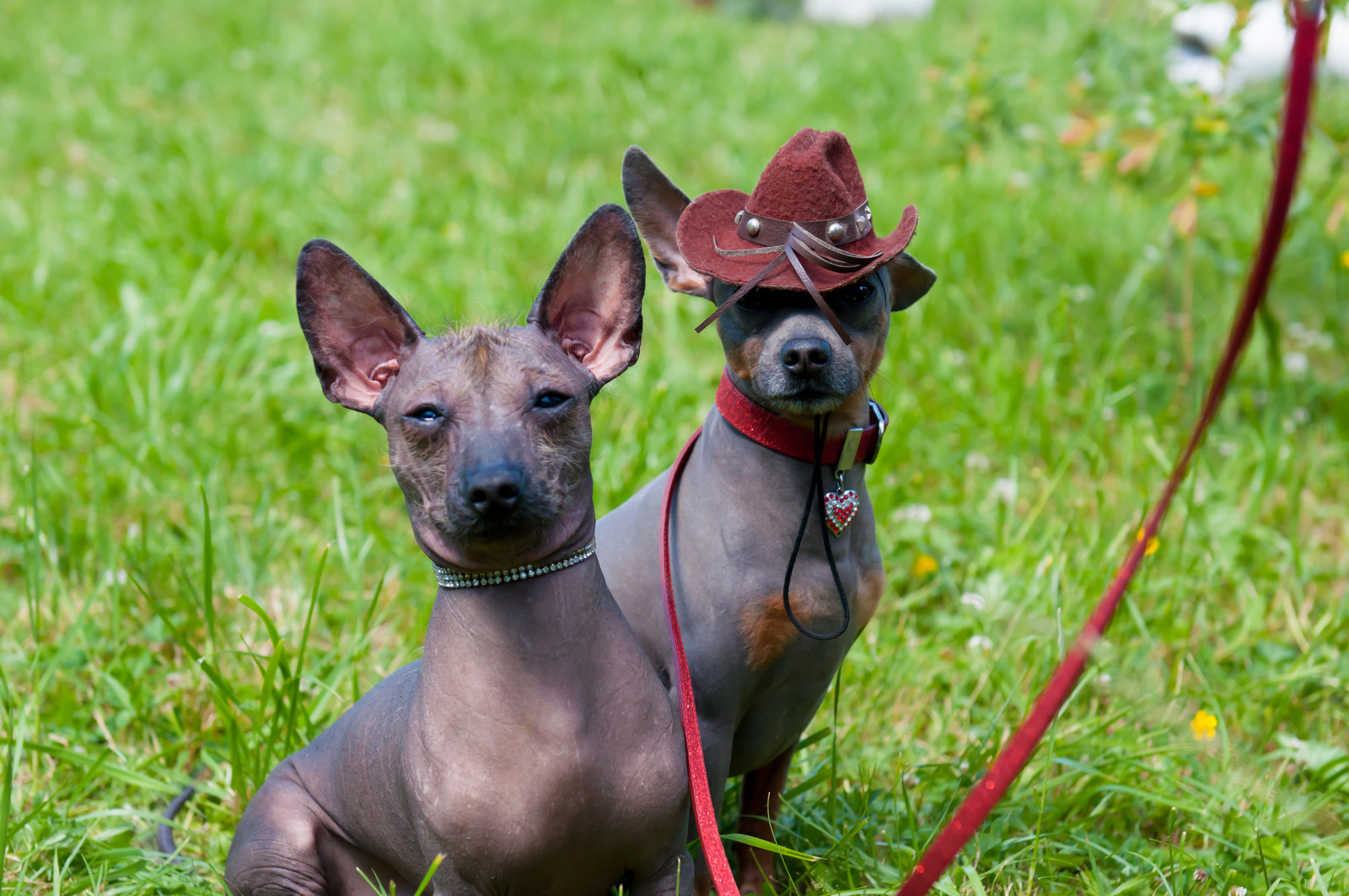
“Hairless Dog Breed Comparison” from citizenshipper.com and used with no modifications.
Are Xoloitzcuintlis good with children?
Yes, Xoloitzcuintlis are generally good with children. They are gentle and patient, making them suitable companions for families. However, it’s important to supervise interactions to ensure safety and teach children how to interact respectfully with dogs. For families considering other breeds, exploring the pros and cons of Boykin Spaniels can be helpful.
“Xolos thrive in family environments where they receive attention and are included in daily activities.”
With proper socialization, they can form strong bonds with children and become loyal family members.
What is the lifespan of a Xoloitzcuintli?
The average lifespan of a Xoloitzcuintli ranges from 12 to 15 years. With proper care, including regular veterinary check-ups, a balanced diet, and adequate exercise, they can enjoy a long and healthy life.
Genetics, environment, and lifestyle all play a role in their longevity, so providing a loving and attentive home is key to their well-being. For more on the importance of these factors, you might find this Boxer adoption guide insightful.
Do Xoloitzcuintlis require special diets?
Xolos do not require a special diet, but it’s important to feed them high-quality dog food that meets their nutritional needs. Consult with a veterinarian to determine the best diet plan, taking into account their age, size, and activity level.
Can Xoloitzcuintlis live in apartments?
Yes, Xoloitzcuintlis can adapt well to apartment living, provided they receive enough exercise and mental stimulation. Regular walks and playtime are essential to keep them happy and prevent boredom.
Ensure that your living space is secure and free from hazards, and consider the needs of your Xolo when arranging your home environment.