Key Takeaways
- Zebra finches are budget-friendly pets, with adoption costs ranging from $10 to $100, significantly less than the initial $500 to $1,000 needed for dogs.
- They typically live for 5 to 9 years, depending on care quality and environment.
- While not as affectionate as dogs, zebra finches are social among themselves and thrive in pairs or groups.
- A balanced diet of seeds, fresh greens, and occasional fruit ensures optimal health and longevity.
- They do not require much space but need a well-ventilated cage with toys for stimulation and exercise.
Zebra Finch Adoption Insights
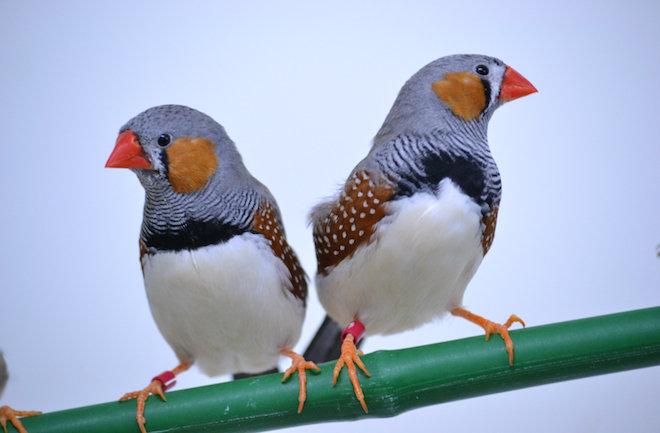
Adopting a zebra finch can be an exciting venture for any bird enthusiast. These small, lively birds are known for their charming appearance and delightful songs. However, understanding the nuances of their care is essential to ensure a happy and healthy life for your feathered friend.
“Finches sing like birds — and their …” from www.nbcnews.com and used with no modifications.
Why Choose a Zebra Finch Over Other Companion Birds?
Opting for a zebra finch comes with several advantages. These birds are relatively low maintenance compared to larger birds like parrots. They are hardy and adapt well to various environments, making them ideal for first-time bird owners. Additionally, zebra finches are known for their vibrant colors and energetic personalities.
- Low maintenance and cost-effective.
- Require less space than larger birds.
- Known for their cheerful and lively nature.
- Can be kept in pairs, providing companionship to each other.
Most importantly, zebra finches are excellent for those who prefer observing birds rather than handling them frequently. They thrive on interaction with their own kind, so keeping them in pairs or small groups is beneficial.
Initial Adoption Costs and Considerations
The cost of adopting a zebra finch is one of its most attractive features. Typically, these birds are priced between $10 and $100, depending on factors such as age, coloration, and breeder reputation. This is a stark contrast to the initial expenses associated with adopting a dog or cat, which can range from $500 to $1,000.
Besides the bird itself, you’ll need to invest in a cage, which should be spacious enough to allow for flight. A basic setup can cost around $50 to $200. Don’t forget the essentials like food and water dishes, perches, and toys to keep your bird engaged. For more detailed information on setting up a proper habitat, you can refer to this Finch Care Sheet.
Comparison with Dog or Cat Ownership Costs
When comparing zebra finch ownership to that of dogs or cats, the financial and time investments are notably different. Dogs and cats require regular veterinary visits, vaccinations, grooming, and more, leading to higher ongoing expenses. For zebra finches, the monthly costs are primarily for food, occasional health check-ups, and cage maintenance. If you’re considering a different type of finch, you might want to learn more about Gouldian finch care.
Here’s a quick comparison:
|
Expense |
Zebra Finch |
Dog/Cat |
|---|---|---|
|
Initial Adoption |
$10 – $100 |
$500 – $1,000 |
|
Monthly Care |
$20 – $50 |
$100 – $300 |
|
Annual Vet Visits |
$50 – $100 |
$200 – $500 |
Understanding Zebra Finch Lifespan and Health
Knowing how long zebra finches live and what affects their health is crucial for potential owners. These birds can bring joy to your home for several years, provided they receive proper care.
“Zebra Finch Animal Facts – Taeniopygia …” from a-z-animals.com and used with no modifications.
Average Lifespan and Factors Affecting Longevity
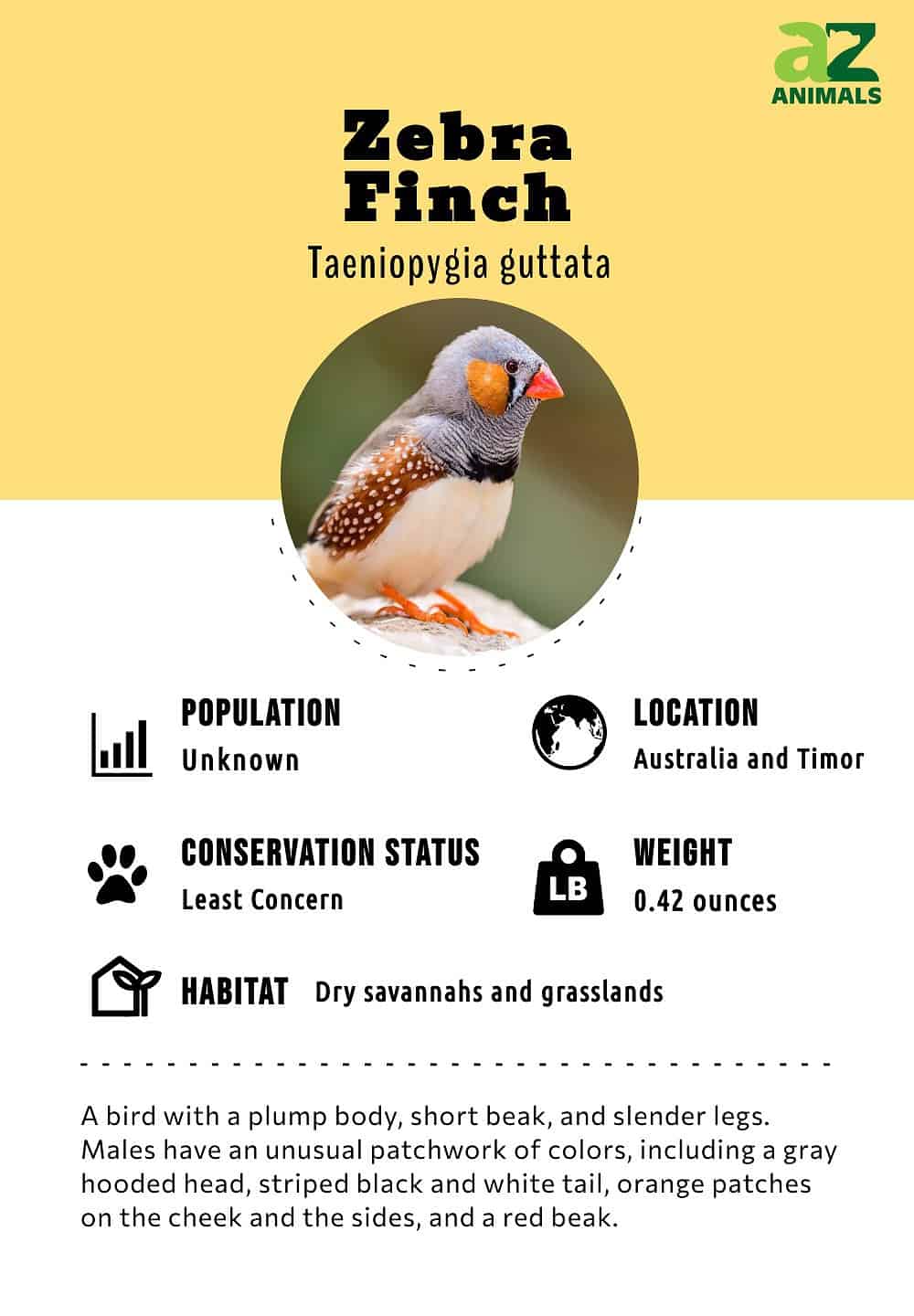
Zebra finches generally have a lifespan of 5 to 9 years. The quality of care, diet, and living conditions play a significant role in determining their longevity. A stress-free environment, coupled with a balanced diet, can help maximize their lifespan.
Environmental factors such as temperature, humidity, and noise levels can also impact their health. Keeping them in a stable, quiet, and well-ventilated area is essential for their well-being.
“A well-cared-for zebra finch can be a delightful companion for nearly a decade, making it a rewarding experience for bird lovers.”
Common Health Issues and How to Prevent Them
Like all pets, zebra finches can face health challenges. Common issues include respiratory infections, mites, and nutritional deficiencies. To prevent these, ensure their cage is clean, and they have access to fresh food and water daily. Regular health check-ups with an avian vet can catch potential problems early.
By being proactive in their care, you can help ensure your zebra finch remains healthy and happy throughout its life.
Characteristics of a Friendly Finch
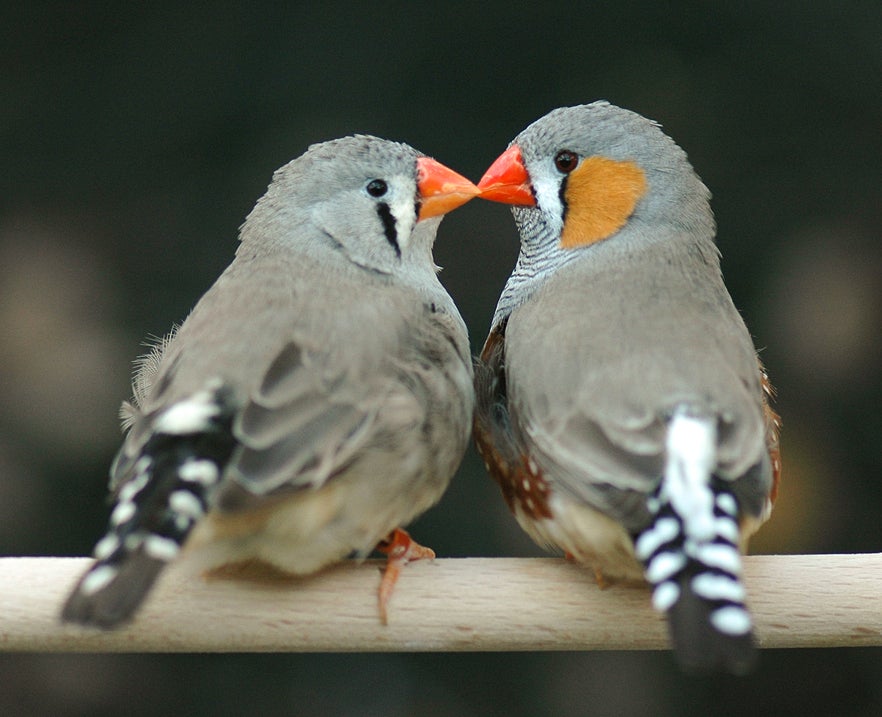
Zebra finches are naturally social creatures, thriving best when kept in pairs or small groups. Their friendly nature is evident in their constant chirping and singing, which can brighten up any household. While they may not be as interactive with humans as parrots, they certainly have their charm.
- Active and lively, providing endless entertainment.
- They enjoy the company of other finches, promoting a harmonious environment.
- Known for their unique, melodious songs.
- Generally peaceful, but can be bossy among their peers.
Most importantly, they require minimal human interaction to stay happy. As long as they have a companion or two, they will remain content and active, similar to how Korat cats thrive in a social environment.
However, it’s crucial to observe their interactions, especially when introducing new birds. Occasionally, dominance issues can arise, but these are usually resolved with time and patience.
Managing Aggressive Behavior
While zebra finches are generally docile, there may be instances where aggressive behavior surfaces. This can be due to territorial disputes or overcrowding in the cage. To manage such behavior, ensure the cage is spacious enough to allow for personal space. For more information on similar bird species, you might find it helpful to explore Gouldian finch care and breeding tips.
Providing multiple feeding stations and perches can also help reduce competition and aggression. If aggressive behavior persists, consider separating the finches temporarily until they calm down.
Pros and Cons of Owning a Zebra Finch
Owning a zebra finch comes with its unique set of advantages and disadvantages. Understanding these can help you make an informed decision about whether they are the right pet for you.
“Why Love Matters to a Zebra Finch | Audubon” from www.audubon.org and used with no modifications.
Advantages: Low Maintenance and Cost
Zebra finches are low-maintenance pets, making them ideal for busy individuals or families. Their care requirements are minimal compared to larger birds, and they do not demand constant attention. Additionally, the cost of their upkeep is relatively low, with food and basic supplies being quite affordable. For those interested in similar birds, the Gouldian finch also offers a low-maintenance pet option.
Disadvantages: Interaction Limitations
One of the main drawbacks is their limited interaction with humans. Zebra finches are not as affectionate or trainable as parrots, which can be disappointing for those seeking a more interactive pet. They also require regular cage cleaning to maintain a healthy environment, which can be time-consuming for some.
Optimal Care for Your Zebra Finch
Providing optimal care for your zebra finch is essential for their health and happiness. This involves ensuring they have a balanced diet, a suitable living environment, and opportunities for exercise and mental stimulation.
Best Diet for Health and Longevity
A well-balanced diet is crucial for maintaining the health and longevity of your zebra finch. Their primary diet should consist of high-quality finch seed mix, which provides essential nutrients and energy.
In addition to seeds, fresh fruits and vegetables should be offered regularly. Leafy greens, such as spinach and kale, along with small pieces of apple or carrot, can provide vital vitamins and minerals. For more information on proper bird care, you can explore resources on Gouldian Finch care.
It’s also beneficial to include protein sources, such as boiled eggs or mealworms, especially during the breeding season. This ensures they have the necessary nutrients to thrive.
- Offer a variety of seeds, fruits, and vegetables.
- Ensure fresh water is available at all times.
- Provide calcium supplements, like cuttlebone, to support bone health.
- Limit treats to prevent obesity and health issues.
By adhering to these dietary guidelines, you can help your zebra finch maintain a healthy weight and vibrant plumage.
“How many zebra finches could …” from www.reddit.com and used with no modifications.
Setting Up the Perfect Home Habitat
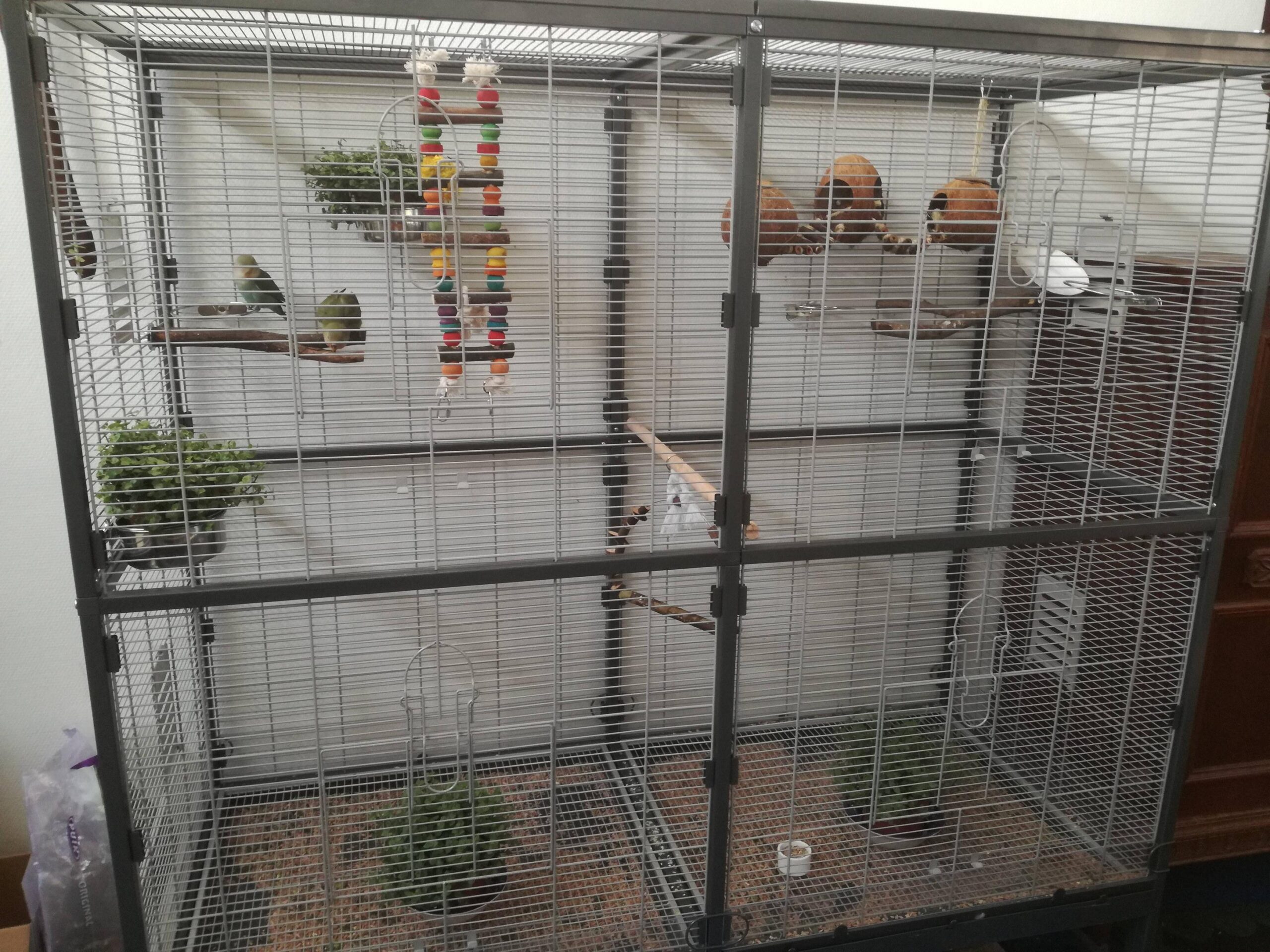
Creating a comfortable and stimulating environment is vital for your zebra finch’s well-being. Their cage should be spacious enough to allow for flight and exploration, with dimensions of at least 18x18x24 inches for a pair of finches.
Include a variety of perches, swings, and toys to encourage physical activity and mental stimulation. Ensure the cage is placed in a well-ventilated area, away from direct sunlight and drafts, to maintain a stable temperature.
Tips for Managing Their Space and Needs
Managing the space and needs of your zebra finch involves regular cleaning and maintenance of their living environment. Clean the cage and replace bedding at least once a week to prevent the buildup of waste and bacteria. For more insights on bird care, you can explore the Golden Mantled Rosella care guide.
Rotate toys and perches regularly to keep your finch engaged and prevent boredom. Additionally, monitor their behavior for any signs of stress or discomfort, adjusting their environment as needed to ensure they remain happy and healthy.
Training and Interaction
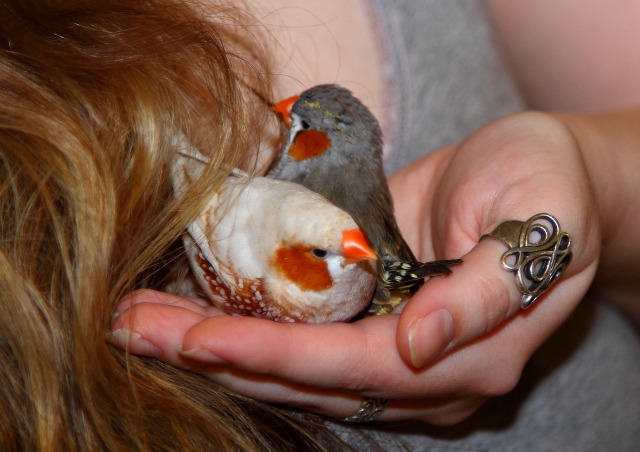
While zebra finches are not known for their trainability, they can still benefit from gentle interaction and socialization. Spend time near their cage, talking or whistling softly to help them become accustomed to your presence.
With patience and consistency, some zebra finches may learn to perch on your finger or respond to simple commands. However, it’s essential to respect their natural behavior and avoid forcing interactions, as this can lead to stress.
“New Article ~ Incubators & Hand-feeding …” from lebeaupinson.wordpress.com and used with no modifications.
Can Zebra Finches Be Trained to Talk?
Zebra finches are not known for their ability to mimic human speech like parrots or parakeets. Their vocalizations are more about expressing their emotions and communicating with their peers. However, they can recognize and respond to your voice over time. If you’re interested in other animals that can be trained, consider reading about Border Collie training and care.
With patience, you can encourage them to associate certain sounds or words with specific actions, like coming to the cage door when you call them. This requires consistent interaction and positive reinforcement, such as offering treats when they respond correctly.
Most importantly, remember that each bird is unique. Some may be more responsive than others, and that’s perfectly normal. The key is to enjoy the interaction and build a bond, rather than expecting them to talk.
“While zebra finches won’t recite poetry, their cheerful songs can brighten any day, offering a unique form of companionship.”
Enhancing Bond Through Interaction
Building a bond with your zebra finch involves understanding their behavior and respecting their boundaries. Spend time near their cage, talking softly or whistling, to help them become comfortable with your presence. Over time, they may start to recognize you as a source of comfort and security.
Incorporating interactive toys, such as mirrors or bells, can also help stimulate their curiosity and encourage them to engage with their environment. This not only strengthens your bond but also contributes to their overall well-being. If you’re interested in exploring more about pet care, you might want to check out our guide on French Lop rabbit care for additional insights.
Final Thoughts on Zebra Finch Adoption
Adopting a zebra finch can be a rewarding experience, offering a glimpse into the vibrant world of avian companionship. These birds are perfect for those who appreciate the beauty of nature and the joy of observing animal behavior.
While they may not be as interactive as other pets, their cheerful songs and lively antics can bring a sense of peace and joy to any home. By providing proper care and a nurturing environment, you can ensure a fulfilling life for your zebra finch.
Summary of Benefits and Considerations
In summary, zebra finches are an excellent choice for bird lovers seeking a low-maintenance and budget-friendly pet. Their colorful plumage and delightful songs can add a touch of nature’s beauty to your home. However, it’s essential to understand their needs and limitations, ensuring they receive the care and attention they deserve.
Frequently Asked Questions (FAQ)
Addressing common questions about zebra finch care can help potential owners make informed decisions and ensure a positive experience for both the birds and their human companions. For more insights into bird care, check out our guide on Golden Mantled Rosella adoption and care.
What are the basic needs of a zebra finch?
Zebra finches require a clean and spacious cage, a balanced diet, and regular social interaction with other finches. Providing fresh water, a variety of seeds, and occasional fruits and vegetables is essential for their health.
Additionally, ensure their environment is safe from predators and extreme temperatures, and offer toys and perches for mental and physical stimulation.
How much time should I spend with my zebra finch daily?
- Spend at least 15-30 minutes daily near their cage to help them get accustomed to your presence.
- Interact with them through talking, whistling, or offering treats.
- Ensure they have company, either through other finches or interactive toys, to prevent loneliness.
While zebra finches don’t require constant attention, regular interaction can help strengthen your bond and keep them mentally stimulated.
Consistency is key, so try to establish a routine that includes feeding, cleaning, and interaction.

“Lovely little flock! : r/Finches” from www.reddit.com and used with no modifications.
Can I keep a single zebra finch, or do they need companions?
Zebra finches are social animals and thrive in the company of their kind. Keeping them in pairs or small groups is recommended to ensure their happiness and well-being. For more information on their care, check out this zebra finch care guide.
- Single finches may become lonely and stressed without a companion.
- Providing at least one other finch can promote natural behaviors and reduce stress.
- Ensure the cage is large enough to accommodate multiple birds comfortably.
If keeping a single finch, be prepared to spend more time interacting with them to compensate for the lack of avian companionship. For more detailed information on finch care, check out this finch care sheet.
How can I tell if my zebra finch is stressed or unwell?
Signs of stress or illness in zebra finches include changes in eating habits, lethargy, fluffed-up feathers, and unusual vocalizations. Observing their behavior regularly can help you identify any potential issues early on. For more detailed care instructions, refer to this zebra finch care guide.
If you notice any concerning symptoms, consult an avian veterinarian for advice and treatment. Prompt attention can prevent more serious health problems and ensure your finch remains healthy.
What’s the best type of cage for a zebra finch?
The ideal cage for a zebra finch should be spacious enough to allow for flight and exploration. A minimum size of 18x18x24 inches is recommended for a pair of finches. For those interested in adopting other pets, such as rabbits, you might find our guide on French Lop rabbit care helpful.
Ensure the cage is equipped with perches, swings, and toys to encourage activity and prevent boredom. Additionally, the cage should be easy to clean and placed in a well-ventilated area away from direct sunlight and drafts.
By providing a safe and stimulating environment, you can help your zebra finch thrive and enjoy a happy, fulfilling life.